
Isle of Wight – Fossil hunters uncovered one of Britain’s most exceptional dinosaur specimens in the cliffs of Compton Bay back in 2013. This nearly complete skeleton, comprising 149 bones, belonged to a previously unknown species that roamed floodplains more than 125 million years ago. The discovery offers fresh glimpses into the diverse ecosystems of southern England’s ancient landscapes during the Early Cretaceous period.
A Trove of Bones Emerges from the Cliffs
A Trove of Bones Emerges from the Cliffs (Image Credits: Facebook)
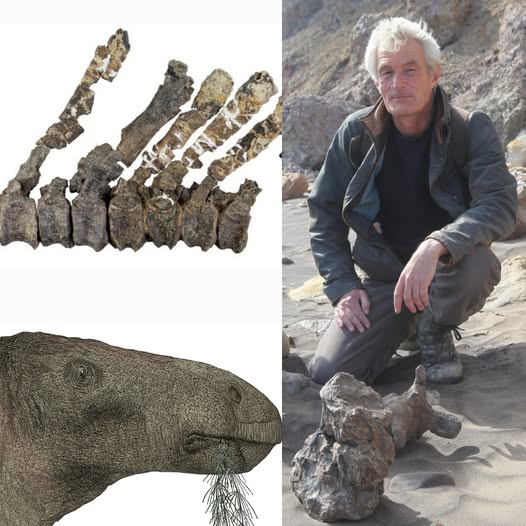
Fossil collector Nick Chase spotted the first bones eroding from the shoreline at Compton Bay. He alerted a team that excavated the site over several weeks, recovering a skull, vertebrae, limbs, and even a massive hip bone the size of a dinner plate. This marked the most complete ornithopod dinosaur unearthed in the UK since 1914, surpassing fragmented finds that paleontologists typically piece together.
Chase, renowned for his sharp eye, donated countless specimens to museums before his death in 2019. His find prompted years of meticulous preparation and analysis at Dinosaur Isle Museum and the Natural History Museum. Researcher Jeremy Lockwood, who joined the dig, pursued a PhD to study iguanodontian variations, ultimately confirming the bones represented a new genus.
Portrait of the Compton Thunderer
Comptonatus chasei weighed around 900 kilograms, roughly matching an American bison, and stood about six years old at death – nearly fully grown. As an iguanodontian, it featured a robust build suited for grazing tough vegetation, with distinctive grooved teeth and a straight-edged lower jaw unlike the curved jaws of relatives like Mantellisaurus.
The genus name evokes “Compton thunderer,” nodding to its hefty frame and the bay’s location, while “chasei” honors its finder. Subtle skull differences and shoulder structures set it apart, highlighting rapid evolution among these herbivores. Nearby footprints suggest it traveled in herds, thundering across plains when predators approached.
Floodplains Teeming with Life
The Wessex Formation, where the bones lay buried, preserved a dynamic floodplain environment under a warm, semi-arid climate. Heavy rains from northern hills swept debris, plants, and carcasses into lowlands, rapidly entombing them for fossilization. Forests of conifers, ginkgos, ferns, and cycads crowned higher ground, fueling frequent wildfires and floods that shaped the ecosystem.
Comptonatus shared this realm with diverse iguanodontians like Brighstoneus and Iguanodon, indicating species coexisted through ecological niches over millions of years. Predators such as Vectiraptor preyed on juveniles, while larger spinosaurs like Riparovenator patrolled the floodplains. This menagerie underscores southern England’s role as a hotspot for Early Cretaceous biodiversity.
- Plant debris beds signal lush riparian zones amid semi-arid uplands.
- Herd behavior provided defense against ambush hunters.
- Multiple iguanodontian species suggest partitioned feeding strategies.
- Flood events ensured quick burial, aiding preservation.
- Wildfires cleared undergrowth, promoting regrowth for grazers.
Reshaping Views of Dinosaur Diversity
Paleontologists once underestimated iguanodontian variety in Western Europe. Comptonatus joins eight new species named from Isle of Wight cliffs in recent years, challenging assumptions of uniform faunas. Its completeness allows precise evolutionary mapping, questioning whether these dinosaurs speciated rapidly or overlapped extensively.
“Recent discoveries suggest that we have been overlooking the fact that the iguanodontians were relatively diverse,” Lockwood noted. The specimen illuminates post-Jurassic recovery, as ecosystems rebounded after mass extinctions. Southern England’s “island” habitats – fragmented landmasses – likely fostered unique adaptations.
| Dinosaur | Key Feature | Habitat Role |
|---|---|---|
| Comptonatus chasei | Grooved teeth, straight jaw | Herd grazer on floodplains |
| Mantellisaurus | Curved jaw | Common floodplain browser |
| Brighstoneus | Bulbous nose | Possible specialist feeder |
Key Takeaways
- Comptonatus chasei represents the UK’s most complete dinosaur in a century, with 149 bones revealing herd life on ancient floodplains.
- The Wessex Formation’s dynamic environment supported diverse iguanodontians amid predators and periodic floods.
- New finds affirm the Isle of Wight’s status as a global dinosaur treasure trove, hinting at faster evolution rates.
This landmark discovery not only honors a dedicated fossil hunter but also deepens our grasp of resilient Cretaceous communities. As erosion continues to expose secrets from Compton Bay, more revelations await. What do you think about these ancient thunderers? Tell us in the comments.