Brazil – Researchers have uncovered compelling evidence that a deadly fungal strain devastating amphibian populations worldwide first emerged in the country’s Atlantic forests. This discovery challenges earlier theories and highlights the role of international trade in spreading the pathogen. The findings, detailed in a recent study, offer crucial insights into one of the greatest threats to biodiversity in modern times.
Museum Specimens Reveal Ancient Presence
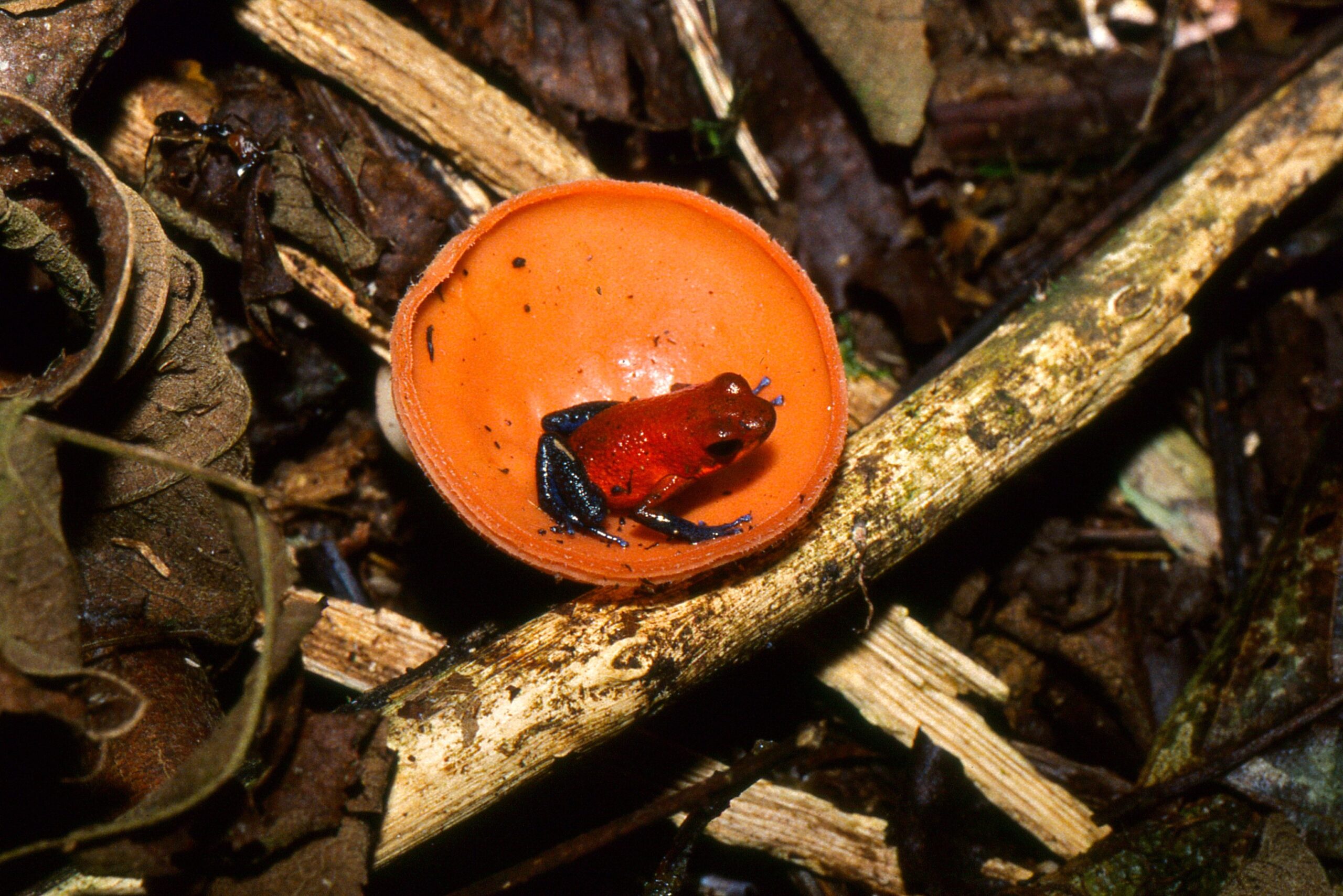
Museum Specimens Reveal Ancient Presence (Image Credits: Upload.wikimedia.org)
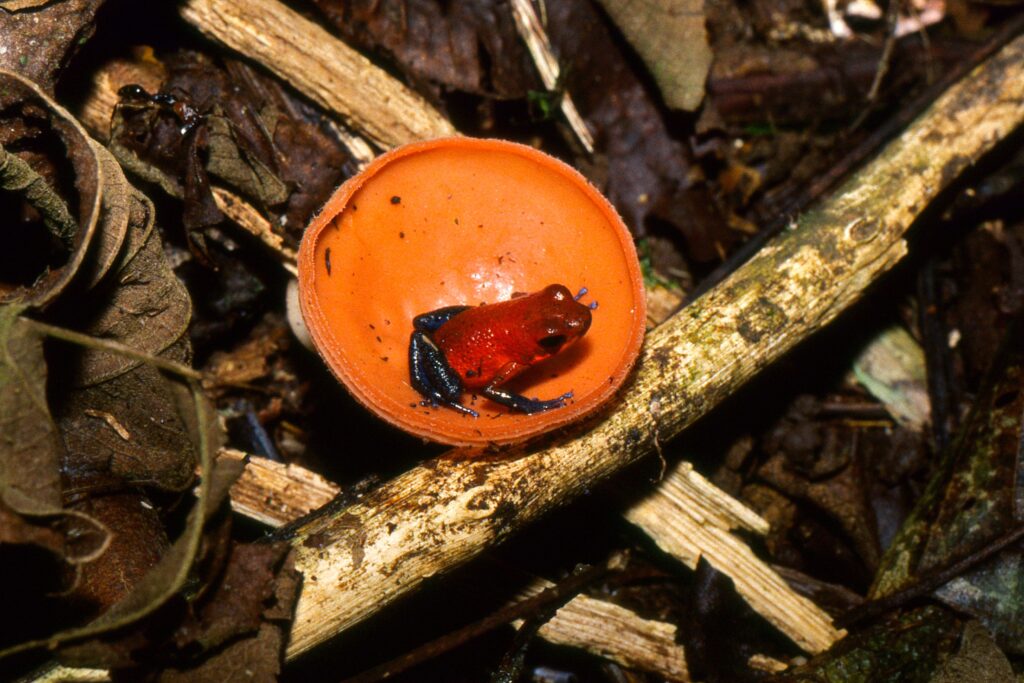
Scientists examining over 2,280 amphibian museum specimens worldwide found the earliest traces of the Bd-BRAZIL strain in Brazilian samples dating back to 1919. This predates the introduction of American bullfrogs to Brazil by more than a decade, ruling out imports as the source. The fungus infected 10 frog species in Brazil, many showing no signs of illness, which suggests long-term coevolution and some natural resistance.
These asymptomatic cases indicate that local amphibians have adapted to the pathogen over generations. The research team, led by Luís Felipe Toledo from the State University of Campinas, used genetic analyses to confirm the strain’s Brazilian roots. Such historical data shifts the narrative from Asia as the origin point for this particular lineage.
Bullfrog Trade Accelerates Worldwide Spread
American bullfrogs, native to eastern North America but invasive across four continents, served as unwitting carriers. Introduced to Brazil around 1935, these frogs became a staple in the global frog leg market, with Brazil emerging as a major exporter. Europe favored frozen legs, while the U.S. preferred live shipments, creating pathways for the fungus.
Detections of Bd-BRAZIL appeared in a Michigan live frog market in 2009 and a South Korean bullfrog farm in 2014, both tied to Brazilian exports. The strain remains mostly confined to farms and invasive species outside Brazil, sparing many native populations so far. However, the unregulated trade continues to pose risks through vectors like fog, rainwater, and even blood-sucking midges.
Comparing Fungal Strains and Their Toll
The chytrid fungus Batrachochytrium dendrobatidis, identified in 1999, has contributed to the decline or extinction of more than 500 amphibian species globally. Bd-BRAZIL proves less virulent than the dominant global panzootic lineage, Bd-GPL, which likely arose in Asia 50 to 120 years ago. While Bd-GPL drives mass die-offs, Bd-BRAZIL’s lower lethality explains its limited impact abroad.
| Strain | Origin | Virulence | Primary Impact |
|---|---|---|---|
| Bd-BRAZIL | Brazil | Lower | Farms, invasives |
| Bd-GPL | Asia (likely) | Higher | Native species worldwide |
Amphibians suffer fatally because the fungus attacks their skin, disrupting breathing and electrolyte balance. Global declines began accelerating in the 1970s and 1980s, long after the oldest known Bd case in a 1863 Bolivian specimen.
Expert Insights Challenge Old Assumptions
“Bd-BRAZIL emerged here in Brazil, and now we’re exporting it to other countries,” Toledo stated. He compared the strains to COVID-19 variants, noting, “Some strains are more lethal, some are less.” Bruce Waldman, an ecologist at Oklahoma State University, acknowledged the evidence: “The new paper presents ‘strong evidence’ of a Brazilian origin of Bd-BRAZIL that was then spread around the world by the bullfrog trade.”The Wildlife Society covered these developments.
Toledo emphasized resistance to shifting hypotheses: “People don’t like to change the ongoing hypothesis.” The 2018 Science paper had proposed an Asian origin for Bd strains, but this latest work in Biological Conservation refines the picture.
Key Takeaways
- Bd-BRAZIL originated in Brazil’s Atlantic forests, confirmed by 1919 museum evidence.
- International bullfrog trade propelled its global dispersal.
- Targeted regulations on live frog shipments could curb further spread.
As conservationists map these transmission routes, the focus turns to practical safeguards like promoting frozen exports over live ones. Understanding strain differences will help predict outbreaks and protect vulnerable species. What steps should governments take next to safeguard amphibians? Share your thoughts in the comments.