Tuvalu – This remote Polynesian nation consists of three reef islands and six atolls, sustaining fewer than 11,000 residents more than 1,100 kilometers from Fiji. Researchers recently examined ocean ecosystems surrounding the islands and discovered widespread microplastic pollution despite the area’s seclusion. The findings marked the first detailed assessment of such contamination in the country’s reef fish, raising alarms for communities dependent on marine life.
Landmark Research Uncovers Pervasive Pollution
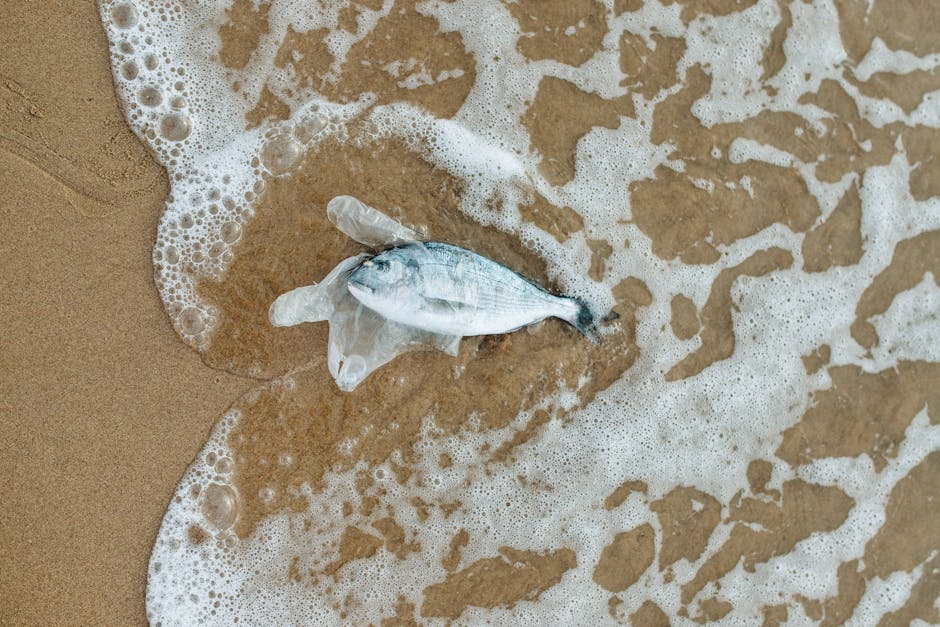
Landmark Research Uncovers Pervasive Pollution (Image Credits: Pexels)
A team from the Tuvalu Fisheries Authority and the University of the South Pacific sampled 201 reef fish across 44 species from Funafuti Atoll, Tuvalu’s capital, between July and October 2024. They focused on gastrointestinal tracts, dissecting them in a controlled lab environment to detect particles smaller than 5 millimeters. Local fishers provided the specimens, which represented key food sources for islanders.
Microplastics appeared in 75 individuals, or 37.3 percent of the total. The average load stood at 0.72 particles per fish, though some carried up to five. Contamination proved higher near the populous islet of Fongafale at 47 percent, compared to 18 percent around rural Papaelise and Funafala. Such variation highlighted localized influences amid global dispersal.
Characteristics of the Intruders
Fibers dominated the 145 particles identified, accounting for 70 percent, followed by fragments at 26 percent and films at 4 percent. Most measured between 125 and 250 micrometers, with polypropylene emerging as the primary polymer in analyses of 30 samples. Nylon, polyethylene terephthalate, polyethylene, and polystyrene also appeared.
Species like Aphareus rutilans, Mulloidichthys flavolineatus, Mulloidichthys vanicolensis, and Sargocentron spiniferum showed the highest individual loads. Among seven well-sampled species, no significant differences emerged, but reef dwellers near urban areas absorbed more. These patterns echoed trends in a broader Pacific survey of nearly 900 fish from Fiji, Tonga, Tuvalu, and Vanuatu, where one-third carried microplastics overall.
| Location | Frequency of Microplastics (%) | Average Particles per Fish |
|---|---|---|
| Fongafale (urban) | 47 | 0.95 |
| Papaelise/Funafala (rural) | 18 | 0.28 |
| Overall Tuvalu | 37.3 | 0.72 |
Pathways from Source to Sea
Microplastics stem from degrading debris, personal care products, and industrial chemicals, ferried by rivers into oceans where currents spread them widely. Once ingested, particles lodge in fish guts, potentially damaging organs, reproduction, and metabolism. Tuvalu’s isolation offered no shield, as global ocean circulation delivered contaminants even to its lagoons.
Reef and bottom-feeding fish proved most vulnerable, aligning with habits that stir seafloor sediments. In the regional study, synthetic fibers tainted 66 percent of samples from Fiji, Tonga, and Tuvalu. Fiji recorded the highest rate at nearly 75 percent, surpassing the global average of 49 percent.
Threats to Marine Life and Island Diets
Pacific communities consume far more fish protein than industrialized nations, amplifying exposure risks. Amanda Ford, a researcher from the University of the South Pacific, noted that while levels remained lower than in developed areas, reliance on seafood heightened concerns. Microplastics have infiltrated human tissues worldwide, from brains to placentas, underscoring potential health impacts.
Small islands like Tuvalu face disproportionate burdens, depending on oceans for food and economy. Margaret Spring of the Monterey Bay Aquarium emphasized the need for source reduction. “The discovery of microplastics in fish around Tuvalu confirms the urgency of the call to end plastic pollution, starting at the source,” she stated.
Urgent Calls for Global Action
The study provided baseline data to track trends and inform policies, including the Global Plastics Treaty. Researchers advocated upstream interventions over mere cleanups, given plastics’ persistence. Standardized monitoring and polymer analyses could guide future efforts in data-scarce regions.
Local teams stressed collaboration between Tuvalu Fisheries and regional universities. Findings from Funafuti underscored the need to expand surveys across atolls. Broader Pacific data reinforced that no ocean escapes this crisis.
As microplastics permeate even Tuvalu’s pristine reefs, the evidence demands swift reductions in plastic production and waste. Small nations bear the fallout of distant pollution, yet their voices amplify the call for change. What steps should the world take next? Share your thoughts in the comments.
- 37.3 percent of 201 Tuvalu reef fish contained microplastics, averaging 0.72 particles each.
- Fibers, mainly polypropylene, prevailed; urban areas showed higher loads.
- Pacific islanders’ heavy fish reliance heightens human health risks amid global dispersal.