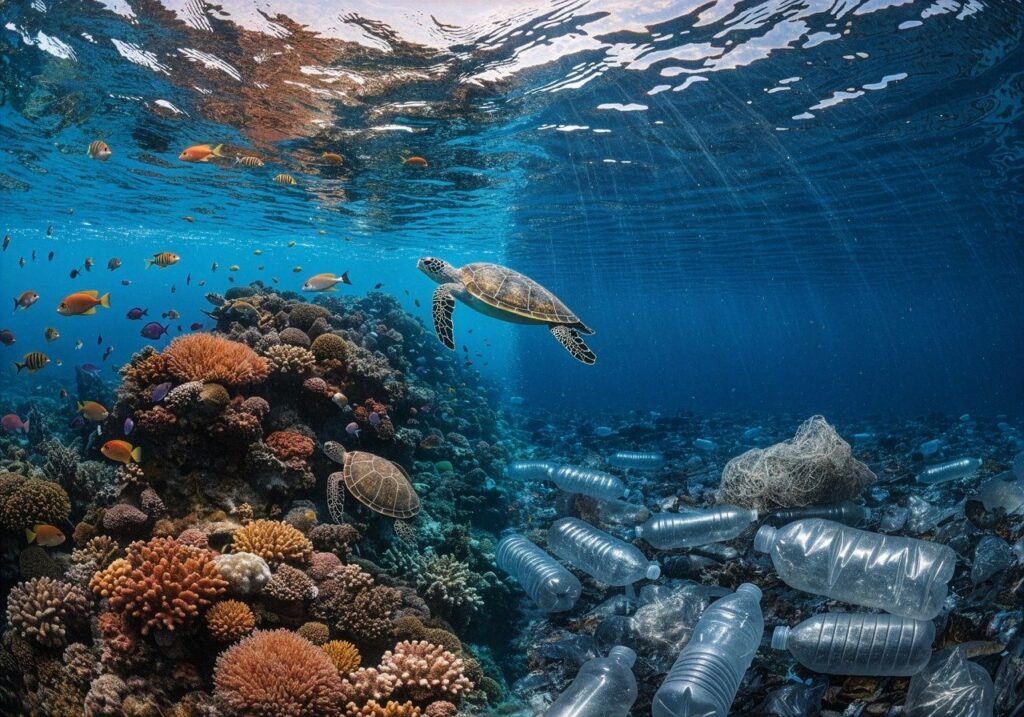
The international community marked a pivotal achievement in marine conservation when data confirmed that 10.01% of the world’s ocean now falls within protected and conserved areas. This milestone, announced by the UN Environment Programme’s World Conservation Monitoring Centre on April 1, reflected recent expansions totaling about 5 million square kilometers over the past two years. Although delayed by six years from the original 2020 target, the progress underscored growing global commitment amid mounting pressures on marine ecosystems.
A Milestone Six Years in the Making
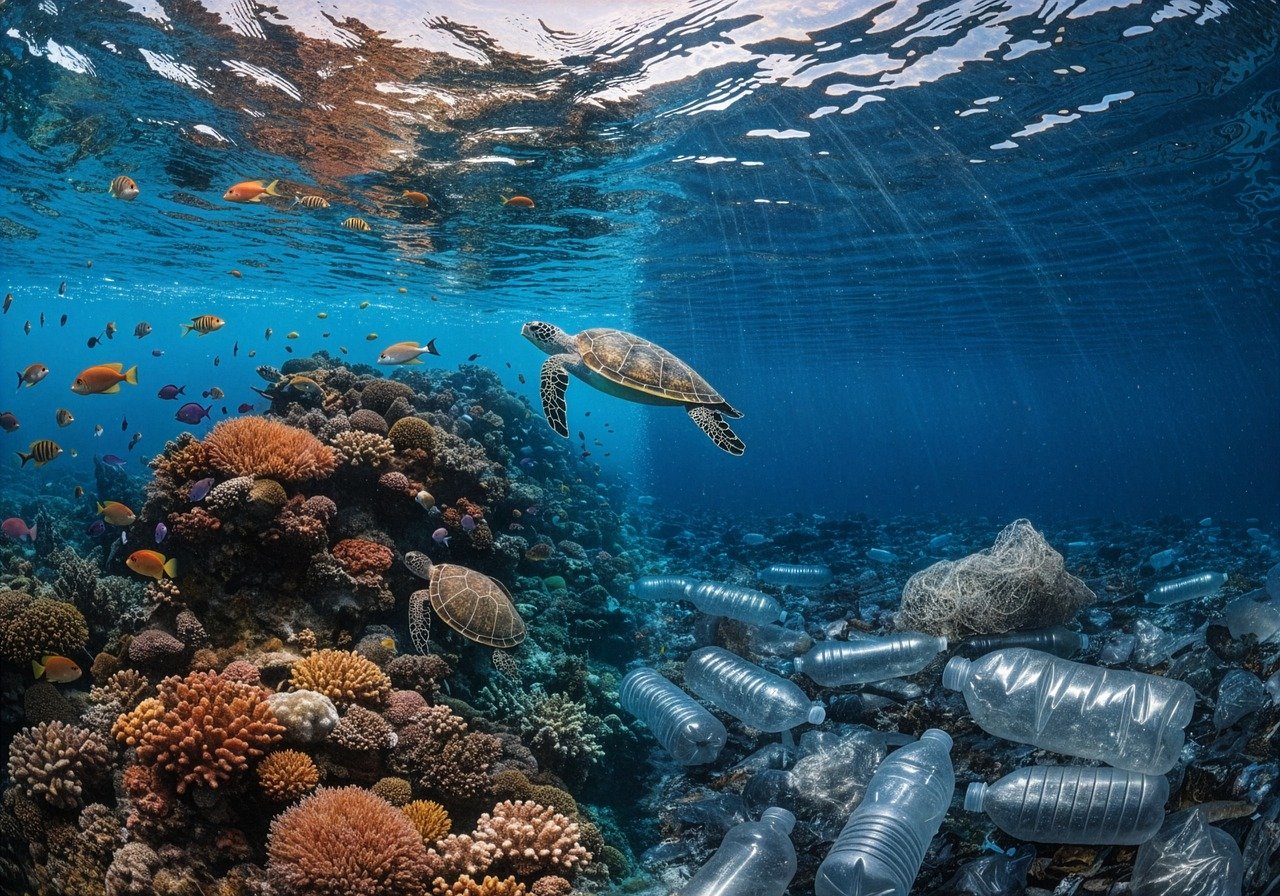
A Milestone Six Years in the Making (Image Credits: Pixabay)
Nations crossed the 10% threshold after incorporating hundreds of new marine protected areas into the World Database on Protected and Conserved Areas. This database, managed by UNEP-WCMC in partnership with the International Union for Conservation of Nature, captured additions from countries like Indonesia and Thailand, which reported 284 new sites. The update propelled coverage from 8.6% in 2024 to the current figure, equivalent to safeguarding an expanse larger than the European Union.
Previously set under the Aichi Biodiversity Targets, the 10% ocean protection goal lingered unmet until now. Neville Ash, director of UNEP-WCMC, highlighted the significance: “We all depend on the ocean for our survival; over half of the world’s oxygen is produced by life in the ocean.” He noted that national efforts over the last two years deserved celebration, yet served as a stark reminder of remaining challenges.
Recent Expansions Fuel the Surge
Key contributors included massive designations in the Pacific. French Polynesia established the Tainui Atea Marine Protected Area, spanning 4.5 million square kilometers and nearly its entire exclusive economic zone, making it the world’s largest. Australia expanded its Heard Island and McDonald Islands reserve by 400%, adding 380,654 square kilometers in sub-Antarctic waters.
Indonesia added sites like the 3,376-square-kilometer Timur Patani-Pulau Sayafi area in North Maluku. These efforts aligned with broader pledges from the UN Ocean Conference, where nations committed to new protections. Currently, 33 countries and territories shield more than 30% of their own waters.
- French Polynesia: Near-total EEZ coverage with highly protected zones.
- Australia: Major sub-Antarctic expansions.
- Indonesia and Thailand: 284 combined new areas.
- São Tomé and Príncipe: Eight new marine protected areas.
- Colombia and Tanzania: Coral reef and coastal commitments.
Gaps Persist in High Seas and Effectiveness
Despite gains, protections concentrated in national waters, covering over 9% of the ocean, while high seas areas beyond jurisdictions held just 1.66%. These international waters represent over 60% of the ocean surface and 95% of marine habitat volume, yet remained largely unregulated until the High Seas Treaty took effect in January 2026.
Effectiveness posed another hurdle. Only 1.3% of ocean protections underwent management assessments, with many sites lacking active oversight or allowing destructive activities like fishing. Fully or highly protected zones accounted for about 3.3%, per MPAtlas data, though recent U.S. policy shifts threatened to trim this further. Other effective area-based conservation measures contributed a mere 0.22%, sparking debate over their rigor.
Toward the 30% Target: Tripling Protection
The Kunming-Montreal Global Biodiversity Framework demands 30% ocean conservation by 2030, requiring an additional area the size of the Indian Ocean. Experts urged focus on effective management, equitable governance, and high seas expansion via the new treaty. Dr. Grethel Aguilar, IUCN Director General, stressed collaboration: “Together, we have the skills, knowledge and partnerships to equitably and meaningfully conserve 30 per cent of the Earth by 2030.”
Stakeholders called for better reporting to databases like GD-PAME to track outcomes. The Protected Planet Report 2027 will gauge further advances. Coordinated funding and Indigenous involvement emerged as vital for success.
Key Takeaways
- 10.01% ocean coverage achieved, but high seas lag at 1.66%.
- Recent additions total 5 million km²; 30% goal needs tripling in four years.
- Effectiveness data covers only 1.3%; fully protected areas at 3.3%.
This milestone offered hope, yet demanded accelerated, quality-focused action to safeguard oceans for biodiversity, food security, and climate resilience. What steps should nations prioritize next? Share your thoughts in the comments.