Deep within the misty remnants of Zanzibar’s native forests, conservationists have achieved a milestone by capturing the first camera trap images of the Pemba blue duiker, an extraordinarily elusive miniature antelope. This discovery in the Ngezi Nature Forest Reserve marks the first photographic proof of the species in over two decades, reigniting hopes for its survival amid mounting environmental pressures. Standing just 30 centimeters tall at the shoulder, the duiker navigates the dense undergrowth of this 2,030-hectare haven, a critical biodiversity hotspot on Pemba Island.
A Technological Triumph in the Wild
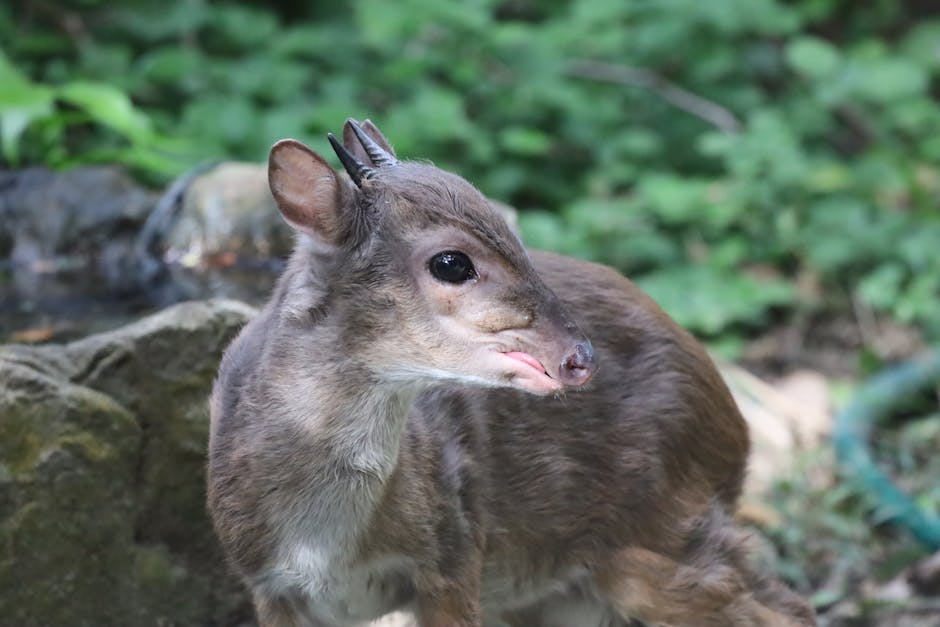
A Technological Triumph in the Wild (Image Credits: Pexels)
Ecologist Margherita Rinaldi spearheaded the effort late last January, deploying around 20 motion-activated camera traps across the reserve in partnership with the Italy-based Istituto Oikos. These devices, strategically placed in the forest’s thick vegetation, finally pierced the veil of secrecy surrounding the Pemba blue duiker. The resulting images revealed the antelope’s presence not in isolated pockets, but distributed across at least half of the reserve’s expanse.
Researchers also gathered droppings during the survey, samples poised for genetic analysis that could confirm whether the Pemba blue duiker qualifies as a distinct subspecies from its mainland counterparts. Such classification would elevate its conservation priority significantly. Silvia Ceppi, a scientific adviser with Istituto Oikos, captured the excitement: “We’re just excited they’re there and well distributed.” This breakthrough provides baseline data essential for future monitoring and protection strategies.
Profile of a Forest Phantom
The Pemba blue duiker embodies fragility in a rapidly changing world. This tiny antelope, often described as an “oval with legs” due to its compact form, thrives in the tall, moist evergreen forests of Ngezi, Pemba’s last substantial patch of native habitat. No larger than a house cat, it evades detection through nocturnal habits and mastery of the understory.
Historically abundant in the reserve, sightings dwindled over the past 20 years, fueling fears of local extinction. The recent camera trap success dispels those concerns, showing a resilient population navigating the forest’s challenges. Ngezi supports around 500 plant species alongside endemics like the Pemba scops-owl and Pemba flying fox, underscoring the duiker’s role in a delicate ecosystem.
Threats Looming Over Ngezi
Illegal logging and animal trapping pose the gravest dangers to the duiker and its home. Hunters frequently enter the forest, setting snares that indiscriminately threaten small mammals. Encroaching agriculture and firewood collection further fragment the habitat, squeezing the space available for wildlife.
- Illegal logging clears vital undergrowth cover.
- Trapping targets bushmeat, including duikers.
- Proposed developments, such as an eco-resort, risk further encroachment.
- High-pressure zones like the Tondooni Peninsula demand urgent intervention.
Tens of thousands of people live along the forest edges, intensifying human-wildlife conflicts. Without robust defenses, the duiker’s foothold could vanish as quickly as it reappeared on camera.
Building Momentum for Conservation
New patrols bolster defenses, with guards recently hired through funding from the Critical Ecosystem Partnership Fund. These rangers focus on vulnerable areas, deterring poachers and loggers while promoting community awareness. Genetic studies from the collected droppings promise to strengthen the case for enhanced protections, potentially unlocking international support.
Recognizing the duiker as endemic could safeguard the broader ecosystem, preserving hundreds of interdependent species. Istituto Oikos and local partners emphasize collaborative approaches, blending science with on-the-ground action. Early results suggest the population remains viable, offering a foundation for long-term recovery plans.
Key Takeaways
- First camera trap images confirm Pemba blue duiker across half of Ngezi Reserve after 20+ years.[1]
- Droppings analysis may verify subspecies status, boosting protections.
- Guards and patrols counter logging, trapping, and development threats.
This rare glimpse into the Pemba blue duiker’s world serves as a clarion call for intensified conservation in Zanzibar’s irreplaceable forests. With strategic efforts, the tiny antelope – and the ecosystem it anchors – can endure for generations. What steps do you believe are most crucial for protecting such elusive species? Share your thoughts in the comments.