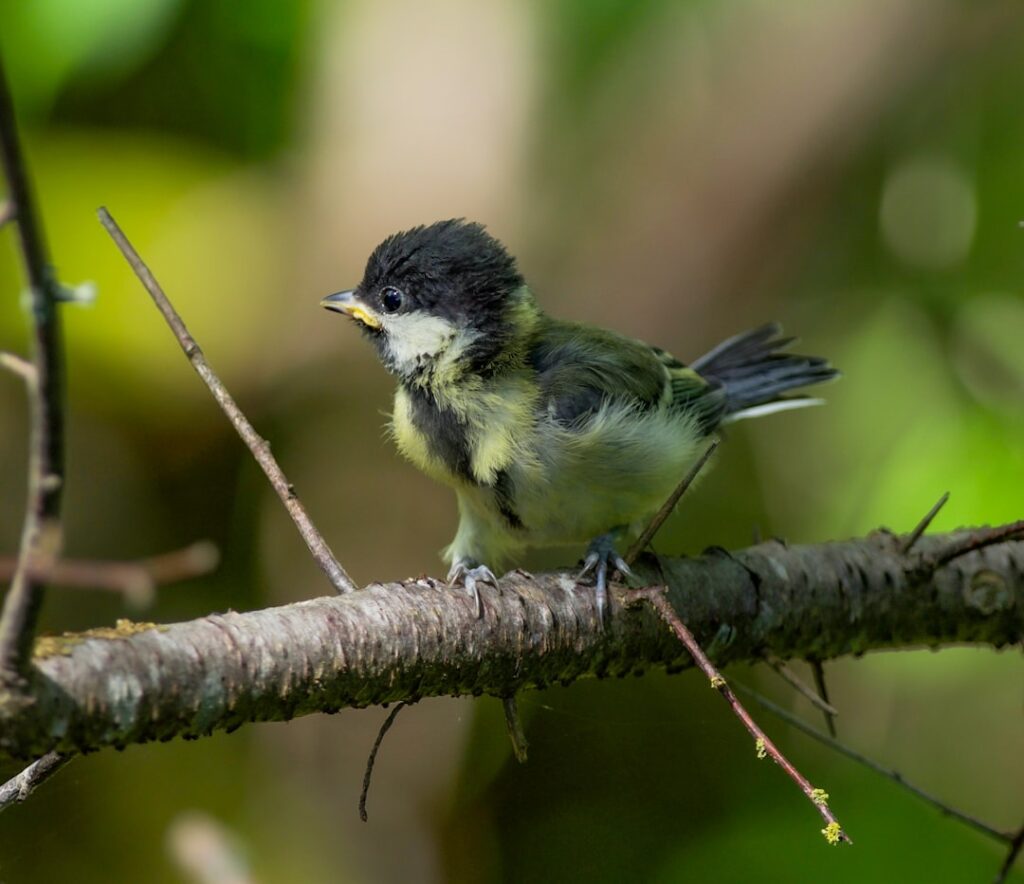
Wytham Woods, Oxfordshire – Researchers have documented how intensifying extreme weather patterns disrupt the early growth of great tit chicks, a common European songbird. Over six decades of meticulous monitoring, scientists analyzed more than 83,000 individuals to reveal the subtle yet significant ways cold snaps, heat waves, and heavy rains alter nestling sizes and survival odds. These findings underscore the challenges wildlife faces amid climate change, where such events occur more frequently.
Unlocking Secrets from 60 Years of Data
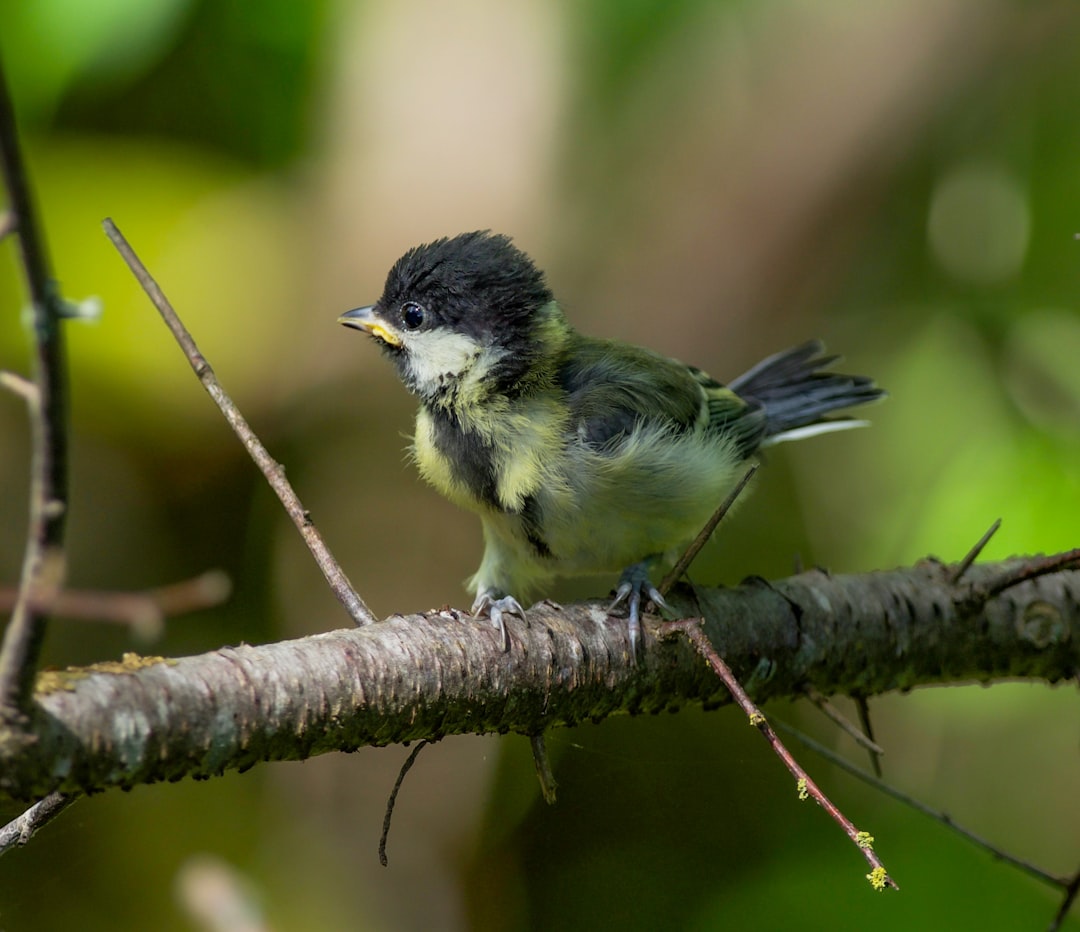
Unlocking Secrets from 60 Years of Data (Image Credits: Unsplash)
A landmark analysis drew on life-history records spanning 1960 to 2020 from the University of Oxford’s long-term study site. Teams measured daily weather against chick development at two critical stages: hatchlings aged zero to seven days and older nestlings from eight to 15 days. This approach highlighted how vulnerability shifts as chicks mature.
Great tits, or Parus major, serve as a model species for understanding broader avian responses to environmental stress. Nest boxes installed across the woods allowed consistent tracking of brood sizes, fledging success, and morphological traits like tarsus length, wing span, and body mass. Such granularity exposed patterns invisible in shorter-term observations.
Developmental Stages Dictate Weather’s Toll
Younger hatchlings proved especially susceptible to extreme cold events, which slowed mass gain and structural growth. Chicks in this phase rely heavily on parental feeding, but frigid conditions limited adults’ foraging efficiency. Meanwhile, older nestlings faced greater threats from prolonged heavy rain, which chilled them directly and hampered food delivery.
Heat extremes also played a role, though impacts varied by timing and intensity. The study pinpointed context-dependent effects, where brood size and seasonal position amplified or mitigated harm. For instance, denser broods under duress experienced compounded stunting, reducing overall fledging sizes.
- Extreme cold primarily targets hatchlings (0-7 days), curbing early mass accumulation.
- Heavy rainfall strikes older nestlings (8-15 days), impeding linear growth metrics like tarsus and wing length.
- High temperatures disrupt thermoregulation across stages, with cascading effects on survival.
- Combined events exacerbate outcomes, particularly in larger broods.
- Earlier breeding within a season offered partial protection against mismatches.
Climate Change Amplifies the Risks
Projections indicate rising frequencies of these extremes, pressuring populations already adapting through shifts in lay dates. Great tits have advanced breeding in recent decades, aligning somewhat with warmer springs, yet unpredictable snaps persist. This mismatch threatens recruitment into adult ranks, potentially slowing population growth.
Conservationists note parallels in other songbirds, where similar stressors compound habitat loss and predation. The research emphasizes monitoring nestling metrics as early warning indicators for ecosystem health. Long-term datasets like this one prove invaluable for modeling future scenarios.
Pathways for Resilience and Research
Breeding earlier emerged as a potential buffer, allowing chicks to fledge before peak weather volatility. However, phenotypic flexibility has limits, prompting calls for habitat enhancements like diverse foraging zones to bolster parental provisioning. Future studies may explore genetic adaptations in resilient lineages.
Published in Global Change Biology, the work builds on prior observations of weather’s role in avian phenology. It reinforces that even resilient species like great tits confront mounting hurdles from climatic volatility.
Key Takeaways:
- Extreme events reduce chick size and mass in stage-specific ways, with cold hitting the youngest hardest.
- Over 83,000 great tits monitored reveal climate’s direct imprint on development.
- Earlier laying dates may mitigate risks, but bolder conservation actions are needed.
As climate patterns evolve, protecting nestling growth becomes central to safeguarding biodiversity. These insights from Wytham Woods signal urgency for integrated wildlife strategies. What steps should conservation take next? Share your thoughts in the comments.