Narok, Kenya – A high-profile legal challenge to a lavish safari camp in the Maasai Mara National Reserve ended with dismissal by the Environment and Land Court, yet questions about its impact on wildlife corridors endure. Conservationists argued the Ritz-Carlton Masai Mara Safari Camp, nestled along the Sand River, threatens one of the planet’s most spectacular natural events: the annual Great Migration of nearly two million wildebeest. The ruling focused on procedure rather than ecology, leaving broader concerns unaddressed as the tourism sector booms.
The Legal Saga Reaches Its Conclusion
The Legal Saga Reaches Its Conclusion (Image Credits: Upload.wikimedia.org)
In August 2025, Dr. Meitamei Olol Dapash, director of the Institute for Maasai Education, Research and Conservation, launched a constitutional petition against the camp’s operators, Lazizi Mara Ltd., along with government bodies. He claimed the development violated environmental laws and disrupted vital animal pathways. The camp had already opened its doors on August 15 that year, following an Environmental Impact Assessment license issued in May 2024.
Dapash sought to halt operations and even demolish structures, citing risks to lions, elephants, and the wildebeest herds. He attempted to withdraw the case in December 2025, but the court refused, deeming it a matter of public interest. Ultimately, on February 26, 2026, judges struck out the petition entirely, ruling that alternative administrative remedies had not been exhausted.
Why the Court Shut Down the Challenge
The judges emphasized jurisdiction issues above all else. Under Kenya’s Wildlife Conservation and Management Act and the Environmental Management and Coordination Act, complainants must first pursue community remedies and appeals through bodies like the National Environment Tribunal. “Jurisdiction is everything,” the court declared, noting the suit arrived prematurely.
Conservatory orders proved impossible since operations were underway. The bench also observed that regulatory processes, including public participation and site inspections, appeared followed. Dapash bore the trial costs, a decision some viewed as a deterrent to future activism.
At the Heart: A Fragile Migration Corridor
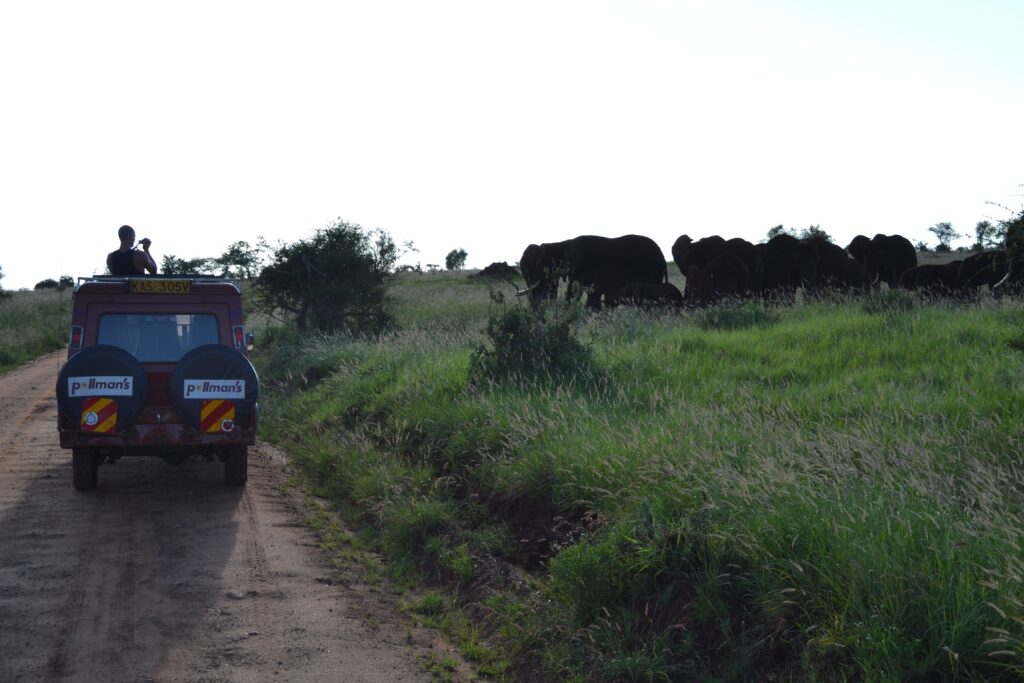
The camp’s site draws scrutiny for its position in a protected zone along the Sand River, part of the Maasai Mara where herds cross into Tanzania’s Serengeti from June to October. Official plans barred new hotels there until 2032, but a presidential exemption cleared the way. Nightly rates start at $3,500, underscoring the luxury appeal amid rising tourism numbers exceeding 300,000 visitors yearly to the reserve.
Critics worry barriers could force herds into riskier routes, hiking mortality and altering ecosystems shaped over centuries. Maasai pastoralists, who track migrations for grazing cues on rainfall and pastures, fear lost traditional knowledge. “We have coexisted with migratory wildlife for centuries,” said Johnson Yiamat, founder of Osotua Green Alliance.
- Potential detours for wildebeest, increasing predator encounters.
- Disruption to Maasai herding patterns tied to animal movements.
- Erosion of ecological indicators for weather and forage.
- Five other permanent camps dot the river, yet this one sparked outsized backlash.
- Short-term monitoring shows no issues, per Kenya Wildlife Service.
Conflicting Views from Experts and Officials
Princeton zoologist Isla Duporge acknowledged the camp sits on a preferred crossing for tourist views but noted herds span 42 miles of river, suggesting adaptation. Still, she urged satellite-tracked, long-term studies over quick audits. “Companies should use satellite data in assessments,” she advised.
Kenya Wildlife Service reported no migration blocks after one season, affirming the camp lies outside core corridors per audits. Operators stressed compliance with all standards. Yiamat lamented: “Procedural outcomes should not overshadow the substance.” The episode highlights tensions between economic gains and stewardship in a tourism powerhouse.
Key Takeaways
- Court sidestepped environmental merits, prioritizing procedure.
- Presidential nod bypassed a 2032 hotel moratorium.
- Calls grow for independent, data-rich monitoring of impacts.
The dismissal closes one chapter but spotlights the need for robust safeguards in Maasai Mara’s future. As luxury developments multiply, will short-term reassurances hold against potential long-term shifts? What do you think about balancing tourism and wildlife in such iconic reserves? Tell us in the comments.