
North America has always been a land of surprises. Even after centuries of scientific study, the continent keeps revealing secrets buried deep underground, frozen in time, or pressed into ancient mud. The story of how today’s wildlife came to exist here is far stranger, far older, and far more dramatic than most people ever imagined.
You might think you know the broad strokes. Ice Age, big animals, they died out, modern ones moved in. Simple enough, right? Honestly, that version doesn’t even come close. What researchers have actually uncovered over the past few decades shatters the old timeline almost completely, turning what seemed like settled history into an ongoing, jaw-dropping mystery. Get ready, because what you’re about to read might completely change how you picture ancient North America.
The White Sands Footprints: Humans Were Here Far, Far Earlier Than You Thought
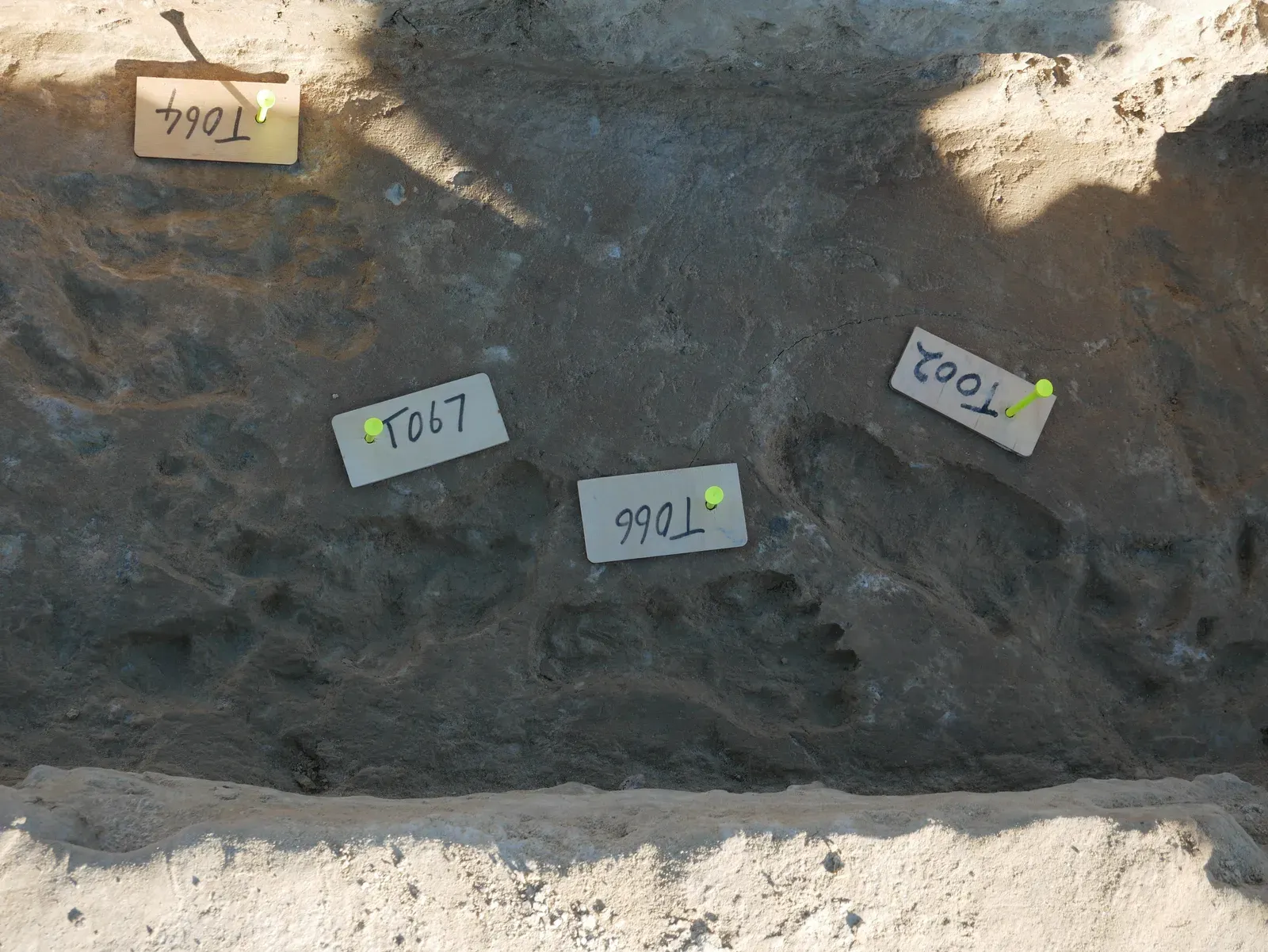
Here’s a jaw-dropper to kick things off. Imagine walking across a muddy lakeshore, leaving footprints in the soft ground, and those prints surviving intact for more than 20,000 years. That’s exactly what happened in what is now New Mexico. The White Sands footprints were discovered in 2009 at White Sands National Park, and in 2021 they were radiocarbon dated to between 21,000 and 23,000 years ago. That’s a date so old it forces you to reconsider nearly everything you thought you knew about the first Americans.
These fossilized prints were made between 23,000 and 21,000 years ago along the shores of an ice age lake that once filled the Tularosa Basin in south-central New Mexico, and this finding fundamentally changes the timeline on North American human habitation, turning back the clock of human arrival in the Americas by nearly 10,000 years. To put that in perspective, that’s like discovering that the first chapter of the book you’ve been reading your whole life was actually missing. Other tracks at the site include those of extinct megafauna, such as Columbian mammoths and ground sloths, as well as predators like the American lion and dire wolves. Humans and these colossal creatures shared the same muddy ground. The implications for how we understand the disappearance of North America’s megafauna are enormous and still being debated today.
The La Brea Tar Pits: A Sticky Time Machine That Revealed a Completely Lost World

Rancho La Brea holds one of the world’s richest collections of a single mammal community through time, spanning the last Ice Age, the arrival of humans in North America, and the ongoing transformations of urban Los Angeles. It’s sitting right in the middle of a modern city, which is almost unbelievable when you think about it. This is essentially an ancient graveyard hiding beneath a neighborhood, and it just keeps giving. The La Brea Tar Pits are one of the world’s most famous fossil localities, and over 3.5 million fossils have been found there. They were formed over 50,000 years ago when crude oil seeped to the surface through fissures in the Earth’s crust, and over a long period of time, the lighter fraction of the oil evaporated and left behind heavy, sticky tar.
What makes the La Brea discoveries so world-changing isn’t just the number of fossils. It’s the story they tell together about which animals actually once ruled North America. Among the prehistoric Pleistocene species associated with the La Brea Tar Pits are Columbian mammoths, dire wolves, short-faced bears, American lions, ground sloths, and the state fossil of California, the saber-toothed cat. And here’s what really stunned researchers: camels actually originated and evolved right here in North America, later spreading south to South America after those continents joined, becoming alpacas, and spreading over the Bering Land Bridge into Asia to become modern camels, before going extinct in North America entirely. You read that right. Camels are, in a very real sense, originally American animals.
The Dire Wolf DNA Revelation: The Most Iconic Predator Was More Isolated Than Anyone Guessed
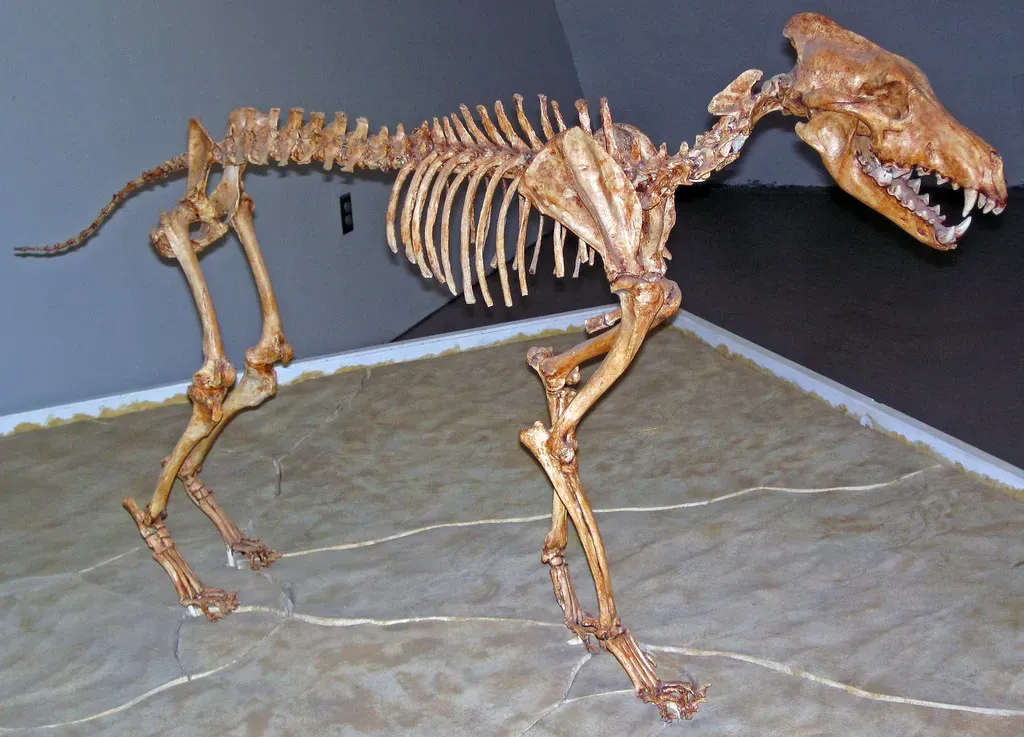
If you’ve only ever heard of the dire wolf through pop culture, you might imagine it as simply a bigger, scarier version of a gray wolf. That’s a perfectly reasonable assumption. It’s also almost completely wrong, and the truth is far more fascinating. The dire wolf is an extinct species of canine that was native to the Americas during the Late Pleistocene and Early Holocene epochs, living from approximately 125,000 to 10,000 years ago. For a long time, scientists assumed it was closely related to living wolves. Then genetic analysis changed everything.
In 2021, researchers sequenced the nuclear DNA taken from five dire wolf fossils dating from 13,000 to 50,000 years ago, and the sequences indicate the dire wolf to be a highly divergent lineage which last shared a most recent common ancestor with the wolf-like canines 5.7 million years ago. Think about that number. Five point seven million years of independent evolution. That’s a lineage so separate from gray wolves that the two animals could not have interbred. One study proposes an early origin of the dire wolf lineage in the Americas that led to its reproductive isolation, such that when coyotes, dholes, and gray wolves expanded into North America from Eurasia, there could be no admixture with the dire wolf, and gray wolves and coyotes may have survived partly due to their ability to hybridize with other canids to acquire disease-resistant traits that the reproductively isolated dire wolf simply could not access. In other words, the dire wolf’s very uniqueness may have sealed its fate.
Ancient Hunting Sites in Canada and the American West: Humans Were Already Killing Horses and Camels Before Clovis
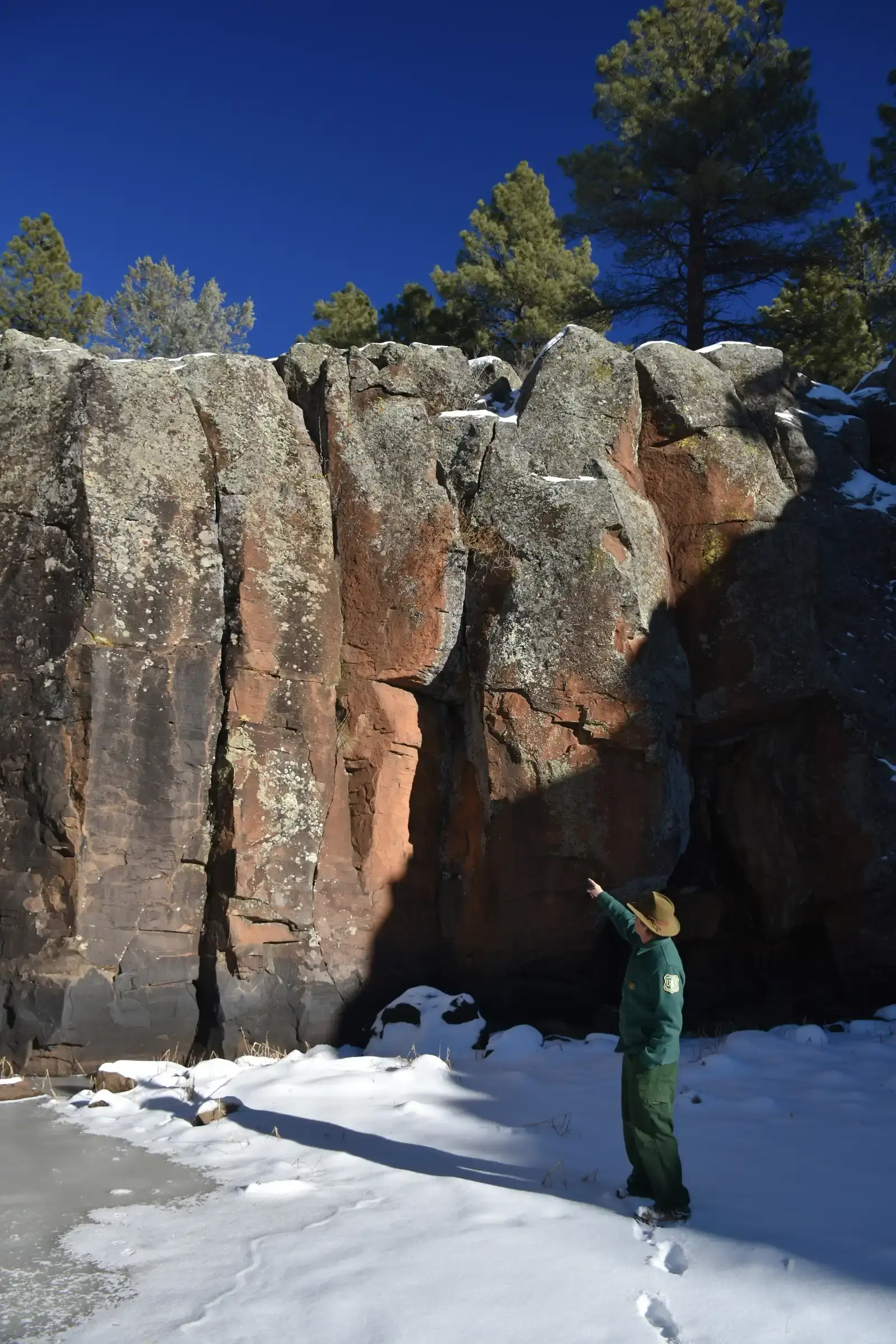
For decades, the Clovis people were considered the original settlers of North America. The Clovis people were thought to be the first humans to colonize North America, and their distinctive, beautifully made stone spearheads were well adapted to killing large herbivores, found by archaeologists embedded in the skeletons of large prey at many kill sites. That was the established scientific consensus, taught in textbooks and rarely questioned. Then bones found in Canada and other sites across the continent completely overturned that picture.
Bone fragments from seven horses and a camel suggest that the First Americans hunted and butchered these animals in North America at least 13,300 years ago, hundreds of years earlier than previously thought, and about 300 years before the Clovis people emerged. Let’s be real, that might not sound like a huge gap. Yet in archaeological terms, it represents an entirely different population of people, with tools we haven’t even found yet. Apart from Wally’s Beach in Canada, there is other evidence of First Americans in caves in Oregon and even mammoth hunts in Florida, and they most likely came along the Pacific coastline from Siberia and China. The picture emerging is of multiple waves of skilled, adaptive hunters spreading across a continent teeming with animals that had never encountered human predators before.
The John Day Fossil Beds: Ancient Footprints That Captured 50 Million Years of Ecosystem Change
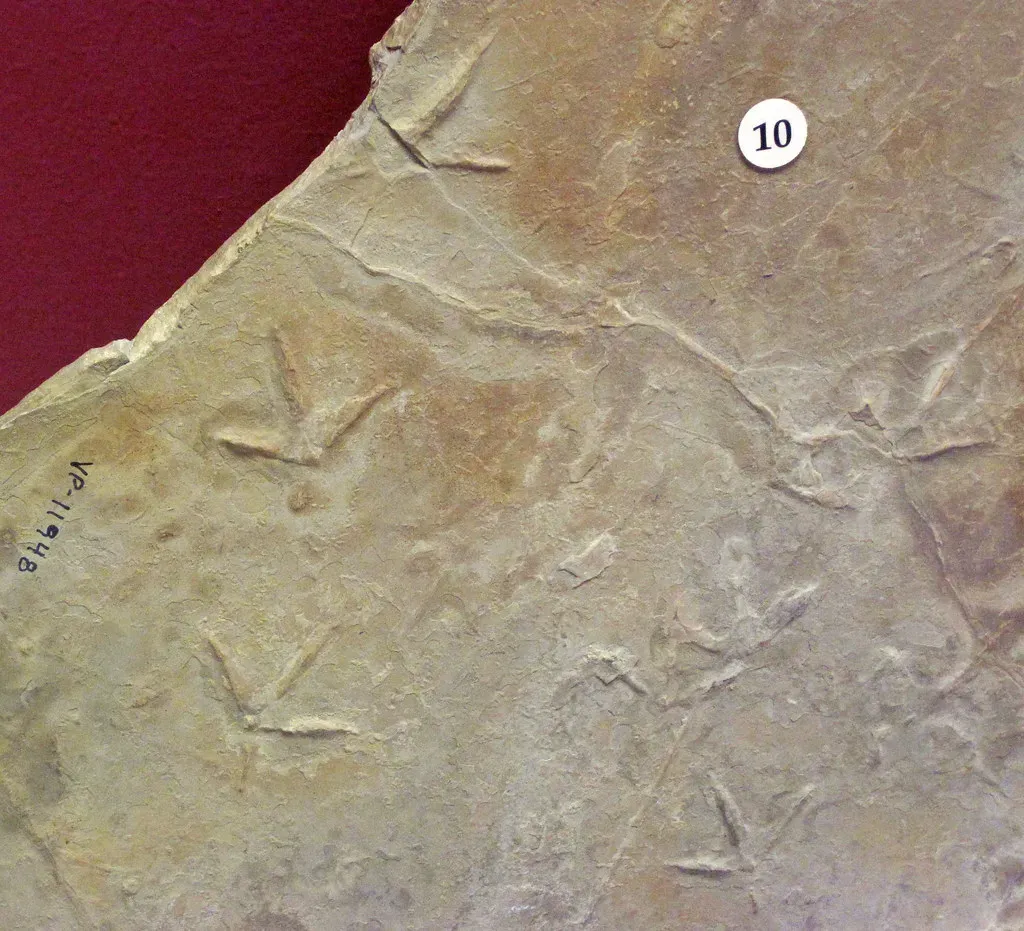
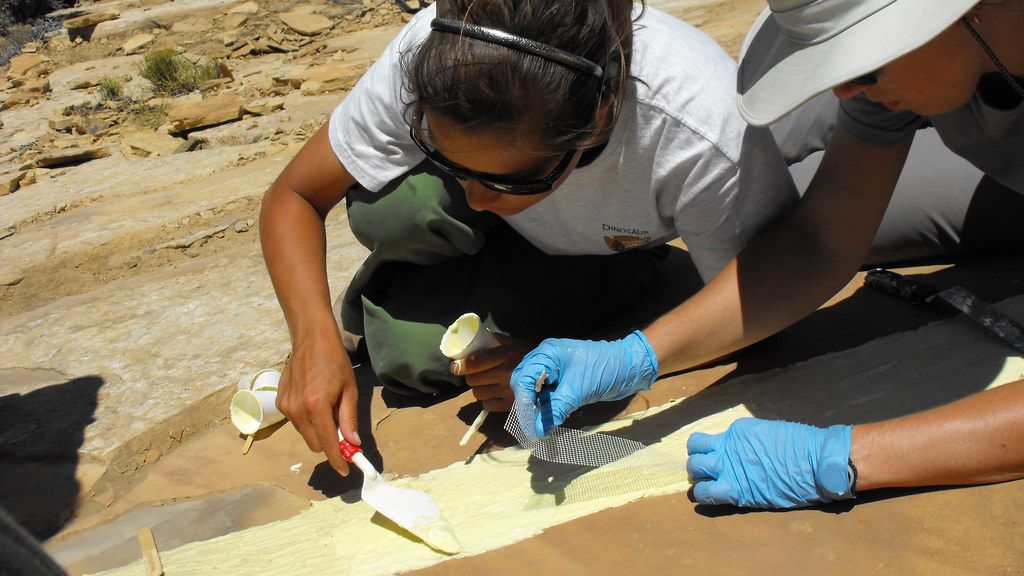
It’s hard to say for sure which discovery carries the biggest emotional punch, but the fossilized trackways at Oregon’s John Day Fossil Beds might just top the list for sheer sense of wonder. A groundbreaking paleontological discovery at John Day Fossil Beds National Monument uncovered fossilized footprints dating back as far as 50 million years, and using advanced 3D imaging techniques, a team of scientists led by fossil track specialist Conner Bennett identified and analyzed four sets of vertebrate trace fossils, including impressions left behind by prehistoric birds, mammals, lizards, and invertebrates. These weren’t bones. These were actual moments in time, pressed into stone and preserved across an almost unimaginable stretch of history.
The research documents the first known fossil tracks of birds and lizards at the monument and adds important behavioral context to the region’s well-established body fossil record, with Bennett noting that prehistoric behavior from 50 million years ago is still prevalent today in modern shorebirds. What this discovery made abundantly clear is that North America’s wildlife didn’t simply appear after the last ice age. It was part of an ancient, unbroken chain of ecosystems stretching back tens of millions of years. Three-toed, rounded hoofprints believed to have been made by a large herbivore such as an ancient tapir or rhinoceros were among the traces discovered, dating back around 29 million years. Rhinoceros relatives once walked what is now Oregon. When you stand in that landscape today and think about what was walking there 29 million years ago, the word “ancient” suddenly feels completely inadequate.
Conclusion: The Ground Beneath Your Feet Holds Answers You Never Expected
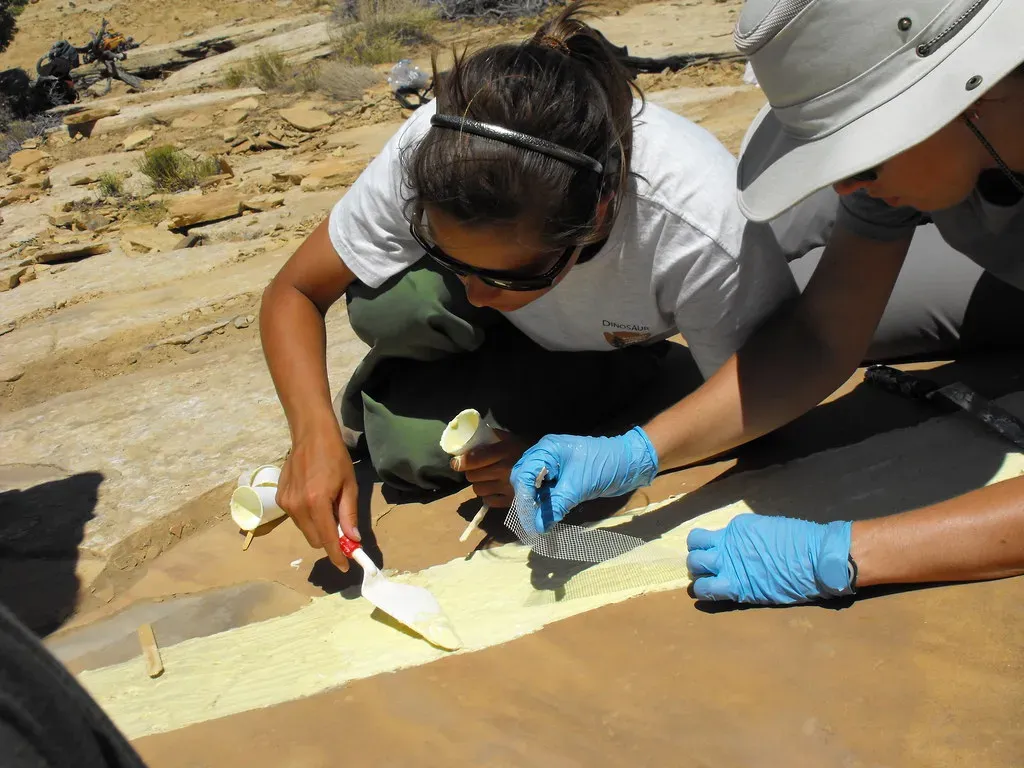
Every single one of these discoveries has done the same fundamental thing: it has proven that North America’s wildlife history is longer, stranger, and more interconnected than the story we thought we knew. Camels born in America. Dire wolves evolving in complete isolation for millions of years. Ancient humans sharing muddy lakeshores with mammoths and ground sloths. It reads less like a textbook and more like something out of a fever dream, except every word of it is backed by hard fossil evidence and cutting-edge science.
What’s perhaps most exciting is that the ground across North America is still full of secrets. Researchers are still actively excavating, dating, and reinterpreting finds that have been sitting in museum drawers for decades. The story isn’t finished. Not even close. Each new discovery chips away at the comfortable certainty we thought we had, and replaces it with something far more thrilling: genuine mystery. So the next time you’re hiking across a desert, walking a riverbank, or even visiting a city park in Los Angeles, take a moment to think about what might be resting just beneath the surface. What would you have guessed was buried under your feet all along?