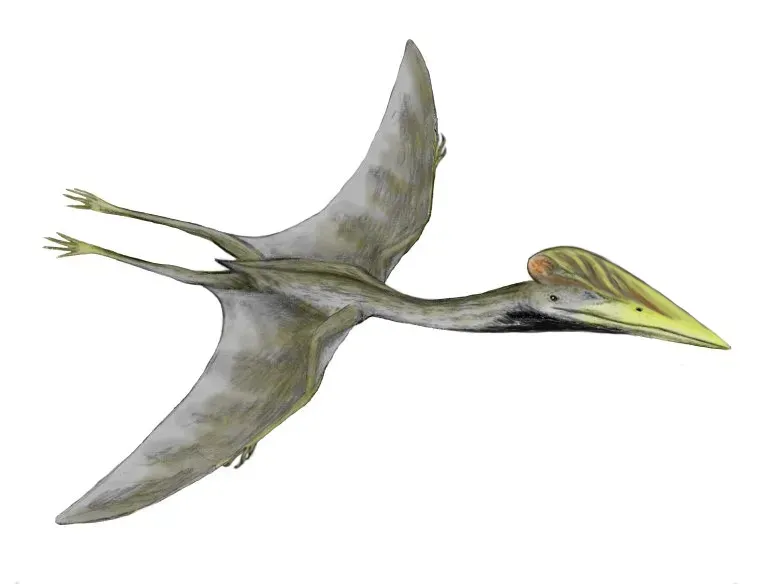
Picture a creature so enormous that it stands as tall as a giraffe, spreads its wings wider than a small aircraft, and soars above a world still ruled by dinosaurs. No, this isn’t the stuff of fantasy novels or science fiction blockbusters. These sky titans were very real, and for tens of millions of years, they dominated the skies in ways that no living bird ever could.
You might think you know prehistoric flying creatures, but honestly, most people vastly underestimate just how jaw-dropping these animals truly were. From a pterosaur with a wingspan rivaling a fighter jet to an ancient bird so heavy it redefined what flight was even thought to be physically possible, the history of flying giants is wilder than anything Hollywood has cooked up. Let’s dive in.
Fact 1: Quetzalcoatlus Northropi Is the Undisputed Champion of the Skies
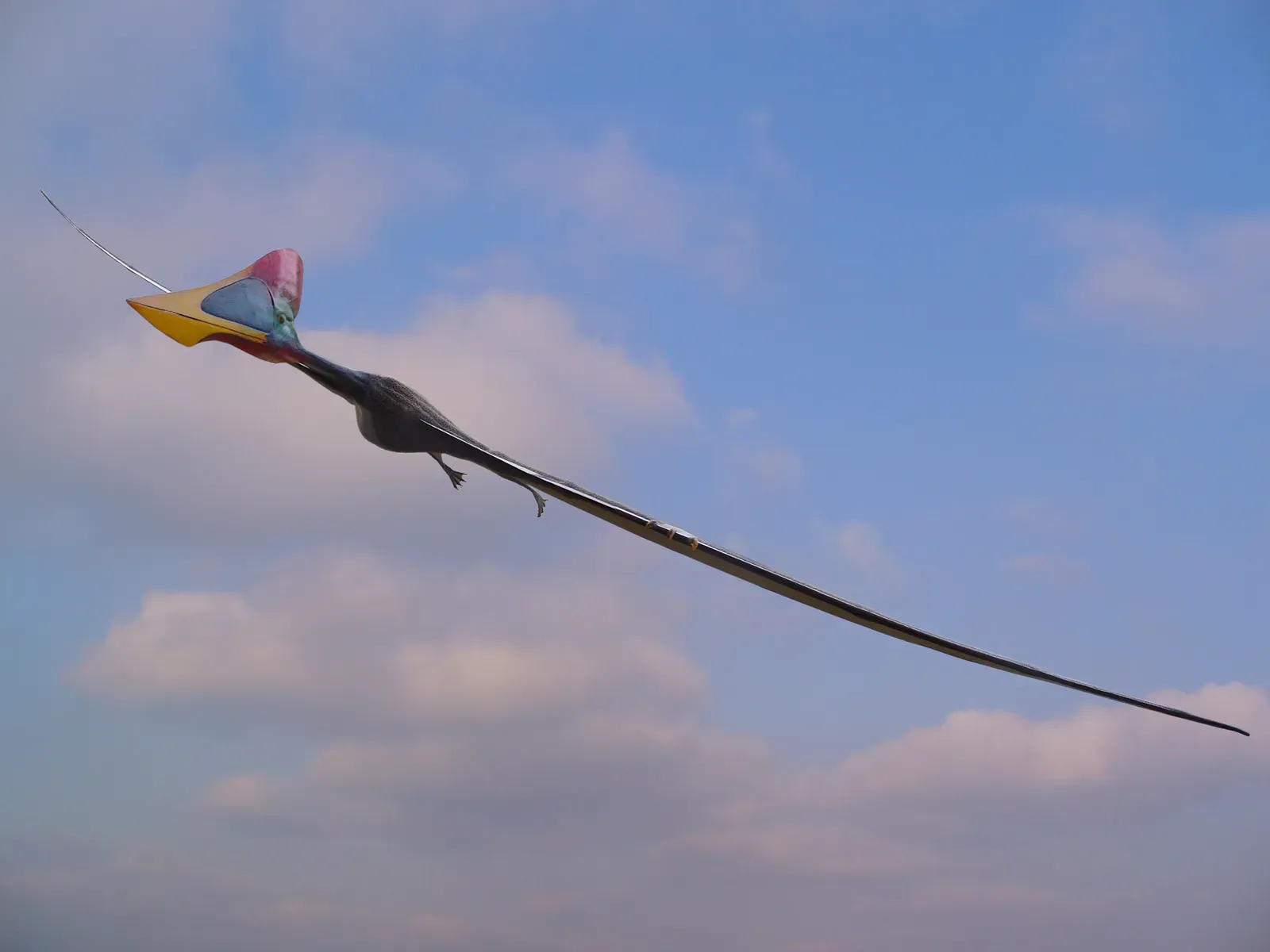
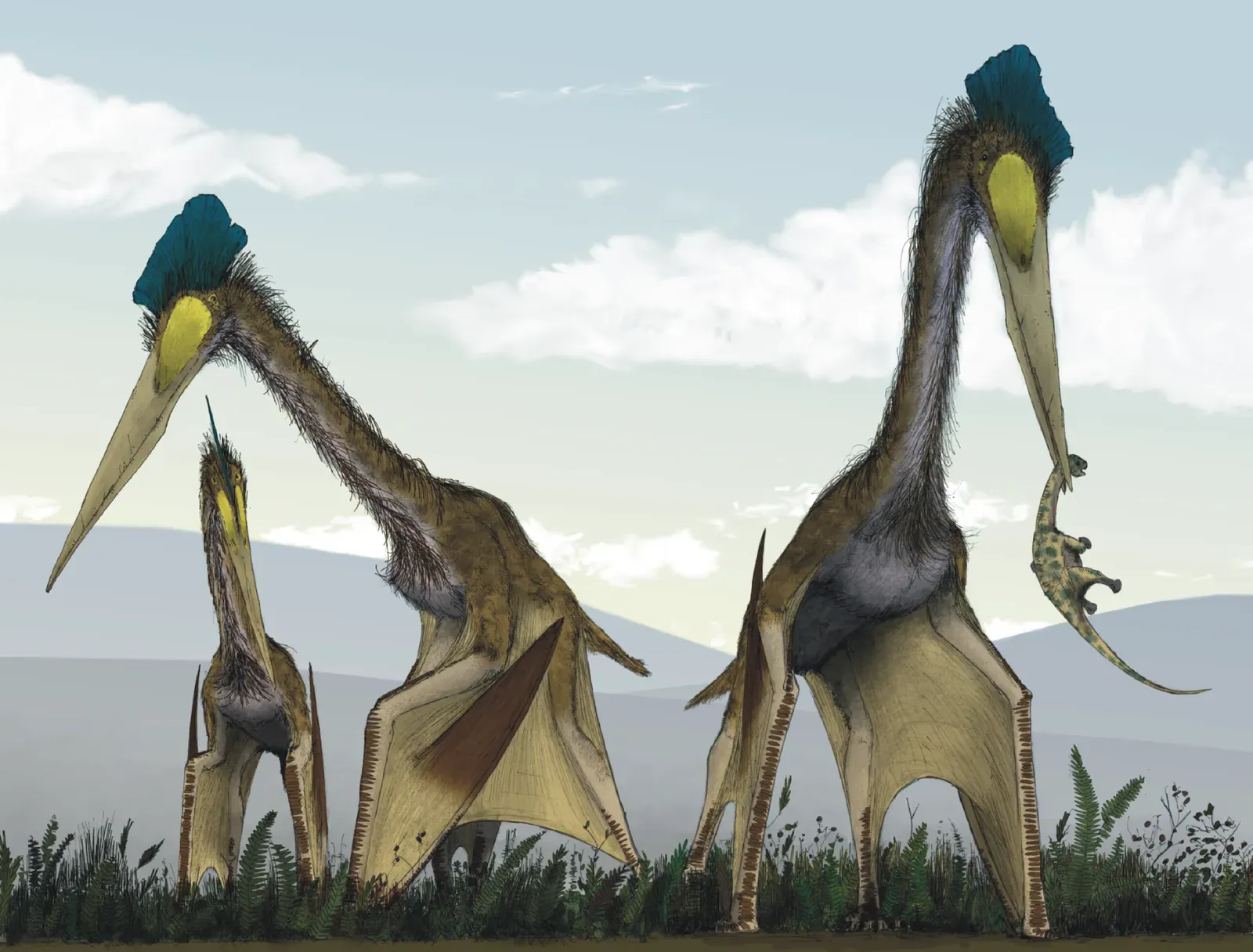
If you want to talk about the single largest flying creature ever confirmed by science, this is where you start. One species, Quetzalcoatlus northropi, is widely believed to have been the largest flying creature that ever lived. That’s not a casual title. It’s backed by fossil evidence, computer modeling, and decades of paleontological debate.
Paleontologists contend that members of the species stood about 5 meters tall and had a wingspan of up to 11 meters. To put that in perspective, you could park the average car under one of its outstretched wings and have room to spare. The largest so far discovered may have weighed more than 200 kilograms, with a wingspan of 11 metres – as wide as a Cessna 172 aeroplane.
Fact 2: Its Name Honors an Aztec God – and the Resemblance Is Fitting
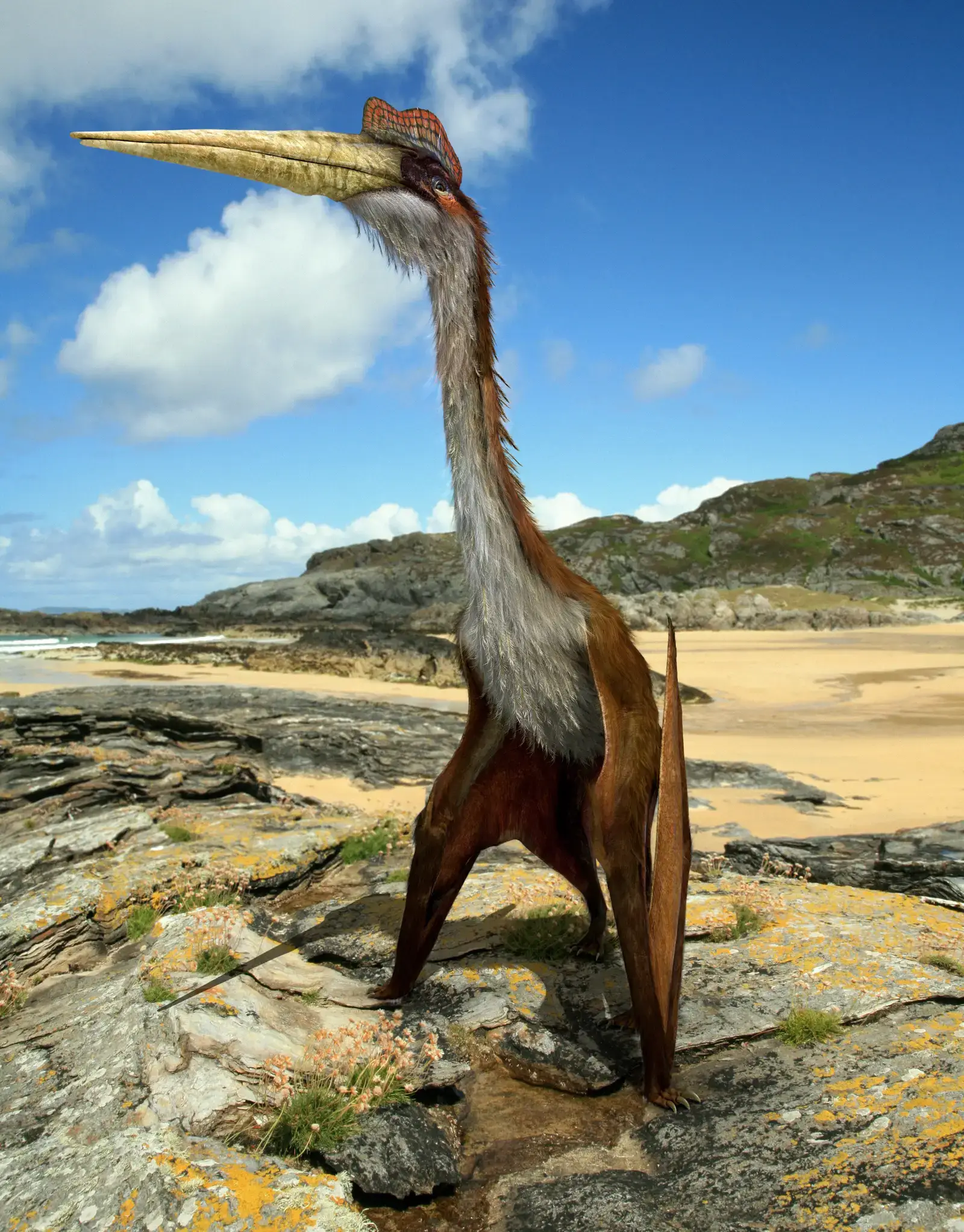
Quetzalcoatlus is named for Quetzalcóatl, a wrathful Aztec deity who at times was represented as a feathered serpent. There’s a dark poetry to that choice of name. This creature ruled its world from above, sweeping down on prey with a beak the length of a grown adult, in an era when the sky itself had no safe corners.
It had a long neck – in Q. northropi up to 3 meters long – which supported a massive crested head of roughly the same size. The visual of that creature standing still on the ground is almost incomprehensible. Quetzalcoatlus dominated the skies of North America at the end of the Dinosaur Age and flew high over such famous creatures as Tyrannosaurus and Triceratops.
Fact 3: Scientists Spent Decades Debating Whether It Could Even Fly
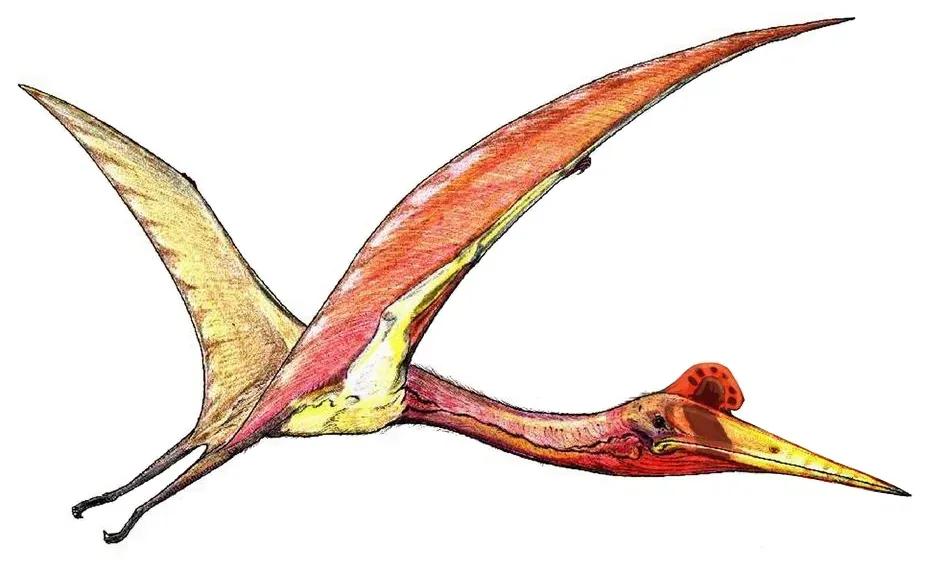
Here’s the thing – when you’re this big, even getting off the ground becomes an extraordinary engineering puzzle. Scientists have long debated how or even whether Q. northropi could fly, given the pterosaur’s massive size and weight. For a long time, some researchers seriously entertained the idea that it might have been entirely flightless, wandering the earth like a feathered giraffe with wings.
An analysis of existing Quetzalcoatlus fossils in 2021 provided evidence that Q. northropi could indeed fly. Because of its massive wings, it likely took off by leaping some 2.5 meters into the air. With enough of a jump, it could flap its powerful wings to reach an altitude at which it could soar like a condor. Honestly, imagining that leap is both thrilling and terrifying in equal measure.
Fact 4: Once Airborne, It Was a Long-Distance Flying Machine
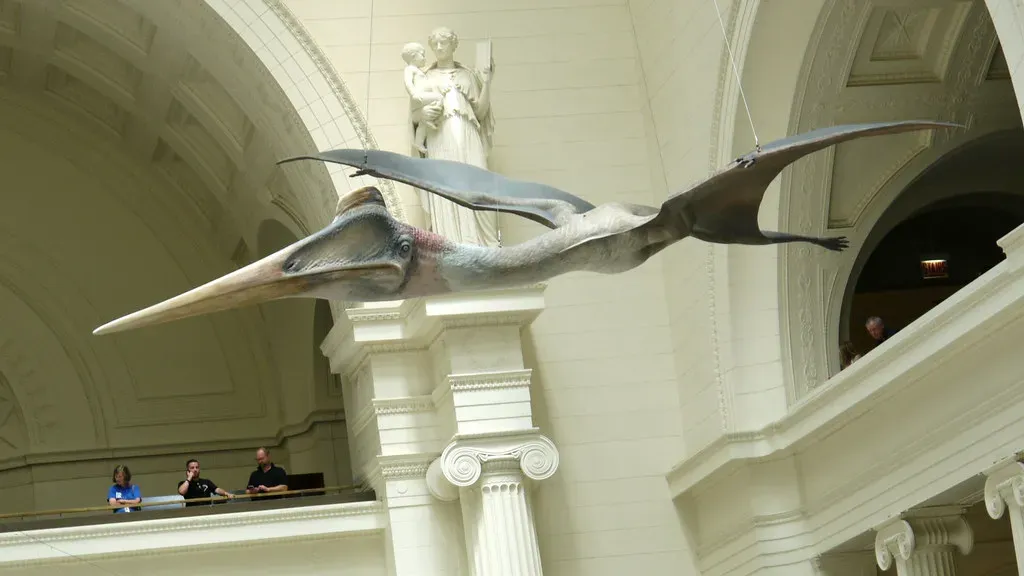
You might picture a creature this size lumbering awkwardly through the air, but that would be completely wrong. Estimates suggest that Q. northropi might have flown at speeds of up to 130 km per hour, and covered as much as 640 km in a day. That’s the distance from New York to Washington D.C. and back – in a single day’s flying.
Computer modeling led researchers to conclude that Q. northropi was capable of flight up to 130 km/h for 7 to 10 days at altitudes of 4,600 meters. Habib further suggested a maximum flight range of 13,000 to 19,000 km for Q. northropi. That kind of range is staggering. Think of it less as a bird and more as a biological intercontinental glider, silent and unstoppable at cruise altitude.
Fact 5: Hatzegopteryx Was the Dragon of Transylvania
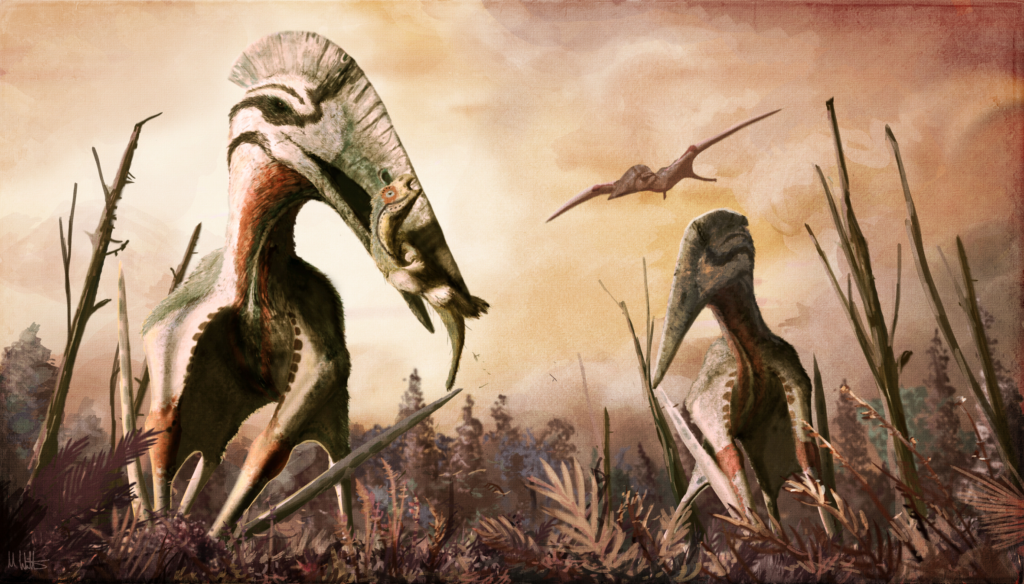
Before Dracula put Transylvania on the map, another monster ruled those skies. 66 million years ago, it wasn’t Dracula that terrorized Transylvania, but a different winged beast – essentially a dragon – the giant pterosaur Hatzegopteryx. Its fossils were so massive and robust that when paleontologists first dug them up, they genuinely thought they were looking at a large flesh-eating dinosaur.
Scientists estimate its wingspan was between 10 to 12 meters, which is as long as a school bus. What really set Hatzegopteryx apart from its cousins was its neck. One of the most unusual things about Hatzegopteryx was its neck. While other giant pterosaurs had very long and slender necks, the neck of Hatzegopteryx was short and incredibly muscular. Its neck bones were thick and wide, making the neck about 1.5 meters long. That brute-force anatomy meant it could do something most pterosaurs couldn’t – overpower large, struggling prey.
Fact 6: Hatzegopteryx Was the Apex Predator of an Island With No Large Carnivores
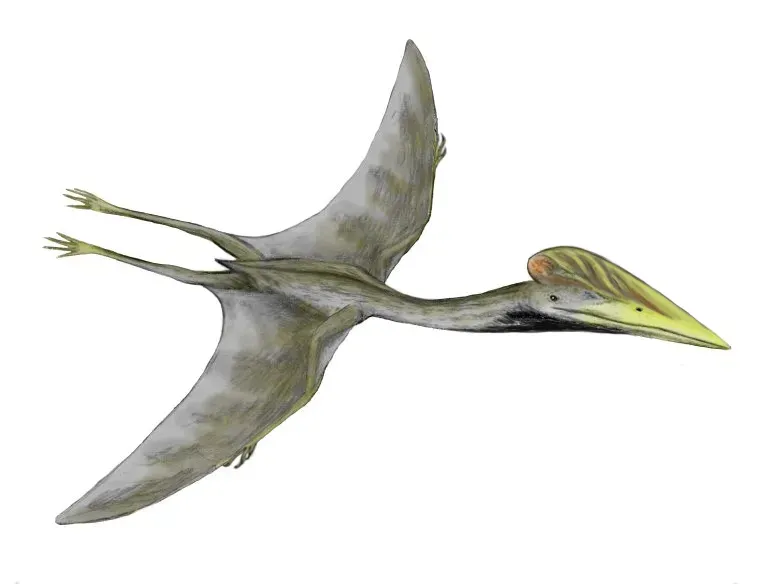
During the Late Cretaceous, Transylvania was an island that hosted one of the largest pterosaurs of all time. Now, scientists think that this giraffe-sized stork-like reptile might have also been the island’s arch-predator. With no large theropods competing for food, Hatzegopteryx effectively filled the role that T. rex played elsewhere. That’s an eerie thought.
Because there were no large meat-eating dinosaurs on the island, Hatzegopteryx was the top hunter, or apex predator. It could hunt much larger animals than other pterosaurs, including small dinosaurs. The skull alone was a weapon. Paleontologists believe that its wingspan was up to 12 meters across, and its unusually robust skull was 3 meters in length. No creature on Hateg Island was truly safe from above.
Fact 7: Pterosaurs Were the First Vertebrates to Conquer the Skies
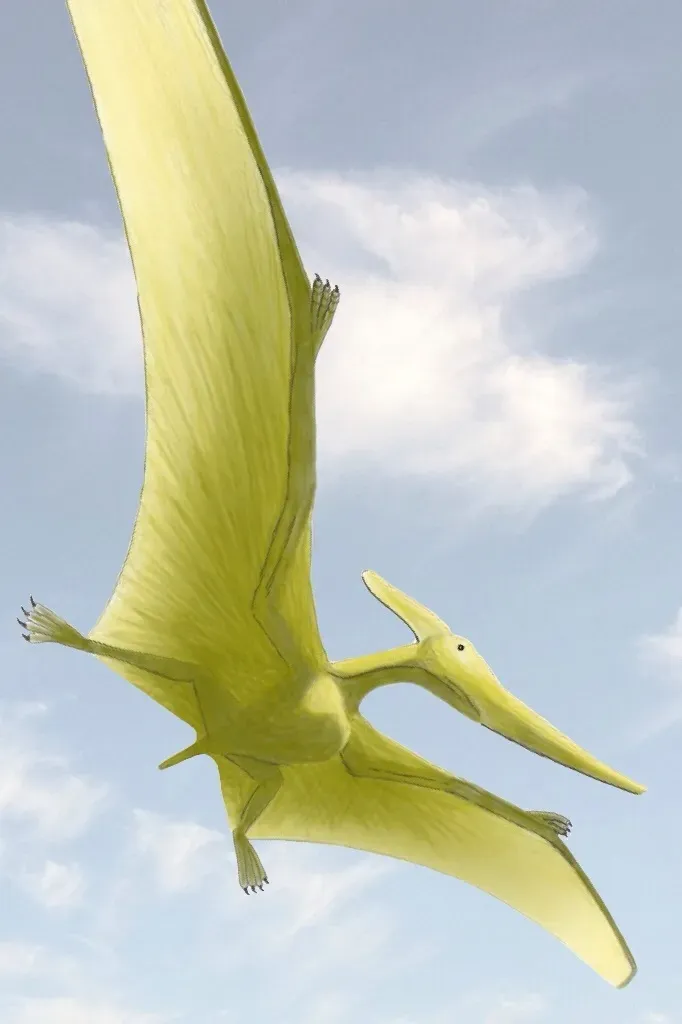
Before birds, before bats – there were pterosaurs. Pterosaurs are notable for being the first vertebrates – or animals with backbones – to evolve flight capabilities. That is a distinction worth pausing on. Every winged vertebrate you’ve ever seen in your lifetime descends from lineages that came after these creatures had already been mastering the skies for tens of millions of years.
Pterosaurs, which means “winged lizard” in Greek, are often referred to as flying dinosaurs, but they aren’t actually dinosaurs. They’re an extinct group of flying reptiles that ruled the skies starting 225 million years ago. They were also remarkably diverse. Pterosaurs appeared more than 200 million years ago and flourished until the mass extinction event around 66 million years ago. Over those millions of years, they came in every conceivable size and shape.
Fact 8: Argentavis Magnificens – The Most Massive Flying Bird That Ever Breathed
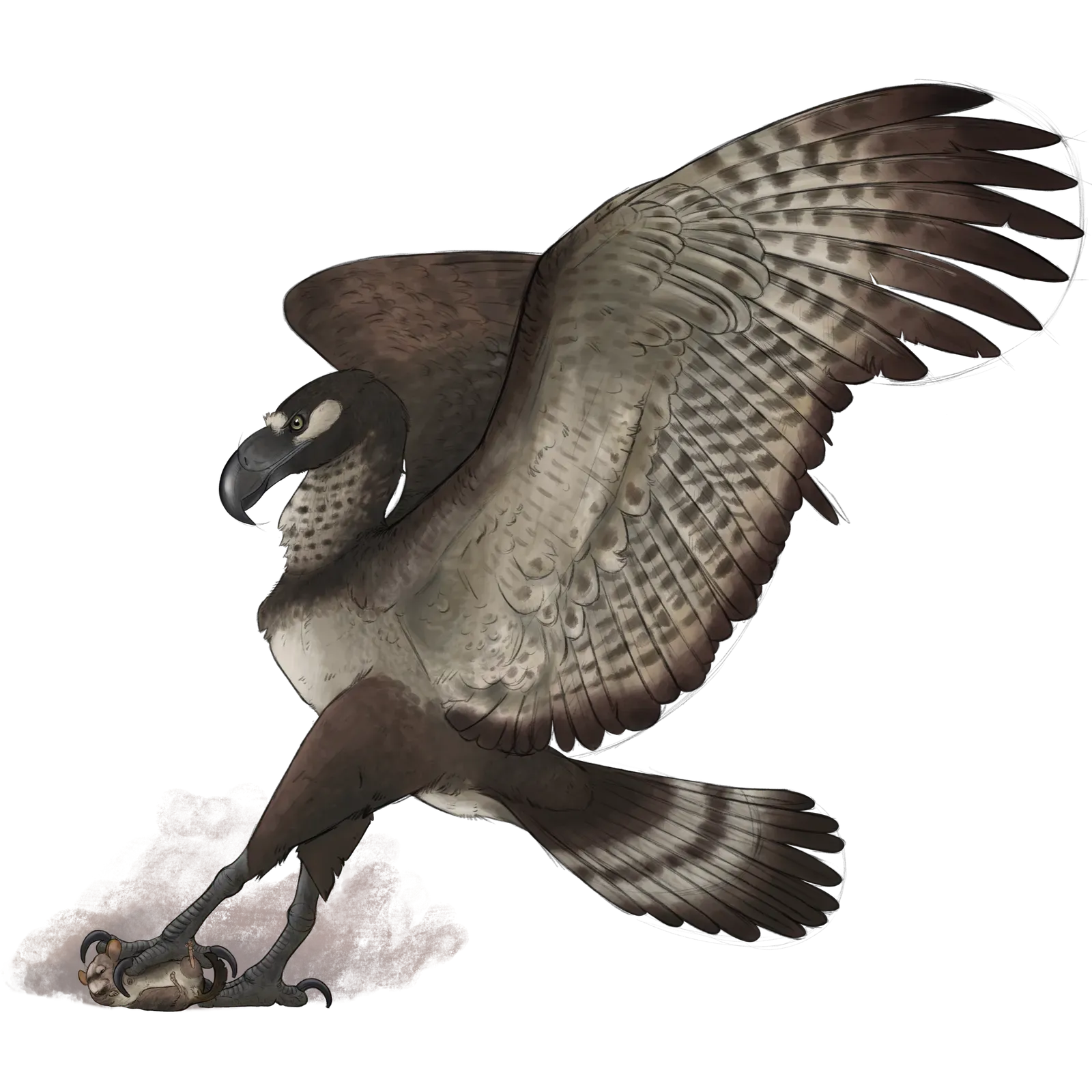
Shift now from the reptile world to the bird world, and you find another titan. Argentavis magnificens is widely considered to be the largest known flying bird to ever exist on Earth. It roamed South America roughly 6 million years ago, soaring over the ancient Andes in a landscape that would feel both familiar and alien to modern eyes.
Argentavis is currently accepted to have an estimated wingspan of around 5.1 to 6.5 meters, a height of 1.5 to 1.8 meters, and a mass of approximately 70 to 72 kilograms. To compare, the modern wandering albatross – the largest flying bird alive today – maxes out at just over 3.5 meters of wingspan. Argentavis was among the largest flying birds to ever exist, holding the record for heaviest flying bird, although it was surpassed in wingspan after the 2014 description of Pelagornis sandersi, which is estimated to have possessed wings some 20% longer than those of Argentavis. Even among giants, rankings shift.
Fact 9: Pelagornis Sandersi Had Wings That Defied Scientific Expectation
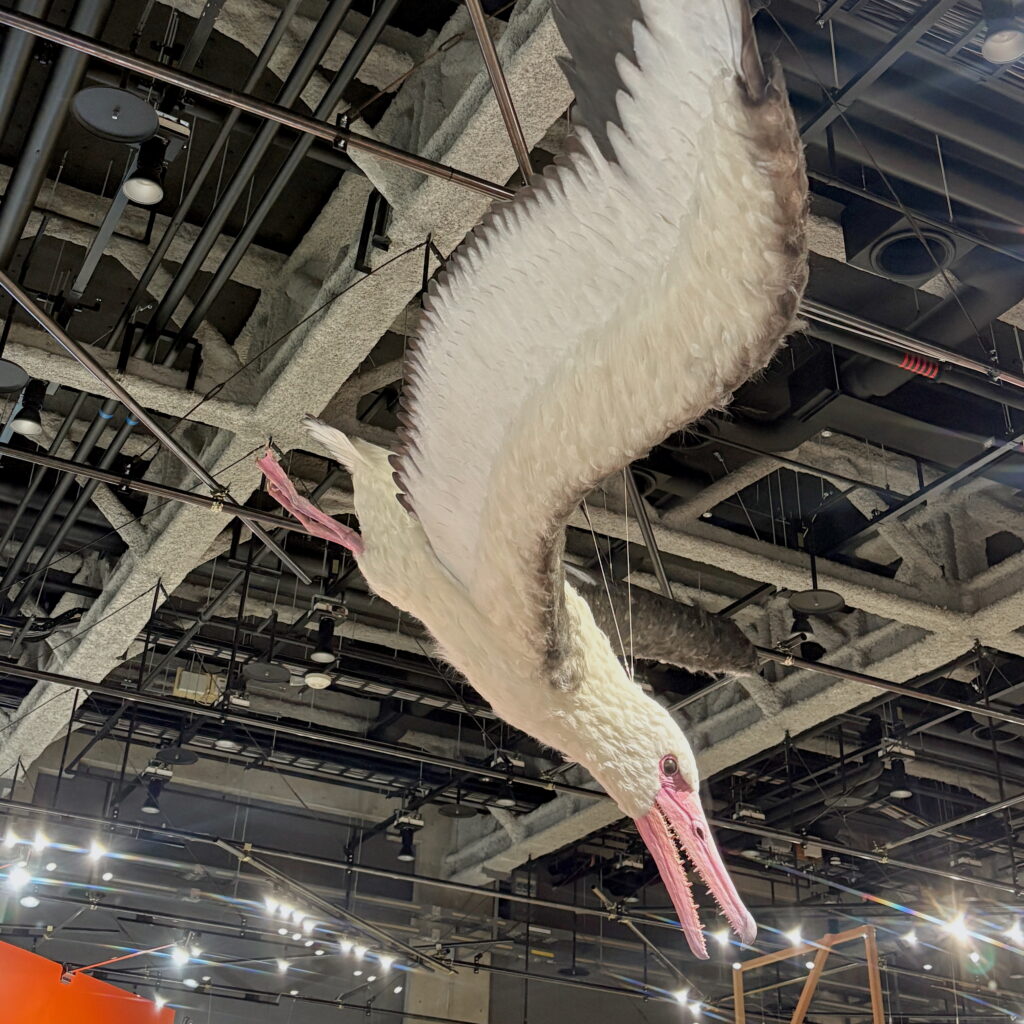
I know it sounds crazy, but there was a bird that flew the skies of Earth with wings so enormous that some mathematical models initially said it was impossible. Named Pelagornis sandersi in honor of retired Charleston Museum curator Albert Sanders, the bird lived 25 to 28 million years ago, after the dinosaurs died out but long before the first humans arrived. Its discovery in 2014 completely reshuffled the record books.
With an estimated 20 to 24 foot wingspan, the creature surpassed size estimates based on wing bones from the previous record holder, Argentavis magnificens, and was twice as big as the Royal Albatross, the largest flying bird today. Getting airborne must have been an epic challenge. Its paper-thin hollow bones, stumpy legs and giant wings would have made it at home in the air but awkward on land. Because it exceeded what some mathematical models say is the maximum body size possible for flying birds, what was less clear was how it managed to take off and stay aloft despite its massive size.
Fact 10: The Mass Extinction That Ended Their Reign Changed the Sky Forever
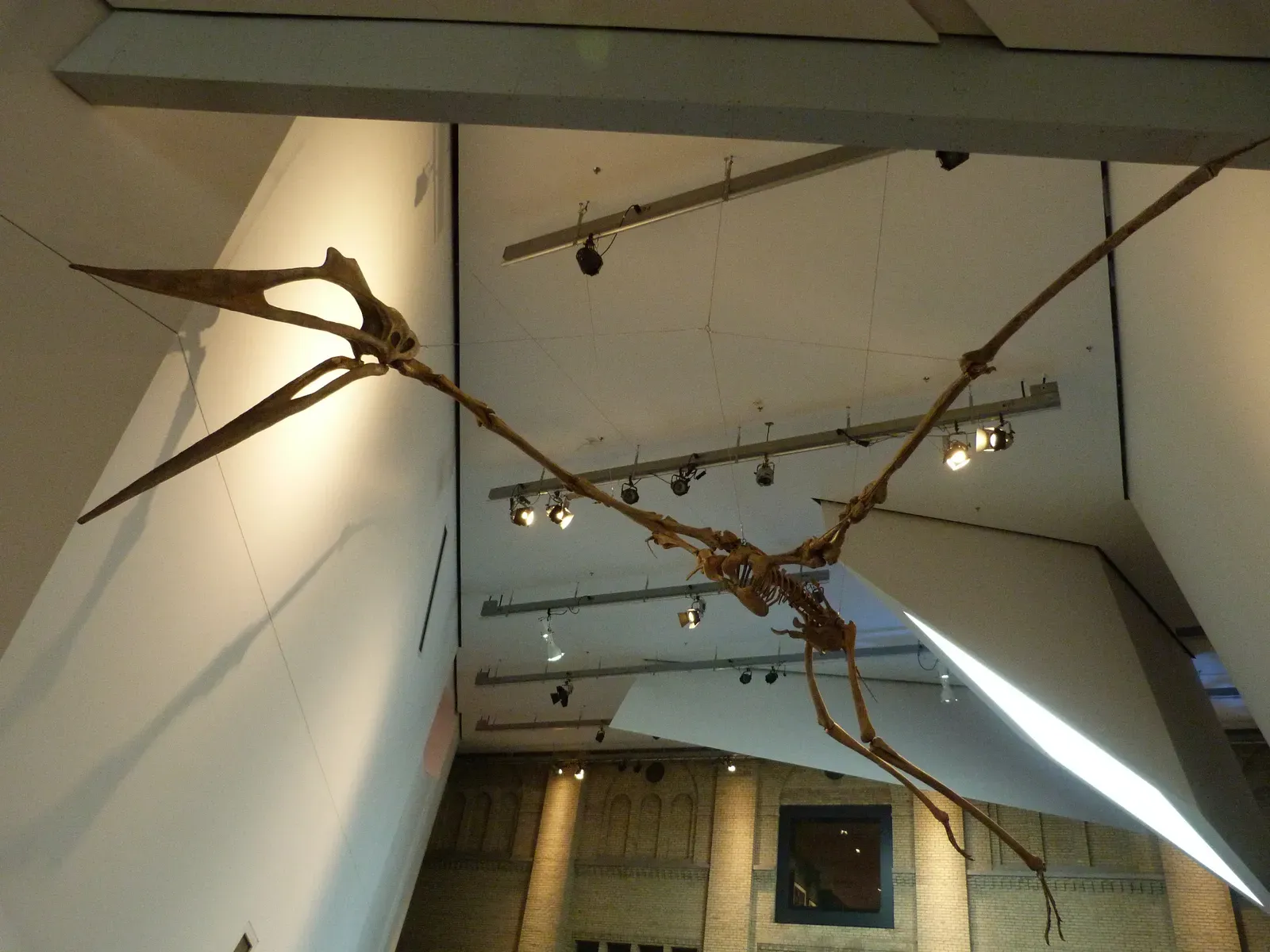
The extinction of pterosaurs was abrupt rather than gradual, caused by the catastrophic Chicxulub impact. Their extinction freed up more niches that were then filled by birds, which led to their evolutionary radiation in the Early Cenozoic. In other words, the world you live in today, where birds fill every sky you’ve ever looked up at, exists because these magnificent giants are gone. The bird singing outside your window is, in a sense, a beneficiary of that ancient catastrophe.
Having ruled the skies for millions of years, the pterosaurs met the same dramatic end as the rest of the dinosaurs – but through a careful analysis of fossils, we can bring them back to life to some extent. The fossils of Quetzalcoatlus fueled an ongoing debate about the weight limits in flying animals and the evolution of powered flight in the animal kingdom. Every new dig, every new fragment of ancient bone, tells us something more about what was possible when Earth’s skies had no limits.
Conclusion: The Sky Was Never This Crowded With Giants
What strikes me most about all of this isn’t just the raw size of these creatures. It’s the sheer audacity of their existence. Nature found a way to push a living animal to the absolute upper boundary of what physics allows, then push it a little further. The ancient sky was not the quiet, empty expanse we might picture. It was ruled by flying beasts that make even our largest modern condors look modest by comparison.
You live on a planet that once supported creatures with 40-foot wingspans, sponge-structured skulls built for crushing prey, and the stamina to fly thousands of kilometers without rest. That history belongs to all of us, embedded in the fossil record like letters in stone. It’s hard not to feel a little awe standing under an open sky, knowing what once moved through it.
So here’s a thought to leave you with: if creatures this extraordinary were possible once, what does that say about what natural history might still have waiting to be found? What do you think – and if you have a favorite prehistoric sky giant, tell us about it in the comments.