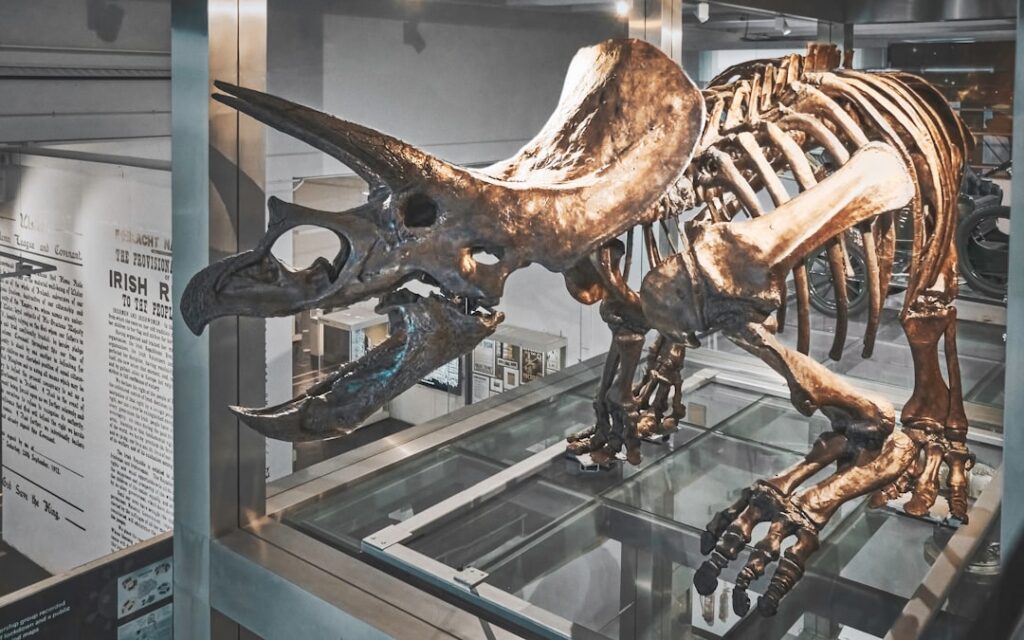
Hungary – Researchers have uncovered compelling evidence that ceratopsian dinosaurs, the group famous for Triceratops, inhabited Europe during the Late Cretaceous period. A new study re-examined fossils from Hungary and Romania, revealing that several species long thought to belong to other dinosaur groups were actually early ceratopsians. This discovery, detailed in the journal Nature, challenges over a century of assumptions about dinosaur distribution across the northern hemisphere.
A Century-Old Puzzle Solved
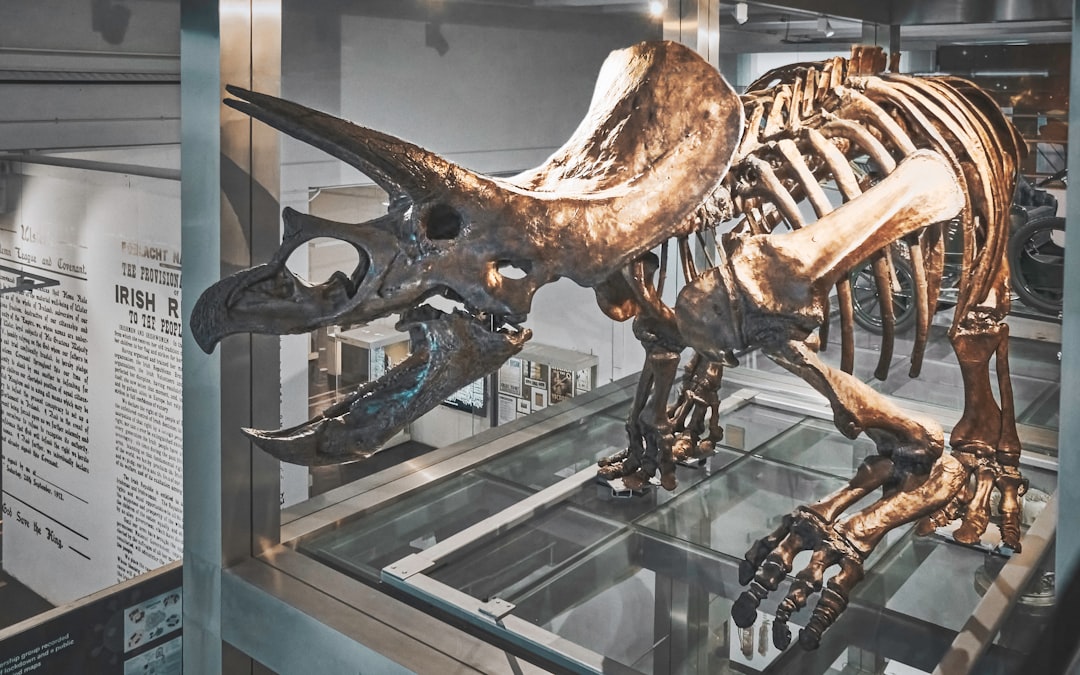
A Century-Old Puzzle Solved (Image Credits: Unsplash)
For more than 100 years, scientists believed ceratopsians never reached Europe. These horned, beaked dinosaurs dominated landscapes in Asia and North America but left only fragmentary and controversial traces on the European continent. The absence puzzled paleontologists, as Europe formed a potential bridge between those regions during the Cretaceous.
New analysis of skull fossils from western Hungary provided the breakthrough. Led by Professor Susannah Maidment of London’s Natural History Museum, an international team used detailed skeletal comparisons and phylogenetic studies to confirm ceratopsian traits. The work showed these dinosaurs thrived amid Europe’s island chains around 84 to 85 million years ago.
Professor Maidment noted the challenge of fragmentary remains. Convergent evolution made ceratopsians resemble iguanodontians like Iguanodon in teeth, limbs, and body size. Yet key features, such as pelvic structure, revealed their true identity.
Ajkaceratops Emerges from the Shadows
Ajkaceratops kozmai took center stage in the research. First described in 2010 from Iharkút in Hungary’s Bakony Mountains, its skull fragments sparked debate. Some experts questioned its ceratopsian status, suggesting ornithopod affinities instead.
Recent finds changed that narrative. A more complete skull, unearthed from the Csehbánya Formation, displayed classic ceratopsian features like a beak-like snout and fused premaxillae. The dinosaur measured about one meter long, lacked prominent horns or frill, and consumed tough vegetation, as shown by tooth wear.
Professor Steve Brusatte of the University of Edinburgh celebrated the revelation. “Horned dinosaurs like Triceratops are some of the most iconic dinosaurs but most of them are from North America, and now we’ve found them in Europe, hiding in plain sight because they’ve been misidentified for decades,” he said.
Unmasking Europe’s Ceratopsian Diversity
The study went beyond Ajkaceratops. Researchers reclassified Mochlodon vorosi, a supposed rhabdodontid from the same Hungarian site, as the same species. Rhabdodontids, once seen as unique European herbivores related to Iguanodon, now appeared mostly as misidentified ceratopsians.
Fossils from Romania added to the tally. Zalmoxes shqiperorum became Ferenceratops shqiperorum, honoring early 20th-century collector Baron Franz Nopcsa. Its pelvis lacked iguanodontian hallmarks, confirming ceratopsian ties. Zalmoxes robustus remained ambiguous but leaned toward the group.
| Dinosaur | Original Classification | New Classification | Location |
|---|---|---|---|
| Ajkaceratops kozmai | Controversial ceratopsian | Confirmed ceratopsian | Hungary |
| Mochlodon vorosi | Rhabdodontid | Synonym of Ajkaceratops | Hungary |
| Zalmoxes shqiperorum | Rhabdodontid | Ferenceratops shqiperorum (ceratopsian) | Romania |
Island-Hopping Pioneers
Ceratopsians originated in Asia before spreading widely. Europe’s position suggested a migration corridor, but fossils were scarce. The Hungarian site, a floodplain deposit, preserved these pioneers amid ankylosaurs, theropods, and other fauna.
During the Santonian stage, Europe comprised islands around the Tethys Sea. Dinosaurs likely island-hopped or swam short distances, much like modern animals. Evidence from Allosaurus fossils in Portugal and the U.S. supports such crossings as the Atlantic began opening.
Maidment emphasized this capability. “Lots of animals can swim and, as the islands of the central European basin weren’t that far apart, it would make sense if dinosaurs were able to island hop.”
Reshaping Dinosaur Narratives
These findings indicate ceratopsians proved common in Europe, not absent. European faunas mirrored Asia and North America more closely than isolation theories predicted. Unique evolution driven by islands may apply less to these herbivores.
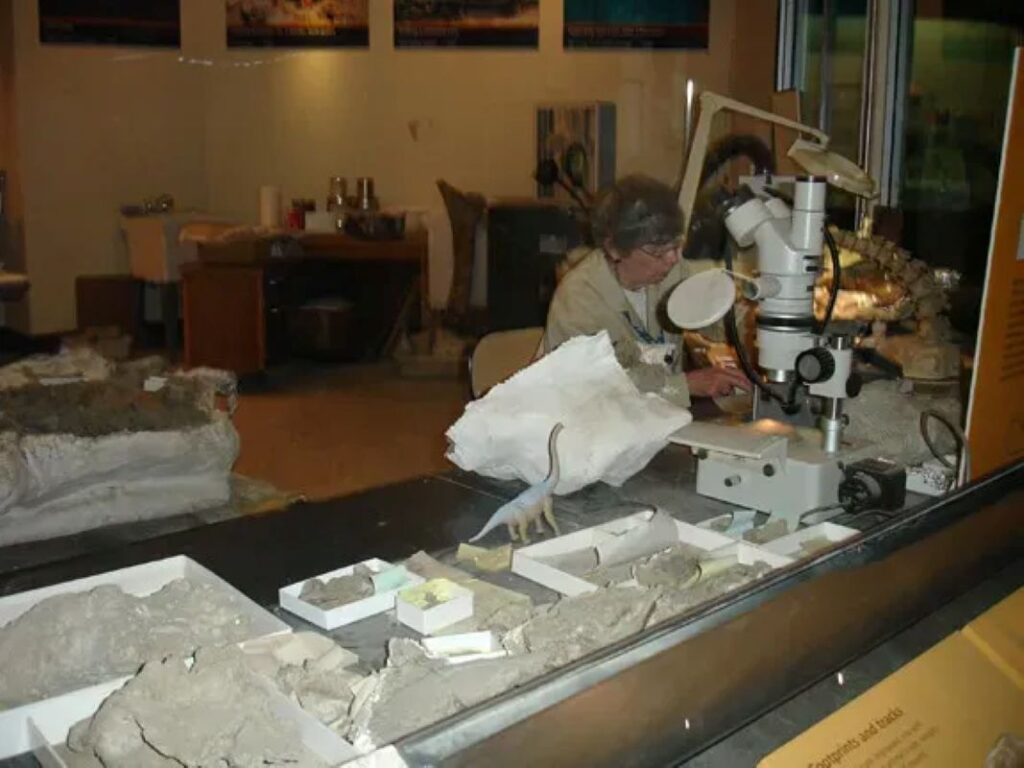
Museum collections emerged as vital resources. Re-examination of old specimens, combined with new digs, continues to refine our understanding. The study urges further scrutiny of European fossils to uncover more hidden diversity.
Key Takeaways
- Ceratopsians like Ajkaceratops lived in Europe 84 million years ago, confirmed by new Hungarian skull fossils.
- Several rhabdodontids were misclassified ceratopsians due to similar traits with iguanodontians.
- Island-hopping across Tethys Sea islands explains their presence, linking Asian origins to broader dispersal.
This Hungarian-led breakthrough reminds us that dinosaur history holds more surprises. As museum archives yield secrets, Europe’s prehistoric world grows richer and more connected. What do you think about these island-dwelling horned dinosaurs? Tell us in the comments.