
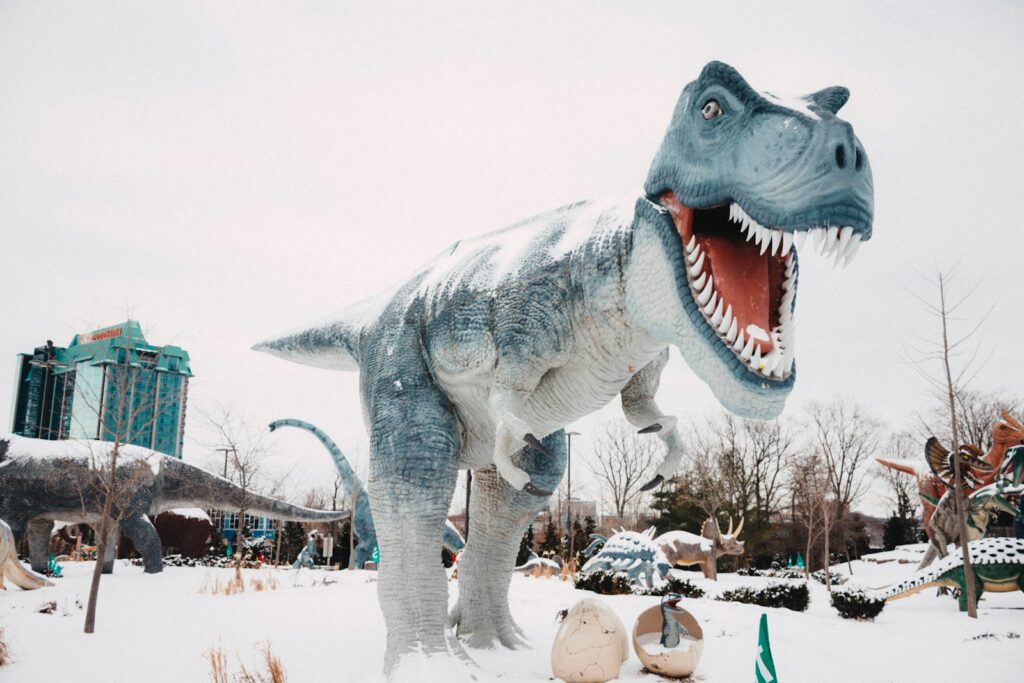
Approximately 66 million years ago, a catastrophic event changed the course of Earth’s history forever. The Cretaceous-Paleogene (K-Pg) extinction event, marked by a massive asteroid impact, triggered a series of devastating environmental changes that wiped out approximately 75% of all species on the planet, including the non-avian dinosaurs that had dominated terrestrial ecosystems for over 160 million years. However, the extinction wasn’t instantaneous—Earth experienced dramatic cooling in the aftermath. This raises fascinating questions about whether any dinosaurs might have briefly persisted through this initial cold period before ultimately succumbing to the changing world. The story of Earth’s great freeze and the fate of the dinosaurs reveals crucial insights about evolution, adaptation, and survival during catastrophic climate change.
The K-Pg Impact: Catalyst for Global Cooling

When the Chicxulub impactor—an asteroid or comet approximately 10-15 kilometers in diameter—struck Earth’s surface near present-day Mexico’s Yucatán Peninsula, it unleashed energy equivalent to billions of atomic bombs. The immediate effects included tsunamis, wildfires, and earthquakes, but the long-term climatic impact proved even more devastating. The impact vaporized sulfur-rich rocks, ejecting massive amounts of sulfur dioxide into the atmosphere, while soot from global wildfires darkened the skies. Scientific models suggest that global temperatures plummeted by as much as 10°C (18°F) within days or weeks after the impact, with this “impact winter” potentially lasting for years. This sudden cooling presented an unprecedented challenge to organisms adapted to the warm Cretaceous climate, including the dinosaurs that had evolved during primarily greenhouse conditions.
Prehistoric Deep Freeze: The Mechanism of Cooling

The asteroid impact triggered a complex chain of climatic effects that transformed Earth from a greenhouse world into a temporary icehouse. When the massive impactor struck, it ejected billions of tons of dust, soot, and aerosols high into the atmosphere, creating a global shroud that blocked sunlight from reaching Earth’s surface. Photosynthesis dramatically declined or ceased entirely in many regions, collapsing food chains from the bottom up. The sulfate aerosols formed from the vaporized gypsum at the impact site were particularly significant, as they reflect sunlight and can remain suspended in the upper atmosphere for years. Computer models suggest that global surface temperatures may have dropped below freezing for several years following the impact, even in tropical regions. This period of darkness and cold represented one of the most rapid and extreme climate shifts in Earth’s history, putting immense selective pressure on all surviving species.
Dinosaur Adaptations: Were Any Ready for Cold?
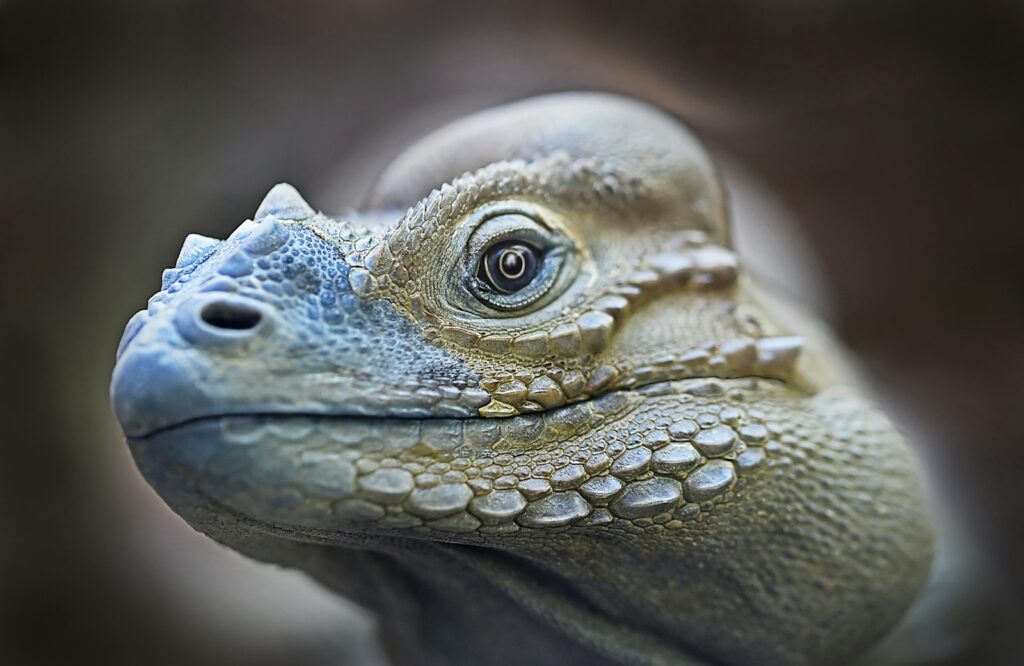
Before the extinction event, dinosaurs had successfully adapted to a wide range of environments across the planet, including some seasonal and relatively cooler habitats. Certain dinosaur groups had evolved features that might have provided some limited cold tolerance. For instance, many theropod dinosaurs, including the ancestors of modern birds, possessed feathers or feather-like structures that could have provided insulation. Some dinosaurs in higher-latitude regions, such as those found in Australia (which was connected to Antarctica during the Cretaceous) and Alaska, would have experienced extended periods of darkness and cooler temperatures during winter months. However, these adaptations were generally modest compared to the extreme and sudden global cooling triggered by the impact. Most large-bodied dinosaurs were likely ectothermic or only partially endothermic, making them particularly vulnerable to sustained cold temperatures that would have severely limited their metabolic functions and mobility.
Polar Dinosaurs: Cold-Weather Specialists

Some of the most intriguing evidence for cold-adapted dinosaurs comes from fossil discoveries in ancient polar regions. During the Cretaceous period, both the Arctic and Antarctic supported diverse dinosaur ecosystems despite experiencing months of darkness each year. In what is now northern Alaska, paleontologists have discovered fossils belonging to duck-billed hadrosaurs, horned ceratopsians, and small predatory dinosaurs that apparently lived year-round at these high latitudes. Similarly, excavations in Australia and Antarctica have revealed dinosaurs that survived in polar conditions. These dinosaurs likely possessed specialized adaptations such as enhanced vision for low-light conditions, potentially higher metabolic rates, and possibly seasonal hibernation or torpor states. Some may have had larger body sizes relative to their lower-latitude relatives, following Bergmann’s rule of increased body mass in colder climates for better heat retention. Despite these adaptations, the post-impact cooling was far more severe and prolonged than seasonal variations, likely overwhelming even these cold-weather specialists.
Survival Timeline: How Long Could Dinosaurs Last?

The question of how long non-avian dinosaurs might have persisted after the asteroid impact remains contentious in paleontological circles. The traditional view holds that the extinction was geologically instantaneous, with most dinosaurs dying within days, weeks, or months of the impact. However, some researchers have proposed the possibility that small populations of dinosaurs might have survived for hundreds or even thousands of years after the impact. Several factors would have determined potential survival time, including body size, metabolic requirements, dietary flexibility, and geographic location. Smaller dinosaurs with lower caloric needs might have survived longer than larger species requiring substantial daily food intake. Regions farther from the impact site or in protected microhabitats might have experienced less severe conditions initially. Nevertheless, the fossil record has yet to yield compelling evidence of non-avian dinosaur remains significantly above the K-Pg boundary layer, suggesting that if any populations did persist, they were too small or geographically restricted to leave a detectable fossil signature.
Avian Dinosaurs: The True Survivors

While the non-avian dinosaurs disappeared, one dinosaur lineage unequivocally survived the extinction event: the birds. Modern birds evolved from small, feathered theropod dinosaurs, making them the only living dinosaur descendants. Their survival provides critical clues about which traits may have conferred advantage during the extinction crisis. Birds that survived possessed relatively small body sizes, reducing their caloric requirements during food scarcity. Their feathers provided crucial insulation against the cold temperatures. Many early birds were likely ground-dwelling and omnivorous, allowing dietary flexibility when plant productivity crashed. Recent genomic studies suggest that the common ancestor of modern birds was likely capable of eating seeds, which would have been a critical food resource when fresh vegetation was scarce. The surviving bird lineages also appear to have had relatively large brains for their body size, potentially enabling greater behavioral adaptability in the face of rapidly changing conditions. This combination of traits—small size, insulation, dietary flexibility, and cognitive capacity—allowed these dinosaur descendants to weather the catastrophic climate shift when their larger relatives could not.
The Fossil Record: Searching for Survivors
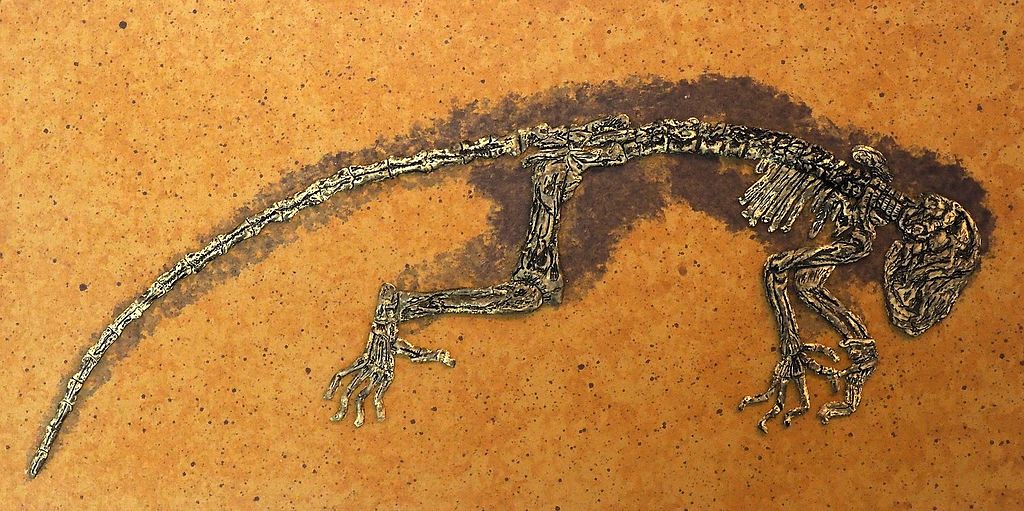
Paleontologists have meticulously examined rock layers spanning the K-Pg boundary in search of evidence that might indicate dinosaur survival beyond the immediate aftermath of the impact. The most controversial claims involve what’s known as the “three-meter gap”—reports from the Hell Creek Formation in Montana suggesting dinosaur fossils found slightly above the boundary layer, potentially indicating brief survival. However, these claims remain highly disputed, with most experts attributing them to reworking of fossils (where older remains are eroded and redeposited in younger sediments) rather than evidence of post-impact survival. More reliable dating techniques have repeatedly failed to find legitimate dinosaur fossils above the boundary. While absence of evidence isn’t necessarily evidence of absence, the global nature of the fossil record makes it increasingly unlikely that substantial populations of non-avian dinosaurs persisted long after the impact. If any isolated pockets of dinosaurs did survive temporarily, they were likely too small to maintain viable populations and eventually succumbed to the dramatically altered environment.
Mammalian Competitors: Cold-Adapted Alternatives
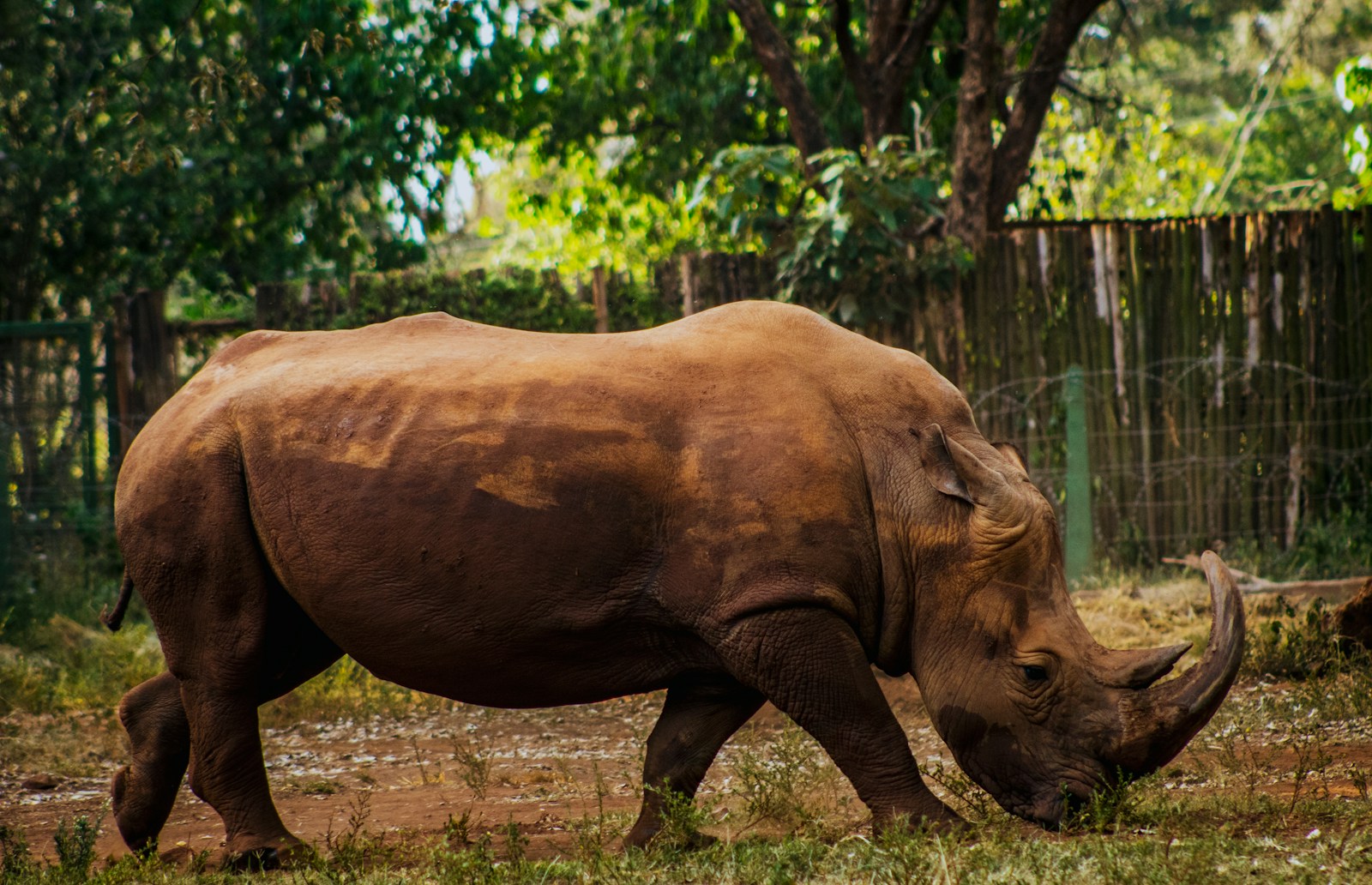
While dinosaurs struggled with the sudden cooling, certain mammal groups were comparatively well-positioned to endure the post-impact winter. Early mammals had evolved in the shadow of dinosaurs for over 150 million years, developing adaptations that would prove advantageous during the extinction crisis. Their small body sizes (most were smaller than modern rats) required less food to sustain. Their endothermic (“warm-blooded”) physiology, combined with insulating fur, provided better cold tolerance than most reptiles and dinosaurs possessed. Many could burrow underground, finding refuge from extreme surface conditions. Perhaps most crucially, many early mammals were nocturnal, having evolved under pressure from dinosaur predation, which meant they were pre-adapted to finding food in low-light conditions. Some mammal lineages also possessed the ability to enter torpor or hibernation states to conserve energy during resource scarcity. These combined adaptations gave mammals a critical edge when the asteroid struck, allowing several lineages to survive and eventually diversify into the ecological niches left vacant by the dinosaurs’ extinction.
Regional Variations: Were There Refugia?

The severity of post-impact conditions likely varied across different geographic regions, raising the possibility that certain areas might have served as refugia where dinosaurs could have temporarily persisted. Coastal regions, deep valleys, or areas with geothermal activity might have maintained slightly warmer microclimates. Some paleontologists have suggested that parts of the Southern Hemisphere, particularly regions farther from the impact site, might have experienced less severe conditions. New Zealand, for instance, has yielded fossils suggesting somewhat less dramatic extinction patterns than North American sites. Underground environments would have been buffered against temperature extremes, though this would primarily benefit smaller animals capable of burrowing. High-altitude tropical regions may have experienced less dramatic temperature drops than polar or temperate zones. Despite these theoretical refugia, the global nature of atmospheric changes would have eventually affected even the most isolated habitats, as the ecological cascade effects of plant productivity collapse propagated through food webs worldwide. If any dinosaur populations briefly persisted in such refugia, they would have faced increasingly challenging conditions as their food sources dwindled.
Cold-Blooded vs. Warm-Blooded: The Metabolic Question

The metabolic nature of dinosaurs remains one of the most debated topics in paleontology, with significant implications for their potential cold tolerance. Traditional views characterized dinosaurs as essentially reptilian and ectothermic (“cold-blooded”), regulating body temperature primarily through environmental sources. However, research over recent decades has revealed a more complex picture. Evidence from bone histology, growth rates, predator-prey ratios, and polar adaptations suggests many dinosaur groups possessed elevated metabolic rates compared to modern reptiles. Some theropods, particularly those in the evolutionary lineage leading to birds, likely had metabolisms approaching or reaching true endothermy. Other groups, like large sauropods, may have maintained relatively stable internal temperatures through “gigantothermy”—using their massive body size to maintain heat through thermal inertia. Despite these adaptations, even the most metabolically advanced non-avian dinosaurs likely lacked the combination of small body size, full endothermy, and insulating integument (like the feathers of birds or fur of mammals) that would have been necessary to survive prolonged sub-freezing temperatures with minimal food availability.
Scientific Debate: Competing Theories

The scientific community continues to debate various aspects of dinosaur extinction and the possibility of brief survival during the post-impact cooling. Some researchers, like paleontologist Robert DePalma, have presented evidence from the Tanis site in North Dakota suggesting dinosaurs were killed within hours or days of the impact by a massive tsunami-like surge. Others, like Thomas Williamson from the New Mexico Museum of Natural History and Science, have argued for at least some dinosaur persistence based on fossil distribution patterns. The gradual extinction hypothesis suggests dinosaurs were already in decline before the impact due to climate change associated with intense volcanic activity from the Deccan Traps in India. In contrast, the catastrophic extinction model proposes that dinosaurs were thriving until the sudden impact event. Recent high-precision dating methods have increasingly supported the catastrophic model, but haven’t entirely eliminated the possibility that some dinosaur populations might have briefly weathered the initial conditions before succumbing to the ecological collapse. These ongoing debates highlight how much remains to be discovered about one of Earth’s most significant extinction events.
Modern Analogues: Cold Snap Lessons
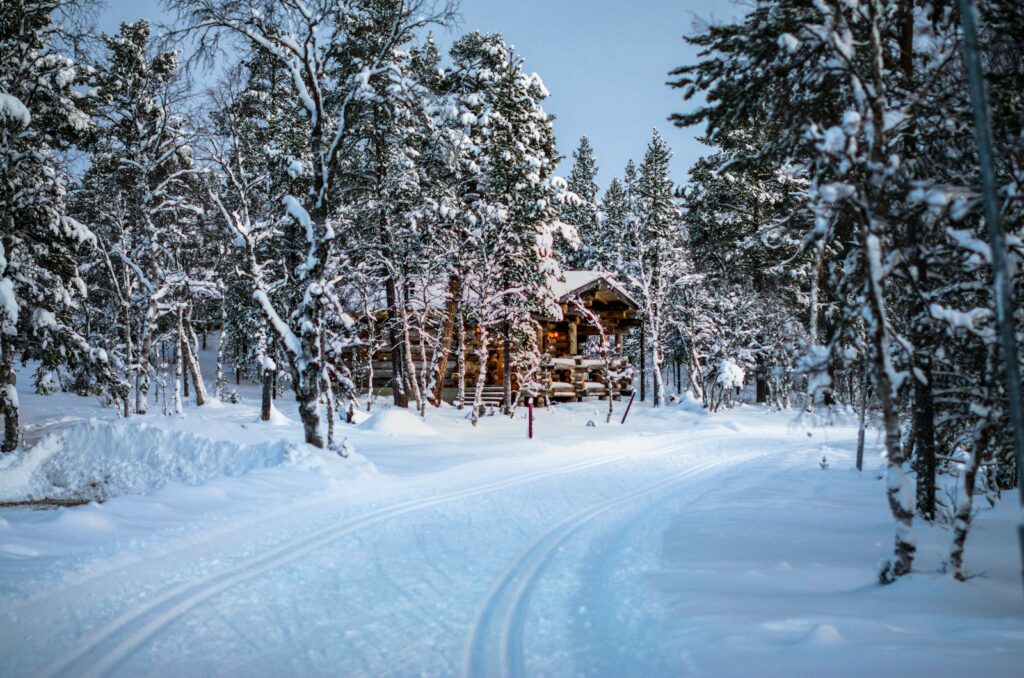
To better understand how dinosaurs might have responded to sudden cooling, scientists often look to modern climate events and their effects on contemporary animals. The 1815 eruption of Mount Tambora created a “year without a summer” in 1816, causing global cooling of approximately 0.4-0.7°C—a fraction of what the K-Pg impact likely produced, yet still enough to cause widespread agricultural failures and ecosystem stress. Studies of reptile responses to unusual cold snaps, such as those affecting Florida in recent years, demonstrate how even brief periods below freezing can be lethal to species not adapted to such conditions. The Younger Dryas cooling event approximately 12,900 years ago, which may have been triggered by a cosmic impact or sudden meltwater pulse, led to rapid climate change that contributed to the extinction of many large mammal species in North America. Perhaps most tellingly, experimental studies with modern reptiles suggest that most species cannot survive prolonged exposure to temperatures below 5°C (41°F) without specialized adaptations. These modern analogues reinforce how catastrophic the post-impact winter would have been for large-bodied dinosaurs adapted to Cretaceous greenhouse conditions.
Future Research Directions: Solving the Cold Case

Paleontologists and Earth scientists continue developing new methods to investigate the potential for dinosaur survival during the post-impact cooling. High-resolution dating techniques, including argon-argon and uranium-lead methods, are being refined to provide ever more precise timelines of the extinction process. Advanced climate modeling incorporating the latest understanding of atmospheric physics helps reconstruct the severity and duration of post-impact cooling with greater accuracy than previously possible. Isotopic analyses of fossil materials can reveal temperature changes and other environmental parameters with remarkable precision. The growing field of paleogenomics—studying ancient DNA and proteins—may eventually yield insights into the genetic adaptations of bird lineages that survived the extinction. New fossil sites continue to be discovered worldwide, with particular interest in Southern Hemisphere locations that might have experienced different post-impact conditions than the more extensively studied North American sites. These combined approaches promise to further refine our understanding of this pivotal moment in Earth’s history when the reign of the dinosaurs came to an end—or at least, the reign of all dinosaurs except the remarkable avian survivors that still populate our planet today.
Conclusion
The story of Earth’s post-impact freeze and dinosaur extinction reminds us of the fragility of even the most successful and dominant life forms when faced with rapid, dramatic climate change. After ruling terrestrial ecosystems for 160 million years, the non-avian dinosaurs disappeared relatively suddenly, while their avian relatives persisted through a combination of advantageous adaptations. This evolutionary bottleneck forever altered the trajectory of life on Earth, allowing mammals to diversify and eventually giving rise to our own species. As we face modern climate challenges, the ancient catastrophe that froze Earth and eliminated the dinosaurs offers a sobering reminder of the planet’s capacity for dramatic change—and the necessity of adaptability for long-term survival.