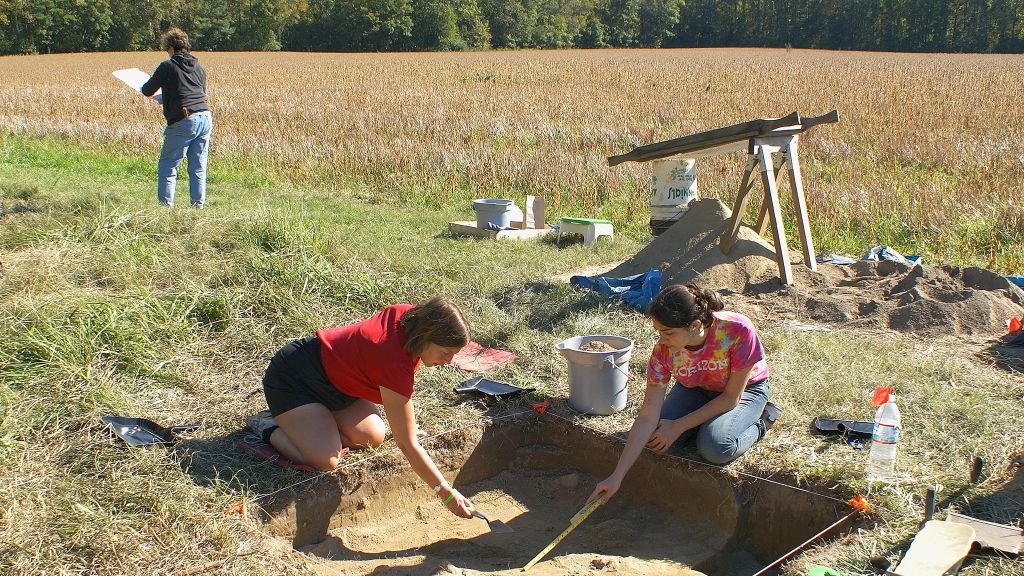
There is something almost electric about the moment a shovel blade, a drone scan, or a simple scuba dive suddenly rips open a chapter of history that had been quietly buried for thousands of years. The United States, often thought of as a “young” nation, is sitting on top of one of the richest archaeological records on the planet. Civilizations rose and fell here long before any European set foot on this soil, and each passing year brings discoveries that force scientists to completely rewrite what they thought they knew.
From frozen footprints preserved in desert gypsum to vast agricultural terraces hiding beneath northern forests, America’s ancient past keeps revealing surprises. The story of who lived here, how they organized their societies, and why some of those societies vanished, is far more complex and compelling than most people realize. So let’s dive in.
Footprints That Rewrote History: White Sands, New Mexico
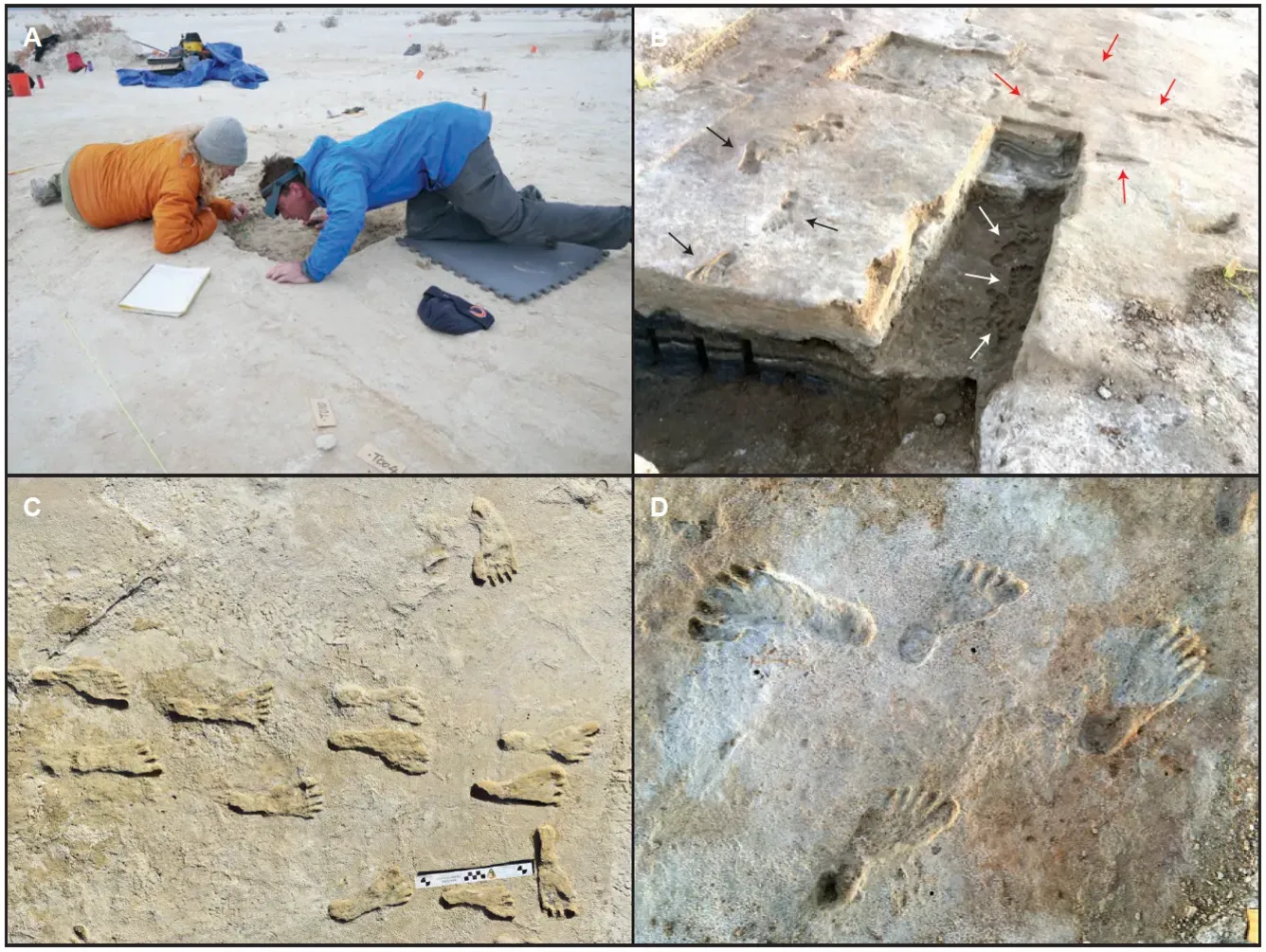
Here is the thing about the White Sands footprints. When scientists first announced in 2021 that they had found fossilized human footprints dating back roughly 21,000 to 23,000 years, the archaeological world practically erupted. Traditionally, researchers believed that humans arrived in North America around 16,000 to 13,000 years ago. So, a date of over 21,000 years was nothing short of seismic. Honestly, it sounds crazy, but the math just keeps checking out.
These fossilized prints were made between 23,000 and 21,000 years ago along the shores of an ice age lake that once filled the Tularosa Basin in south-central New Mexico, in what is now White Sands National Park. This finding fundamentally changes the timeline on North American human habitation, turning back the clock of human arrival in the Americas nearly 10,000 years. A 2025 study conducted by the University of Arizona team returned to the site and radiocarbon dated ancient lakebed mud, sending samples to two independent laboratories. Both reported the same range of ages: 20,700 to 22,400 years ago.
Other tracks at White Sands include those of extinct megafauna, such as Columbian mammoths and ground sloths, as well as those of predators such as the American lion and dire wolves. The prints provide several insights into the lives of the peoples who made them. One set of prints appears to show human hunters tracking a giant sloth. Variations in the tracks left by the sloth show that it stood on its hind legs and spun around, possibly showing fear, but there is no evidence that the hunt was successful.
The vast majority of the prints were made by teenagers and children, with few large adult footprints being found in any of the excavated surfaces. One explanation of this finding is that the teenagers and children were assigned tasks such as “fetching and carrying” near the lake bed, whereas the adults were engaged elsewhere in more skilled activities. Think about that for a moment. Roughly 22,000 years ago, kids were doing chores while mammoths roamed nearby. Some things, apparently, never change.
The Lost Megacity of Cahokia: Illinois Secrets Beneath the Mounds
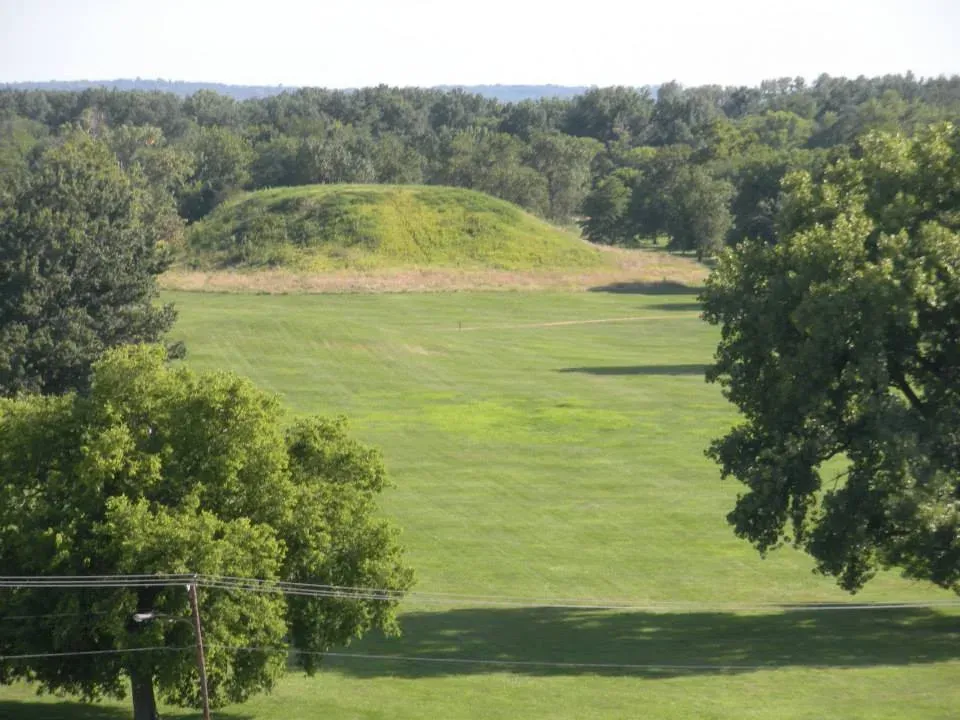
If you haven’t heard of Cahokia, you’re not alone, and that’s a genuine tragedy. At its apex around 1100 CE, the city covered about six square miles, included about 120 earthworks in a wide range of sizes, shapes, and functions, and had a population of between 15,000 and 20,000 people. Cahokia was the largest and most influential urban settlement of the Mississippian culture, which developed advanced societies across much of what is now the Central and Southeastern United States, beginning around 1000 CE.
For centuries, the sprawling earth mounds of Cahokia have stood as silent remnants of a massive, lost American city. Once the largest and most influential urban settlement north of Mexico, this pre-Columbian metropolis near modern-day St. Louis mysteriously flourished, and then vanished, hundreds of years before European colonists arrived. A team of researchers uncovered new clues about Cahokia’s rise and decline, thanks to a single massive wooden monument that once towered over the landscape. It’s the kind of detective story that keeps archaeologists awake at night.
In a study published in PLOS ONE, scientists from the University of Arizona and the University of Illinois used advanced tree-ring dating and isotope analysis to determine that a monumental wooden post known as the “Mitchell Log” was cut around 1124 CE, at the height of Cahokia’s power. Archaeological evidence from nearby mounds shows that this period coincides with widespread changes across the region: droughts, declining trade networks, and the abandonment of key precincts. By 1200 CE, Cahokia’s population had plummeted, and its monumental construction had ceased. No new marker posts were erected after that time.
In June 2024, it was reported that Saint Louis University professors and students unearthed several 900-year-old ceramics, microdrills, walls, and trenches dating from around 1100 to 1200 AD. The excavations follow an aerial survey by SLU and the National Geospatial-Intelligence Agency using Unmanned Aerial Systems and LiDAR technology to determine whether further mounds or archaeological features lie within the acres of thick forests and swampy land near the site’s main complex. Science and ancient history, working in tandem. Remarkable stuff.
Michigan’s Hidden Fields: The Largest Ancient Agricultural Site in the Eastern US
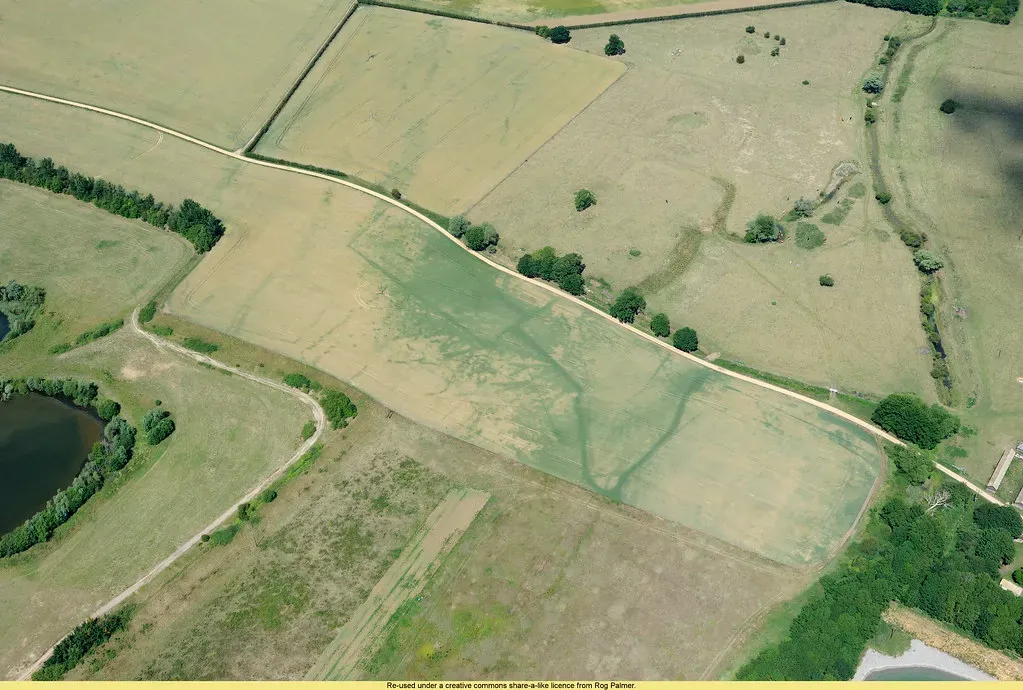
You might picture ancient Native American agriculture as small garden plots near a riverbank. Let’s be real, that mental image is far too small. Archaeologists studying a forested area in northern Michigan say they’ve uncovered what is likely the largest intact remains of an ancient Native American agricultural site in the eastern half of the United States. The scale of the find absolutely floored experts when the results first came in during 2025.
Hundreds of acres in Michigan are covered in parallel rows of earth that are the remains of an ancient Native American agricultural system. The surprise find has archaeologists amazed. The researchers used a drone equipped with a laser instrument to fly over more than 300 acres, taking advantage of a brief period of time after the winter snow had melted away. Think of it like an X-ray machine for the ground, a technological trick that made the invisible suddenly, unmistakably visible.
The only sites comparable to this discovery can be found in arid regions around Phoenix and Tucson in Arizona, where archaeologists have discovered the traces of large-scale irrigation systems used in ancient Native American agriculture. Finding something of that caliber in the forests of northern Michigan caught everyone off guard. Susan Kooiman of Southern Illinois University, an expert on the precontact Indigenous peoples of Eastern North America, says she was “pretty blown away” when she learned of this discovery.
Ancient Dice and the Game of Chance: What 12,900-Year-Old Artifacts Tell You

Here’s an unexpected gem that came out of the American Southwest just recently. In early April 2026, a remarkable study revealed that the people of ancient North America were playing games of chance far earlier than anyone suspected. People living in western North America more than 12,000 years ago played games of chance. Robert Madden of Colorado State University identified and examined more than 600 sets of dice, or binary lots, recovered from 45 different archaeological sites in the western United States, on both sides of the Rocky Mountains. The artifacts date from 13,000 to 450 years ago.
The objects can be either curved or flat, and are marked on one side while the other side is blank. Tossing a binary lot is similar to flipping a coin, Madden explained. “This is the first evidence we have of structured human engagement with the concepts of chance and randomness,” he said. Madden thinks these dice may have been used when people of different groups encountered each other and wanted to exchange goods or information. It’s almost poetic, isn’t it? Ancient trading partners flipping a bone to settle a deal. The oldest known form of commerce with an element of luck baked right in.
The Ancient Collapse: Radiocarbon Data and the Mass Abandonment of Settlements
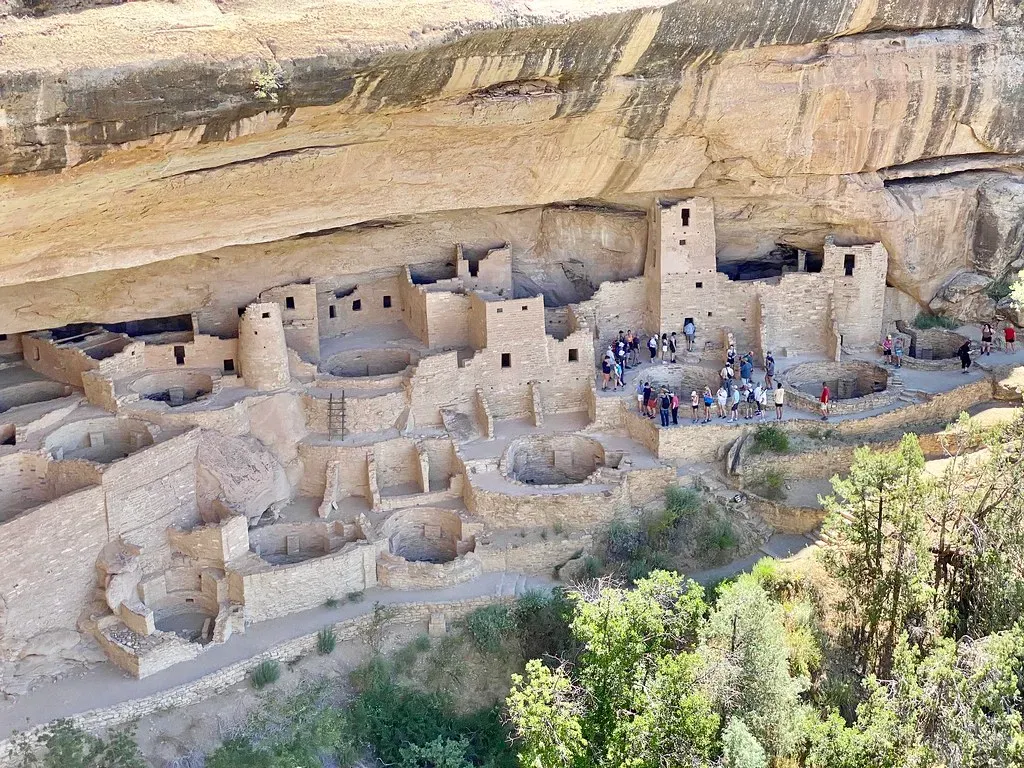
Something dramatic happened across ancient North America after the year 1150. Communities that had thrived for generations, some of the most impressive in the pre-Columbian world, began to empty out. Native American oral history and archaeological data alike suggest that farmers in parts of North America began abandoning major settlements such as Mesa Verde in Colorado and Cahokia in Illinois sometime after 1150. A team led by archaeologist Robert Kelly of the University of Wyoming studied this period using a previously assembled database of some 100,000 radiocarbon dates from across the United States. They used the dates to track population movements and demographic decline during this turbulent era, which was marked by drought, warfare, and disease.
Imagine trying to understand the collapse of an entire civilization using nothing but dates. It’s like reconstructing the plot of a film using only timestamps on photographs. Still, the data speaks volumes. A team led by archaeologist Robert Kelly of the University of Wyoming studied this period using the database of radiocarbon dates. They used the dates to track population movements and demographic decline during this turbulent era, which was marked by drought, warfare, and disease. The cascading nature of these collapses, region after region falling silent, points to interconnected systems far more fragile than previously believed.
Rock Art, Petroglyphs, and Speaking Walls: Ancient Voices Across the Landscape
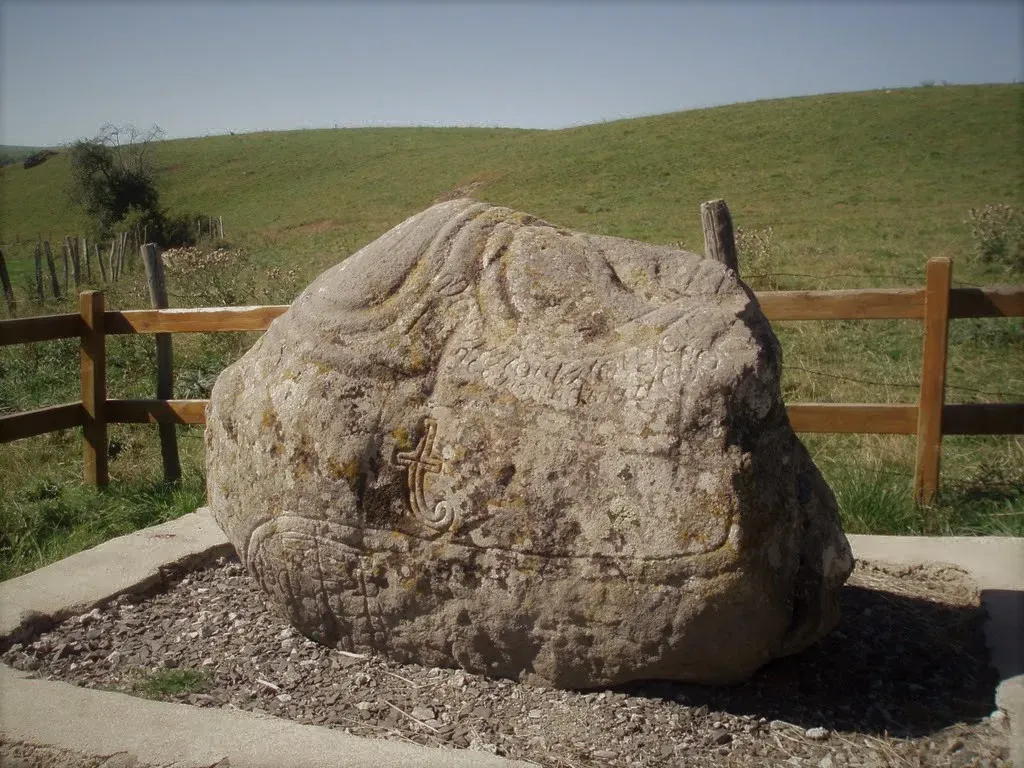
One of the most emotionally stirring categories of ancient American discovery involves rock art, those carved and painted surfaces that have survived the elements for thousands of years. A series of ancient rock carvings in the Great Basin region in Nevada are thought to be more than 10,000 years old, making them some of the oldest examples of rock art on the continent. Depicting a variety of animals, symbols, and human figures, they were created by pecking and scratching the rock surface with stone tools. The concentric circles known as spirit circles, thought to represent shamans, are among the most intriguing symbols.
Historians have long been aware of ancient rock art and petroglyphs across the North American continent. Archaeologist Carolyn Boyd has made the study of the Pecos River Style in southwest Texas and northern Mexico her specialty, and in 2021 she co-authored a study suggesting that the style’s dots and lines of red pigment are supposed to represent sound. According to the study, these 2,000-year-old speech bubbles “denote speech, breath, and the soul.” Some figures have delicate lines from their mouths as though whispering, while one has energetic zigzags as though shouting. It’s hard not to feel a chill reading that. These ancient artists weren’t just drawing. They were talking.
The Clovis Connection: Redefining America’s Earliest Known Settlers
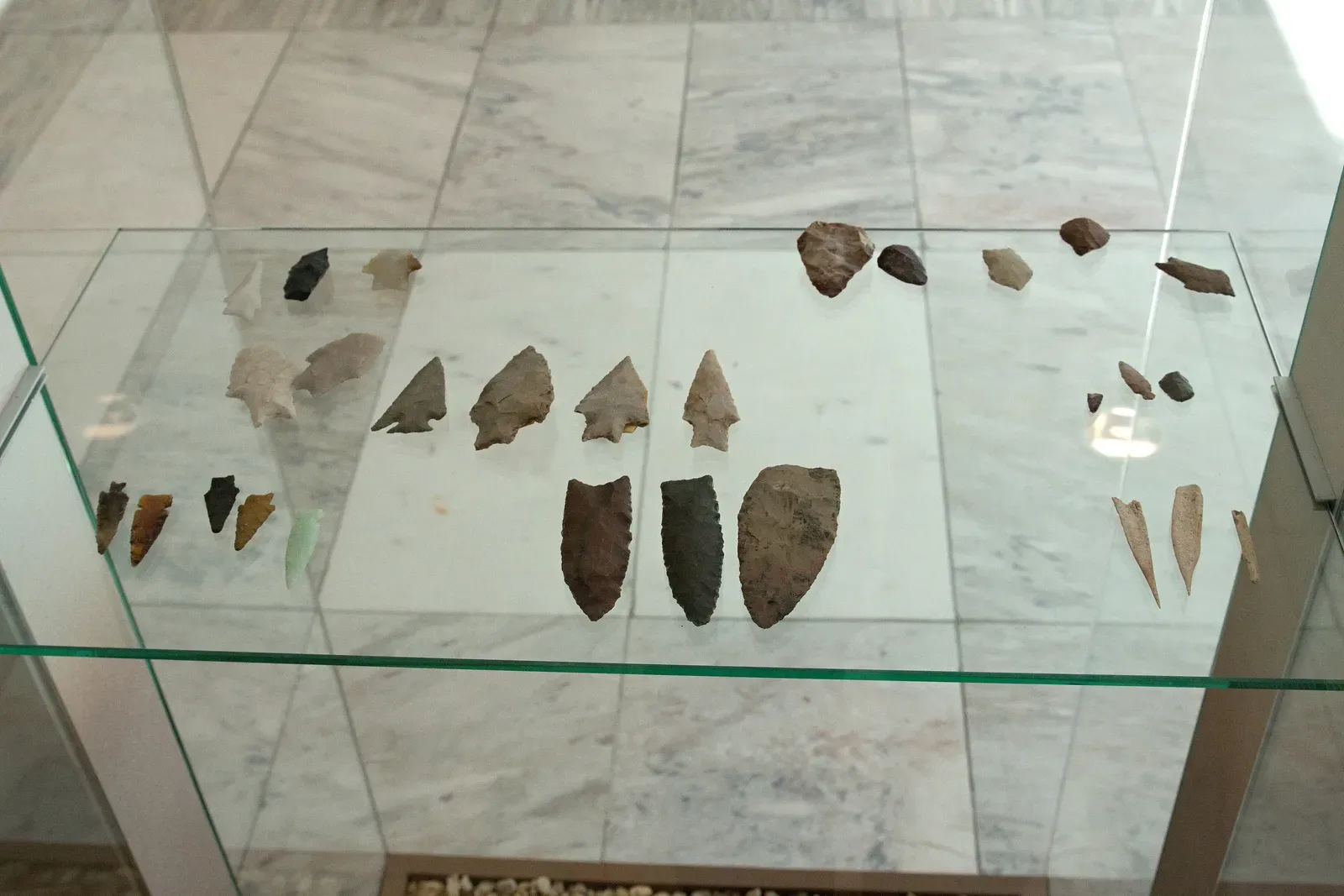
The story of America’s first people has been turning on its head for decades now, and each new dig seems to push the boundaries further. Distinctive fluted projectile points from the Paleoindian period date to approximately 13,050–12,750 years ago. Named after the type site near Clovis, New Mexico, these stone tools were found with Columbian mammoth remains in 1929. For a long time, the Clovis culture represented the gold standard for when humans first arrived in the Americas. That assumption has taken quite a beating in recent years.
The Topper Site in South Carolina has stirred controversy with claims of human presence in the Americas up to 50,000 years ago. Stone tools found here challenge the widely accepted Clovis-first theory. The evidence is hotly debated among scientists, with some questioning the dating methods and interpretations. However, if validated, it would dramatically alter our understanding of early human migration. It’s hard to say for sure how these debates will ultimately resolve, but one thing is increasingly clear. The peopling of the Americas was a far more complex, multi-layered event than a single migration theory can contain.
Archaeological discoveries across the hemisphere have repeatedly rewritten human history, pushing back settlement dates and revealing unexpected complexity in pre-Columbian societies. These findings challenge assumptions about early Americans while connecting modern indigenous peoples to ancestors who thrived here long before European contact. Every single dig is a potential earthquake for established timelines.
Conclusion: The Ground Beneath Your Feet Is Alive With Stories
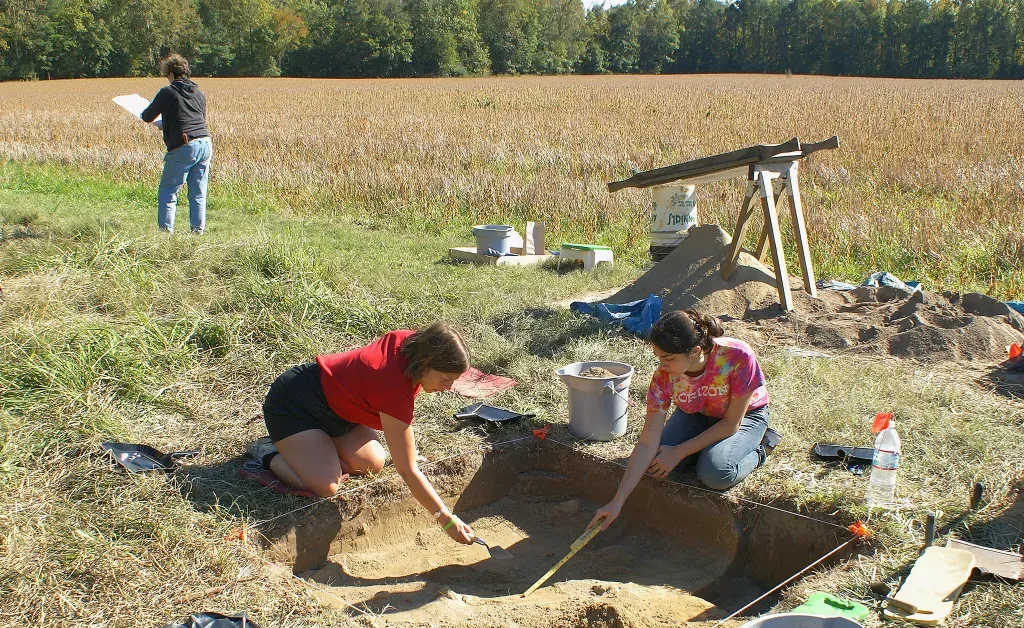
What strikes you most, after looking at all of this, is just how much remains undiscovered. Less than one percent of Cahokia has been excavated. The Michigan agricultural site may be only part of a far larger ancient landscape. The White Sands footprints keep generating new studies, new questions, new wonder. America might be a relatively young nation, but its land has been inhabited for thousands of years. Leaving surprising and often mysterious clues about the cultures that created them, these archaeological finds range from tools, currency, and ancient dugout canoes to whole settlements.
The more you learn about these ancient US settlements, the more humbling it becomes. These were not primitive people scratching at dirt. They built cities, managed vast agricultural systems, played games of chance, carved emotional art into stone, and traded goods across thousands of miles. They were, in every meaningful sense, us. The archaeology of the United States is not simply an academic exercise. It’s an act of remembering. And honestly, we’re just getting started.
What surprises you most about America’s ancient past? Tell us in the comments below.