
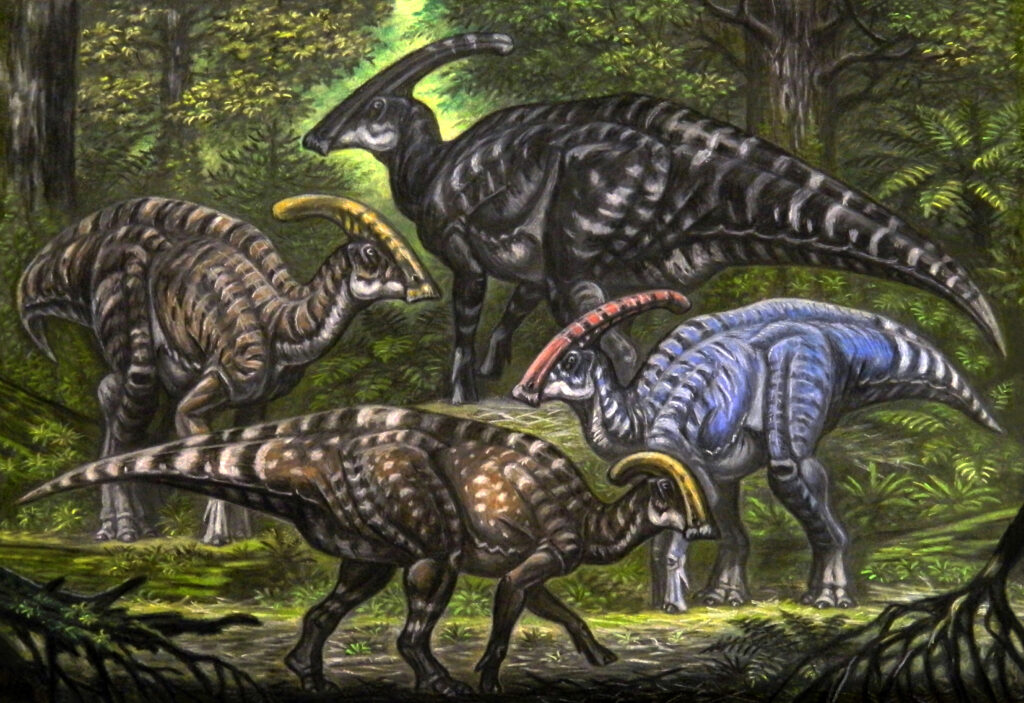
For decades, popular culture has occasionally portrayed humans and dinosaurs living side by side—from “The Flintstones” cartoon to films like “One Million Years B.C.” This creative license has contributed to a persistent misconception that humans might have encountered these prehistoric reptiles. However, the scientific evidence is overwhelmingly clear: humans and non-avian dinosaurs missed each other by approximately 63 million years. The dinosaurs’ reign ended abruptly with a mass extinction event long before the first humans appeared on Earth. This article explores the compelling scientific evidence that definitively separates these two species in time, demonstrating why humans and dinosaurs never shared the planet.
The Timing Gap: Millions of Years Apart
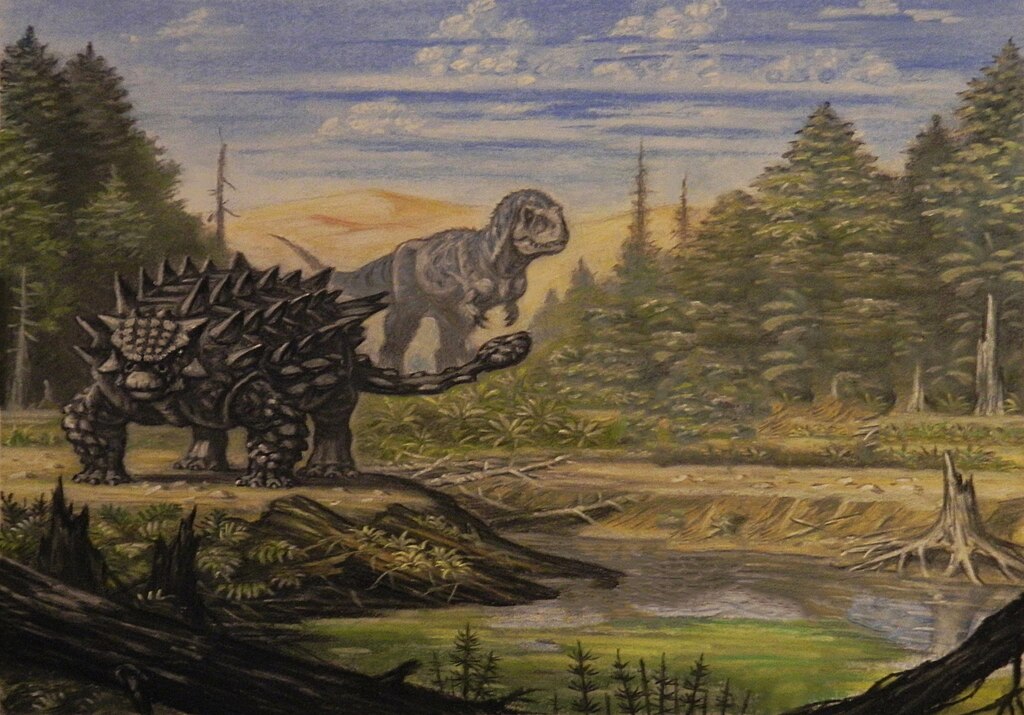
The timeline of Earth’s history provides the most fundamental evidence that humans and dinosaurs never coexisted. Non-avian dinosaurs dominated Earth for approximately 165 million years, from the Late Triassic (around 231 million years ago) until their extinction at the end of the Cretaceous period, approximately 66 million years ago. In stark contrast, the earliest species that could be called human-like (early hominins) only appeared around 6-7 million years ago, with our species, Homo sapiens, evolving a mere 300,000 years ago. This enormous temporal gap of over 60 million years between the last dinosaurs and the first human ancestors makes coexistence physically impossible. The two groups are separated by a massive expanse of time that saw the rise and fall of countless other species and dramatic changes to Earth’s environments and continental arrangements.
The K-Pg Extinction Event: Dinosaurs’ Dramatic End
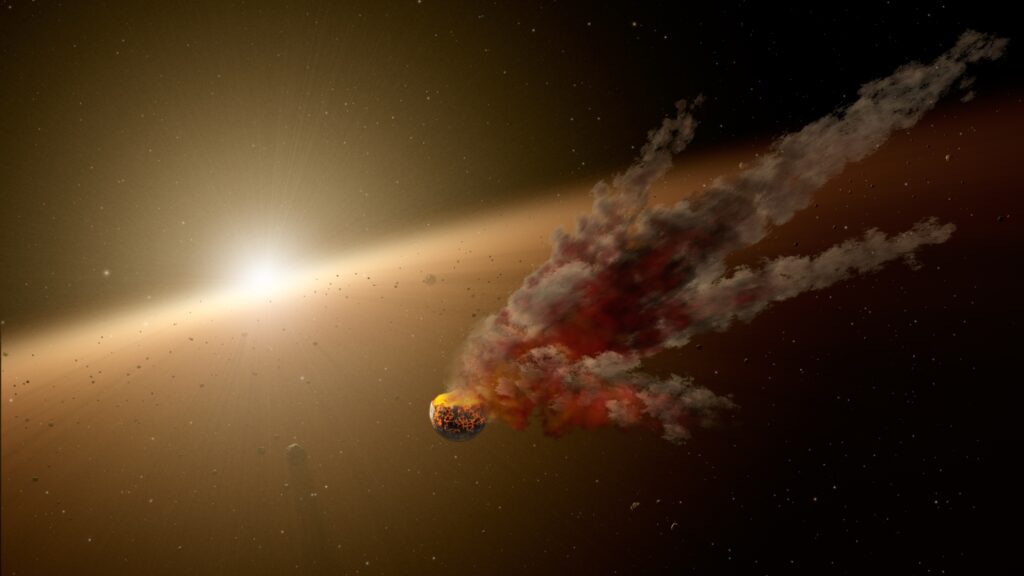
The demise of non-avian dinosaurs occurred during one of Earth’s most catastrophic events—the Cretaceous-Paleogene (K-Pg) extinction event, formerly known as the K-T (Cretaceous-Tertiary) extinction. Approximately 66 million years ago, a massive asteroid estimated to be about 10-15 kilometers in diameter struck Earth near the Yucatán Peninsula in Mexico, creating what is now known as the Chicxulub crater. This impact unleashed energy equivalent to billions of atomic bombs, triggering global wildfires, tsunamis, and sending enormous quantities of dust and debris into the atmosphere. The resulting “impact winter” blocked sunlight for years, disrupting photosynthesis and collapsing food chains worldwide. This single event wiped out approximately 75% of all species on Earth, including all non-avian dinosaurs, radically altering life’s evolutionary trajectory and creating the opportunity for mammals to diversify and eventually give rise to primates and humans.
The Fossil Record: Distinct Geological Layers

The fossil record provides clear, tangible evidence of the time separation between dinosaurs and humans. Earth’s rock layers serve as a chronological record of life’s history, with older fossils found in deeper strata and younger specimens in more recent layers. Dinosaur fossils are consistently found in Mesozoic rock layers dated between 231 and 66 million years ago, with not a single legitimate dinosaur fossil discovered in younger rock formations (except for birds, the dinosaurs’ descendants). Human remains, by contrast, appear exclusively in very recent geological deposits, with the oldest Homo sapiens fossils dating back only about 300,000 years. Paleontologists have excavated and studied millions of fossils worldwide, and this pattern holds without exception—the geological record shows no overlap between dinosaur and human existence. The clear stratification of fossils in the Earth’s layers provides physical, observable evidence of the vast time gulf between these species.
Radiometric Dating: Setting the Timeline Straight

Radiometric dating techniques offer precise methods for determining the age of fossils and the rock layers containing them, providing crucial evidence for the time separation between dinosaurs and humans. These dating methods rely on measuring the decay of radioactive isotopes, which occurs at constant rates regardless of external conditions. Potassium-argon dating, uranium-lead dating, and other sophisticated techniques have consistently placed dinosaur fossils within the Mesozoic Era (252-66 million years ago), while dating human remains to the very recent Quaternary period (2.6 million years ago to present). The precision and reliability of these dating techniques have improved dramatically over the past century, with multiple independent dating methods yielding consistent results. Modern radiometric dating is accurate enough to definitively establish that dinosaur fossils are tens of millions of years older than any human or human ancestor remains, providing quantitative evidence that the two species missed each other by an enormous timespan.
The Rise of Mammals After Dinosaurs’ Fall
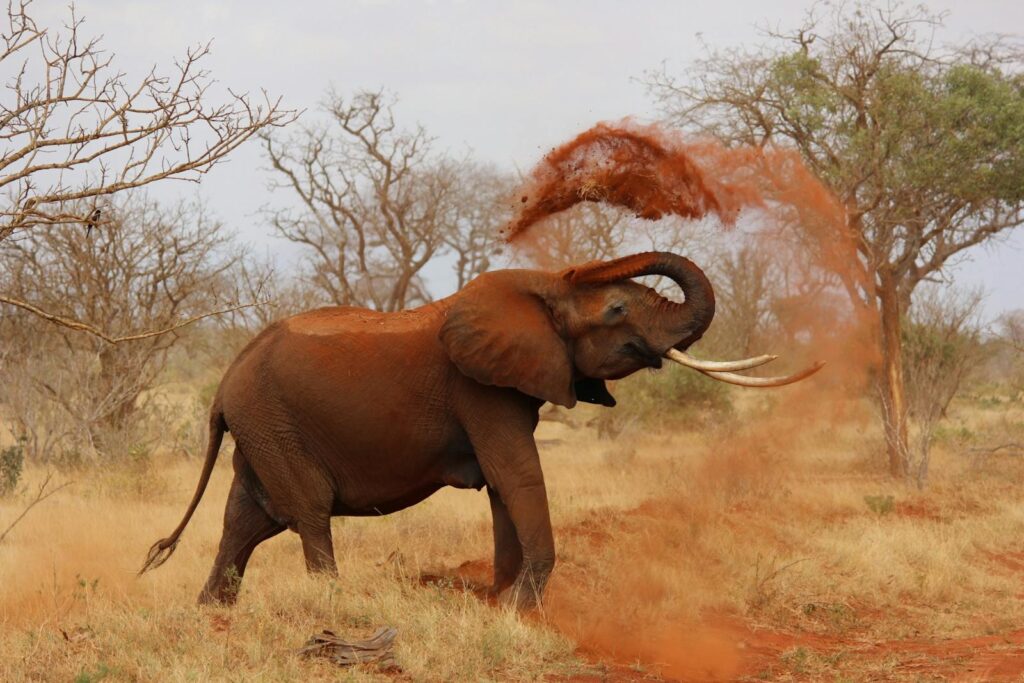
The extinction of non-avian dinosaurs created evolutionary opportunities that ultimately led to the diversification of mammals and eventually the emergence of humans. Before the K-Pg extinction event, mammals existed during the dinosaur era but were generally small, nocturnal creatures living in ecological niches that larger dinosaurs couldn’t exploit. Following the dinosaurs’ extinction, mammals experienced an explosive radiation into newly vacant ecological niches during the Paleogene period. Fossil evidence clearly shows this progression, with mammalian species becoming larger and more diverse in the millions of years after dinosaurs disappeared. Primates, the order to which humans belong, didn’t appear until approximately 55-65 million years ago, evolving from earlier mammal lineages that survived and thrived after the dinosaurs’ extinction. This evolutionary sequence, documented through thousands of fossil specimens, demonstrates how mammals, including our ancestors, evolved to fill ecological spaces only after dinosaurs had vanished from Earth.
Birds: The Living Dinosaurs Among Us
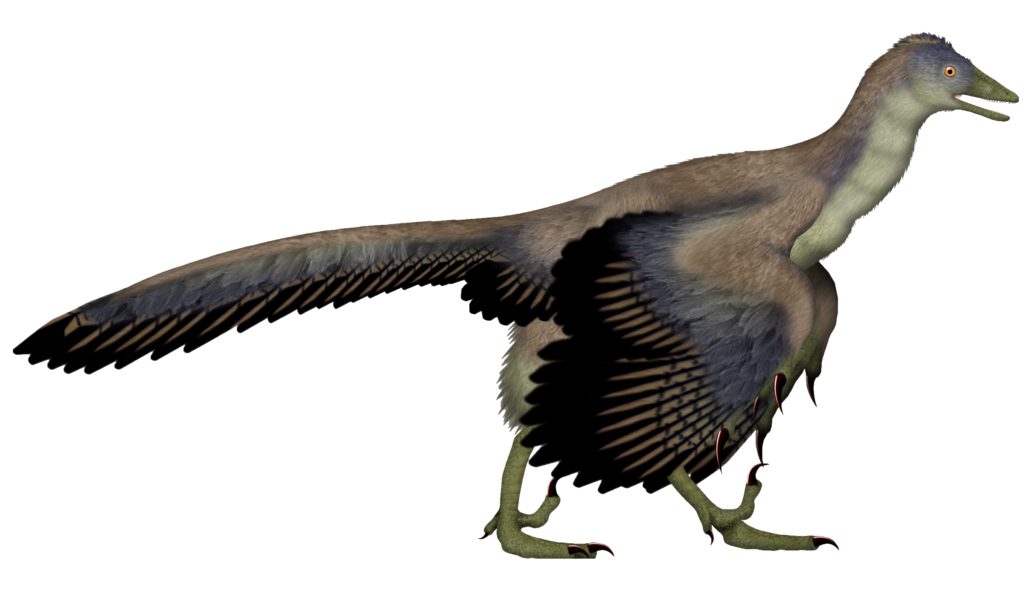
While non-avian dinosaurs went extinct 66 million years ago, their legacy continues through their only living descendants: birds. Modern birds evolved from a group of theropod dinosaurs, the same lineage that included Velociraptor and Tyrannosaurus. The fossil record documents this transition through specimens like Archaeopteryx and other feathered dinosaurs, showing the gradual evolution of dinosaur characteristics into bird features. The avian branch of the dinosaur family tree survived the K-Pg extinction event, likely due to factors such as their smaller size, ability to fly, and different dietary needs. In a technical sense, humans do coexist with dinosaurs—just the highly evolved, feathered descendants of the ancient reptiles. The evolutionary relationship between birds and dinosaurs, firmly established through comparative anatomy, embryology, and genomics, highlights that the only dinosaurs humans have ever encountered are the ones we see at bird feeders and in our backyards, not the extinct giants of the Mesozoic.
Human Evolution: A Recent Development

The human evolutionary story is remarkably recent compared to Earth’s 4.5-billion-year history and the long reign of dinosaurs. Our lineage began when hominins split from other great apes around 6-7 million years ago, with the genus Homo emerging only about 2.8 million years ago. Homo sapiens, our species, evolved a mere 300,000 years ago in Africa—an evolutionary blink of an eye compared to the dinosaurs’ 165-million-year dominance. The oldest known Homo sapiens fossils come from Jebel Irhoud in Morocco and the Omo Kibish Formation in Ethiopia, definitively dated to around 300,000 years ago. By the time the first humans walked the Earth, non-avian dinosaurs had been extinct for 65.7 million years, and their bones had already fossilized into the stones that early humans might have occasionally discovered. The chronology of human evolution, substantiated by numerous fossil discoveries and genetic studies, establishes beyond doubt that humans evolved long after dinosaurs had disappeared.
Ancient Human Art: No Dinosaur Depictions
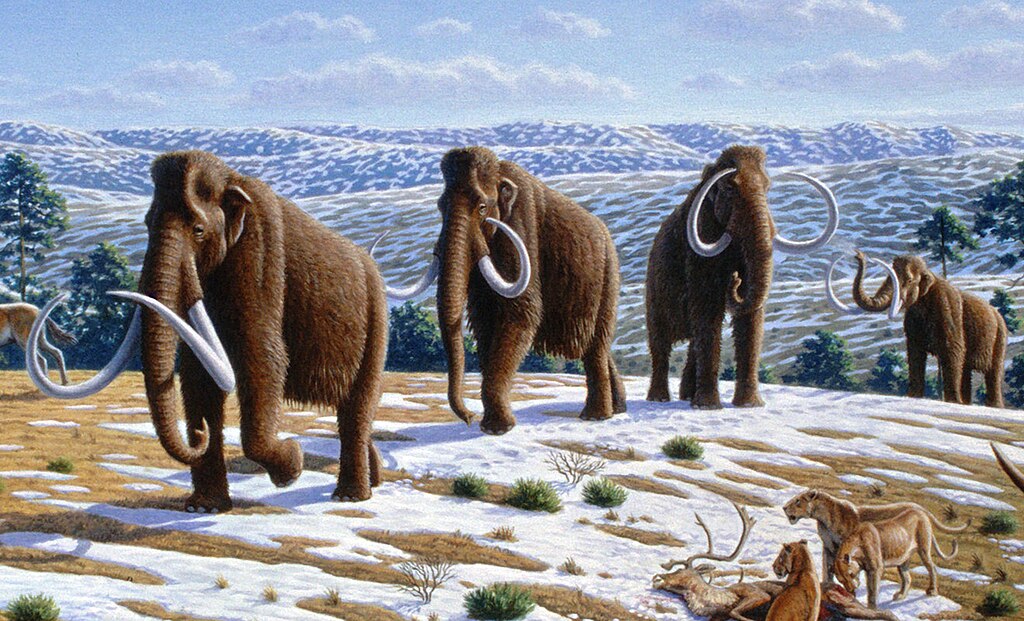
If humans had encountered living dinosaurs, we would expect to find realistic depictions of these creatures in ancient art, similar to how our ancestors accurately portrayed mammoths, bison, and other contemporary animals. Cave paintings dating back 40,000 years show remarkable detail and accuracy in depicting the animals that early humans hunted and observed. Sites like Lascaux in France and Altamira in Spain feature lifelike images of horses, aurochs, and other Pleistocene megafauna that humans encountered. Notably absent from any authentic prehistoric human art are depictions of dinosaurs or dinosaur-like creatures. The animals represented in ancient art consistently match the fauna that paleontological evidence confirms coexisted with humans during the late Pleistocene and Holocene epochs. This absence of dinosaurs in human artistic records adds further evidence that humans never observed these creatures firsthand. The animals that ancient humans considered important enough to document through art were exclusively the mammals, birds, and other species that science confirms lived alongside them.
Debunking “Evidence” of Coexistence
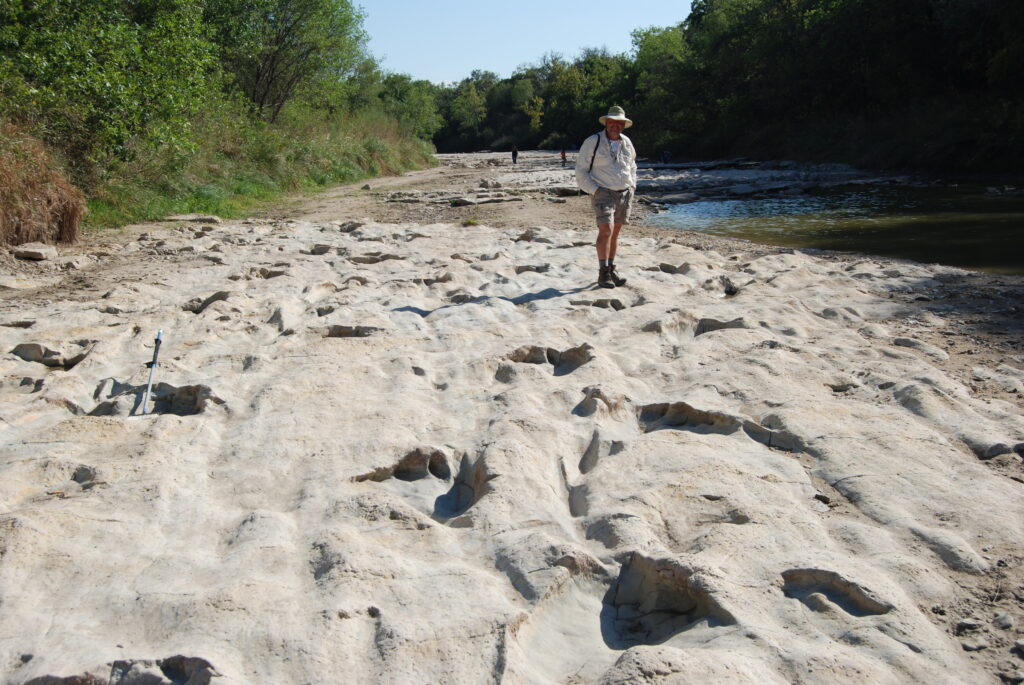
Various claims purporting to show evidence of human-dinosaur coexistence have emerged over the years, but none withstand scientific scrutiny. The infamous “Paluxy River tracks” in Texas were once claimed to show human footprints alongside dinosaur tracks, but detailed analysis revealed these to be eroded dinosaur prints or deliberate hoaxes. Similarly, the Ica stones of Peru, purportedly showing humans interacting with dinosaurs, have been exposed as modern creations artificially aged to appear ancient. Another frequently cited example, Cambodia’s Ta Prohm temple carvings, allegedly showing a stegosaurus, actually depicts more likely subjects, such as a rhinoceros or local mythological creature, when analyzed in artistic and cultural context. Claims about ancient figurines representing dinosaurs typically involve misinterpretations of stylized representations of known animals or imaginary creatures. Without exception, when subjected to rigorous scientific investigation, these supposed evidences of human-dinosaur interaction fail to meet basic standards of archaeological authenticity and scientific validity, relying instead on misinterpretation, wishful thinking, or outright fabrication.
The Influence of Creationism on the Coexistence Myth
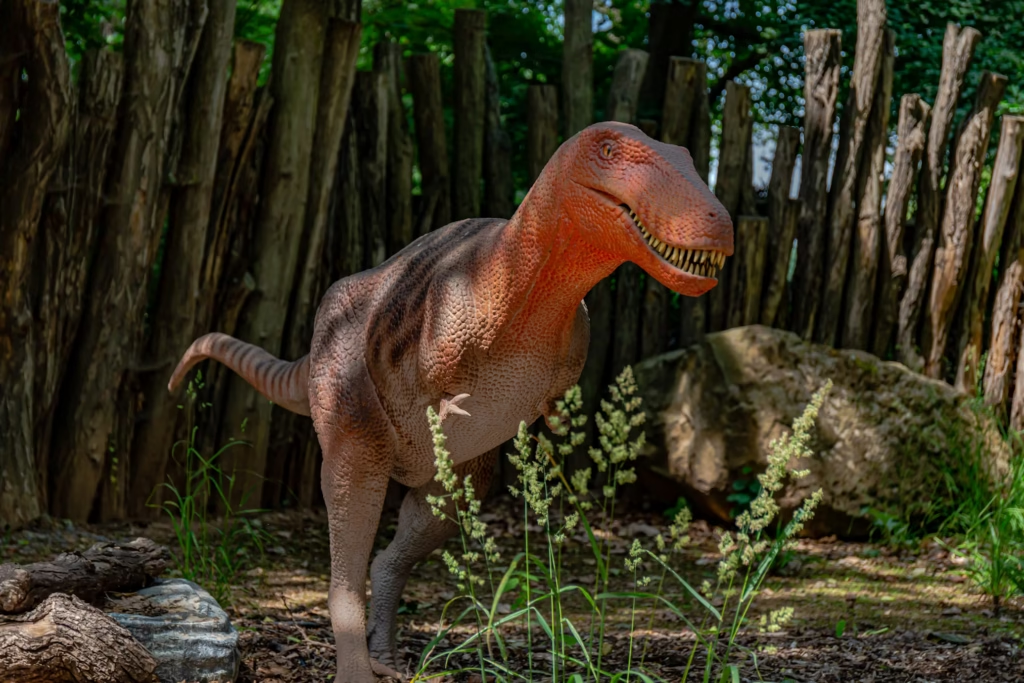
The persistent myth of human-dinosaur coexistence is often rooted in certain religious interpretations that propose a young Earth. Some young-Earth creationist views hold that Earth is only a few thousand years old and that all life forms were created simultaneously, necessitating humans and dinosaurs living together. Organizations like the Creation Museum in Petersburg, Kentucky, actively promote this narrative, displaying dioramas of humans interacting with dinosaurs despite the overwhelming scientific evidence against such scenarios. These beliefs directly contradict the established geological timescale supported by multiple independent dating methods. While religious faith is a personal matter, the scientific evidence for Earth’s ancient age and the sequential appearance of different species over billions of years is supported by countless empirical observations across numerous scientific disciplines. The human-dinosaur coexistence narrative represents a case where religious interpretations have come into direct conflict with the physical evidence discovered through scientific investigation, illustrating how cultural and religious factors can sometimes influence popular understanding of prehistoric life.
Pop Culture’s Role in Perpetuating Misconceptions

Popular entertainment has played a significant role in cementing the misconception that humans and dinosaurs might have coexisted. Films like “One Million Years B.C.” (1966), which famously depicted Raquel Welch alongside dinosaurs, and animated series like “The Flintstones” presented humans and dinosaurs as contemporaries for dramatic or comedic effect. More recently, franchises like “Jurassic Park” and “Jurassic World” popularize the fantasy of dinosaurs returning to modern times while acknowledging dinosaurs’ extinction. These entertaining but scientifically inaccurate portrayals have had a measurable impact on public understanding. Educational studies have found that children exposed to such media often develop misconceptions about prehistoric timelines that can persist into adulthood. The prevalence of these images in movies, television, and toys creates what scientists call a “cultural inertia” that makes the human-dinosaur coexistence myth particularly resistant to correction despite the clear scientific evidence. This demonstrates how fictional entertainment, while not claiming to be educational, nonetheless shapes public perception of scientific topics.
Scientific Consensus: Unified Agreement Among Experts

The scientific consensus regarding the temporal separation between humans and dinosaurs is overwhelming and represents one of the most firmly facts in evolutionary biology and paleontology. Every accredited university, museum, and research institution worldwide that studies paleontology affirms that non-avian dinosaurs went extinct approximately 66 million years ago, long before humans evolved. This consensus is not merely an opinion but is built upon thousands of peer-reviewed studies across multiple scientific disciplines—from geology and paleontology to radiometric physics and comparative genomics. The evidence has been scrutinized, tested, and verified repeatedly over more than a century of scientific investigation. No credible paleontologist, geologist, or evolutionary biologist disputes the fundamental timeline that places dinosaurs and humans in completely different geological epochs. Alternative views claiming human-dinosaur coexistence are rejected by the scientific community not due to bias, but because they fail to address the massive body of evidence supporting the standard chronology and cannot provide testable, verifiable evidence for their claims.
Why This Matters: The Importance of Scientific Literacy
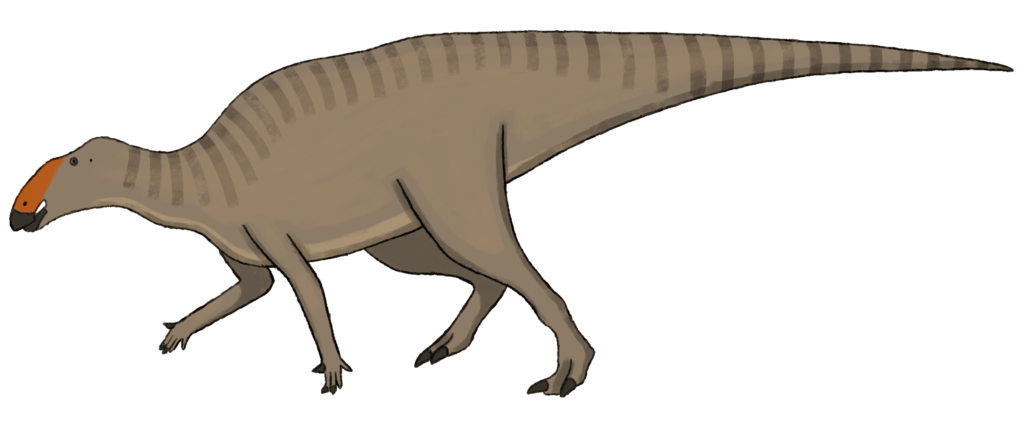
Understanding that humans and dinosaurs never coexisted is more than just a matter of historical trivia—it represents a fundamental issue of scientific literacy in contemporary society. Accepting the evidence-based timeline of Earth’s history demonstrates an understanding of how science works: building knowledge through observation, hypothesis testing, and peer review rather than through authority, tradition, or appealing narratives. The human-dinosaur coexistence myth serves as a useful case study in distinguishing between scientific findings and fictional portrayals or culturally influenced beliefs. Beyond this specific topic, having an accurate understanding of evolutionary timescales provides context for modern issues like climate change, biodiversity loss, and species adaptation—all processes that occur over geological time frames. When we appreciate the vast periods involved in Earth’s history and the relatively recent appearance of humans, we gain perspective on humanity’s brief but impactful presence on the planet. This perspective fosters a more informed relationship with our environment and a deeper appreciation for the complex, evidence-based story of life on Earth.
Conclusion: Separating Fact from Fiction

The scientific evidence overwhelmingly demonstrates that humans and non-avian dinosaurs missed each other by approximately 63 million years. This conclusion is supported by multiple lines of evidence: the fossil record, radiometric dating, evolutionary biology, geological stratigraphy, and the documented timeline of human evolution. While dinosaurs continue to capture our imagination through films, books, and museum exhibits, it’s important to distinguish between the fascinating fantasy of human-dinosaur interaction and the equally amazing reality of Earth’s true history. Understanding this time separation doesn’t diminish the wonder of either dinosaurs or human evolution—rather, it enhances our appreciation for the incredible diversity of life that has inhabited our planet across its long history. The story of life on Earth, with its dramatic evolutionary changes, catastrophic extinctions, and remarkable adaptations, is far more extraordinary than any fictional account where humans and dinosaurs roam together. By embracing the evidence-based timeline of Earth’s history, we gain a deeper understanding of our planet’s past and our own species’ place within the grand narrative of life.