Picture a world where the largest creatures on the planet are suddenly wiped out almost overnight. The sky goes dark, forests crumble, and the thunderous footsteps that once shook the ground fall silent forever. It sounds like science fiction, but this is exactly what happened 66 million years ago. What came next is one of the most breathtaking comebacks in the entire history of life on our planet.
You might already know the broad strokes of the story: a giant asteroid hits Earth, dinosaurs go extinct, and mammals take over. Simple enough, right? Honestly, the reality is far more surprising, complex, and fascinating than that. Let’s dive in.
Humble Beginnings: Sharing a World With Giants
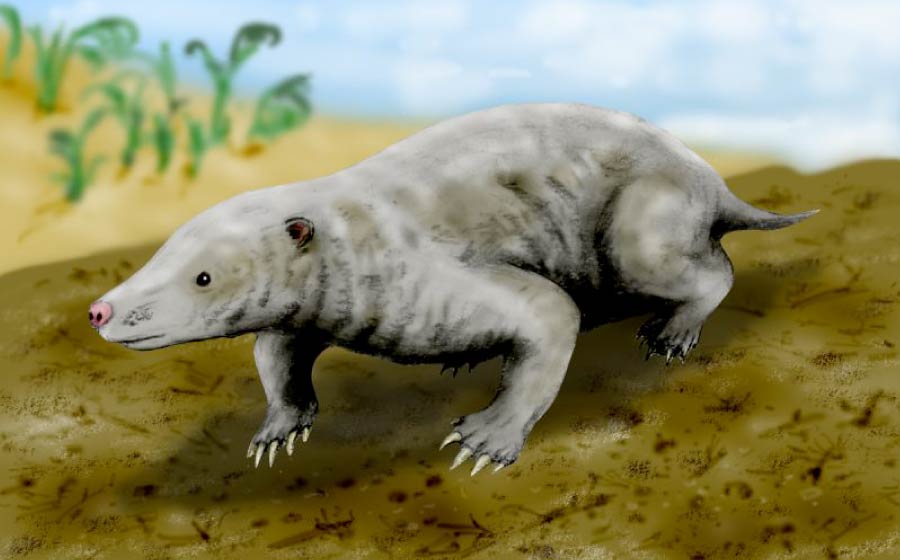
Here’s the thing most people don’t realize: mammals didn’t appear after the dinosaurs. Both groups actually trace their origins to roughly the same time and place, around 225 million years ago, when all of Earth’s land was gathered into the supercontinent Pangea. You were not looking at a planet where one group succeeded the other. You were looking at two very different evolutionary strategies playing out side by side on the same stage.
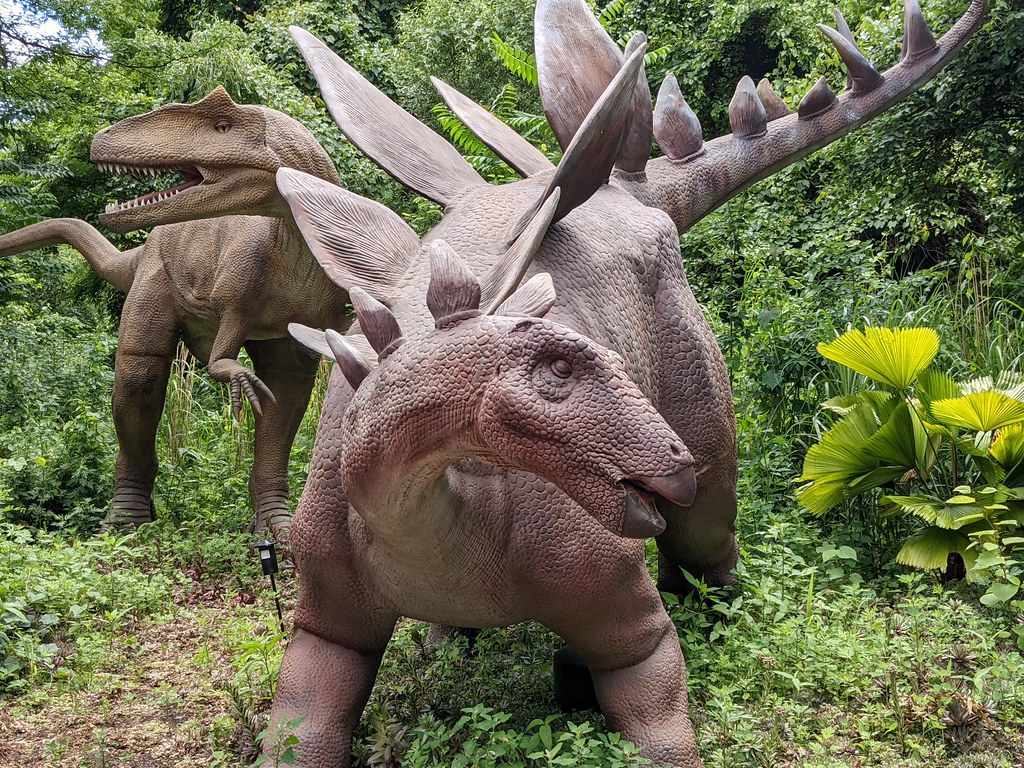
Although the first mammals originated at the same time as the early dinosaurs, more than 200 million years ago, they remained small, about the size of badgers, when they co-existed. Think of it like sharing an office with someone who always takes up all the space. Dinosaurs became giants and excluded mammals from large-bodied niches, while mammals did the opposite: with their small body sizes, they could exploit ecological niches that the bigger dinosaurs couldn’t access.
Life in the Shadows: How Early Mammals Actually Survived
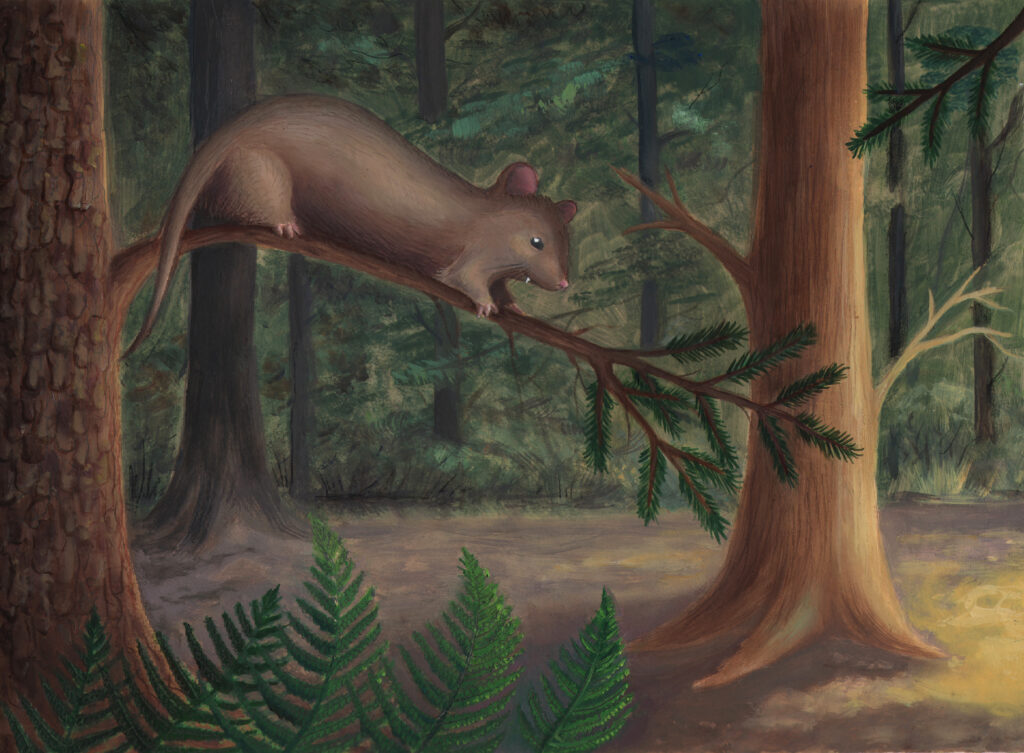
It was traditionally thought that, before the extinction, mammals lived in the shadow of the dinosaurs, supposedly prevented from occupying the niches that were already occupied by the giant reptiles, keeping the mammals relatively small and unspecialised in terms of diet and lifestyle. It’s a bit like being the shy kid at a school dominated by loud, oversized personalities.
The smaller an animal, the less food it needs in relation to its size, and the easier it becomes to hide and run. This leads to less competition and fewer encounters with predators. As more time passed, early mammals evolved to become almost entirely nocturnal, and some would eventually master the arboreal lifestyle of living in the trees. Recent findings suggest that the first brain area to expand in early mammals was that involved in smell. Scientists scanned the skulls of early mammal species dating back to 190 to 200 million years ago and found that the brain area involved in the sense of smell was the first to enlarge. This change may have allowed these early mammals to hunt insects at night when dinosaurs were not active.
Not So Helpless: Surprising Feats of Mesozoic Mammals
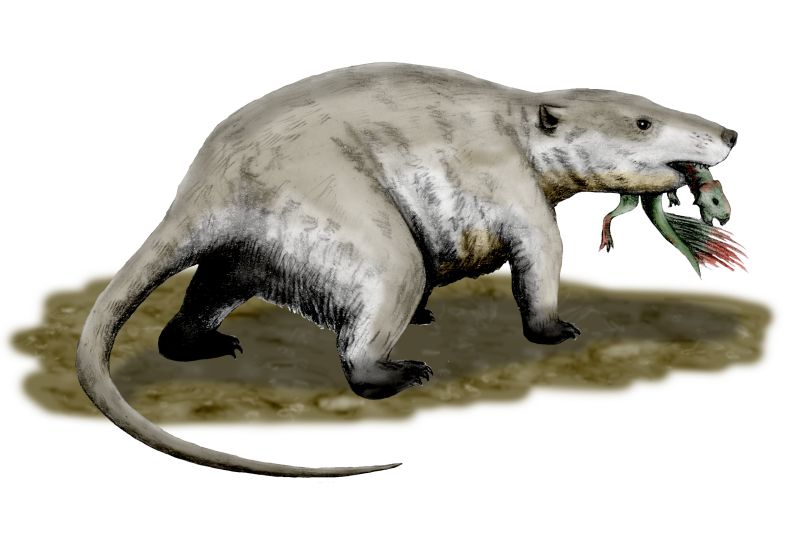
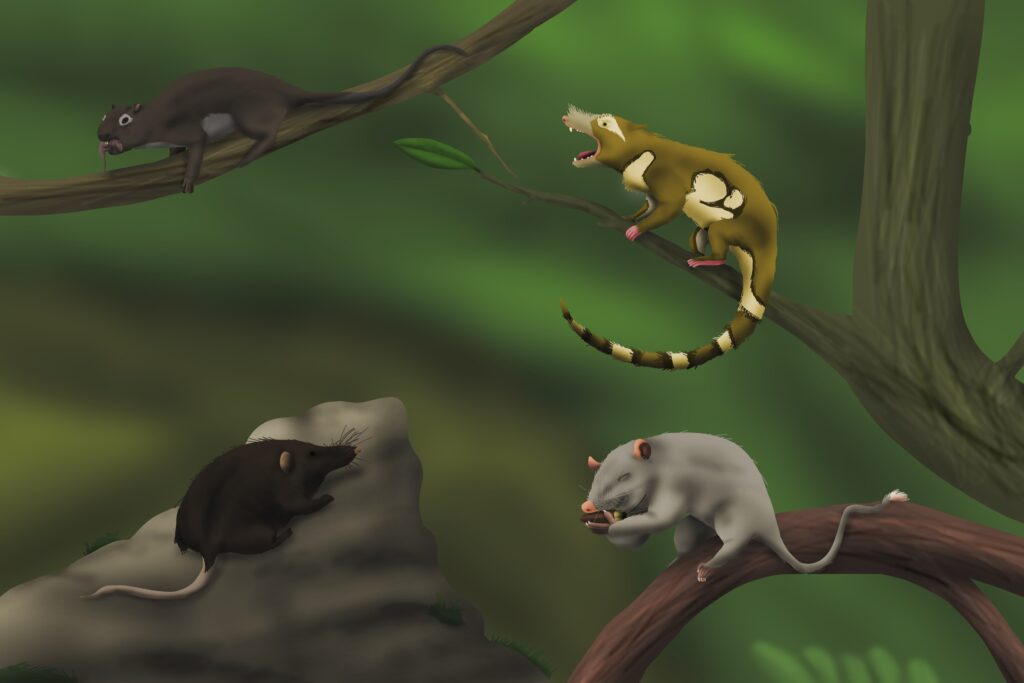
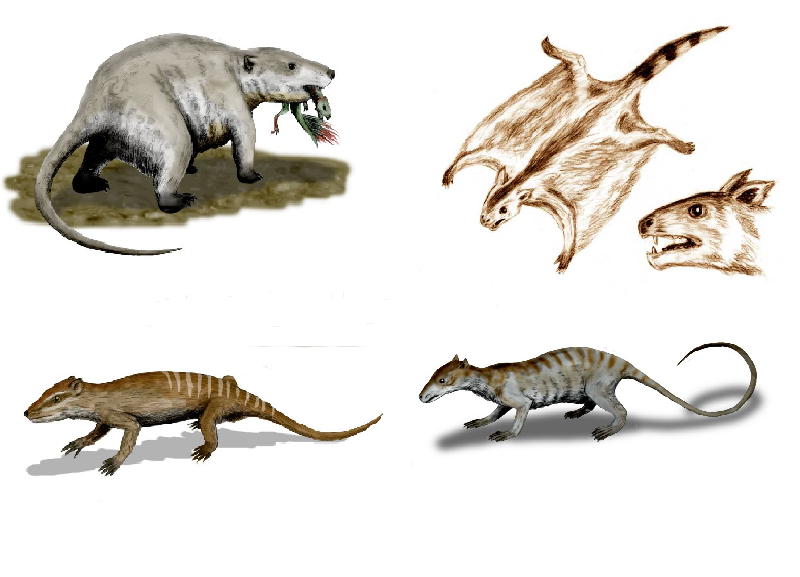
You might picture early mammals as pathetically timid creatures cowering under giant ferns. Surprise: that picture is quite incomplete. There were lots of exciting types of mammals in the time of dinosaurs that included gliding, swimming, and burrowing species, but none of these mammals belonged to modern groups; they all come from earlier branches in the mammal tree. The Mesozoic was far more diverse than textbooks used to give it credit for.
Even more shocking is the case of Repenomamus, a mammal that was clearly no pushover. Features of the teeth and jaw suggest that Repenomamus were carnivorous, and a specimen discovered with the fragmentary skeleton of a juvenile Psittacosaurus preserved in its stomach represents direct evidence that at least some Mesozoic mammals were carnivorous and fed on other vertebrates, including dinosaurs. Another notable group consisted of gliding mammals, such as Maiopatagium and Vilevolodon, which developed wing-like membranes for tree-to-tree movement. Their adaptations showcase the diversity in survival strategies among these early creatures, from small, insect-eating mammals to those that took to the trees for food and safety.
The Asteroid Apocalypse: A Cosmic Reset Button
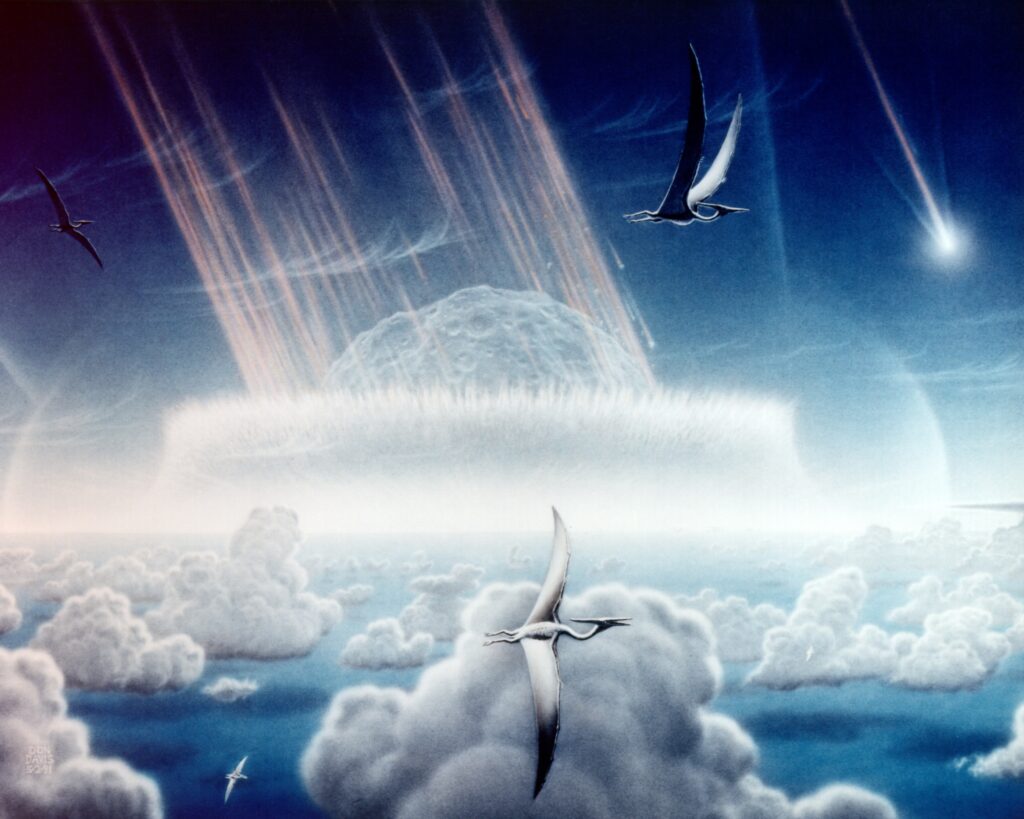
Then came the moment that changed everything. A massive asteroid smashed into what is now the Yucatán Peninsula of Mexico, striking with the force of more than a billion nuclear bombs. Tsunamis, wildfires, earthquakes, and volcanic eruptions raged around the planet. Dust and soot clogged the atmosphere, turning the world dark for years. Plants couldn’t photosynthesize, forests collapsed, herbivores died, and carnivores followed. Ecosystems crumbled.
Unable to cope, three out of every four species succumbed to extinction. Dinosaurs were the most famous victims: all the long-necked, horned, duck-billed, dome-headed, and sharp-toothed ones died, with only a handful of birds surviving. For the small, nocturnal, generalist mammals still scuttling around in the rubble, this catastrophe was, in a deeply ironic way, the greatest opportunity in evolutionary history. Smaller mammals seemed to be better equipped to survive since they could hide more easily, and those with a diverse diet were able to adapt more quickly.
An Explosion of Life: The Great Mammal Diversification
What happened next was nothing short of staggering. The diversity of mammals on Earth exploded straight after the dinosaur extinction event. New analysis of the fossil record shows that placental mammals, the group that today includes nearly 5,000 species including humans, became more varied in anatomy during the Paleocene epoch, the 10 million years immediately following the event. You can almost picture the evolutionary equivalent of a dam suddenly bursting open.
Researchers found a four-fold increase in mammal species richness following the boundary between the Cretaceous and the Paleogene, confirming previous studies looking at mammalian evolution after the extinction of the dinosaurs. Interestingly, it wasn’t just bigger mammals that suddenly appeared. Smaller mammal species of less than 100 grams diversified at a similar magnitude to larger ones. The leading explanation is that a combination of the vacuum left by the extinction of the dinosaurs and a reorganization of the environment, likely catalyzed by the evolution of flowering plants, gave smaller mammals greater access to energetic resources.
Growing Up Fast: When Mammals Got Bigger and Bolder
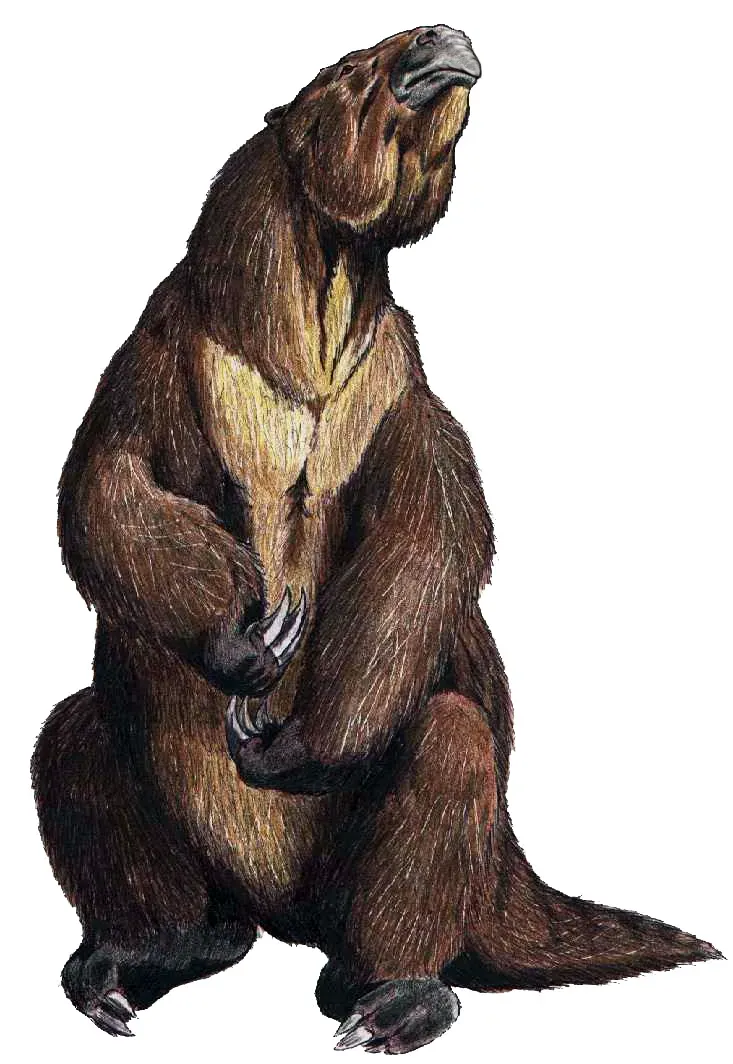
You’d think the first thing these mammals would do is rapidly grow bigger and smarter. The size part happened fast. The brain part? Not so much, and that’s genuinely surprising. After the extinction of the dinosaurs 66 million years ago, mammals began to increase in body size as new niches became available, but their brain lagged behind their bodies for the first ten million years. It’s a bit like a teenager who suddenly shoots up several inches in height but whose maturity hasn’t quite caught up yet.
This suggests it was more important to be big than highly intelligent in order to survive in the post-dinosaur era at first. Because today’s mammals are so intelligent, it is easy to assume that big brains helped our ancestors outlast the dinosaurs and survive the mass extinction, but that was not so. The rise of mammals took time. It wasn’t until the Eocene, more than 10 million years after the impact, that mammals became truly large and evolved into an array of beasts to rival the dinosaurs.
Flowering Plants and Warm Pulses: The Hidden Engines of Mammal Evolution
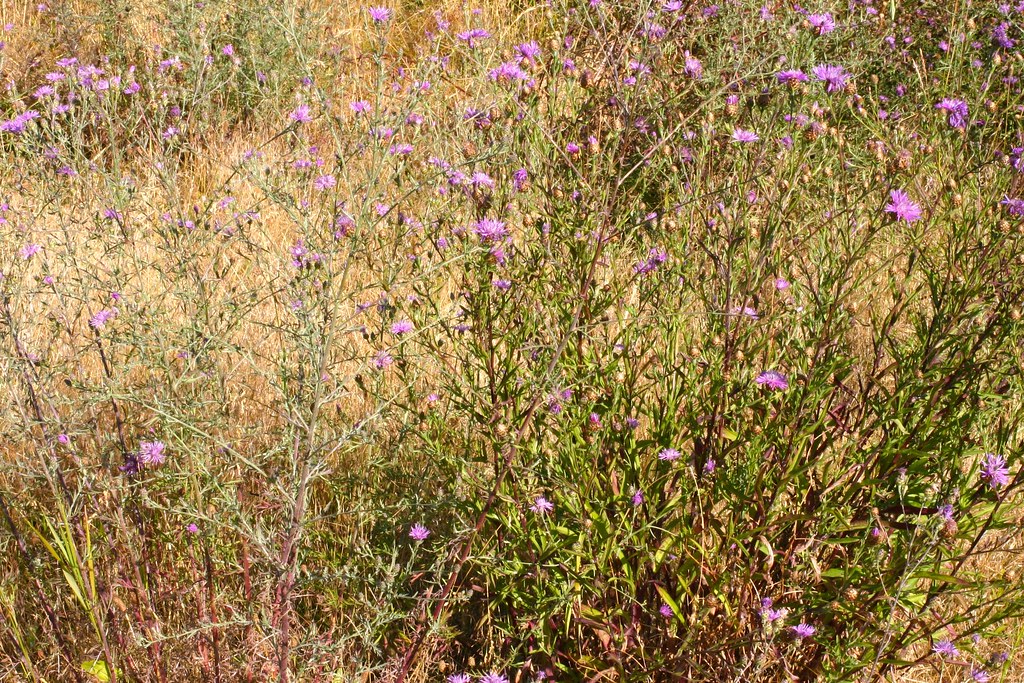
Here’s something that often gets overlooked: mammals didn’t rise simply because dinosaurs fell. There were other forces quietly but powerfully driving the story forward. A shift in vegetation took place in the last 10 million years or so of the Cretaceous period when flowering plants, such as deciduous trees, started to become more commonplace than the previously widespread conifers and ferns. The animals’ habitat would have become more complex since deciduous trees have an elaborate canopy and understory. Think of it as a grocery store slowly expanding its product range right when a new generation of hungry customers arrived.
Those smaller warming events driven by volcanoes would have been sufficient to trigger temporary accelerations in mammalian and plant evolution. With each warming trend, the diversity of plants and mammals increased. The change in the physical environment, including temperature, sunlight, and precipitation, favored different variations and opened new niches. As plant species evolved, so did the animals that fed on them. It’s hard to say for sure which factor was the single most important driver, but the truth is it was almost certainly all of them working together.
Conclusion: The Unlikely Heirs of the Earth
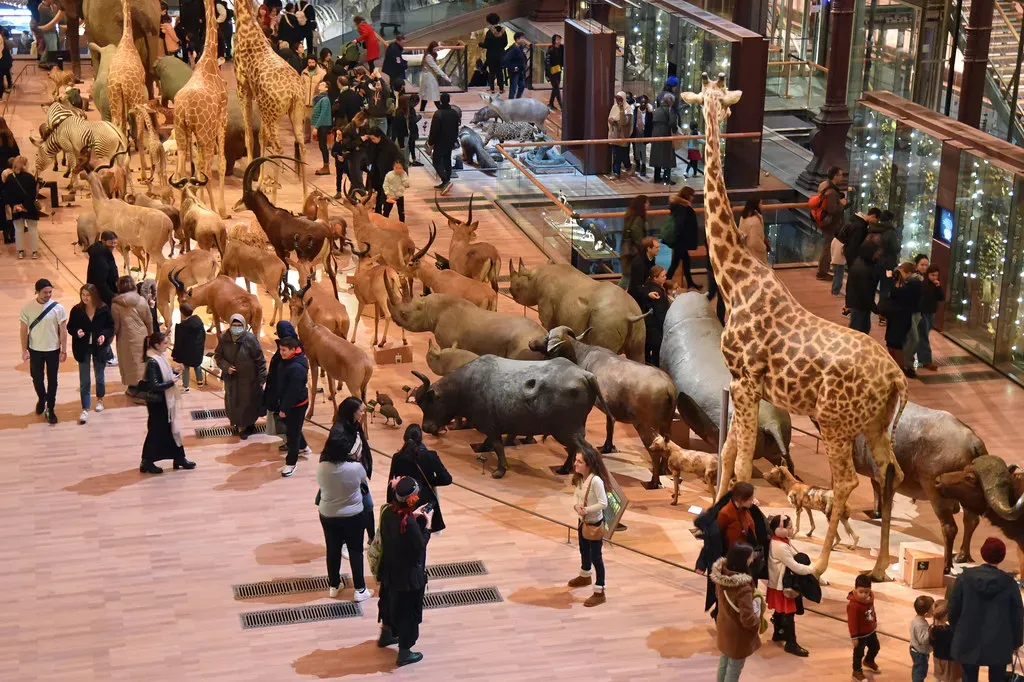
You are here today because a small, furry, nocturnal creature somehow made it through the worst day in Earth’s history and kept going. That thought alone deserves a moment of pause. These animals form a part of our own evolutionary narrative, the story of how mammals went from scurrying around the feet of larger creatures to dominating the continents of the world, evolving into a variety of unique beings, including ourselves.
The rise of mammals wasn’t a simple, tidy story. The event is often interpreted as a stroke of cosmic luck that allowed mammals to step out of the shadow of the reptiles and expand in size, shape, behavior, and habitat. Yet as paleontologists continue to dig into the critical time after the impact, the story is becoming more complex. The rise of the mammals was not necessarily assured, and recovery from the disaster took far longer than expected. What we do know is that the creatures who inherited the Earth weren’t the biggest or the most powerful. They were simply the most adaptable. In the grand sweep of life on this planet, that quality matters more than almost anything else.
So the next time you look at a dog curled up by your feet, or watch a whale breach the ocean surface, or simply catch your own reflection in a mirror, know that you’re looking at the latest chapter in one of the most remarkable survival stories ever told. What does it make you feel, knowing you’re a living part of that story?