Imagine looking at a rock – just an ordinary, rough, gray rock sitting in a museum case – and being told it contains the faint chemical whispers of life that existed more than three billion years ago. It almost sounds like science fiction. Yet for the scientists who dedicate their careers to this question, it is one of the most urgent, breathtaking mysteries our species has ever chased. How did life start on a planet that was, by any measure, a hostile, volcanic, oxygen-free cauldron?
You might assume scientists have all the answers by now. After all, we’ve mapped the human genome and landed rovers on Mars. But honestly, the question of how life first emerged on ancient Earth remains stubbornly incomplete. Every new discovery reshapes what we thought we understood, inviting more questions than it answers. Let’s dive in.
The Ancient Earth You Could Barely Recognize
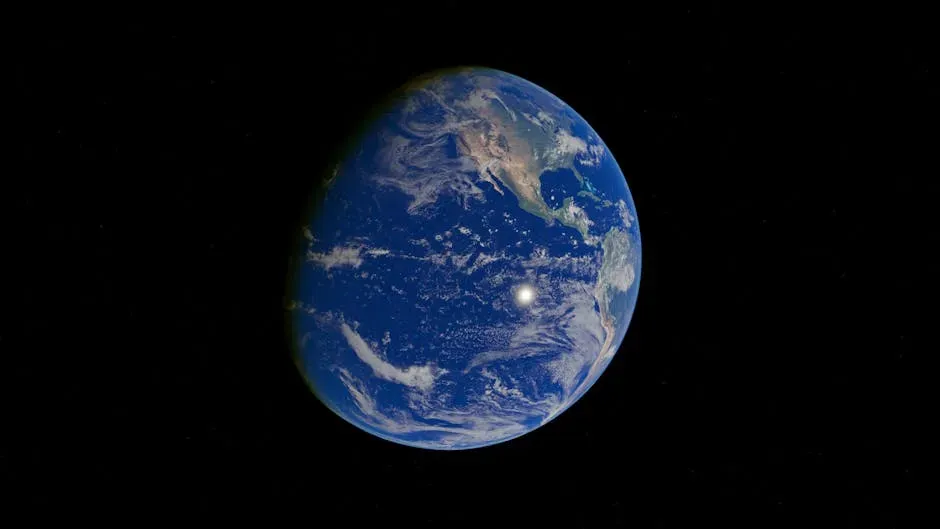
Picture a world completely unrecognizable to you: scalding volcanic shores, a sky thick with methane and carbon dioxide instead of breathable air, and oceans that had only just cooled enough to exist as liquid water. Life emerged on Earth in an ultramafic world under anaerobic conditions, shaped by particular environmental characteristics for which almost no record remains. There was no oxygen, no ozone layer, and absolutely no shelter from the brutal ultraviolet radiation hammering the surface from above.
Evidence from the Moon indicates that from about 4 to 3.8 billion years ago, Earth suffered a Late Heavy Bombardment by debris left over from the formation of the solar system. While there is no direct evidence of conditions on Earth during that period, there is no reason to think Earth was not also affected. This event may have stripped away any previous atmosphere and oceans, with gases and water from comet impacts contributing to their replacement. Think of it this way: early Earth wasn’t just challenging for life, it was trying very hard to prevent it altogether.
With an environment devoid of oxygen and high in methane, for much of its early history Earth would not have been a welcoming place for animals – or honestly, for much of anything. Yet life found a way. That, I think, is the most astonishing fact of all.
The Oldest Clues: What the Rocks Are Telling You
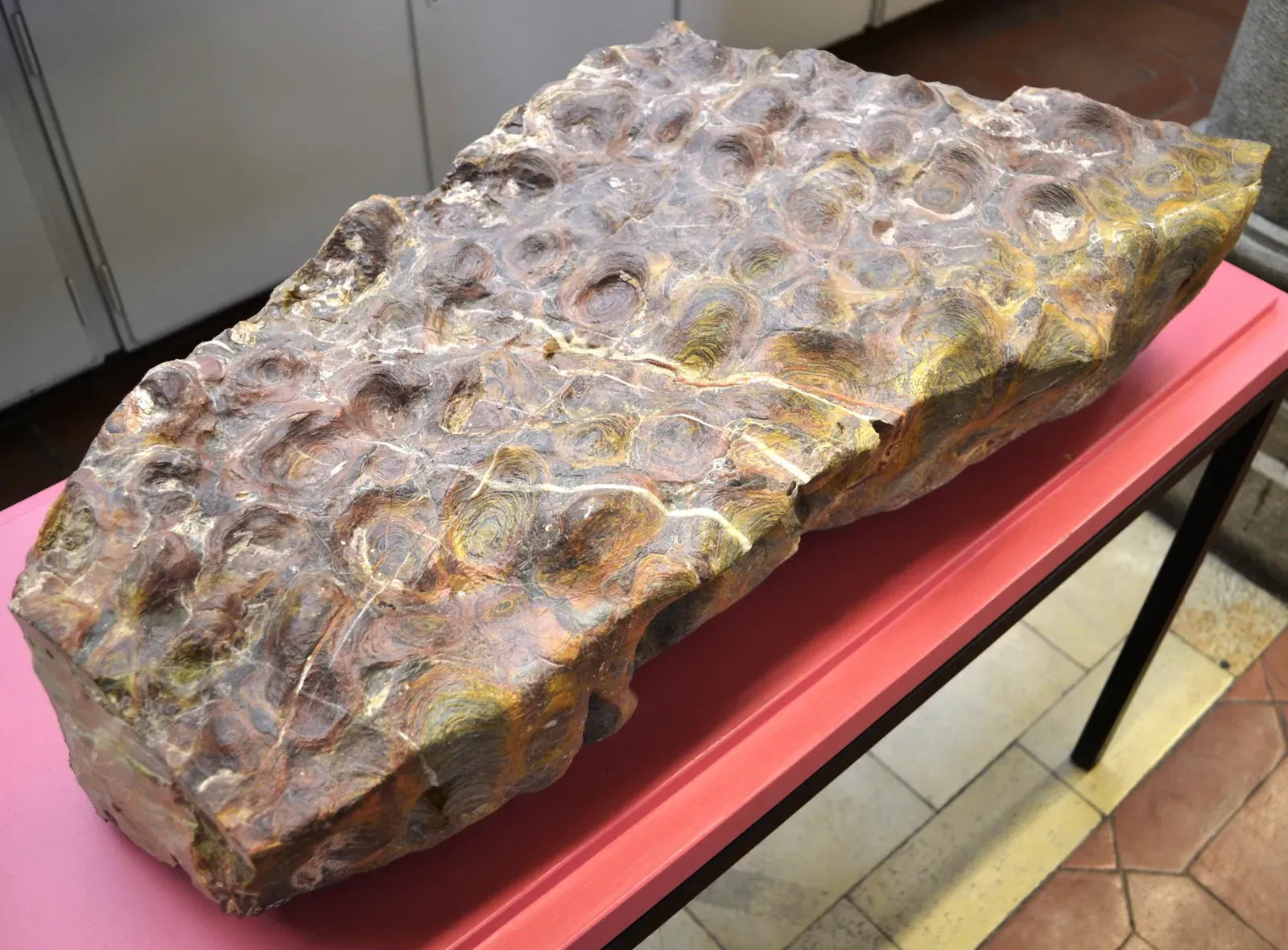
Microorganisms were the first forms of life on our planet. The clues are written in 3.5 billion-year-old rocks by geochemical and morphological traces, such as chemical compounds or structures that these organisms left behind. But reading those clues is nothing like reading a book. It is more like trying to reconstruct a novel from a handful of smudged, half-burned pages found centuries after the library burned down.
The earliest known life forms on Earth may be as old as 4.1 billion years, according to biologically fractionated graphite inside a single zircon grain in the Jack Hills range of Australia. The earliest evidence of life found in a stratigraphic unit, not just a single mineral grain, is found in 3.7 billion-year-old metasedimentary rocks containing graphite from the Isua Supracrustal Belt in Greenland. These are not dramatic fossils with shells and bones. They are microscopic chemical signatures, barely distinguishable from the geology around them.
It is still not entirely clear when and where life originated on Earth, or when a diversity of species developed in these early microbial communities. Evidence is scarce and often disputed. Even among experts, fierce debates erupt over whether a given rock structure is biological or simply the result of unusual volcanic chemistry. The humility required to work in this field must be extraordinary.
Stromatolites: The First Architects of Life
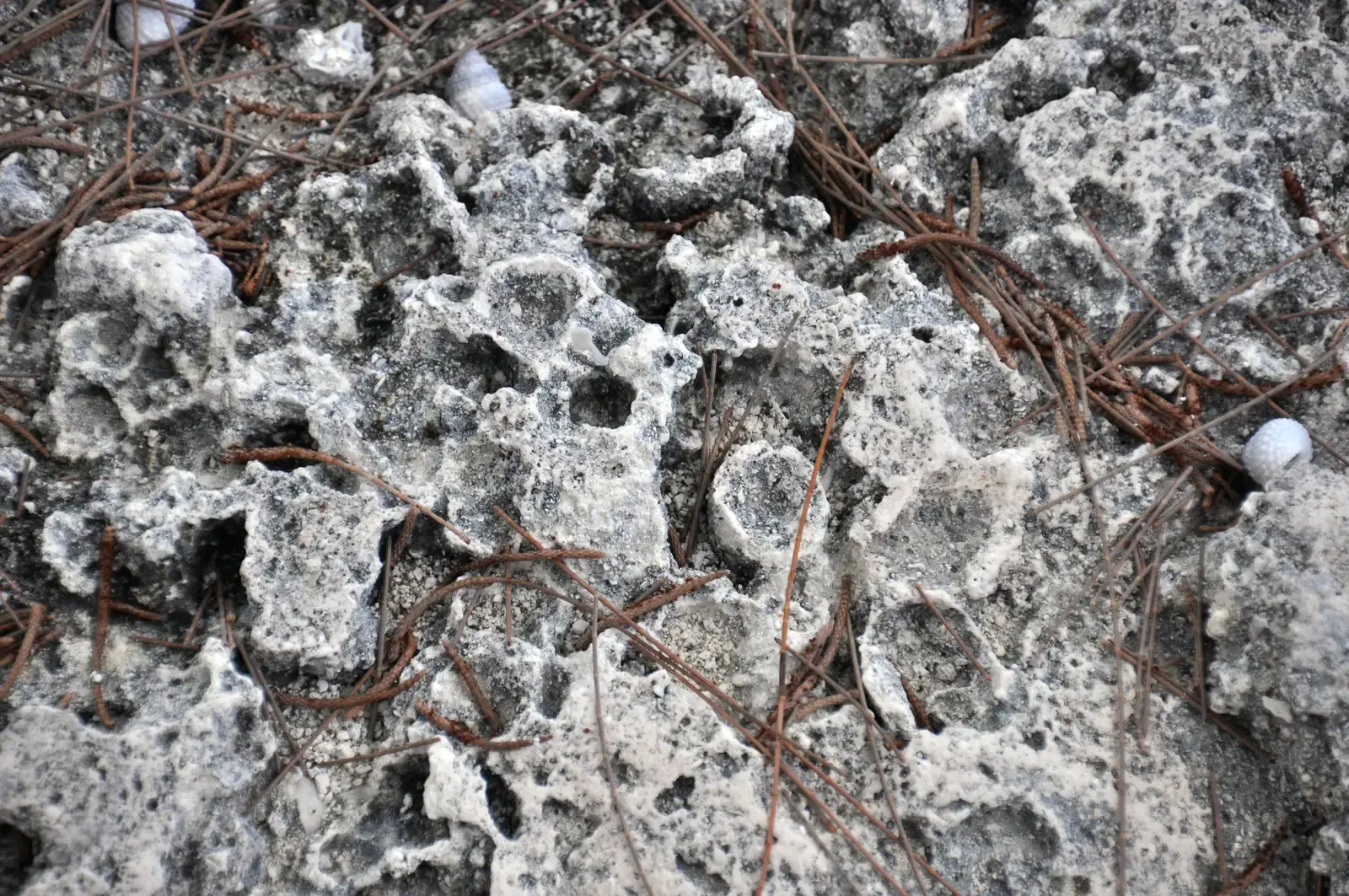
The earliest direct known life on Earth are stromatolite fossils, which have been found in 3.480-billion-year-old geyserite uncovered in the Dresser Formation of the Pilbara Craton of Western Australia. Stromatolites are, in essence, layered structures built by microbial communities over vast stretches of time – ancient biological construction projects so humble they wouldn’t have impressed anyone standing next to them. Yet they represent life’s first great engineering achievement.
Evidence of microbes was also preserved in the hard structures called stromatolites, which date to 3.5 billion years ago. Stromatolites are created as sticky mats of microbes trap and bind sediments into layers. Minerals then precipitate inside the layers, creating durable structures even as the microbes die off. You can think of them as early Earth’s version of a coral reef – except far simpler, and billions of years older. What’s remarkable is that scientists study today’s rare living stromatolite reefs to better understand Earth’s earliest life forms.
Around 3.5 billion years ago, the area where Western Australia’s Dresser Formation is now found would have featured shallow lagoons fed by water enriched in nutrients due to volcanism and hydrothermal activity. These lagoons are believed to have been inhabited by photosynthetic organisms, with the fossilised remains of the structures they formed preserved within the sedimentary rocks. A shallow prehistoric lagoon, bubbling with volcanic nutrients – somehow that image sticks with you.
Where Did Life Actually Come From? The Great Theories
Here’s the thing that makes this topic so endlessly fascinating: nobody fully agrees on exactly how life started, only roughly when. Oparin and Haldane’s “primordial soup” hypothesis became the springboard of several prominent origin-of-life theories. The Miller-Urey experiments and subsequent publications further fueled the rush to discover the true scientific origin of life. In the famous Miller-Urey experiment, scientists simulated early Earth’s atmosphere with a few gases and a spark of electricity, and they produced amino acids, the building blocks of proteins. Simple as that, or so it seemed.
The discovery of DNA and RNA led to the RNA world hypothesis, which centered around the thought that RNA existed as the first molecule of life and became more complex, eventually forming early life. RNA is special because it can both store genetic information and act as a catalyst, effectively doing two jobs at once. Think of it as the Swiss Army knife of early biology. Self-assembly of RNA may occur spontaneously in hydrothermal vents. A preliminary form of tRNA could have assembled into a replicator molecule. When this began to replicate, it may have had all three mechanisms of Darwinian selection: heritability, variation, and differential reproduction.
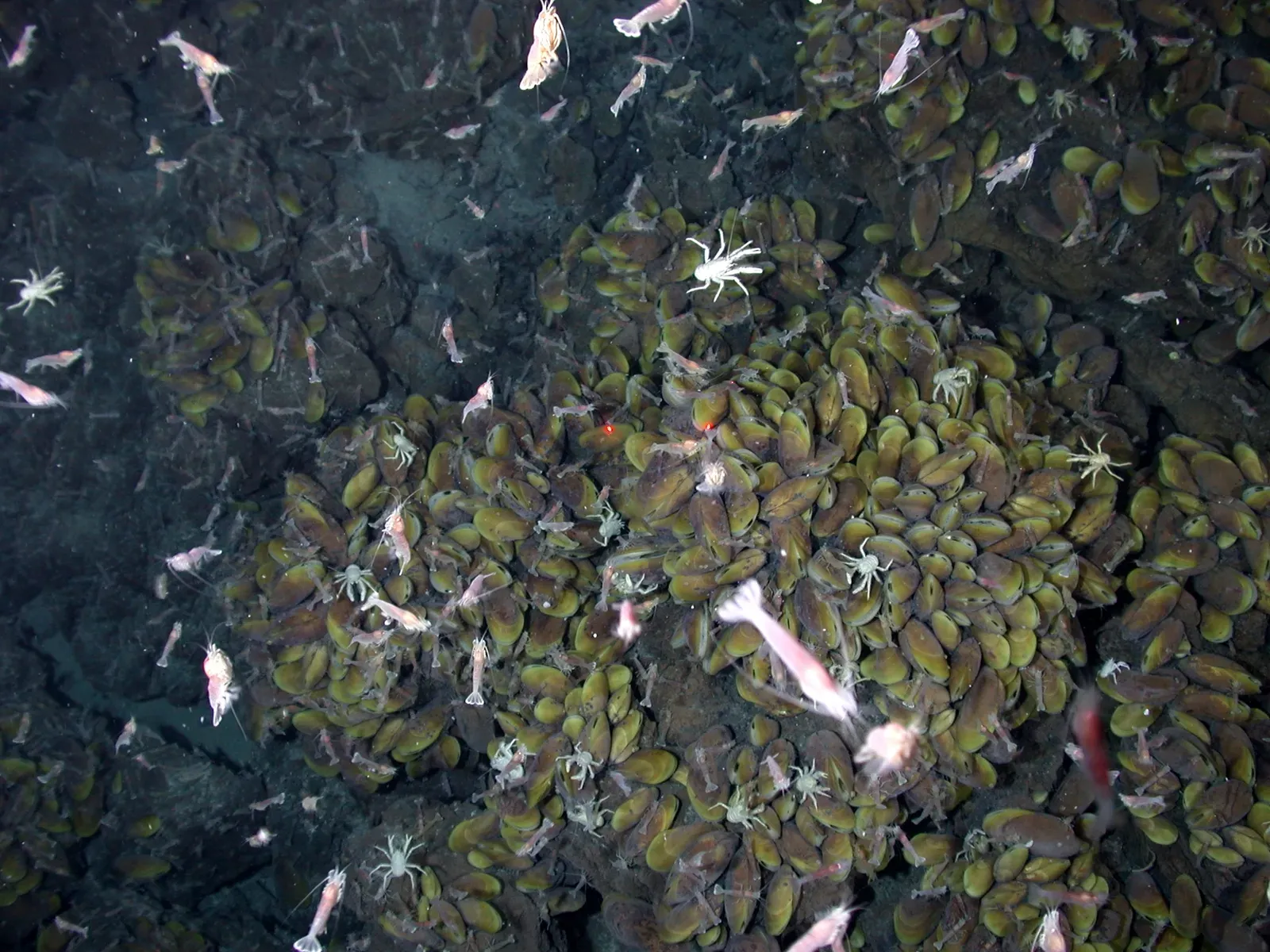
Hydrothermal vents have long been hypothesized to be the grounds from which life originated. The properties of ancient hydrothermal vents, such as the geochemistry, pressure, and temperatures, have the potential to create organic molecules from inorganic molecules. It’s hard to say for sure which theory is correct – or whether the answer is some combination of all of them – but the hydrothermal vent story grows more compelling with every passing year.
LUCA: Meet Your Oldest Ancestor
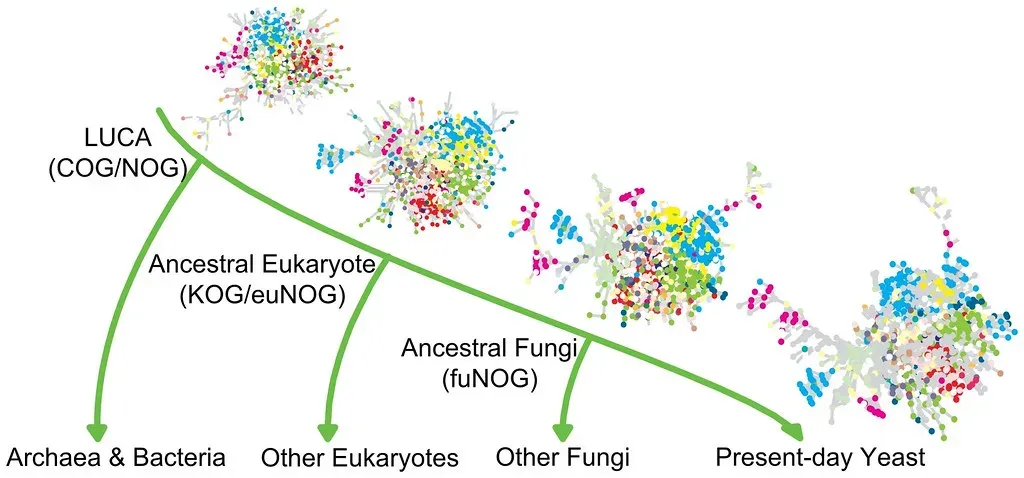
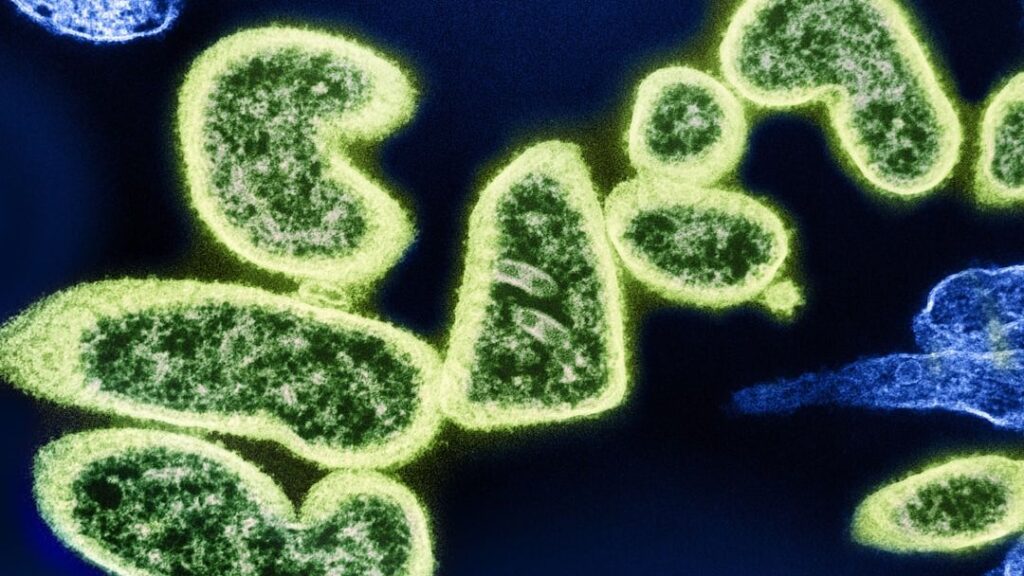
The Last Universal Common Ancestor, known as LUCA, is the hypothesized latest common ancestral cell population from which all subsequent life forms descend, including Bacteria, Archaea, and Eukarya. Let that sink in. Every living thing on Earth today – you, a mushroom, a deep-sea anglerfish, a bacterium living in a hot spring in Yellowstone – all of you trace your lineage back to one ancient microbial entity.
Integration of phylogenetics, comparative genomics, and palaeobiological approaches suggests that the last universal common ancestor lived about 4.2 billion years ago and was a complex prokaryote-grade anaerobic acetogen that was part of an ecosystem. This is striking because it means that even by that unimaginably ancient time, LUCA was not alone – it was already embedded in a web of other microbial life. There is evidence that LUCA could have lived a somewhat alien lifestyle, hidden away deep underground in iron-sulfur rich hydrothermal vents. Anaerobic and autotrophic, it didn’t breathe air and made its own food from the dark, metal-rich environment around it.
LUCA likely had 19 CRISPR-Cas9 genes, an apparatus modern bacteria rely on to chop up the genetic material of viral invaders. Even 4.2 billion years ago, your ancestor was engaging in an arms race with viruses. Honestly, some things never change.
AI and the New Frontier of Detecting Ancient Life
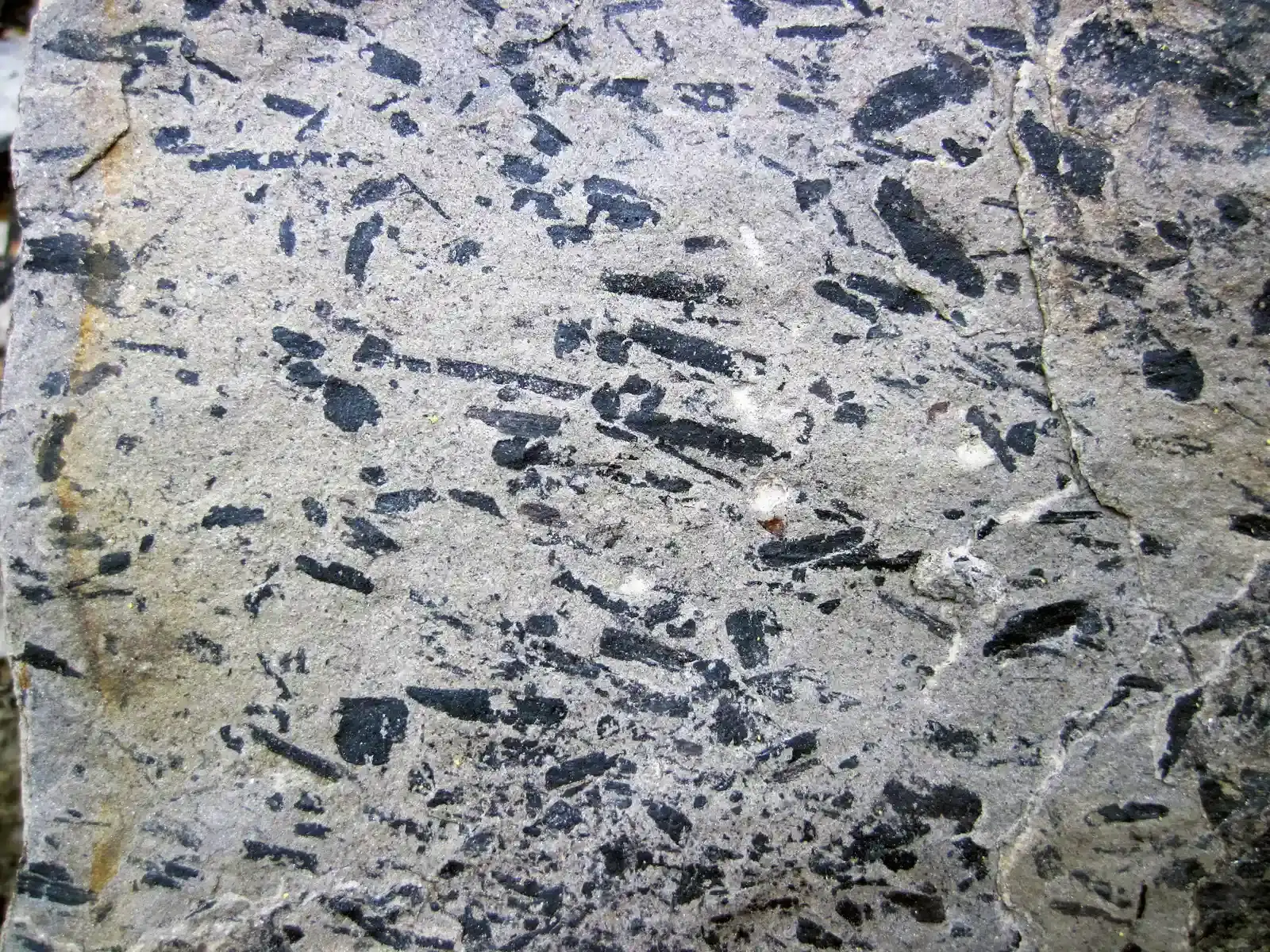
If you thought the search for early life was stuck in dusty field camps with magnifying glasses, you are in for a surprise. A new study uncovered fresh chemical evidence of life in rocks more than 3.3 billion years old, along with molecular traces showing that oxygen-producing photosynthesis emerged nearly a billion years earlier than previously thought. The international team, led by researchers at the Carnegie Institution for Science, paired cutting-edge chemistry with artificial intelligence to reveal faint chemical whispers of biology locked inside ancient rocks. A billion years earlier than thought. That is a staggering revision.
The researchers analyzed more than 400 samples, ranging from modern plants and animals to billion-year-old fossils and meteorites. The AI system distinguished biological from non-biological materials with over 90 percent accuracy and detected signs of photosynthesis in rocks at least 2.5 billion years old. That level of precision, applied to billion-year-old crushed rock, would have seemed like a fantasy to scientists of a previous generation. Before this work, dependable molecular evidence for life had only been identified in rocks younger than 1.7 billion years. This new approach effectively doubles the period during which scientists can study chemical biosignatures.
The results suggest that machine learning applied to degraded organic matter can help resolve long-standing debates about the evolution of life on Earth in deep time. This method could also assist in the search for signs of extraterrestrial life. The tools are now powerful enough to detect life’s echo across billions of years. Where those echoes lead us next is anyone’s guess.
Conclusion: A Mystery That Changes How You See Everything
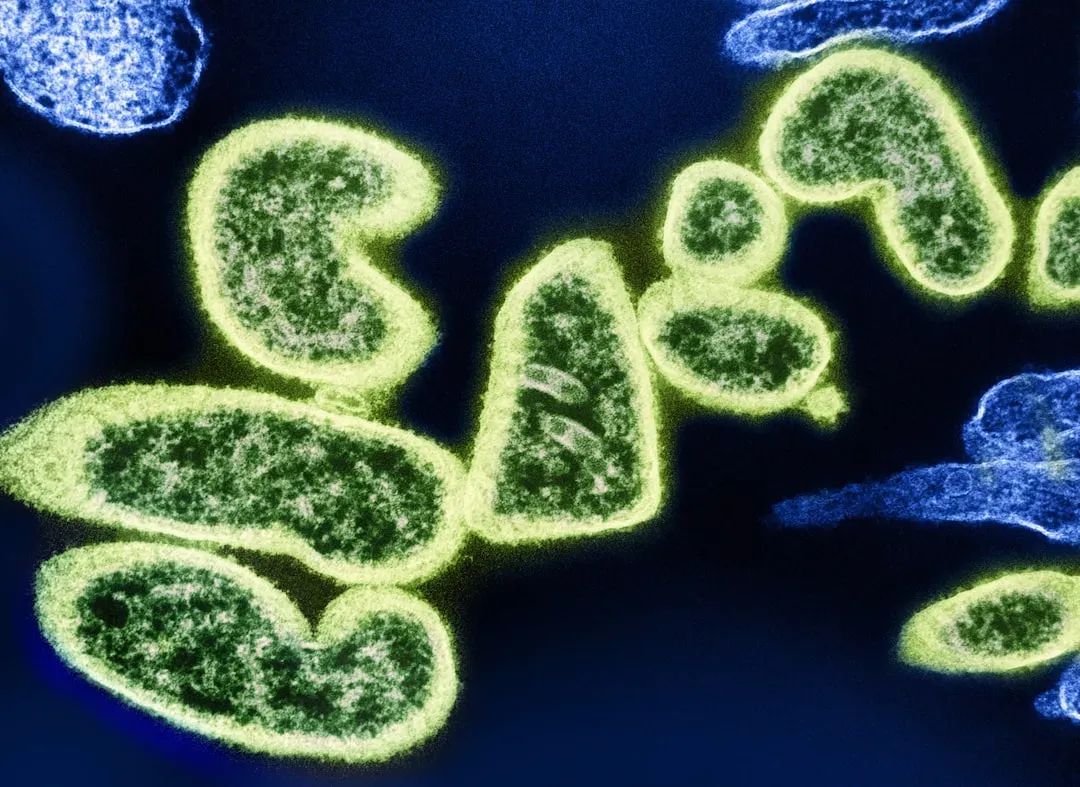
What you have just explored is not just a chapter in a geology textbook. It is the story of your own deepest origins. Earth’s earliest life forms, microbes such as oxygen-producing bacteria and methane-producing archaea, shaped, and were shaped by, changes in the oceans, continents, and atmosphere. That relationship between life and environment has never stopped – it is still happening right now, with every breath you take.
Scientists are still piecing together this extraordinary puzzle. Each new discovery in Australia, South Africa, Greenland, or Quebec pushes the story further back, reshapes the timeline, and deepens the wonder. Research draws together data and methods from multiple disciplines, revealing insights into early Earth and life that could not be achieved by any one discipline alone. It also demonstrates just how quickly an ecosystem was established on early Earth, suggesting that life may be flourishing on Earth-like biospheres elsewhere in the universe.
There is something deeply humbling about realizing that you share ancestry with a microbe living in a volcanic vent at the bottom of a primordial ocean four billion years ago. The mystery of the first life forms is really, in the end, the mystery of where you came from. What do you think – does knowing how ancient and unlikely your existence is make it feel more precious, or more strange?