
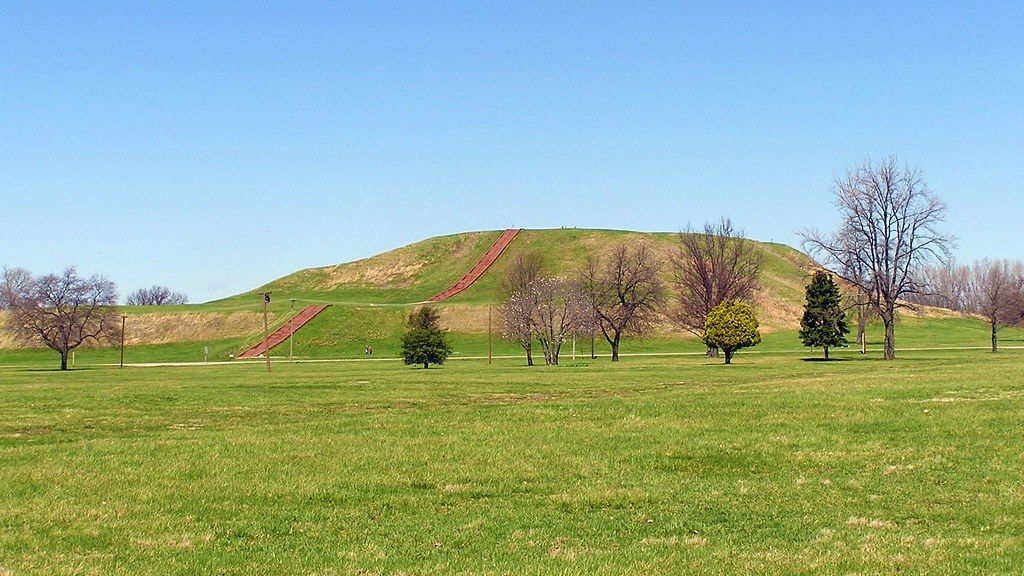
History, it turns out, is not as settled as your textbooks once led you to believe. Across deserts, caves, riverbeds, and frozen lakeshores, archaeologists are pulling apart old assumptions about early North American civilizations piece by piece, footprint by footprint, and bone fragment by bone fragment. What was once considered a complete story of who first walked this continent, when they arrived, and how they lived is now looking more like a rough first draft.
You might think the big discoveries belong to distant places like Egypt or Greece. Think again. Right here in North America, the ground beneath our feet holds secrets that are forcing researchers to completely rewrite the timeline of human history on this continent. The findings are dramatic, sometimes controversial, and always deeply fascinating. So let’s dive in.
The Footprints That Shook a Theory
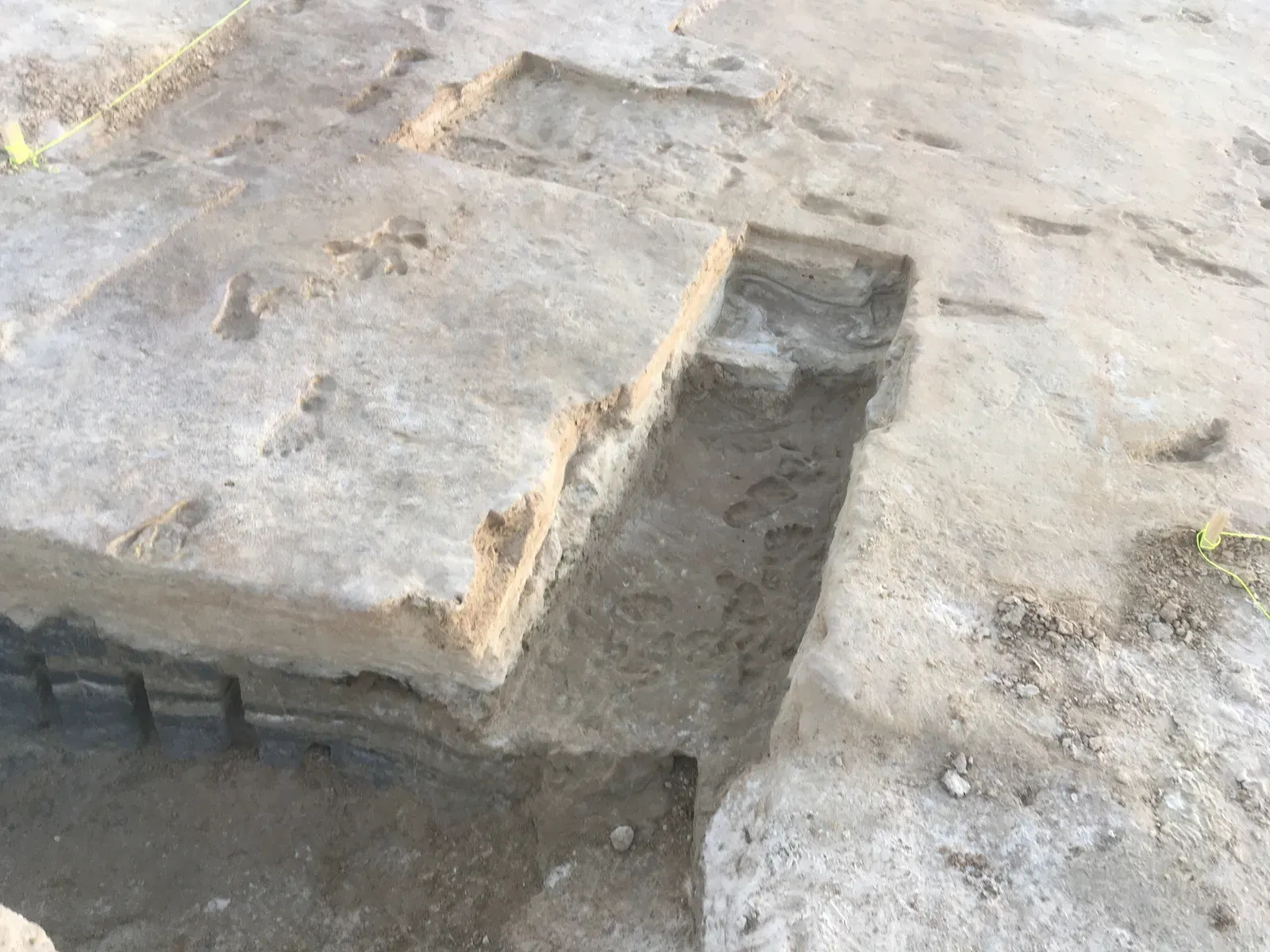
Few archaeological discoveries in recent decades have stirred as much debate as the ancient footprints found at White Sands National Park in New Mexico. In 2021, fossilized footprints from White Sands National Park in New Mexico were dated to between 20,000 and 23,000 years ago, providing key evidence for earlier human occupation, although this finding was controversial. To put that in perspective, this challenges everything the mainstream scientific community had long accepted about when people first set foot in North America.
Traditionally, scientists believed that humans arrived in North America around 16,000 to 13,000 years ago. However, the footprints at White Sands showed human activity in the area occurred between 23,000 and 21,000 years ago – a timeline that would upend our understanding of when cultures developed in North America. Skeptics questioned the dating methods, but the researchers fought back hard.
In addition to pollen samples, the research team used a different type of dating called optically stimulated luminescence, which dates the last time quartz grains were exposed to sunlight. Using this method, they found that quartz samples collected within the footprint-bearing layers had a minimum age of roughly 21,500 years, providing further support to the radiocarbon results. With three separate lines of evidence pointing to the same approximate age, it is highly unlikely that they are all incorrect or biased.
The vast majority of the prints were made by teenagers and children, with few large adult footprints being found in any of the excavated surfaces. One explanation of this finding is that the teenagers and children were assigned tasks such as “fetching and carrying” near the lake bed, whereas the adults were engaged elsewhere in more skilled activities. Honestly, it’s remarkable. These weren’t nameless ghosts. They were families. Busy, active, organized people living through the Ice Age.
Rethinking the Clovis First Theory
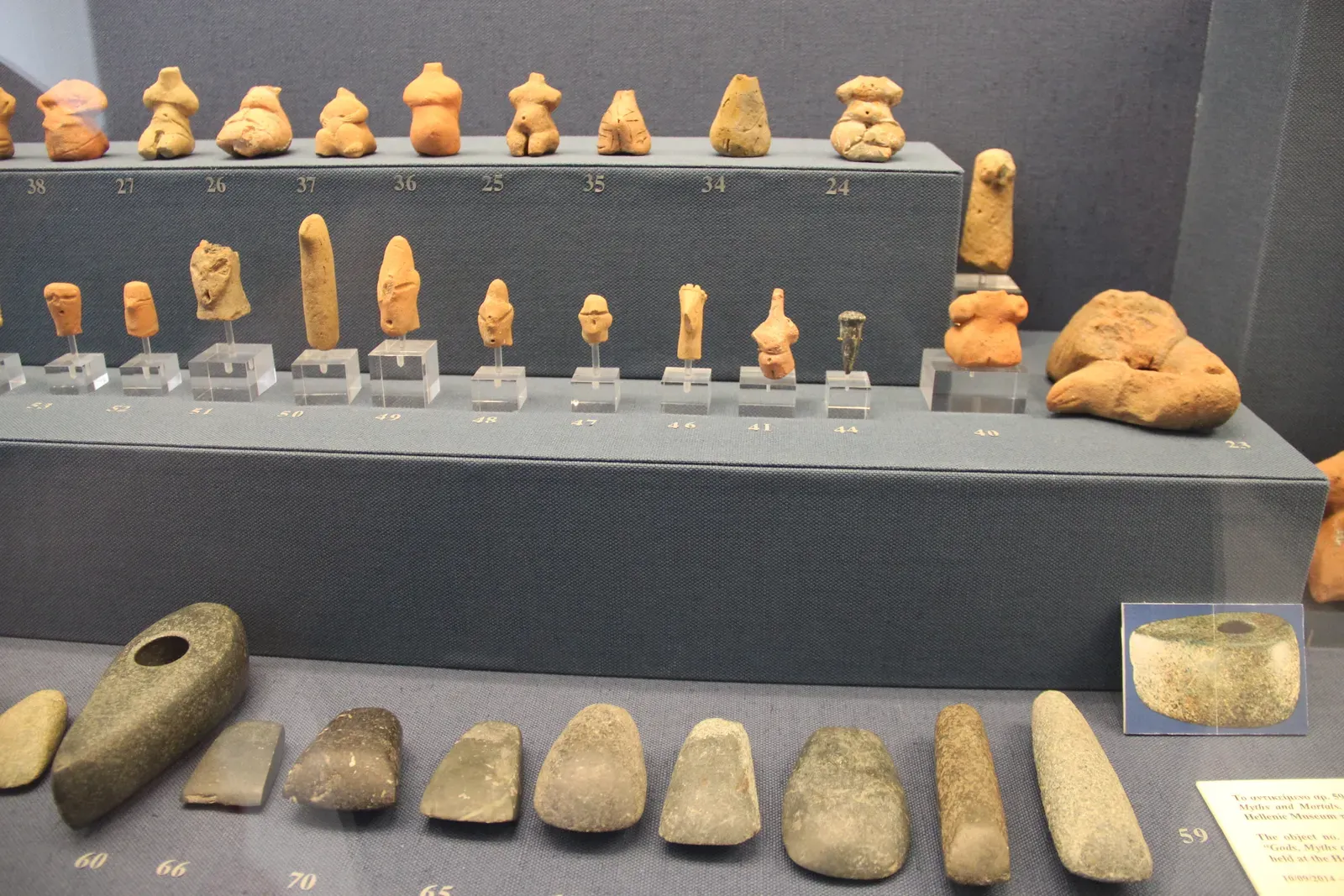
For generations, the so-called Clovis First model was the cornerstone of North American prehistory. According to the Clovis First theory, people crossed from Siberia into North America just over 13,000 years ago via the Bering Land Bridge, a mass of land that emerged when the last ice age lowered sea levels, and spread across the Americas. That story had a clean, tidy quality to it. Scientists loved it. Unfortunately, the evidence keeps poking holes in it.
In the summer of 2020, archaeologist Ciprian Ardelean’s discovery of ancient lithic tools at Chiquihuite Cave in the state of Zacatecas was published in Nature and made headlines around the world. Ardelean’s findings suggest human presence in North America almost 30,000 years ago. This would push the arrival of humans on this continent back by roughly twice the number of years that the Clovis model proposed. Critics remain skeptical, but the data keeps stacking up.
The Gault Site in Texas is a treasure trove of ancient tools and bones, dating back over 16,000 years. This rich archaeological site supports the idea of diverse early American populations long before the Clovis culture. The variety of artifacts found suggests a thriving community with complex social and cultural practices. Here’s the thing. These sites are not isolated anomalies. They represent a pattern, and that pattern says the Americas were populated far earlier and by far more diverse groups of people than the Clovis First theory ever accounted for.
Cahokia: North America’s Forgotten Metropolis
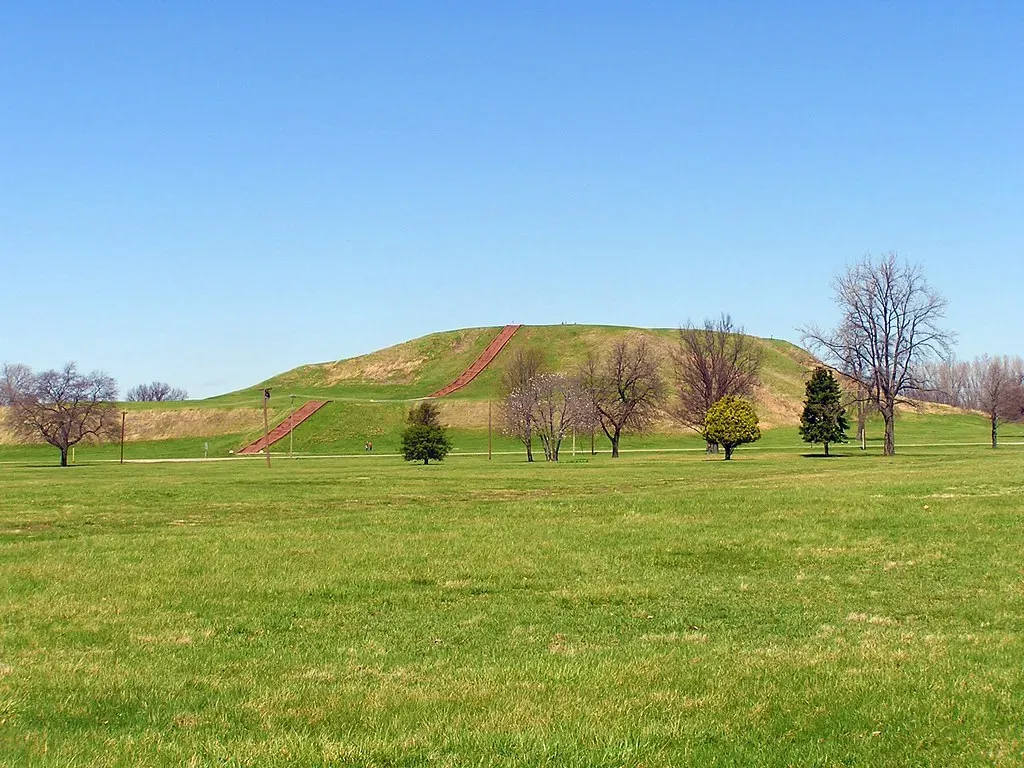
Most people have never heard of Cahokia, and that might be the most surprising thing about it. Cahokia was the largest pre-Columbian city in North America, and at its peak, the metropolis near modern-day St. Louis was bigger than London. Let that sink in for a moment. Bigger than London. Right here in Illinois. Before Columbus ever set sail.
At its apex around 1100 CE, the city covered about 6 square miles, included about 120 earthworks in a wide range of sizes, shapes, and functions, and had a population of between 15,000 and 20,000 people. This was not a village of scattered hunter-gatherers. This was a full-scale urban civilization, with planned streets, grand plazas, and a sophisticated social hierarchy that archaeologists are only beginning to fully understand.
Strontium analyses of the teeth of dozens of individuals buried in Cahokia reveal that, while most citizens grew up in the immediate vicinity, at least 20 percent were immigrants from elsewhere. This tells you something powerful. Cahokia was a destination. People traveled to it from distant regions, which means there were established trade routes, shared cultural values, and a gravitational pull that only a truly great city can have.
Archaeologists have also excavated four, and possibly five, circular sun calendars referred to as Woodhenge. These evenly spaced log posts were utilized to determine the changing seasons, displaying an impressive example of scientific and engineering practices. The sheer ingenuity behind that concept is breathtaking. These were not primitive people. They were astronomers, engineers, farmers, traders, and builders of a world we are only now beginning to see clearly.
Ancient Canoes and Submerged Secrets
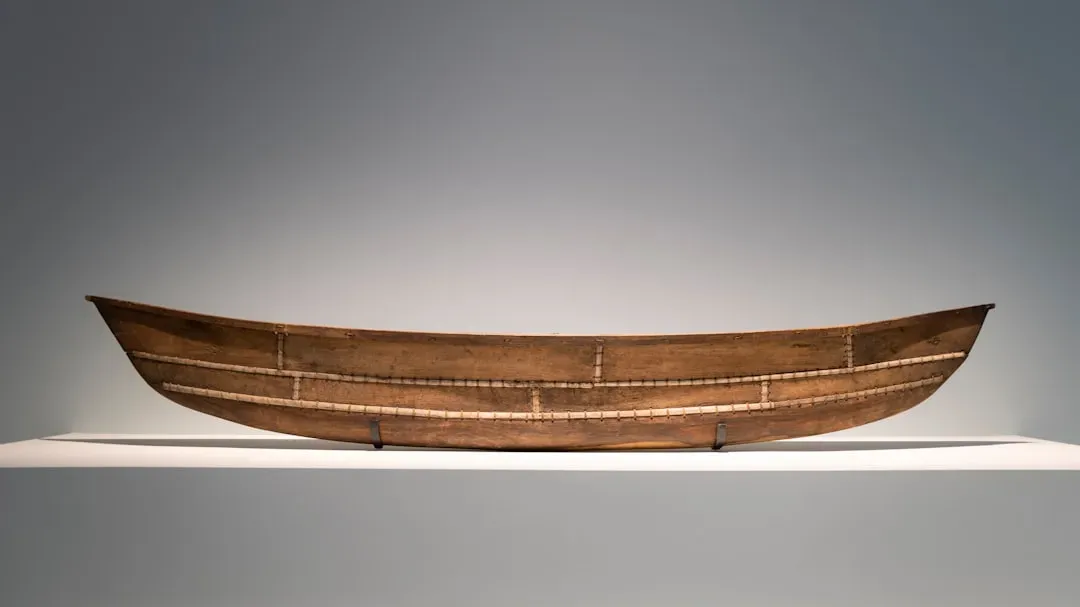
Some of the most unexpected discoveries in recent years have come not from dry desert caves or grassy plains, but from beneath the still surfaces of freshwater lakes. In 2021 and 2022, dive teams excavated two vessels from Lake Mendota in Madison, Wisconsin, aged around 1,000 and 3,000 years old respectively. Two years later, in 2024, divers discovered pieces of at least eleven 4,500-year-old ancient canoes dating back to 2500 BCE. The canoes were found in the area of the Ho-Chunk Nation’s ancestral territory, leading archaeologists to believe that the ancestors of modern-day Indigenous people built them.
The canoes were likely stored in the lake to prevent freezing and warping during the winter but became buried over time. Archaeologists are working to preserve the first two canoes they previously excavated, but the rest will remain submerged in the lake since they are too delicate to move. Think about what this implies. These weren’t accidental burials. This was intentional, seasonal storage, an act of practical thinking that reveals a high level of planning, environmental knowledge, and community organization reaching back nearly five millennia.
Chiquihuite Cave and the 30,000-Year Question
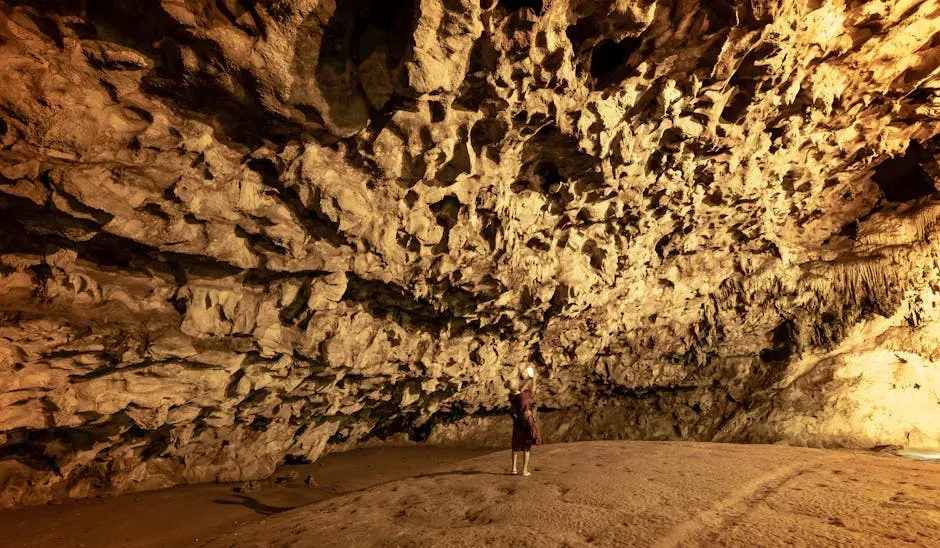
If the White Sands footprints opened a debate, Chiquihuite Cave in Mexico threw gasoline on the fire. Archaeologists excavating a cave in the mountains of central Mexico unearthed evidence that people occupied the area more than 30,000 years ago, suggesting that humans arrived in North America at least 15,000 years earlier than thought. That is not a minor revision of the timeline. That is a complete structural overhaul.
As new discoveries are unearthed, from the Canadian Arctic all the way down to the mountains of Central Mexico, the date of human arrival in the Americas could be pushed back to 30,000 years before the present era, and possibly even earlier. What critics once wrote off as preposterous must now be not only considered, but accepted. History is being rewritten as new discoveries place human beings in the Americas during the Last Glacial Maximum. It’s a humbling reminder that the story we thought we knew was built on an incomplete set of evidence.
Saskatchewan’s 11,000-Year-Old Settlement
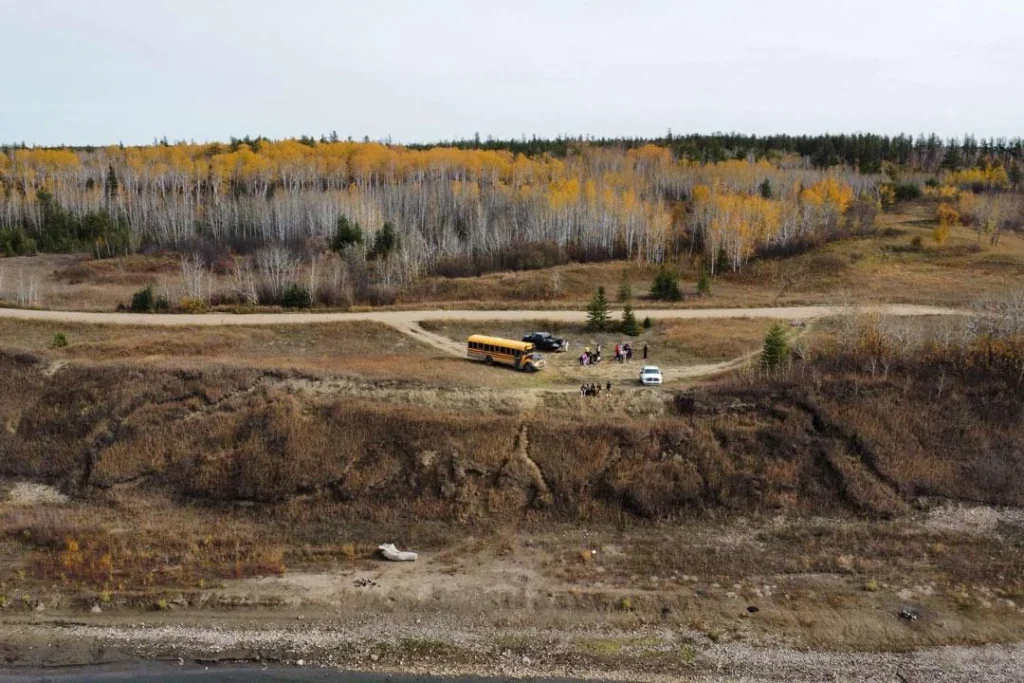
A jaw-dropping discovery near Sturgeon Lake First Nation in Saskatchewan, Canada, has added yet another major piece to this evolving puzzle. A major archaeological discovery near the community of Sturgeon Lake First Nation, in the province of Saskatchewan, Canada, is revolutionizing the understanding of the earliest Indigenous civilizations on the continent. A prehistoric settlement dating back 11,000 years has been found, making it one of the oldest known Indigenous sites to date. This finding not only confirms the existence of organized societies in the region much earlier than previously thought but also places it among the world’s most significant archaeological sites. The discovery challenges previous narratives about the presence and development of Indigenous cultures in North America.
The initial analysis suggests that the site was not merely a temporary hunting camp but a permanently established community. Among the most significant findings are stone tools, remnants of fire pits, and lithic materials used in tool-making. Permanent communities mean long-term planning, resource management, and a social structure sophisticated enough to sustain itself across generations. The layers of charcoal found indicate that the region’s inhabitants were already practicing fire management, aligning with oral traditions passed down through generations. Oral tradition and archaeology, finally speaking the same language.
Technology Transforms the Search for Ancient Civilizations
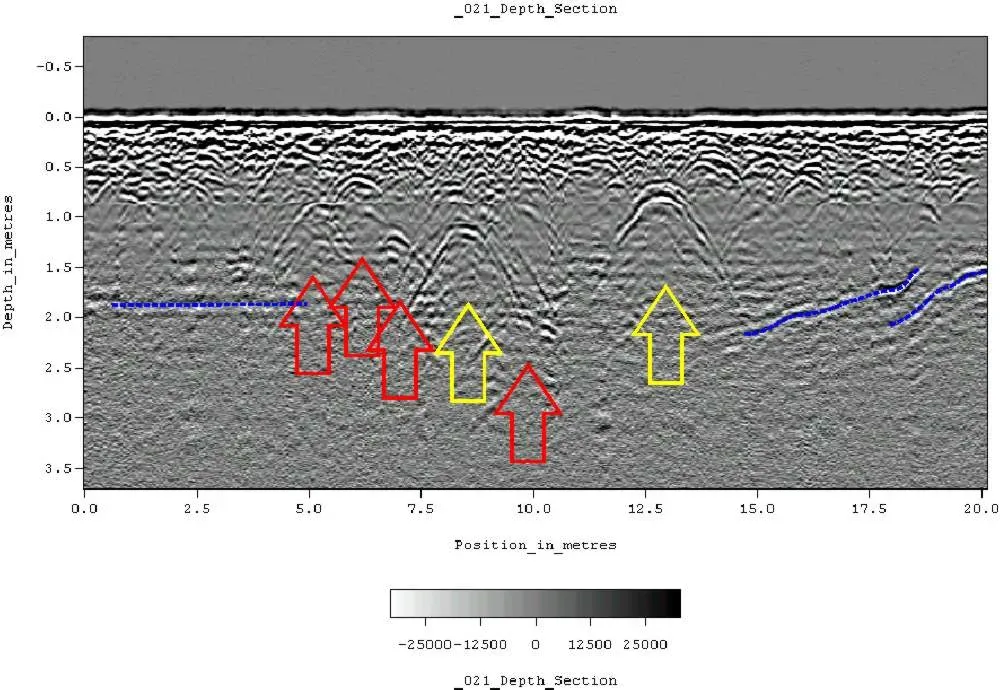
One of the most exciting developments in understanding early North America isn’t a single site or artifact. It’s the suite of new technologies transforming how researchers look for and interpret evidence. While most digs continue to make extraordinary finds using the time-tested techniques and tools of archaeology, it’s clear that newer technologies are changing what we know about the past. Ancient DNA, ground-sensing technology, and even artificial intelligence played a part in discoveries made in 2024. It’s like archaeology has finally gotten a serious upgrade.
Ground-penetrating radar has revealed buried structures without excavation, while LiDAR technology has identified previously unknown mounds hidden beneath centuries of soil and vegetation. Isotope analysis of human remains has provided insights into diet, migration patterns, and social organization. DNA studies are beginning to reveal genetic connections between ancient North Americans and modern Native American populations. These new technologies continue to yield surprising discoveries, suggesting that many secrets remain buried beneath the prairie.
Ancient humans crossing the Bering Strait into the Americas carried more than tools and determination. They also carried a genetic legacy from Denisovans, an extinct human relative. This kind of revelation, uncovering genetic echoes from people who lived tens of thousands of years ago, would have been completely impossible even a generation ago. The tools are catching up with the questions, and the answers are incredible.
Conclusion: The Story Is Far From Over
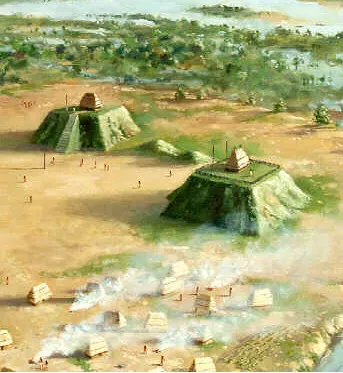
Every single one of these discoveries carries a message: we have been underestimating the ingenuity, complexity, and deep history of early North American peoples for a very long time. From footprints pressed into Ice Age mud to the towering earthen pyramids of Cahokia, the evidence points to a continent that was not empty, undeveloped, or waiting to be “discovered.” It was alive, sophisticated, and ancient beyond what most of us were ever taught.
Things are changing extremely rapidly in this field. What’s exciting about discoveries like those at White Sands is that they really force us to entertain the notion that significant parts of what we thought we knew or understood are in need of some serious revision. That applies to nearly every headline-grabbing find covered here. The more we look, the more we find. And the more we find, the more humbling it becomes.
I think the real takeaway here is this: history is not a finished book. It’s an active excavation, and North America’s ancient story is one of its most thrilling chapters. New dating methods, ancient DNA, LiDAR scans, and submerged waterways are revealing a continent full of builders, astronomers, traders, and travelers who arrived far earlier and lived far more richly than we imagined. The ground beneath your feet may still be hiding its biggest secret yet. What does that make you want to go looking for? Share your thoughts in the comments below.