Picture a world roughly 100 million years ago. Massive, terrifying creatures dominate the land – but the story doesn’t end there. Some of those creatures, through millions of years of slow, grinding evolutionary pressure, began edging their way toward the water. Not just wading in for a drink, but genuinely adapting, body and bone, to life in rivers, coastlines, and shallow prehistoric seas.
It sounds like science fiction, yet the fossil record keeps unearthing surprises that force paleontologists to rethink what they thought they knew. The question of why certain dinosaurs developed aquatic traits is one of the most hotly debated puzzles in modern paleontology. Competing theories clash, new fossils overturn old assumptions, and every discovery seems to open three new mysteries. So buckle up, because you’re about to explore some of the most fascinating ideas science has to offer on the subject. Let’s dive in.
The Food Availability Theory: Following the Fish
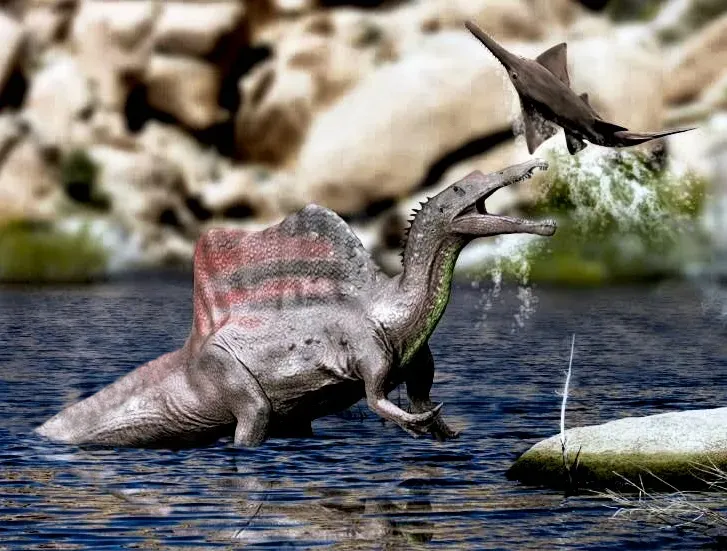
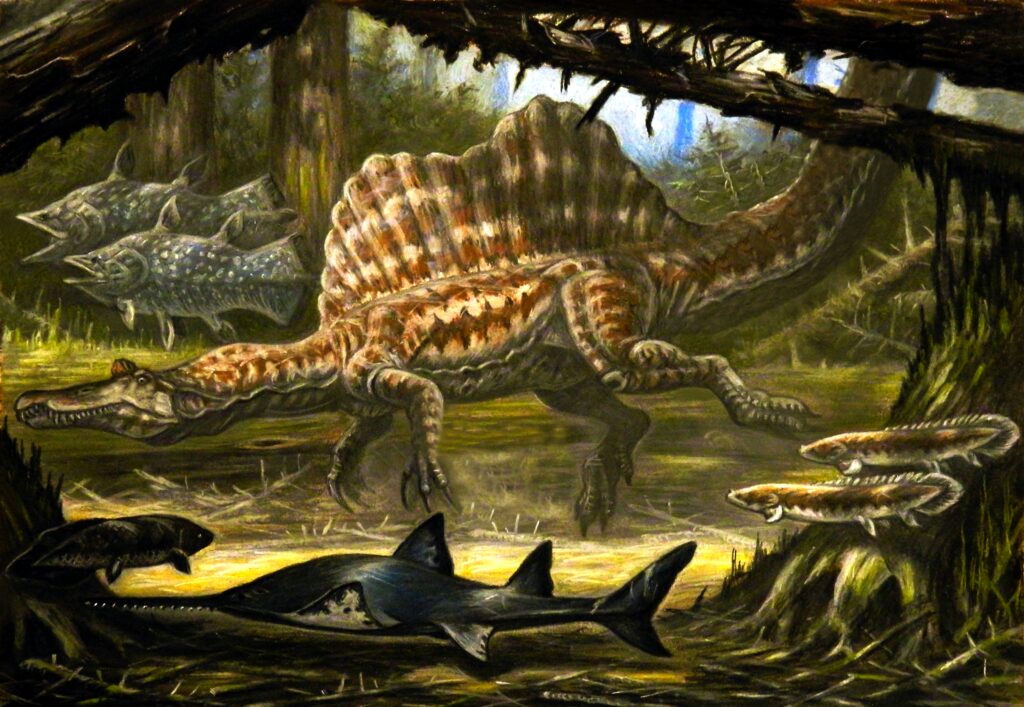
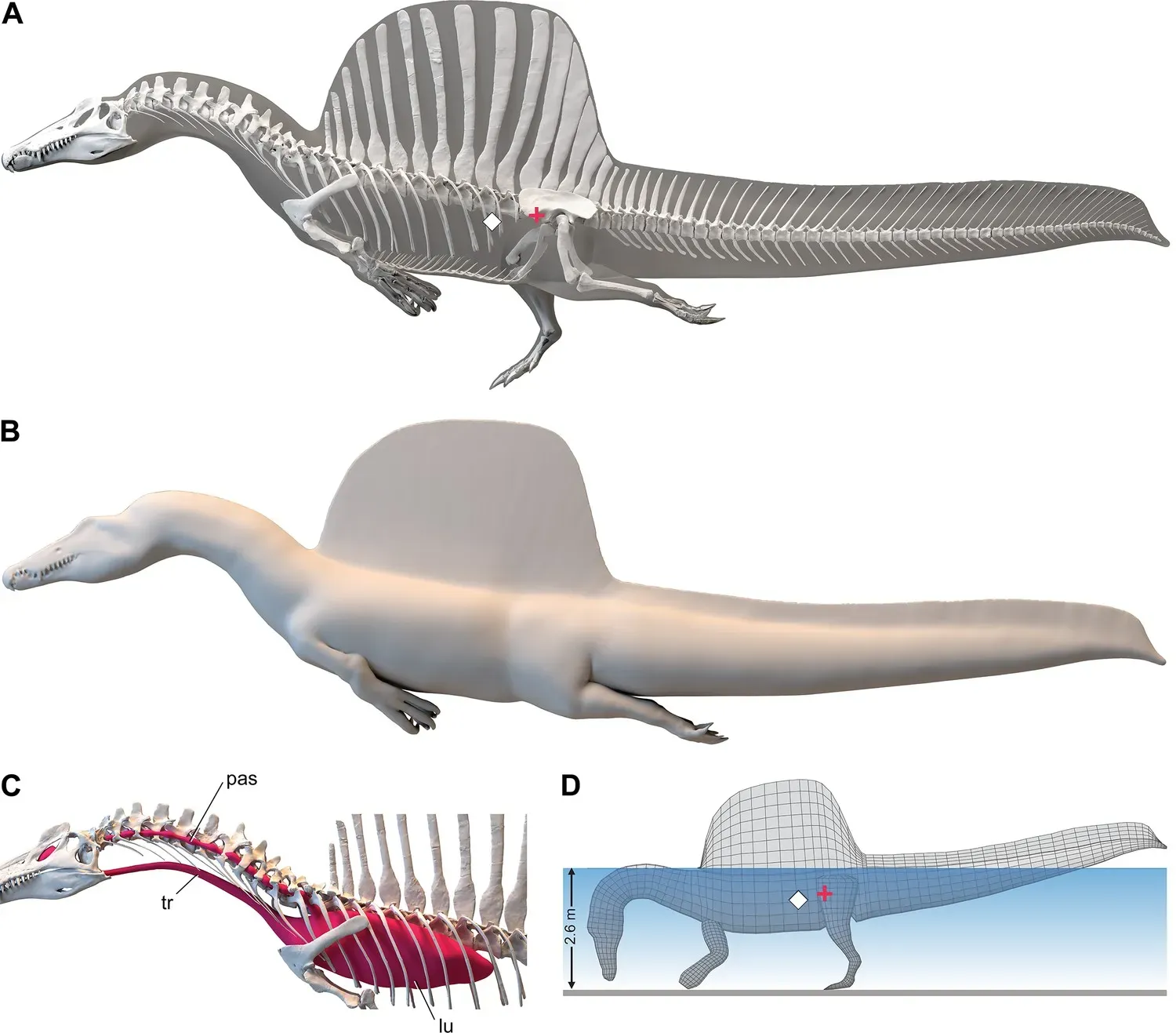
Here’s the thing about survival – if the best meal in the neighborhood is in the water, you’d find a way to get wet. This is essentially the core of the food availability theory, which suggests that certain dinosaur lineages developed aquatic features primarily because aquatic environments offered richer, more reliable food sources. The most famous example you’ll encounter is Spinosaurus, whose elongated, crocodile-like jaws and conical teeth are widely regarded as near-perfect tools for snatching fish.
Scientists already knew that spinosaurids spent some time by water, since their long, crocodile-like jaws and cone-shaped teeth are like those of other aquatic predators, and some fossils had been found with bellies full of fish. When you study this through the lens of natural selection, the logic becomes almost unavoidable. If fish-eating individuals in a population consistently survived and reproduced more successfully, the traits that made them better at fishing would gradually become more pronounced over generations. It’s natural selection doing exactly what it does best.
The presence of abundant giant fishes in the ancient environment of North Africa presented seemingly optimal conditions for large, fish-eating tetrapods and fish-based food webs. Think of it like a modern supermarket suddenly opening in a food desert – every predator in range would shift their habits to take advantage of that abundance. The water wasn’t a mysterious new frontier for these dinosaurs; it was simply where dinner lived.
The Dense Bone Ballast Theory: Built to Sink
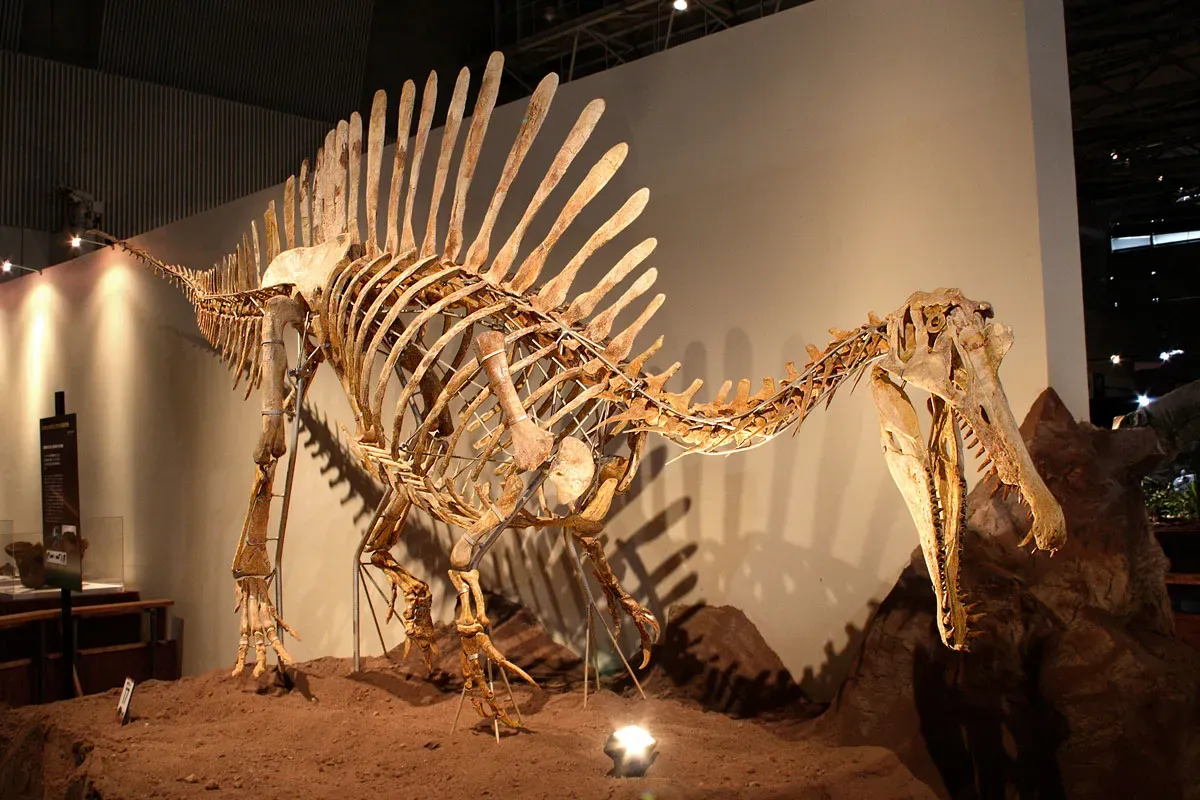
Uploaded by FunkMonk, CC BY 2.0)
One of the most genuinely surprising pieces of evidence for dinosaur aquatic adaptation comes not from jaw shape or snout length, but from the microscopic architecture of their bones. You might not think bone density would matter much in this discussion, but honestly, it turns out to be one of the most revealing clues scientists have uncovered. The theory holds that some dinosaurs evolved denser, heavier bones specifically as a kind of biological ballast – a built-in weight system that helped them submerge rather than float uselessly at the surface.
A clear link was identified between bone density and aquatic foraging behaviour. Animals that submerge themselves underwater to find food have bones that are almost completely solid throughout, whereas cross-sections of land-dwellers’ bones look more like doughnuts, with hollow centres. The research implications are staggering. The team’s analysis, published in the journal Nature, found that Spinosaurus and its close relative Baryonyx had dense bones that likely would have allowed them to submerge themselves underwater to hunt. What makes this especially compelling is that the same pattern appears across many unrelated animal lineages that returned to water, from early whales to seals, suggesting evolution keeps arriving at the same solution whenever a creature commits to an aquatic lifestyle.
The Convergent Evolution Theory: Nature Repeating Itself
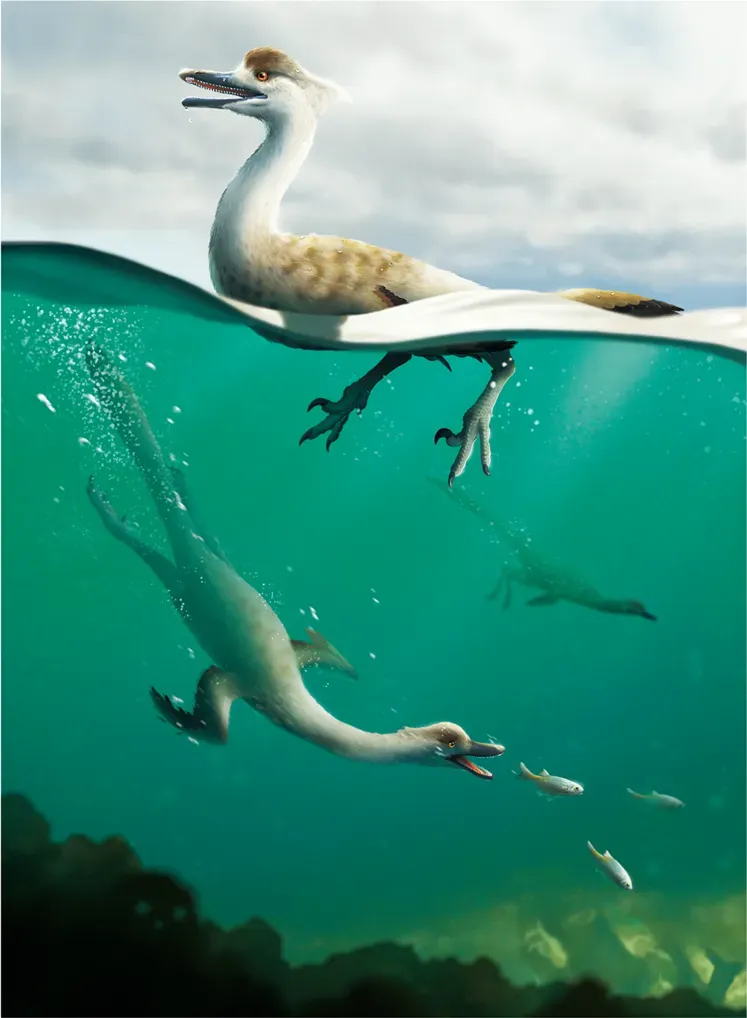
I think one of the most mind-bending ideas in all of evolutionary biology is convergent evolution – the phenomenon where completely unrelated creatures independently arrive at the same body plan solutions. It’s as if nature has a limited menu and keeps ordering the same dishes. When you apply this idea to dinosaur aquatic adaptations, the results are fascinating and surprisingly well-supported by fossil evidence.
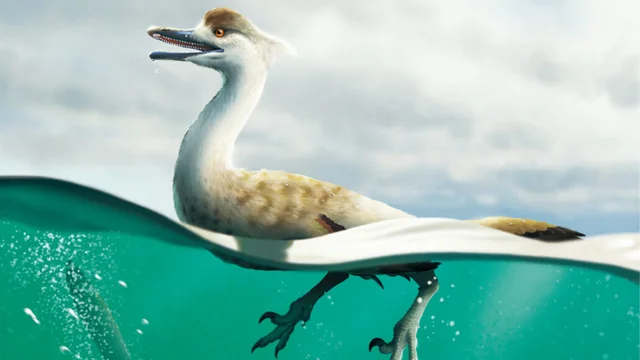
The streamlined body of the Natovenator also reflects the high diversity of body shapes among non-avian dinosaurs and exemplifies convergent evolution with diving birds. In other words, you had a small, bird-like dinosaur developing a body shape strikingly similar to modern diving birds, not because they shared a close ancestor that was aquatic, but because the physics of moving through water demands the same kinds of shapes regardless of which creature is doing the moving. Convergent evolution occurs when completely unrelated groups of animals evolve similar features in response to similar environmental pressures. A classic example is the evolution of flippers in reptiles and mammals that returned to life in the water millions of years after their ancestors voyaged onto land. The water, it seems, is a great equalizer.
The Ecological Niche Vacancy Theory: Filling the Gap Left Behind
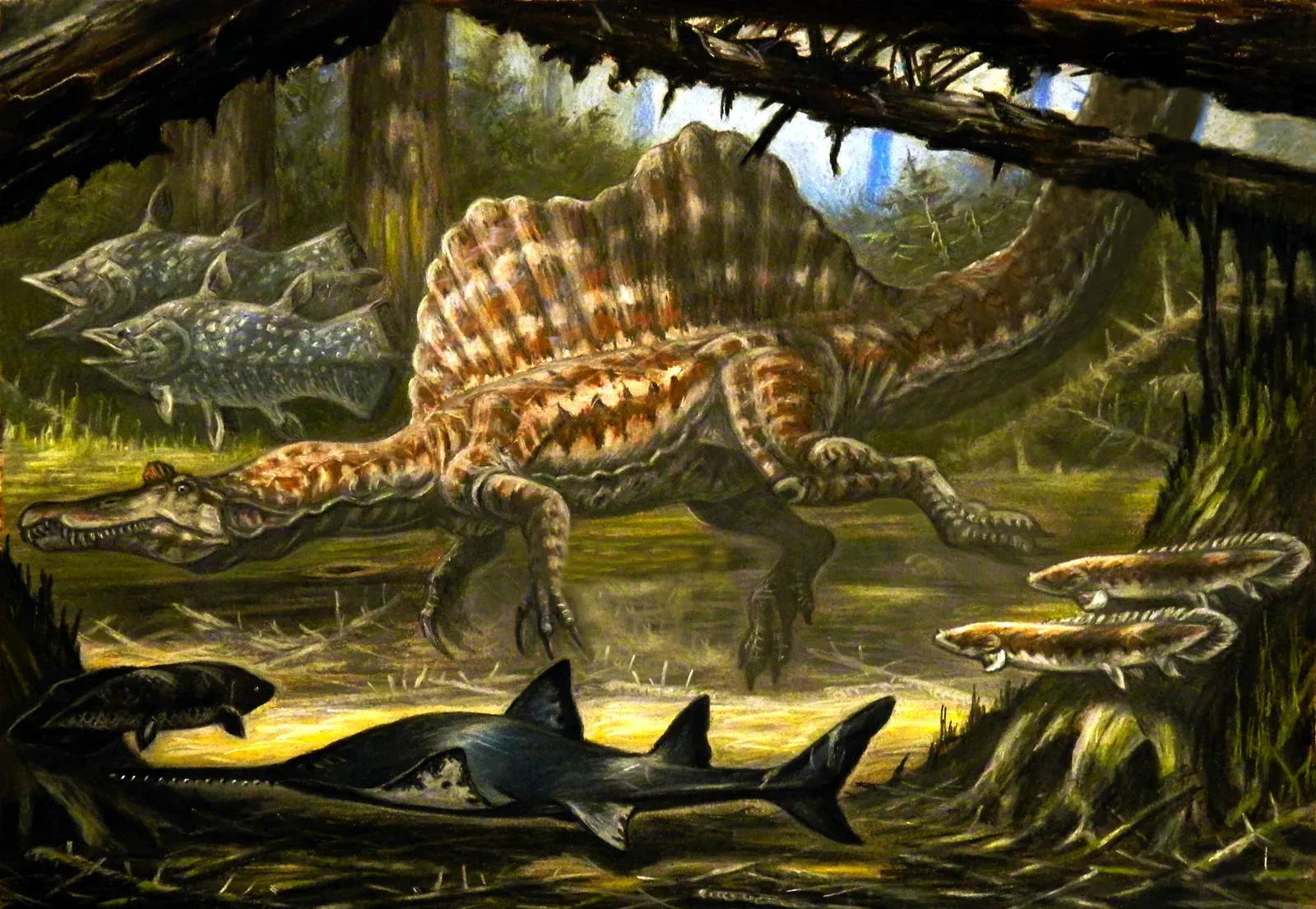
Nature, as it turns out, absolutely hates a vacuum. When a powerful ecological role opens up – say, the position of apex freshwater predator – something will inevitably step in to fill it. This is the foundation of the niche vacancy theory, which proposes that not because they were necessarily “meant” for the water, but because the ecological opportunity was simply there for the taking.
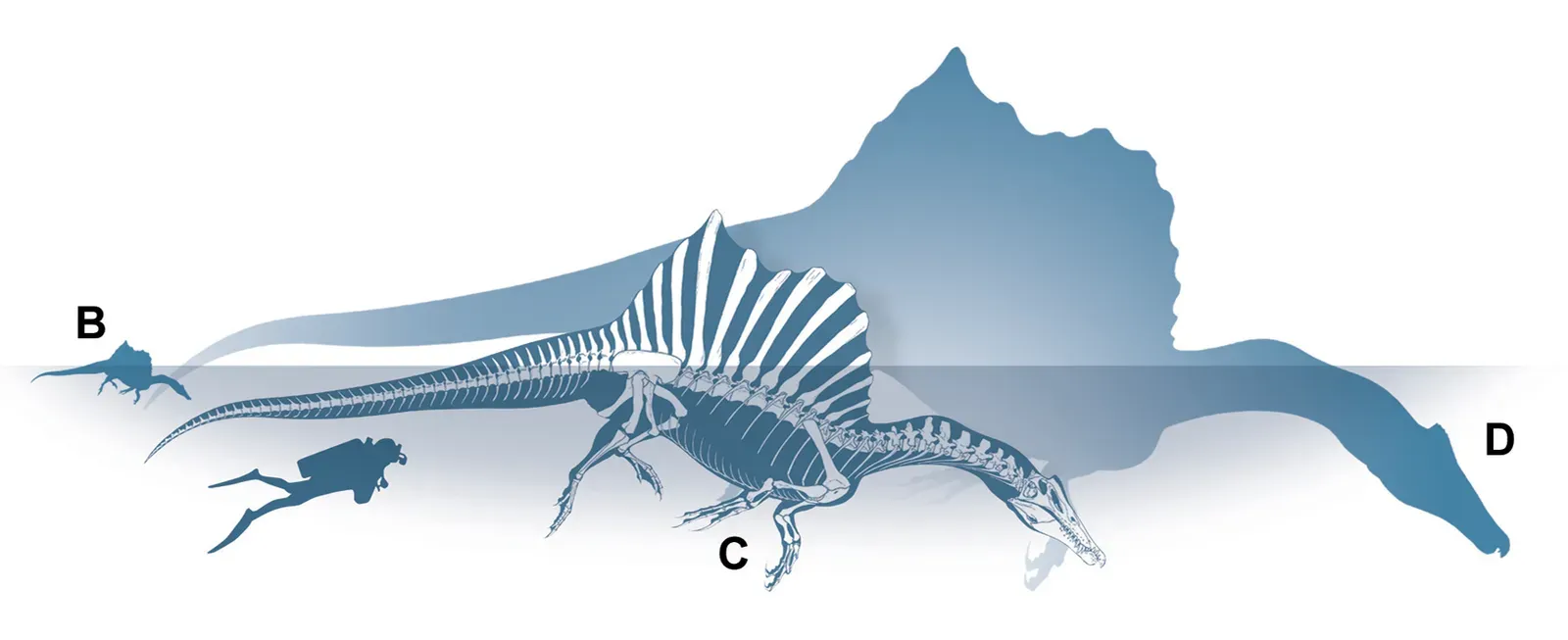
Semiaquatic habits were widespread within the Spinosaurinae, and at least two distinct aquatic spinosaurines inhabited the Cenomanian of North Africa, challenging previous assumptions that non-avian dinosaurs were solely terrestrial. The appearance of giant semiaquatic dinosaurs may have followed the disappearance of giant pholidosaurid crocodylomorphs, suggesting that the extinction of large crocodylomorphs was associated with the rise of dinosaurs as apex predators in the freshwater ecosystem in North Africa. This is almost like watching a corporate merger unfold in slow motion across millions of years. One dominant player exits the market, and another business – in this case an entire dinosaur lineage – rapidly evolves to capture the abandoned territory. Evolution can be startlingly opportunistic.
The Isotope Evidence Theory: Chemistry Locked in Teeth
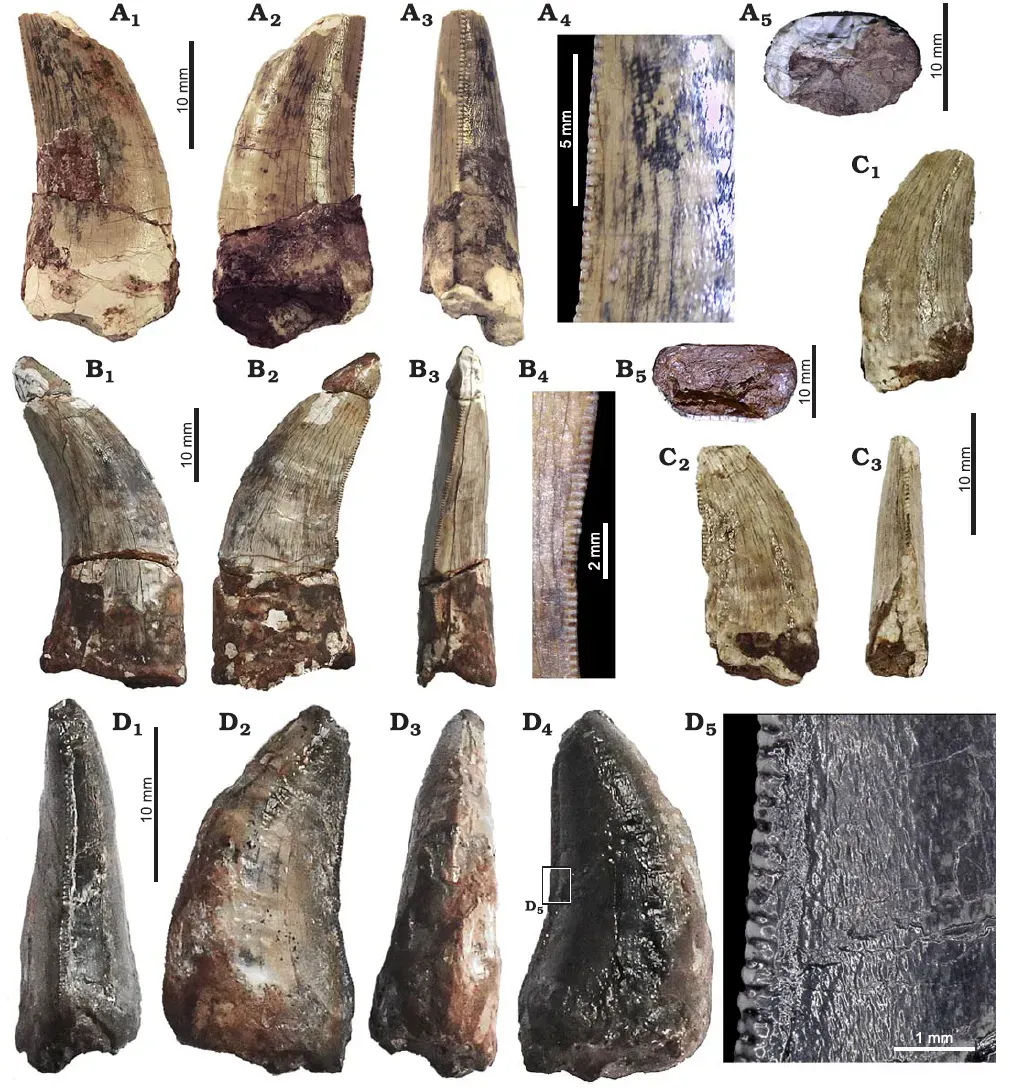
Forget bones for a moment. Some of the most persuasive evidence for why certain dinosaurs gravitated toward aquatic lifestyles is locked inside something far smaller: the chemical composition of their fossilized teeth. It sounds almost absurdly precise, but stable isotope analysis has become one of paleontology’s most powerful tools, capable of revealing where an animal spent its time and what it was eating, even tens of millions of years after the creature died.
Amiot et al. used stable isotope geochemistry analysis of oxygen in the teeth of spinosaurids to show that they must have spent significant time in water and must have included some aquatically derived prey as part of a more generalist diet. Think of it as a kind of prehistoric diary written in atomic ratios rather than words. Chemical analysis of spinosaurid teeth by Romain Amiot and colleagues at the University of Lyon revealed that spinosaurs may have spent a large part of their lives near or in water. Isotope analysis revealed a similar pattern as found in extant reptiles today that are aquatic, such as crocodiles and turtles. The idea that teeth can tell us so much about ancient lifestyles is, honestly, one of the more astonishing things about modern paleontology.
The Thermoregulation Theory: Using Water to Stay Cool
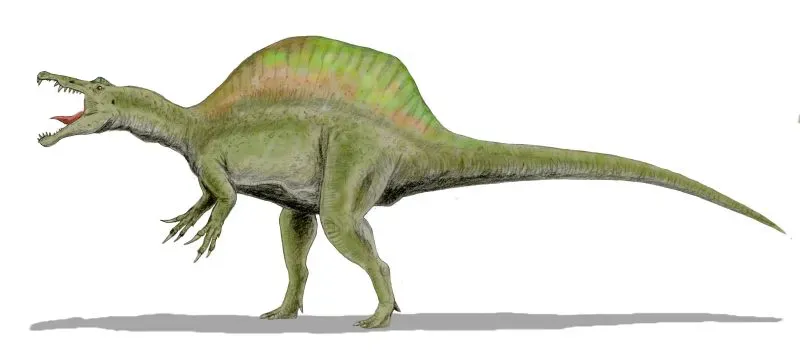
Spinosaurus_BW.jpg: ArthurWeasley, CC BY 2.5)
Here’s a theory that doesn’t get nearly enough attention: what if some large dinosaurs began spending more time in water not to hunt, but simply to cool down? Large body mass generates enormous amounts of metabolic heat, and for a giant predator living under the blazing Cretaceous sun in North Africa, water could have offered something life-saving – a natural thermostat. Over time, this behavioral preference for water could have created selection pressure for anatomical changes that made aquatic life easier.
The function of the sail on Spinosaurus’s back is still a subject of debate among paleontologists. Some theories suggest it was used for temperature regulation, while others believe it might have been a display feature to attract mates or intimidate rivals. If that sail was at least partly a thermoregulatory structure, and the animal was also using water for cooling, you have a creature that may have been pushed toward aquatic habits from multiple directions simultaneously. It’s a layered explanation, and honestly, real biology tends to be layered. Single-cause explanations for complex evolutionary events should always make you a little suspicious.
The Swim Track Evidence Theory: Footprints in the Ancient Water
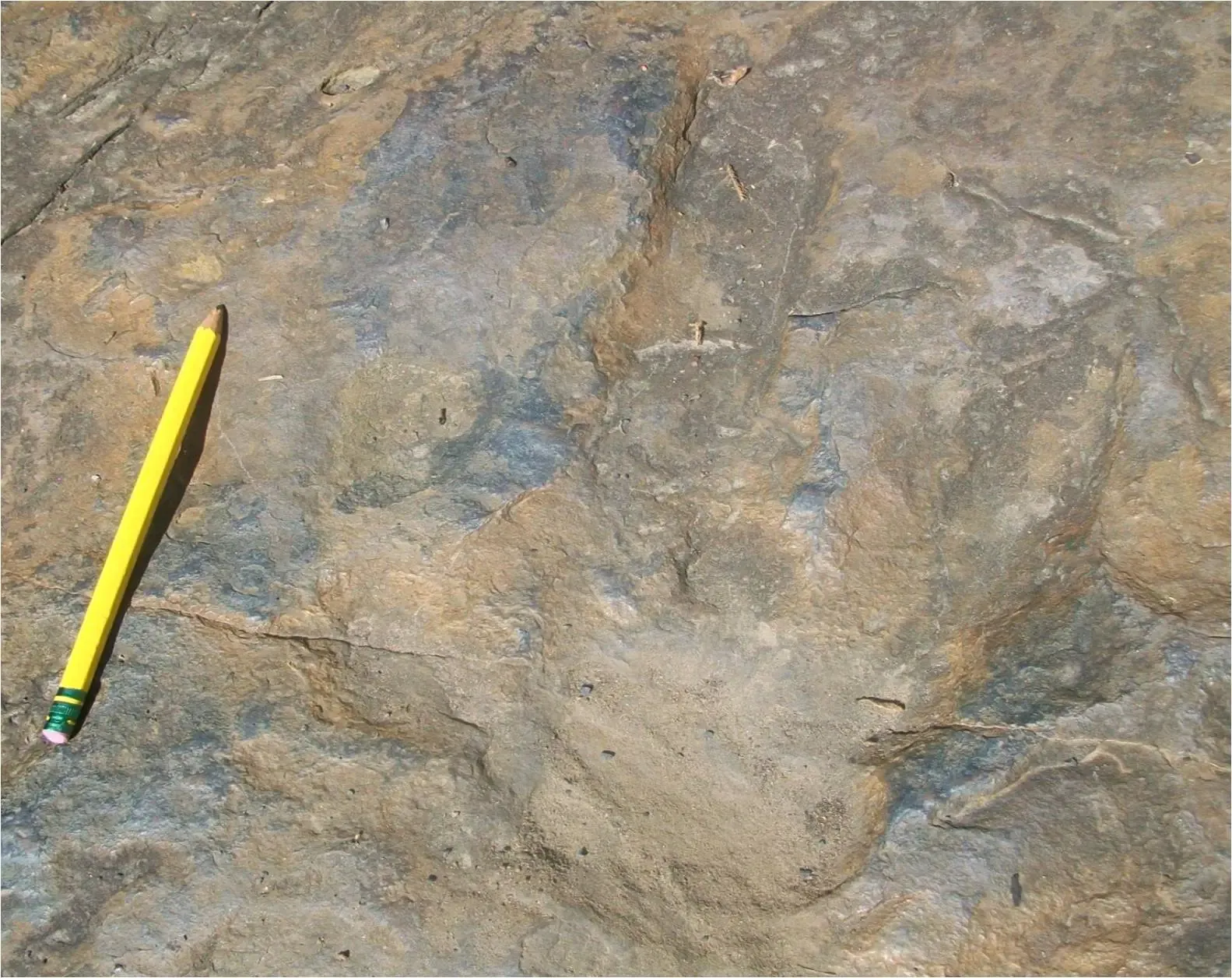
You might assume that proving dinosaurs swam would require dramatic evidence – complete skeletons frozen mid-stroke, or fossilized gills. But nature preserves its secrets in subtler ways. Swim tracks, which are drag marks left by dinosaur feet on the bottoms of ancient shallow water bodies, represent some of the most direct physical evidence that dinosaurs were genuinely entering aquatic environments rather than just standing at the edge.
Scientists have identified special fossils called swim tracks that prove dinosaurs took watery voyages. Swim tracks are distinct drag marks that were preserved in the soft sediment of shallow water bodies. They formed when the toes of a floating dinosaur touched the bottom while swimming. What makes this evidence theory so compelling is its directness. You’re not inferring behavior from bone shapes or chemical signals – you’re looking at the literal moment a dinosaur was in the water. While in or near the water, some dinosaurs preyed on fish and other aquatic animals. Paleontologists have found fossilized dinosaur poop with fish scales in it, and have evidence of some species with teeth specialized for this type of prey. The cumulative weight of this kind of evidence is hard to dismiss.
The Streamlined Body Plan Theory: Engineering for the Water
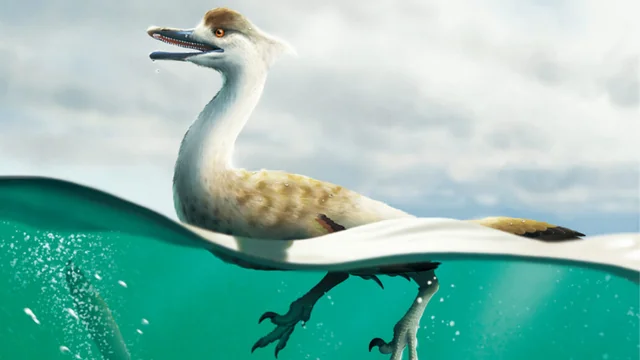
When paleontologists discovered a small Mongolian dinosaur called Natovenator polydontus, it sent something of a quiet shockwave through the field. Here was a non-avian dinosaur with a genuinely streamlined body, ribs angled backward in a way that compressed the torso – exactly the kind of shape you’d engineer from scratch if you wanted a creature to move efficiently through water. The streamlined body plan theory proposes that this kind of anatomical reshaping was a primary driver and marker of aquatic adaptation in dinosaur lineages.
The new specimen includes a well-preserved skeleton with several articulated dorsal ribs that are posterolaterally oriented to streamline the body as in diving birds. Additionally, the widely arched proximal rib shafts reflect a dorsoventrally compressed ribcage like aquatic reptiles. Its body shape suggests that Natovenator was a potentially capable swimming predator, and the streamlined body evolved independently in separate lineages of theropod dinosaurs. This is remarkable because it means you’re seeing the same engineering solution arise in two separate dinosaur lineages, completely independently. It’s evolution essentially running the same experiment twice and arriving at the same answer. The physics of water doesn’t negotiate.
The Skull and Sensory Adaptation Theory: Eyes on Top, Nose Up High
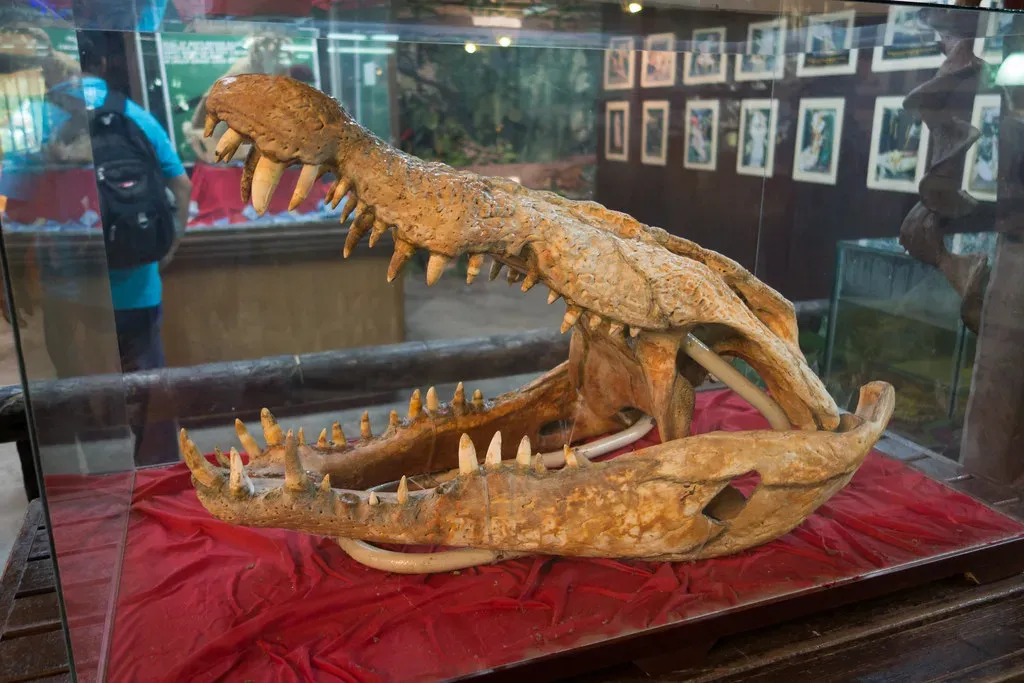
Take a good look at a crocodile or a hippo. Notice where the eyes and nostrils sit? High on the skull, positioned so the animal can see and breathe while nearly completely submerged. This is not an accident – it’s a precise adaptation for semi-aquatic ambush predation. Fascinatingly, some dinosaurs appear to have developed the exact same anatomical arrangement, and the sensory adaptation theory argues this was a key driver and indicator of aquatic evolutionary pressure.
Elevated orbits and bending of the frontals placed the eyes atop the skull, as in semiaquatic animals such as crocodiles and hippos. Semiaquatic habits are also suggested by the retracted nostrils, which would have allowed the animal to breathe while partially submerged, and by stable isotope analyses of tooth enamel. These are not vague anatomical similarities – they’re specific, functional adaptations that only make sense in an aquatic or semi-aquatic context. Recent research has suggested that some spinosaurs were adapted to life in water, with features such as elongated snouts, nostrils located higher up on the skull, and conical teeth that were ideal for catching fish. These adaptations are similar to those seen in modern-day crocodiles, which are also semi-aquatic predators. The parallel to living animals makes this one of the most intuitively compelling theories of all.
The Wading Generalist Theory: The Best of Both Worlds
Not every theory about dinosaur aquatic adaptation involves fully committing to the deep end. The wading generalist theory takes a more measured, and in some ways more scientifically cautious, position: that certain dinosaurs developed partial aquatic adaptations not because they were becoming full-time aquatic hunters, but because being versatile – equally capable on land and in shallow water – gave them a significant survival advantage. Think of a grizzly bear fishing at a salmon run. It’s not a fish, but it’s very good at catching them.
Spinosaurus is therefore best interpreted as a shoreline generalist based on the available information. Capable of capturing both aquatic and terrestrial prey, and perhaps an opportunistic scavenger, adult Spinosaurus likely took aquatic prey by standing in shallow water or at the margins of water bodies. This interpretation is nuanced and, honestly, probably closer to the messy reality of how evolution actually works. Charig and Milner noted the gharial-like aspects of the skull and dentition of Baryonyx, and proposed that Baryonyx was wading in the shallows snatching fish with its specialized jaws. The very robust arms and manual claws of Baryonyx were also suggested as another way for the animal to procure aquatic prey without having to become fully immersed, similar to modern grizzly bears. The generalist approach may be less dramatic than imagining a dinosaur plunging into deep water, but in terms of evolutionary strategy, flexibility is often the most powerful adaptation of all.
Conclusion: A Mystery Still Being Written
What becomes clear after diving into all of these theories is that there is no single, clean answer. The reasons were likely a messy, overlapping tangle of food availability, ecological opportunity, body temperature management, and the relentless pressure of survival. Evolution doesn’t follow a script, and the fossil record, as fascinating as it is, will always leave gaps that researchers debate passionately.
Through their remarkable adaptations and diverse lifestyles, marine dinosaurs left a significant impact on the biodiversity of the Mesozoic era. Ongoing research in paleontology continues to uncover new discoveries, providing further insights into the evolution and behavior of these extraordinary ancient creatures. Every new fossil found, every new isotope analysis completed, and every new bone density study published has the potential to reshape what you think you know.
The story of dinosaur aquatic adaptation is ultimately a story about life’s breathtaking refusal to stay put – about creatures at the edge of land and water, being reshaped grain by grain, generation by generation, by forces they could not understand. What do you find most surprising about these theories? Drop your thoughts in the comments below.