Mammals are everywhere today. They swim, fly, dig, run, and occasionally, like us, spend too long staring at screens. Yet for most of Earth’s history, their ancestors were nervous little creatures hiding in the shadows of giants. The story of how that changed is one of the most riveting in all of natural science, written not in text but in bone, tooth, and stone.
The fossil record is far from complete. Paleontologists often work from fragments, a jaw here, a few teeth there, a crushed skull from some compressed ancient riverbed. Yet what they’ve assembled from those pieces over the past century is genuinely breathtaking. Each major find seems to rewrite a chapter that scientists thought was already closed.
1. The Oldest Known Mammal: Brasilodon Changes the Starting Line
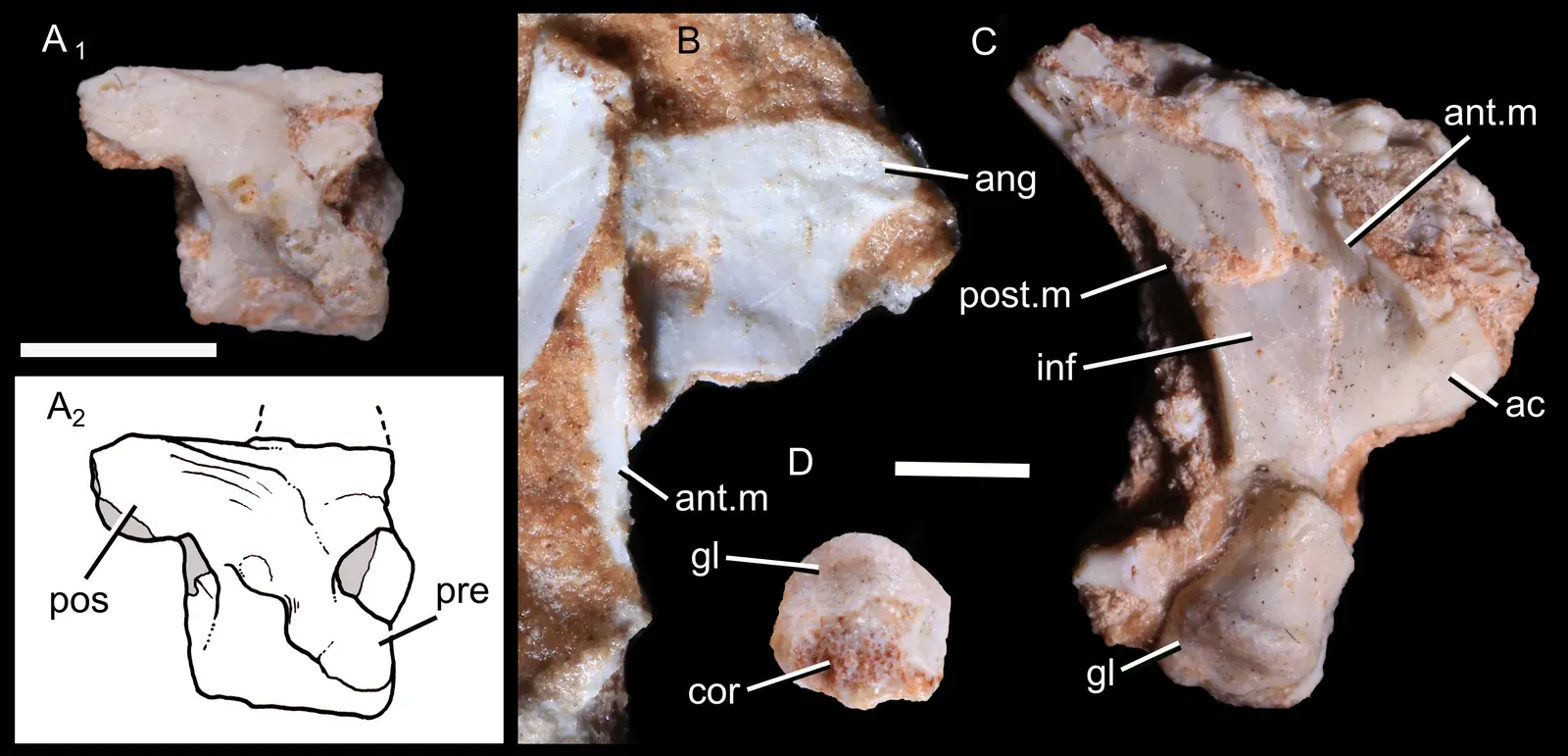
For a long time, the story of mammals was thought to begin with Morganucodon, a tiny shrewlike creature whose oldest fossils dated back roughly 205 million years. Then came Brasilodon quadrangularis, a small animal barely 20 centimeters long, whose fossil dental records pushed mammalian origins back dramatically.
Fossil records of Brasilodon date back 225 million years, predating Morganucodon, the previously confirmed first mammal, by approximately 20 million years. The tiny animal existed at the same time as some of the oldest dinosaurs and sheds light on the evolution of modern mammals. What makes this discovery especially significant is how the identification was made. Mammalian glands that produce milk have not been preserved in any fossils found to date, so scientists have had to rely on mineralised bone and teeth for alternative clues.
The dental records date to 225 million years ago, during the Late Triassic, 25 million years after the Permian-Triassic mass extinction event that led to the extinction of roughly 70 percent of terrestrial vertebrate families. For you as someone interested in the deep past, this discovery doesn’t just move a date on a timeline. It places the origin of our entire mammalian lineage at a moment of planetary recovery, suggesting that mammals arose not during a time of stability, but right out of catastrophe.
2. Mammals and the Jaw That Learned to Hear
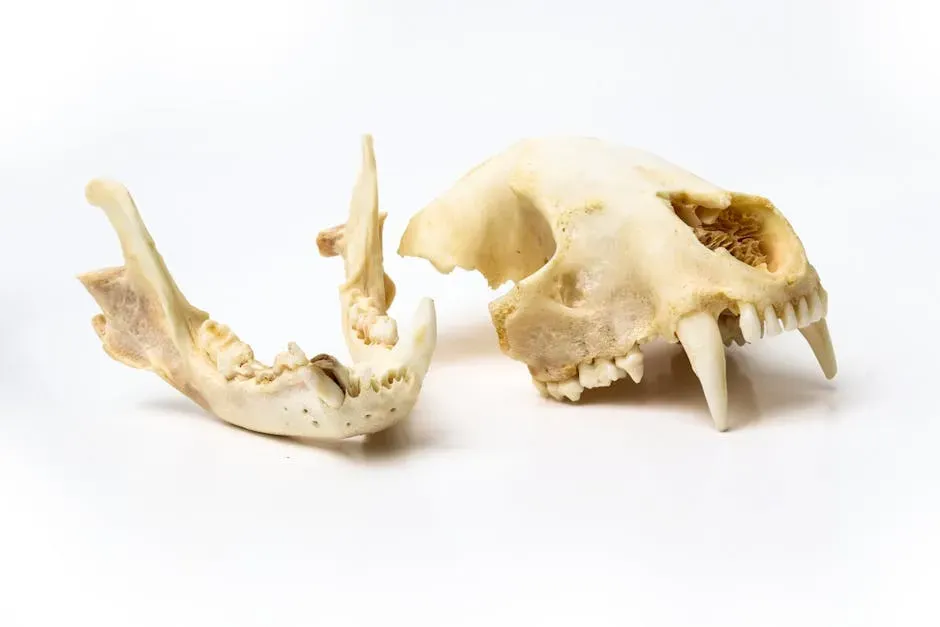
One of the most jaw-dropping transitions in vertebrate evolution, quite literally, is the way mammalian ear bones evolved from ancient jaw bones. For decades scientists knew this had happened, but the actual fossil evidence showing the process in action was frustratingly sparse. That changed with the discovery of two Jurassic-era species in China.
New insights into mammalian tooth, jaw, and ear evolution, gleaned from analyzing fossils of two Jurassic-era mammal species from China, are reshaping how scientists think about early mammals. Two studies published in the journal Nature, both led by scientists at the American Museum of Natural History and the Chinese Academy of Sciences, focus on two new species of fossil mammals that offer new evidence about early mammalian evolution.
The modern mammalian middle ear, which gives modern mammals the sharpest hearing on Earth, has three bones. This feature is unique to mammals; reptiles and birds only have one middle-ear bone. The transition captured in these Chinese fossils is remarkable. Analyses of the older fossil, Dianoconodon youngi, which dates back to between 201 and 184 million years ago, show that one of its two jaw joints was starting to lose its ability to handle the forces created by chewing. The more recent specimen, Feredocodon chowi, already had a mammal middle ear, formed and adapted exclusively for hearing. You can think of it as evolution repurposing old tools for an entirely new job.
3. The Brasilodon to Synapsid Line: Our Reptilian Starting Point
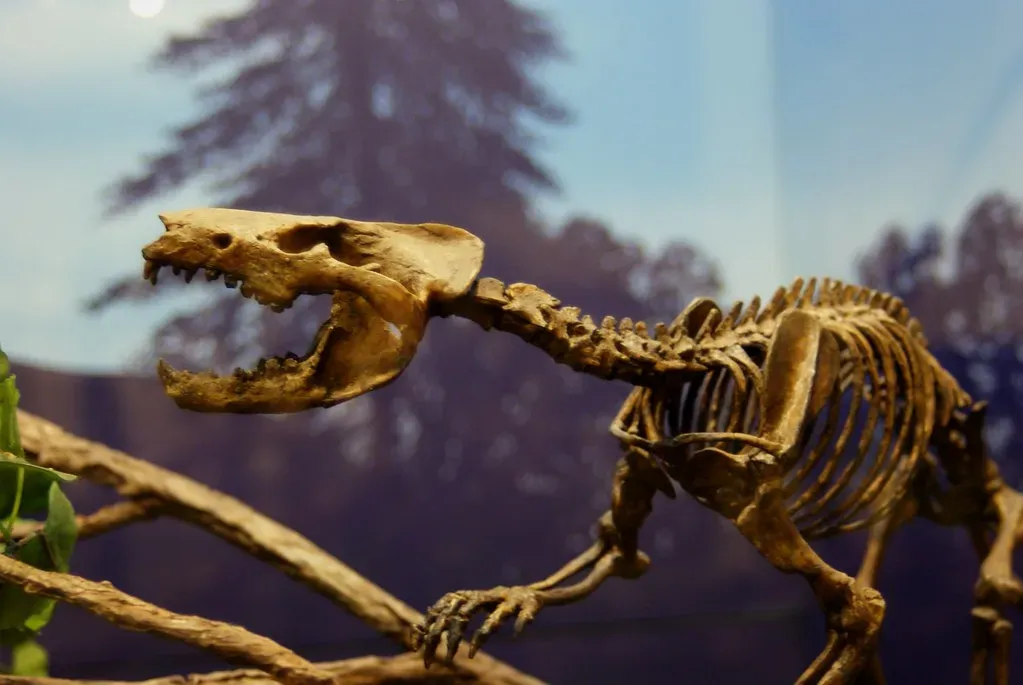
Before there were mammals at all, there were synapsids, sometimes called mammal-like reptiles. These creatures looked far more like lizards than anything you’d recognize today, yet they were our direct ancestors. A remarkable fossil from Nova Scotia’s Joggins Fossil Cliffs helped sharpen our understanding of just how far back that lineage really goes.
Over 300 million years ago, our ancestors diverged from the ancestors of reptiles and began the evolutionary journey towards becoming mammals. The group known as synapsids, described as mammal-like reptiles, looked much more like reptiles but could be distinguished by a single large opening in the cheek, likely for jaw muscles. Identifying them among other ancient creatures is trickier than you might expect.
The original confusion between species highlights how subtle the differences were between early mammal ancestors and early reptiles. Asaphestera platyris provides the oldest evidence of mammal-like reptiles in the fossil record, establishing a firm date for their diversification around 315 million years ago. That’s a staggering deep time anchor. When you realize that synapsids were already thriving 315 million years ago, the full arc of mammalian evolution starts to feel less like a single story and more like an entire library.
4. After the Asteroid: Mammals Explode Into Diversity
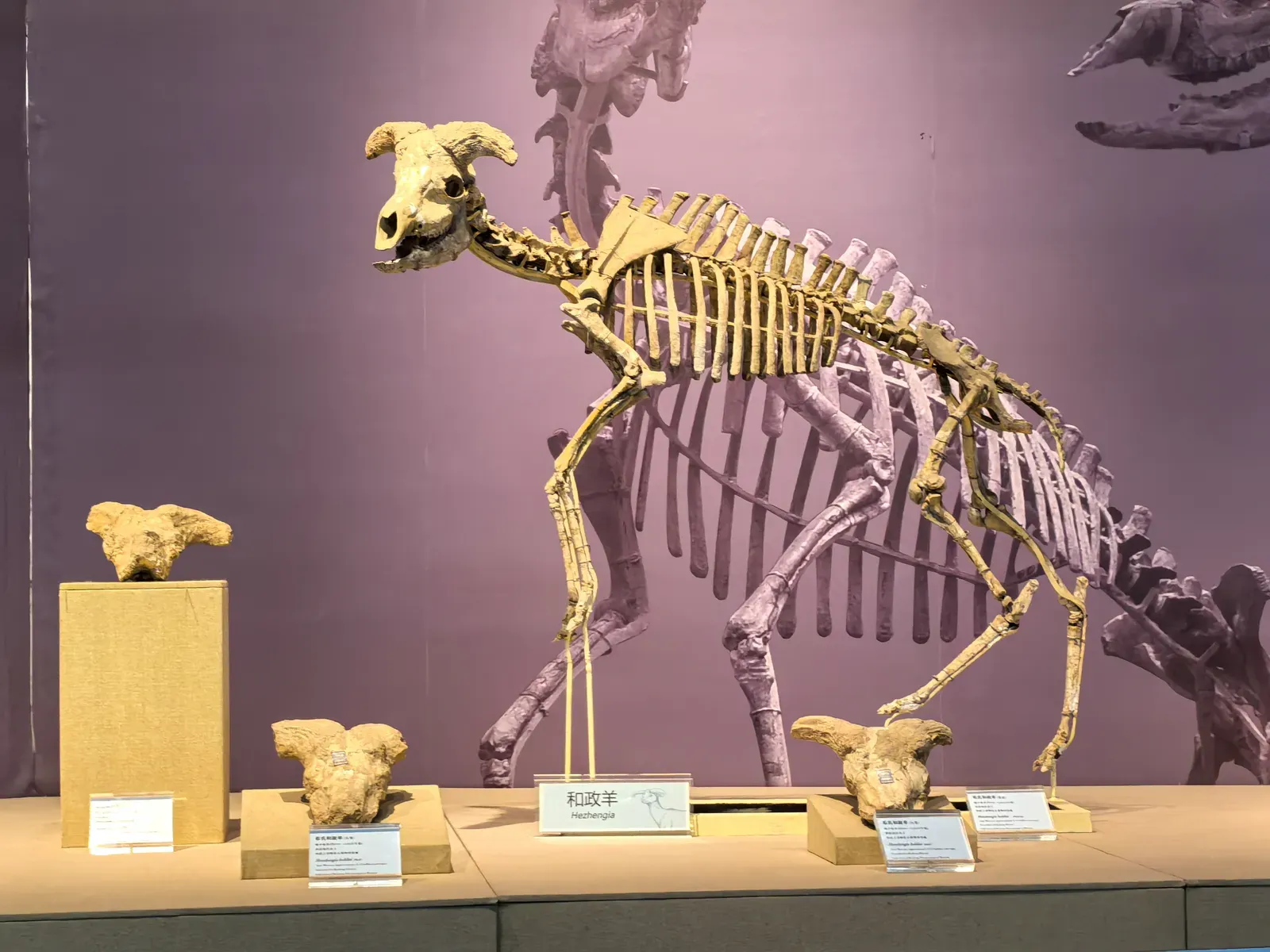
The extinction of non-avian dinosaurs 66 million years ago is often described as the moment mammals got their chance. That’s broadly true, but the pace of what followed was far faster than scientists once assumed. A key discovery from the Corral Bluffs site in Colorado helped put a precise timeline on that explosive burst of diversification.
Scientists discovered three new species of ancient creatures from the dawn of modern mammals that hint at rapid evolution immediately after the mass extinction of the dinosaurs. Research published in the Journal of Systematic Palaeontology describes these creatures, which roamed North America during the earliest Paleocene Epoch, within just a few hundred thousand years of the Cretaceous-Paleogene boundary.
The discovery of extensive plant and animal fossils allows a more detailed picture of how mammals arose after the demise of the dinosaurs 66 million years ago. More than 70 million years ago, dinosaurs ruled the Earth and the furry ancestors of mammals were little more than prey. This all changed dramatically when 66 million years ago an asteroid impacted Earth. The resulting climate change drove the large dinosaurs to extinction and created large ecological niches for mammals to rapidly evolve and take over. What the Colorado fossils showed was that this takeover wasn’t slow and cautious. It was swift, almost opportunistic, mammals surging into every available niche with surprising speed.
5. Paraceratherium: The Discovery That Revealed What Land Mammals Could Become
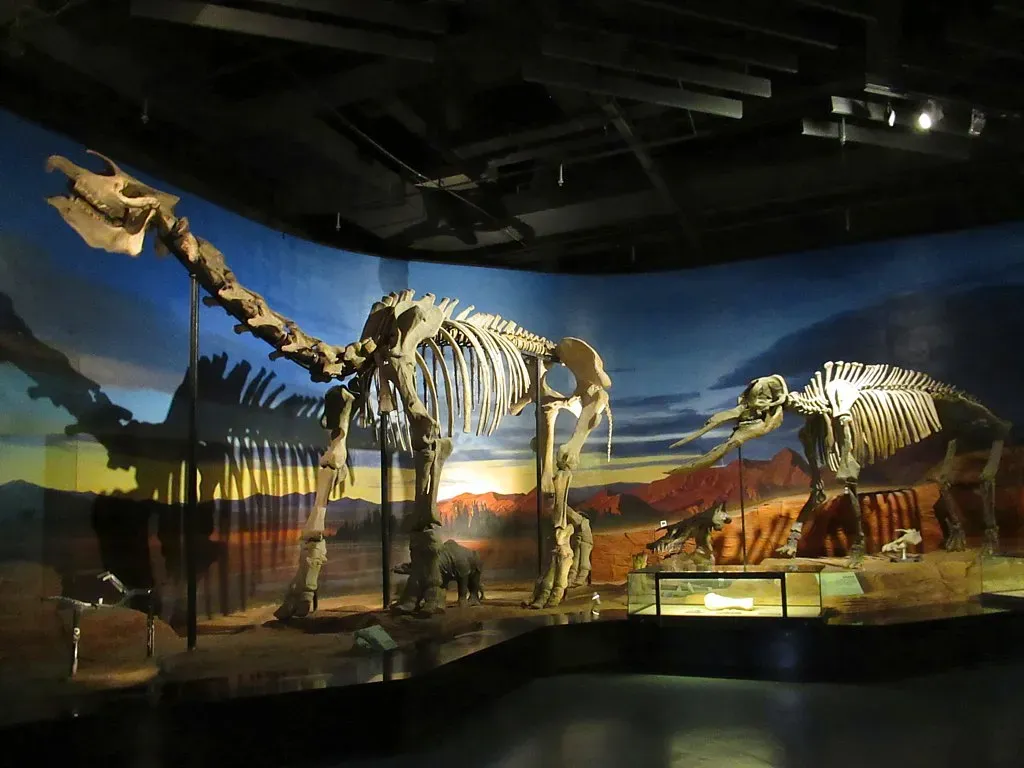
If you want a single creature to illustrate just how extreme mammalian evolution can get, look no further than Paraceratherium. This hornless relative of modern rhinoceroses holds a claim that still stuns researchers today. Paraceratherium was one of the largest land mammals that ever lived, a giant hornless rhinoceros from the Oligocene epoch. It could reach heights of over 16 feet at the shoulder and weigh up to 20 tons.
A remarkable fossil discovery in northwest China reignited scientific debate about the largest land mammal to ever exist. The ancient giant rhino, Paraceratherium linxiaense, earned renewed attention due to the discovery of a remarkably well-preserved skull and jaw. This long-extinct behemoth, a distant relative of modern rhinoceroses, lived approximately 26.5 million years ago and towered over anything currently living on land.
Paraceratherium lived across a vast range of habitats. Fossils have been found in more than a dozen countries, including Pakistan, India, Kazakhstan, China, Mongolia, and Romania. This distribution reflects its ability to adapt to different climates, from subtropical forests to dry grasslands. The late Oligocene epoch in central Asia was rich in forests, open woodlands, and river valleys, environments which allowed large herbivores to flourish. The giant rhino’s long neck would have helped it graze from tall trees, much like giraffes do today. For you, the takeaway is this: evolution didn’t just tinker at the margins after the dinosaurs vanished. It produced animals of almost incomprehensible scale.
6. Multituberculates and the Rugosodon Discovery: The Original Rodent-Like Survivors
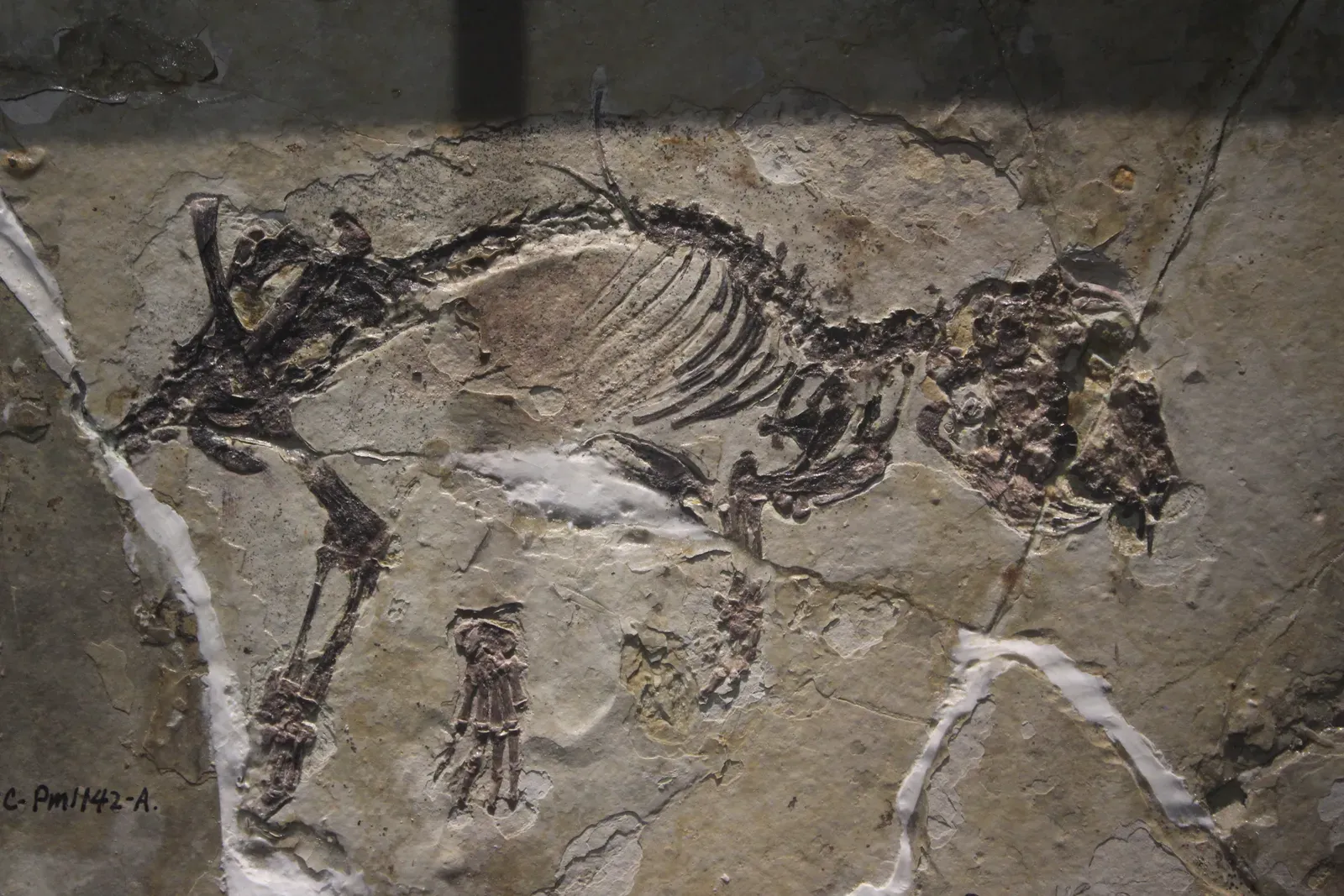
Long before mice and squirrels existed, a group of small furry mammals called multituberculates filled exactly the same ecological roles. They gnawed, burrowed, and proliferated across the Mesozoic landscape for an extraordinarily long time. The discovery of Rugosodon, an early multituberculate from China, finally gave scientists a complete picture of where this wildly successful group originated.
While the extinction of the dinosaurs 66 million years ago marked the beginning of the age of the mammals, early mammalian species were flourishing long before. Of these ancestral groups, the most prolific were the multituberculates, mammals characterized by numerous tiny bumps or cusps on their back teeth. Occupying similar environmental niches to modern rodents, multituberculates possessed a continuous fossil record from around 170 million years ago until their extinction around 35 million years ago. They lived and thrived alongside the dinosaurs for more than 100 million years, and outlived them by another 30 million years.
Multituberculates were the first important mammal group to occupy an herbivorous niche. They were able to exploit a part of the ecosystem that was not accessible to many other vertebrates, including other Mesozoic mammals. The Rugosodon fossil, now held at the Beijing Museum of Natural History, showed just how versatile their ankle joints were, capable of rotating to allow the creature to climb trees and descend headfirst. Modern paleontology has made significant strides in uncovering the secrets of prehistoric mammals. Advances in excavation techniques, radiometric dating, and DNA analysis have provided unprecedented insights into these ancient species.
7. Giant Camels of the Arctic: When a Desert Animal Came from the Cold
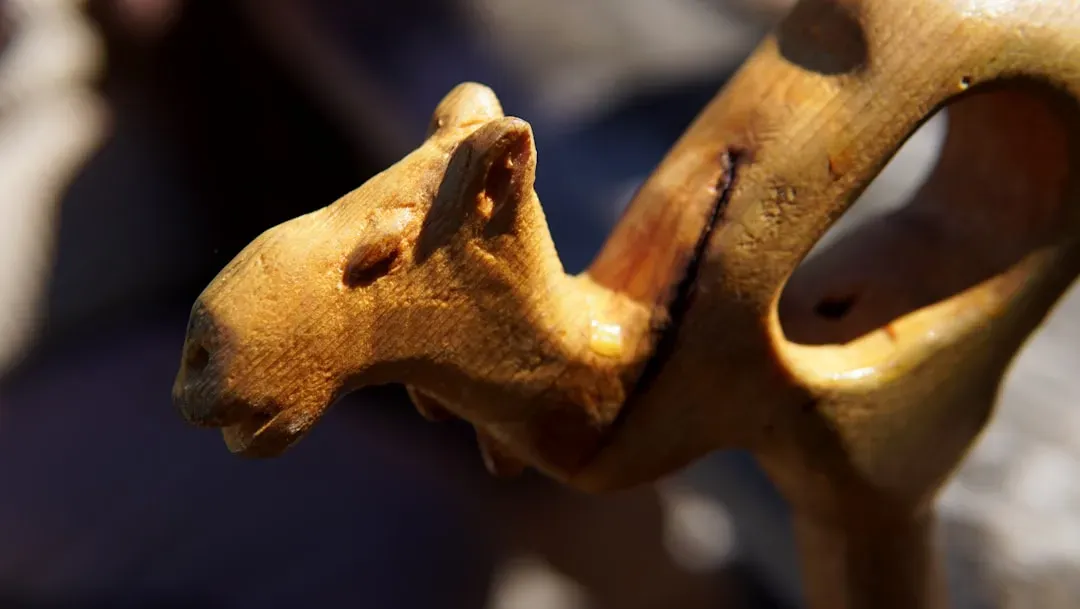
Most people picture camels plodding across baking sand dunes. The idea that their ancestors once roamed the frozen forests of the Canadian Arctic sounds almost absurd. Yet that is precisely what the fossil evidence from Ellesmere Island suggests, and it rewrites the entire origin story of one of the world’s most recognizable animals.
A research team led by the Canadian Museum of Nature identified the first evidence for an extinct giant camel in Canada’s High Arctic. The discovery is based on 30 fossil fragments of a leg bone found on Ellesmere Island, Nunavut, and represents the most northerly record for early camels, whose ancestors are known to have originated in North America some 45 million years ago. Considering the proportions of the bone fragments, the camel was a giant, probably about 2.7 meters tall at the shoulder, almost 30 percent larger than its modern relatives.
Camels originated in North America and dispersed to Eurasia via the Bering Isthmus, an ephemeral land bridge linking Alaska and Russia. The results suggest that the evolutionary history of modern camels can be traced back to a lineage of giant camels that was well established in a forested Arctic. What this means for you is a radical rethink of adaptation. The discovery sheds new light on modern camels, and researchers suggest that some specializations seen in modern camels, such as their wide flat feet, large eyes, and humps for fat, may be adaptations derived from living in a polar environment. The desert, it turns out, may have come second.
8. Proto-Mammal Fur and the Megaconus Discovery: Warm Coats Before True Mammals
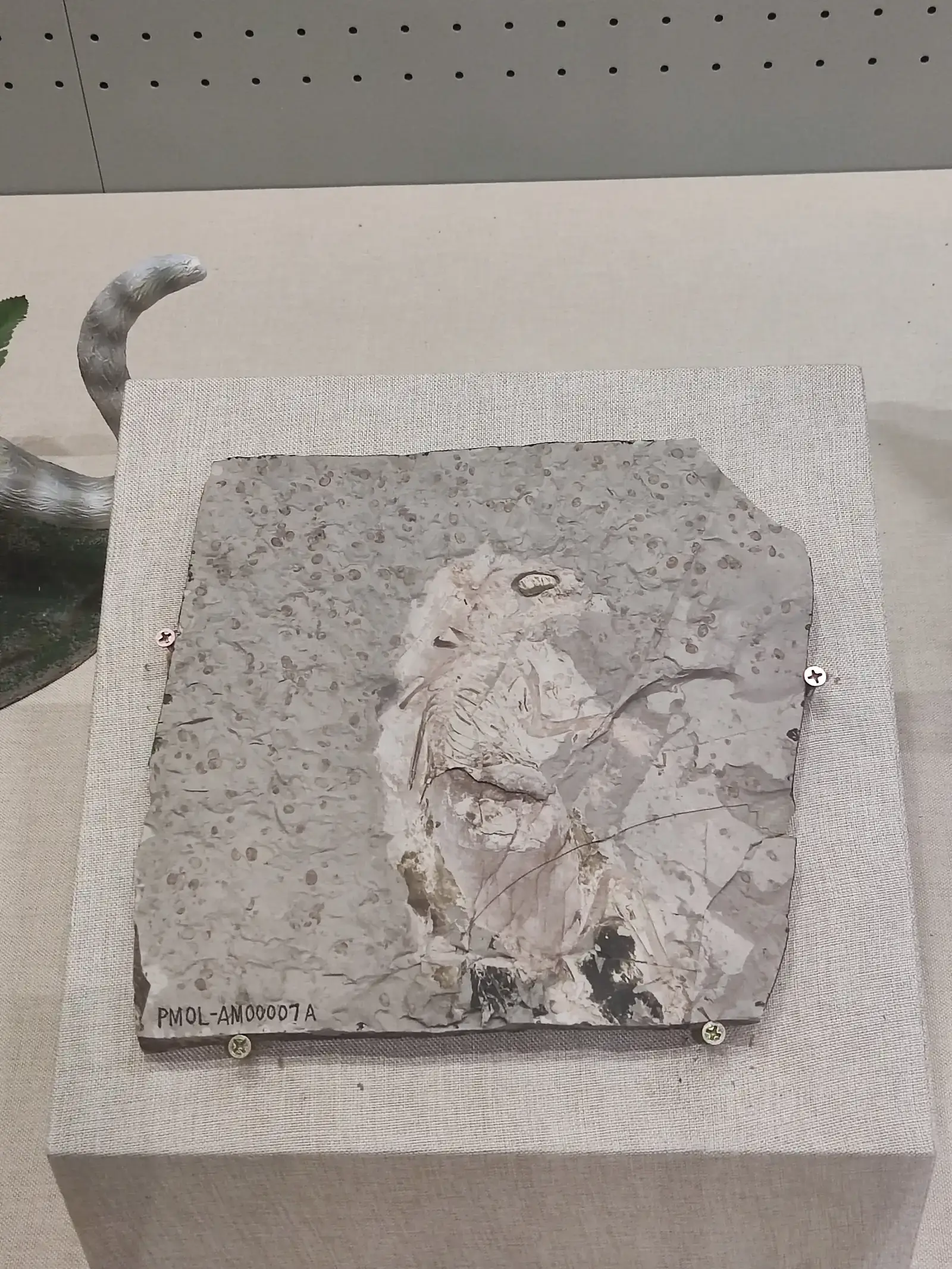
Hair and fur are among the defining characteristics of modern mammals, but scientists long debated when exactly this trait first appeared. A 165-million-year-old fossil called Megaconus mammaliaformis, unearthed in China, provided one of the most striking answers yet. This wasn’t quite a true mammal, but it was already wearing one of their most important features.
A newly discovered fossil reveals the evolutionary adaptations of a 165-million-year-old proto-mammal, providing evidence that traits such as hair and fur originated well before the rise of the first true mammals. Scientists described the biological features of this ancient mammalian relative, named Megaconus mammaliaformis. Preserved in the fossil is a clear halo of guard hairs and underfur residue, making Megaconus only the second known pre-mammalian fossil with fur. It was found with sparse hairs around its abdomen, leading the team to hypothesize that it had a naked abdomen.
On its heel, Megaconus possessed a long keratinous spur, which was possibly venomous. Similar to spurs found on modern egg-laying mammals such as male platypuses, the spur is evidence that this fossil was most likely a male member of its species. A terrestrial animal about the size of a large ground squirrel, Megaconus was likely an omnivore, possessing clearly mammalian dental features and jaw hinge. For you, this creature represents something profound: the mammalian body plan was being assembled piece by piece, long before the blueprint was finished. Fur arrived before true mammals did.
Conclusion: The Fossil Record Is Still Writing Its Own Story
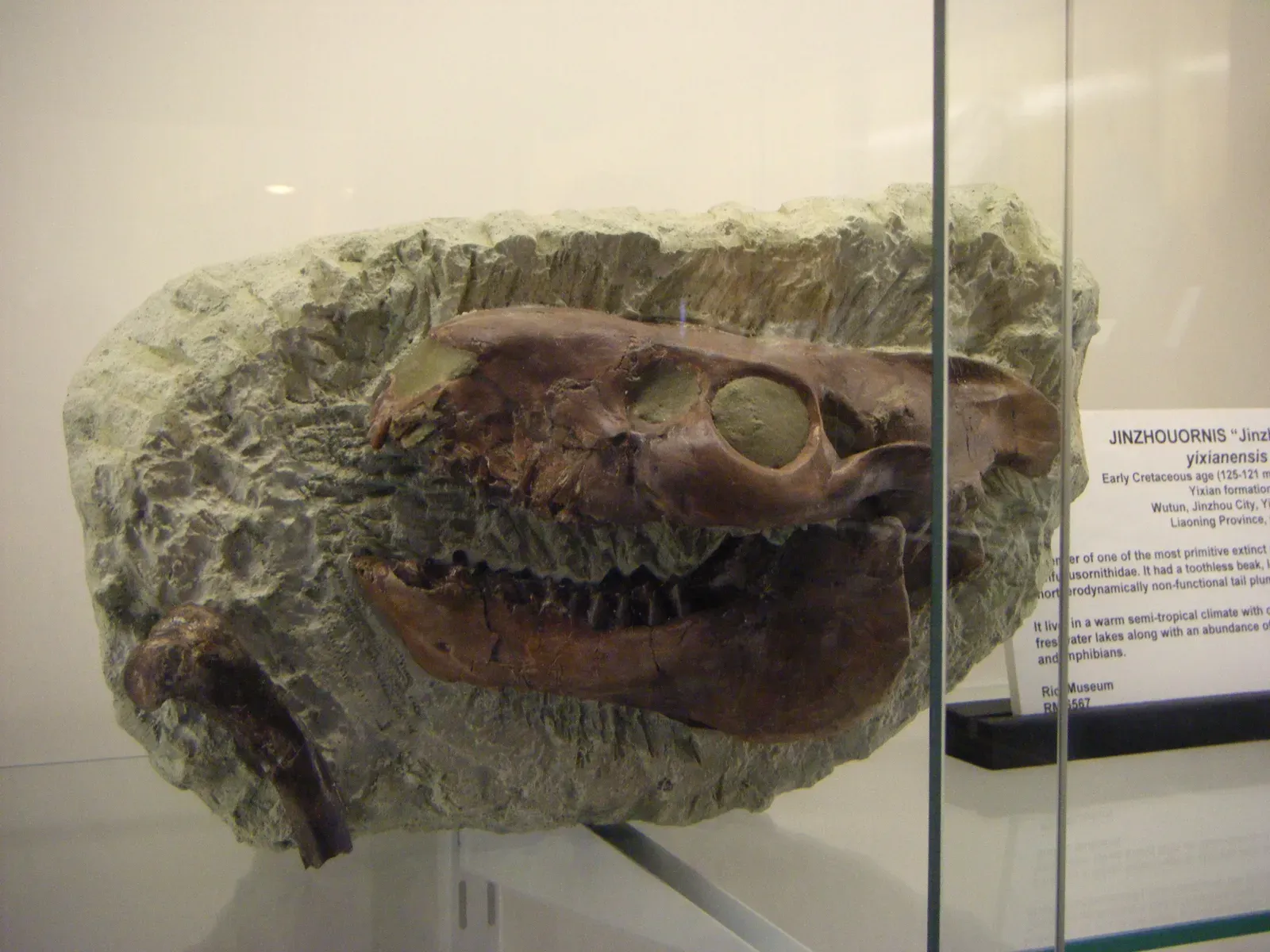
Uploaded by FunkMonk, CC BY 2.0)
Each of these eight discoveries shifted something in the scientific consensus. Not dramatically, not overnight, but in that slow and steady way that real knowledge accumulates. A jaw fragment from Brazil. A leg bone from the frozen Canadian north. A tiny spur on a Chinese proto-mammal’s heel. Individually, these fragments seem minor. Together, they trace one of the most complex evolutionary journeys in the history of life on land.
For many years, fossils of Mesozoic mammals and their immediate ancestors were scarce and fragmentary. However, since the mid-1990s, numerous significant discoveries, particularly in China, have greatly expanded knowledge in this area. Recently there have been many spectacular fossil discoveries in countries like China, India, and Madagascar, and these regions will likely continue to produce exciting fossils for the foreseeable future.
The remarkable thing about mammalian evolution isn’t the size of Paraceratherium or the surprise of Arctic camels, though both are extraordinary. It’s the underlying resilience of the lineage itself. Survived a mass extinction 252 million years ago. Outlived the dinosaurs. Spread to every continent. Gave rise to us. Whatever comes next in the fossil record, it seems fair to say that mammals have always been full of surprises.