Most people think of the Grand Canyon or Monument Valley when the Southwest comes to mind. Dramatic, yes. Prehistoric, absolutely. But the region holds far more than its postcard-famous landscapes. Beneath the canyon rims and across the high desert mesas, you’ll find the quiet remains of civilizations that flourished for centuries before Europe had even heard of this continent.
This area, which includes the current states of Colorado, Arizona, New Mexico, Utah, and Nevada, as well as parts of northern Mexico, has seen successive prehistoric cultural traditions for at least 12,000 years. Most visitors walk right past the evidence. The ten sites below aren’t the ones you’ll find on every travel itinerary, and that’s precisely what makes them worth knowing about.
Chimney Rock National Monument, Colorado
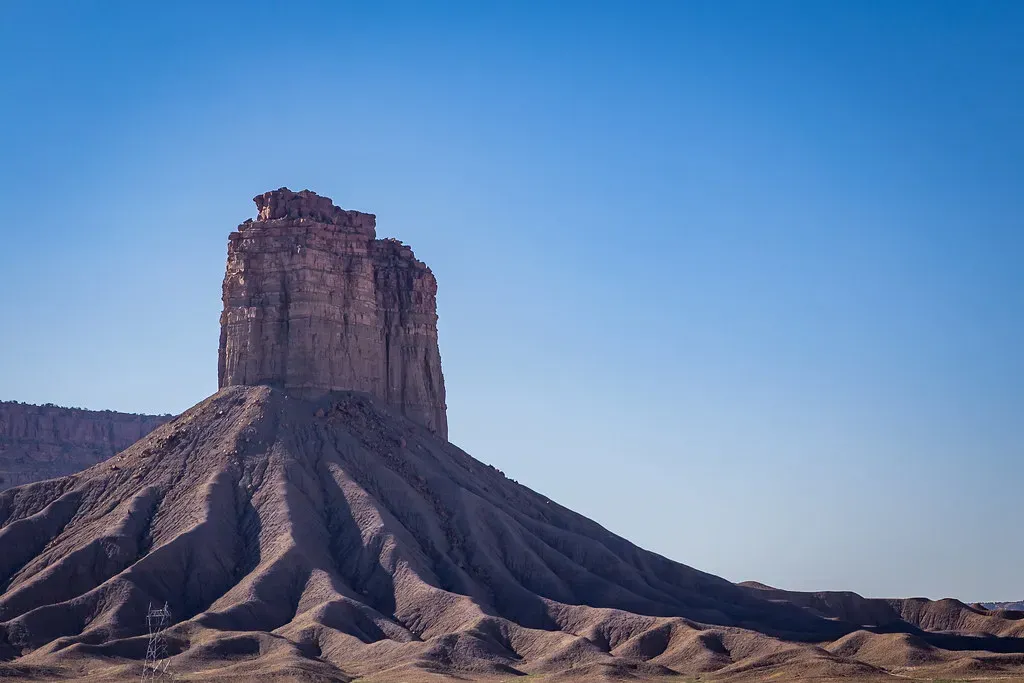
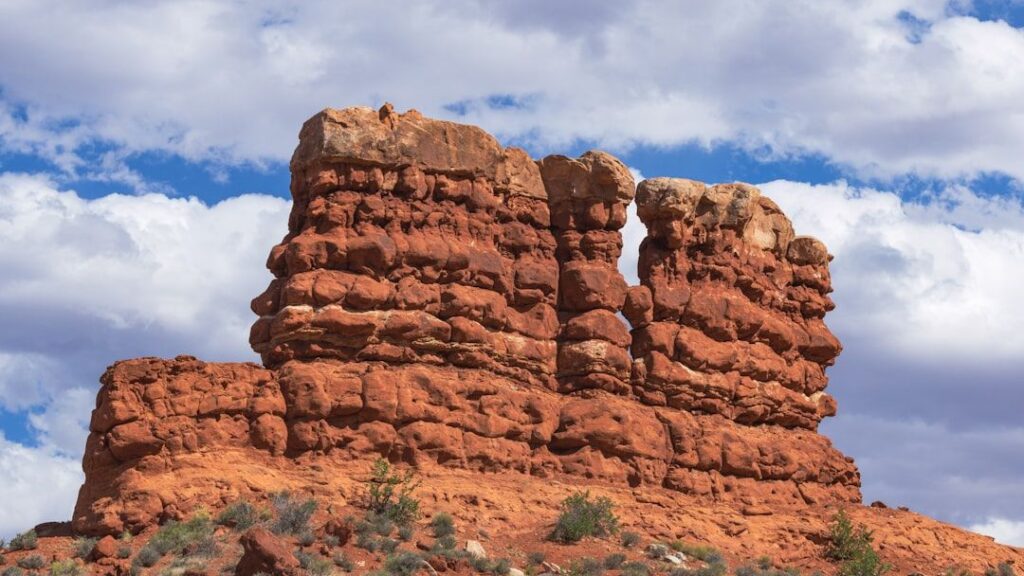
Chimney Rock is an intimate, off-the-beaten-path archaeological site located at the southern edge of the San Juan Mountains in southwestern Colorado, set within the breathtaking San Juan National Forest. You might be surprised to learn that this place is also one of the most astronomically significant prehistoric sites in the country. The Great House Pueblo here sits perched between two massive stone spires, and researchers believe it was deliberately positioned to observe the rare “lunar standstill,” when the moon rises between those twin pinnacles.
Chimney Rock covers seven square miles and preserves 200 ancient homes and ceremonial buildings, some of which have been excavated for viewing and exploration, and it sits at about 7,000 feet above sea level, making it the highest of all the Chacoan sites. The Great House at Chimney Rock is on the northeast edge of the Anasazi culture and is an indisputable example of Chacoan-style architecture. For anyone drawn to the intersection of astronomy and ancient building, this place delivers something genuinely rare.
Gila Cliff Dwellings National Monument, New Mexico
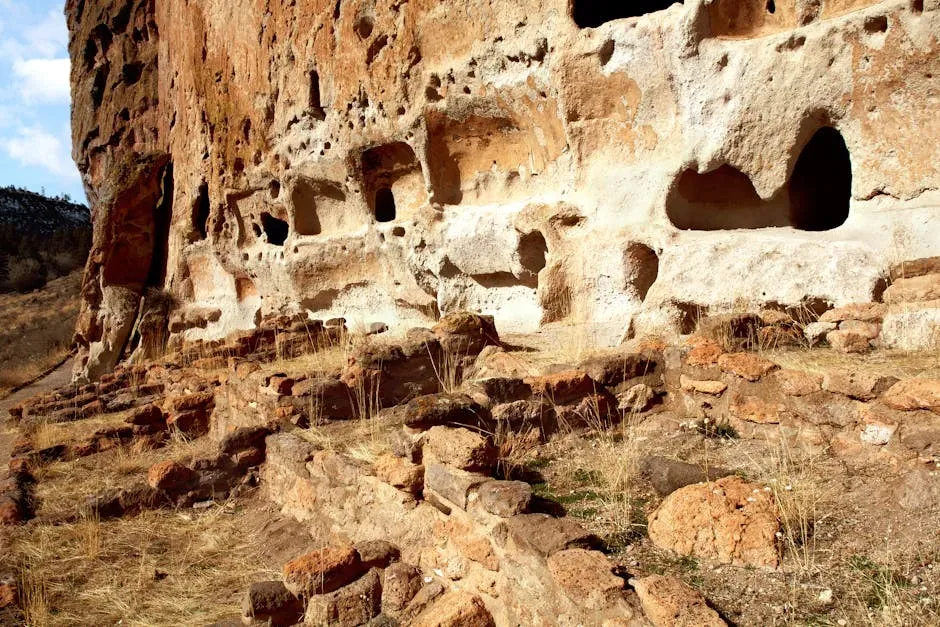
Gila Cliff Dwellings National Monument is located in the Gila Wilderness within the Gila National Forest in southwestern New Mexico, and it contains several archaeological sites from the Mogollon culture, including the ruins of interlinked cave dwellings built in five cliff alcoves by the Mogollon peoples who lived there from between 1275 and 1300 CE. The site sits at the end of a long, winding drive through spectacular wilderness country, which keeps the crowds thin and the atmosphere genuinely remote.
The builders used mortar in constructing the walls of their homes, and handprints of the ancient builders can still be seen in some places, while archaeologists have identified 46 rooms in the five caves and believe they were occupied by somewhere between 10 and 15 families. For thousands of years, groups of nomads used the caves above Cliff Dweller Creek as temporary shelter, before, in the late 1200s, people of the agricultural Mogollon culture made it a more permanent home. Standing inside those caves and finding a literal handprint in the mortar is something you won’t forget.
Wupatki National Monument, Arizona
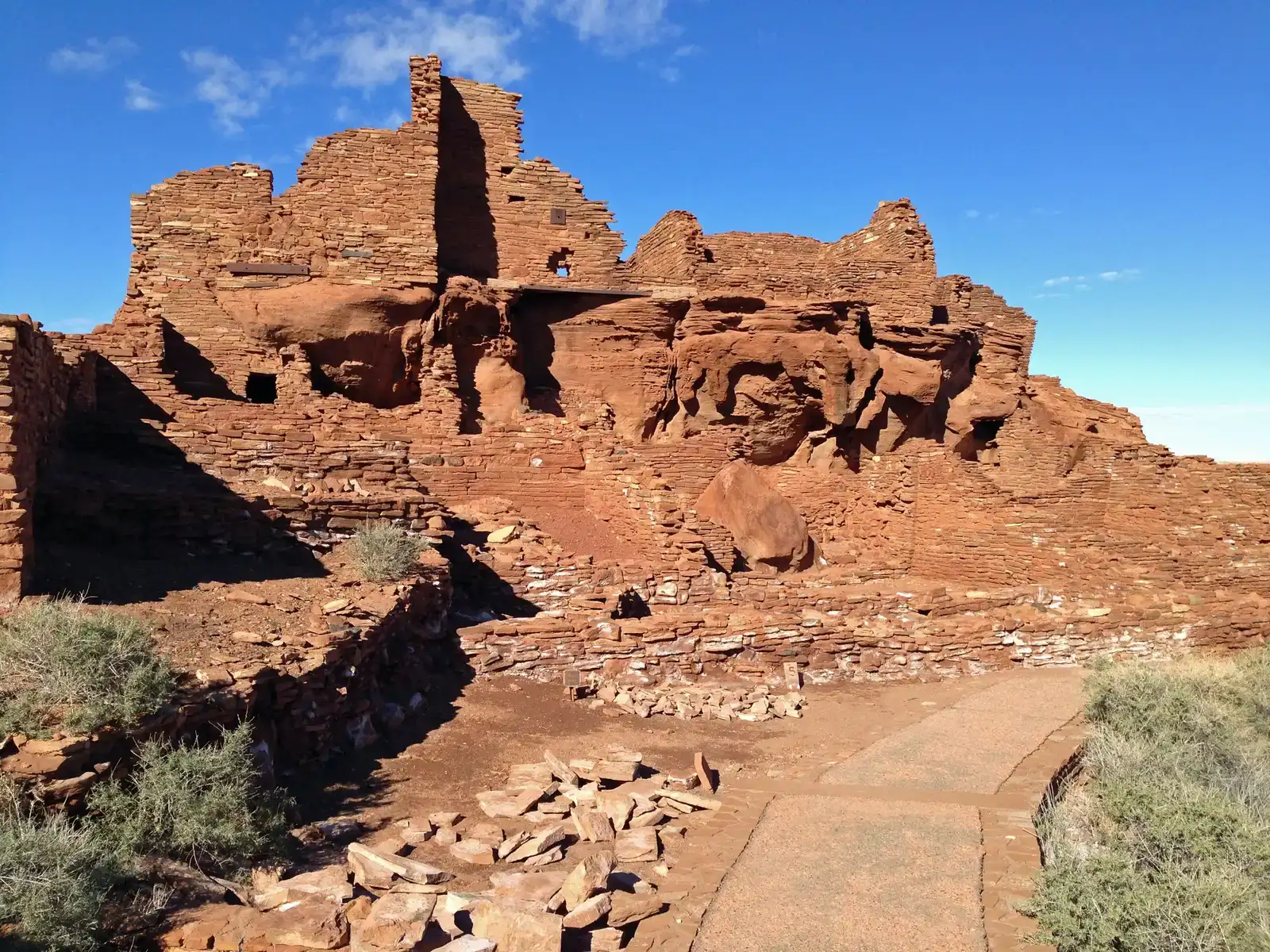
Wupatki is the largest of the ruins in this Arizona national monument, but the site actually comprises several additional prehistoric villages, all of which were home to ancient Pueblo people who are ancestors of the modern Hopi and Zuni, among others. The monument sits on a high desert plain north of Flagstaff, and the landscape itself is part of the story: a volcanic eruption around 1064 CE actually made the surrounding soil more fertile, drawing communities here from across the region.
Among the structures you’ll encounter is the Tall House, a spectacular four-story structure and the largest free-standing pueblo structure in northern Arizona. The community was bustling at its zenith in the 12th century CE but had been largely abandoned by the first quarter of the 13th. The open prairie setting gives these ruins a completely different feel from the canyon cliff dwellings, and the scale of the architecture will quietly catch you off guard.
Hovenweep National Monument, Utah and Colorado
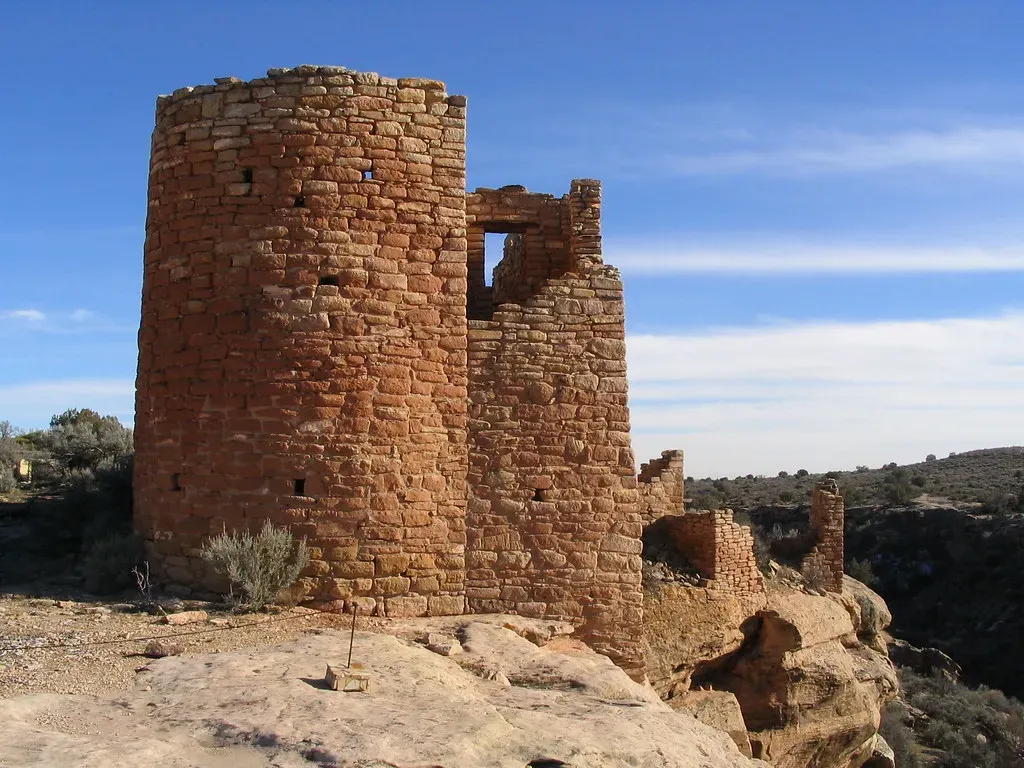
Once home to over 2,500 people, Hovenweep includes six prehistoric villages built between AD 1200 and 1300, and you can explore a variety of structures including multistory towers perched on canyon rims and balanced on boulders. This national monument is home to six clusters of impressive Ancestral Pueblo ruins that were occupied until around the 14th century, and the towers here were built independently of, though concurrently with, the castles of Europe.
Hovenweep is a relatively little-visited national monument extending across the Utah-Colorado border. That low visitation is, frankly, hard to explain given what you’ll find there. The towers are architecturally unusual even by Ancestral Puebloan standards, and some researchers believe they may have served astronomical or defensive functions. Whatever their purpose, they’re among the most visually arresting prehistoric structures in the entire Southwest.
Canyons of the Ancients National Monument, Colorado
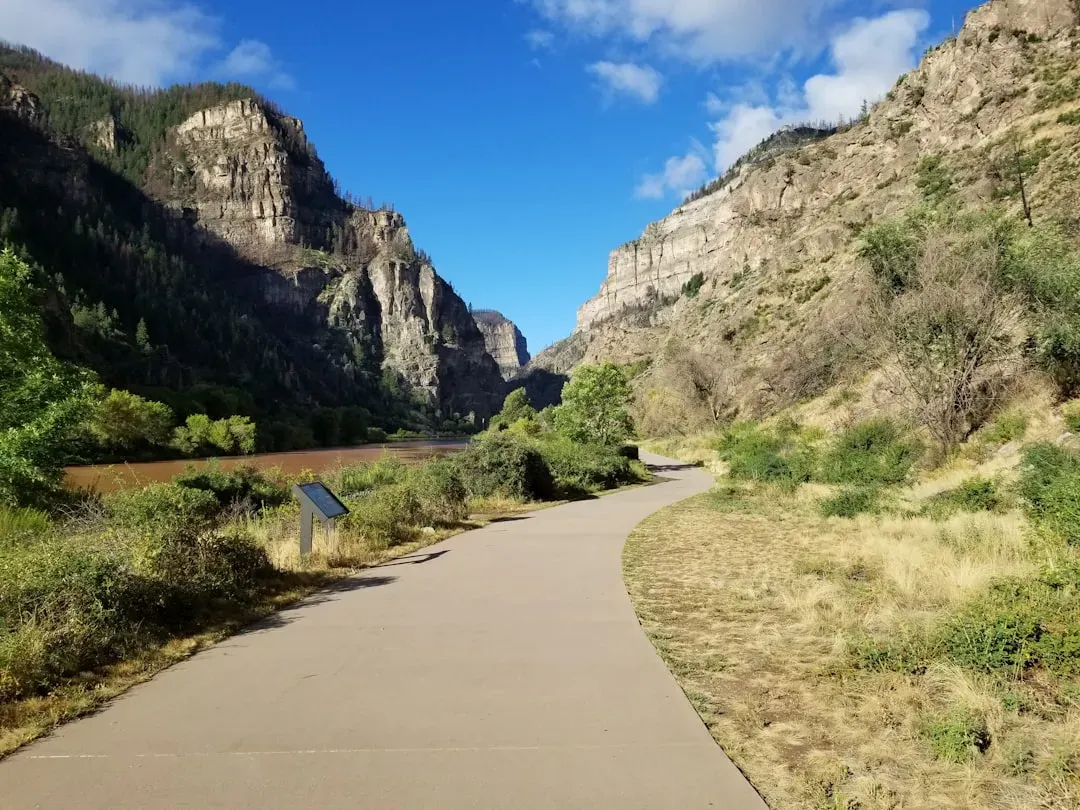
Canyons of the Ancients National Monument, located in the Four Corners region of southwestern Colorado, encompasses 176,000 acres of federal land administered by the Bureau of Land Management and contains the highest known archaeological site density in the United States, with evidence of human use going back 10,000 years. That last detail deserves a moment: the highest density of known archaeological sites in the country, and most people have never heard of it.
Between the better-known NPS preserves is this BLM-controlled monument, a large region of ravines and mesas crossed by a few paved roads and containing thousands of ancient sites, nearly all of which are unmarked and undeveloped. You can view ancient villages (one of which you can actually enter), towers, Sand Canyon, and one of the largest kivas in Colorado. The experience here requires some effort, but that’s precisely the point. You won’t be shuffling through a guided line; you’ll be navigating real wilderness with real history underfoot.
Alibates Flint Quarries National Monument, Texas
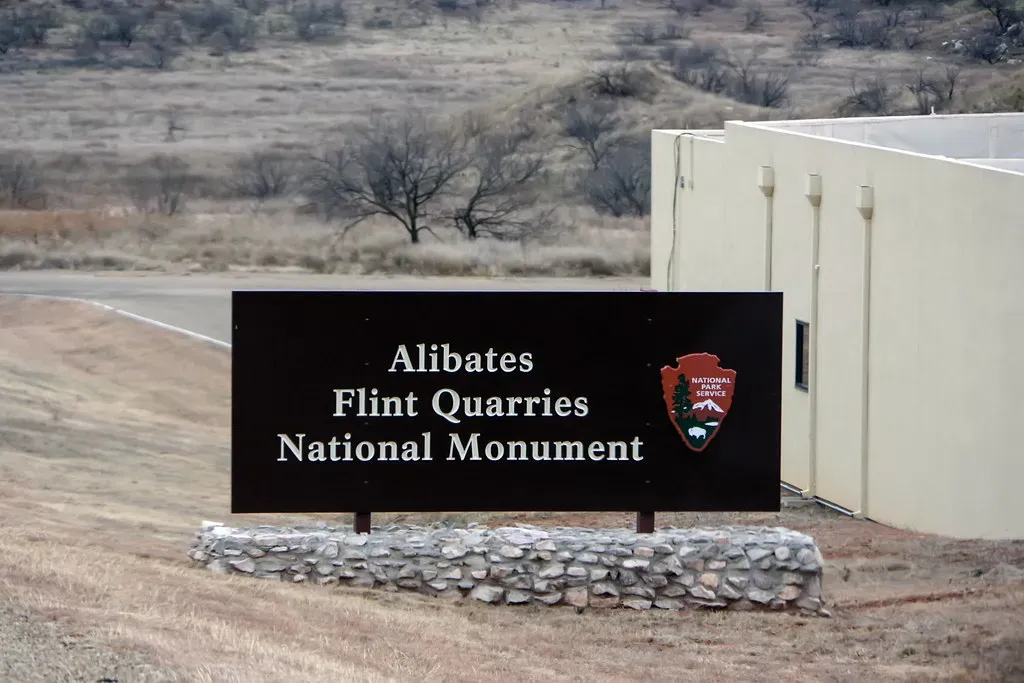
The canyon rims and mesas of the Texas Panhandle reveal more than 700 stone quarries where, for over 13,000 years, prehistoric peoples harvested and used the colorful stone known as Alibates flint, which was quarried to make projectile points, knives, scrapers, and other tools. Alibates flint is known for its distinctive striping and coloring, and archaeologists have identified the site as the source for stone tools dating back to the Clovis culture, roughly 13,000 to 11,000 years ago.
Prehistoric peoples would come to the red bluffs above the Canadian River to harvest this multi-colored, highly prized stone that could hold a hard edge and was in high demand along trading routes throughout North America, and projectile points and other tools made of Alibates stone have been found in sites as far north as Montana and as far east as the Mississippi River. Outside the core Four Corners region, this is the only National Park Service property with prehistoric relics and it is a lightly visited preserve. For a place that was essentially an ancient continental trade hub, it receives remarkably little attention today.
Walnut Canyon National Monument, Arizona
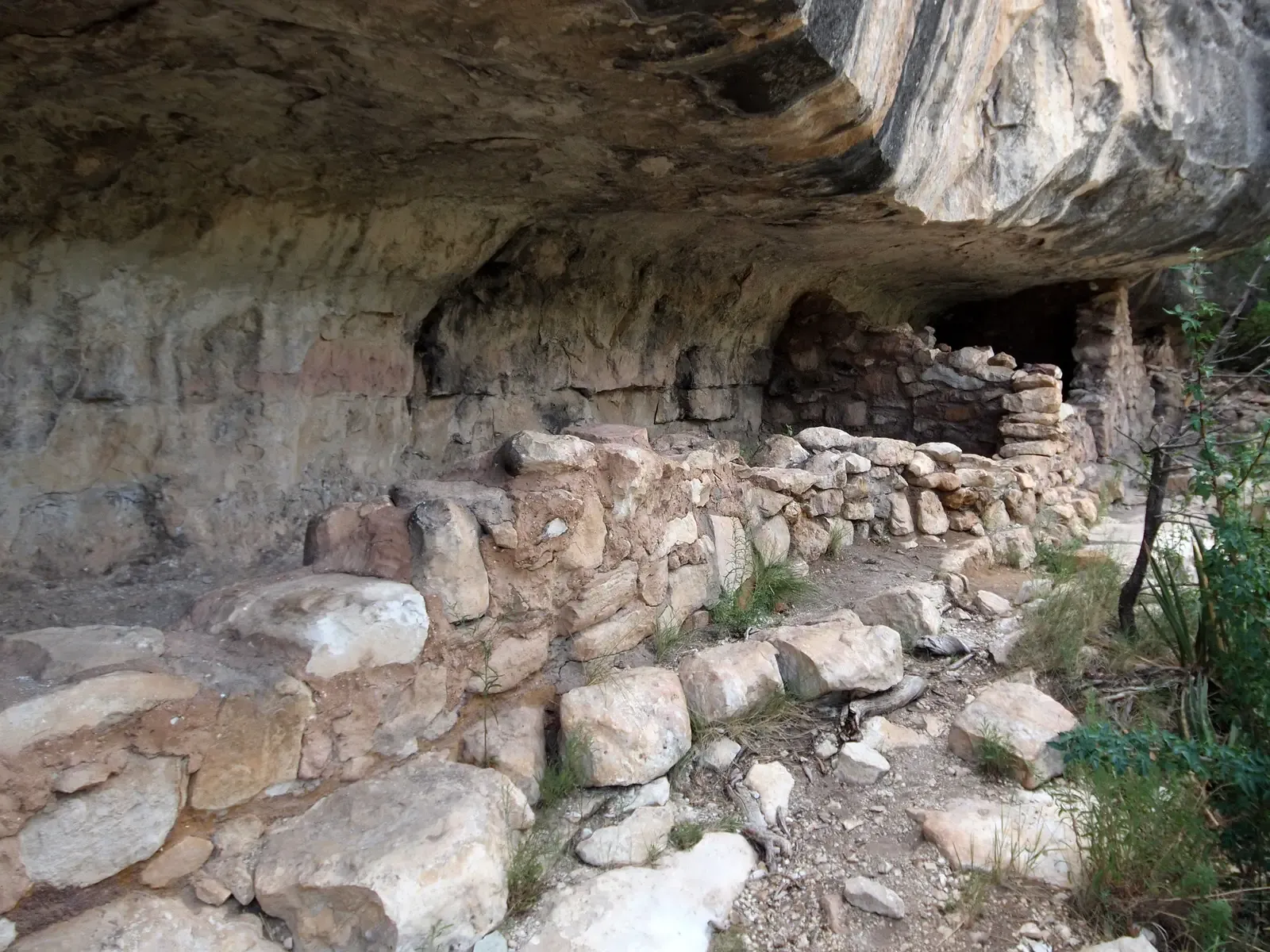
Walnut Canyon National Monument works almost as an opposite of Wupatki: instead of large multi-room pueblos skylined above open prairie, the smaller dwellings of Walnut Canyon are secreted away in a forested gorge east of Flagstaff, where the Sinagua people utilized the natural contours of the canyon to build rock shelters in shallow alcoves below the rim. The forested canyon setting feels almost improbably lush compared to the surrounding high desert landscape.
The cliff dwellings here are well preserved and some can be entered; the Sinagua survived by farming pockets of soil atop the canyon rim, and why they eventually abandoned their homes remains unclear, though it is believed they were assimilated into Hopi culture over time. Walking the Island Trail that winds through the canyon puts you at eye level with the dwellings, tucked into the limestone walls as if the rock simply opened up and offered shelter. It’s one of the most quietly intimate prehistoric experiences in Arizona.
Salmon Ruins, New Mexico
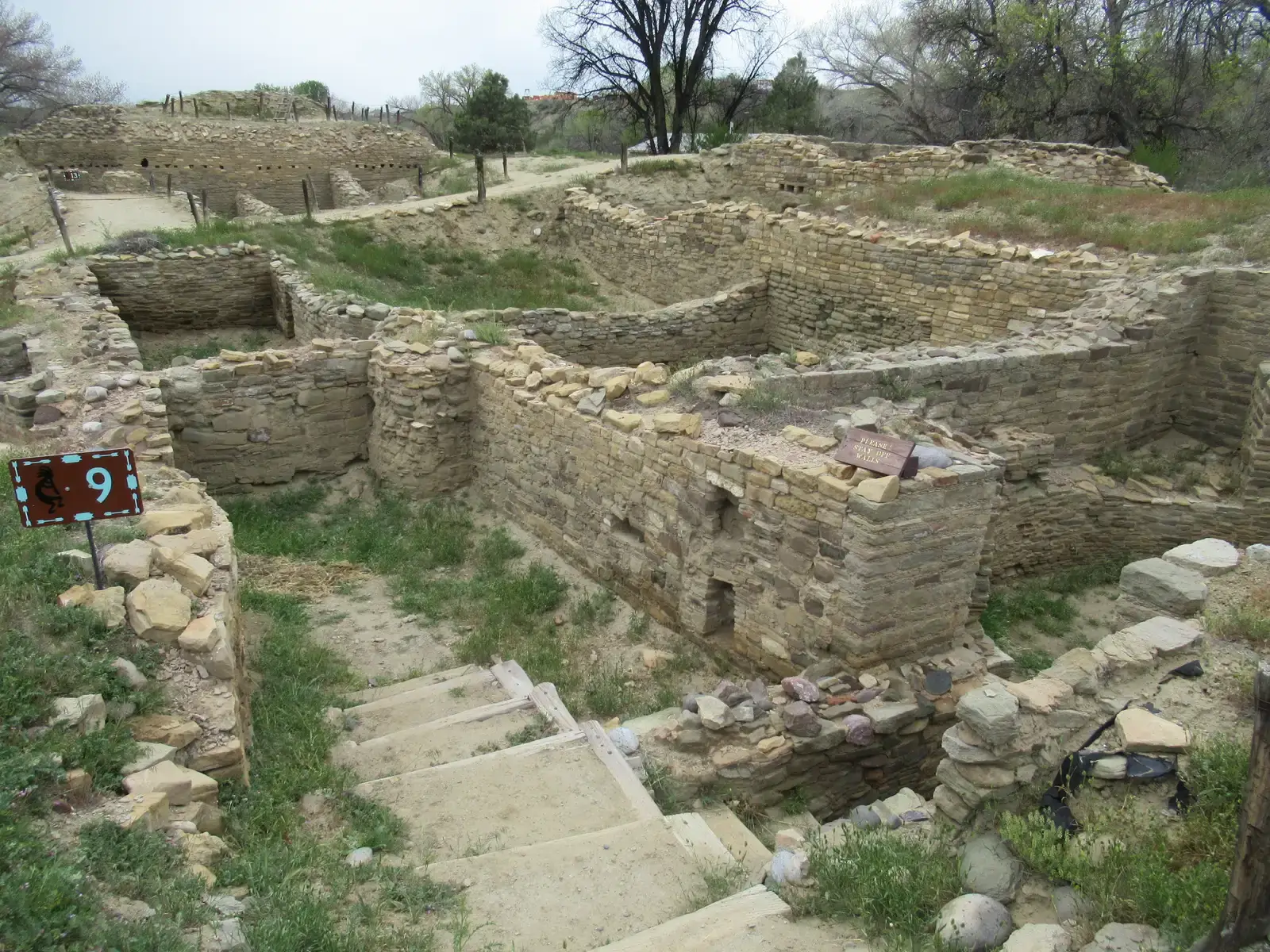
Salmon Ruins is an 11th-century Chacoan outlier, an interactive museum, a historic homestead complex, and a series of reconstructions representing the people who have called northwest New Mexico home during the past 15,000 years, and a half-mile trail lets you experience a different time and culture with nearly every step. The site sits near the town of Bloomfield, well off the typical tourist circuit, and it rewards the curious traveler with depth rather than spectacle.
The ruins themselves represent a large Ancestral Puebloan great house built in Chacoan style, making it a regional center of some significance during the 11th and 12th centuries. What sets Salmon Ruins apart from many Southwest sites is the quality of the interpretive experience: the museum houses a genuine and substantial artifact collection, much of it recovered during controlled excavations. New Mexico’s ancient sites managed by the NPS and related agencies are all quite different from each other, and the western half of the state is particularly rich in variety. Salmon Ruins fills a gap that the bigger parks don’t address.
Tonto National Monument, Arizona
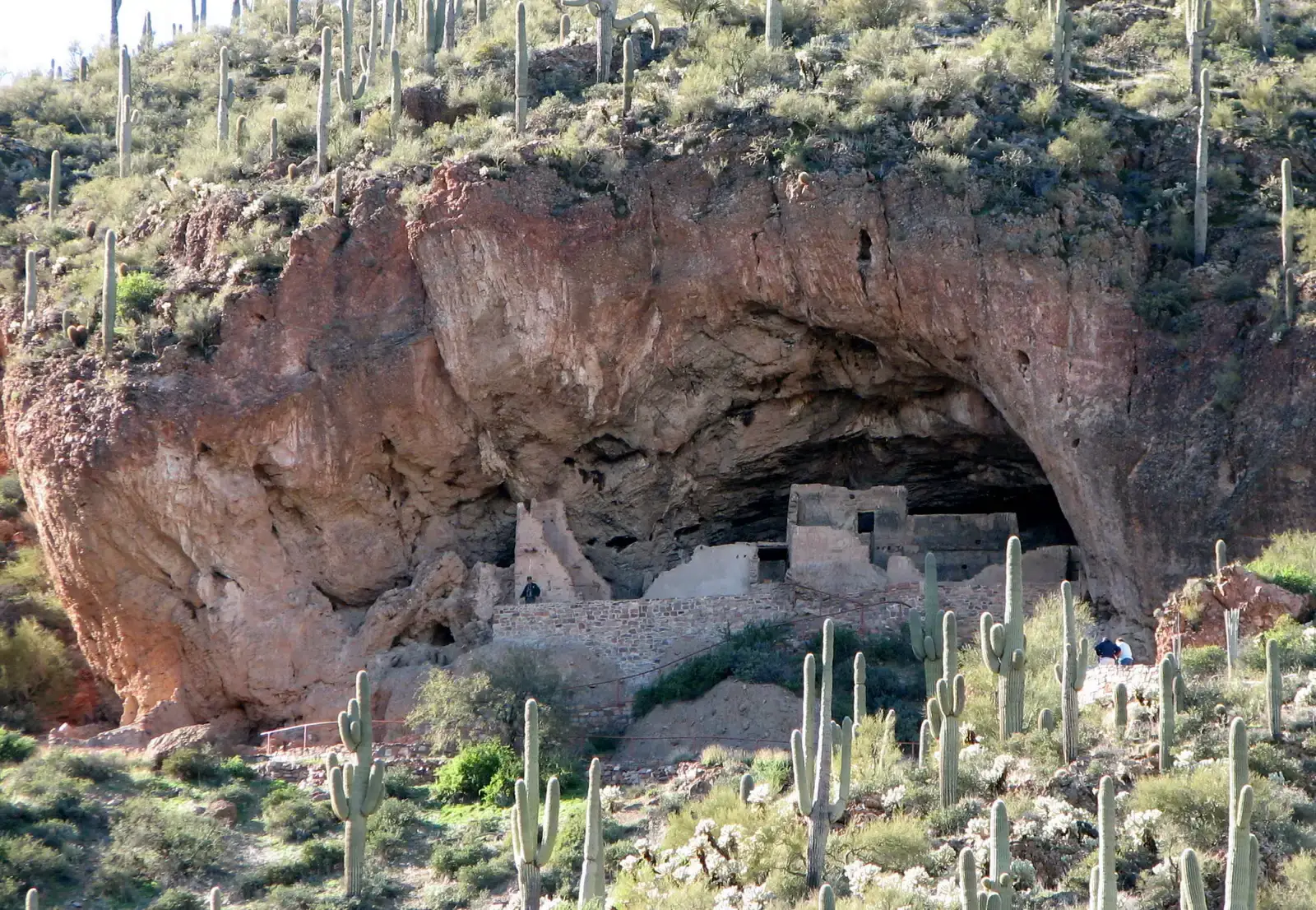
Overlooking Roosevelt Lake, Tonto National Monument showcases two distinctive Salado cliff dwellings built in natural caves on the flanks of the Superstition Mountains, dating back more than 700 years, and the Salado people were known for their artistic flair, producing exquisite pottery and intricate textiles. The view from the upper dwelling looks out across the shimmering blue reservoir, and the contrast between the arid canyon walls and the water below is startling.
A small group of a prehistoric cultural group called the Salado built the dwellings around the year 1300, and this group, living in the Tonto Basin between 1250 and 1450, was a mix of several individual groups who had migrated here over a few centuries. The Lower Cliff Dwelling is open year-round, while the larger Upper Cliff Dwelling is only accessible by guided tours from November through April. If you can time a visit during one of those guided upper-dwelling tours, it’s worth planning your trip around it.
Cedar Mesa and Grand Gulch, Utah
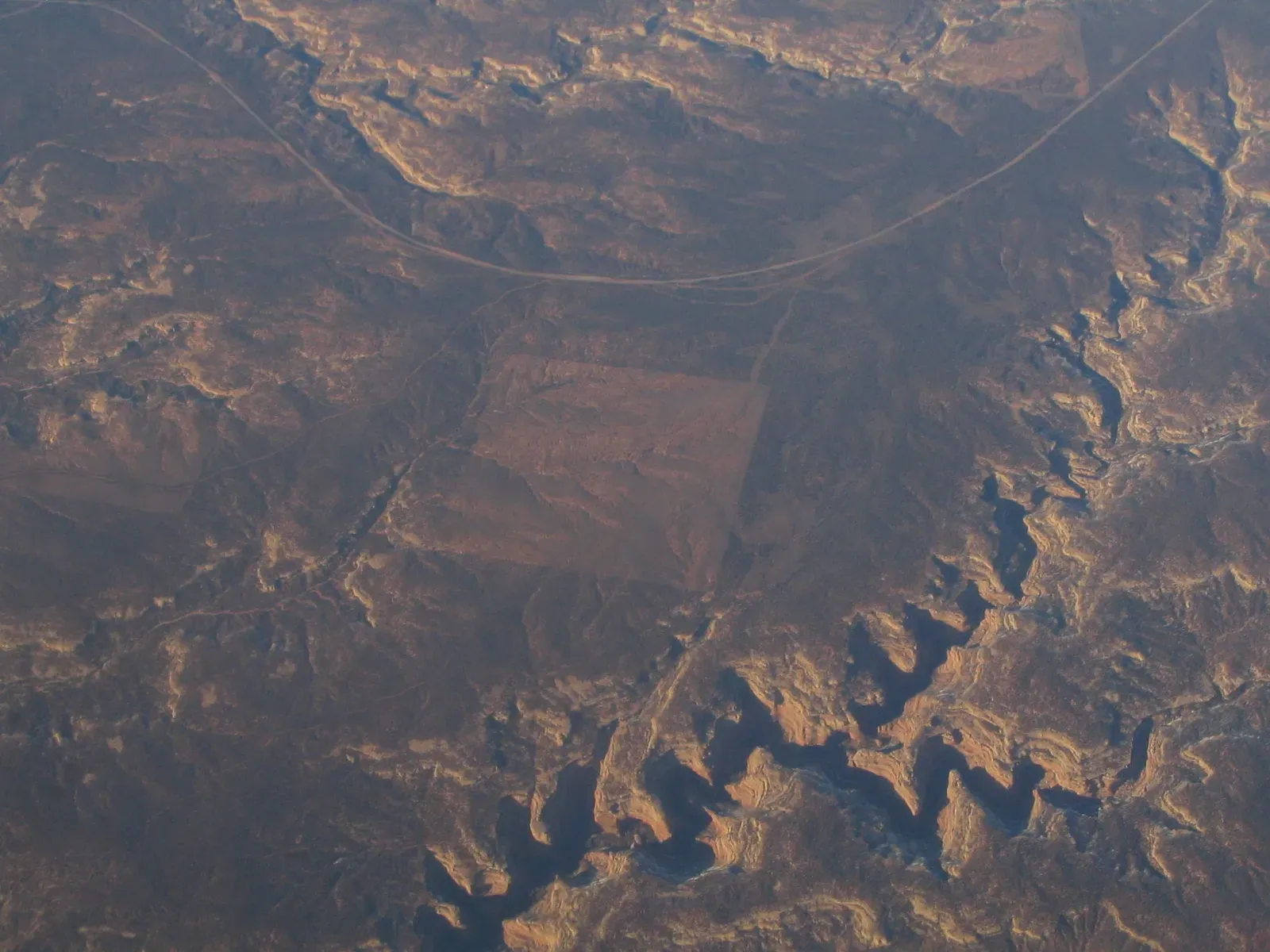
The best place in the Southwest for concentrated, numerous, and well-preserved relics is Cedar Mesa, where ruins and rock art are found along the major canyon of Grand Gulch and dozens of tributary ravines. This is not a visitor center experience. You’ll need a permit from the Bureau of Land Management, proper gear, and a genuine willingness to hike into remote canyon terrain. What you find in return is practically unmatched anywhere else in the country.
Outside the well-known locations of the Four Corners, there are literally thousands of lesser-known, more remote ruins, most small but others surprisingly large, intricate, and well preserved, found most noticeably in the branched tributary canyons of rivers such as the San Juan, Colorado, Green, and Escalante. Grand Gulch is the crown of that network. Ancient cliff dwellings, painted pictographs, and granary structures appear around canyon bends with almost no signage to announce them. The most visible remains in the Four Corners area date from about 1000 to 1700 AD, after which the majority of the ancient peoples seem to have abandoned their settlements, possibly as a result of a sustained drought. That context makes the silence of Grand Gulch feel all the more profound.
Conclusion
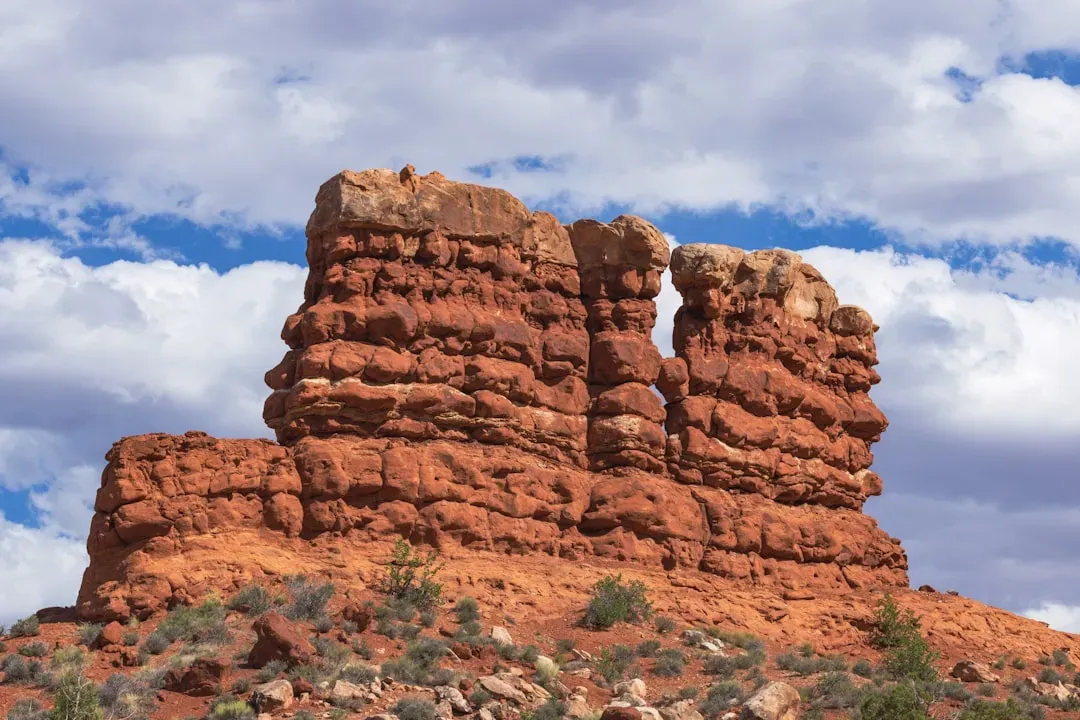
The American Southwest is already famous for its natural drama, but its prehistoric layers run deeper than most visitors ever reach. The sites listed here don’t ask for the same crowds or infrastructure that Mesa Verde or Chaco Canyon attract. They ask for something slightly different: a willingness to go a bit farther, stay a bit longer, and pay closer attention.
Archaeologists use cultural labels such as Mogollon, Ancestral Pueblo peoples, Patayan, and Hohokam to denote distinct cultural traditions within the prehistoric American Southwest, but visiting these places in person reminds you that the categories are abstractions. What you’re actually standing in front of is evidence of real people solving real problems, building real communities, and leaving traces that have survived for centuries.
The hidden gems are still there. They’re waiting on canyon rims, tucked into limestone alcoves, buried under desert soil, and etched into stone. All you have to do is show up with curiosity and a decent pair of boots.