There’s something quietly staggering about standing on a patch of desert ground and realizing the rock beneath your feet was laid down while dinosaurs were still evolving their first forms. Deep time refers to the concept of geological time spanning billions of years, and it’s a way to understand Earth’s history on a scale far beyond human lifetimes. Most of us will never truly feel that scale, but certain places on Earth make the gap feel almost tangible.
The Mesozoic Era lasted from about 252 to 66 million years ago, comprising the Triassic, Jurassic, and Cretaceous periods, characterized by the dominance of dinosaurs, a hot greenhouse climate, and the tectonic break-up of Pangaea. That world left marks everywhere, not just in fossils but in the very structure of the ground you walk on. These five geological wonders are where Earth’s Mesozoic past becomes something you can actually see, touch, and reckon with.
The Morrison Formation: North America’s Great Dinosaur Graveyard
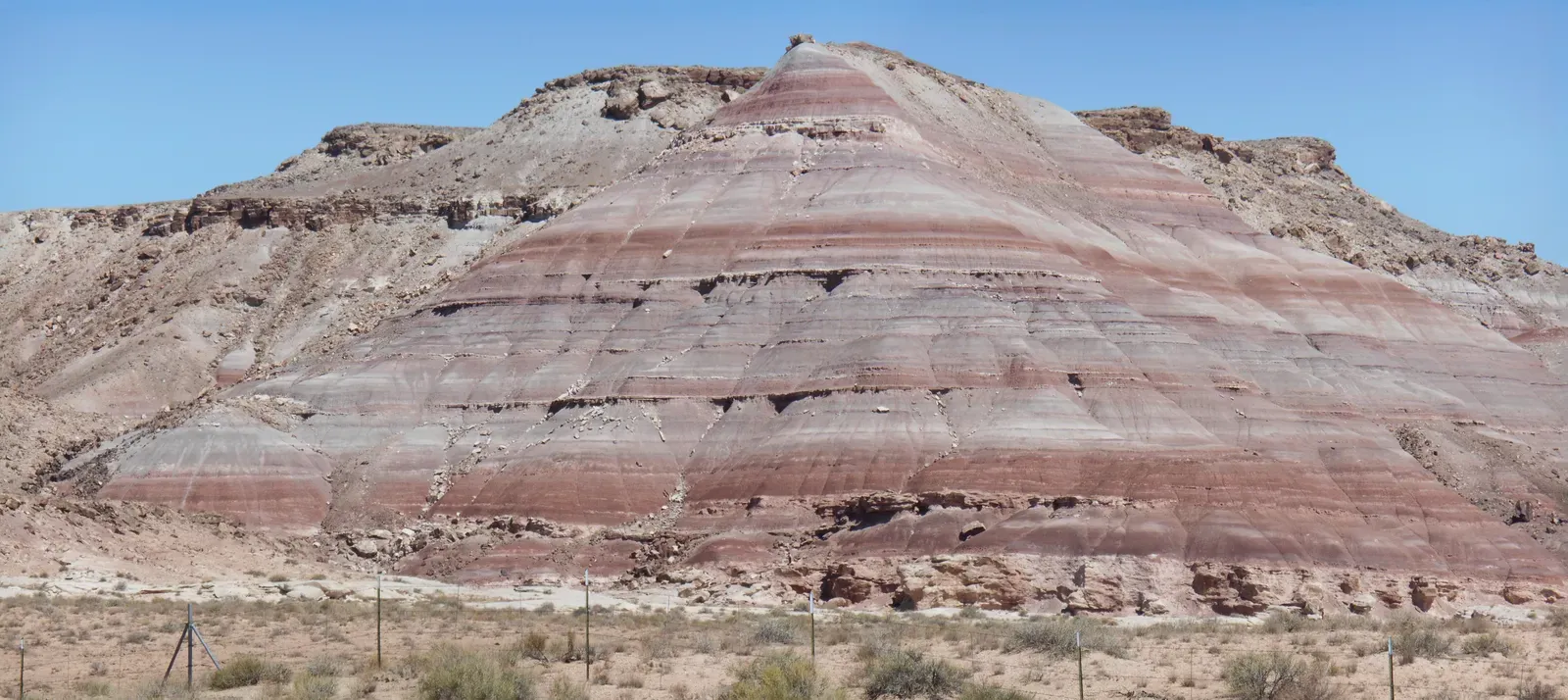
During the Jurassic, mudstone and sandstones were deposited in lowland areas and river channels throughout the Rocky Mountains and Colorado Plateau, forming the Morrison Formation, which is famous for its abundant dinosaur fossils. You can trace this rock unit across nearly a dozen U.S. states, from Montana down through New Mexico, and it consistently delivers some of the most remarkable vertebrate remains ever uncovered. It’s not a single canyon or cliff face – it’s a continent-scale archive.
In parts of North America, lake and river sediments rich in dinosaur fossils were deposited alongside marine sediments. That mix of environments is part of what makes the Morrison so scientifically rich. When you’re looking at its layered mudstones and sandstones, you’re reading a record of floodplains, river channels, and ancient lake margins that existed during a time when the continent looked nothing like it does today. Geologists and paleontologists are still pulling new species from its rock every few years.
The Chicxulub Crater: The Buried Scar That Ended an Era
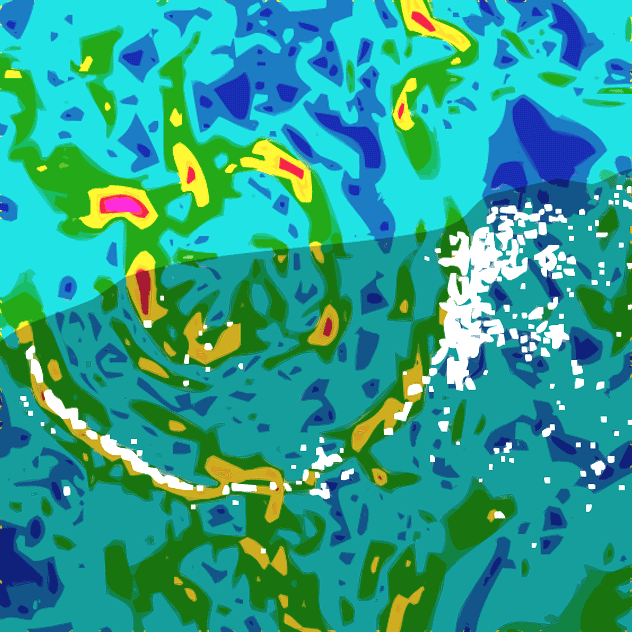
The Chicxulub crater was formed slightly over 66 million years ago when an asteroid about ten kilometers in diameter struck Earth, and the crater is estimated to be 200 kilometers in diameter, buried to a depth of about one kilometer beneath younger sedimentary rocks. You can’t see it from the surface, which makes it all the more remarkable as a geological find. Hidden beneath the Gulf of Mexico and the Yucatan Peninsula, it’s essentially an invisible wound in the planet, yet its consequences restructured all life on Earth.
It is now widely accepted that the devastation and climate disruption resulting from the impact was the primary cause of the Cretaceous-Paleogene extinction event, a mass extinction of 75% of plant and animal species on Earth, including all non-avian dinosaurs. On the surface, you can actually trace the crater’s edge through a striking arc of cenotes, the natural sinkholes of Mexico. These stunning blue pools form a distinctive semi-circular ring that traces the edge of the buried crater wall, occurring because the impact fractured the underlying limestone, making it more prone to erosion and collapse in those specific areas. It’s one of geology’s most dramatic examples of cause visible long after the effect.
Petrified Forest National Park: Arizona’s Triassic Time Capsule
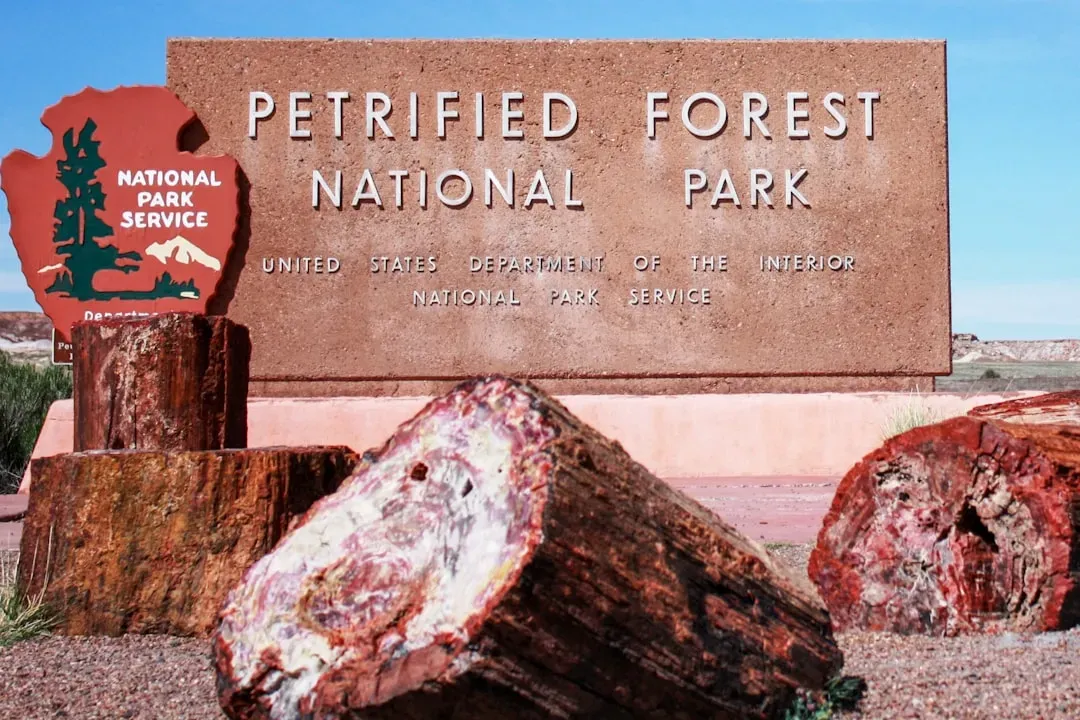
The park’s forests of petrified wood and other Upper Triassic fossil flora and fauna are globally significant because they provide a distinct record of diverse terrestrial ecosystems during “the dawn of dinosaurs” about 220 million years ago. When you walk through the park, you’re not just looking at curiosities. You’re reading the story of a world in transition, one where the first dinosaurs were just beginning to appear alongside giant reptiles, amphibians, and dense subtropical forests. Petrified Forest encompasses approximately 89,603 hectares and protects globally significant fossils, including petrified wood and one of the most comprehensive records of Late Triassic vertebrate evolution in North America.
The chemistry behind the petrification is worth understanding if you want to fully appreciate what you’re seeing. During the Late Triassic, downed trees accumulating in river channels were buried periodically by sediment containing volcanic ash; groundwater dissolved silica from the ash and carried it into the logs, where it formed quartz crystals that gradually replaced the organic matter, with traces of iron oxide and other substances combining to create varied colors in the petrified wood. What looks like stone art is actually a molecular-level replacement process that took millions of years, preserving even the structure of ancient tree rings.
The Solnhofen Limestone: Where the Dinosaur-Bird Connection Was Frozen in Stone
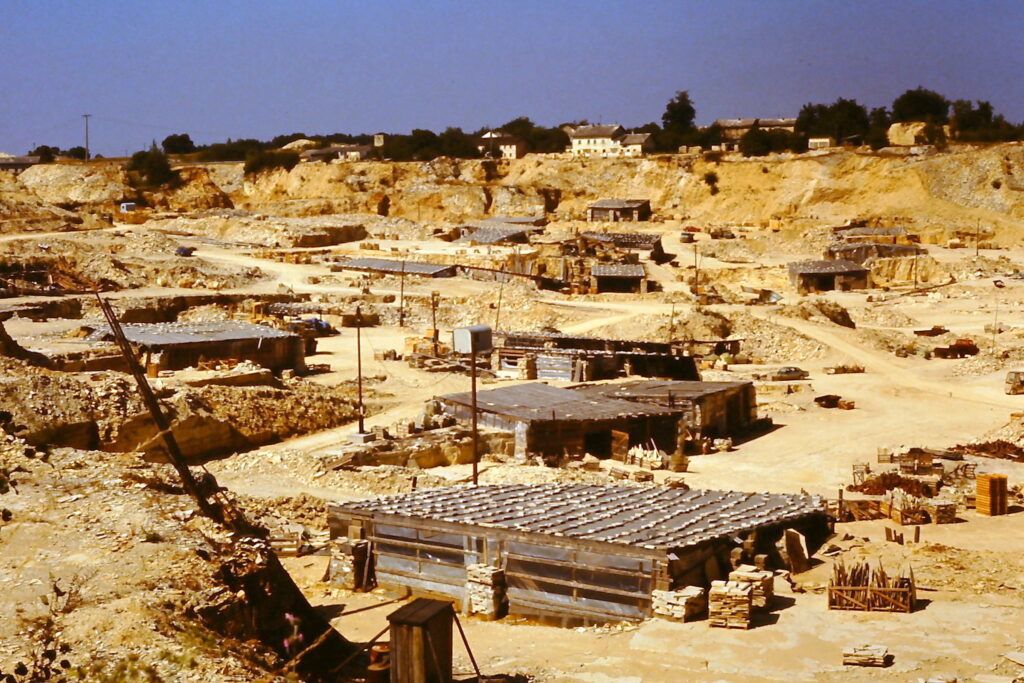
The Solnhofen Limestone is a Jurassic Konservat-Lagerstätte that preserves a rare assemblage of fossilized organisms, and the most familiar fossils of the Solnhofen include the early feathered theropod dinosaur Archaeopteryx, preserved in such detail that they are among the most famous and most beautiful fossils in the world. The beds lie in the German state of Bavaria, and the conditions that created them were almost impossibly precise. An ancient lagoon with oxygen-depleted sediments meant that organisms sinking to the bottom were preserved with extraordinary completeness, feathers, soft tissue, and all.
The fine-grained texture of the mud silt forming the limestone from the Solnhofen area is ideal for making lithographic plates, and extensive quarrying in the 19th century revealed many fossil finds, as commemorated in the name Archaeopteryx lithographica, all the specimens of which come from these deposits. The irony, of course, is that the same rock quality that made it commercially valuable for printing also made it scientifically priceless. The International Union of Geological Sciences included the Jurassic Solnhofen-Eichstätt Archaeopteryx Serial Site in its assemblage of 100 geological heritage sites around the world in a listing published in October 2022. Few geological formations have done more to reshape our understanding of evolutionary history.
The East Pacific Rise and Its Ancient Subducted Seafloor
Using seismic waves, University of Maryland scientists discovered evidence of an ancient seafloor that sank hundreds of kilometers deep into the Earth during the age of dinosaurs, and this previously unstudied patch of seafloor sheds new light on the inner workings of the planet and how its surface has changed over millions of years. This is a geological wonder you’ll never visit in person, but the scale of it makes it impossible to ignore. You’re essentially looking at Mesozoic-era oceanic crust that was consumed by the mantle while dinosaurs still roamed the surface above.
The researchers found an unusually thick area in the mantle transition zone, a region located 410 to 660 kilometers below the Earth’s surface that separates the upper and lower mantles, expanding or contracting based on temperature. What makes this find so remarkable is the pace of the process. The material was found to be sinking at about half the speed expected, suggesting that the mantle transition zone can act like a barrier and slow down the movement of material through the Earth. An ancient piece of Mesozoic ocean floor, still detectable through modern seismic imaging, still slowly descending after some 250 million years. That’s deep time made measurable.
Conclusion
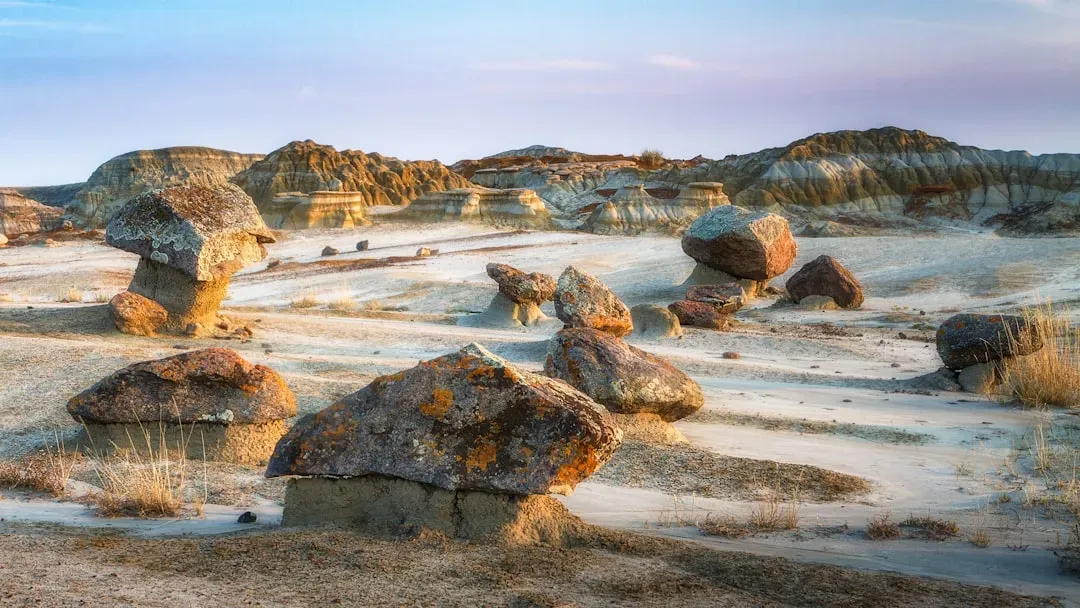
You don’t need a museum to understand the dinosaur era. The planet itself is the exhibit. Fossils provide a window into Earth’s past, revealing information about ancient life forms and environments, but so do craters, petrified forests, subducted seafloors, and fine-grained limestone beds in Bavaria. Each of these five geological wonders tells you something that a fossil bone alone cannot: that the world during the Mesozoic was structurally, climatically, and geographically alien compared to today.
The Earth during the time of the dinosaurs was a constantly changing world, and from the formation of the supercontinent Pangaea to its fragmentation into today’s continents, tectonic movements and the formation of new oceans shaped the planet and the life on it – these changes not only created the landscapes we know today but also played a crucial role in the evolution and diversity of dinosaurs. The deeper lesson here is one of perspective. Humans have only existed on Earth for around 0.0066% of its history, which means everything we call civilization fits into a geological blink. The Mesozoic, by contrast, ran for nearly 186 million years. These wonders aren’t just remnants of a lost world – they’re reminders of how briefly we’ve been part of this one.