Few puzzles in paleontology have sparked as much curiosity as the question of how feathers first appeared on dinosaurs. You might assume the answer is straightforward, given how much fossil evidence scientists have accumulated over the past few decades. The reality is more layered and far more interesting.
Feathers have a diverse range of shapes, roles, and colours in modern birds, but their evolutionary origins remain genuinely uncertain. A series of spectacularly preserved fossil discoveries, primarily from the Early Cretaceous of China, revealed the presence of feathers in a variety of non-flying theropod dinosaurs, demonstrating that earlier models of bird evolution were wrong, since feathers clearly appeared prior to the origin of either birds or flight and must have had a deeper, dinosaurian ancestry.
Did all dinosaurs inherit feathers from a common ancestor, or did feathers evolve multiple times in the group? Are they exclusive to birds and their closest relatives, or are they more widespread across the reptile family tree? These are questions science is still actively working to answer. What follows are seven of the most compelling theories that researchers have put forward to explain this remarkable evolutionary development.
1. The Thermoregulation Theory: Feathers as Nature’s First Insulator
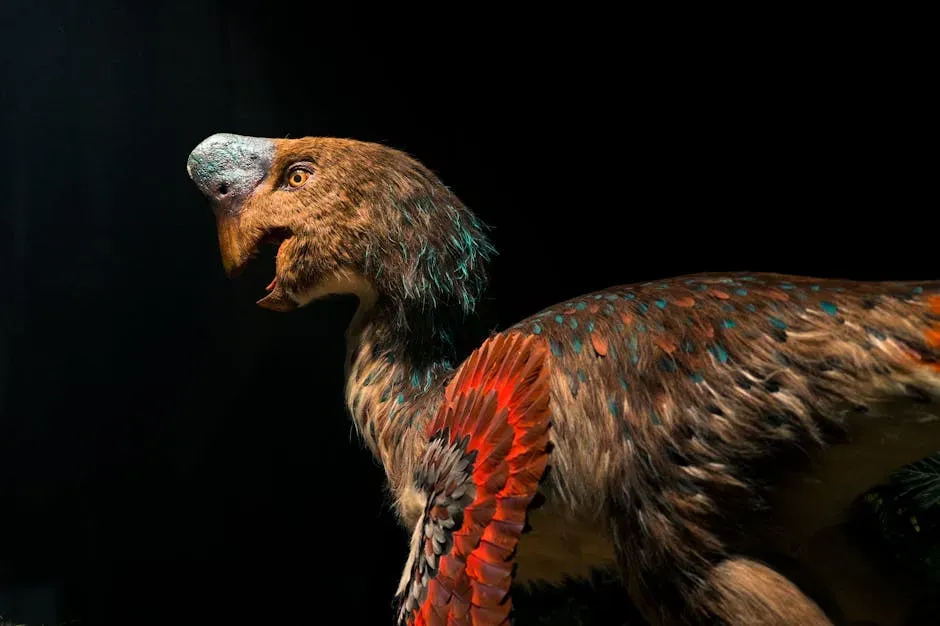
One of the oldest and most intuitive explanations is that feathers first appeared not for flight, but for warmth. It has been suggested that feathers originally functioned as thermal insulation, as it remains their function in the down feathers of infant birds prior to their eventual modification into structures that support flight. For small-bodied theropod dinosaurs living in variable climates, even a thin coat of simple filaments could have made a survival difference.
These primitive structures, composed of a single tubular filament, emerged around 200 million years ago in certain dinosaurs. The emergence of proto-feathers likely marked the first key step in feather evolution, initially providing thermal insulation and ornamentation before being progressively modified under natural selection to give rise to the more complex structures that enabled flight. In this view, flight was not the goal, it was simply an outcome that came much later.
2. The Sexual Display Theory: Feathers Born from the Pressure to Attract Mates
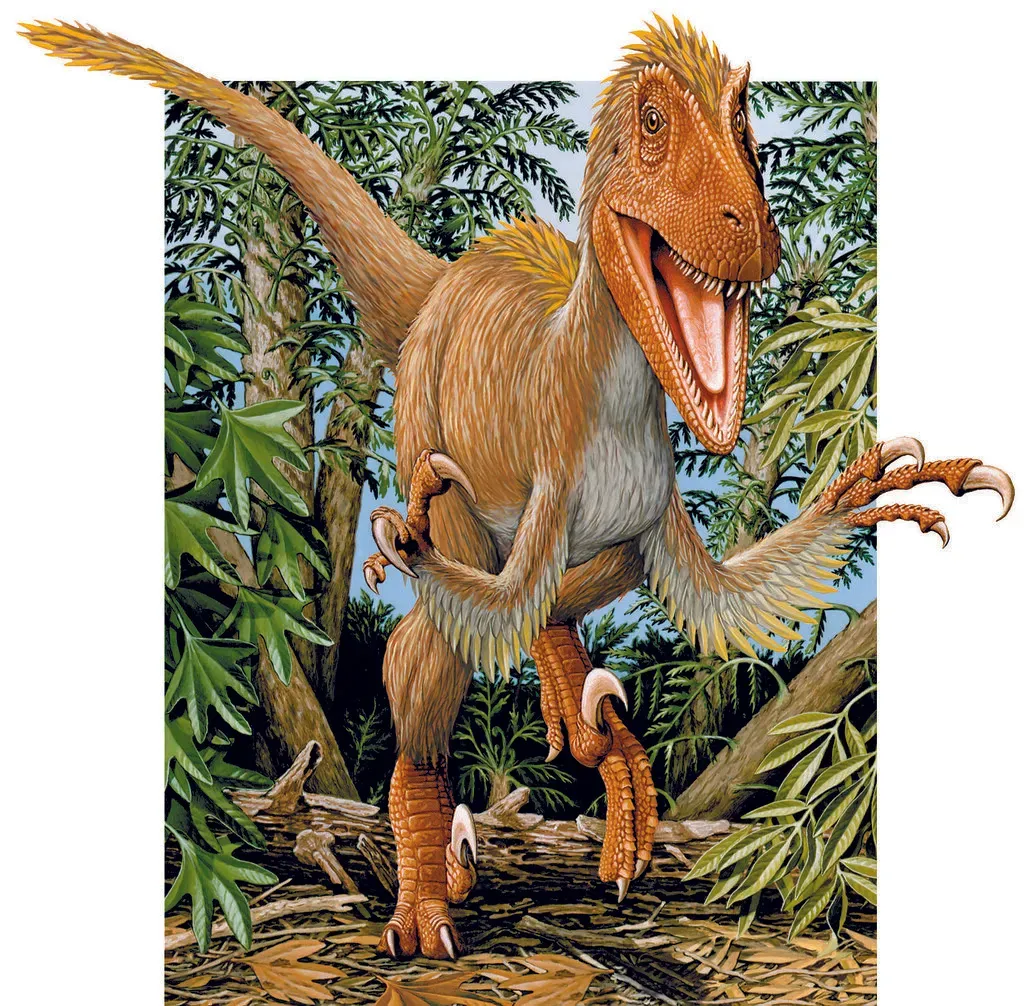
There is an increasing body of evidence that supports the display hypothesis, which states that early feathers were colored and increased reproductive success. Coloration could have provided the original adaptation of feathers, implying that all later functions, such as thermoregulation and flight, were co-opted. It is an idea that feels familiar if you consider how extravagant plumage works in modern peacocks or birds-of-paradise.
Pigmented and iridescent feathers may have provided greater attractiveness to mates, providing enhanced reproductive success when compared to non-colored feathers. Current research shows that it is plausible that theropods would have had the visual acuity necessary to see these displays. Supporting the display hypothesis is the fact that fossil feathers have been observed in a ground-dwelling herbivorous dinosaur clade, making it unlikely that feathers functioned as predatory tools or as a means of flight. The evidence, in short, points toward a beauty-before-utility story.
3. The Ground-Up Flight Theory: Running, Jumping, and the Accidental Wing
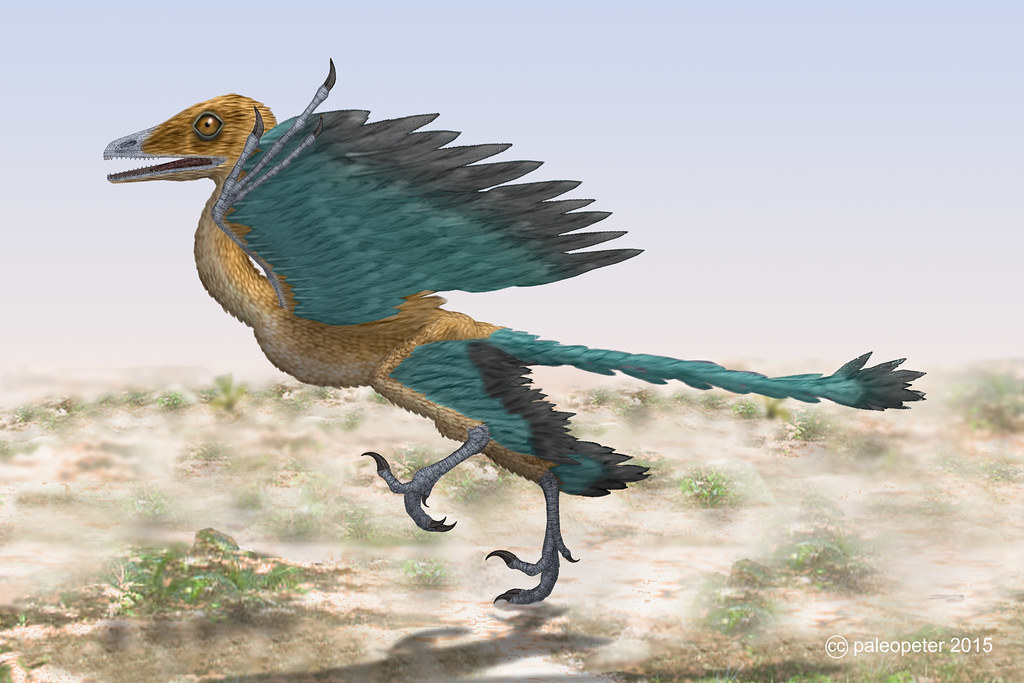
The distribution of simple filamentous structures among basal and flightless dinosaurs supports the hypothesis that feathers may have originated before the capacity for powered flight and were first employed for other purposes. The ground-up theory builds on this by suggesting that feathers gradually became useful for running, leaping, and eventually generating lift from the ground, rather than from the trees.
Fossilized remains from north-eastern China indicate that certain feathered dinosaurs were flightless because of their small wingspan and bone structures that would have restricted wing-flapping, while their toes were suited to walking along the ground and they had fewer feathers on the tail and lower legs, which would have made running easier. This suggests a meaningful middle ground where feathers served locomotion well before they became aerodynamic tools in the truest sense.
4. The Trees-Down Gliding Theory: Feathers as a Safety Net from the Canopy
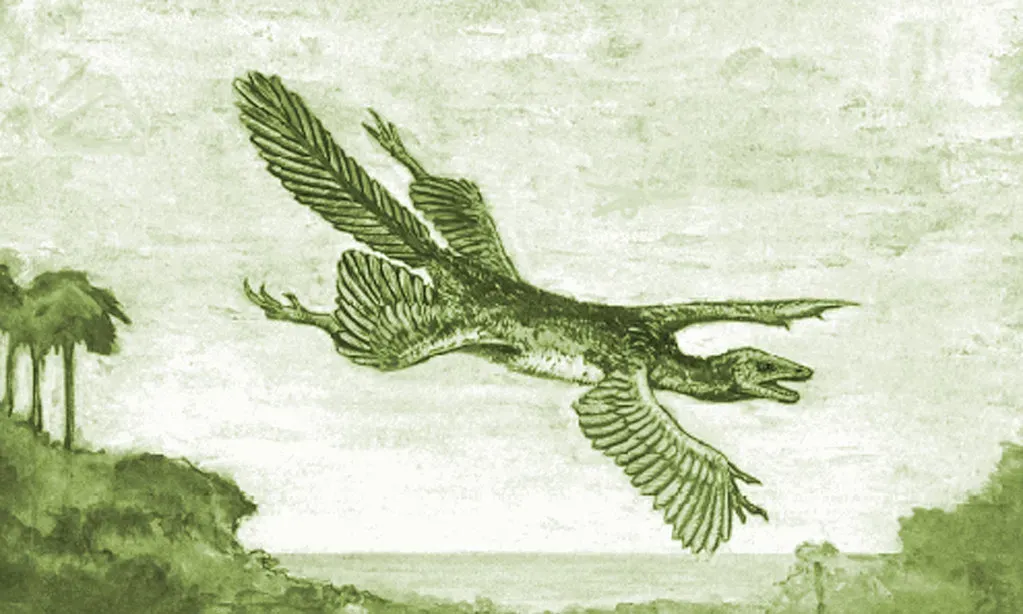
An older but still actively debated theory proposes that feathered dinosaurs were tree-dwellers first. In this scenario, feathers helped arboreal animals slow their descent, extend jumps between branches, and ultimately develop the capacity to glide. It is considered more reasonable by some researchers that, like bats and pterosaurs, birds descended from arboreal animals that evolved flight through the ability to glide.
The fossil record suggests that feathers evolved in connection with gliding and flying, rather than as insulation, or as part of an apparatus for catching insects. Critics of this view note that many feathered theropods show no clear skeletal adaptations for tree-climbing. Still, the idea remains alive in the literature because it elegantly explains the aerodynamic precision of early feathered wings without needing ground-based running as an intermediate step.
5. The Common Ancestor Theory: Feathers Predate the Dinosaurs Themselves
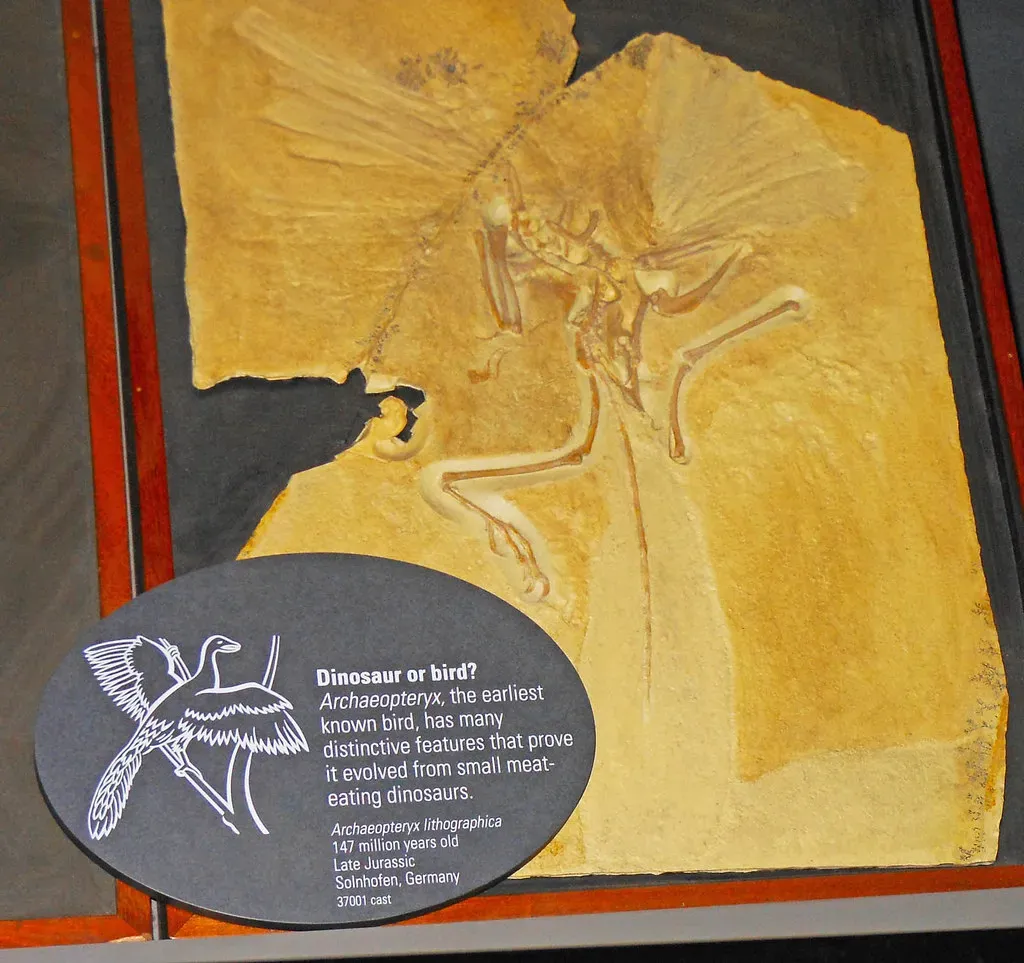
More recent discoveries of what appear to be feathered fossils of pterosaurs, the flying cousins of dinosaurs, have led to the theory that feathers first evolved even earlier, with the ancestors of all these creatures. This is perhaps the most far-reaching of all current theories. If true, it would push the origin of feathers back before the first dinosaur ever walked the Earth.
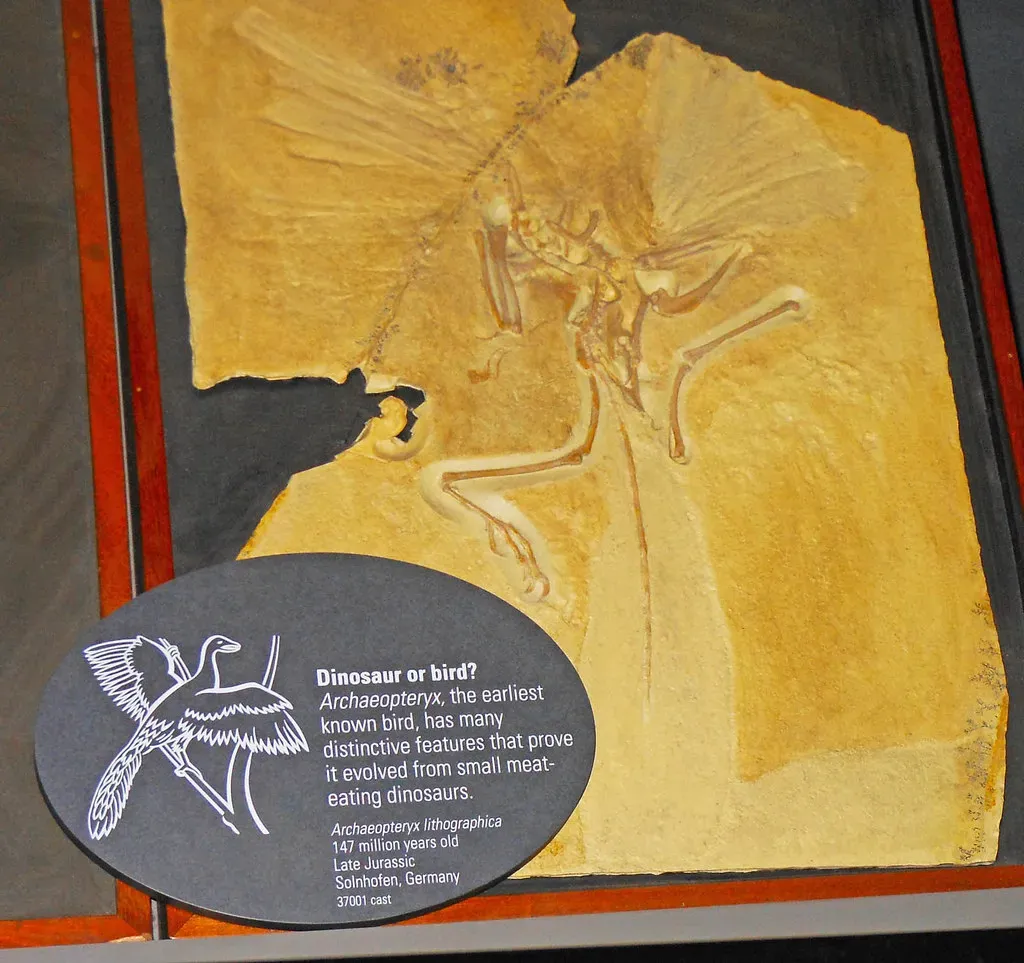
In 2018, researchers discovered simple filaments and, remarkably, three types of branched feathers preserved in pterosaurs from mid-Jurassic fossil deposits in China. Although the branching structure is not quite the same as in birds today, the feathers are rich in keratin, the protein commonly found in feathers and hair, and contain colour-bearing melanosomes. Paleontologists continue to discuss the possibility of their even earlier presence in the common ancestor of dinosaurs and pterosaurs around 240 million years ago.
6. The Independent Evolution Theory: Multiple Origins Across Different Lineages
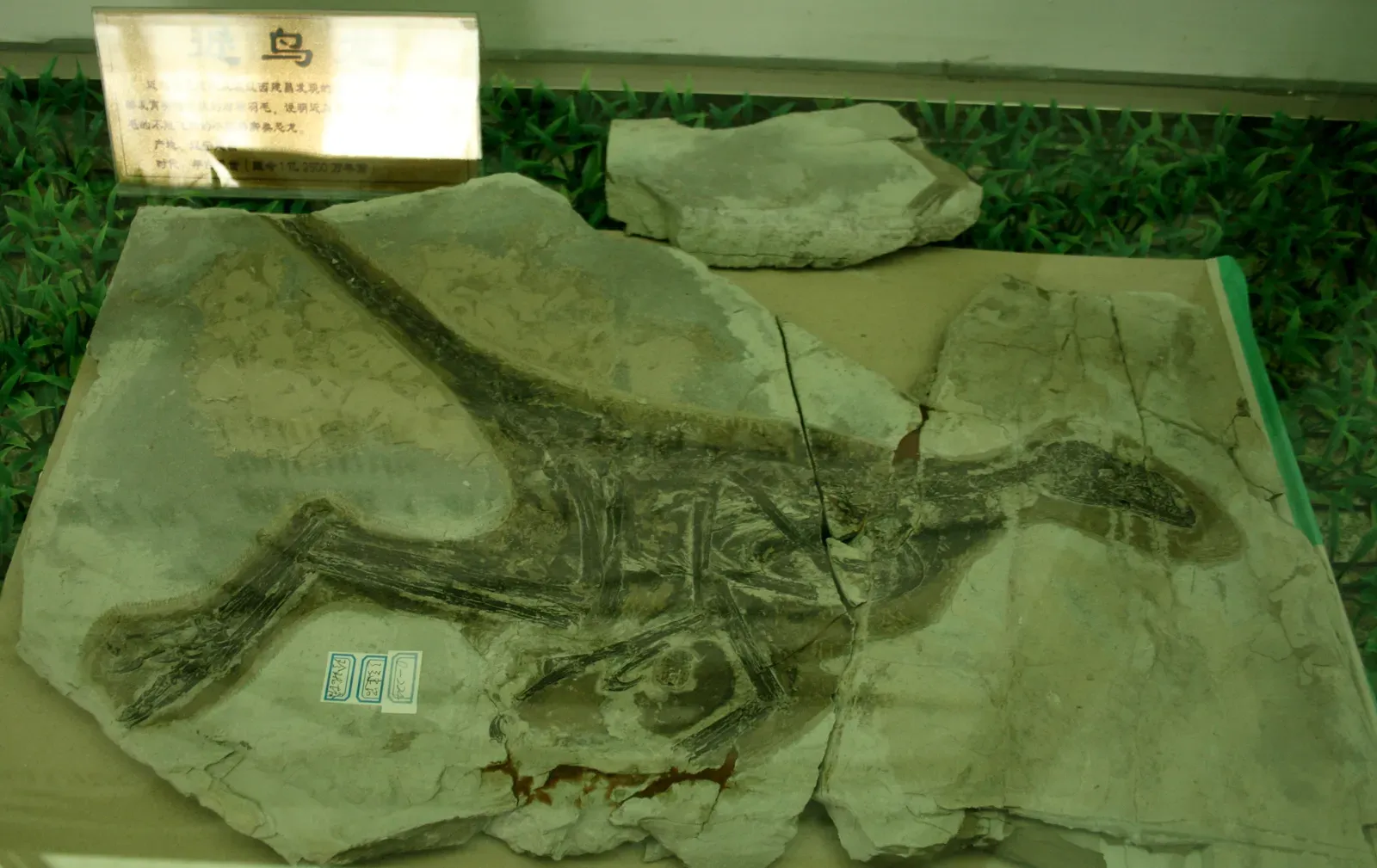
Uploaded by FunkMonk, CC BY-SA 2.0)
Comparisons between fossilised skin in some dinosaurs and early birds from China suggest that they had similar tissues, supporting the idea that feathers were present in a common ancestor. Other dinosaurs, however, had more reptile-like skin, or a mix of feathers and scales, which instead makes it more possible that feathers evolved independently. This competing view holds that feathers did not necessarily spring from a single ancestor, but instead arose separately across different dinosaur lineages.
Paleontologists at University College Cork discovered that some feathered dinosaurs had scaly skin like modern reptiles, shedding new light on the evolutionary transition from scales to feathers. They studied a specimen of the feathered dinosaur Psittacosaurus from the early Cretaceous, a time when dinosaurs were evolving into birds, and found that it had reptile-like skin in areas where it didn’t have feathers. This suggests that soft, bird-like skin initially developed only in feathered regions of the body, while the rest of the skin remained scaly, maintaining essential skin functions such as protection against abrasion, dehydration, and parasites.
7. The Molecular Pathway Theory: Feathers Written Into the Genetic Code
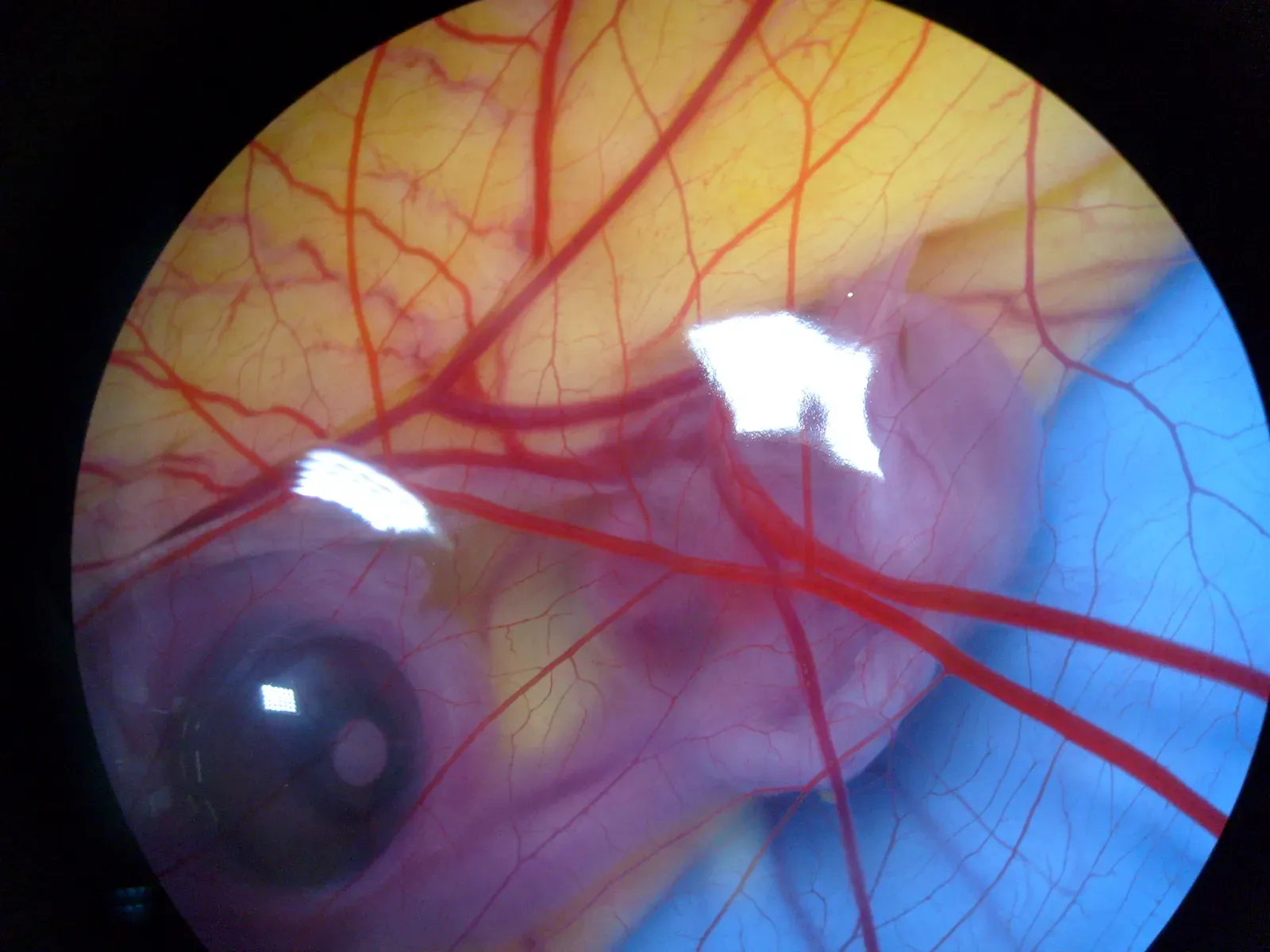
Feathers originate from simple appendages known as proto-feathers, which were present in certain dinosaurs. By studying embryonic development of the chicken, researchers from the University of Geneva uncovered a key role of a molecular signalling pathway, the Shh pathway, in their formation. This molecular theory shifts the lens from fossils to genes, asking not just when feathers appeared, but what biological machinery made them possible in the first place.
Research on the Sonic Hedgehog pathway in chicken embryos shows that inhibiting this pathway can recreate proto-feather-like structures, highlighting the robustness of genetic networks in feather development. Over the course of evolution, the network of interacting genes became extremely robust, ensuring the proper development of feathers even under substantial genetic or environmental perturbations. The big challenge now is to understand how genetic interactions evolved to allow for the emergence of morphological novelties such as proto-feathers. This avenue of research may ultimately prove to be the missing link between paleontology and genetics in understanding feather origins.
Conclusion: A Puzzle Worth Pursuing
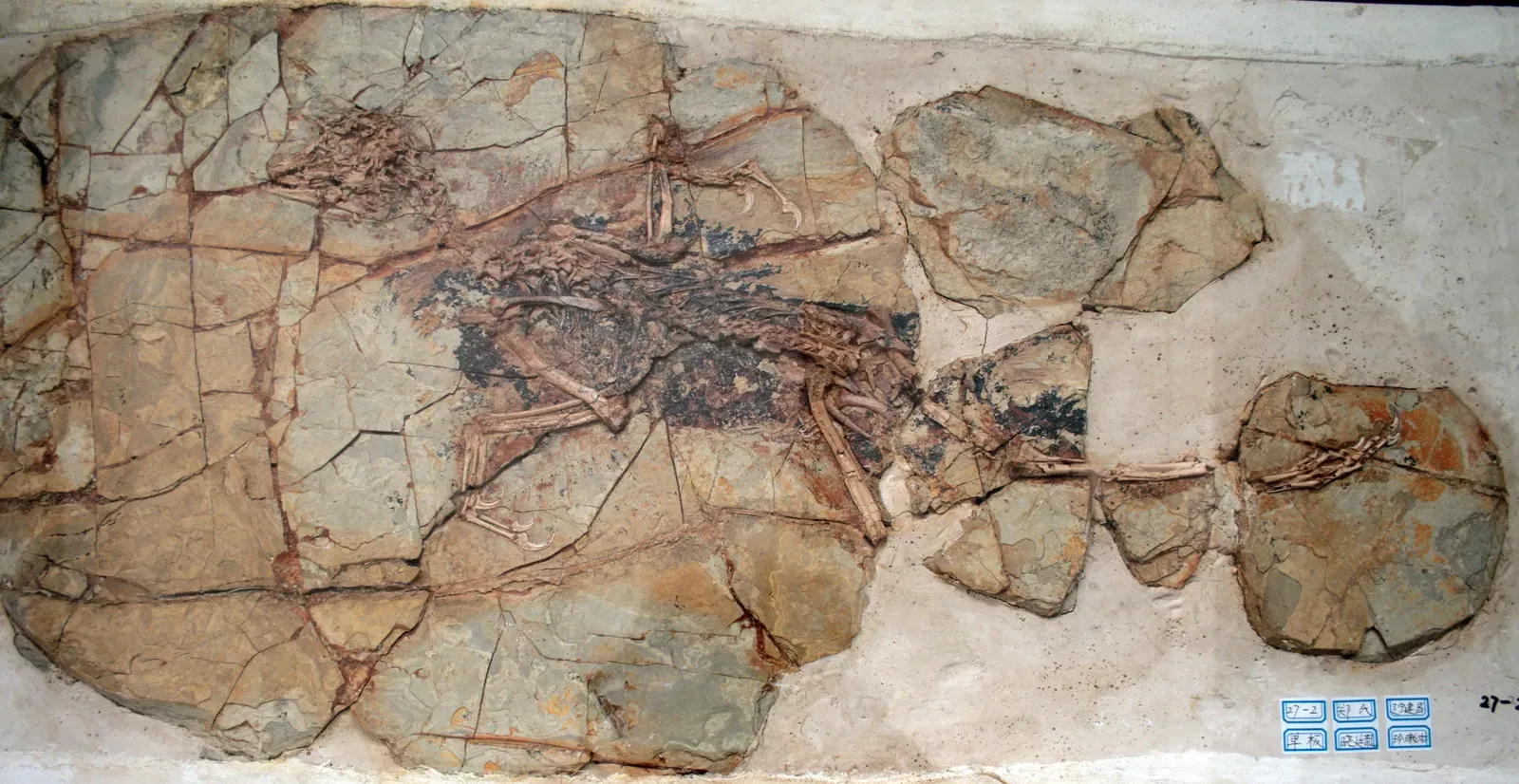
Uploaded by FunkMonk, CC BY-SA 2.0)
The sudden appearance of feathers in the fossil record is not actually sudden at all. It just looks that way because the evidence is incomplete. One of the main reasons behind these different theories is that most feathered dinosaur fossils come from the Cretaceous Period, long after feathers would have first evolved. Each of the seven theories explored here captures a piece of a much larger truth.
An integrative approach combining morphological, developmental, biochemical and taphonomic data, including both extinct and living species, is essential for a clearer understanding of feather origin and evolution. No single theory has yet won the argument outright, and that is precisely what makes this field so alive. The next decisive fossil, the next genetic experiment, the next careful look at a known specimen under new technology could shift everything.
What you are watching, in real time, is science working the way it is supposed to: slowly, carefully, and without a shortage of fascinating disagreement. The feather was one of evolution’s most improbable inventions. Understanding how it got here is a story still being written.