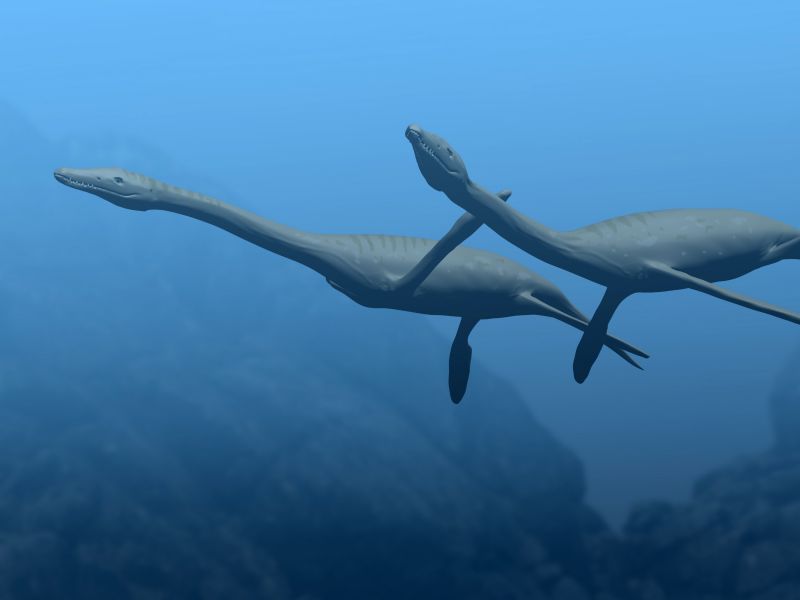
Picture a creature with a neck so long it made up nearly half its entire body length, four powerful wings instead of legs, and eyes that may have been adapted to see in the darkness of deep ocean water. No, it’s not science fiction. It swam real prehistoric seas for roughly 140 million years, and it did so with remarkable success.
The plesiosaur is one of the most captivating animals ever to have lived on this planet. You might have encountered it in a museum, in a documentary, or as the supposed inspiration behind the Loch Ness Monster. But the real animal is far stranger and far more impressive than any myth. Here are eleven facts that reveal just how extraordinary these ancient sea reptiles truly were.
1. They Were Not Dinosaurs – Not Even Close
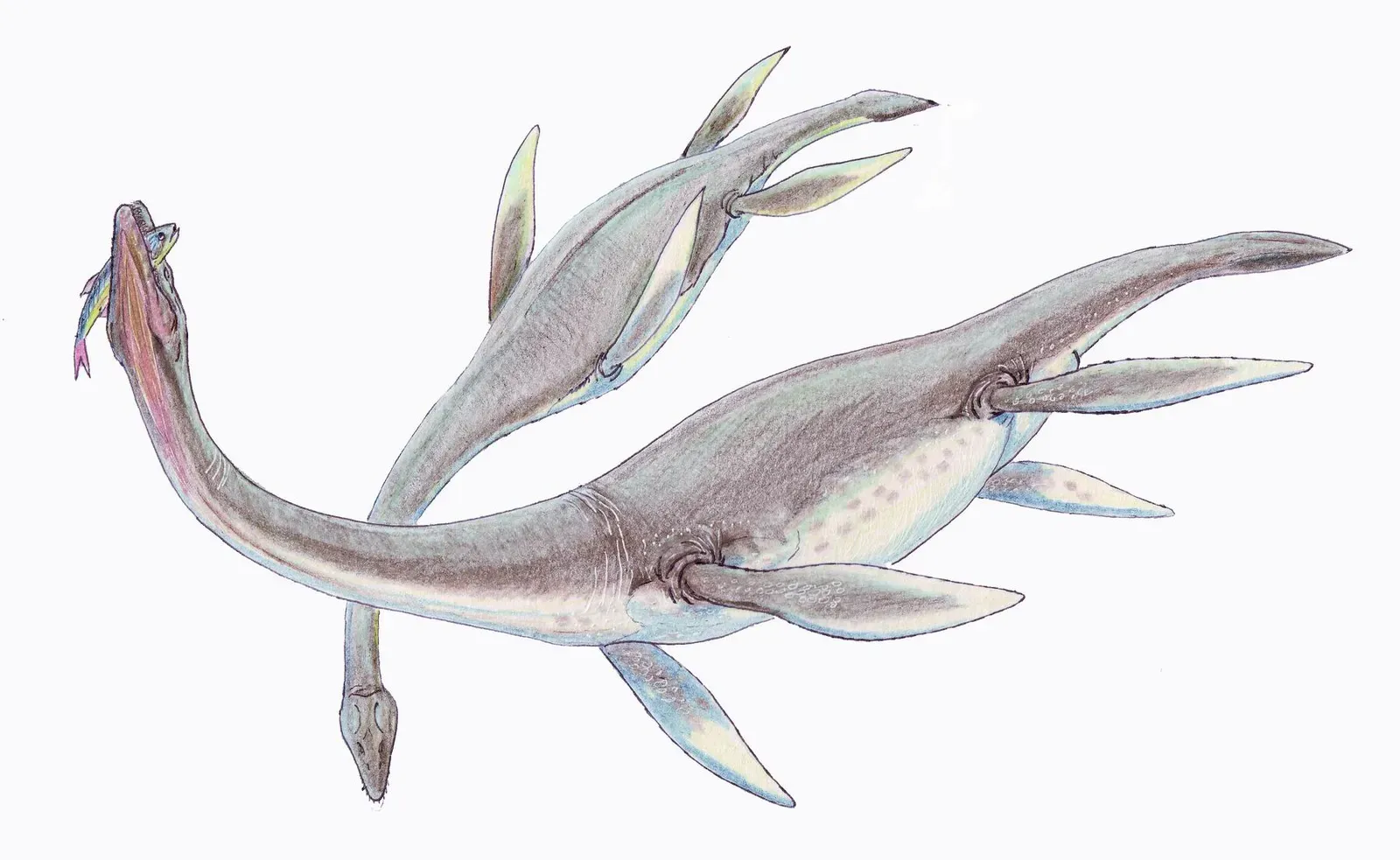
A plesiosaur isn’t the same as a dinosaur. Plesiosaurs were ancient marine reptiles that lived in the oceans and are only distantly related to dinosaurs, which lived on land. If you’ve ever called one a dinosaur, you’re in good company, but the distinction matters. They belong to an entirely separate evolutionary branch called Sauropterygia, sharing the Mesozoic era with dinosaurs without actually being one.
Like other ancient marine reptiles, such as those in the clades Ichthyosauria and Mosasauria, the genera in Plesiosauria are not part of the clade Dinosauria. Think of it this way: calling a plesiosaur a dinosaur is a bit like calling a dolphin a fish. They shared a world, not a lineage. In fact, scientists started studying and understanding plesiosaurs long before dinosaurs got the same kind of attention.
2. They Ruled the Oceans for an Astonishing Length of Time
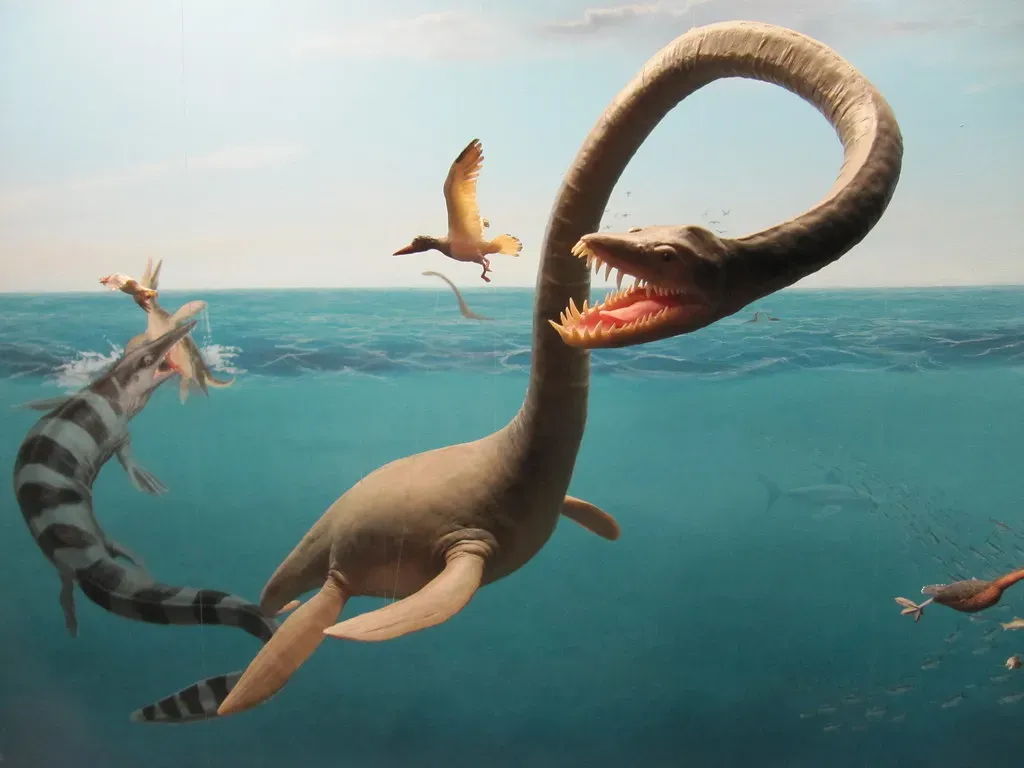
Plesiosaurs first appeared in the latest Triassic Period, possibly in the Rhaetian stage, about 203 million years ago. They became especially common during the Jurassic Period, thriving until their disappearance due to the Cretaceous–Paleogene extinction event at the end of the Cretaceous Period, about 66 million years ago. That’s a reign of well over 130 million years in the world’s oceans.
Either way, plesiosaurs are some of the most iconic and successful marine reptiles to have ever lived on Earth. They survived for more than 140 million years, making it through multiple extinctions that saw other groups get wiped out. To put that in perspective, humans have existed for only a fraction of that time. Whatever plesiosaurs were doing, they were clearly doing it right.
3. They Had Two Wildly Different Body Plans
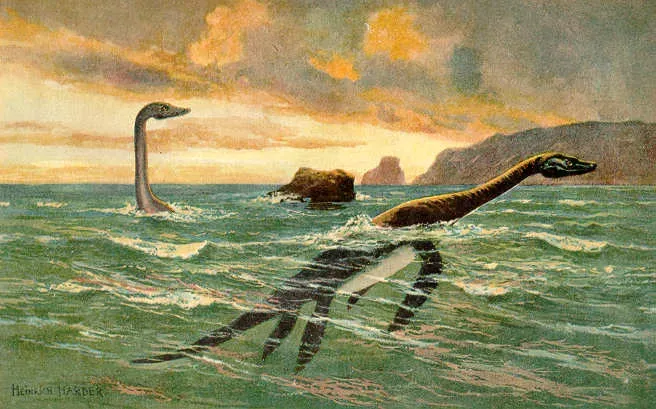
Plesiosaurs were incredible marine reptiles that swam in the oceans millions of years ago. Known for their distinctive body shapes, plesiosaurs were divided into two main groups: the long-necked Plesiosauroidea and the short-necked Pliosauroidea. These weren’t minor variations on a theme. They were radically different animals shaped by very different hunting strategies.
Some plesiosaurs had necks longer than their entire bodies, with as many as 70 or more vertebrae, more than any other known vertebrate animal. Others went in a completely different direction, abandoning long necks in favor of massive skulls, short muscular necks, and immense bite strength. These short-necked forms are commonly known as pliosaurs, and they represent one of the most extreme predatory body plans ever to evolve in the sea.
4. They “Flew” Through Water Rather Than Swam
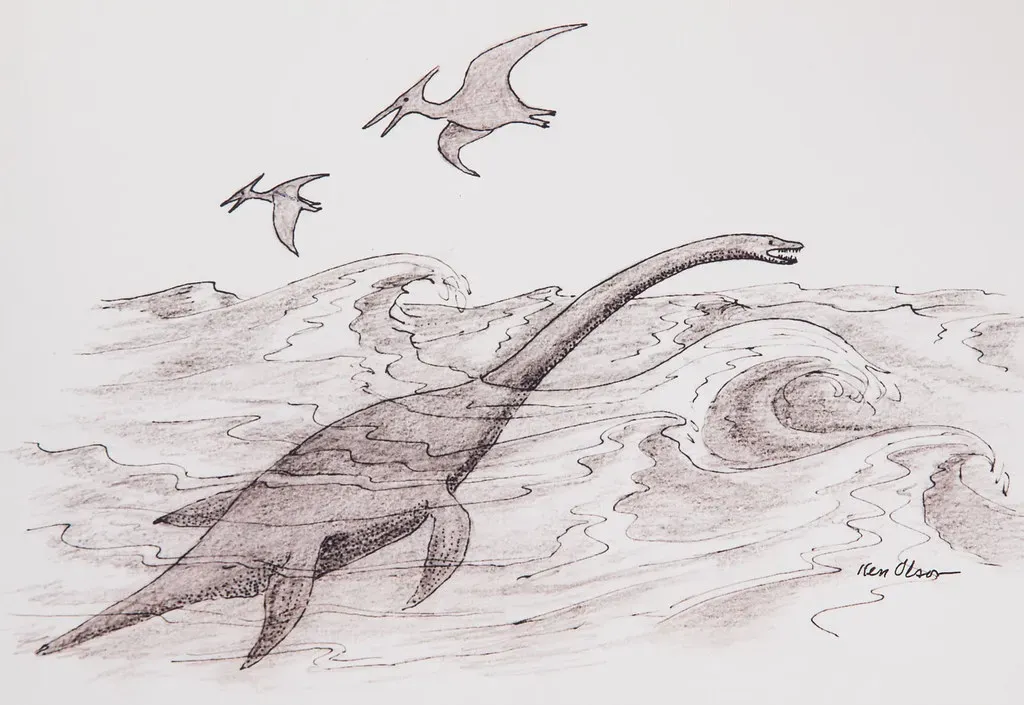
All plesiosaurs shared a distinctive anatomical blueprint that set them apart from every other marine reptile that ever lived. Their bodies were broad, rigid, and barrel-shaped, built around a strong ribcage that resisted twisting. Unlike fish or ichthyosaurs, plesiosaurs had short, relatively unimportant tails that played little role in propulsion. Instead, movement was driven almost entirely by their four large, paddle-shaped limbs.
Plesiosaurs “flew” through the water using all four flippers in a coordinated motion, generating lift and thrust much like underwater wings. This mode of locomotion gave them exceptional maneuverability, stability, and control, allowing precise turns, hovering, and sudden bursts of speed, advantages in complex marine environments. If you’ve ever watched a penguin glide underwater, you’ve seen a modern echo of the same basic principle at work.
5. Their Necks Were Engineering Marvels
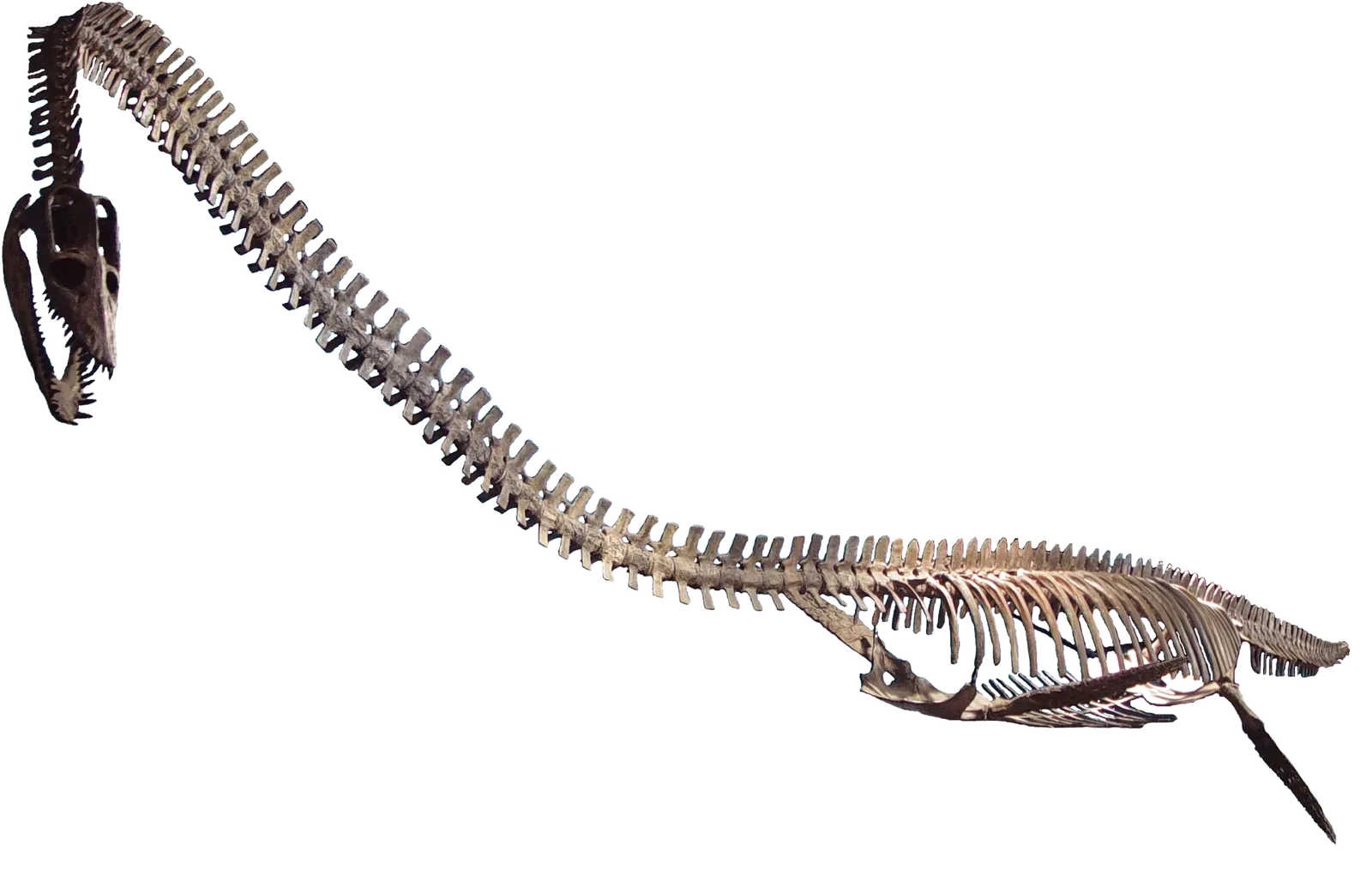
Elasmosaurus, a plesiosaurid, had as many as 76 vertebrae in its neck alone and reached a length of about 13 metres, fully half of which consisted of the head and neck. That kind of anatomical specialization is almost unparalleled in the vertebrate world. No other animal, before or since, has stacked quite so many neck bones into a single structure.
The neck was long and flexible, and the animal may have fed by swinging its head from side to side through schools of fish, capturing prey by using the long sharp teeth present in the jaws. The long neck likely allowed these plesiosaurs to approach prey with minimal disturbance. By keeping the bulky body farther away, they could strike quickly with the head, snatching fish before schools scattered. It was a hunting strategy built around patience and precision, not brute force.
6. Their Skin Has Finally Been Seen – 183 Million Years Later
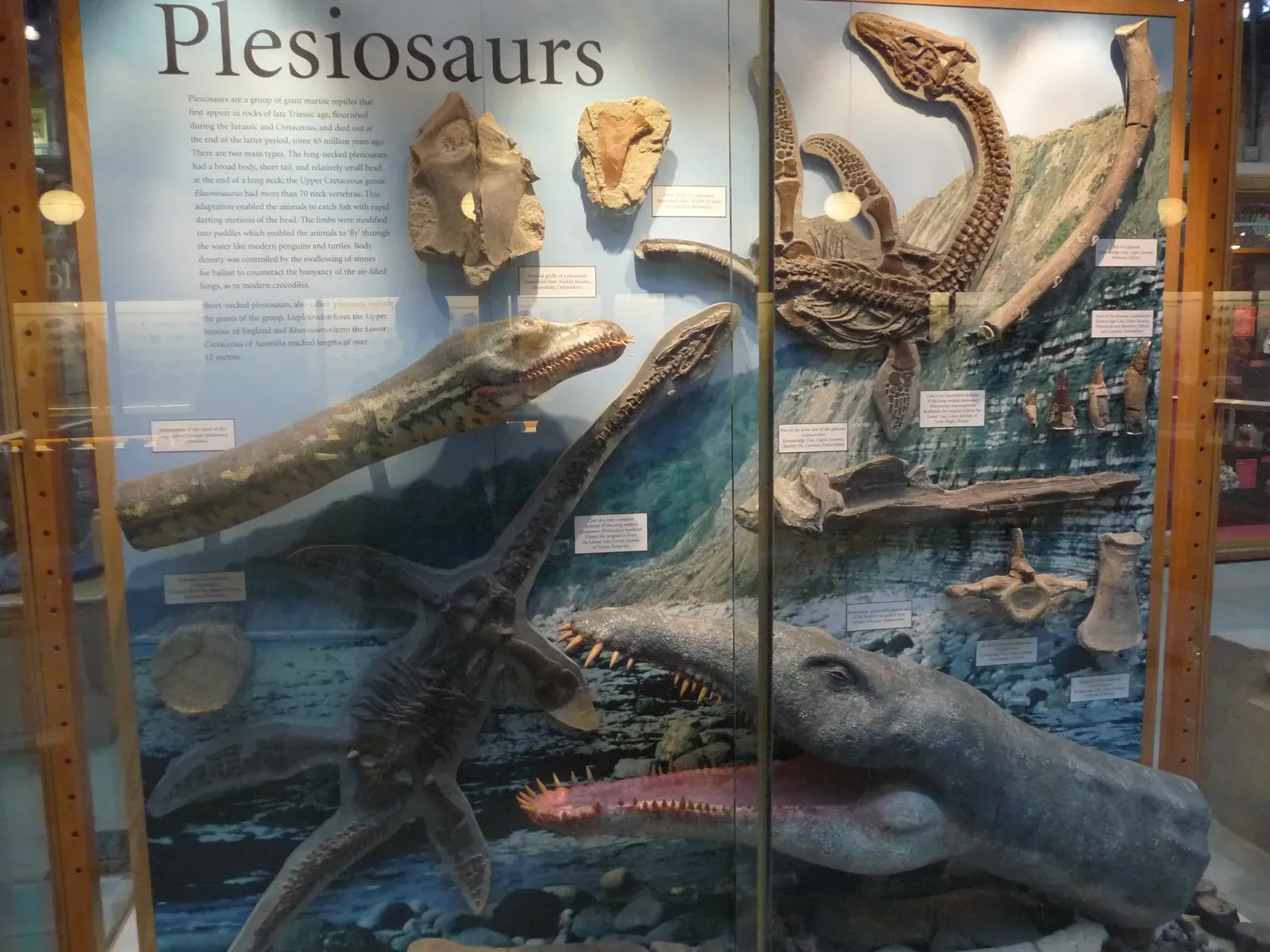
Uploaded by FunkMonk, CC BY 2.0)
Researchers at Lund University in Sweden analyzed the soft tissue from a fossilized plesiosaur for the first time. The results show that the long-necked marine reptile had both smooth and scaly skin. This was likely so it could both swim rapidly and move along rough seabeds. This 2025 discovery, published in the journal Current Biology, filled in a gap that had puzzled scientists for over two centuries.
The results reveal an unusual combination of smooth and scaly skin on different parts of the body. The researchers believe this variation could be related to different functions. The plesiosaur needed to swim efficiently to catch fish and squid-like animals, a task made easier by its smooth and hydrodynamic skin. However, it also needed to move across rough seafloors, which the scaly flippers would have likely allowed it to do. It’s a detail that makes the animal feel suddenly more real – and more complex.
7. They Gave Birth to Live Young, Just Like Whales
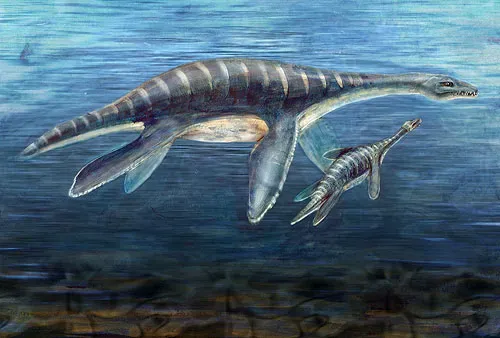
An actual plesiosaur specimen found in 1987 eventually proved that plesiosaurs gave birth to live young: this fossil of a pregnant Polycotylus latippinus shows that these animals gave birth to a single large juvenile and probably invested parental care in their offspring, similar to modern whales. This was a remarkable finding that overturned older assumptions about plesiosaur reproduction.
A previous study by O’Keefe and NHM Dinosaur Institute Director Luis Chiappe suggested that at least some plesiosaurs gave birth to live young about 40 percent the length of the mother, equivalent to a human mother giving birth to a six-year-old child. F. Robin O’Keefe and Luis M. Chiappe concluded the debate on plesiosaur reproduction, reporting the discovery of a gravid female plesiosaur with a single large embryo preserved inside her. They concluded that like marine mammals, but unlike many reptiles, plesiosaurs had a K-selected reproductive strategy. A smaller number of large, well-cared-for offspring rather than masses of eggs: that’s a strategy more typical of dolphins than lizards.
8. They Swallowed Stones to Help Them Dive and Digest
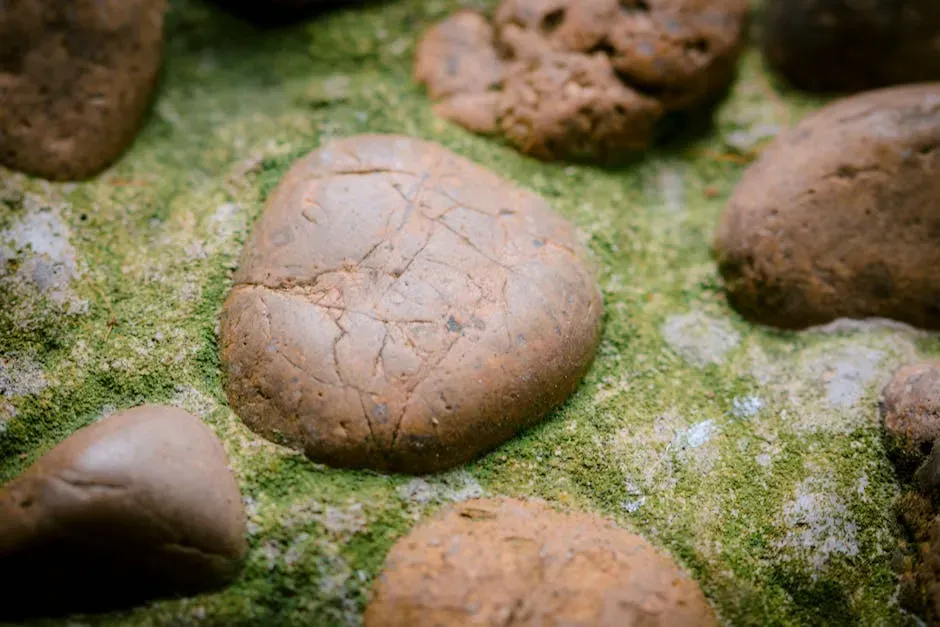
Many plesiosaur fossils contain gastroliths – smooth stones found within the ribcage. These stones may have served multiple purposes. One likely role was buoyancy control, helping the animal maintain stability while swimming or hovering in the water column. Another possibility is that gastroliths aided digestion, helping grind up soft-bodied prey or assisting with the breakdown of swallowed flesh. Interestingly, gastroliths are more commonly found in long-necked plesiosaurs than in pliosaurs, which may reflect differences in feeding behavior.
Long-necked forms often swallowed prey whole, while pliosaurs likely tore prey apart, reducing the need for internal processing stones. The presence of gastroliths also suggests a degree of deliberate behavior – these creatures were selecting and retaining specific stones inside their bodies for functional reasons, not simply ingesting them by accident. That kind of purposeful physiology is surprisingly sophisticated for an animal 100 million years old.
9. They Were Likely Warm-Blooded
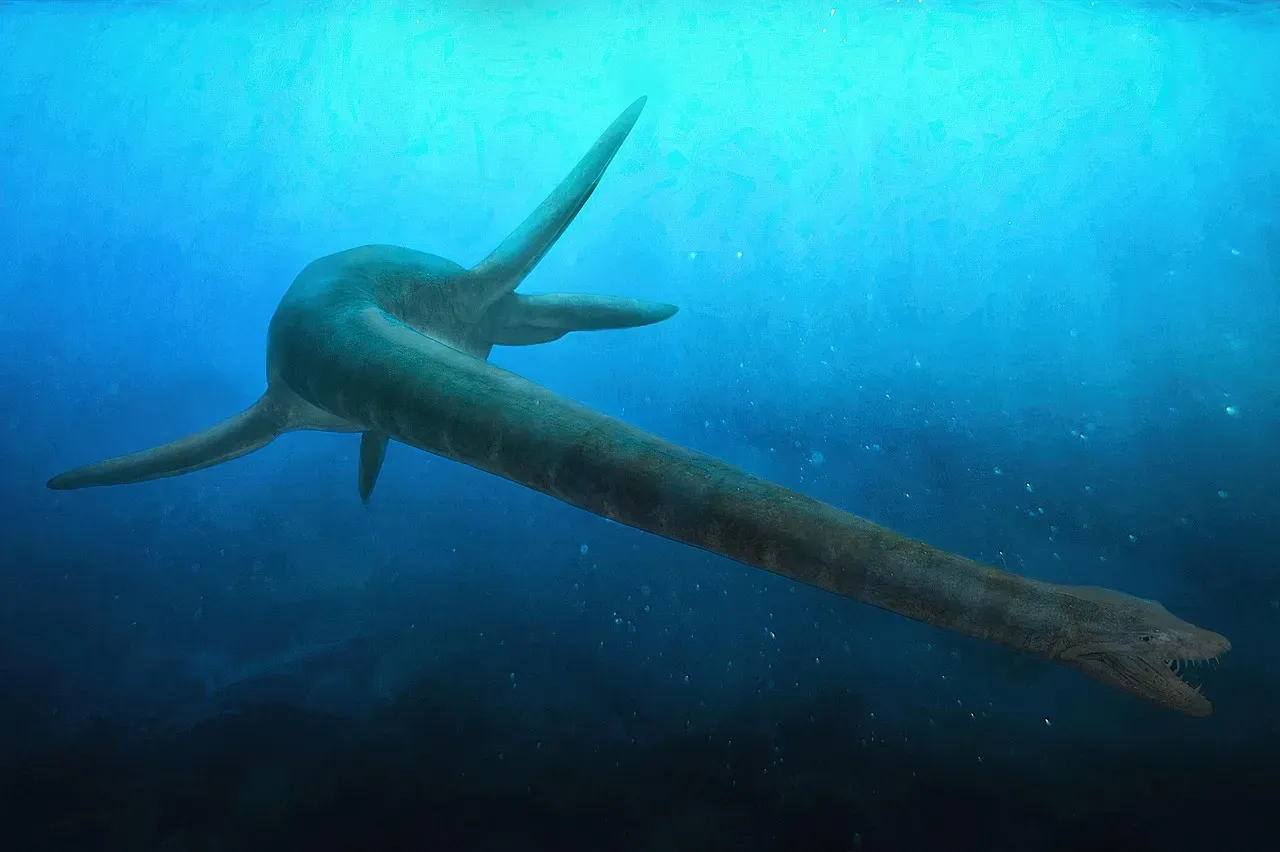
These results provide evidence that plesiosaurs and probably even their ancestral forms had an equally high metabolism as mammals and birds do and, thus, were truly endothermic. Furthermore, the high metabolism allowed them to grow fast. This challenges the old assumption that all ancient reptiles were slow, cold-blooded creatures dependent on external heat sources.
Other plesiosaurs made the poles their home, moving into cold waters that modern reptiles couldn’t cope with. It’s likely that the plesiosaurs were warm-blooded, making them better able to grow quickly and cope with a range of different temperatures. Some of the species that lived in the polar regions were very unusual – Morturneria, from the Antarctic, is believed to have used its teeth like a sieve to filter prey out of the water. Meanwhile, the Arctic-dwelling Ophthalmothule has relatively large eyes that would have been better at detecting light, meaning they might have fed on animals living in deep water and on the seabed. Polar plesiosaurs with filter-feeding teeth and deep-sea eyes: the group was more diverse than most people realize.
10. Some of Them May Have Lived in Freshwater Rivers
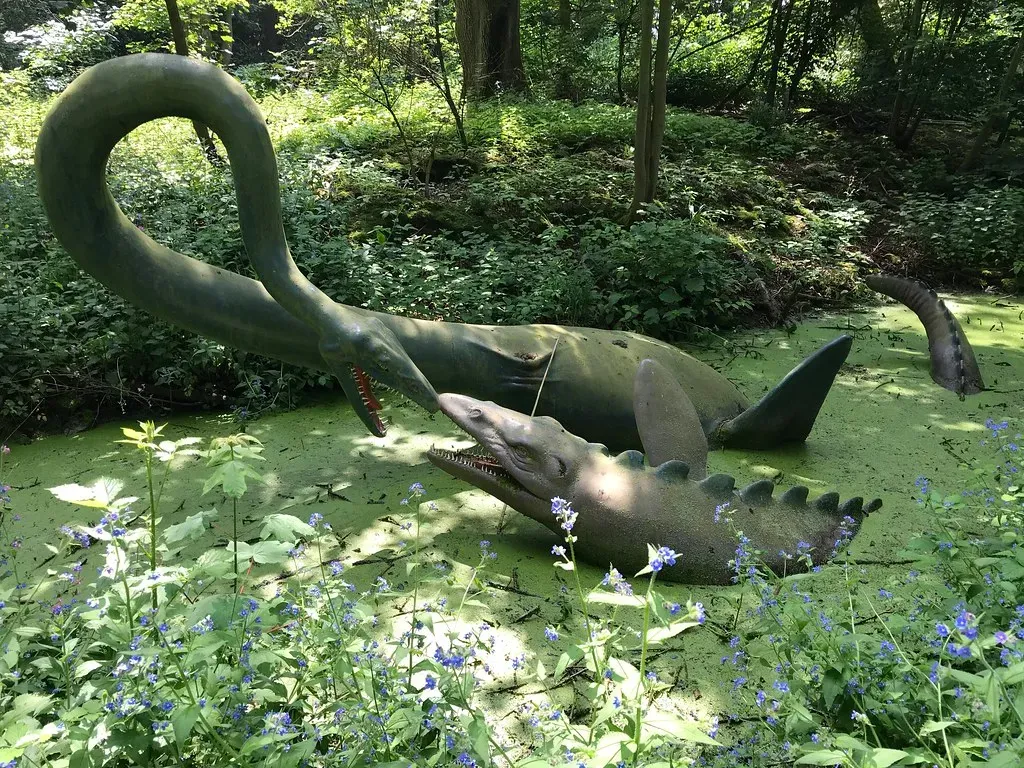
In a study conducted by the University of Bath and University of Portsmouth in the UK, and Université Hassan II in Morocco, scientists reported on plesiosaur fossils found in a 100-million-year-old former river system in what is now Morocco’s Sahara Desert. More specifically, the fossils were excavated from a deposit called the Kem Kem beds. The assumption that plesiosaurs were exclusively marine animals has been slowly eroding with each new discovery.
The teeth exhibit wear similar to that seen on fossil teeth of the semi-aquatic dinosaur Spinosaurus, which lived in the same river at the same time as the plesiosaurs. This is an important finding, as it suggests that the plesiosaurs fed on the same armored fish as the dinosaurs. If they did, that means they may have stayed in the river for extended periods, or even lived there permanently, as opposed to occasionally swimming in from the ocean for quick visits. Whether they were permanent residents or seasonal visitors to freshwater is still being debated, but the evidence is compelling either way.
11. They Inspired the Loch Ness Monster – But Science Has a Clear Answer
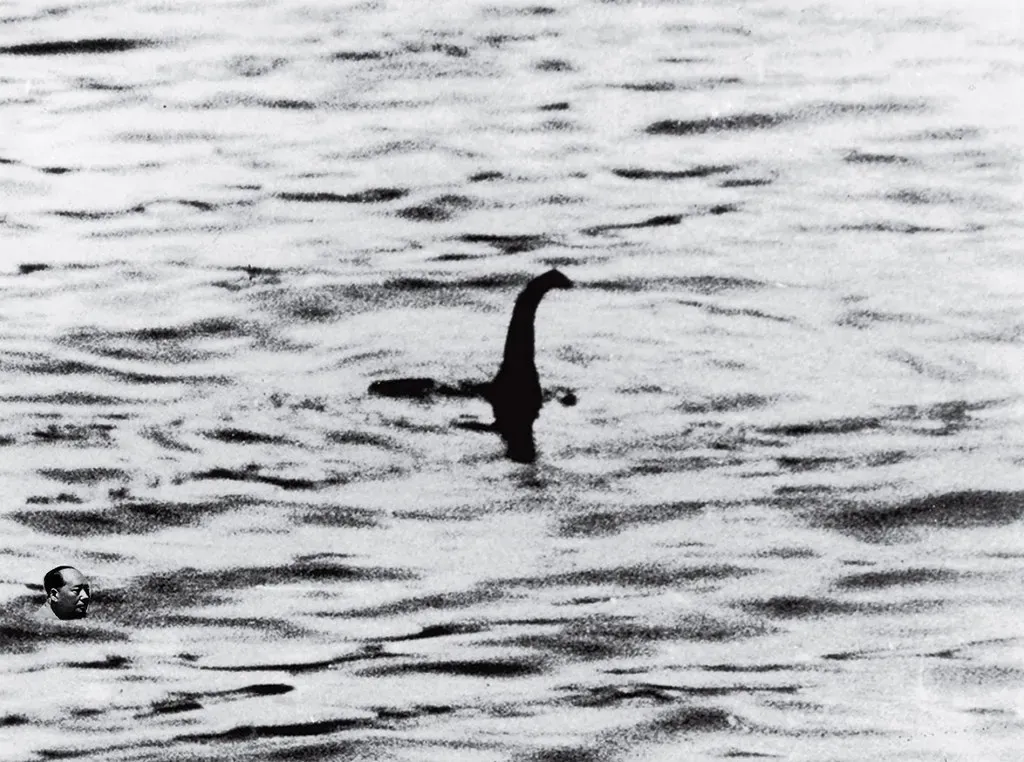
Plesiosaurs hold a special place in scientific and cultural history. They were among the first extinct reptiles ever reconstructed correctly, helped shape early ideas about extinction, and even inspired modern myths such as the Loch Ness Monster. The long-necked silhouette, breaking the surface of a dark Scottish loch, is a powerful image – and it owes everything to the plesiosaur’s unforgettable shape.
Yet the science is clear on this one. From 2018 to 2019, scientists from New Zealand undertook a massive project to document every organism in Loch Ness based on DNA samples. Their reports confirmed that European eels are still found in the Loch. No DNA samples were found for large animals such as catfish, Greenland sharks, or plesiosaurs. The recent fossil discovery also suggests that the last plesiosaurs went extinct around the same time as the rest of the dinosaurs 66 million years ago, which contradicts claims from some Loch Ness Monster believers who say the creature was last seen alive as recently as 1975. The legend lives on, but Nessie is better understood as a tribute to the plesiosaur’s grip on human imagination than as evidence of its survival.
Conclusion
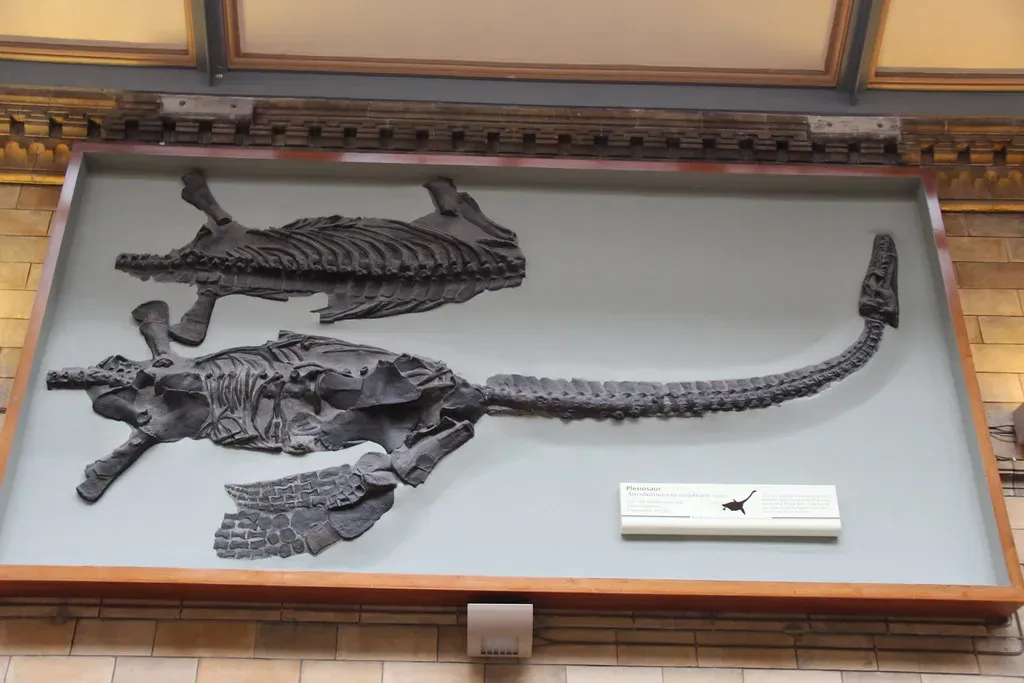
The plesiosaur spent over 140 million years mastering life in the world’s oceans, diversifying into dozens of forms that ranged from nimble fish-snatchers to apex predators capable of hunting other marine reptiles. It flew through water on four limbs, carried stones in its gut, gave birth to live young, and may have been as warm-blooded as you are.
What makes the plesiosaur so enduring, both in the fossil record and in popular culture, is that it genuinely defies easy categorization. It was a reptile that behaved like a mammal, a swimmer that moved like a bird, and a creature ancient enough to be alien yet close enough to living animals to feel strangely familiar. New discoveries, like the 2025 soft-tissue skin analysis from Lund University, are still rewriting what we know. The story of the plesiosaur is far from over.