For over a century, dinosaurs carried a reputation that was, frankly, unfair. The image of slow, dim-witted giants lumbering through primordial swamps stuck around long after the fossil evidence began telling a very different story. Paleontology has been quietly rewriting the script, and the revisions are remarkable.
What’s emerging from the latest research is a picture of animals with complex social lives, sharp senses, and neurological structures far more nuanced than a simple “small brain, big body” dismissal could ever capture. You don’t need to be a scientist to find this fascinating. You just need to be willing to look at the evidence.
1. Troodon’s Brain Rivaled That of Modern Birds
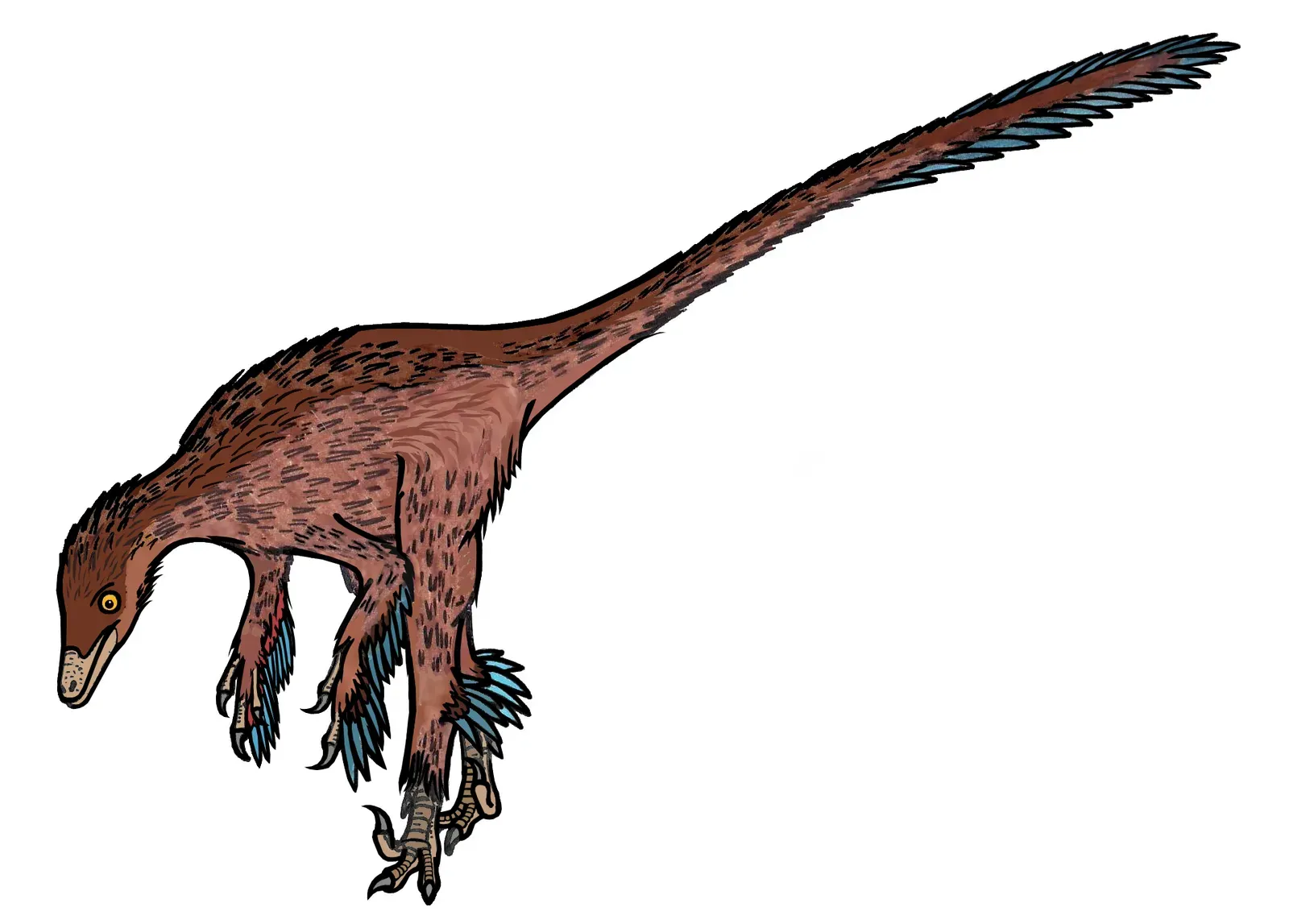
When you measure brain size relative to body weight, most dinosaurs fall in line with modern non-avian reptiles. Troodon, however, breaks that pattern noticeably. Troodon and other troodontid and maniraptoran theropod dinosaurs, including the dromaeosaurids Velociraptor and Deinonychus, have been documented as having especially large brains for their body size, based on endocast data and skeletal reconstructions.
Troodon falls at the lower edge of the overlapping bird-mammal range when brain-to-body ratios are plotted against living animals. That’s not a trivial distinction. It places this carnivorous theropod in territory that we normally reserve for cognitively capable animals. Troodon is often cited as a contender for the “smartest” dinosaur due to its relatively large brain-to-body size ratio, with its encephalization quotient suggesting a higher cognitive capacity compared to other dinosaurs.
2. CT Scans Revealed Surprisingly Complex Neurological Structures
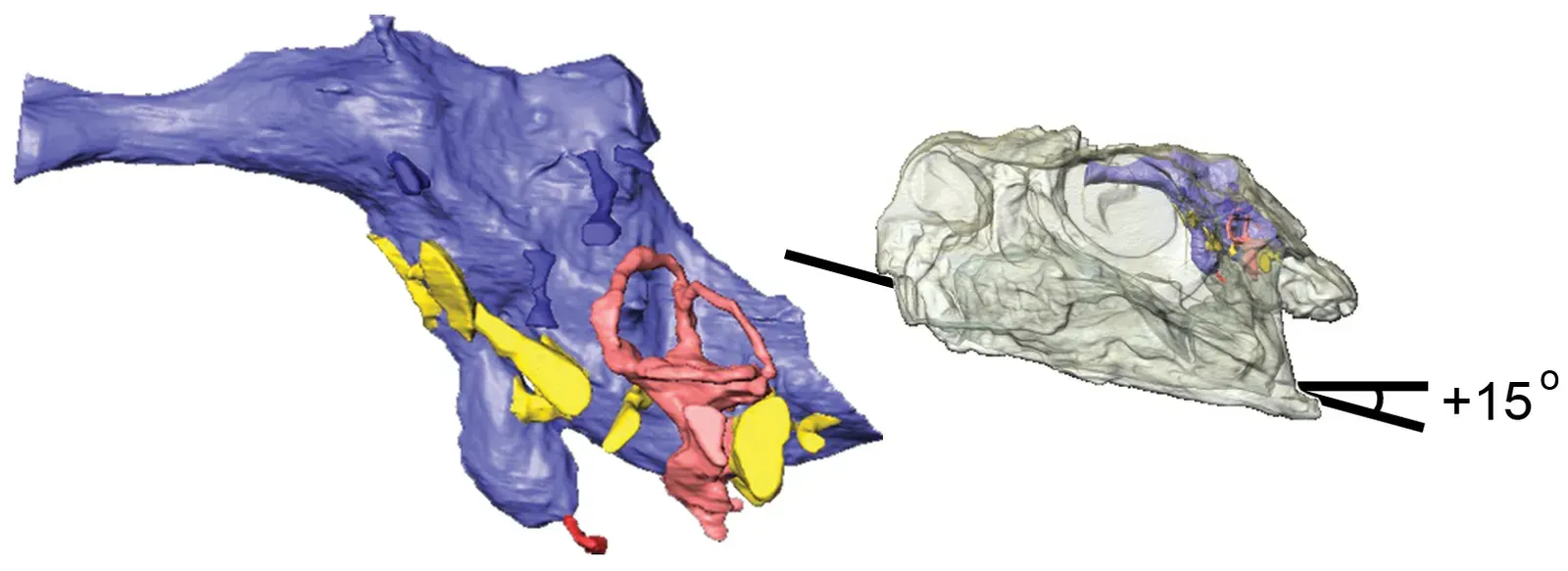
You might wonder how scientists study the brains of animals that have been extinct for tens of millions of years. The answer lies in endocasts, which are casts of the interior of the skull that preserve the general shape of the brain. CT scans have given considerable new help in figuring out how dinosaurs lived and operated, revealing the development of different lobes of the brain as recorded in the endocast, with the structure of vertebrate brains being fairly conserved across the clade, allowing scientists to identify which sections apply to which function.
Computed tomography data have shown that tyrannosaurids had a trademark system of a large brain, large olfactory bulbs, elongate cochlear ducts, and expansive endocranial sinuses surrounding the brain and sense organs. This is far from the primitive, undifferentiated neural architecture most people assume dinosaurs possessed. The structural detail preserved in these scans has forced researchers to seriously reconsider what was actually going on inside a dinosaur’s skull. As one researcher noted, the study of the brain of dinosaurs is booming as it is now easier than ever to reconstruct brain morphology thanks to digital technology.
3. Theropods Had Neuron Counts That Sparked a Scientific Debate
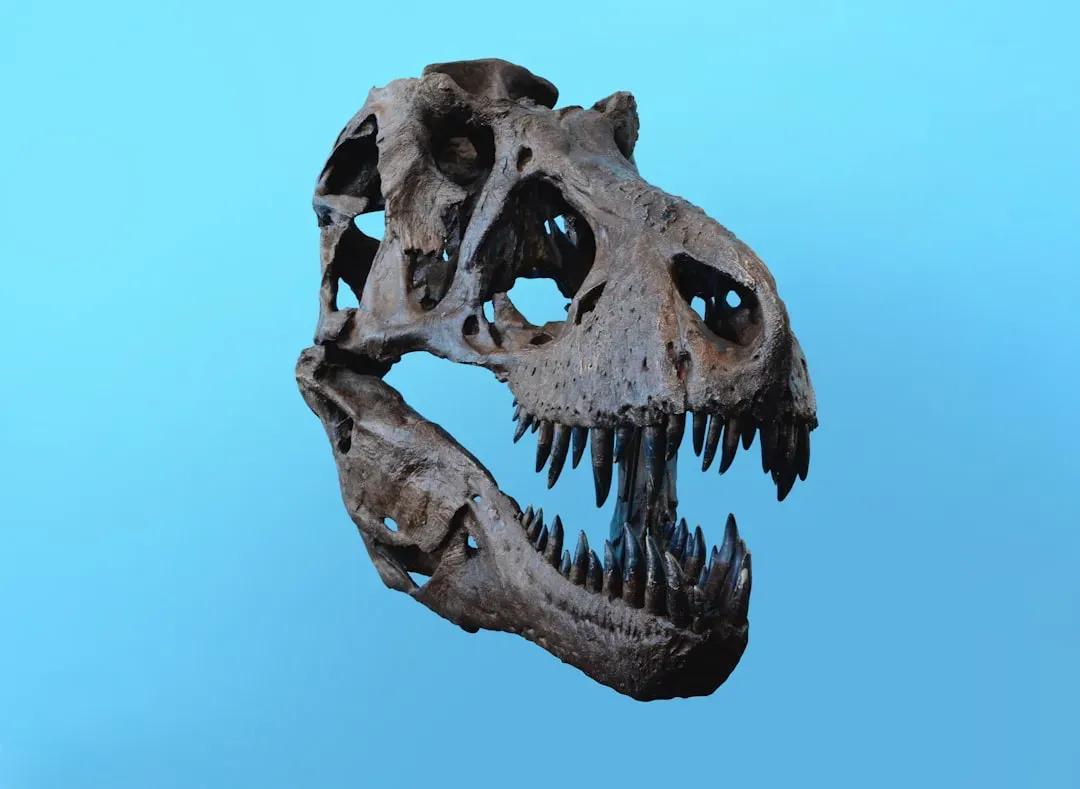
One of the most controversial and energizing discussions in paleontology in recent years centers on neuron counts in dinosaur brains. Researcher Herculano-Houzel argued that fossil endocasts and comparative neurological data from extant sauropsids allow reconstruction of telencephalic neuron counts in Mesozoic dinosaurs, with her analysis suggesting that large theropods such as Tyrannosaurus rex were long-lived, exceptionally intelligent animals equipped with “macaque- or baboon-like cognition.”
The claim triggered a wave of scrutiny, which is exactly how science is supposed to work. Researchers have argued that determining the intelligence of dinosaurs and other extinct animals is best done using many lines of evidence ranging from gross anatomy to fossil footprints, instead of relying on neuron number estimates alone. The debate itself, still ongoing in 2026, has pushed the field toward sharper, more rigorous methods of studying dinosaur cognition. Even if the most ambitious neuron estimates are scaled back, this mustn’t be interpreted to mean that the extinct animals were deficient or poor in performance, given what we currently think about learning, complexity, and memory in living animals.
4. Some Dinosaurs Had Binocular Vision Comparable to Modern Raptors
Vision is one of the clearest indicators of how an animal engages with and processes its environment. Predators that rely on precision generally have forward-facing eyes that produce binocular overlap. The coelurosaurs Daspletosaurus, Tyrannosaurus, Velociraptor, and Troodon had cranial designs that afforded binocular fields between 45 and 60 degrees in width, similar to those of modern raptorial birds.
The progressive increase in frontal vision in the tyrannosaurids culminates in broader binocular overlap than that of a modern hawk. This is a striking finding. A broader binocular field implies refined depth perception, the kind needed for precisely judging distance when striking at prey or navigating complex terrain. Living diapsids typically have four to five types of color receptors, with ranges slightly higher into the ultraviolet than humans see, meaning that almost certainly extinct diapsids, including non-avian dinosaurs, had bird-like vision with more ability to divide visible light into various colors.
5. Certain Species Had Hearing as Acute as a Barn Owl
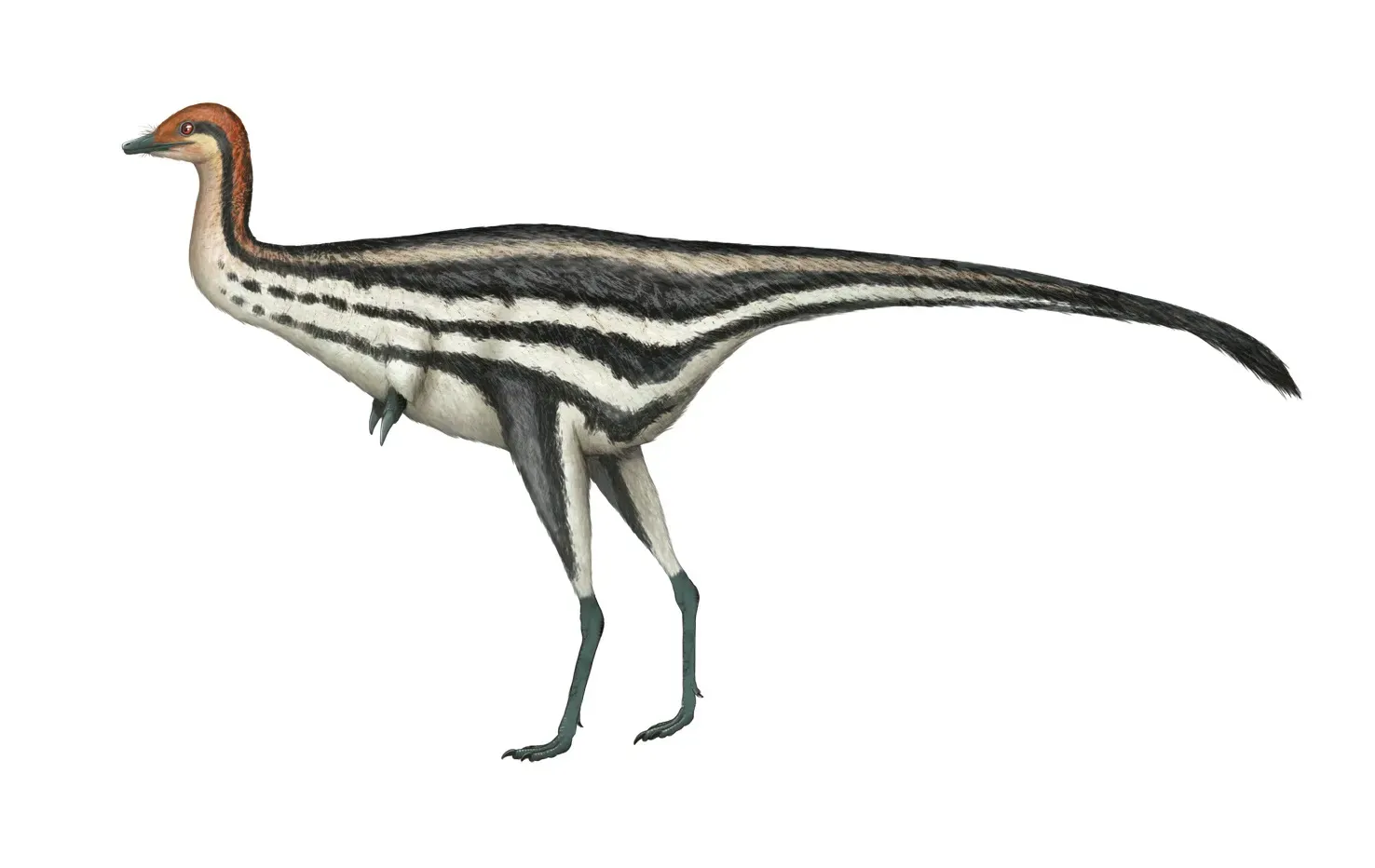
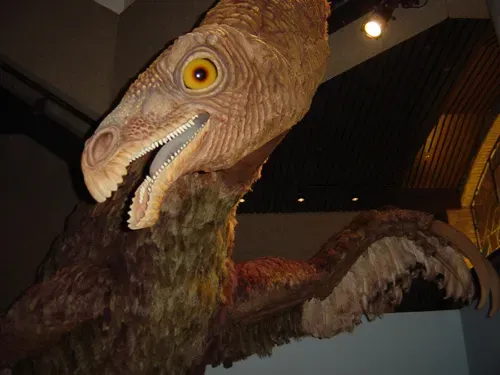
Hearing is another sensory window into cognitive sophistication, and some dinosaurs were far better equipped in this department than anyone expected. Nocturnal predation evolved early in the nonavialan lineage Alvarezsauroidea, signaled by extreme low-light vision and increases in hearing sensitivity, with the Late Cretaceous alvarezsauroid Shuvuuia deserti having even further specialized hearing acuity rivaling that of today’s barn owl.
This combination of sensory adaptations evolved independently in dinosaurs long before the modern bird radiation and provides a notable example of convergence between dinosaurs and mammals. The barn owl is widely regarded as having the most precise sound localization of any animal tested. Finding that level of auditory sophistication in a non-avian dinosaur suggests that complex sensory processing was not a later evolutionary innovation. The derived alvarezsaurids show evidence of superb hearing, comparable to modern owls, which has been suggested to have aided them in hunting for insects inside nests and logs.
6. CT Scans Linked Specific Sensory Profiles to Specific Behaviors
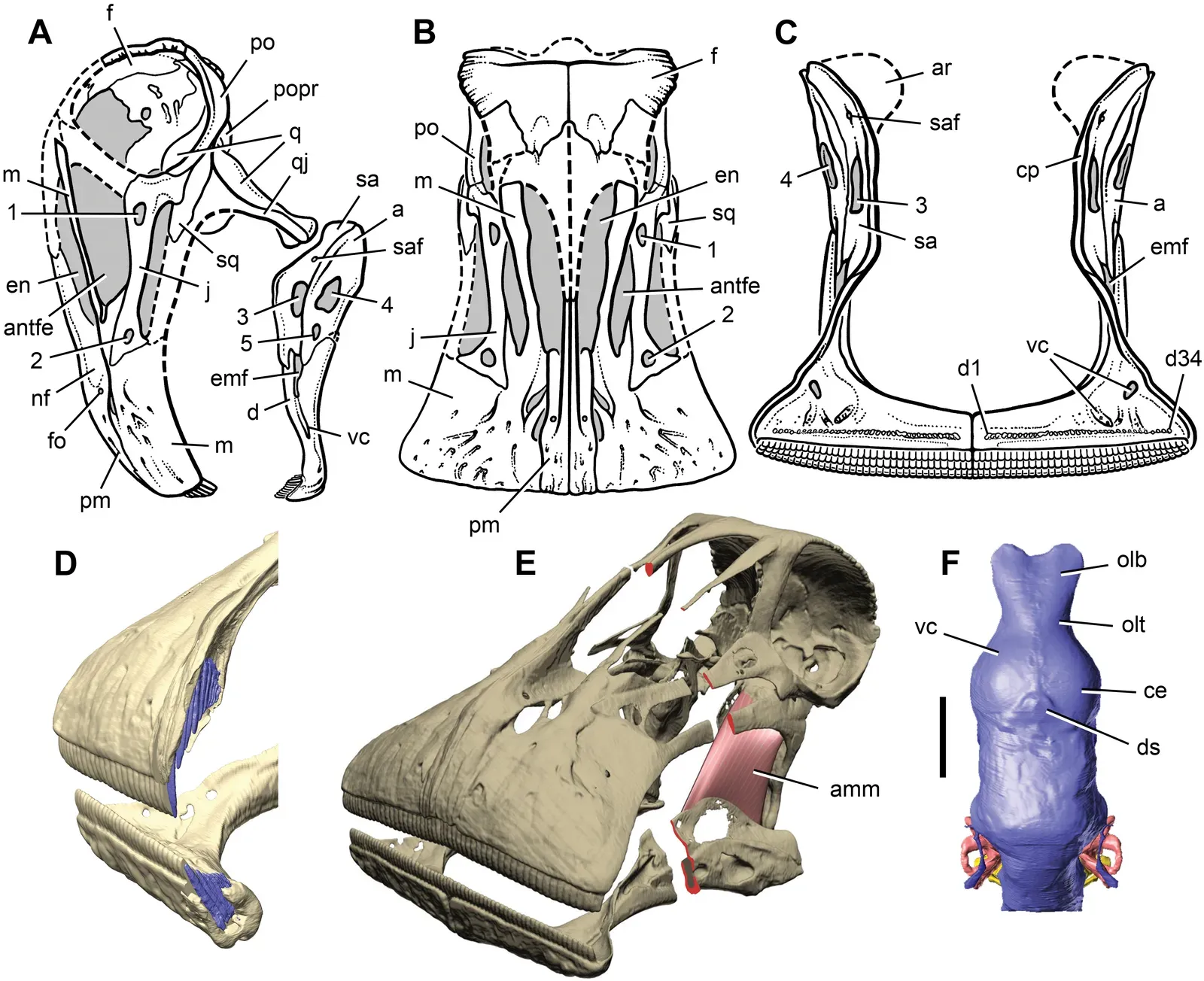
One of the more elegant recent findings came from CT scanning a plant-eating dinosaur that had largely been overlooked by researchers. A CT scan of the dinosaur’s skull revealed a unique combination of traits associated with living animals that spend at least part of their time underground, including a super sense of smell and outstanding balance, and the work was the first to link a specific sensory fingerprint with this behavior in extinct dinosaurs.
This is significant because it means you can move beyond guessing at how dinosaurs behaved and actually match neurological evidence to ecological strategies. Sensory capabilities such as vision, hearing, and smell significantly influenced how dinosaurs interacted with their environment, with dinosaurs that had keen senses being better equipped to navigate, hunt, and avoid predators, and enhanced sensory input likely contributing to the development of more complex cognitive processes. In other words, the brain was not a passive organ in these animals. It was shaped by and for the demands of a complex world.
7. Evidence of Complex Herding and Age-Segregated Social Structures
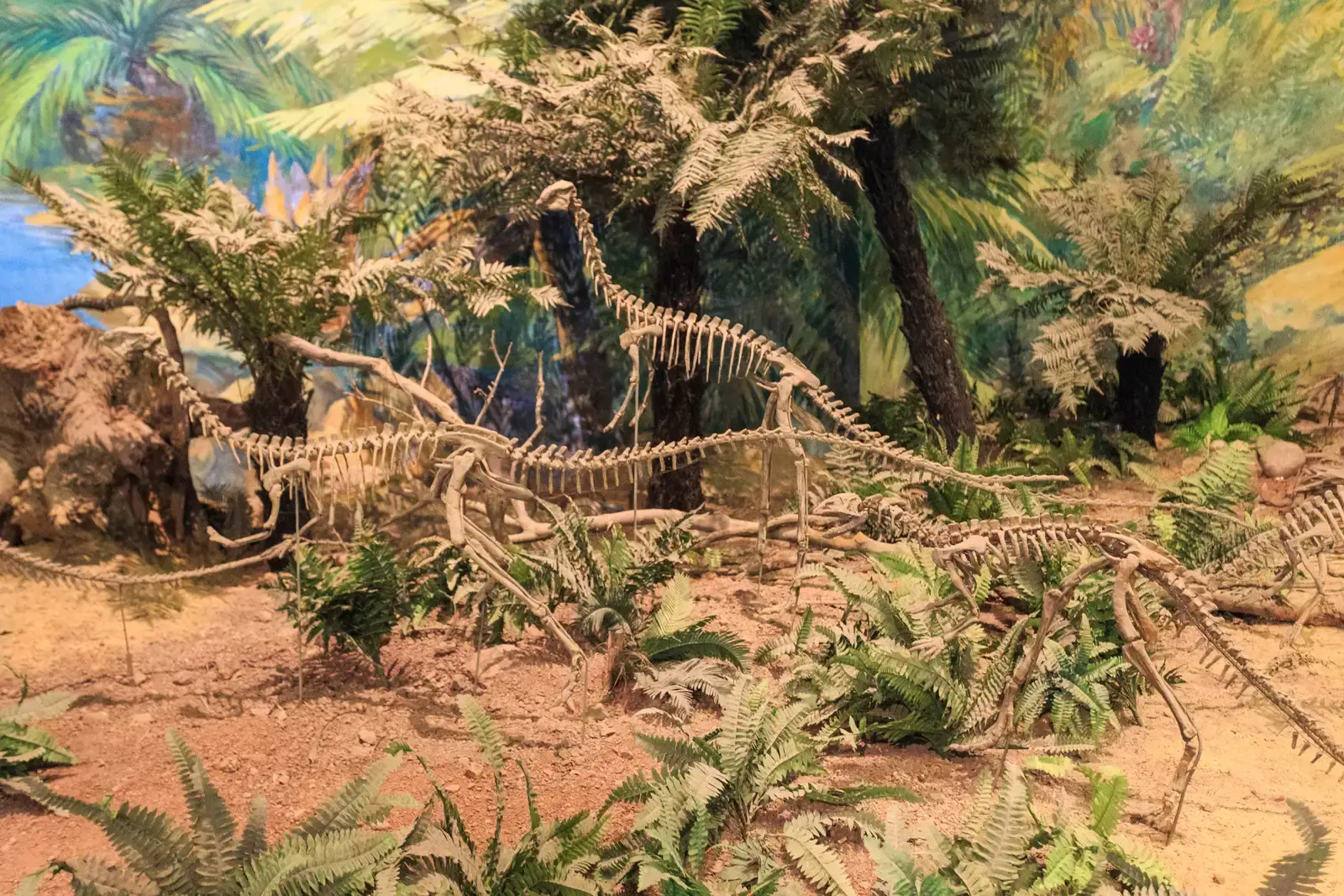
Social behavior requires cognitive coordination, and dinosaurs pulled this off on a surprisingly large scale. Researchers from MIT, Argentina, and South Africa found that Mussaurus patagonicus may have lived in herds as early as 193 million years ago, some 40 million years earlier than other records of dinosaur herding. The fossils told an unusually clear story. This “age segregation” is considered a strong sign of a complex, herd-like social structure, with the dinosaurs likely working as a community, laying their eggs in a common nesting ground while juveniles congregated in groups and adults roamed and foraged for the herd.
Herbivorous dinosaurs consistently showed stronger evidence for herding, with numerous examples of mass death assemblages, colonial nesting, and parallel trackways, a pattern that makes ecological sense, as herding provides safety in numbers against predators, much as we see in modern herbivores like wildebeest or buffalo. Managing age-segregated group dynamics across vast herds is not something a cognitively simple animal can do. These occurrences of multiple skeletal remains have repeatedly been reinforced by dinosaur footprints as evidence of herding, with trackways showing nearly parallel paths all progressing in the same direction, leading researchers to conclude that the animals passed in a single herd.
8. Parental Care and Nesting Intelligence Rewrote Dinosaur Biology
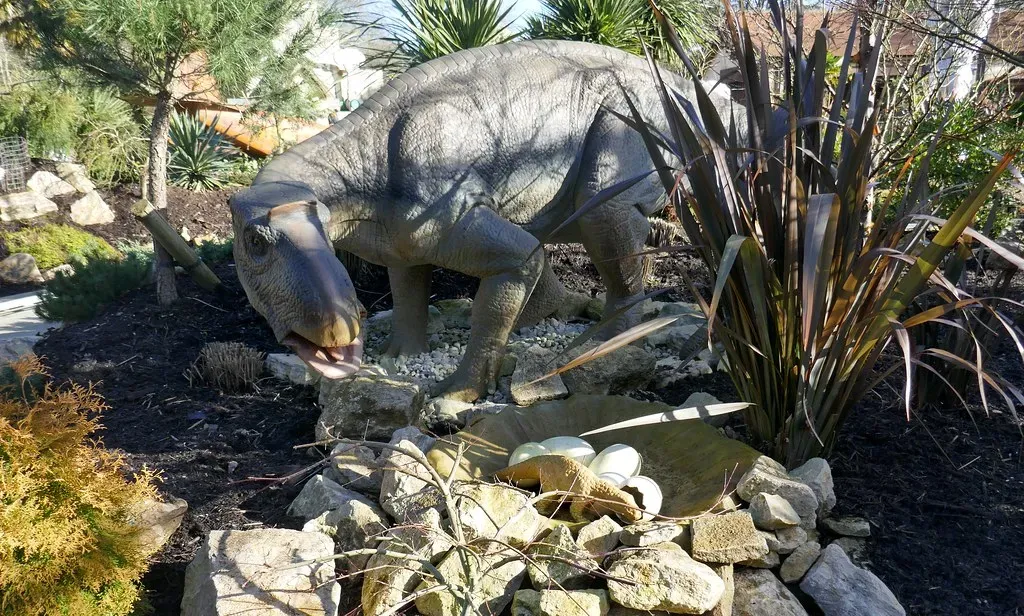
Perhaps no discovery has shifted the popular understanding of dinosaur intelligence more than the evidence of parental care. The Maiasaura nesting grounds in Montana reveal hundreds of nests in distinct “neighborhoods,” with evidence that adults provided extended care to nestlings that remained in the nest for significant periods after hatching. This is not the behavior of an animal operating purely on reflex. It requires memory, spatial reasoning, and social commitment.
More discoveries in the 1990s, including the related animal Citipati found fossilized in a brooding stance over a nest, helped establish that some dinosaurs actively protected their eggs rather than simply abandoning them. Nesting sites discovered in the late twentieth century also established herding among dinosaurs, with nests and eggs numbering from dozens to thousands preserved at sites that were possibly used for thousands of years by the same evolving populations. Returning to the same nesting site across generations implies a form of learned tradition, one of the hallmarks of behavioral intelligence in the animal kingdom.
Conclusion: The Evidence Is Still Being Written
The old image of the lumbering, dim-witted dinosaur has been steadily dismantled by fossil evidence, CT scans, neurological analysis, and behavioral reconstruction. What you’re left with is something far more interesting: a diverse group of animals with sophisticated senses, complex social lives, and neural architecture that continues to surprise researchers. None of this means every dinosaur was a genius. Determining the intelligence of dinosaurs and other extinct animals is best done using many lines of evidence ranging from gross anatomy to fossil footprints, and the picture will keep evolving as new fossils and new techniques emerge.
Over the past fifty years, the scientific view and public image of the intelligence and behavioral sophistication of dinosaurs has undergone considerable transformation. That transformation is far from finished. Every new discovery, from a Mongolian desert nest to a Montana bone bed, adds another layer to a story that turns out to be much richer than anyone imagined when the first dinosaur bone was pulled from the ground two centuries ago. The real lesson may be simpler than any single finding: underestimating ancient life is almost always a mistake.