Long before paleontologists gave names to mastodons and giant ground sloths, the people of North America were already telling stories about them. Centuries before Europeans arrived, native inhabitants of the Americas understood that the land had once been teeming with massive creatures, and their distant ancestors had lived alongside mammoths and mastodons, giant sloths, saber-toothed predators, and giant bison, extinct animals that lived on in Native oral histories backed up by fossils.
The question of whether those stories preserve actual memories of living giants, or whether they grew from encounters with fossilized bones, has fascinated scholars for generations. As researcher George E. Lankford notes, “the question of the retention of Pleistocene fauna in Native American folktales has been continually debated by scholars for two centuries.” What remains undeniable is that the echoes are striking, and five tribes in particular carry legends that seem to describe animals that vanished from this continent roughly twelve thousand years ago.
The Penobscot Nation and the Stiff-Legged Bear
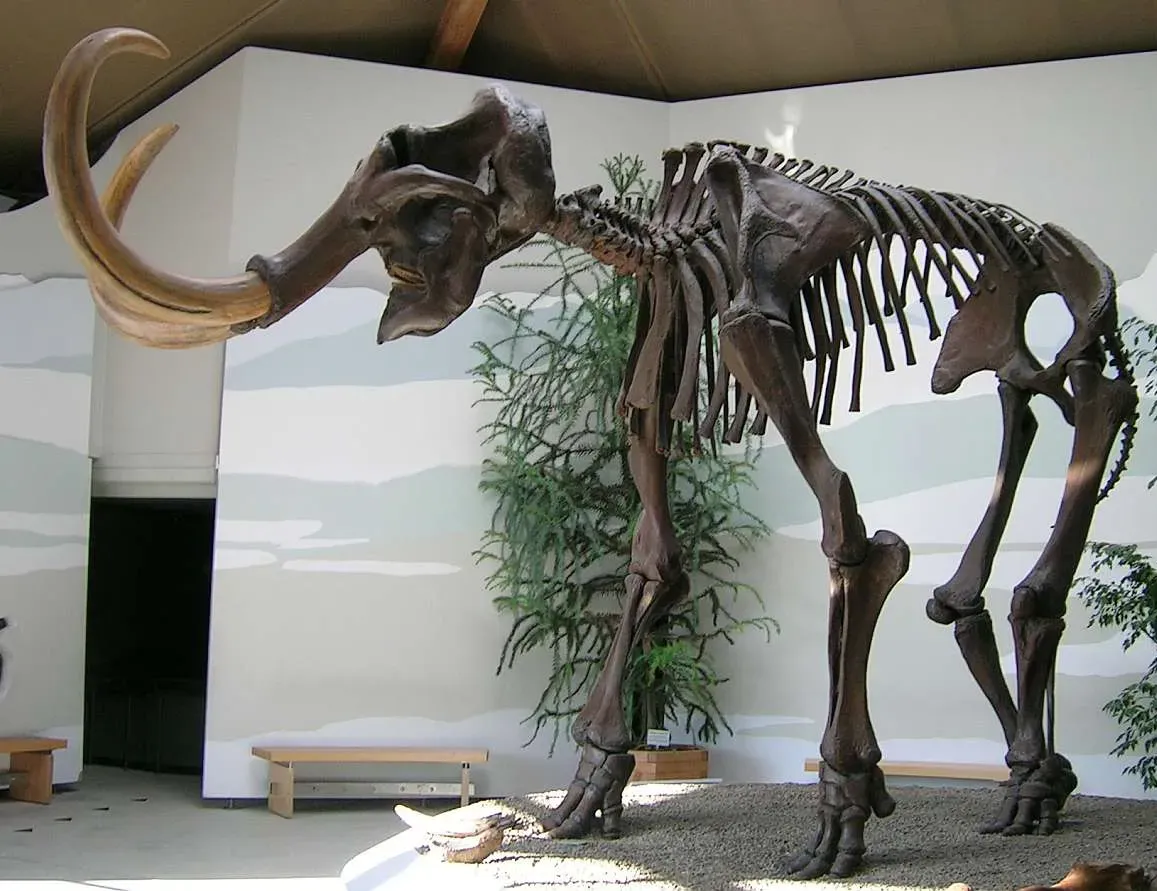
If you study the legends of the Penobscot people of what is now Maine, you’ll quickly run into a creature that defies easy categorization. The Katshituashku is described as a gigantic, stiff-legged, hairless, human-eating bear, immensely large with straight hind legs that cannot bend. That last detail is oddly specific, and it becomes more interesting once you consider what animal could have inspired it.
Approximately elephant-sized, with the Penobscot Indians detailing the creature’s inability to sleep lying down due to giant inflexible legs, it is widely assumed that the monster originated from early mastodon remains discovered by Natives and incorporated into existing oral histories. Some anthropologists speculate that the stiff-legged bear of legend might actually be the very real prehistoric woolly mammoth, or rather various versions of stories of the mammoth that were imaginatively tweaked as they were passed down through complex oral histories.
The Iroquois Confederacy and the Ancient of Beavers
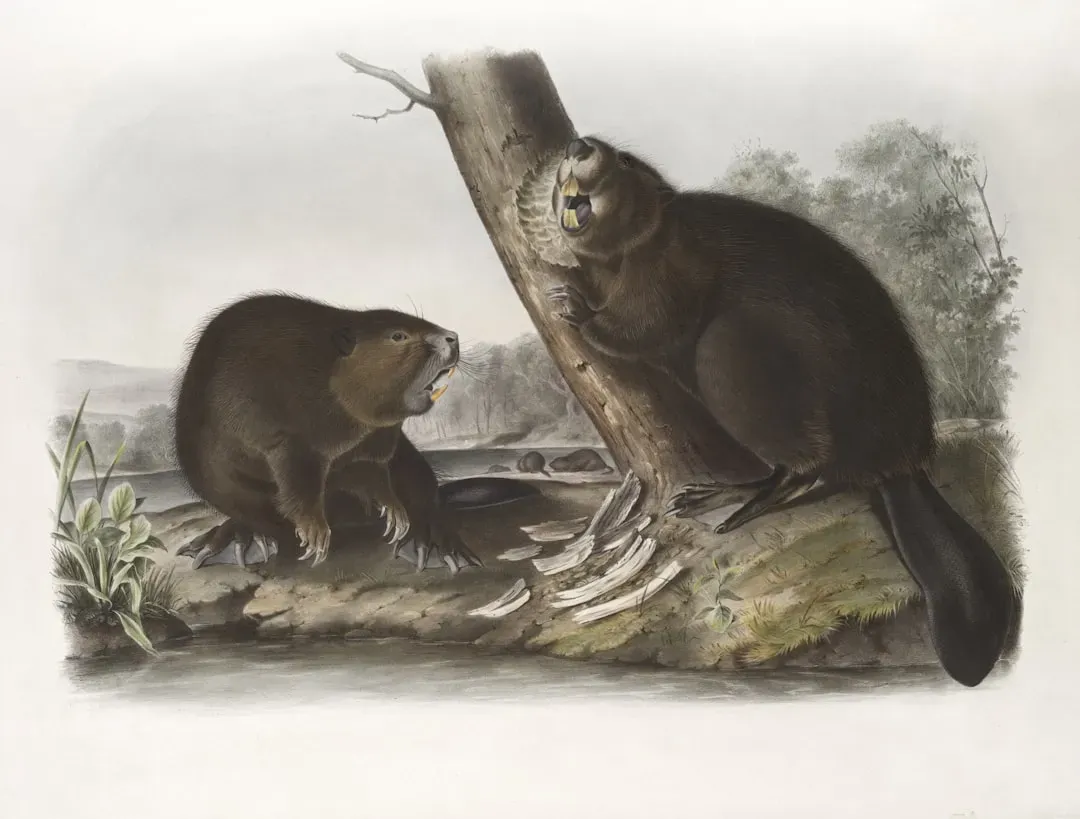
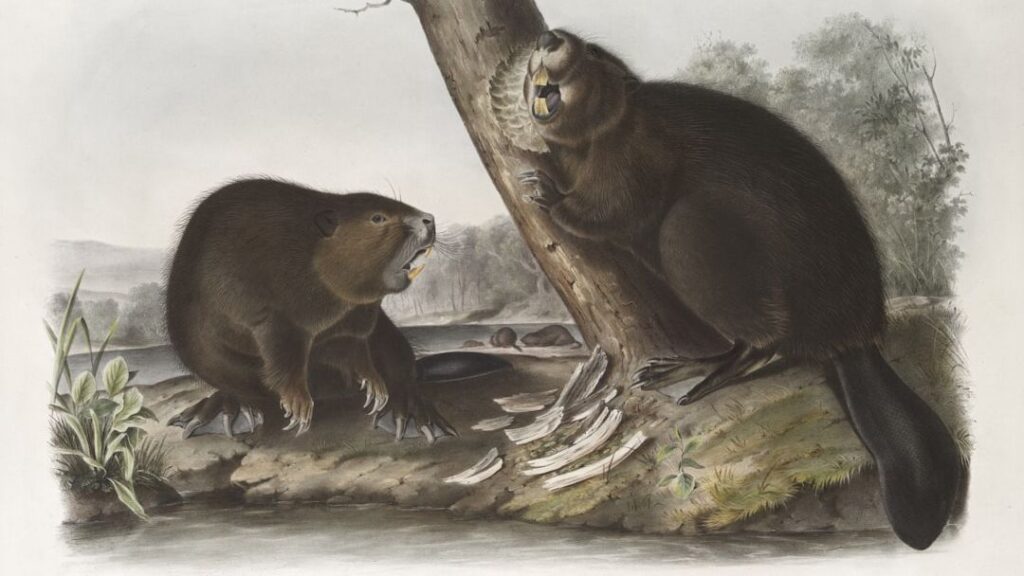
The Iroquois, known also as the Haudenosaunee, were one of the most politically sophisticated confederacies in the pre-contact world. Yet tucked within their mythology is a creature that stands apart from ordinary animals in a very deliberate way. The Iroquois’ “Ancient of Beavers” is linguistically and categorically not just another beaver. In the Iroquois creation myths, this Ancient was described as the father or master of all beavers on the ground.
It’s tempting to make a connection between this great patriarch of beaver mythology and the now-extinct beavers of the Castoroides genus. These were six to seven feet long, twice as big as the beavers we know today, and are thought to have disappeared by around eleven thousand years ago. Scholars are careful not to claim a direct line between the legend and the animal, but the parallel is hard to ignore. North American Indigenous accounts of megafauna feature colossal creatures rooted in oral traditions across diverse tribes, from the Pacific Northwest to the Great Lakes region, often embodying natural forces and spiritual guardians, while these beings play pivotal roles in explaining environmental phenomena and tribal cosmologies.
The Abenaki People and the Great Elk
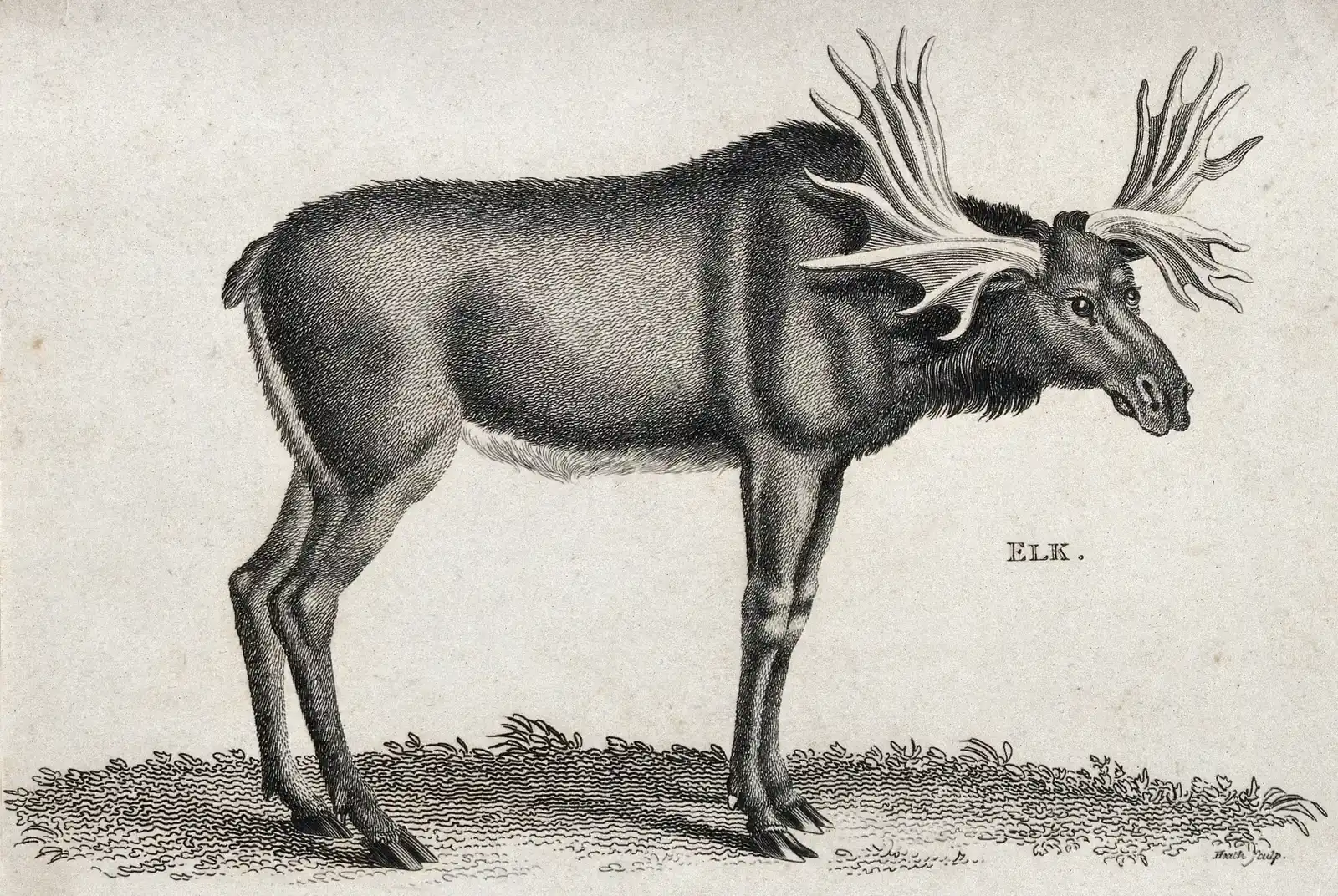
The Abenaki of the northeastern woodlands carried a legend that may stop you in your tracks once you hear the description. An Abenaki legend tells of the Great Elk, a creature so immense that it made all other animals seem like ants. It had an extremely tough hide and could walk through eight-foot snow drifts, and it also had a peculiar extra arm protruding from its upper body. That protruding appendage reads less like a creative embellishment and more like an ancestral memory of a trunk.
Some scholars believe that such legends contain actual oral histories of the mastodons and mammoths hunted by Native ancestors. The Abenaki cosmology also frames the world as having passed through distinct ages defined by humanity’s changing relationship with animals. The Abenaki believed the world went through three separate ages, beginning with an Ancient Age where humans and animals were viewed as equals, followed by a Golden Age where humans began separating themselves from the other animals. The Great Elk sits squarely in that Ancient Age, which is precisely where you’d expect a mammoth-era creature to belong.
The Lakota Sioux and the Great Thunderbird
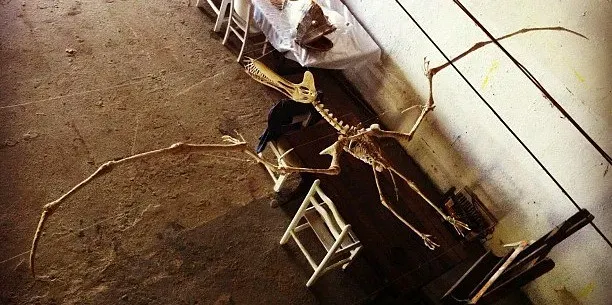
The Lakota Sioux of the Great Plains hold one of the most dramatic creature traditions in all of North American mythology. You’ve likely heard of the Thunderbird, but the Lakota version carries a weight and specificity that sets it apart. Known as Wakinyan, the Thunderbird is a powerful sky spirit in Sioux legend, taking the form of a giant bird whose wings produce the sound of thunder and whose eyes shoot lightning. The Sioux Thunderbird is the mortal enemy of the horned serpent Unktehi.
Traditional Sioux belief claimed these serpents were dangerous water monsters of the ancient world, but had been destroyed by the Thunderbirds, and it is theorized this mythological belief stemmed from the discovery of dinosaur fossils by the Sioux, with the Thunderbirds potentially derived from pterosaur skeletons. What you’re looking at is a story framework where encounters with colossal bones inspired two competing supernatural figures. In Native American traditions, fossils of extinct megafauna like mammoths fueled tales of monster bears and Thunderbirds linked to pterosaur remains, while giant lizards and water monsters drew from dinosaur and marine reptile bones, serving roles in creation myths, healing rituals, and explanations of the natural world.
The Lenape (Delaware) and the Grandfathers of the Buffalo
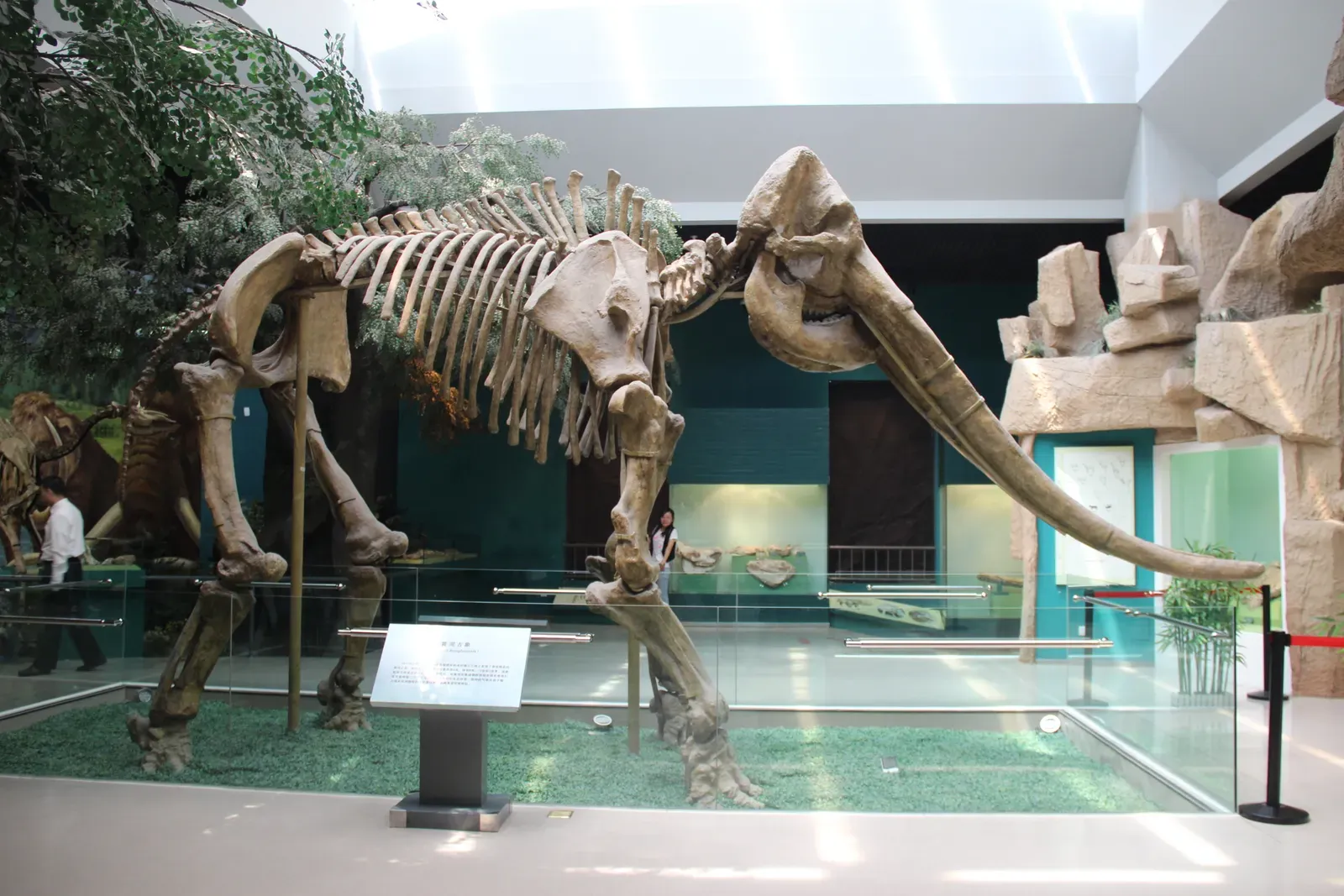
Of all the tribes whose legends seem to brush closest to actual megafauna memory, the Lenape, also known as the Delaware, occupy a particularly interesting place. Their stories of enormous, powerful creatures weren’t just frightening, they were layered with reverence. Their distant ancestors had lived alongside mastodons and mammoths, and some of these stories identified mastodons as the “grandfathers of the buffalo.” One tale describes a wounded warrior who has a vision of the Little People, spirits responsible for protecting humanity, sailing to a swamp where they ambush a group of giant beasts as the animals rise up from the earth.
Well-documented publications exist of data concerning megafauna such as mastodons and mammoths, who appear to have possibly survived into comparatively recent times, as was revealed by Delaware or Lenni-Lenape legends. The description of mastodons as “grandfathers” is especially telling. It places these animals in a genealogical and spiritual relationship with the bison, suggesting that Lenape people understood, on some level, that these two worlds were connected. These oral histories are incredibly important in understanding fossils and serve as a way of looking back in time to picture what it may have been like to live alongside long-extinct species, and early paleontologists actually used native oral histories to help locate and extract bones from fossil beds.
Conclusion: When Myth and Deep Time Overlap
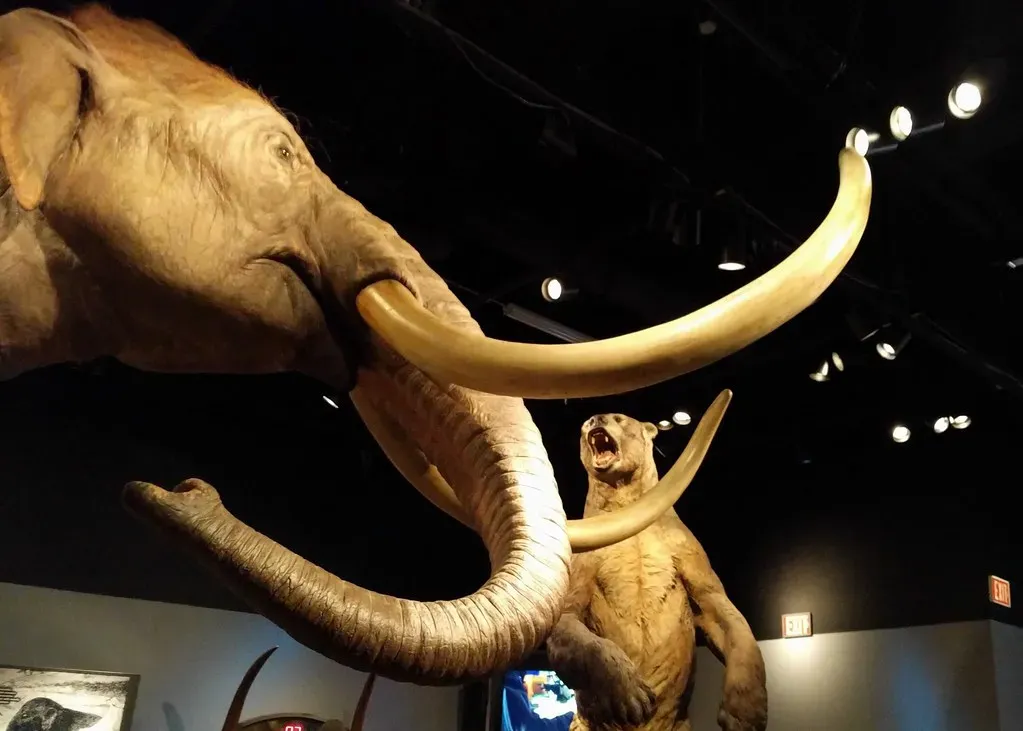
You don’t need to settle the scholarly debate to appreciate what these five traditions represent. Whether their origins lie in direct ancestral memory or in repeated encounters with unearthed bones, these legends share a striking common thread: a world where enormous animals walked the land, provoked fear and wonder, and left marks deep enough to survive thousands of years of retelling. Scholars suggest these narratives may preserve faint echoes of post-Ice Age encounters with extinct megafauna, blending memory with an animistic worldview to instill respect for the wild.
These ice-age megafauna have all been extinct for about twelve thousand eight hundred years. Mammoths, mastodons, huge bison, horses, camels, very large ground sloths, and giant short-faced bears all died out as the massive continental ice sheets disappeared at the end of the ice age. The fact that any trace of them survives in human storytelling at all is quietly remarkable. Stories, it turns out, can outlast bones.