For most of the twentieth century, the story of the first North Americans seemed settled. Humans crossed a land bridge from Siberia roughly thirteen thousand years ago, spread across the continent, and left behind a distinctive set of stone tools. Tidy, teachable, and reassuringly final. Except it wasn’t.
Archaeological discoveries throughout the Americas are pushing back the date for when humans reached the New World by thousands of years, rewriting the long-standing theory that people arrived only 13,000 years ago. Site after site has surfaced evidence that complicates the old timeline. Some findings are widely accepted. Others remain fiercely contested. What they share is the ability to make you rethink everything you thought you knew about who was here first, how they arrived, and how they lived on this land long before anyone was writing it down.
White Sands National Park, New Mexico: Footprints Frozen in Time
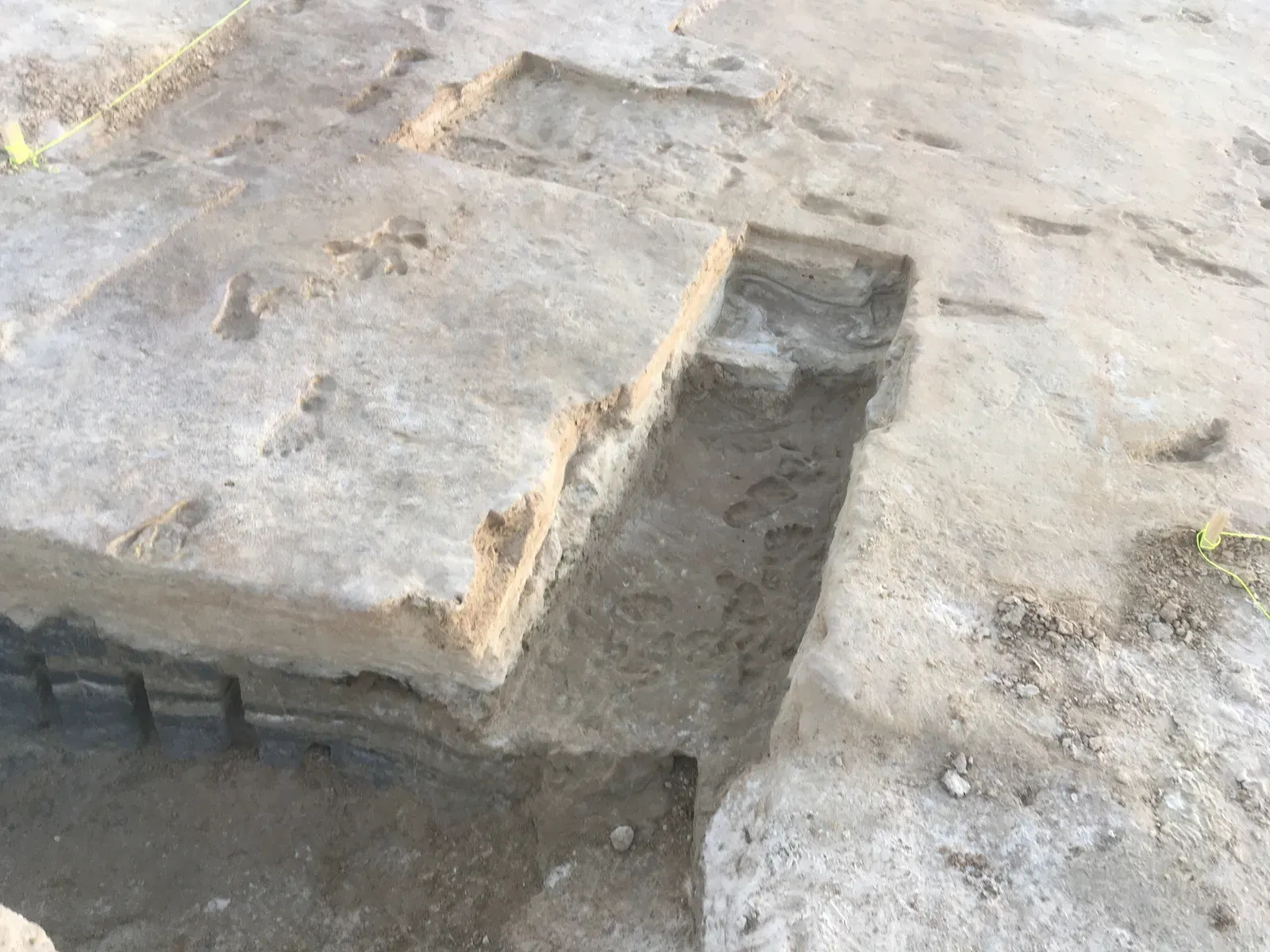
Of all the ways ancient humans might leave a mark on the world, footprints feel like the most intimate. A group of fossilized footprints was preserved on the shore of an ancient lake in today’s White Sands National Park, New Mexico. Some of the footprints were made in a layer of ancient sediment containing the seeds of an aquatic plant, organic remains that could be carbon-dated. Recent research revealed that the footprints were made between 21,000 and 23,000 years ago, probably over a period spanning a few thousand years.
The footprints, most likely made by groups of children and teenagers, suggest that people arrived in this area much earlier than previously thought, at a time when massive ice sheets probably completely blocked access from the north. That detail alone is startling. If the dating holds, these tracks were pressed into soft lakebed mud during the last glacial maximum, a period when the conventional model says nobody should have been there at all. Not everyone agrees, as some think the dating methods are flawed, but nobody doubts that the prints were left by extremely ancient prehistoric people, mostly children and teenagers. A 2025 study also dated the footprints to 21,000 BC.
Meadowcroft Rockshelter, Pennsylvania: America’s Oldest Household
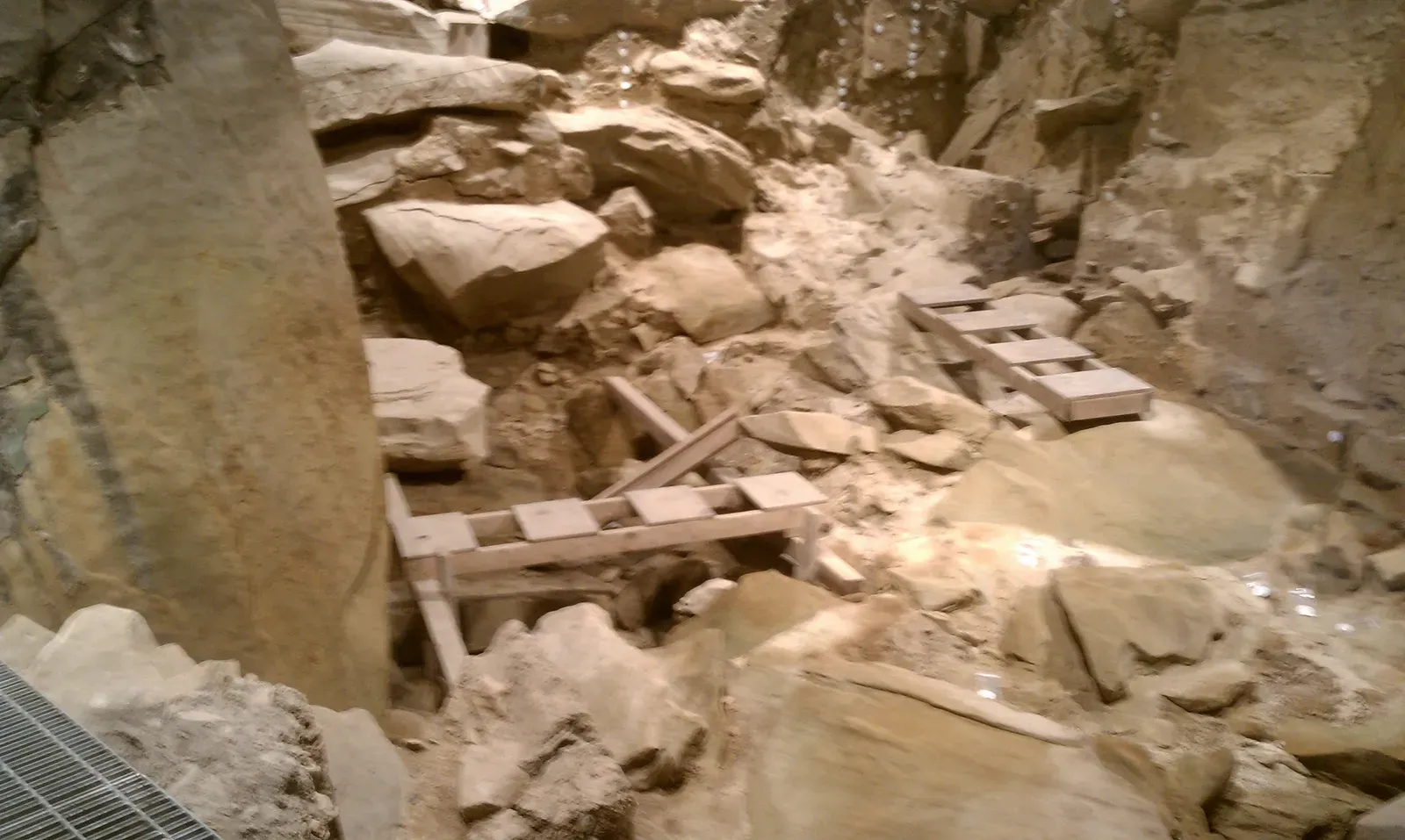
The Meadowcroft Rockshelter is an archaeological site located near Avella in Jefferson Township, Pennsylvania. The site is a rock shelter in a bluff overlooking Cross Creek, a tributary of the Ohio River, and contains evidence that the area may have been continually inhabited for at least 16,000 years and up to 19,000 years. If accurately dated, it would be one of the earliest known sites with evidence of a human presence and continuous human occupation in the New World.
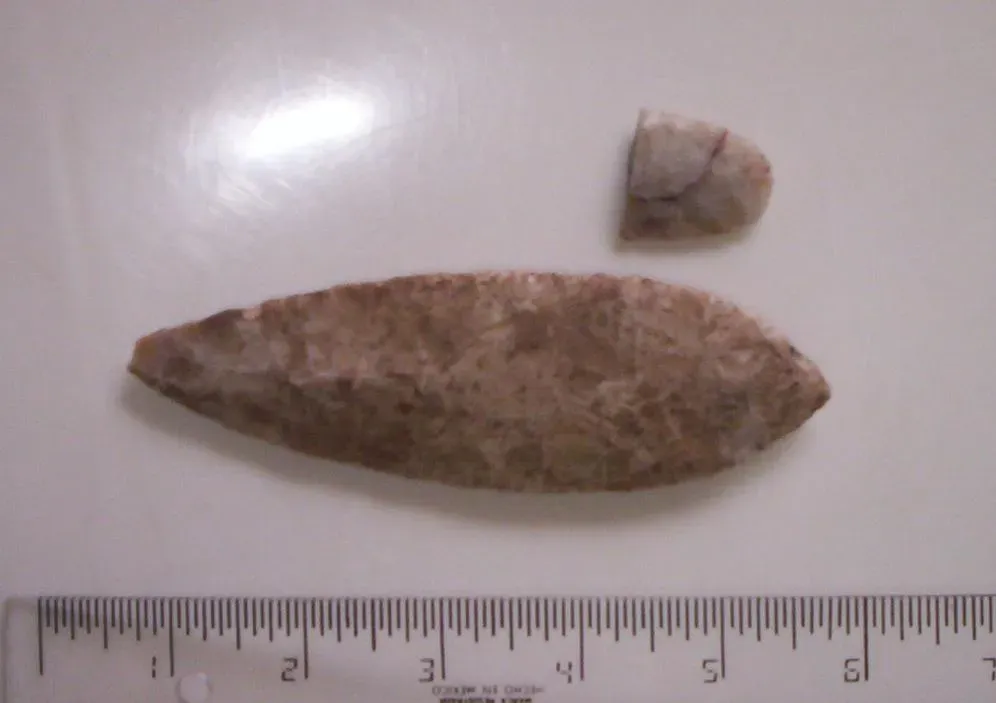
The story of how this site came to light is almost as interesting as the site itself. It was not rediscovered until many years later, when, in 1955, Albert Miller found the first artifacts in a groundhog burrow. Miller delayed reporting his findings so as to not attract vandals, until he contacted James M. Adovasio, who led the first excavations of the site in 1973. What Adovasio found surprised everyone. Excavations uncovered bits of animal bone and basketry, as well as fragments and flakes from the making of stone knives, arrowheads, and spear points. The materials found included flint from Ohio, jasper from eastern Pennsylvania, and marine shells from the Atlantic coast, suggesting that the people who left these items behind were highly mobile and probably involved in long-distance exchange with other populations.
Cooper’s Ferry, Idaho: The Case for Arriving by Sea
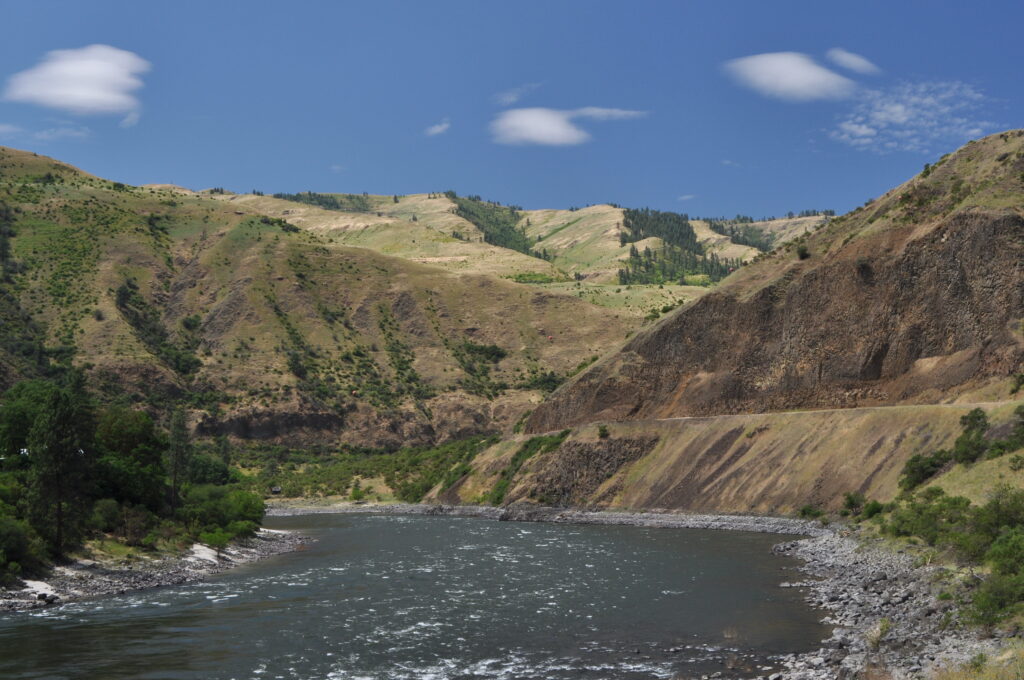
Over ten years of excavations, the Cooper’s Ferry team uncovered dozens of stone spear points, blades, and multipurpose tools called bifaces, as well as hundreds of pieces of debris from their manufacture. Although the site is near the Salmon River, most of the ancient bones belonged to mammals, including extinct horses. The team also found a hearth and pits dug by the site’s ancient residents, containing stone artifacts and animal bones. Radiocarbon dates on the charcoal and bone are as old as 15,500 years.
The findings do more than add a few centuries to the timeline of people in the Americas. They also shore up a new picture of how humans first arrived, by showing that people lived at Cooper’s Ferry more than one millennium before melting glaciers opened an ice-free corridor through Canada about 14,800 years ago. That implies the first people in the Americas must have come by sea, moving rapidly down the Pacific coast and up rivers. The Nez Perce people have known this land as Nipéhe for generations. Cooper’s Ferry may also offer a glimpse of the tools carried by the first arrivals to the Americas. Many of the spearpoints found there belong to the western stemmed point tradition, smaller and lighter than the hefty Clovis points.
Cactus Hill, Virginia: Sand Dunes That Rewrote the Rulebook
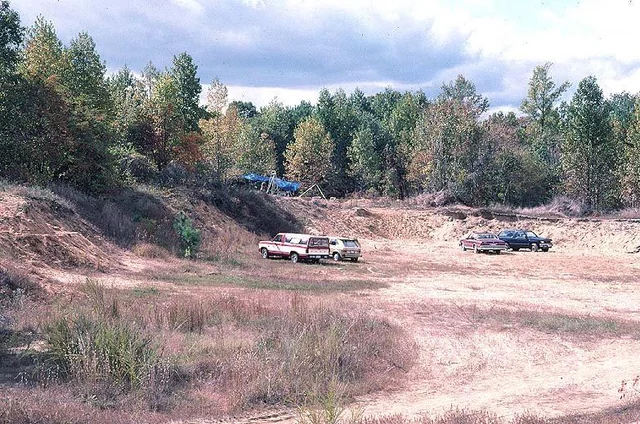
Cactus Hill is an archaeological site in southeastern Virginia, located on sand dunes above the Nottoway River about 45 miles south of Richmond. The site receives its name from the prickly pear cacti that grow abundantly on site in the sandy soil. Cactus Hill may be one of the oldest archaeological sites in the Americas. If proven to have been inhabited 16,000 to 20,000 years ago, it would provide supporting evidence for pre-Clovis occupation of the Americas.
The discoveries at Cactus Hill in the mid-1990s played a major role in changing the dominant perspective, often referred to as the Clovis-first paradigm. In subsequent years, research spread beyond Cactus Hill to the Chesapeake Bay and the Middle Atlantic Region. Cactus Hill has since given scholars cause to revise theories about migration; they now propose that people may have skirted along the glaciers located near the Pacific coast of North America, or they may have crossed pack ice from Europe to the Atlantic coast of America. That second theory, in particular, continues to generate debate among researchers.
Paisley Caves, Oregon: Evidence Hidden in the Most Unexpected Form

The Paisley Caves or the Paisley Five Mile Point Caves complex is a system of eight caves in an arid, desolate region of south-central Oregon, north of the present-day city of Paisley. The caves are located in the Summer Lake basin at 4,520 feet elevation, carved into a ridge of basalts mixed with soft volcanic tuffs and breccias by Pleistocene-era waves from Summer Lake. What makes them remarkable isn’t their setting. It’s what was left behind inside them. In 2008, human coprolites, or fossilized feces, found at the site of Paisley Caves in Oregon were radiocarbon dated to 14,300 years ago.
Coprolite analysis at varying ages revealed that these occupants were omnivorous, eating a combination of foraged plants, seeds, small mammals such as rodents, fish, and insects like beetles. Knowledge of this omnivorous mode of sustenance supports the notion that the coprolites are human in origin. These data provide evidence that the associated Western Stemmed Tradition points are the oldest lithic technology in the Americas and predate Clovis points. Artifacts found in the Paisley Caves alongside coprolites bear no resemblance to traditional Clovis points, and instead belong to a group of occupants now referred to as Western Stemmed Tradition. The diversity of tool traditions alone suggests that multiple groups, possibly from different origins, arrived at different times.
The Channel Islands, California: Isolated Clues from Coastal Settlers
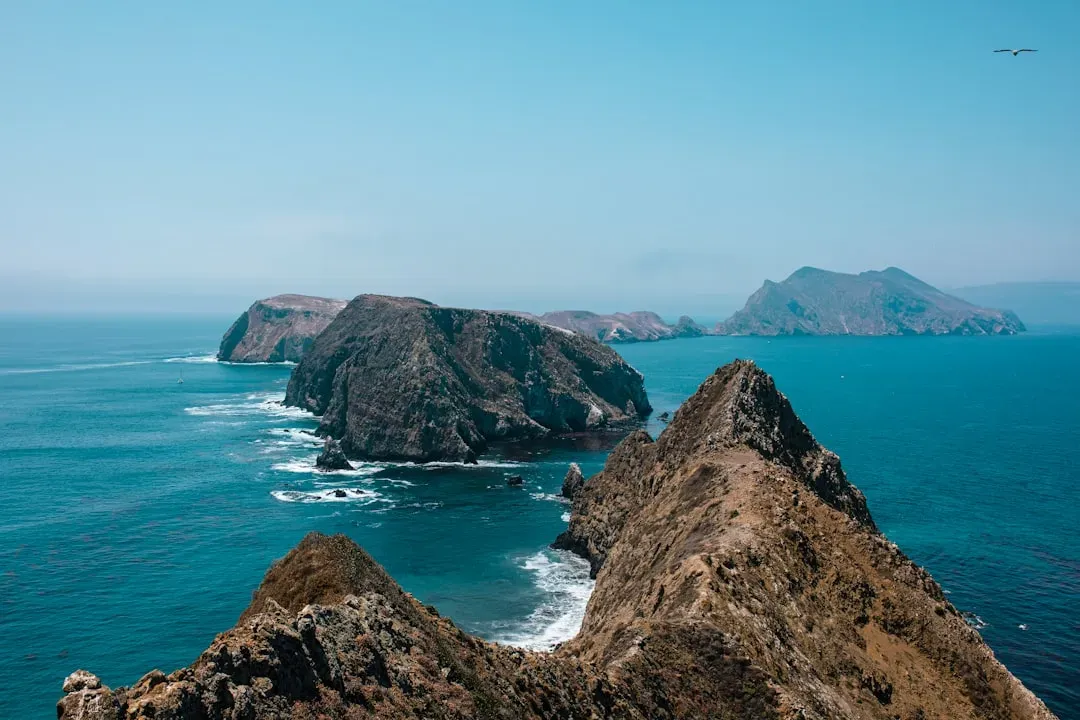
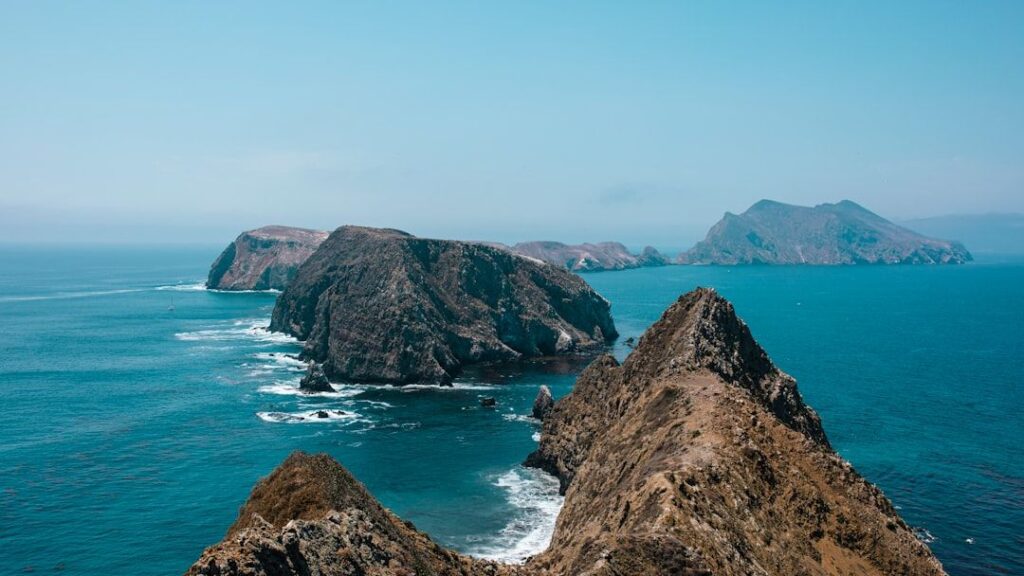
Archaeologists have uncovered ancient implements such as barbed stone points that were used for hunting and fishing on what is today known as Santa Rosa Island in the Channel Islands, off the coast of California, some 8,000 to 13,000 years ago. These tools were made from local stone and are of a shape that is distinctive to the region, and they are totally different from Clovis points. Other ancient objects from the Channel Islands include some of the oldest basketry from the Pacific coast of North America and crescent-shaped arrow tips thought to be specifically made for waterfowl hunting, as the half-moon shaped tips would skip and skim across the water to their targets.
The fact that these people were island dwellers tells you something important. They weren’t wandering randomly. They were intentional, resourceful, and capable of water navigation. In the past two decades, archaeological finds have not only pushed the arrival time back by thousands of years but added details to the complex picture of exactly how people arrived and spread, probably multiple times via multiple routes. The Channel Islands contribute to that picture in a meaningful way, pointing toward a coastally oriented population that moved skillfully along Pacific waters long before Clovis hunters ever appeared on the inland plains.
Chiquihuite Cave, Mexico: The Most Controversial Site of All
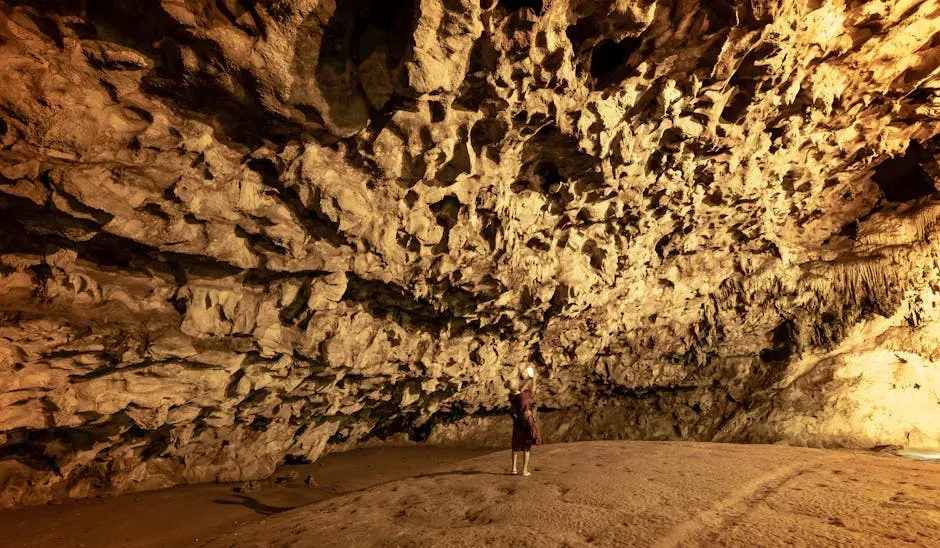
When researchers first arrived at a cave high in the desert mountains of north-central Mexico, they hoped to learn what the environment was like there thousands of years ago. The unexpected discovery of what they believe is an ancient projectile point led to a decade-long excavation that could rewrite the history of the Americas. According to a paper published in the journal Nature, the site, known as Chiquihuite Cave, may contain evidence of human occupation that places people in North America around 30,000 years ago, roughly twice as early as most current estimates for when the first humans arrived on the continent.
Archaeologists have uncovered 1,900 stone artifacts in Chiquihuite Cave, a high-altitude site in the Astillero Mountains in northern Mexico. DNA analysis of the plant and animal remains from the sediment packed around the tools dates the human occupation of the site to 25,000 to 30,000 years ago. These findings challenge the commonly held theory that the Clovis people were the first human inhabitants of the Americas 15,000 years ago. Still, the site remains genuinely contested. Some experts have doubts about the researchers’ claims, questioning whether the stone artifacts were actually made by humans or whether they were created by natural geological processes inside the cave. One archaeologist noted that cave environments can naturally fracture stones which can subsequently be misidentified as human-made artifacts.
The Broader Pattern: What These Sites Say Together
The peopling of the Americas marks a major expansion of humans across the planet. However, questions regarding the timing and mechanisms of this dispersal remain, and the previously accepted model termed “Clovis-first,” suggesting that the first inhabitants of the Americas were linked with the Clovis tradition, has been effectively refuted. Each site described here pulls at a different thread of that unraveling. No single discovery has closed the debate, but collectively they have shifted its center of gravity.
Native American oral tradition has been both studied and ignored. The migration of Paleolithic groups into the Americas is one of the more contentious debates in archaeology, and each new find shifts that debate in one direction or another. That last point matters. The United States is a relative newcomer to the world stage, but there have been people long living on this continent, and they’ve left traces of their presence just as mysterious as those found in other countries. The ground beneath your feet across this continent holds millennia of human story. Much of it is still waiting to be read.
Conclusion
What these ancient North American sites share isn’t just age. It’s ambiguity, resilience, and an enduring power to surprise even the most seasoned researchers. They remind you that the first chapter of human history on this continent is still being written, not in ink, but in stone tools, fossilized footprints, and sediment layers that hold their secrets tightly.
Archaeological discoveries across the Americas have shaped our understanding of when and how humans first reached the so-called New World. The story told by artifacts unearthed from sites all the way from Alaska to Chile is hotly debated. That debate isn’t a weakness in the science. It’s a sign that the science is honest enough to keep asking harder questions. The most accurate thing anyone can say about the first people to walk North American land is this: we’ve only just begun to understand them.