You might picture the age of dinosaurs as a story dominated by thundering herds on land and feathered predators in the sky. The ocean, though, tells a different story. During the Mesozoic Era, stretching roughly from 252 to 66 million years ago, the seas were ruled by reptiles so specialized and so deadly that no single marine predator alive today comes close to matching their ecological dominance.
Ancient oceans once hosted super-predators so powerful they occupied a higher food-chain level than any animal alive today. Around 130 million years ago, the ocean’s most dominant hunters held far more power than any marine predator we know of, and recent research from McGill University reveals that during the Cretaceous period, some sea creatures sat at the very top of an extraordinarily complex food chain, surpassing modern standards of ecological dominance. What’s especially striking is just how sophisticated their hunting strategies were – built not through chance, but through millions of years of ruthless refinement.
Rulers of an Ancient Sea: The Major Groups You Need to Know
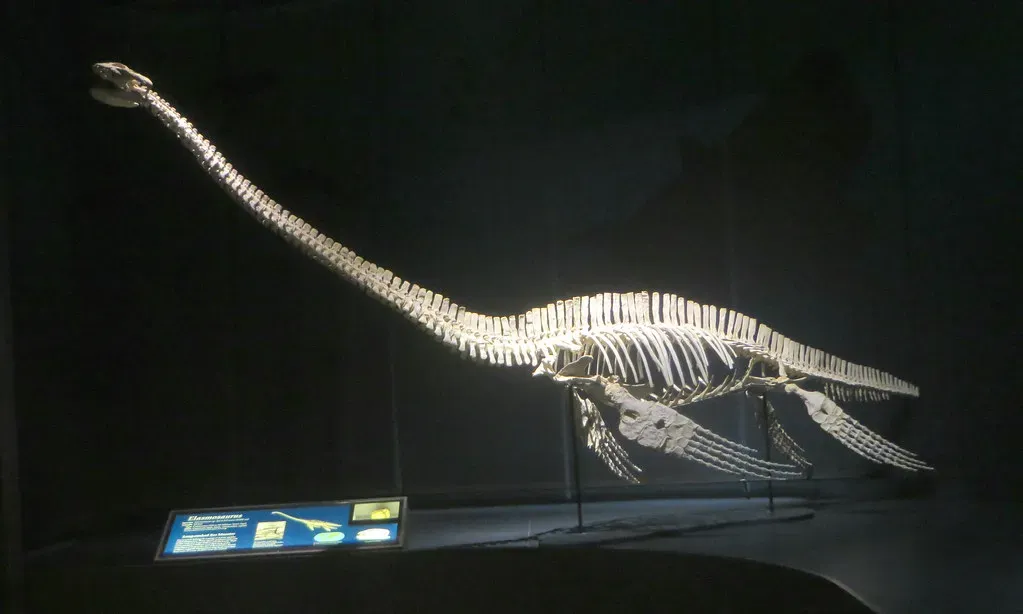
When you think about prehistoric marine reptiles, three major groups tend to define the picture. Long-necked plesiosaurs, shark-shaped ichthyosaurs, toothy mosasaurs and many more saurians were swimming through the ancient seas, their success underwritten by a suite of anatomical specializations. These were not a single lineage, but rather separate groups that each independently evolved into ocean-going predators of remarkable efficiency.
Of the five main Mesozoic marine reptile groups, four were predators: the thalattosuchians, mosasaurs, plesiosaurs, and ichthyosaurs. Each carved out a distinct hunting niche, which is precisely why so many of them could coexist in the same ancient waters without constantly competing for the same prey. Understanding each group is the first step in appreciating just how layered and complex their world truly was.
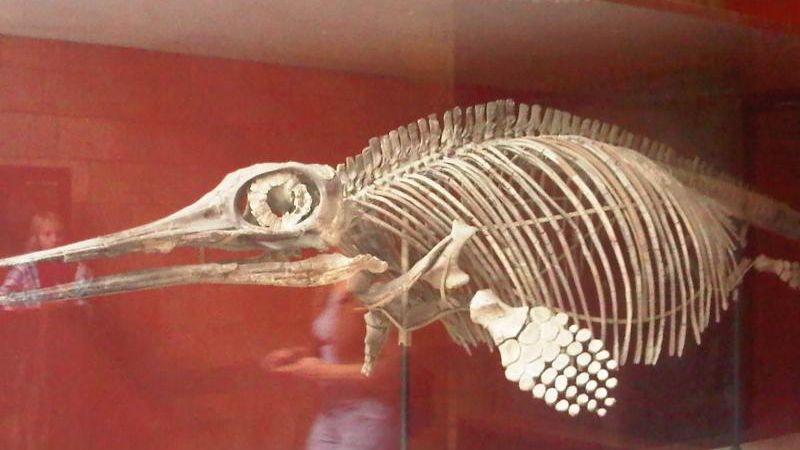
Ichthyosaurs: Speed, Streamlining, and the Art of the Chase
Uploaded by FunkMonk, CC BY-SA 2.0)
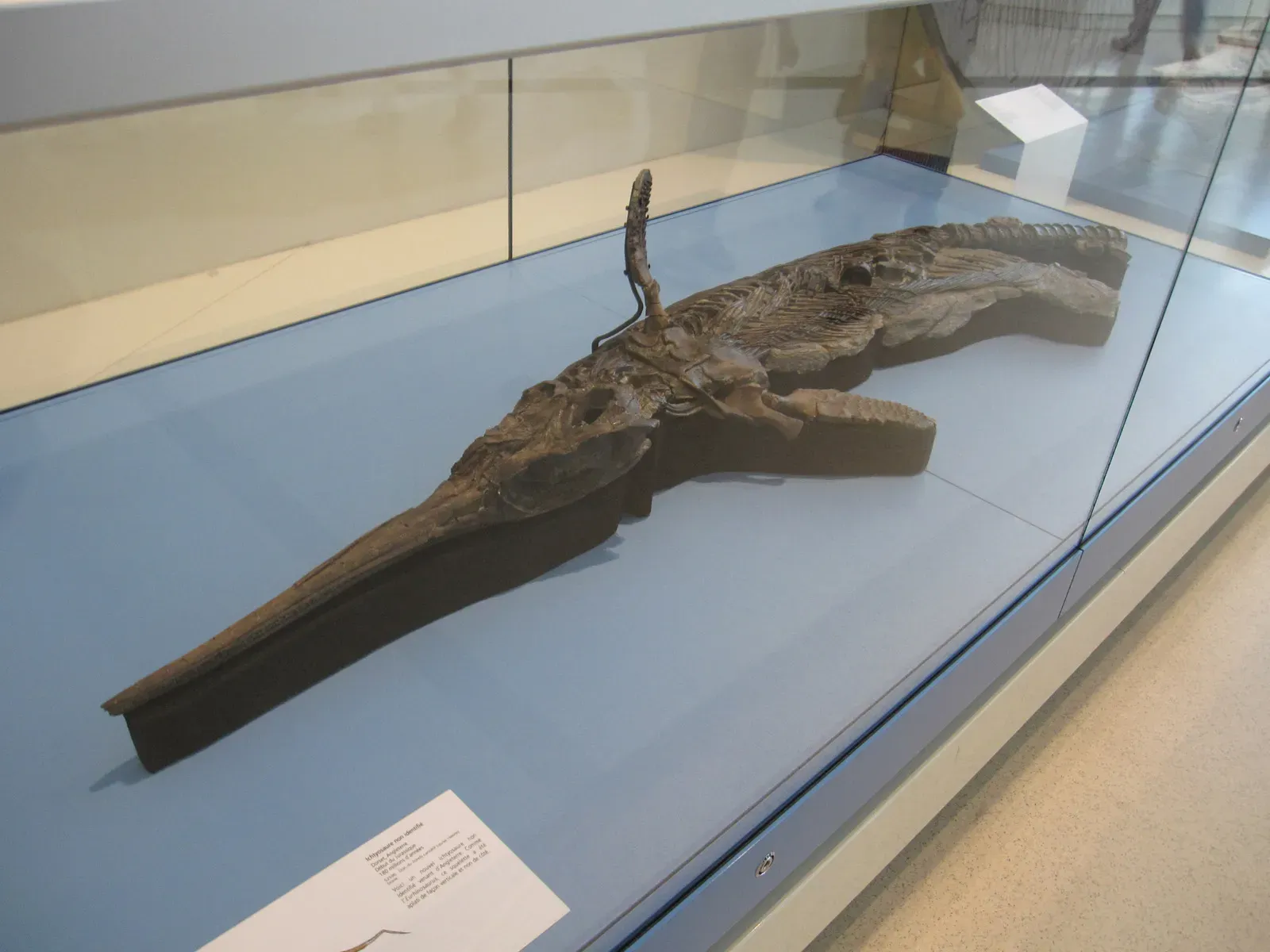
Ichthyosaurs represent one of the most spectacular examples of convergent evolution in the fossil record, developing bodies remarkably similar to modern dolphins and tuna despite having no direct relationship to either group. First appearing in the Early Triassic approximately 250 million years ago, these marine reptiles rapidly evolved into highly specialized ocean hunters with streamlined, fish-shaped bodies, dorsal fins, and vertical tail flukes that enabled powerful swimming capabilities.
Ichthyosaurs are traditionally assumed to have employed countershading, dark on top and light at the bottom, like sharks, penguins, and other modern animals, serving as camouflage during hunting. It was concluded that ichthyosaurs were likely uniformly dark-colored for thermoregulation and to camouflage them in deep water while hunting. This combination of speed, body shape, and skin coloration made them genuinely formidable pursuit predators, not just generalists, but animals finely tuned for the chase.
The Eyes That Hunted in Darkness: Ophthalmosaurus and Deep-Diving Strategy
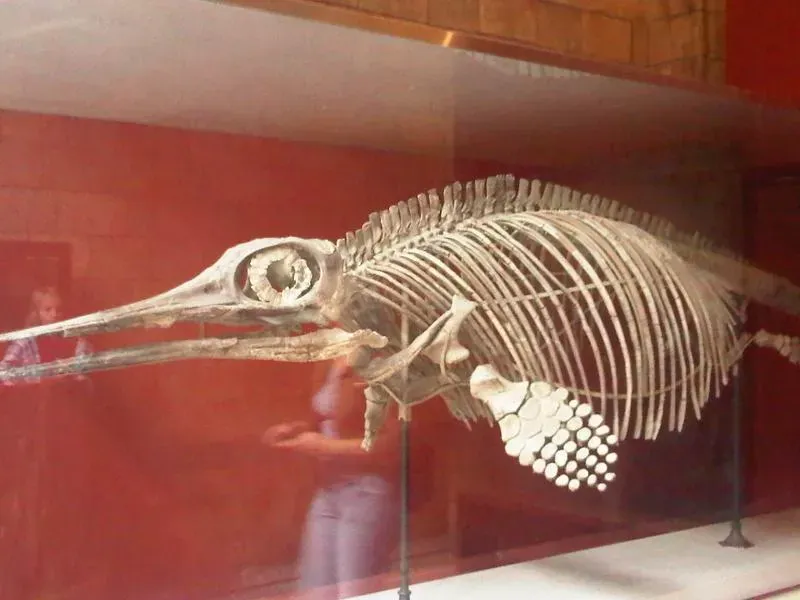
The large eyes of Ophthalmosaurus suggest that deep diving into low-light layers was a matter of routine rather than escape – otherwise it would have had eyes similar to other near-surface-dwelling ichthyosaurs. These large eyes were obviously to provide Ophthalmosaurus with vision in low light levels, and while the two main theories are nocturnal activity or deep water hunting, current fossil evidence provides much stronger support for the latter.
The eyes of Ophthalmosaurus were supported by bony growths called scleral rings, extremely well developed, which would have supported the eye against the crushing effect of the water at much higher pressure than near the surface. Additionally, examination of the joints of Ophthalmosaurus has revealed damage to the bones caused by decompression sickness. More in-depth study by paleontologists has suggested that Ophthalmosaurus may have been able to dive well beyond five hundred meters deep, and possibly stay down for as much as twenty minutes at a time. That kind of physiological evidence – bone damage from rapid depth changes – tells you something remarkable: this animal was diving hard, repeatedly, as a matter of daily survival.
Warm Blood, Cold Waters: The Physiology That Made Deep Hunting Possible
Uploaded by FunkMonk, CC BY-SA 2.0)
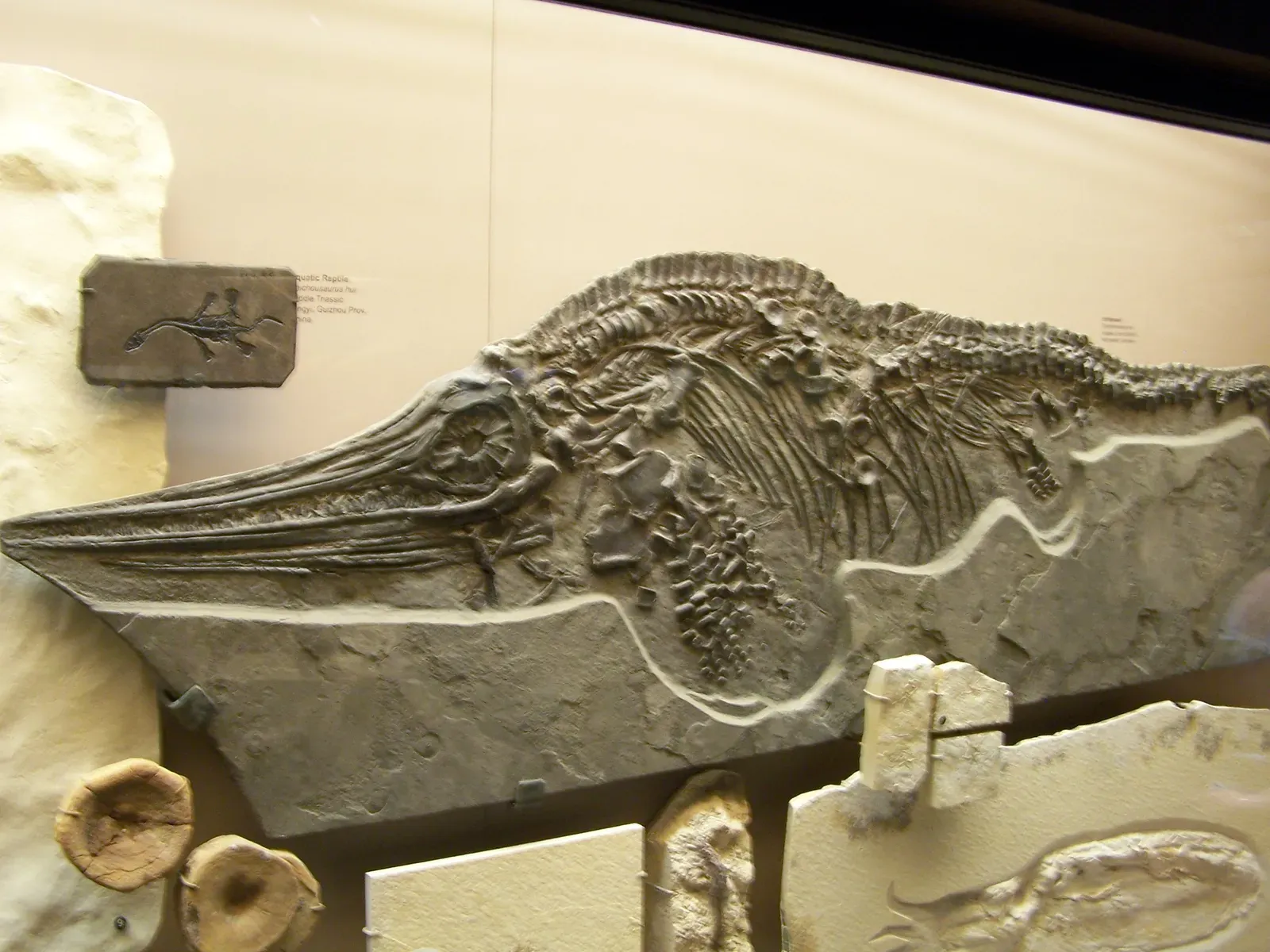
For a long time, scientists assumed these animals were cold-blooded like modern lizards, their body temperature at the mercy of the surrounding sea. That assumption turned out to be wrong. Molecular and microstructural analysis of a Stenopterygius ichthyosaur from the Jurassic, 180 million years ago, reveals that these animals were most likely warm-blooded, had insulating blubber and used their coloration as camouflage from predators.
This finding tracks with previous research that suggested another species of marine reptile internally regulated its body temperature, and it is consistent with the idea that some ichthyosaurs were probably deep divers and would have needed to conserve energy and elevated temperatures to perform in cold, dark waters. Mosasaurs have been more difficult to assess, but a 2016 study using similar methods found evidence that the sea lizards, too, evolved to have elevated body temperatures that helped make them faster and more persistent in pursuit of their meals. Warm blood wasn’t just a biological trait – it was a hunting advantage.
Mosasaurs: Ambush Mechanics and Opportunistic Feeding
Uploaded by FunkMonk, CC BY 2.0)
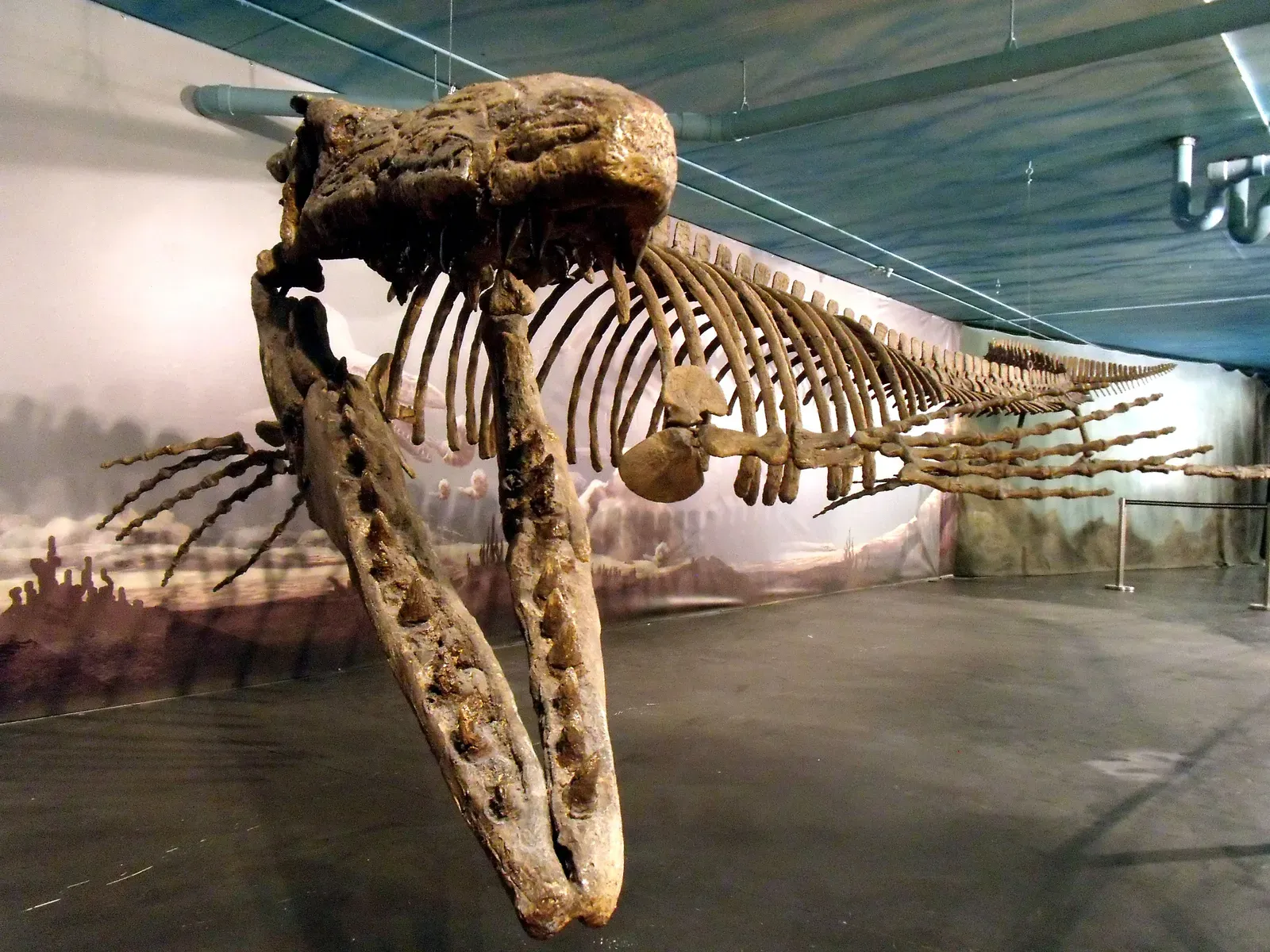
During the last 20 million years of the Cretaceous period, with the extinction of the ichthyosaurs and pliosaurs, mosasaurids became the dominant marine predators. They were not subtle creatures. Tylosaurus employed several tactics to catch its prey. It had a long, streamlined body that allowed for swift movements through the water. With its powerful jaws, lined with two rows of sharp teeth, it was able to seize its catch effectively. This marine reptile often used its snout as a tool, not only for detecting prey but also as a ramming device. By stunning fish and other smaller marine animals, Tylosaurus could make them easier to catch.
New evidence suggests that many advanced mosasaurs had large, crescent-shaped flukes on the ends of their tails, similar to those of sharks and some ichthyosaurs. Rather than use snake-like undulations, their bodies probably remained stiff to reduce drag through the water, while their tails provided strong propulsion. These animals may have lurked and pounced rapidly and powerfully on passing prey, rather than chasing after it. You can think of them as the ocean’s ambush specialists – built for explosive bursts rather than sustained pursuit.
Plesiosaurs: Long Necks, Crushing Jaws, and a Surprisingly Varied Diet
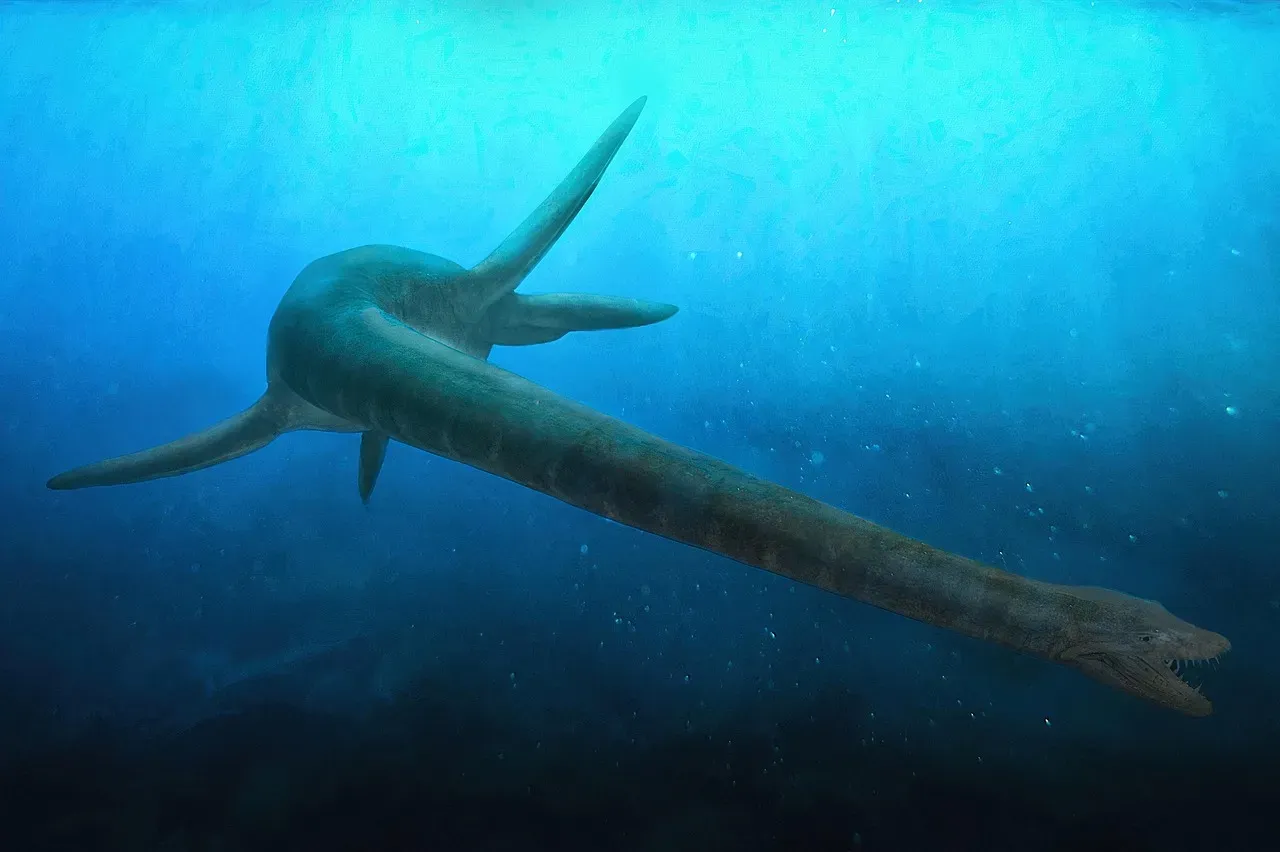
From the time of their initial description, long-necked plesiosaurs were thought to have a specialized way of life. Their conical teeth and long necks seemed to make them adept ambush predators which took on schools of small fish while their big-headed pliosaur cousins and mosasaurs tackled larger prey. Reality, however, proved messier and more interesting than that neat division suggested.
Some plesiosaurs were adept fish hunters, others picked up clams from the seafloor, and the discovery of ichthyosaur embryo remnants in plesiosaur gut contents indicates that these creatures were not above scavenging when they had the chance. Meanwhile, their short-necked pliosaur relatives took an entirely different approach. The short-necked pliosauromorphs were top carnivores, or apex predators, in their respective food webs. They were pursuit predators or ambush predators of various-sized prey and opportunistic feeders; their teeth could be used to pierce soft-bodied prey, especially fish. Their heads and teeth were very large, suited to grab and rip apart large animals.
What Fossilized Stomach Contents and Bite Marks Reveal About Hunting Behavior
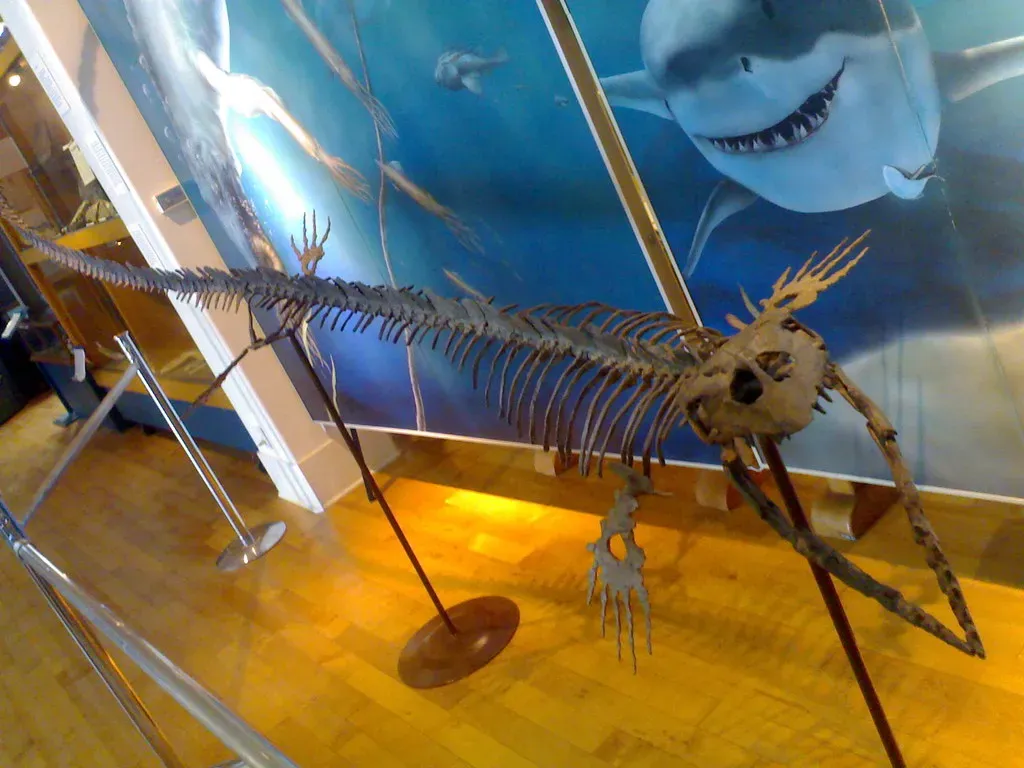
You can read a predator’s strategy not just from its anatomy but from what it left behind. Fossil evidence shows that mosasaurs consumed a wide variety of animals, including fish, seabirds, turtles, ammonites, and even other mosasaurs. Some fossilized mosasaur stomach contents reveal the remains of fish, turtles, birds, and ammonites. In certain cases, bite marks found on other mosasaur fossils indicate that cannibalism may have occurred, especially among large individuals competing for food.
By combining paleontological data with cutting-edge 3D modeling and engineering simulations, researchers recently recreated the biting behavior of marine predators that inhabited an ancient sea covering North America approximately 80 million years ago. By combining fossils with modern technologies, researchers are beginning to reconstruct how these ancient animals functioned as living organisms, bringing us closer than ever to understanding life in prehistoric oceans. Analysis of 3D models and engineering simulations of extinct marine reptile skulls reveals distinct differences in biting mechanics, indicating varied hunting strategies and ecological roles. The science is still actively unfolding.
Conclusion: What These Ancient Hunters Still Teach Us
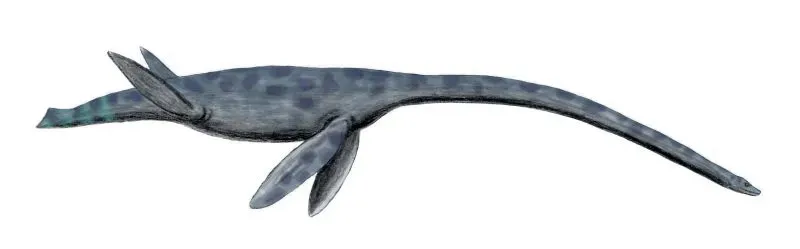
Prehistoric marine reptiles weren’t just impressive in size. They were sophisticated, physiologically advanced, ecologically specialized hunters whose strategies – from deep-diving in near darkness to explosive ambush attacks – rival anything the modern ocean has to offer.
Research suggests that early elasmosaurs were more diverse in their hunting strategies than previously recognized. While some evolved into filter-feeders with hundreds of tiny teeth, others became precision predators with powerful crushing jaws. That kind of diversity, spread across dozens of genera and hundreds of millions of years, points to something worth sitting with: these animals didn’t just survive. They thrived by being adaptable, inventive, and relentlessly effective.
Their fossils continue to reshape our understanding of what complex marine ecosystems are capable of producing. As more discoveries emerge, scientists will be able to compare ecosystems across different regions and time periods, deepening knowledge of how ancient oceans influenced the modern seas we depend on today. The deep sea held secrets then, just as it does now – and the creatures that mastered it were far more remarkable than most of us ever imagined.