If you’ve ever swatted at a dragonfly and thought it was too big, you haven’t seen anything yet. Roughly 300 to 360 million years ago, long before dinosaurs took a single step, the land that would eventually become North America was a vastly different world. It was warm, swampy, and draped in dense forests of towering club mosses, giant horsetails, and primitive ferns. The air was thick, wet, and rich with oxygen.
The Carboniferous period, spanning from approximately 358 to 298 million years ago, was a unique time in Earth’s history, often referred to as the “Age of Giant Insects” due to the astonishingly large sizes that insects reached during this time. What lived in those forests would stop most people in their tracks. You would have shared the undergrowth with millipedes longer than a car, flying insects the size of ravens, and swamp-dwelling amphibians that rivaled crocodiles in length.
The World You Would Have Walked Into: A Carboniferous North America
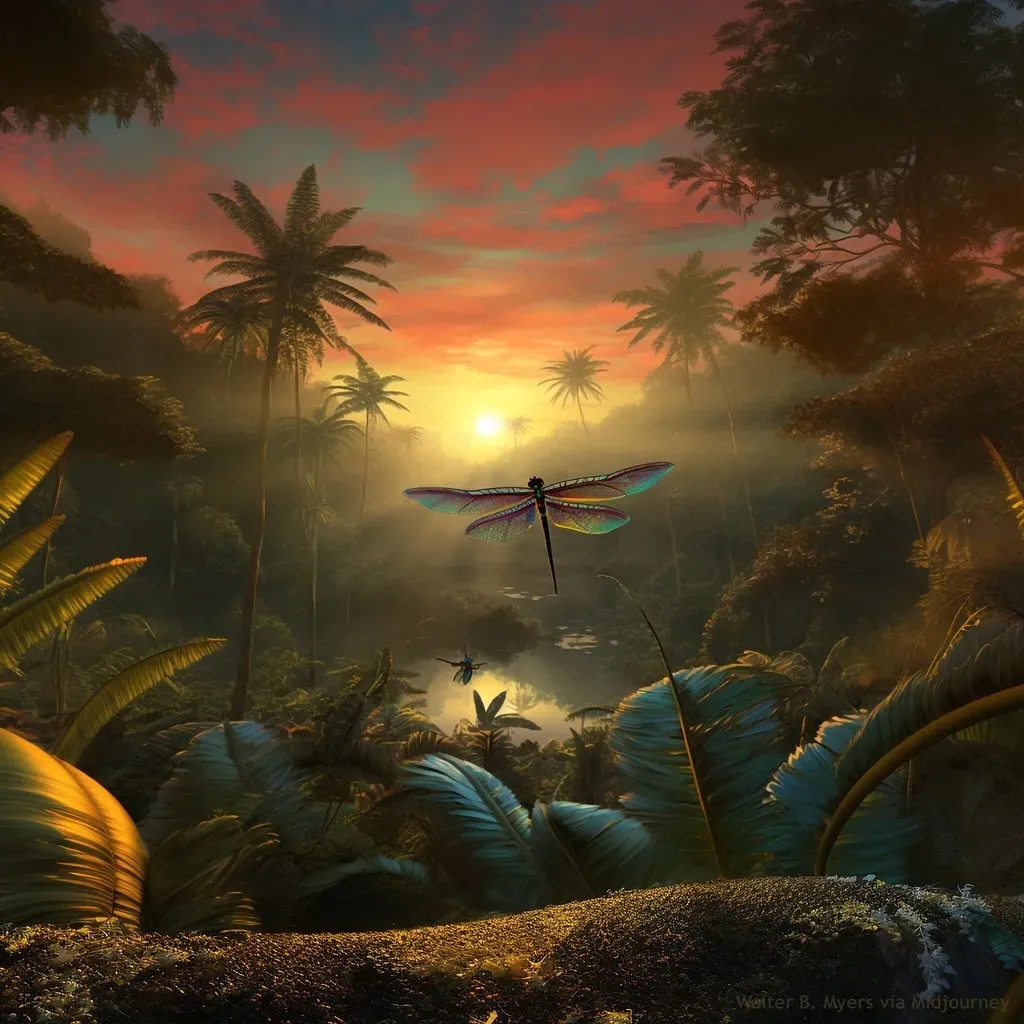
If you could step back into Carboniferous North America, the first thing you’d notice is how unfamiliar the landscape looks. Characteristic of the Carboniferous period were its dense and swampy forests, which gave rise to large deposits of peat. Vegetation included giant club mosses, tree ferns, great horsetails, and towering trees with strap-shaped leaves. Nothing quite like a modern oak or pine would have greeted you.
About 350 million years ago, the continents of Europe and North America were joined together and lay in the tropics. Hot, swampy jungles blanketed the lowlands. The growth of these forests took out massive amounts of carbon dioxide from the atmosphere, leaving a much higher level of oxygen. That oxygen-drenched air is the single most important factor you’d need to understand to make sense of what came next.
The growth of these forests removed huge amounts of carbon dioxide from the atmosphere, leading to a surplus of oxygen. Atmospheric oxygen levels peaked around 35 percent, compared with 21 percent today. That extra oxygen didn’t just sustain the forests. It enabled a scale of animal life that you’d have a hard time believing today.
Griffinflies: The Giant Sky Predators You Wouldn’t Want Overhead
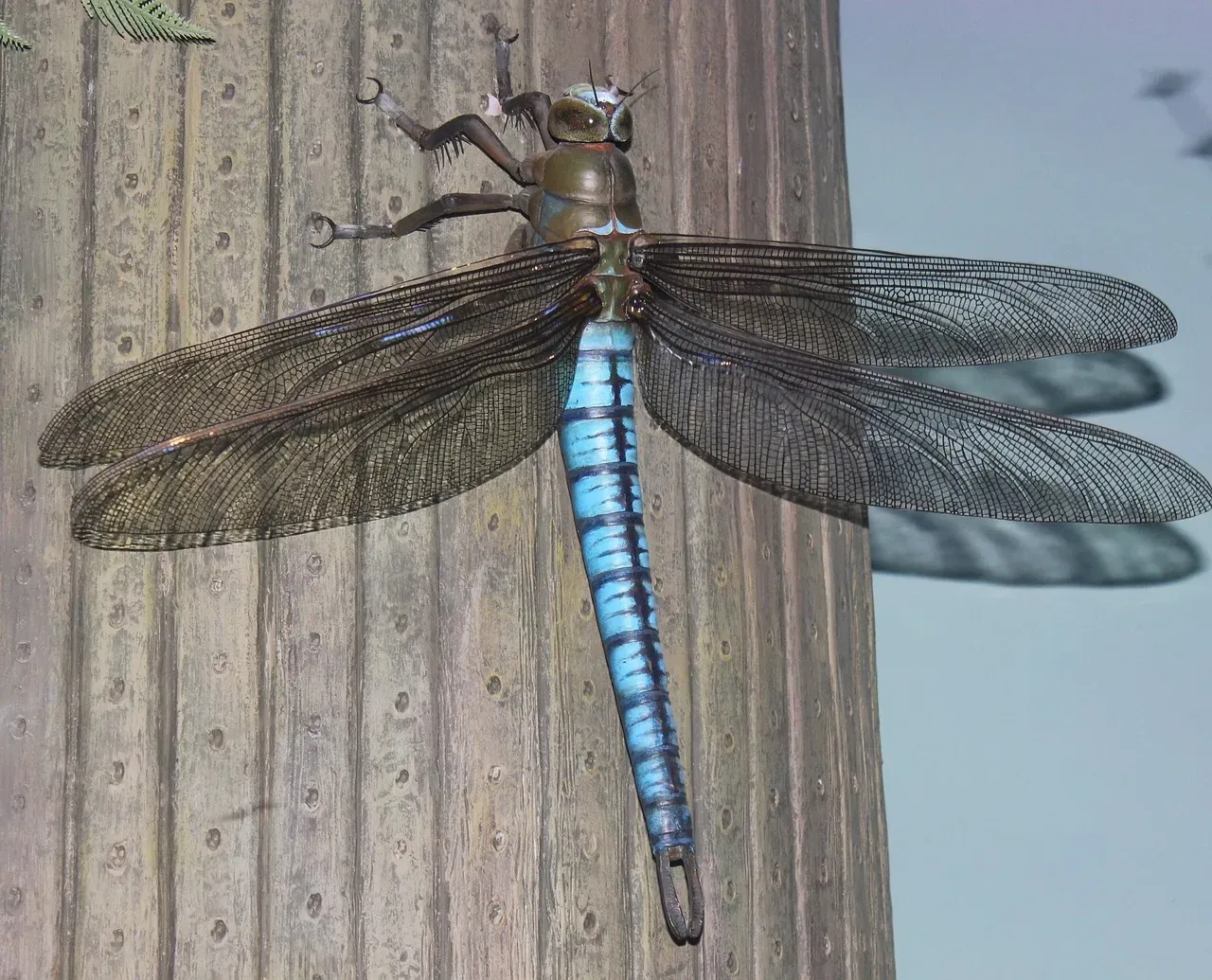
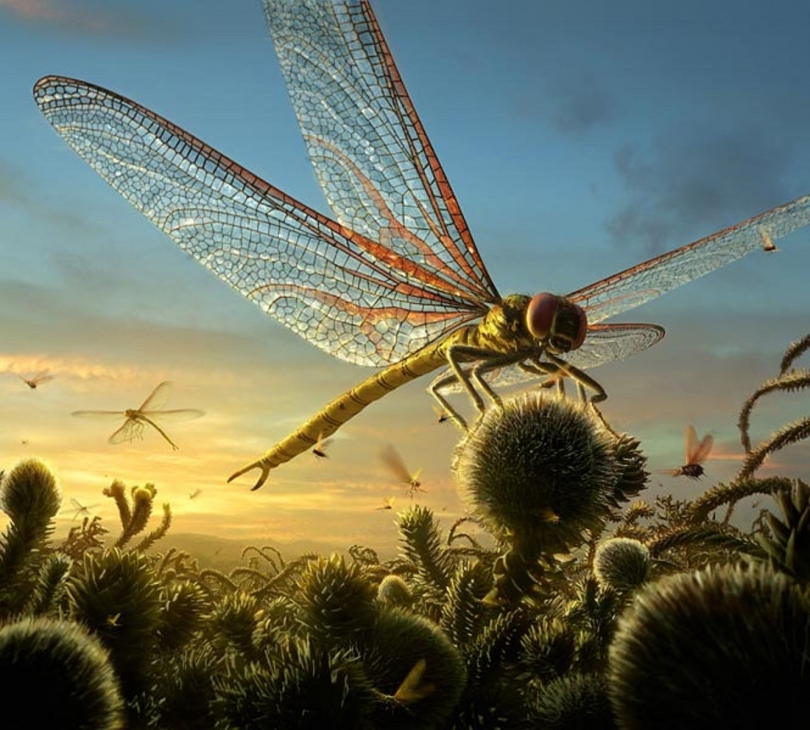
Before dinosaurs evolved, back when the world was swampy and green 300 million years ago, giant dragonfly-like insects called griffinflies filled the skies. With wingspans that stretched up to a whopping 71 centimetres, these epic insects would have blocked out the Sun as they flew past. If you’re picturing a dragonfly, you’re on the right track, but you’d need to scale it up dramatically.
Meganeura belongs to Meganisoptera, an order of extinct insects often referred to as giant dragonflies; due to their phylogenetic remoteness and morphological dissimilarity from damselflies and dragonflies, the term griffinflies was proposed for the group by David A. Grimaldi and Michael S. Engel in 2005. So when you read about “giant dragonflies” in older books, know that the science has moved on slightly. These were something older and separate.
Meganeura monyi was the largest early dragonfly known to exist. This species was a predator that would have eaten other insects, with spines on its legs to trap and capture its prey. They probably also had large, sharp mandibles for slicing and chewing their prey. These aerial predators probably weighed 100–150 grammes, about the same weight as a large apple. For something with wings, that’s a formidable package.
Meganeuropsis: The Largest Flying Insect That Ever Lived, Found in Kansas
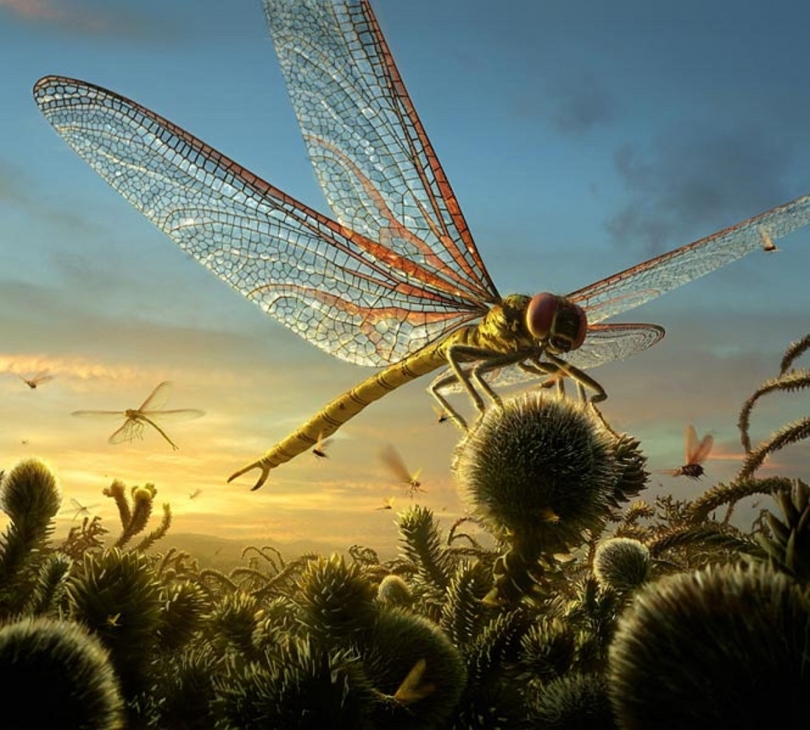
You might be surprised to learn that the single largest flying insect ever documented came from what is now Kansas. The largest known insect of all time was a predator resembling a dragonfly but only distantly related to them. Its name is Meganeuropsis, and it ruled the skies before pterosaurs, birds, and bats had even evolved. That’s a staggering claim, and the fossil evidence backs it up.
The genus was scientifically described on the basis of a single incomplete wing fossil from Elmo, Kansas. From these two finds, and calculations of other griffinflies, it was estimated that Meganeuropsis had a body roughly 47 centimeters long, with a wingspan of 75 centimeters across. You’re looking at something the size of a small hawk, built entirely of chitin and wing membrane.
Meganeuropsis and its fellow griffinflies had a number of features suggesting a highly predaceous lifestyle. Among these was a pair of toothed and powerful mandibles for tackling large, struggling prey. They also had very spiny front limbs. Griffinflies were also possibly very maneuverable in the air, just as much as their living relatives are. In short, if you were another insect in the Carboniferous sky, this was your worst nightmare.
Arthropleura: The Giant Millipede That Left Tracks Across North America
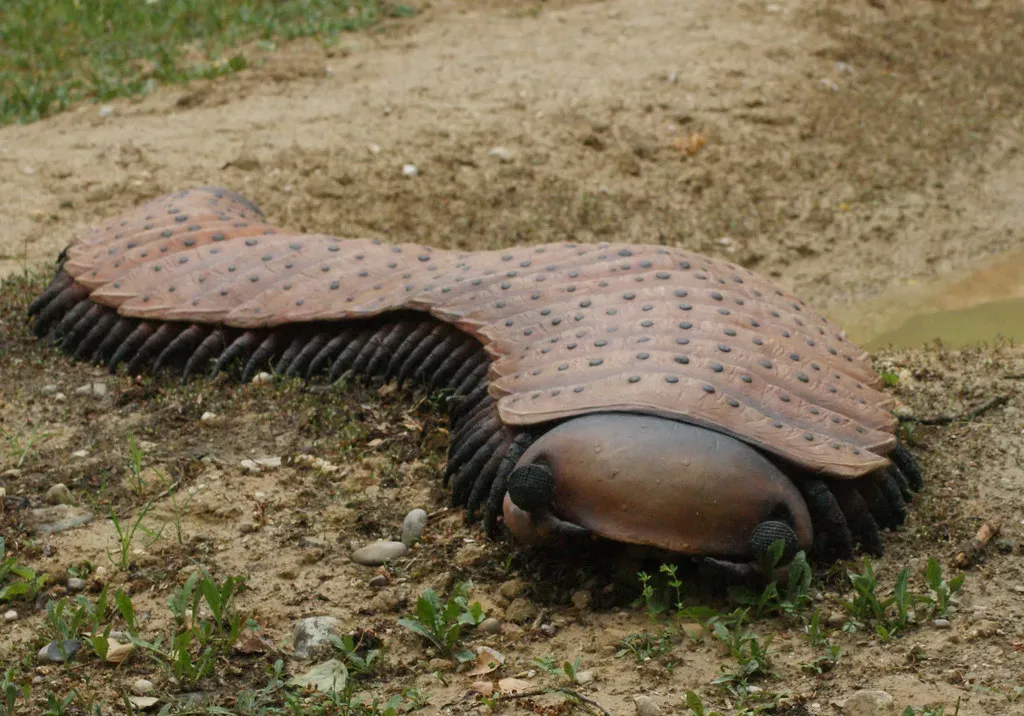
If you thought the sky was alarming, the forest floor had its own spectacle. Arthropleura is an extinct genus of massive myriapod that lived in modern-day Europe and North America around 344 to 292 million years ago. It was a millipede, and was capable of reaching at least 2 metres in length, possibly up to over 2.5 metres, making it the largest known land arthropod of all time. Imagine looking down and watching something that long moving through the undergrowth.
Further species of Arthropleura have been described over the decades, mostly from central Europe and the UK, and even from the central United States with Arthropleura cristata. North American remains are also known from widespread walking traces, as well as fossil remains from Nova Scotia, Ohio, and Pennsylvania. You can find its fossilized footprints printed into ancient rock across the continent, which is a quietly eerie thought.
Currently, Arthropleura is believed to be a detritivore, like most extant millipedes, meaning it fed on either dead and decaying plant matter or animal remains when available. The short, closely packed legs, as well as evidence from the morphology of the ichnofossil trackways, both suggest that Arthropleura was a very slow-moving animal, and the lack of venomous forcipules or other predatory adaptations to the limbs basically precludes a predatory lifestyle. It was enormous, slow, and mostly harmless. Prehistoric life was full of surprises.
The Oxygen Factor: Why Everything Got So Big
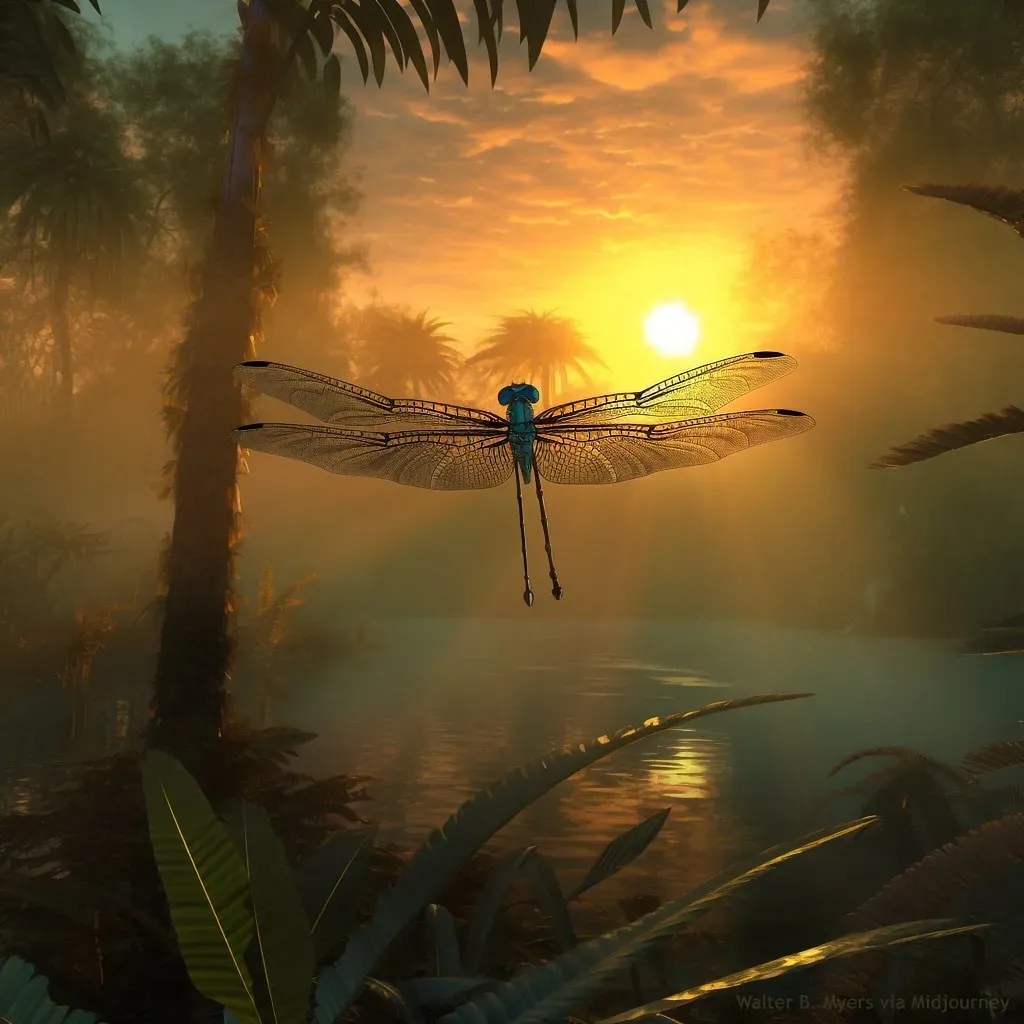
You’ve probably noticed a pattern: almost everything in this story is outsized. There’s a specific reason for that, and it comes down to the air you would have breathed in Carboniferous North America. The Carboniferous was dominated by huge expanses of swampland, and all of the vegetation released so much oxygen that atmospheric oxygen levels were almost 50% higher than they are today. Arthropods responded to this huge increase in oxygen by getting huge themselves.
The way oxygen is diffused through the insect’s body via its tracheal breathing system puts an upper limit on body size, which prehistoric insects seem to have well exceeded. Higher oxygen concentrations in the atmosphere meant that even a body the size of a griffinfly could absorb enough oxygen through its spiracles to survive and move. That’s the key biological unlock.
Another reason insects grew large during the Carboniferous period is because predation was somewhat limited. During this time, insects were the only animals capable of flight. Birds had not yet evolved, and the reptile species that existed at the time were primitive and land-bound. Without any threat of aerial predation, flying insects could grow large without fear of becoming an easy meal. When nothing is hunting you from above, you can afford to be enormous.
Giant Amphibians: The Crocodile-Like Predators of the Ancient Swamps
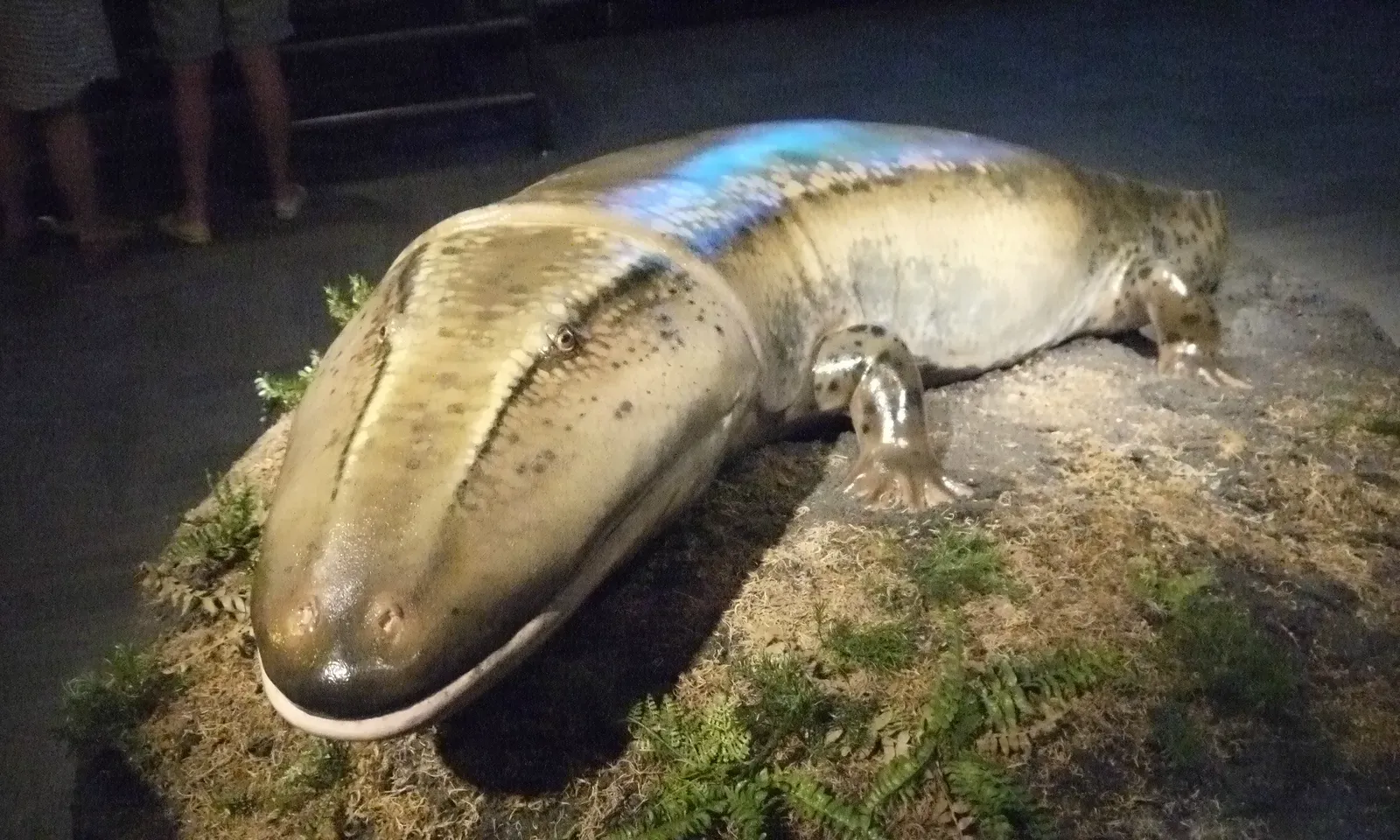
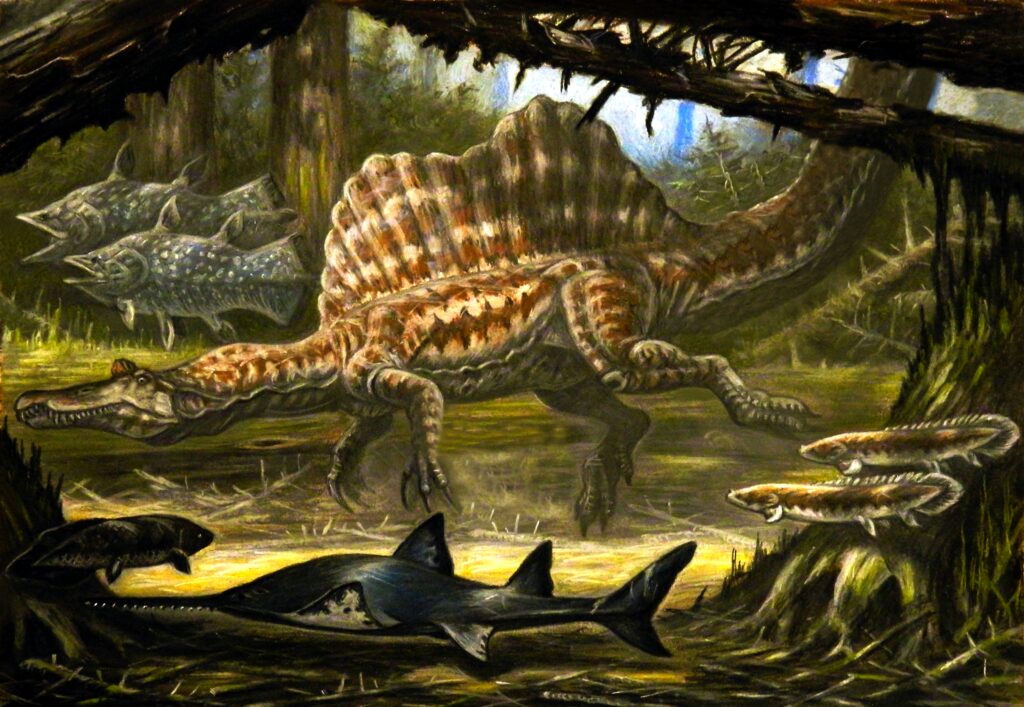
The swamps weren’t only full of giant insects. When you peer into the dark water of a Carboniferous pool, what peers back at you is something far more formidable. The period is sometimes called the Age of Amphibians because of the diversification of early amphibians such as the temnospondyls, which became dominant land vertebrates, as well as the first appearance of amniotes including synapsids and sauropsids during the late Carboniferous.
Amphibians were also growing in size and diversity. There were predatory species that resembled modern-day crocodiles. Armed with vicious teeth, they reached lengths of almost 20 feet. If you were a smaller animal in or around the water, you had serious reasons to be cautious. These weren’t the modest frogs and salamanders you know today.
The Carboniferous amphibians adapted swiftly to the different ecological niches offered by the dry-land environments and they were all carnivores, the smaller ones eating the insects that abounded in the coal forests and the larger ones living like crocodiles and eating either fish or members of their own kind in the swamps. Even within their own group, the competition was fierce.
Eryops: North America’s Apex Amphibian Predator
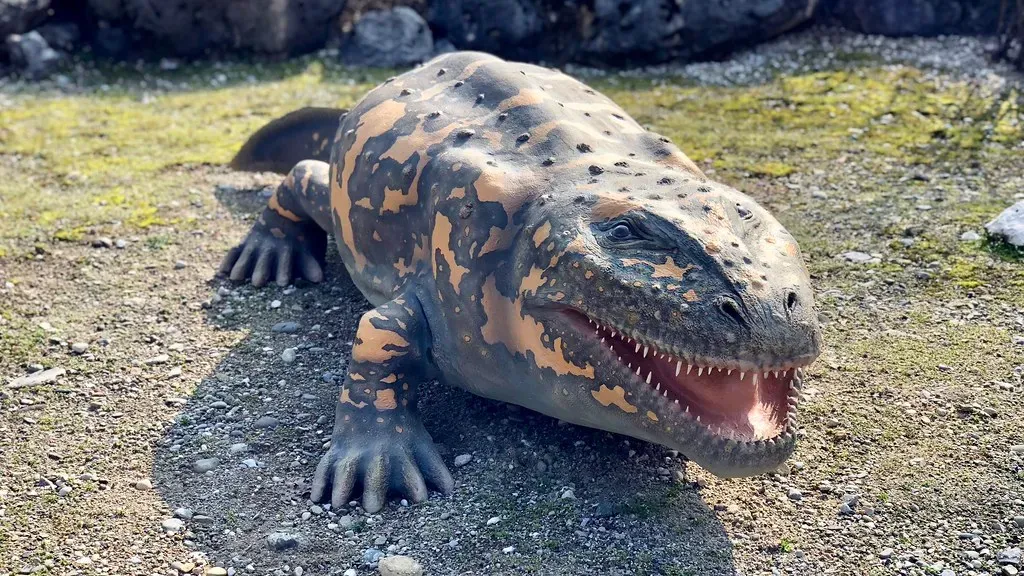
Among the most impressive amphibians you might encounter from this era is Eryops, one of the best-documented giant amphibians ever found on North American soil. Eryops is a genus of ancient amphibians that lived in the territory of present-day United States during the late Carboniferous and early Permian periods. It was one of the largest predators of its time, growing up to three meters long, with adult individuals weighing around 200 kg. That’s roughly the mass of a grizzly bear walking on four splayed legs.
The palate, or roof of the mouth, contained three pairs of backward-curved fangs, and was covered in backward-pointing bony projections which would have been used to trap slippery prey once caught. This, coupled with the wide gape, suggest an inertial method of feeding, in which the animal would grasp its prey and thrust forward, forcing the prey farther back into its mouth. It’s an unsettling feeding strategy, and one that worked extremely well.
It contains the type species Eryops megacephalus, the fossils of which are found mainly in early Permian deposits of the Texas Red Beds, and Eryops grandis from New Mexico. Fossils have also been found in late Carboniferous rocks from New Mexico and early Permian deposits of Oklahoma, Utah, the Pittsburgh tri-state region, and Prince Edward Island. You could trace its ancient range across what is now the American south and northeast, a span of territory it once dominated without contest.
The Collapse That Ended It All
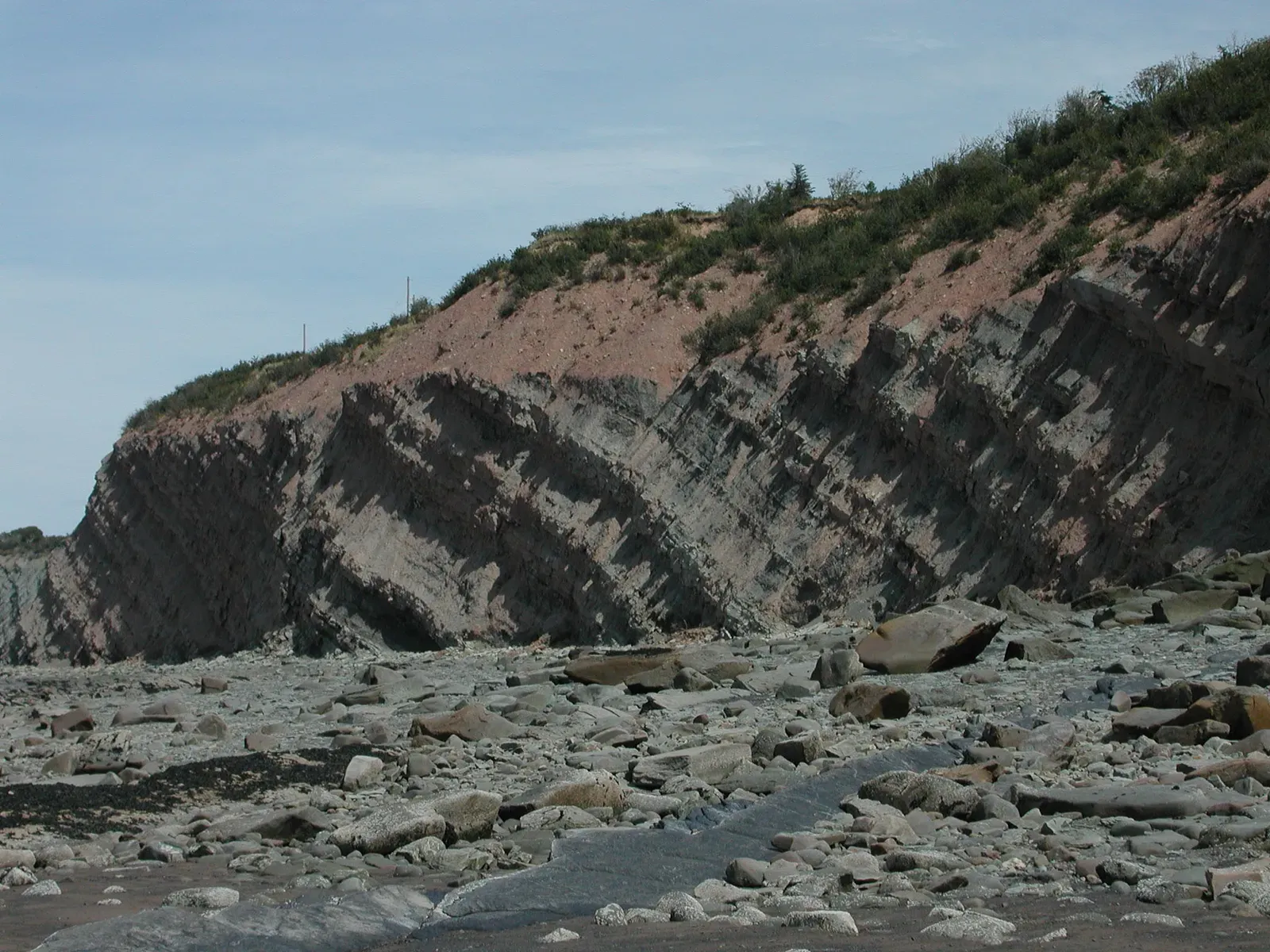
As remarkable as this world was, it didn’t last. The Carboniferous rainforest collapse was an extinction event right on North America’s doorstep, and it reshaped life on land in ways still felt today. Before the end of the Carboniferous, an extinction event occurred. On land this event is referred to as the Carboniferous rainforest collapse. Vast tropical rainforests collapsed suddenly as the climate changed from hot and humid to cool and arid. This was likely caused by intense glaciation and a drop in sea levels.
Arthropleura went extinct during the early Permian, probably due to the desertification of the equatorial regions of the supercontinent and competition with Permian tetrapods. When the wet forests shrank, the conditions that made gigantism possible simply vanished along with them. The oxygen levels dropped, the habitats dried out, and the era of enormous arthropods quietly ended.
Whatever the reason for the disappearance of large land arthropods, scientists can at least deduce that the rainforest collapse was a contributing factor in their demise. The extinction of the giant arthropods and many amphibians allowed reptiles to arise as the new dominant lifeforms. In this way, the fall of one spectacular world seeded the rise of another, eventually leading to the age of dinosaurs.
Conclusion
What’s striking about North America’s Carboniferous past is just how completely different it was from anything alive today. You wouldn’t recognize the plants, the air, the insects, or the creatures lurking at the water’s edge. It wasn’t a world built for humans. It was built for a different kind of scale entirely.
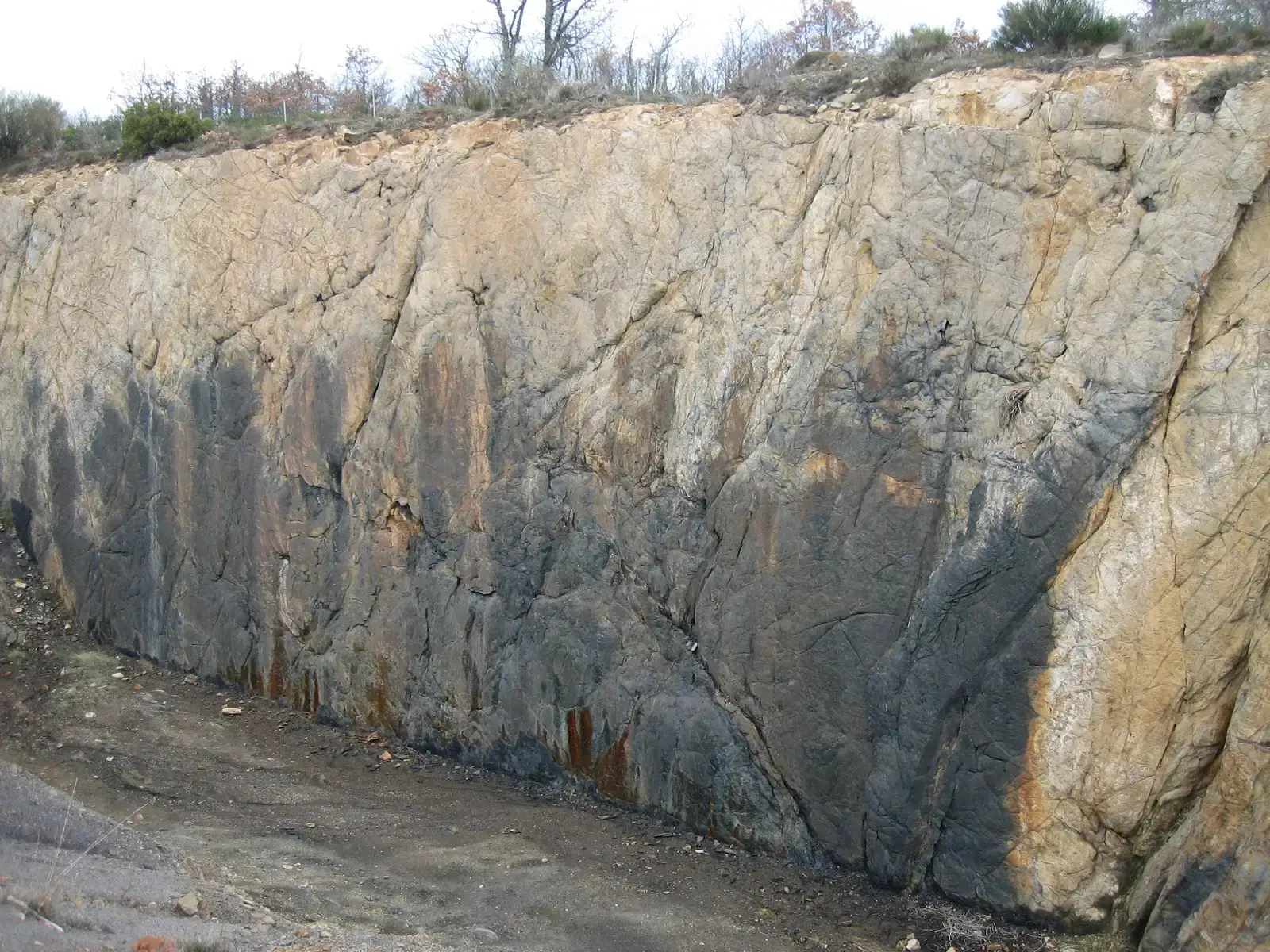
The fossils recovered from coal seams in Ohio, Texas, Kansas, Pennsylvania, and Nova Scotia aren’t just curiosities. They’re evidence of a living system governed by atmospheric chemistry, evolutionary pressure, and ecological opportunity. When those conditions changed, the giants vanished. The coal you burn today, in a very real sense, is the compressed remains of the forests that made them possible in the first place.
There’s something quietly humbling about that. The same ancient trees that fueled creatures the size of cars are now powering our cities. The giant insects and amphibians are gone, but the world they built is still very much underneath our feet.