Picture a vast, frozen continent where towering mammoths move in herds across open tundra, where giant ground sloths leave trails wide enough to walk through, and where bands of people follow at a careful distance, watching, waiting, surviving. That image is not fiction. It’s the best understanding researchers currently have of how the first humans spread across North America during the last Ice Age.
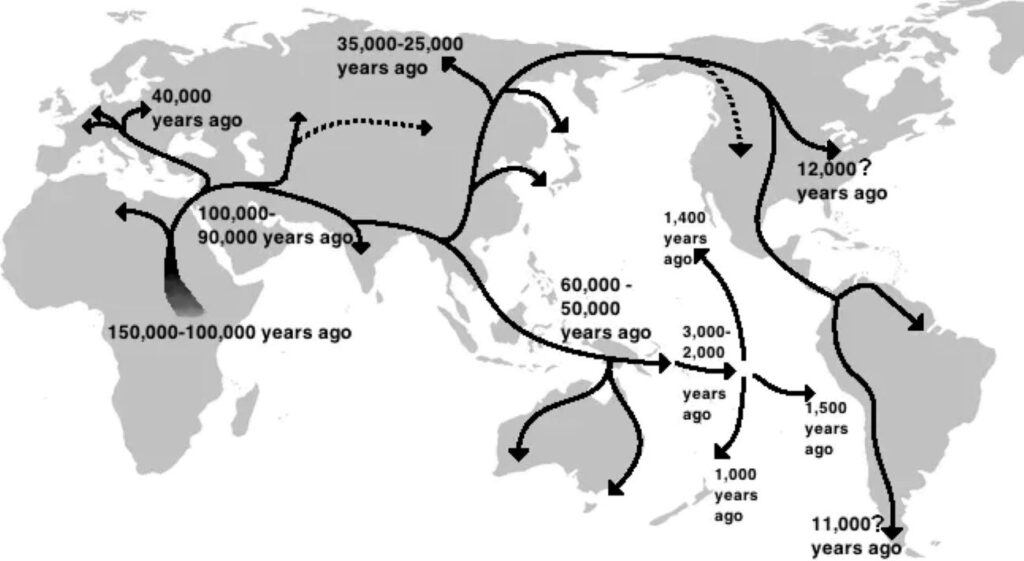
Conventional estimates have it that humans reached North America at some point between roughly fifteen thousand and twenty thousand years ago, with the traditional theory suggesting that these early migrants moved when sea levels were significantly lowered due to glaciation, following herds of now-extinct Pleistocene megafauna along ice-free corridors. The story is far messier and more fascinating than that simple version implies, and new discoveries keep rewriting the timeline.
The Land Bridge That Started It All
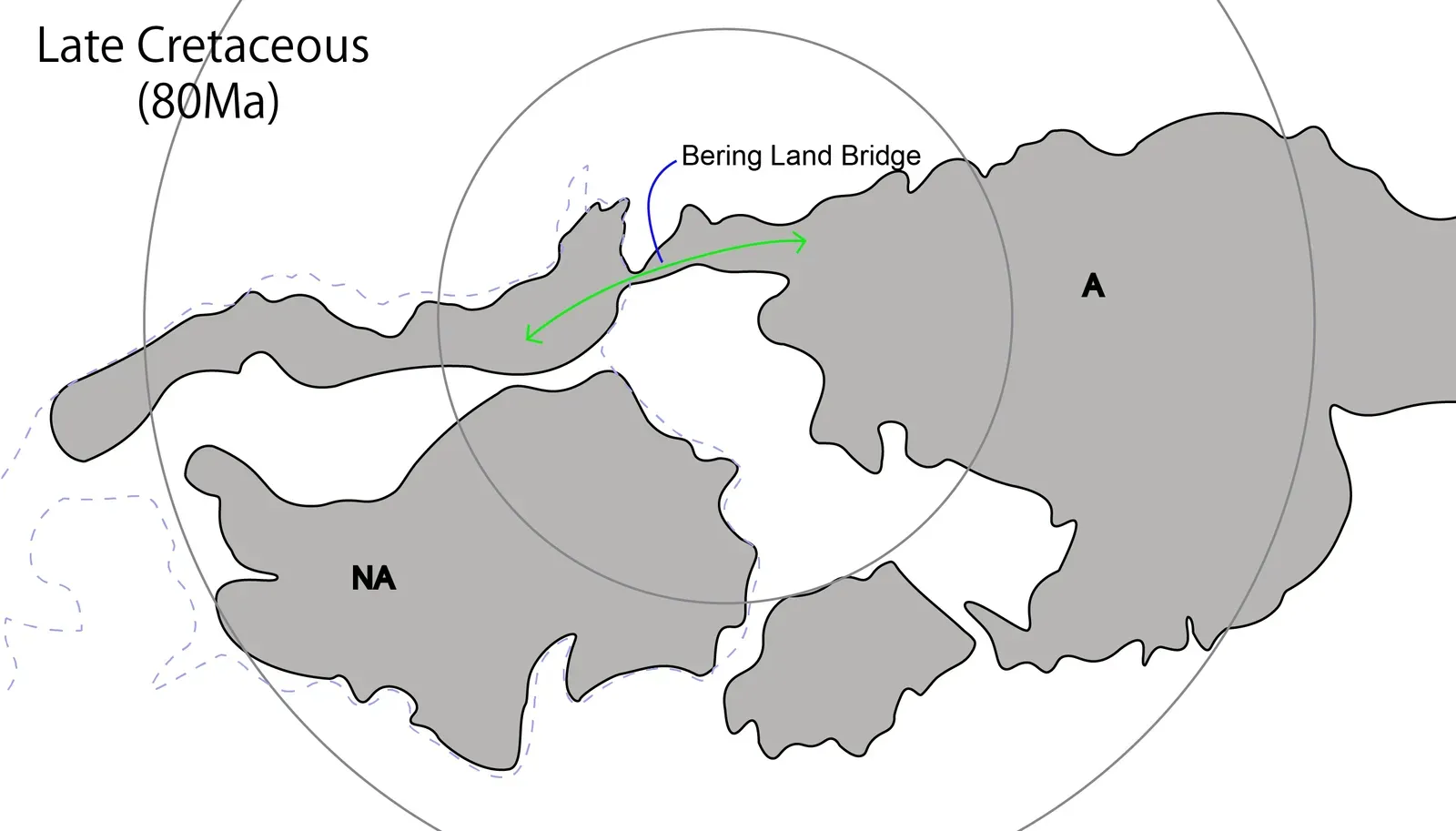
Aside from Antarctica, the Americas were the last continents humans reached, with the early pioneers crossing the now-submerged Bering land bridge that once connected eastern Siberia to North America. At times throughout the Pleistocene Ice Age, which ended around ten thousand years ago, large ice sheets covered much of Europe and North America. The water locked in these ice sheets lowered the sea level, allowing people to walk the bridge from Asia through the Arctic to Alaska.
The ancient ancestors of the first Americans left Siberia somewhere between twenty-four thousand and twenty-one thousand years ago – confirmed by comparing the DNA of Paleo-Americans with the DNA of Paleo-Siberians to pinpoint the moment when those two human populations diverged. The crossing itself was likely not a dramatic, single event but a gradual drift, tied directly to where the animals were going and what the land could provide.
Following the Herds: The Core Logic of Migration
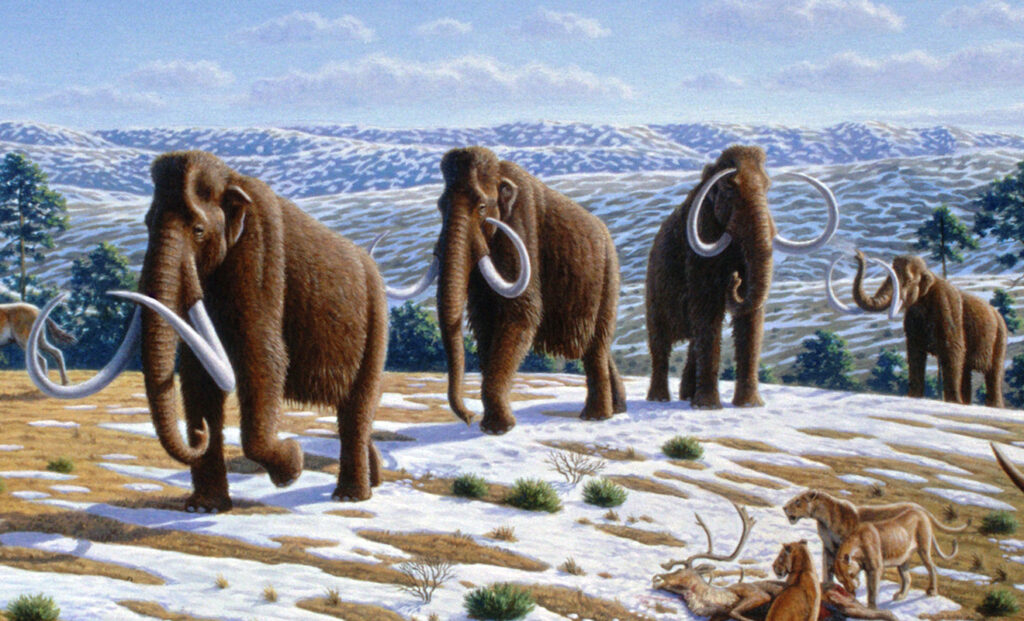
Early human groups were largely nomadic, relying on following food sources for survival. Mobility was part of what made humans successful. As nomadic groups, early humans likely followed the food from Eurasia to the Americas, which is part of the reason why tracing megafaunal DNA is so helpful for understanding these migratory patterns. The animals, in a very real sense, were doing the navigation.
Small bands utilized hunting and gathering during the spring and summer months, then broke into smaller direct family groups for the fall and winter. Family groups moved every three to six days, possibly traveling up to three hundred and sixty kilometers per year. Diets were often rich in protein, and clothing was made from a variety of animal hides that were also used for shelter construction. The megafauna were not just food – they were shelter, clothing, and tools all at once.
The Ice-Free Corridor and Its Limitations
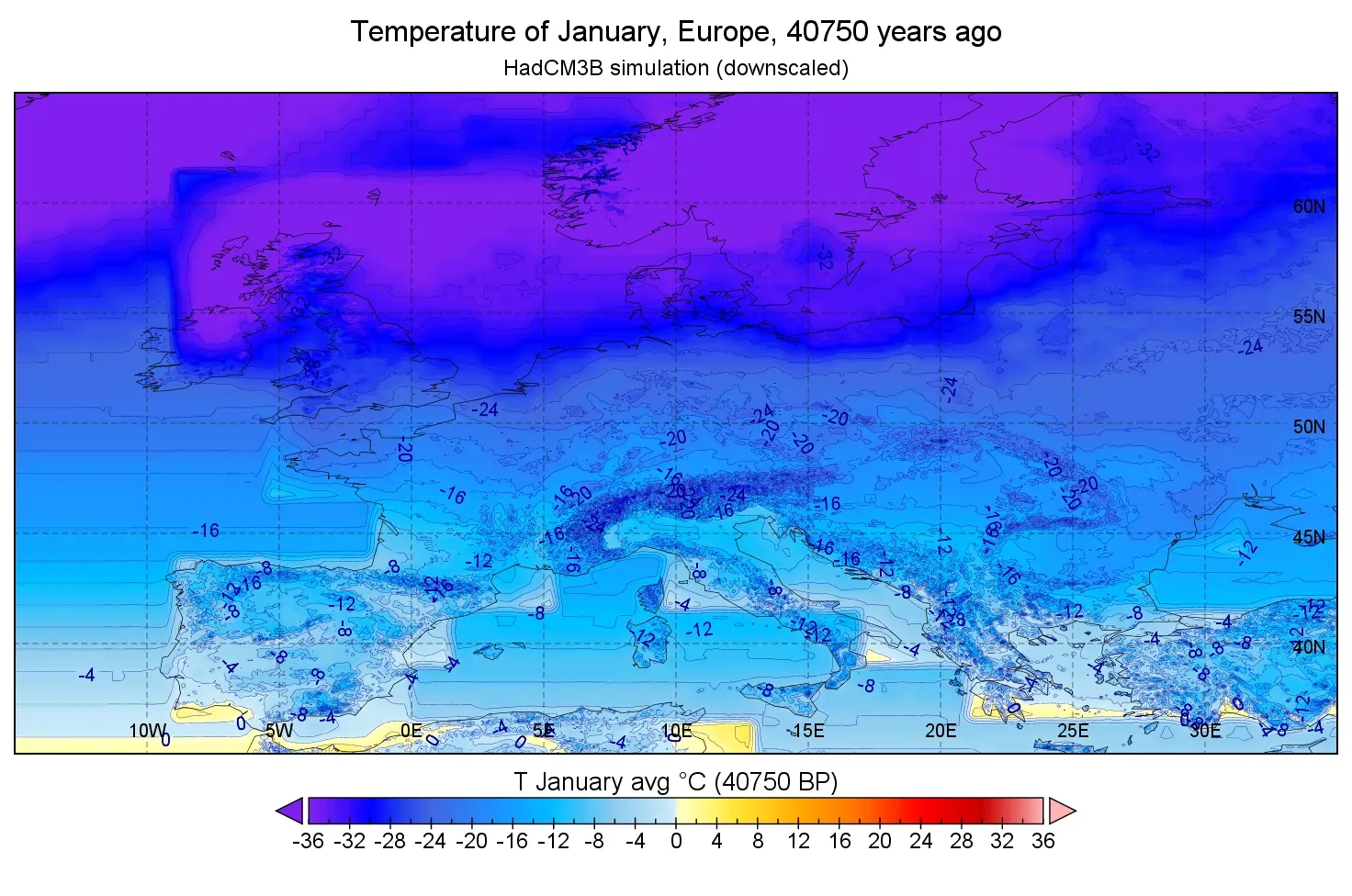
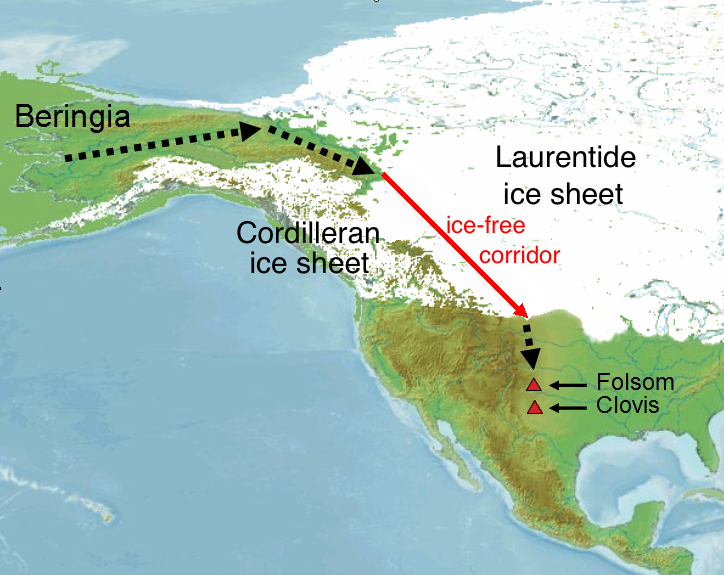
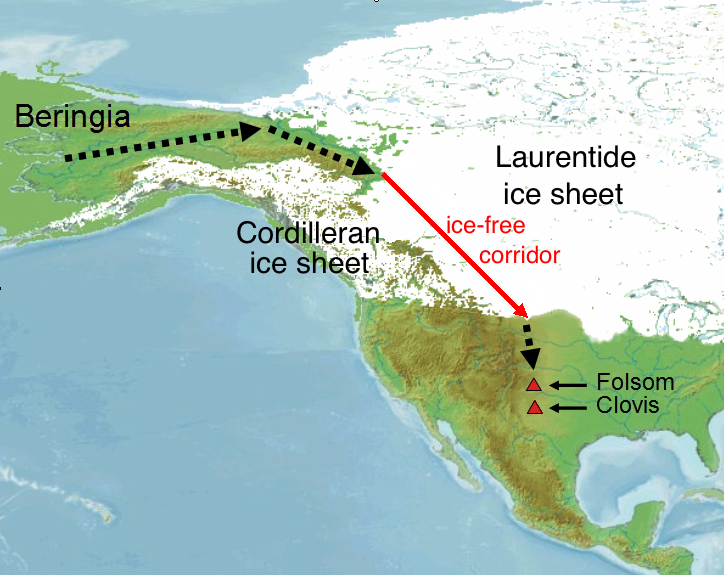
The most generally accepted theory is that Ancient Beringians moved when sea levels were significantly lowered, following herds of now-extinct Pleistocene megafauna along ice-free corridors that stretched between the Laurentide and Cordilleran ice sheets. The opening of that ice-free corridor did not occur until after thirteen thousand to twelve thousand years before present. That timing creates a serious problem for some migration models.
Environmental DNA found in lake sediment cores from the middle of the ice-free corridor shows that it would not have been populated by plants or animals until around twelve thousand six hundred years ago, long after people were already in the Americas. The earliest direct archaeological evidence of humans within the corridor region itself dates to twelve thousand four hundred years ago. On balance, the evidence suggests that the first humans to enter the Americas did not take the ice-free corridor in. The most likely alternative route is via boat along the western coast, which would have become accessible about seventeen thousand to sixteen thousand years ago.
White Sands and the Evidence That Changed Everything
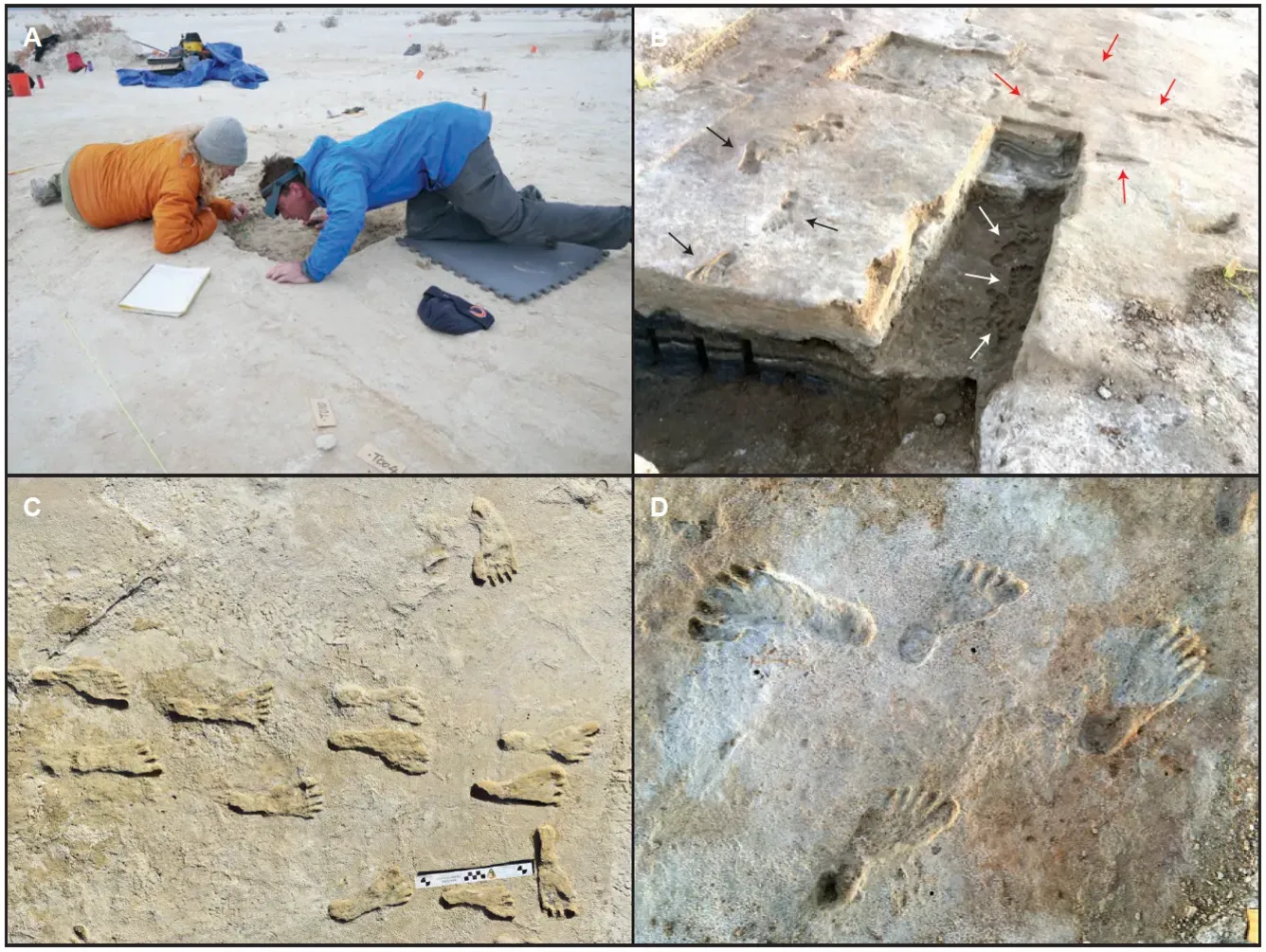
There are literally tens of thousands of fossil footprints at White Sands. Together, they tell stories of how prehistoric humans interacted with extinct Ice Age megafauna, such as Columbian mammoths and giant ground sloths. The sheer number of overlapping tracks, human and animal side by side, makes the site unlike anything else found in North America.
These finds indicate the presence of humans in North America for approximately two millennia during the Last Glacial Maximum, south of the migratory barrier created by the ice sheets to the north. This timing coincided with a Northern Hemispheric abrupt warming event, which drew down lake levels and allowed humans and megafauna to walk on newly exposed surfaces, creating tracks that became preserved in the geologic record. You’re looking, in other words, at a moment when climate, animals, and people all intersected in a way that left a record in the mud.
The Clovis Culture and Its Big-Game Connection
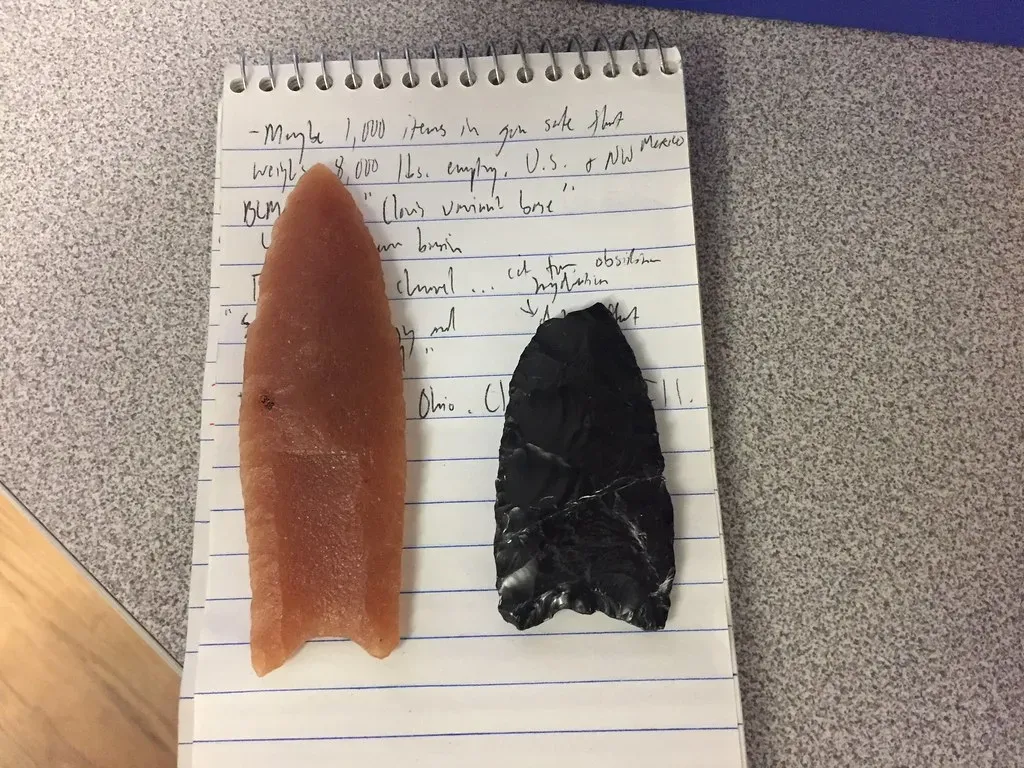
The Clovis culture, known for its distinctive style of stone projectile points, roamed North America between thirteen thousand five hundred and twelve thousand five hundred years ago. They have long been viewed as effective hunters who preyed on mammoths, mastodons, bison, and other megafauna of the Ice Age. The distribution of Clovis sites across the continent tracks remarkably closely with where megafauna populations were densest.
Using comparative fauna from the region and period, researchers find that mammoth was the largest contributor to Clovis diet, followed by elk and bison, while the contribution of small mammals was negligible, broadly consistent with the Clovis zooarchaeological record. In the Southern Plains, Clovis people created campsites of considerable size, which are often on the periphery of the region near sources of workable stone, from which they are suggested to have seasonally migrated into the plains to hunt megafauna. Their entire settlement pattern was shaped around where the big animals went.
Reading Animal DNA to Trace Human Footsteps
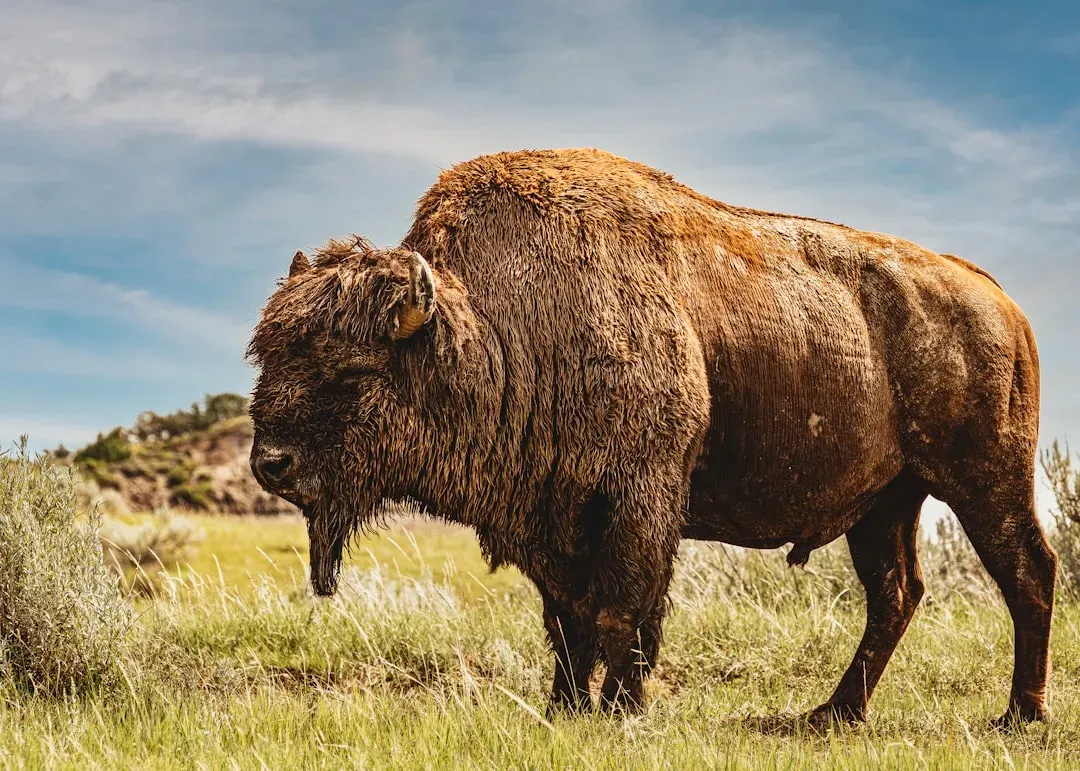
In addition to human genetic lineage, megafaunal DNA can be used to trace movements of large mammals as well as the early human groups who hunted them. Bison have been identified as an ideal candidate for tracing human migrations because of both their abundance in North America and their being one of the first megafauna for which ancient DNA was used to trace patterns of population movement. Where the bison genome shows a population bottleneck or a sudden expansion, researchers can cross-reference human settlement data and see if the timelines match.
Research data sheds new light on the pathway and timing of human migration to the Americas and demonstrates the possibility of the sustainable coexistence of humans and the Ice Age megafauna in Beringia prior to their extinction. Analyses of biomarkers and microfossils preserved in sediments from Lake E5 and Burial Lake in northern Alaska suggest early humans burned Beringian landscapes as early as thirty-four thousand years ago, and the authors of these studies suggest that fire was used as a means of hunting megafauna. Human presence leaves marks not just in stone tools, but in the landscape itself.
When the Beasts Disappeared: The End of an Era
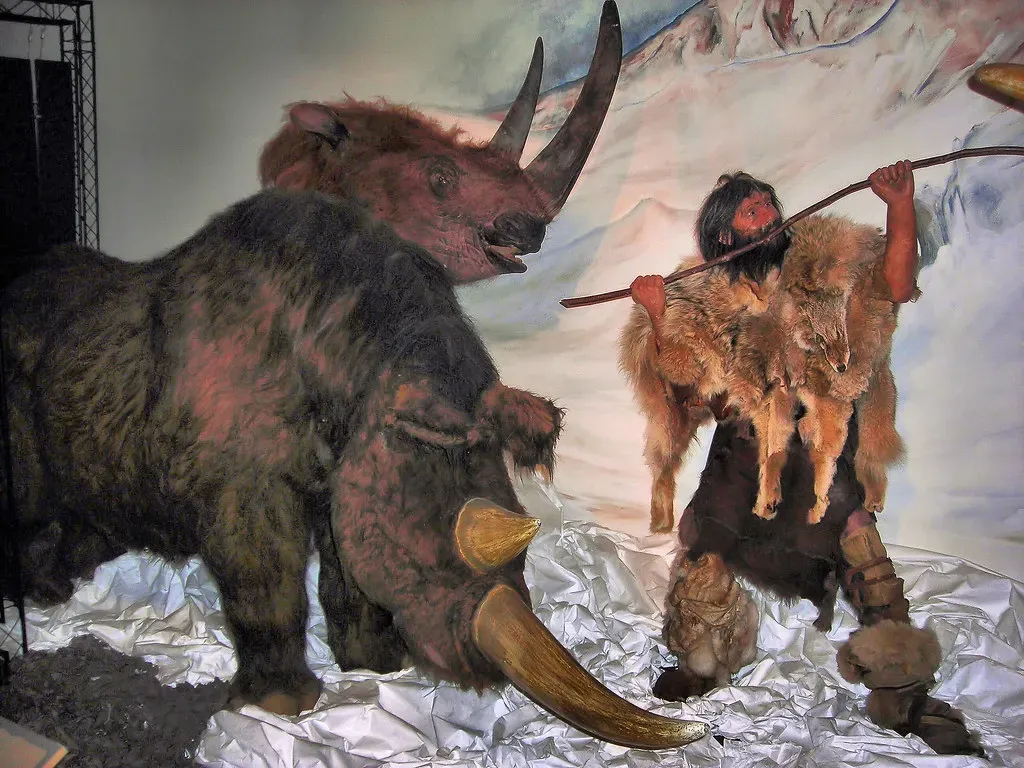
These Ice Age megafauna have all been extinct for about twelve thousand eight hundred years. Mammoths, mastodons, huge bison, horses, camels, very large ground sloths, and giant short-faced bears all died out as the huge continental ice sheets disappeared at the end of the Ice Age. Their disappearance fundamentally altered how and where humans could live across the continent.
The causes for extinctions varied across taxa and by region. In some cases, extinctions appear linked to hunting, while in others they are consistent with the ecological effects of climate change, and in at least one case, both hunting and climate change appear responsible. The end of the Clovis culture may have been driven by the decline of the megafauna that the Clovis hunted, as well as decreasing mobility, resulting in local differentiation of lithic and cultural traditions across North America. When the animals that shaped human movement vanished, the very nature of those migrations changed too.
Conclusion
The story of ancient human migration across North America is, at its core, a story about following life. People moved not out of some grand ambition to populate a continent, but because animals moved, seasons shifted, and survival demanded it. The mammoths and mastodons, the giant bison and ground sloths, were unwitting guides pulling human populations deeper and deeper into a landscape that had never known our species before.
What makes this picture remarkable in 2026 is how much of it we can now actually see. Ancient footprints pressed into a lakebed in New Mexico, genetic signals locked in bison bones, and fire signatures in Alaskan sediment cores are all fragments of the same long walk. The animals are gone, but their trails, and the human trails beside them, are still there to be read.