Picture a sail-backed creature with serrated, fang-like teeth prowling a vast swampy floodplain, ruling its ecosystem with no competition in sight. You’d be forgiven for imagining a dinosaur. The sail, the predatory posture, the sheer strangeness of the body shape, all of it points toward something ancient and reptilian. The truth, though, is far more surprising.
The Dimetrodon is often mistaken for a dinosaur or portrayed as a contemporary of dinosaurs in popular culture, but it became extinct by the middle Permian, some 40 million years before the appearance of dinosaurs. What you’re actually looking at when you see this creature is something far more closely connected to you than any T. rex ever was. These 12 facts will shift the way you see one of prehistory’s most misunderstood rulers.
1. It Predates Dinosaurs by Tens of Millions of Years
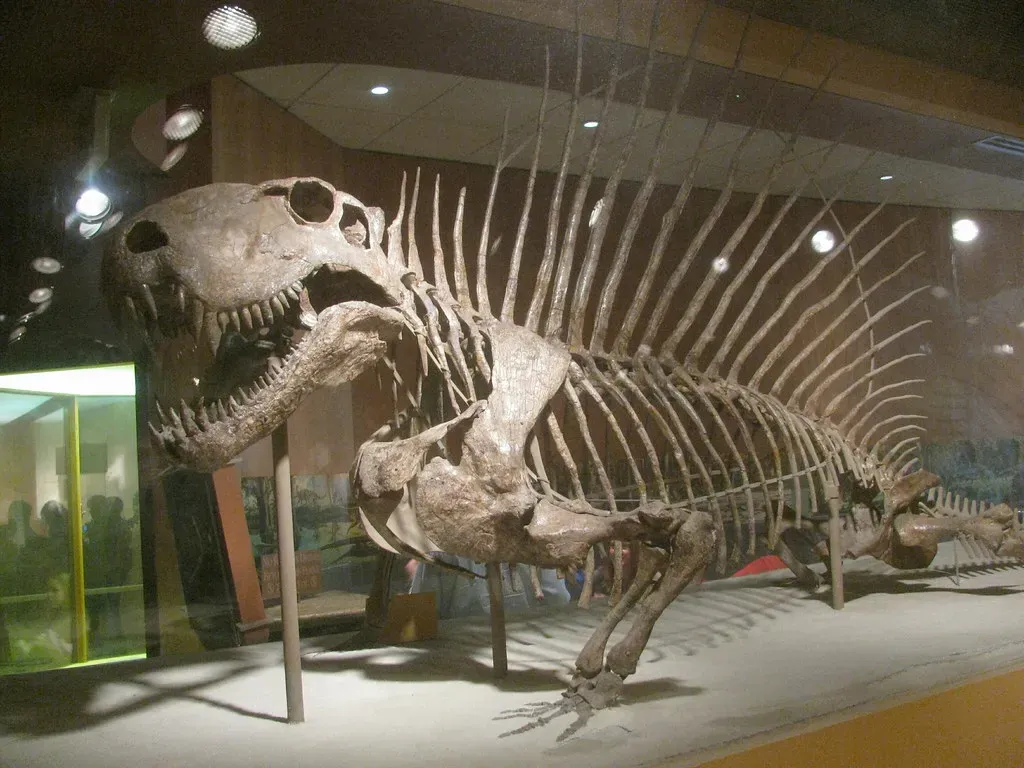
One of the most important things to understand about the Dimetrodon is just how old it really is. It is a notable early synapsid that lived during the Early Permian period, approximately 290 million years ago, and is frequently mistaken for a dinosaur; however, it predates dinosaurs by tens of millions of years. That gap in time is genuinely staggering, larger than the gap between the last dinosaurs and humans today.
Dimetrodon actually went extinct forty million years before the evolution of the oldest known dinosaur, and is also older than crocodiles. So the next time you see it grouped with Tyrannosaurus and Triceratops in a toy set or children’s book, know that the pairing makes about as much chronological sense as placing a woolly mammoth alongside a modern elephant. They occupied completely different chapters of Earth’s story.
2. It Was a Synapsid, Not a Reptile
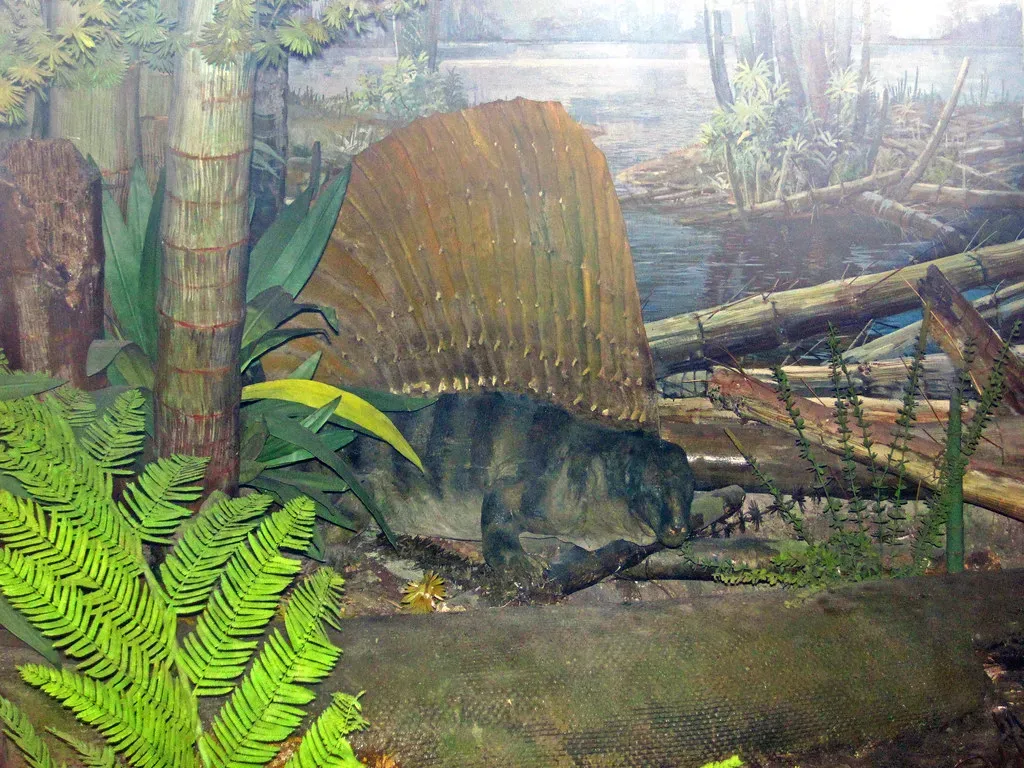
The label that has stuck to the Dimetrodon the longest is probably the most misleading. In fact, Dimetrodon is not even a reptile, as the early synapsids are generally believed to be more closely related to modern mammals than to dinosaurs or other reptiles, despite their reptile-like appearance. You can understand why the confusion took hold. It looks reptilian at first glance. The sprawling legs, the scaled skin, the long tail, they all send your brain straight to “lizard.”
With amniotes able to dominate life on land, they diversified and divided into two clades, synapsids and sauropsids. The main difference between the two was in their skulls, with synapsids having one temporal fenestra (an opening in the skull behind the eye) and sauropsids having two, or none at all. Superficially, synapsids and sauropsids appeared similar, but the divergence between the two would lead in very different directions, with sauropsids evolving into dinosaurs and synapsids becoming mammals. That single opening in the skull tells a very different evolutionary story, one that leads directly toward you.
3. You Are More Closely Related to It Than Dinosaurs Are
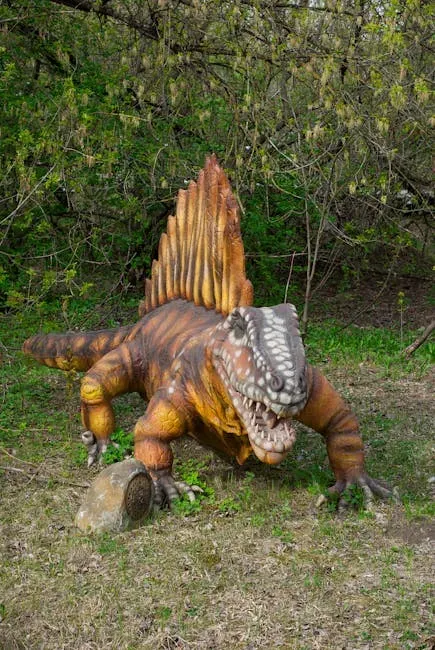
This one tends to genuinely surprise people. Although reptile-like in appearance and physiology, Dimetrodon is much more closely related to mammals, as it belongs to the closest sister family to therapsids, the latter of which contains the direct ancestor of mammals. The lineage that connects you to the Dimetrodon is a long and winding one, but it’s real and traceable through the fossil record.
The closest living relatives to Dimetrodon are mammals, including humans. That’s not a metaphor or loose interpretation. It’s a direct consequence of evolutionary branching. The line of descent that includes all living mammals extends back in time over 300 million years, and many of the ancient relatives of mammals that fall along this line are very different in appearance from living mammals and are frequently mistaken for reptiles such as dinosaurs. The Dimetrodon sits on that very line.
4. Its Name Means “Two Measures of Tooth”
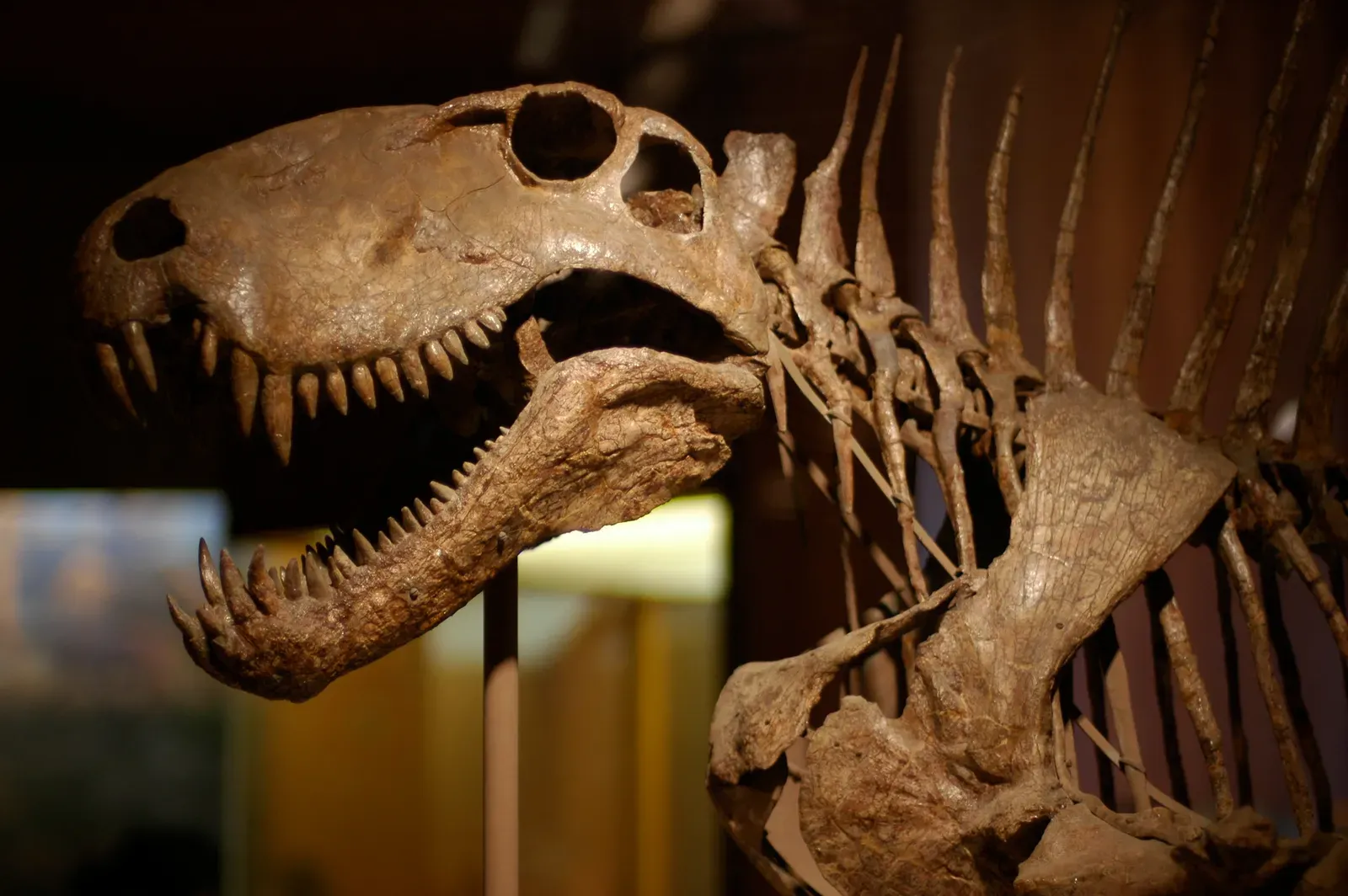
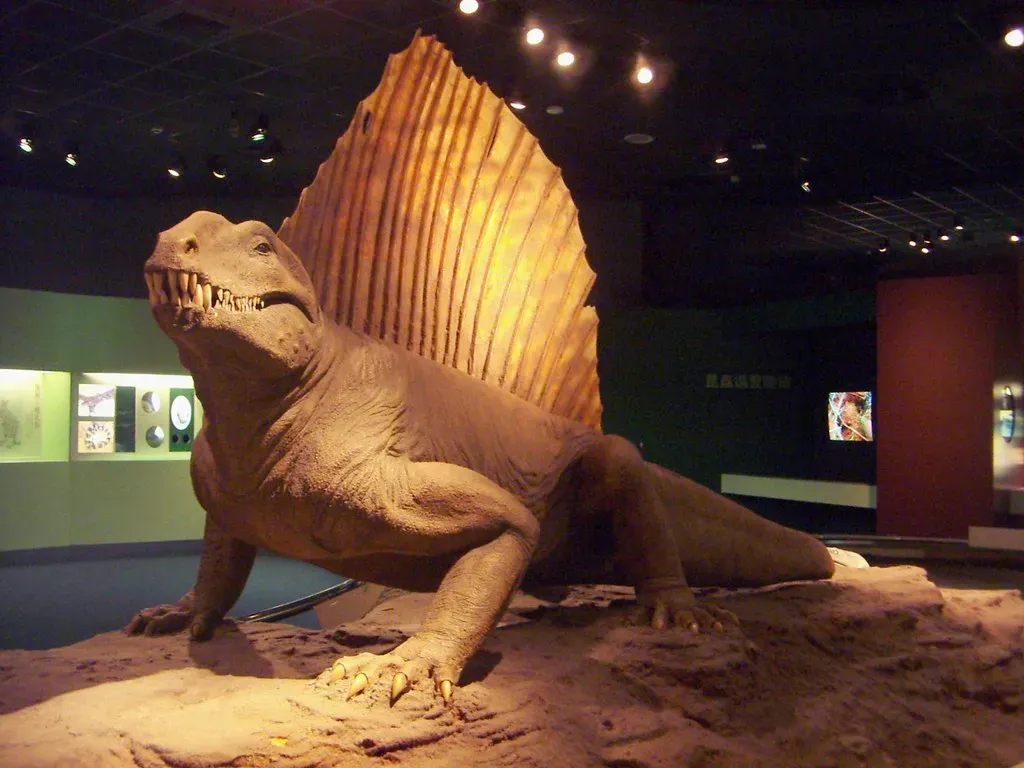
Uploaded by FunkMonk, CC BY-SA 2.0)
Dimetrodon means “two measure tooth,” named for its different and distinct tooth types. This was a radical feature at the time. Most creatures in Dimetrodon’s world had uniform, peg-like teeth suited for simply grabbing prey. The Dimetrodon was doing something fundamentally different with its mouth.
Dimetrodon is one of the first terrestrial vertebrates to develop multiple types of teeth, including tightly compressed, recurved teeth with sharp cutting edges. Known as ziphodont teeth, scientists speculate this development was a result of a new, refined feeding style in which flesh is sheared from the bones by pulling instead of direct, bone-crushing force. That innovation was a major step on the long road toward the specialized mammalian dentition you carry around in your own jaw today. Despite its name meaning “two measure tooth,” Dimetrodon actually had three distinct tooth types, thus “Trimetrodon” may have been a more accurate name.
5. It Was the Apex Predator of Its Time
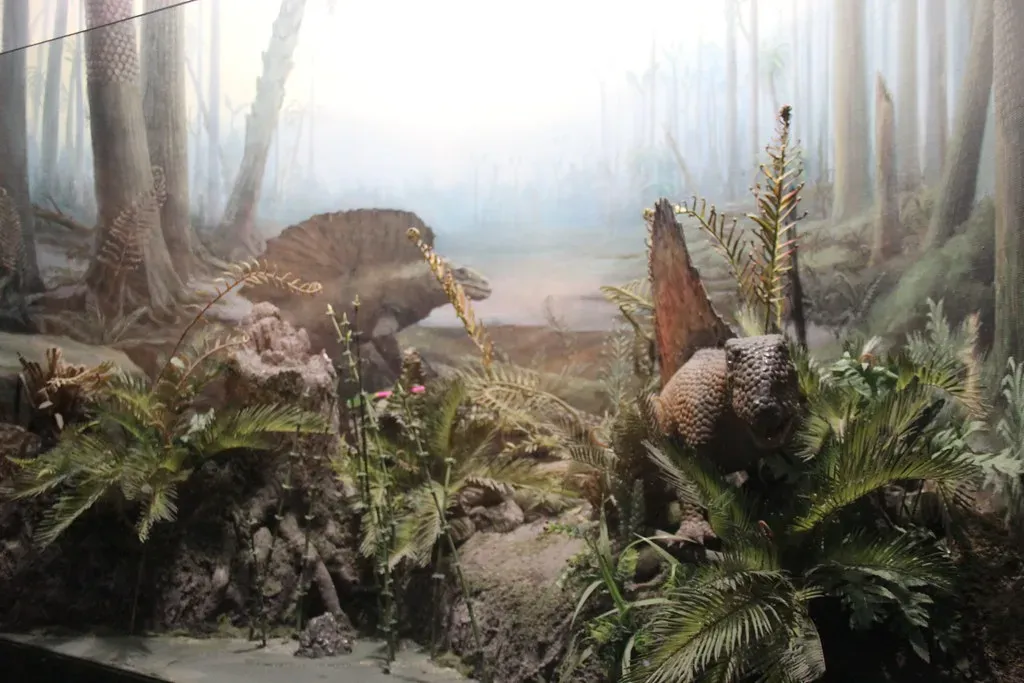
You might not picture it as the most fearsome creature that ever lived, but in its moment in geological history, the Dimetrodon sat at the very top. Early Permian sphenacodontid synapsids were the first terrestrial large-bodied apex predators. Nothing on land could challenge a fully grown Dimetrodon within its ecosystem, which is an extraordinary distinction to hold.
Dimetrodon was probably one of the apex predators of the Cisuralian ecosystems, feeding on fish and tetrapods, including reptiles and amphibians. Direct fossil evidence exists for Dimetrodon’s predation upon Diplocaulus in the form of a burrow containing the remains of eight juvenile Diplocaulus, three of which were partially eaten and had tooth marks matching the teeth of Dimetrodon. It is likely that the Diplocaulus were aestivating underground during the dry season and were dug up and partially eaten by a Dimetrodon. These amphibians may have been a highly convenient prey item during lean times.
6. The Mystery of the Sail Has Never Been Fully Solved
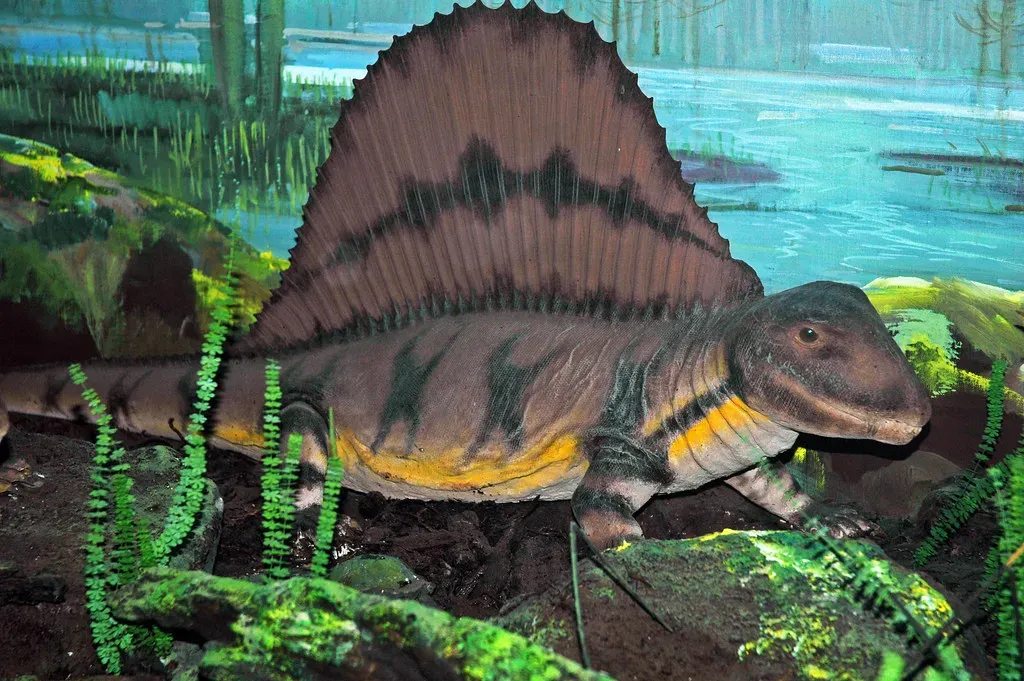
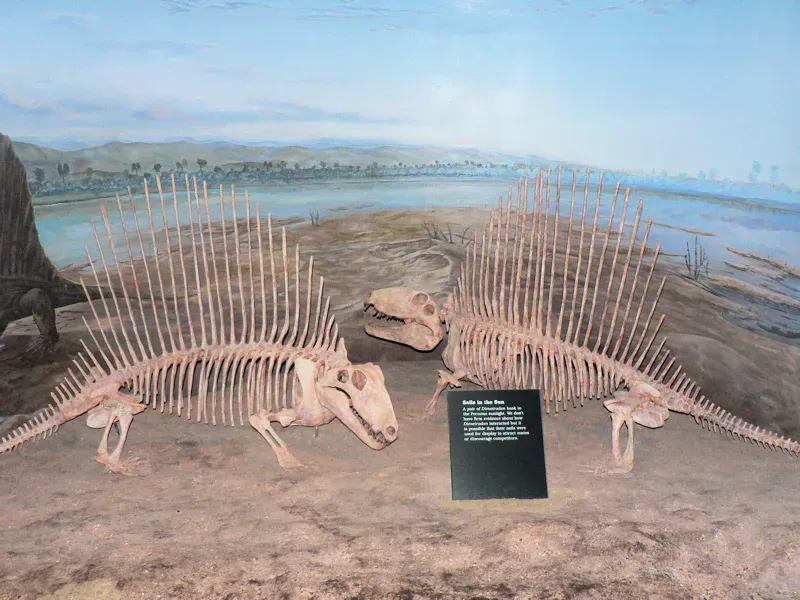
The sail is the feature that defines the Dimetrodon in the popular imagination. It’s immediately recognizable, and yet paleontologists still debate exactly what it was for. The function of Dimetrodon’s most distinctive feature, the sail on its back, has been debated for many years, with two main prevailing theories. The traditional theory suggests that it functioned as a radiator, warming the body by circulating blood through the sail in the sun, or cooling it by exposing it to the wind. This may have allowed them, as ectotherms, to become active earlier than other creatures. In recent years, the idea that it was used as a “billboard” for identifying mates, courting females, or intimidating rivals has become more prominent.
Some recent studies argue that the sail would have been ineffective at removing heat from the body, due to large species being discovered with small sails and small species being discovered with large sails, essentially ruling out heat regulation as its main purpose. The sail was most likely used in courtship display, including threatening away rivals or showing off to potential mates. The honest answer is that the sail may have served more than one function simultaneously, and we may never know for certain given the limitations of fossil evidence.
7. It Came in a Wide Range of Sizes
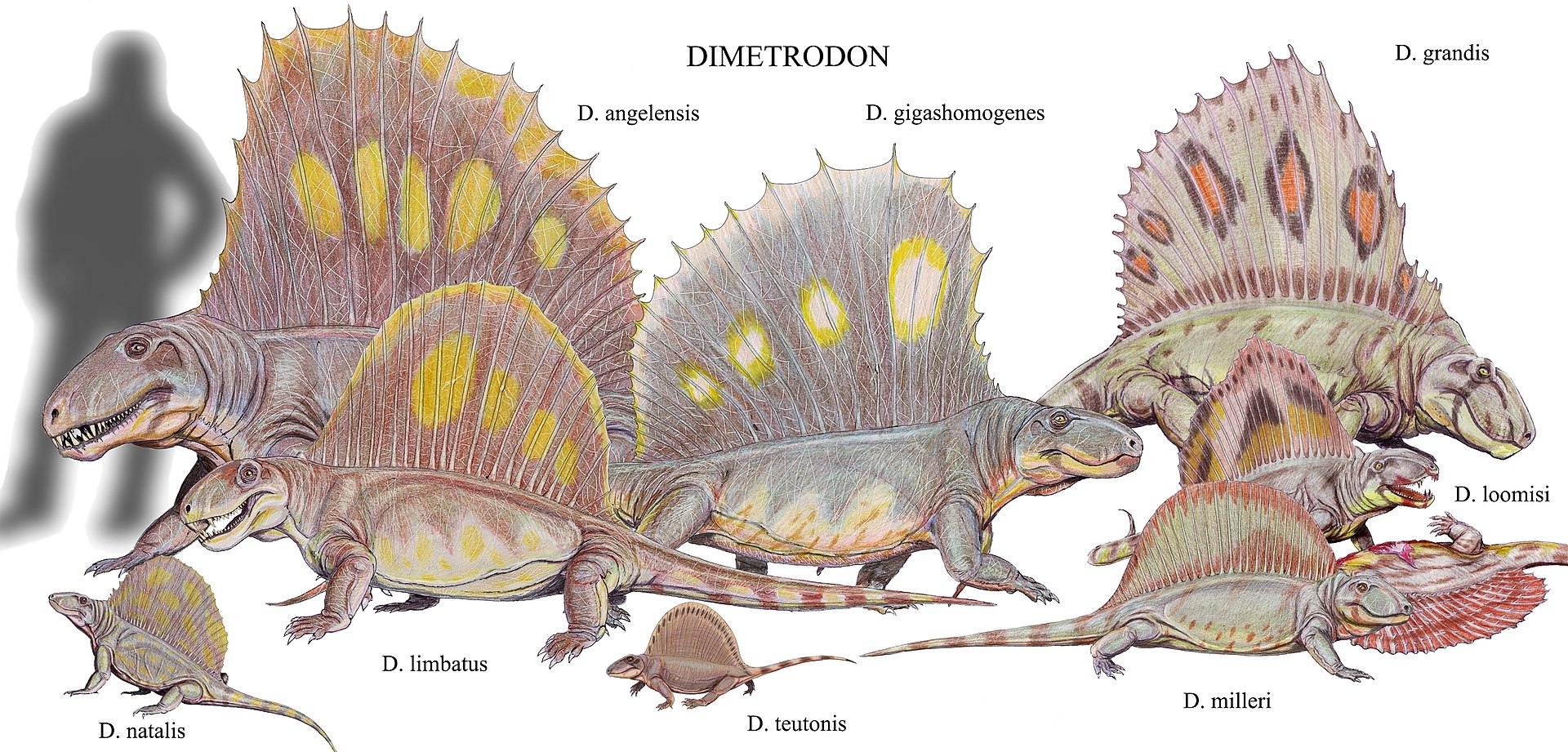
When people picture the Dimetrodon, they tend to imagine one creature. In reality, you’re dealing with an entire genus spanning multiple species with considerable variation in body size. Most Dimetrodon species ranged in length from 1.7 to 4.6 meters, and are estimated to have weighed between 28 and 250 kg. The smallest known species, D. teutonis, was about 60 cm long and weighed 14 kg.
The larger species of Dimetrodon were among the largest predators of the Early Permian, with D. grandis measuring 3.2 m and weighing some 250 kg. You can think of it less like a single animal and more like a lineage of creatures that carved out different ecological roles based on their size. Smaller species likely targeted different prey entirely compared to the massive, dominant forms that we most commonly associate with the name.
8. Its Fossils Are Spread Across Two Continents
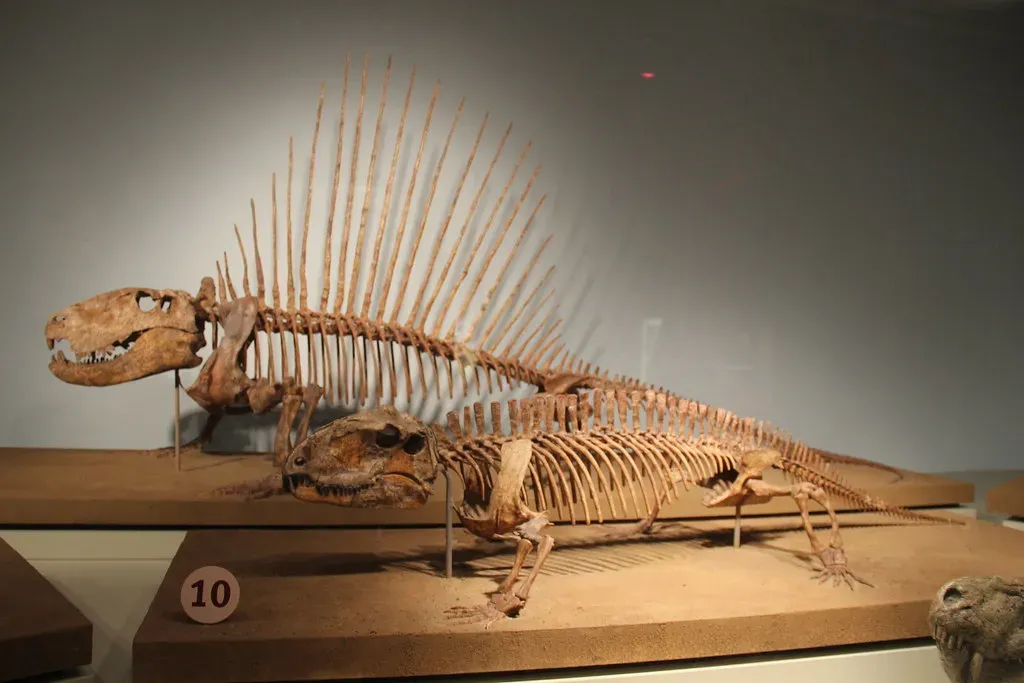
You might assume that a creature from so long ago would have left fossils in only a narrow geographic band. Not the case here. Fossils of Dimetrodon have been found across North America and Europe, lending support to theories about the supercontinent Pangaea, as these fossils indicate that these regions were once connected. The distribution of those fossils tells you something important about the world as it existed at the time.
Fossils of Dimetrodon are known from the United States, including Texas, Oklahoma, New Mexico, Arizona, Utah, and Ohio, as well as Canada’s Prince Edward Island and Germany, areas that were part of the supercontinent Euramerica during the Early Permian. Within the United States, almost all material attributed to Dimetrodon has come from three geological groups in north-central Texas and south-central Oklahoma. In 2001, a new species of Dimetrodon called D. teutonis was described from the Lower Permian Bromacker locality at the Thuringian Forest of Germany, extending the geographic range of Dimetrodon outside North America for the first time.
9. The Skull Architecture Was Distinctly Non-Reptilian
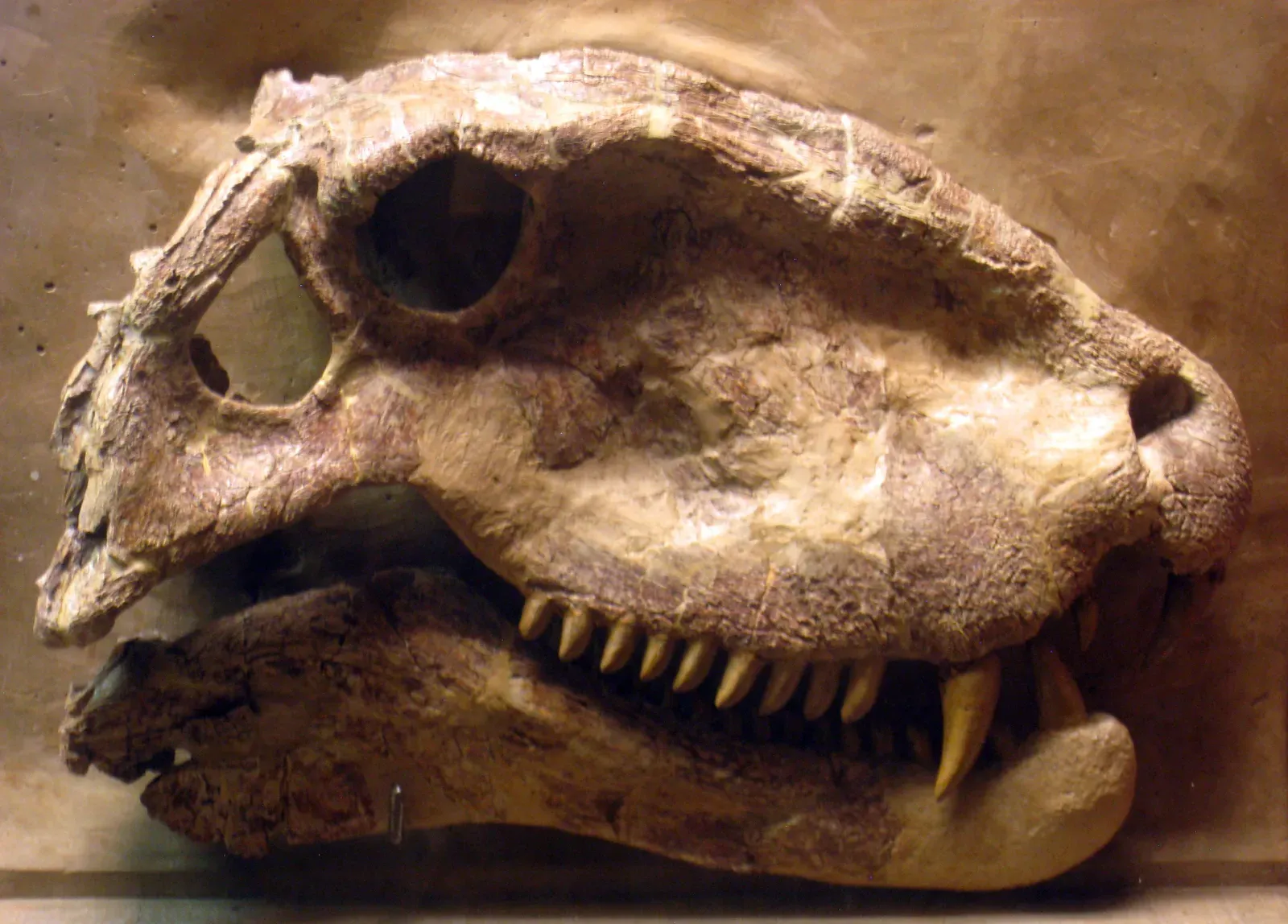
What really sets the Dimetrodon apart from the reptiles it resembles is what’s happening at the level of the skull. Dimetrodon is perhaps the most recognizable primitive member of the synapsids, which is believed to be the hereditary line that eventually gave rise to the mammals. Synapsids are characterized by the presence of temporal openings in the skull below and posterior to each eye socket. These openings both decreased the effective mass of the skull and accommodated the attachment of the jaw muscles to produce stronger jaws.
The skull of Dimetrodon is tall and compressed laterally, or side-to-side. The eye sockets are positioned high and far back in the skull. Behind each eye socket on each side is a single hole called an infratemporal fenestra. That single temporal opening is the anatomical signature of the entire synapsid lineage. It’s a feature you share with the Dimetrodon, connecting you both across hundreds of millions of years of evolutionary history in a way that no dinosaur can claim.
10. Its Posture Was Unlike a True Dinosaur
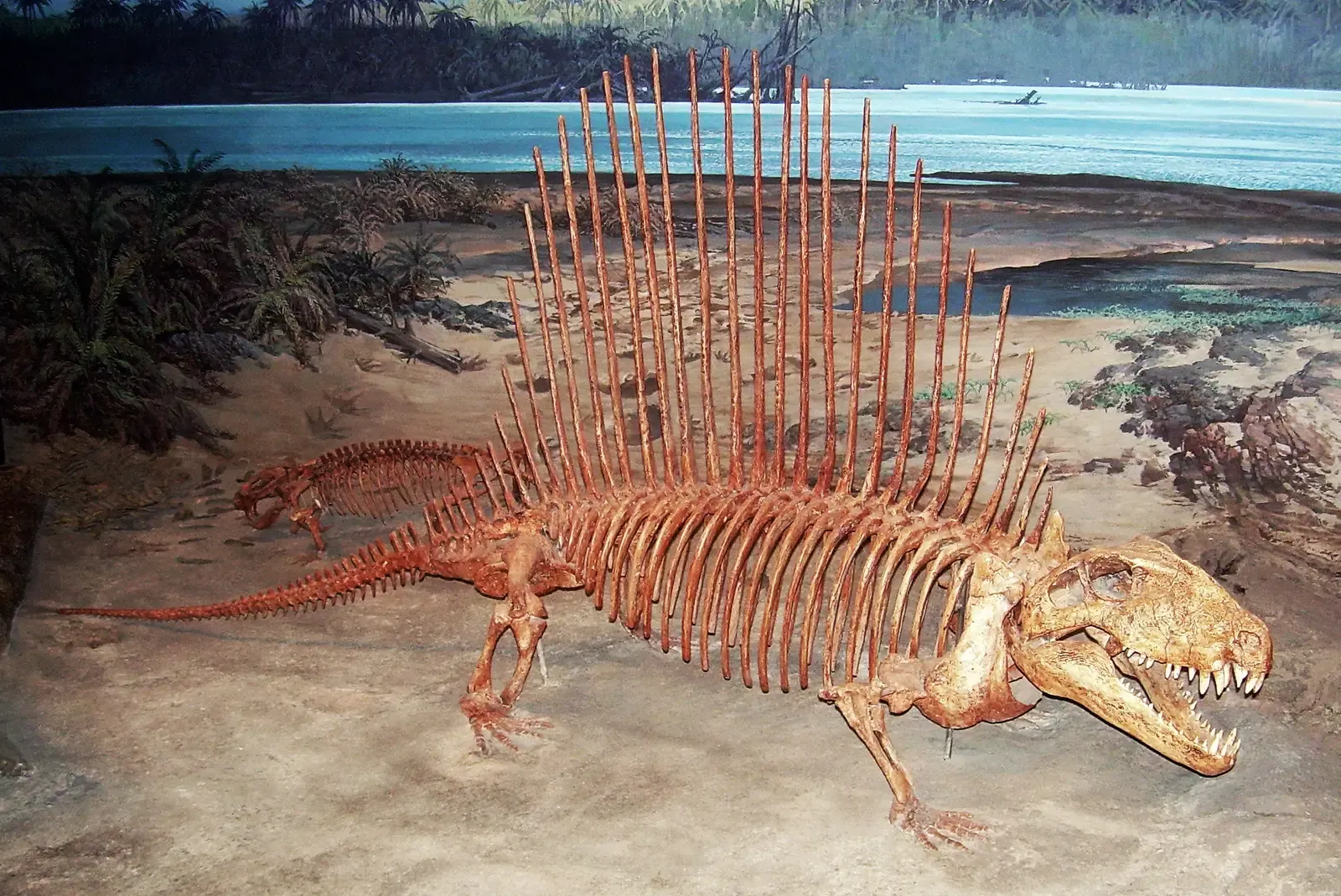
One of the clearest ways you can distinguish the Dimetrodon from a true dinosaur is simply by looking at how it stood and moved. Dimetrodon displays the stereotypical lizard-like posture associated with reptiles. Its four legs are approximately equal in length front to back, extending laterally outward from the shoulder and hip joints. This is quite unlike true dinosaurs, in which the legs are positioned directly below the corresponding joints to support the weight of the animal.
It is believed that Dimetrodon was not a fast-moving animal, but rather moved in much the same manner as present-day crocodilians, spending much of its time resting on its belly with legs splayed out to the side, or walking with its body elevated on all four legs and alternating placements of the front and back feet. For an apex predator, this relatively slow gait was compensated for by strategy, likely relying on ambush tactics rather than sustained pursuit to catch its prey.
11. New Skin Evidence Was Described as Recently as 2025
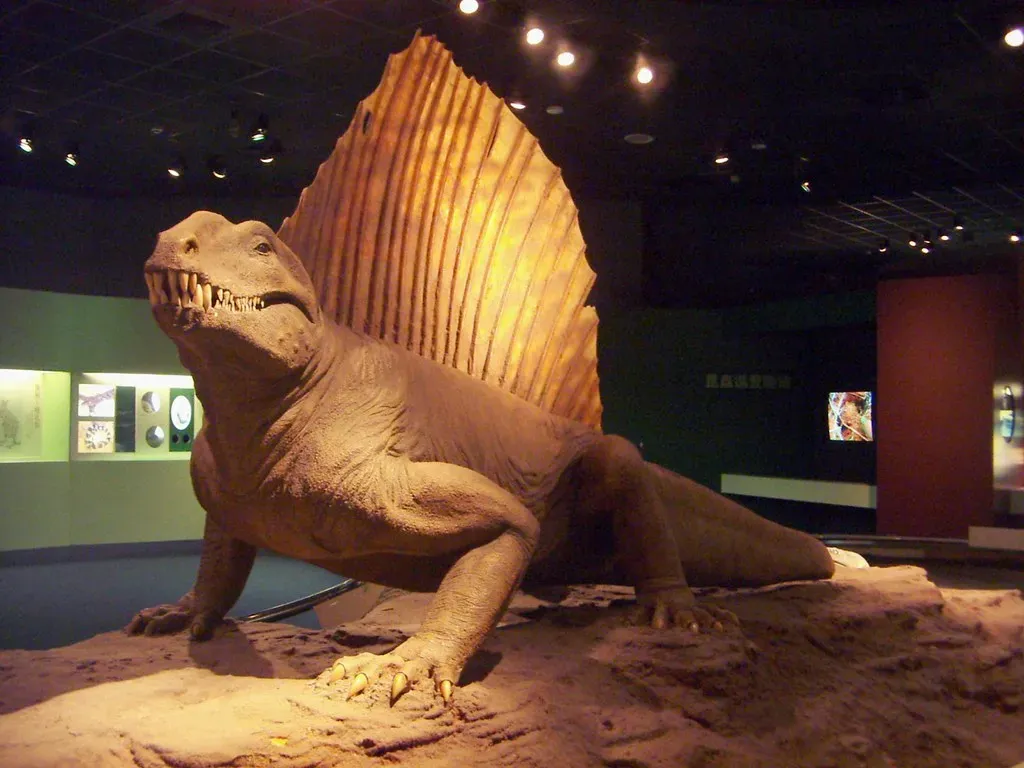
Even in 2026, scientists are still making discoveries about how this ancient creature actually looked in life. Scaly body impressions that likely were made by Dimetrodon teutonis were described in 2025 from the Early Permian Tambach Formation Bromacker site in Germany. Given the ichnogenus name Bromackerichnus, the impressions left by animals resting on mud show a scaly epidermis pattern on the belly, and on the underside of the forelimbs and the tail, supporting the idea that early synapsids in general had a scaly body covering similar to reptiles.
This is a meaningful update to how researchers think about the Dimetrodon. For a long time, the skin of these early synapsids was largely speculative. Now you have direct physical evidence from an actual body impression pressed into ancient mud. Later synapsids evolved hair and whiskers that became characteristics of mammals, meaning the Dimetrodon’s scaly exterior existed deep in evolutionary time, well before the mammalian lineage developed its defining features.
12. It Played a Pioneering Role in Shaping the Mammalian Blueprint
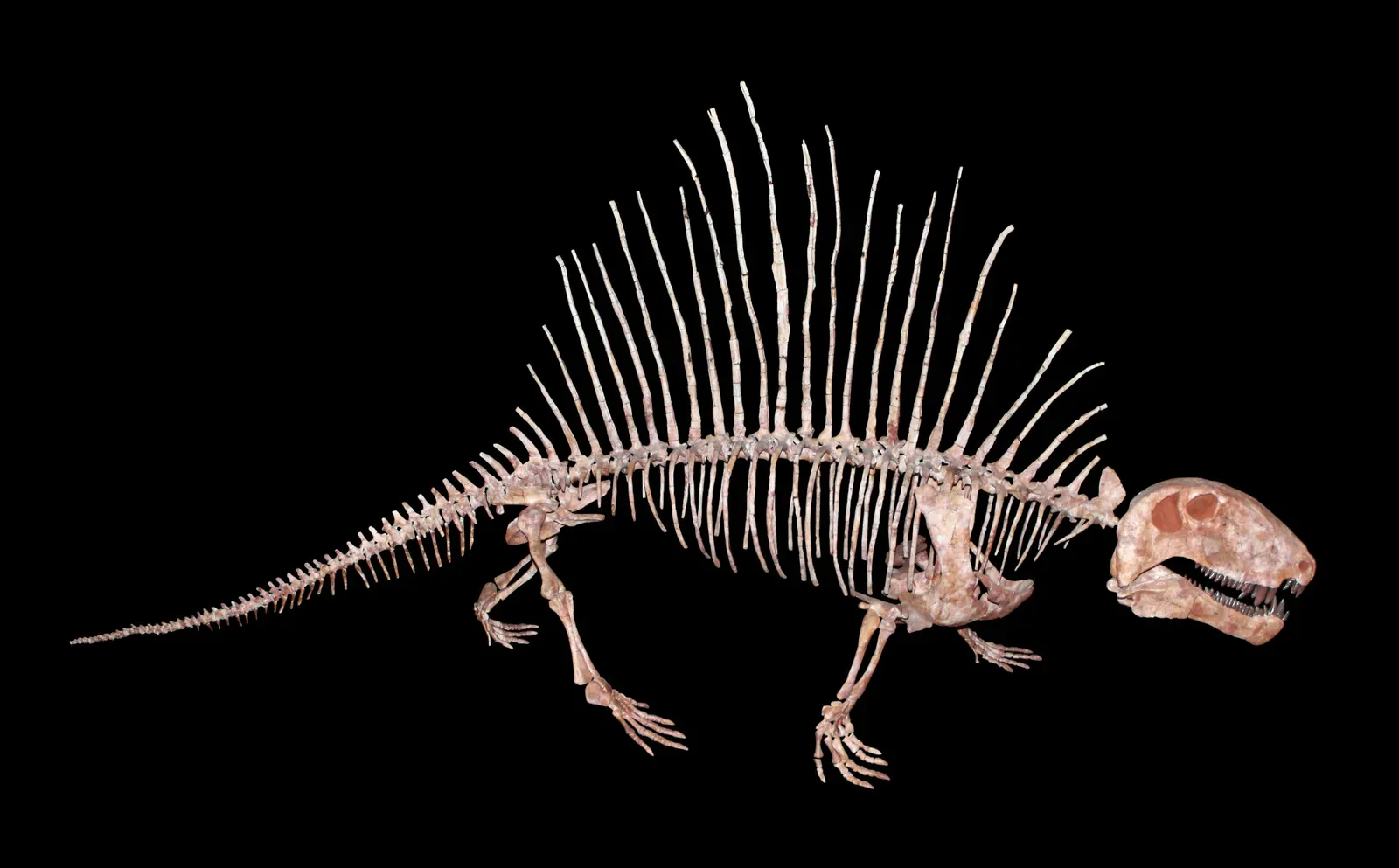
Perhaps the most profound fact about the Dimetrodon is what it represents in the long arc of vertebrate evolution. The evolutionary branches between today’s mammals and the Permian’s Dimetrodon are far apart, but the connection can be found in subtle anatomical features that appeared around 280 million years ago. The Dimetrodon is a testament to just how long evolution’s story is, in that our own species is distantly related to a reptilian-like predator that crushed its prey with serrated teeth and sported massive neural spines.
Synapsids were the first tetrapods to evolve differentiated, or heterodont, teeth. While reptiles barely chew their food, essentially gulping it down, synapsids like Dimetrodon developed teeth to help shear meat into smaller pieces for easier digestion. These “two-measure teeth” eventually gave rise to the various kinds of teeth present in modern mammals. From the heterodont teeth to the skull architecture to the very branch of life it inhabited, the Dimetrodon was quietly laying the groundwork for a lineage that would eventually produce every mammal on Earth, including the one reading this right now.
Conclusion
The Dimetrodon occupies a unique and genuinely important position in the story of life on Earth. It wasn’t a dinosaur, wasn’t quite a reptile, and wasn’t yet a mammal. It was something in between, a powerful, strange, and surprisingly relevant creature that ruled long before the age of dinosaurs even began.
What makes it so fascinating is that its significance doesn’t rest on popularity or spectacle alone. It matters because of where it sits on the tree of life. Despite synapsids having been the most successful land animals of their time and Dimetrodon’s fame, synapsids are largely unknown to the public. Further research into these animals will not only make these animals known but also illuminate the evolution of mammals.
Every new fossil, every fresh analysis of an old bone, and every skin impression pressed into ancient mud adds another sentence to a story that connects the Permian world to your own biology. The Dimetrodon wasn’t just a prehistoric ruler. It was, in a very real sense, a distant ancestor of the kind of life that would go on to inherit the Earth.