Southern Tanzania – Researchers with Lion Landscapes recently published compelling data on African painted dogs, revealing the Selous-Nyerere region as a vital stronghold for this endangered species. The organization, backed by Zoo New England for several years, combines scientific study with community engagement to safeguard large carnivores across vast African landscapes. These efforts underscore a balanced approach where human livelihoods and wildlife protection align for long-term success.
Elusive Hunters Captured on Camera
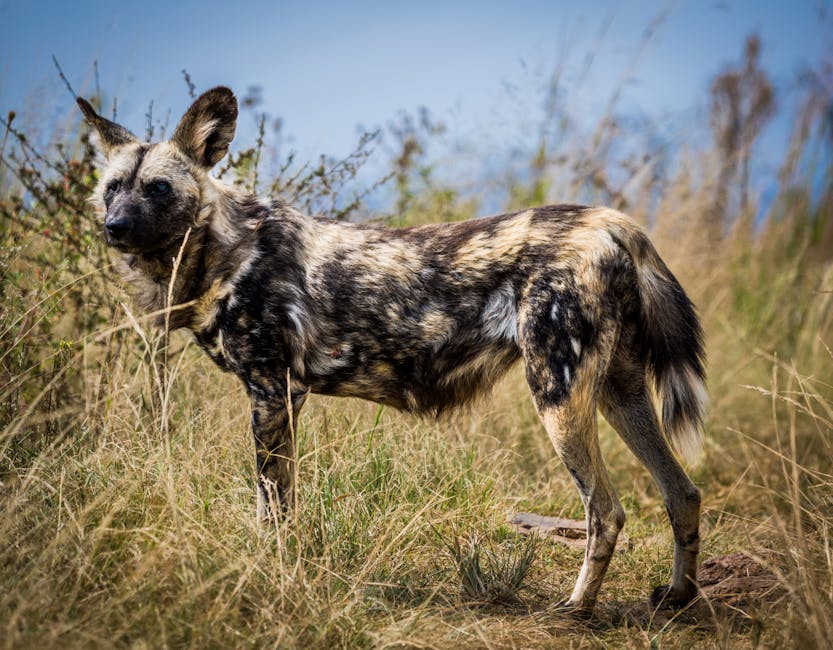
Elusive Hunters Captured on Camera (Image Credits: Pexels)
Over three months, a team deployed camera traps across 4,674 square kilometers in seven strategic grids. Thousands of images captured the dogs’ unique flank patterns, enabling precise identification of individuals, ages, sexes, and pack affiliations.
Field observations supplemented the data, yielding estimates of pack sizes and population structure. The resulting density figure stood at about 2.14 individuals per 100 square kilometers—a rate that mirrors findings from other southern African sites. Such metrics provide a baseline for monitoring trends in this hard-to-track predator.
Navigating a Patchwork Landscape
African painted dogs roam widely, often crossing park boundaries in small, nomadic packs. The study highlighted their dependence on expansive, linked habitats rather than isolated reserves. Protecting them demands strategies that span multiple jurisdictions.
Threats persist, including poaching, infectious diseases, shrinking habitats, and clashes with humans over livestock. Lion Landscapes addresses these through targeted research that informs broader policy. Their work emphasizes connectivity to ensure genetic diversity and survival.
Communities at the Heart of Conservation
Lion Landscapes integrates locals via education programs and job creation, fostering stewardship. Residents gain skills in monitoring and anti-poaching, reducing conflicts while boosting economies. Zoo New England’s sustained funding amplifies these initiatives.
This model proves effective: informed communities report sightings and deter threats proactively. Employment opportunities turn potential adversaries into allies, securing landscapes for both people and predators.
Building Momentum for the Future
Long-term data from such studies equips conservationists with evidence for regional collaboration. The Selous-Nyerere findings reinforce Tanzania’s role as a painted dog bastion amid continent-wide declines. Ongoing partnerships promise adaptive responses to emerging pressures.
Key methods in the research included:
- Camera trap networks spanning seven grids.
- Individual identification via flank patterns.
- Direct observations for pack dynamics.
- Population modeling for density estimates.
- Integration of field and photo data.
Key Takeaways
- Selous-Nyerere hosts a stable painted dog density of 2.14 per 100 sq km.
- Wide-ranging species need connected habitats beyond single parks.
- Community jobs and education drive sustainable protection.
These revelations from Lion Landscapes chart a path forward, blending science and solidarity. As painted dogs navigate a changing Africa, such dedicated efforts offer real hope. What do you think about these conservation strategies? Tell us in the comments.