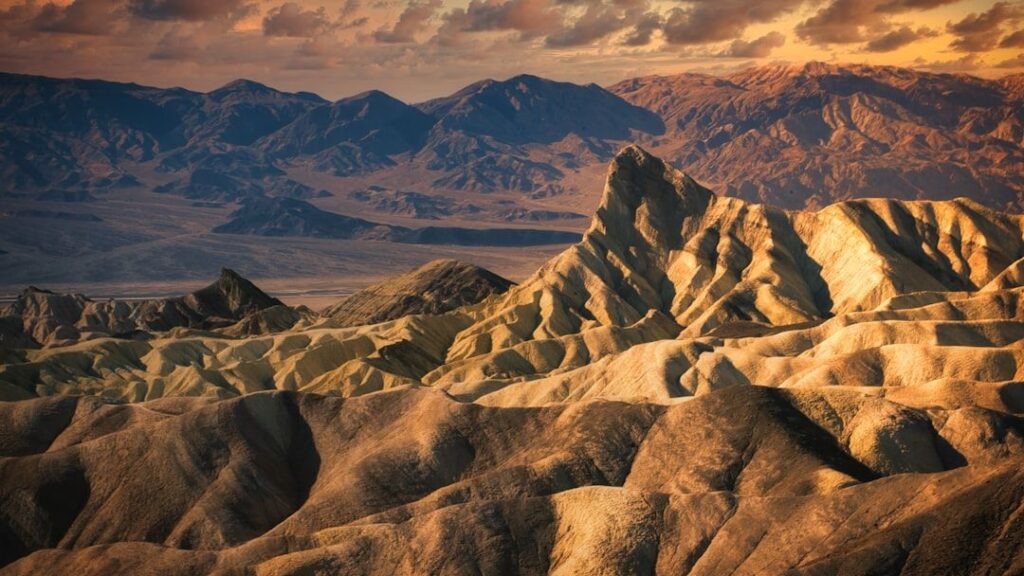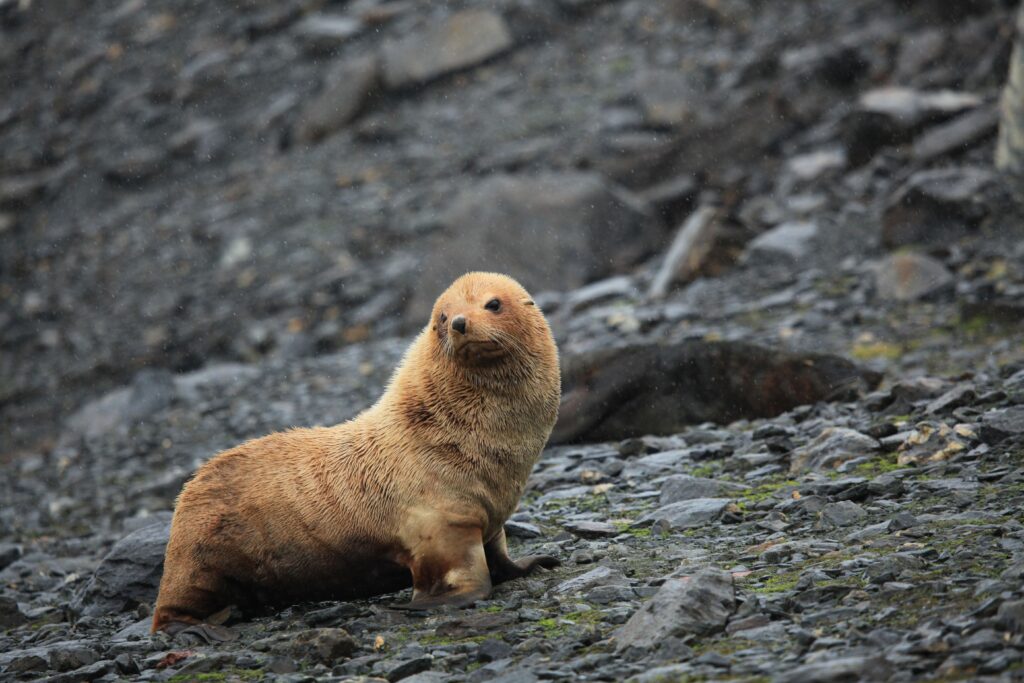
Beaches along South Georgia once bustled with millions of Antarctic fur seals, their pups filling the air with calls during breeding season. Now, a stark IUCN Red List update signals peril for these smallest polar seals, which breed almost exclusively on the remote island. Climate-driven changes have slashed their numbers, upgrading the species from Least Concern to Endangered in a assessment released this week. The decline underscores how warming oceans ripple through Antarctic food webs, threatening icons of the frozen south.
A Plunge of More Than Half in Three Generations
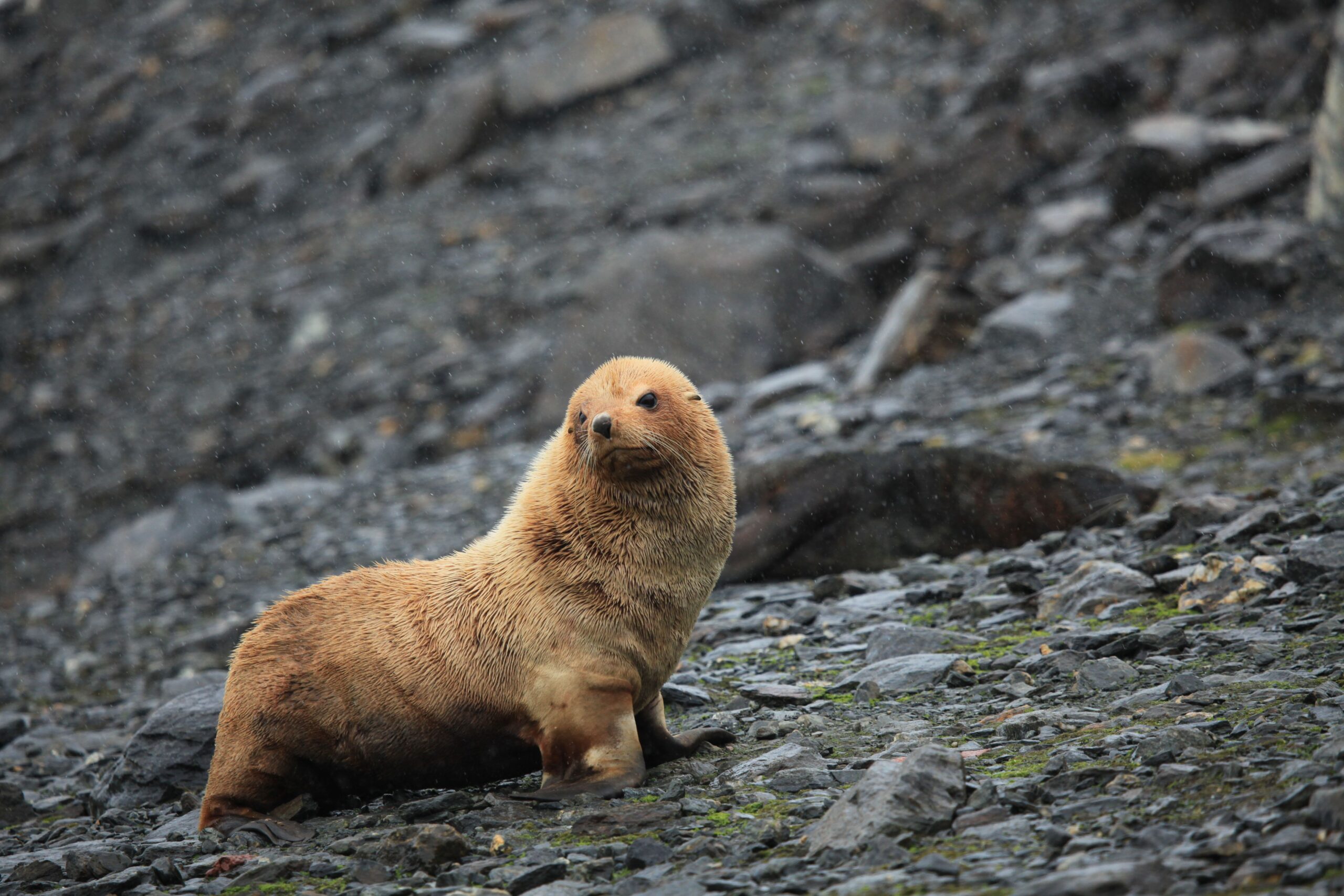
A Plunge of More Than Half in Three Generations (Image Credits: Upload.wikimedia.org)
Researchers documented a precipitous drop in Antarctic fur seal populations, with mature individuals falling from an estimated 2.187 million in 1999 to just 944,000 by 2025. This 50 percent loss occurred over three generations, prompting the IUCN’s dramatic status shift from the 2014 evaluation. At key sites like South Georgia, pup counts revealed the crisis’s depth.
The numbers shocked long-term observers. First-year survival rates plummeted due to food scarcity, skewing the population toward older breeders unable to sustain growth. Without intervention, experts warned, the trajectory pointed toward further erosion.
Krill Shortages: The Hidden Driver of Decline
Rising ocean temperatures and retreating sea ice forced krill, the seals’ primary prey, into deeper, colder waters beyond easy reach. Nursing mothers and pups suffered most, as surface krill schools dwindled during critical summer months. At South Georgia, these shortages triggered catastrophic pup mortality.
Fossil fuel emissions fueled the warming that reshaped this dynamic. Krill, vital to the entire Antarctic ecosystem, now sought refuge in depths where fur seals foraged less effectively. The result left pups undernourished and vulnerable.
From Near Extinction to New Perils
Antarctic fur seals rebounded impressively after commercial slaughter nearly wiped them out in the early 20th century. By the late 1900s, protections allowed populations to surge, peaking around 1999. Yet recent decades reversed that fortune.
Beyond climate effects, other pressures mounted. Predators like killer whales and leopard seals took a heavier toll, while recovering baleen whale populations competed for the same krill hauls. Commercial krill fishing added strain, with proposals in 2025 to double catches in the Southern Ocean raising alarms among scientists.
- Climate-induced krill displacement to deeper waters.
- Increased predation by orcas and leopard seals.
- Competition from rebounding whale stocks.
- Growing krill harvest by fishing fleets.
- Overall habitat shifts from sea ice loss.
Experts Sound the Alarm
Dr. Jaume Forcada, a British Antarctic Survey researcher with over 20 years tracking the seals, highlighted the speed of change. “Antarctic fur seals have lost nearly half their population in just three generations – a dramatic decline driven by the warming and unpredictable oceans that are reducing their food supply,” he stated. He urged action on climate roots to avert worse losses.
Dr. Kit Kovacs, Co-Chair of the IUCN SSC Pinniped Specialist Group, called for intensified monitoring. “These assessments sound an alarm for all Antarctic seals, as we are concerned about how environmental changes are affecting all ice-dependent species,” she noted. Parties to the Antarctic Treaty must gather more data despite logistical hurdles.
Urgent Calls for Protection
Conservationists emphasized decisive climate measures alongside targeted protections. Enhanced krill fishery oversight could ease immediate pressures, while global emissions cuts addressed the core threat. Long-term surveys at South Georgia would track recovery potential.
The IUCN update arrived amid similar uplistings for emperor penguins, painting a broader picture of Antarctic distress. Seals and their prey embodied the fragility of polar systems.
Key Takeaways
- Population halved from 2.187 million (1999) to 944,000 (2025), earning Endangered status.
- Krill fleeing to deeper waters starves pups, especially at South Georgia.
- Climate change compounds predation, competition, and fishing threats.
This Red List shift serves as a wake-up call: Antarctic fur seals’ fate hinges on rapid global response. What steps should nations take next? Share your thoughts in the comments.