A near-complete Triceratops skeleton called “Trey” fetched $5.55 million at an online auction in late March 2026, underscoring the intense demand for prehistoric specimens. Discovered in Wyoming in 1993, the 66-million-year-old fossil had drawn crowds at the Wyoming Dinosaur Center for nearly 30 years before its sale. As prices climb into the tens of millions, paleontologists worry that museums and researchers increasingly struggle to secure these treasures for study and display.
Auction Records Shattered in Recent Years
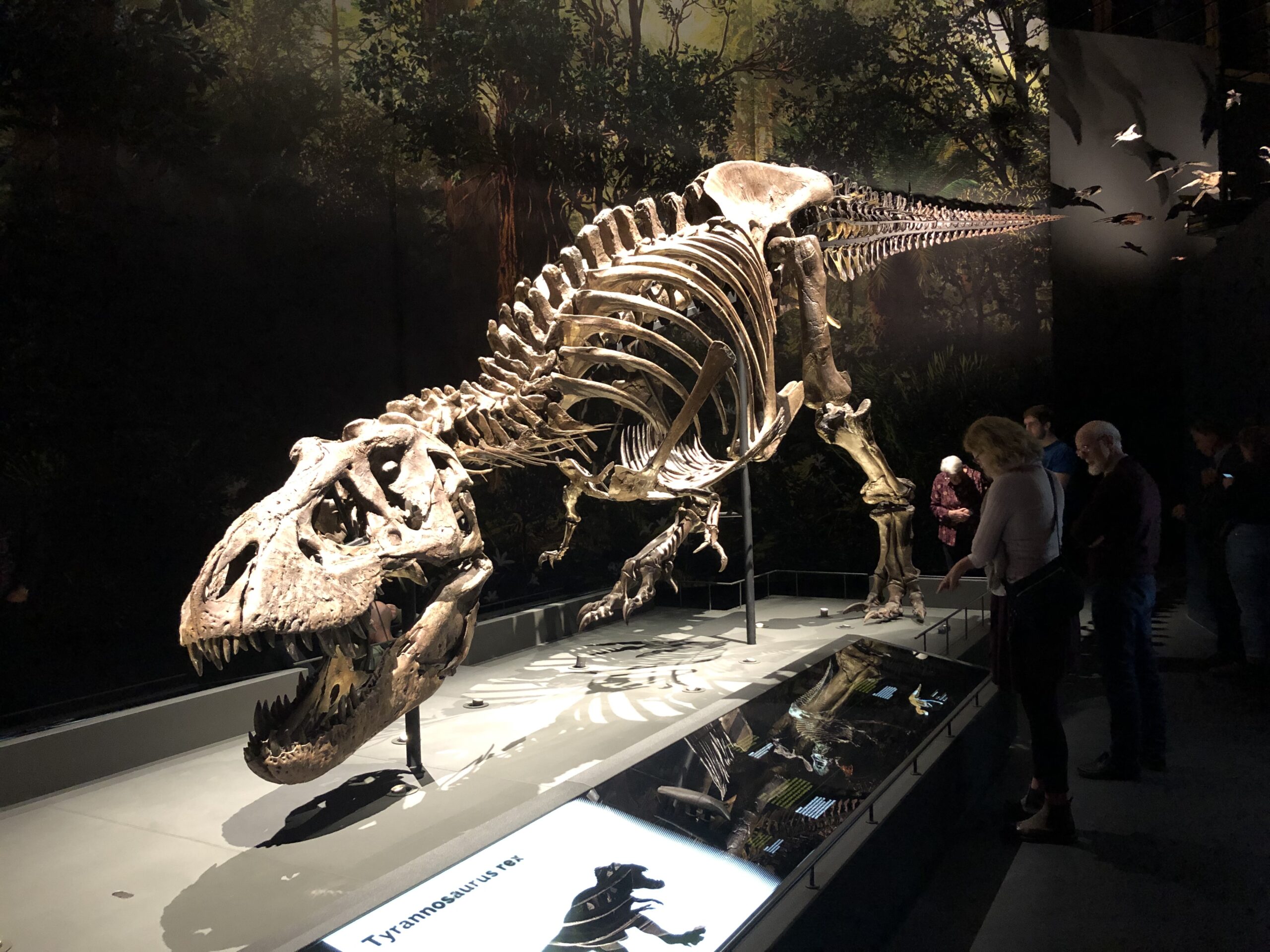
Auction Records Shattered in Recent Years (Image Credits: Upload.wikimedia.org)
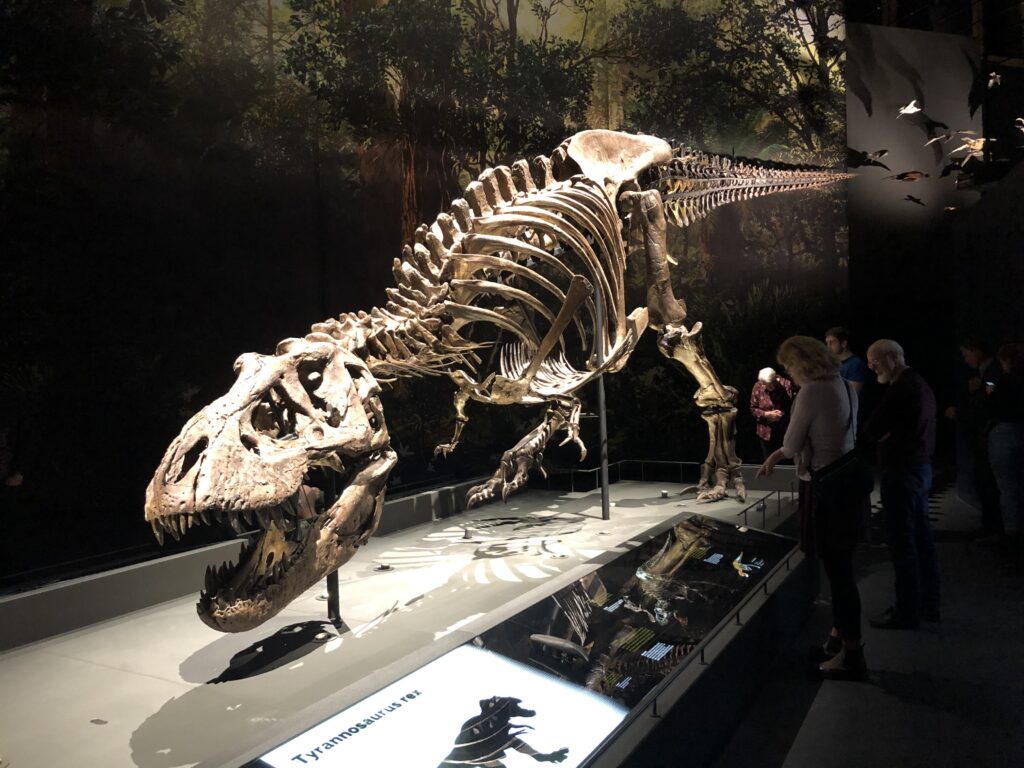
A Stegosaurus specimen named “Apex” set the benchmark in 2024 by selling for $44.6 million, the highest price ever paid for a dinosaur fossil at auction. This surpassed the previous record for “Stan,” a Tyrannosaurus rex that commanded $31.8 million in 2020. Such sales reflect a surge fueled by affluent collectors viewing fossils as prestige investments akin to fine art.
The market has accelerated, with three specimens topping $30 million in the past six years alone. Here are some of the most expensive dinosaur sales on record:
- Apex (Stegosaurus), $44.6 million, 2024, Sotheby’s.
- Stan (Tyrannosaurus rex), $31.8 million, 2020, Christie’s.
- Ceratosaurus (juvenile), $30.5 million, 2025, Sotheby’s.
- Big John (Triceratops), $7.74 million, 2021, Drouot.
- Hector (Deinonychus), $12.4 million, 2022, Christie’s.
These figures highlight how commercial discoverers, often outpacing academic teams, supply most auction lots from U.S. private lands.
Trey’s Path from Display to the Block
Unearthed near Lusk in Wyoming’s Lance Formation, Trey measured about 17 feet long as a sub-adult Triceratops. Restored in Germany after private acquisition, it became a fixture at the Wyoming Dinosaur Center from 1995 to 2023, inspiring countless visitors under a loan agreement.
The fossil moved to a Singapore vault before auction on Joopiter, Pharrell Williams’s platform, where it met its estimate of $4.5 million to $5.5 million. Buyer Chaw Wei Yang, a young art and crypto investor, already held partial ownership.[1] Paleontologist Andre Lujan described Trey as a “cultural data point” in commercial paleontology’s history.
Experts Highlight Risks to Research
Paleontologists fear that blockbuster prices sideline public institutions, consigning fossils to private vaults beyond scientific reach. University of Edinburgh professor Steve Brusatte noted the disparity: “If somebody gave me $30 million, that would run my research group… until the time I retire.” He worried specimens like Trey, seen by a million people, might vanish from view.
A study on Tyrannosaurus rex fossils found more valuable ones in private hands than public collections, hampering studies of growth stages. Researcher Thomas Carr called it “disheartening,” as commercial hauls rarely reach museums – only 11 percent do. Kristi Curry Rogers echoed concerns that data loss threatens paleontology’s progress.
Seeking Equilibrium in the Trade
Not all views condemn the market outright. Some buyers loan pieces back, as with Apex’s four-year display at the American Museum of Natural History.[1] London’s Natural History Museum credits commercial trade for building its eight-million-fossil collection.
The Society of Vertebrate Paleontology urges sales to benefit public curation. Countries like South Africa and China restrict trade, though experts caution against overly rigid laws that could harm local livelihoods or access. Proponents argue high bids sustain public fascination, funding future digs.
Key Takeaways
- Auctions have driven dinosaur prices to new extremes, with three over $30 million since 2020.
- Private collections now hold more scientifically key fossils than public ones in some cases.
- Loans and donations offer hope, but guaranteed access remains elusive.
The dinosaur market’s boom reveals a tension between commerce and knowledge. While collectors revel in ownership, the field grapples with preserving shared heritage. What do you think about balancing these interests? Tell us in the comments.