
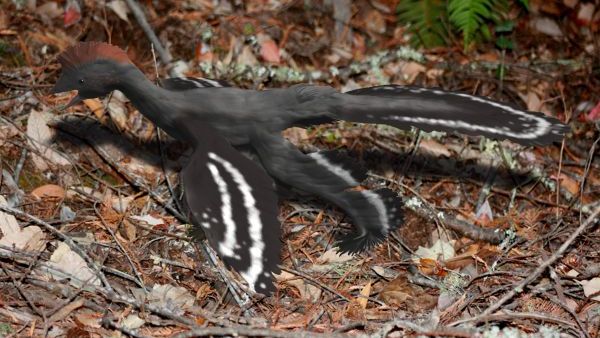
Few transitions in the history of life are as breathtaking as the one that produced modern birds. What started as a lineage of ground-dwelling, two-legged predators eventually gave rise to creatures capable of crossing entire oceans on a pair of hollow-boned wings. That journey took hundreds of millions of years, and scientists are still piecing together how exactly it happened.
What makes the story so compelling isn’t just its scale, but its messiness. Flight didn’t emerge from a neat, unbroken line of progress. It involved false starts, evolutionary dead ends, and a whole host of feathered creatures that could never quite get airborne. The more closely researchers look, the more surprising the details become.
The Theropod Connection: Birds Are Dinosaurs
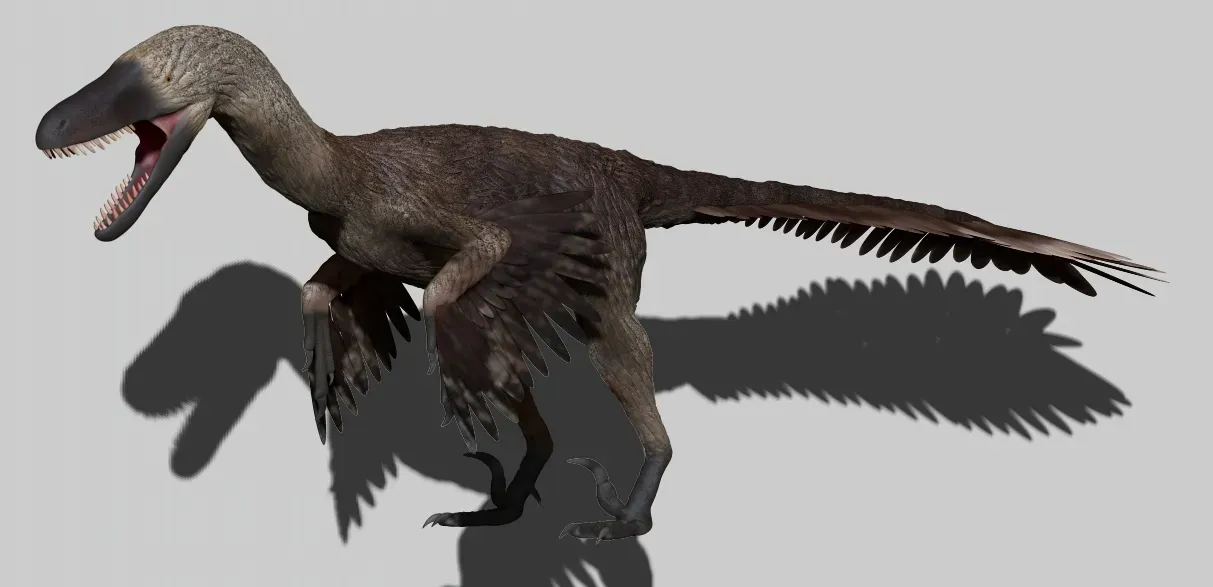
The scientific consensus today is remarkably clear on one point: birds didn’t just descend from dinosaurs, they are dinosaurs. Modern birds descended from a group of two-legged dinosaurs known as theropods, whose members include the towering Tyrannosaurus rex and the smaller velociraptors. This isn’t a metaphor or a loose comparison. It’s a direct evolutionary relationship supported by an enormous body of fossil evidence, comparative anatomy, and molecular biology.
In the 1970s, paleontologists noticed that Archaeopteryx shared unique features with small carnivorous dinosaurs called theropods, and all the dinosaur groups on the evolutionary tree, except the ornithischian dinosaurs, are theropods. Based on their shared features, scientists reasoned that perhaps the theropods were the ancestors of birds. That reasoning has since been confirmed many times over. The birds are simply a twig on the dinosaurs’ branch of the tree of life, and as birds evolved from these theropod dinosaurs, many of their features were modified.
The Secret in the Feathers: How Plumage Came Before Flight
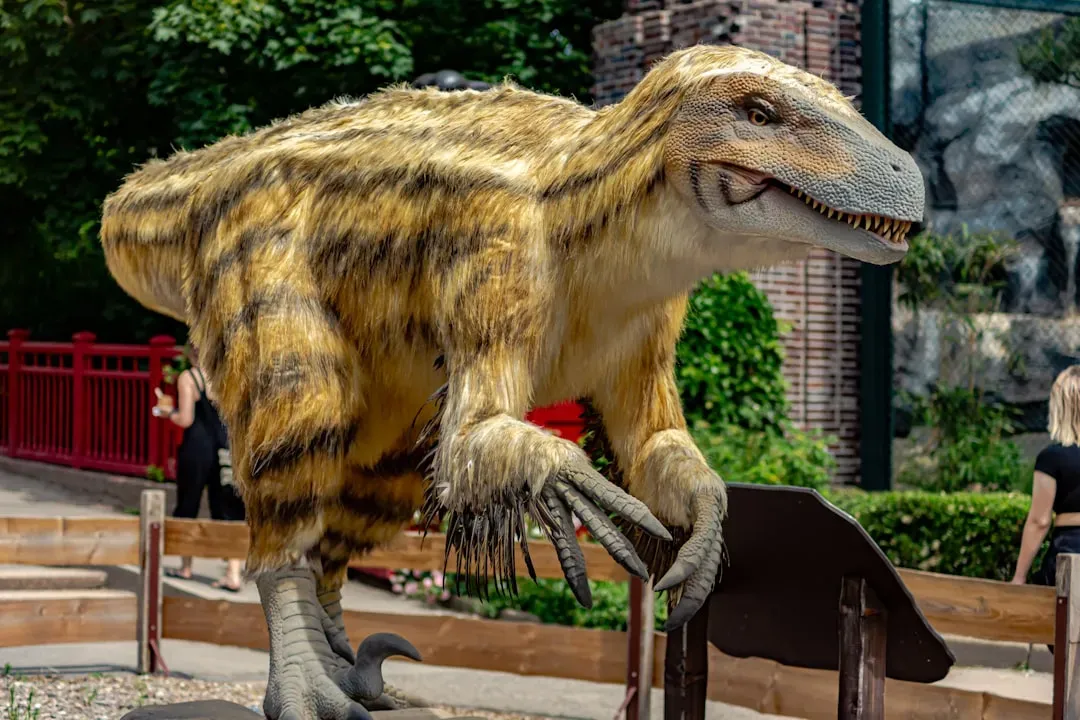
One of the most counterintuitive findings in paleontology is that feathers did not evolve for flight. They came first, and flight came later. From the fossil record, we know that birds evolved from dinosaurs, some of which had feathers, but those first feathers had nothing to do with flight – they probably helped dinosaurs show off, hide, or stay warm. That realization fundamentally changed the way scientists think about the bird-dinosaur transition.
Various dinosaur fossils clearly show fully modern feathers and a variety of primitive feather structures, and the conclusions are inescapable: feathers originated and evolved their essentially modern structure in a lineage of terrestrial, bipedal, carnivorous dinosaurs before the appearance of birds or flight. From simple filaments used for insulation to the complex asymmetrical vanes that generate aerodynamic lift, feathers probably began as simple tufts, or so-called “dino fuzz,” and then gradually developed into interlocking structures capable of supporting flight.
Shrinking Into the Sky: The Importance of Getting Smaller
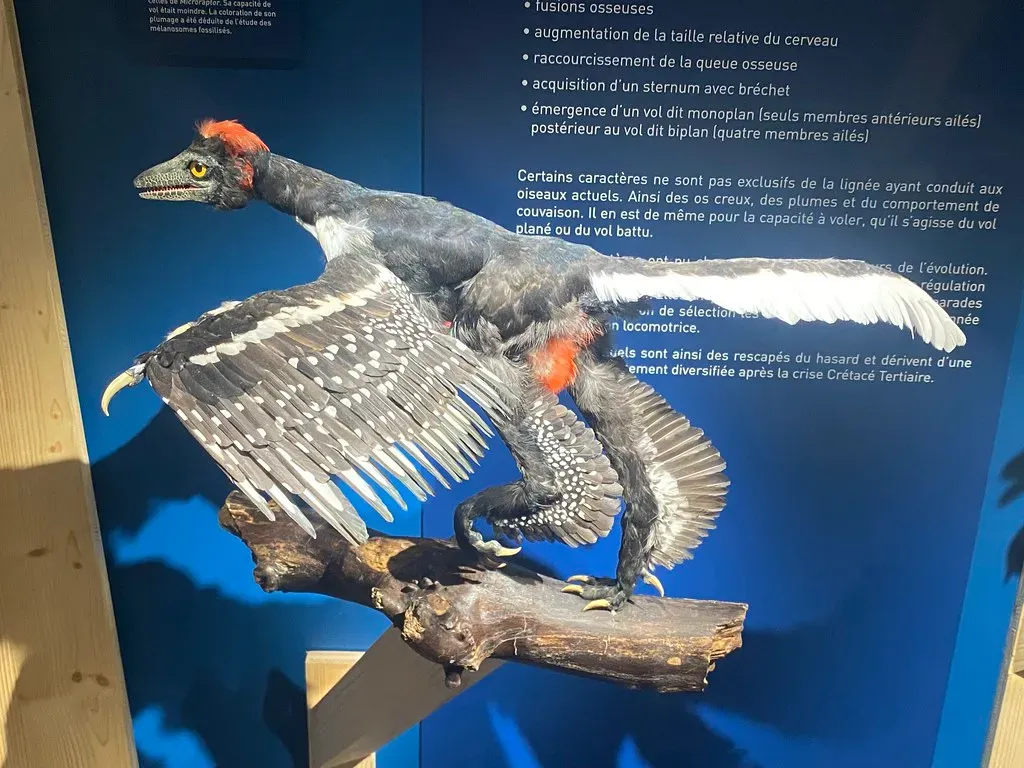
You might assume that flight requires strength and size. In reality, it requires the opposite. Though most people might name feathers or wings as a key characteristic distinguishing birds from dinosaurs, the group’s small stature is also extremely important, and new research suggests that bird ancestors shrank fast, indicating that diminutive size was an important and advantageous trait, quite possibly an essential component in bird evolution.
Some coelurosaurs started shrinking as far back as 200 million years ago – 50 million years before Archaeopteryx emerged – at a time when most other dinosaur lineages were growing larger. The physics behind it are straightforward enough. True flight powered by beating wings requires a certain ratio of wing size to weight, and birds needed to become smaller before they could ever take to the air for more than a short glide. Miniaturization, it turns out, was one of the most crucial evolutionary moves the bird lineage ever made.
Archaeopteryx: The Famous Fossil That Changed Everything
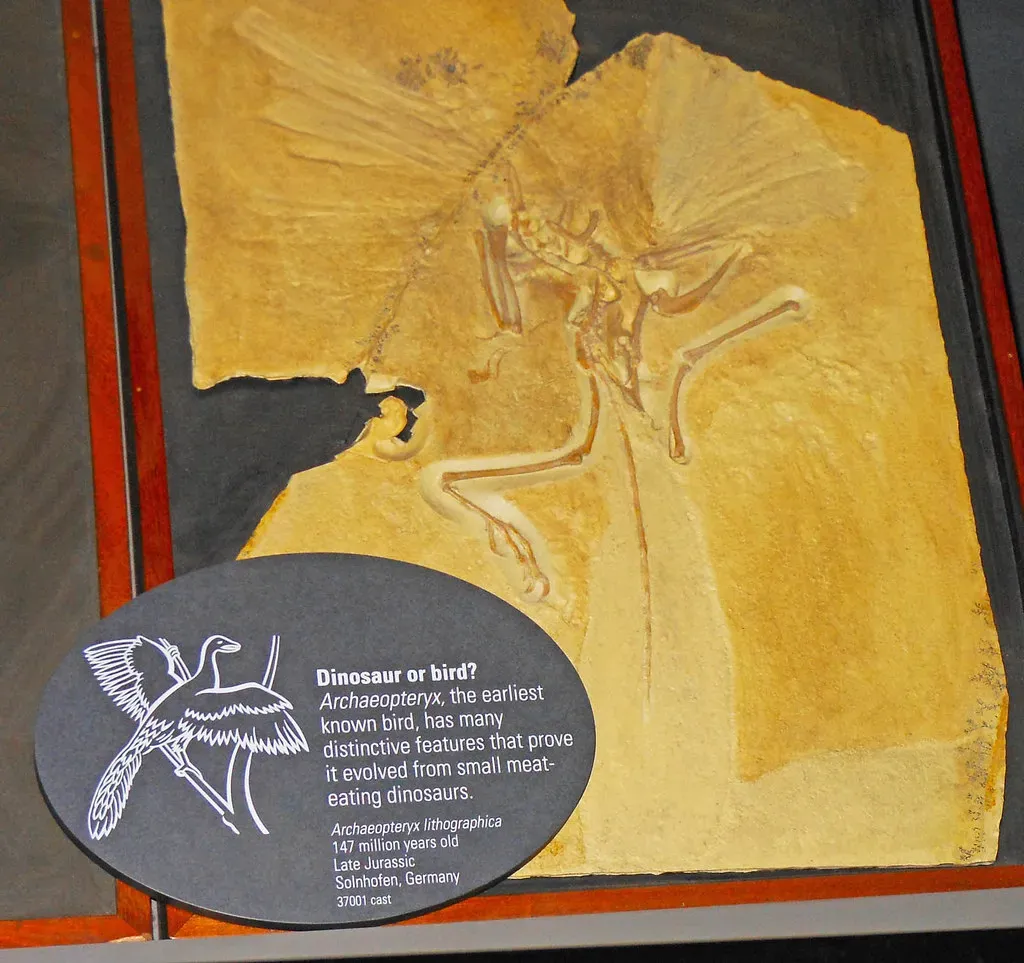
No creature in the entire fossil record has done more work for science than Archaeopteryx. Archaeopteryx, which lived about 150 million years ago, is often called the “first bird” because of its feathered wings. However, it retained several dinosaur-like features, including teeth and a long tail. This mix of characteristics, sitting squarely between two major groups, made it one of the most significant transitional fossils ever found.
The newly analyzed Chicago Archaeopteryx fossil has revealed well-preserved wing, skull, and limb features that enhance our understanding of how flight first evolved in feathered dinosaurs, and this specimen displays a unique set of tertial wing feathers that bridged the gap between body and wing, similar to modern birds, supporting its capacity for powered flight. Recent analysis has added even more nuance. Despite birdlike wings, Archaeopteryx retained dinosaur traits like teeth and a long tail, showing how evolutionary transitions occurred in stages over millions of years, and the fossil also reveals cranial kinesis in the skull and soft tissue in the feet, suggesting versatile behaviors like climbing and ground walking alongside flight.
Ground Up or Trees Down? The Great Flight Debate
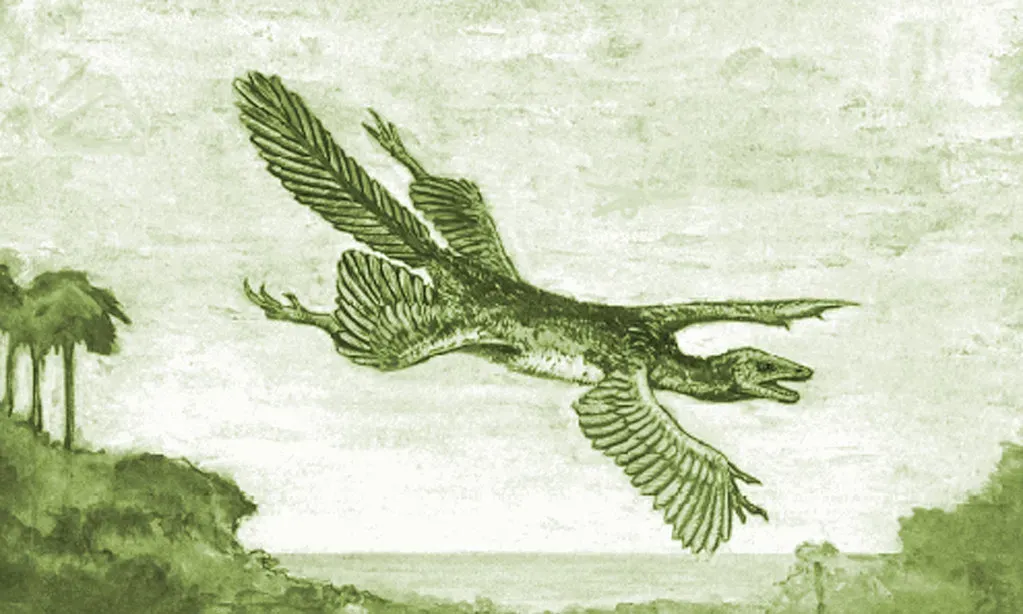
How powered flight actually got started is one of paleontology’s most enduring arguments. Most competing ideas can be divided into two main theories: the ground-up theory and the trees-down theory. The ground-up theory suggests that fast, ground-dwelling theropods flapped their wings to gain height and to stay balanced while running up steep slopes, and that this led them to take off and begin flying. Critics point out that the dinosaurs would have needed to run at very fast speeds to gain liftoff.
The alternative, and slightly preferred theory, is the trees-down theory. This suggests that tree-dwelling dinosaurs climbed up to the upper branches, jumped off, and then used their wings to glide through the forests, which then led to flying. Some scientists believe it may have been a combination of the two. Neither model is fully proven. What seems increasingly likely is that the real answer is somewhere in between, shaped by the specific biology of each lineage involved rather than a single universal rule.
Wings That Couldn’t Fly: The Complex Detours of Evolution
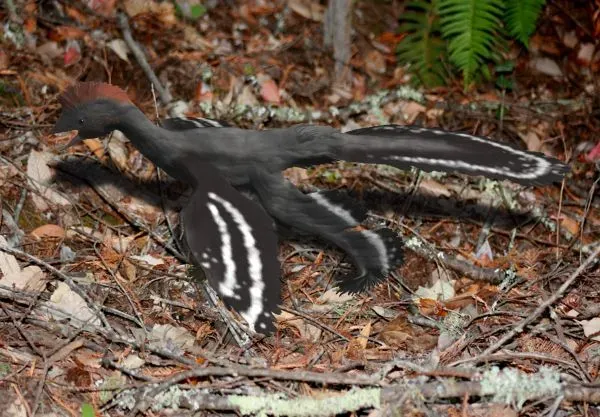
Not every feathered dinosaur that developed wings ended up flying. Some gained wings, used them briefly in an evolutionary sense, and then lost the ability entirely. By studying rare fossils with preserved feathers, researchers uncovered a surprising clue hidden in molting patterns, revealing that Anchiornis likely couldn’t fly at all. Instead of the neat, symmetrical feather replacement seen in flying birds, these dinosaurs showed a messy, irregular molt – something only flightless animals exhibit.
The research team noted that this finding has broad significance, as it suggests that the development of flight throughout the evolution of dinosaurs and birds was far more complex than previously believed – in fact, certain species may have developed basic flight abilities and then lost them later in their evolution. This is a reminder that evolution has no predetermined destination. Many dinosaurs developed feathers, a unique lightweight and strong organic structure made of protein, mainly for flight and for preserving body temperature, and later, around 175 million years ago, a group of feathered dinosaurs called Pennaraptora emerged – the distant ancestors of modern birds and the only dinosaur lineage to survive the mass extinction that ended the age of dinosaurs about 66 million years ago.
The Brain Behind the Wings: Neuroscience and the Origins of Flight
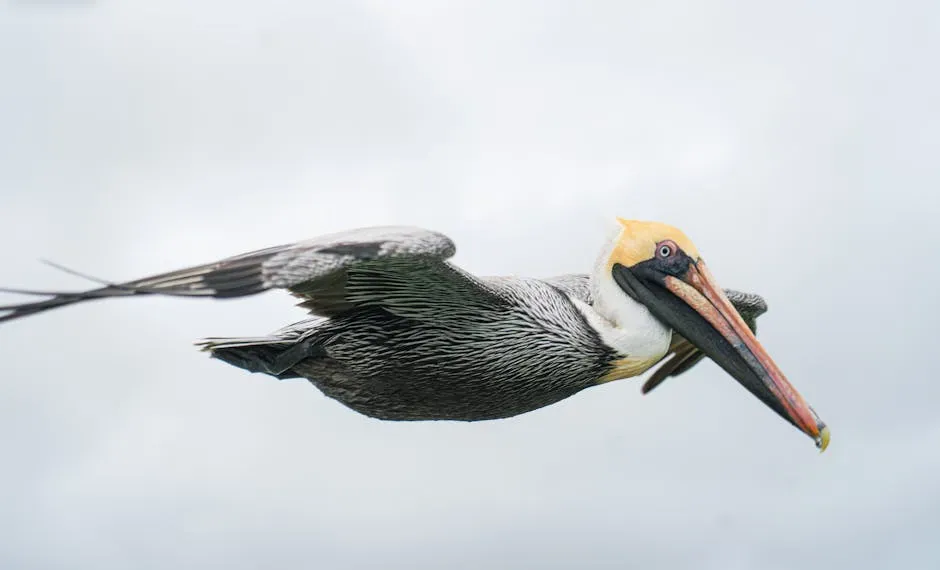
Taking to the air doesn’t just require a new body. It requires a new brain, one capable of processing rapid spatial information and coordinating muscles with extraordinary precision. A research team led by evolutionary biologist Matteo Fabbri suggests that prehistoric ancestors of modern birds developed flight more gradually and with a bigger brain, in contrast to pterosaurs that may have acquired the ability to fly very early in their existence. This points to the nervous system as a key player in the slow, deliberate evolution of bird flight.
Research findings from Johns Hopkins Medicine point to the expansion of the brain’s cerebellum as a key to bird flight. The cerebellum, located at the back of the brain, regulates and controls muscle movement among other activities. The wrist also played a role that scientists are still uncovering. A tiny, overlooked wrist bone called the pisiform may have played a pivotal role in bird flight, and it turns out it evolved far earlier than scientists thought, with fossils from bird-like dinosaurs in Mongolia revealing that this bone, once thought to vanish and reappear, was actually hiding in plain sight.
The Skeletal Transformation: Building a Body for the Air
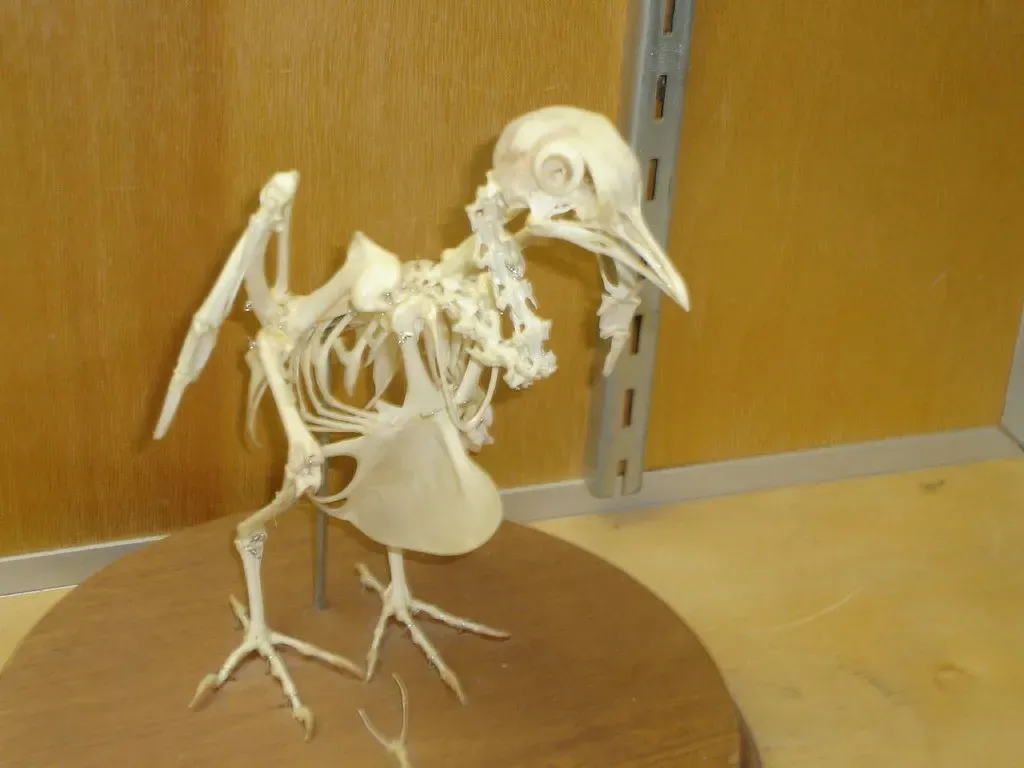
Between the body of a theropod dinosaur and the body of a modern bird lies one of the most dramatic skeletal makeovers in vertebrate history. The bony tail was reduced to a stump, and a spray of feathers at the tail eventually took on the function of improving stability and maneuverability. The wishbone, which was present in non-bird dinosaurs, became stronger and more elaborate, and the bones of the shoulder girdle evolved to connect to the breastbone, anchoring the flight apparatus of the forelimb. The breastbone itself became larger and evolved a central keel along the midline of the breast, which served to anchor the flight muscles.
The wrist bones underlying the first and second digits consolidated and took on a semicircular form that allowed the hand to rotate sideways against the forearm, and this eventually allowed birds’ wing joints to move in a way that creates thrust for flight. On top of structural changes, many bones were reduced and fused, which may have helped increase the efficiency of flight, and the bone walls became even thinner while the feathers became longer and their vanes asymmetrical, probably also improving flight. Every one of these changes happened gradually, over millions of years, with no guarantee of success.
Surviving Extinction and Filling the Sky: The Modern Bird Radiation
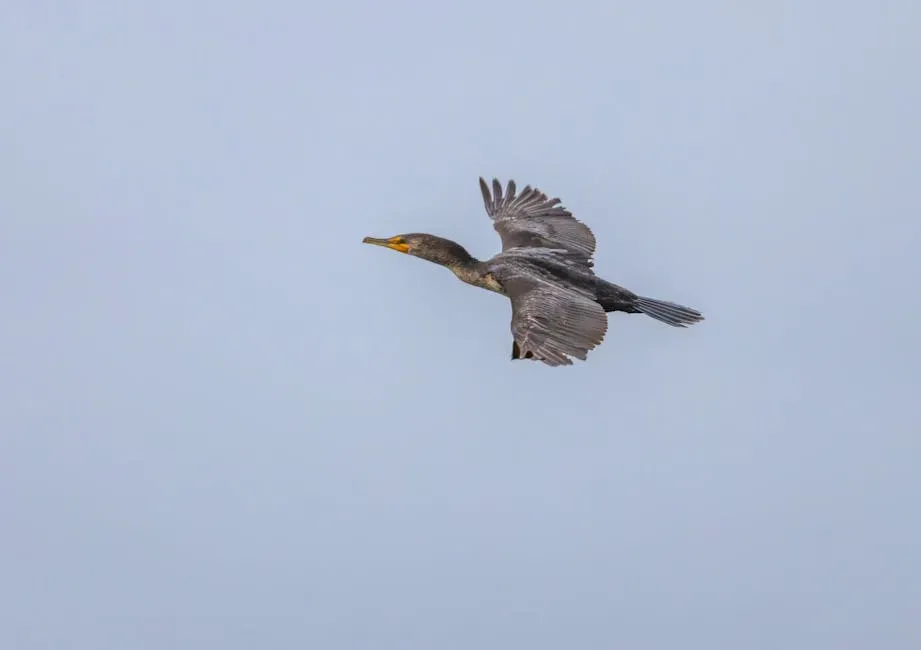
The story of birds didn’t end with the asteroid. In many ways, it began anew. Early birds diversified throughout the Jurassic and Cretaceous, becoming capable fliers with supercharged growth rates, but were decimated at the end-Cretaceous extinction alongside their close dinosaurian relatives. After the mass extinction, modern birds explosively diversified, culminating in more than 10,000 species distributed worldwide today.
Research suggests that the end-Cretaceous mass extinction triggered integrated patterns of evolution across avian genomes, physiology, and life history near the dawn of the modern bird radiation, meaning the catastrophe essentially reshuffled the deck and gave surviving lineages an open world to colonize. Ancestral state reconstructions of early bird ecology reveal a strong bias toward taxa exhibiting predominantly non-arboreal lifestyles across the boundary, with multiple convergent transitions toward predominantly arboreal ecologies later in the Paleocene and Eocene. The birds that made it through were ground-dwellers, tough and adaptable, and from them descended every species that fills the skies today.
Conclusion
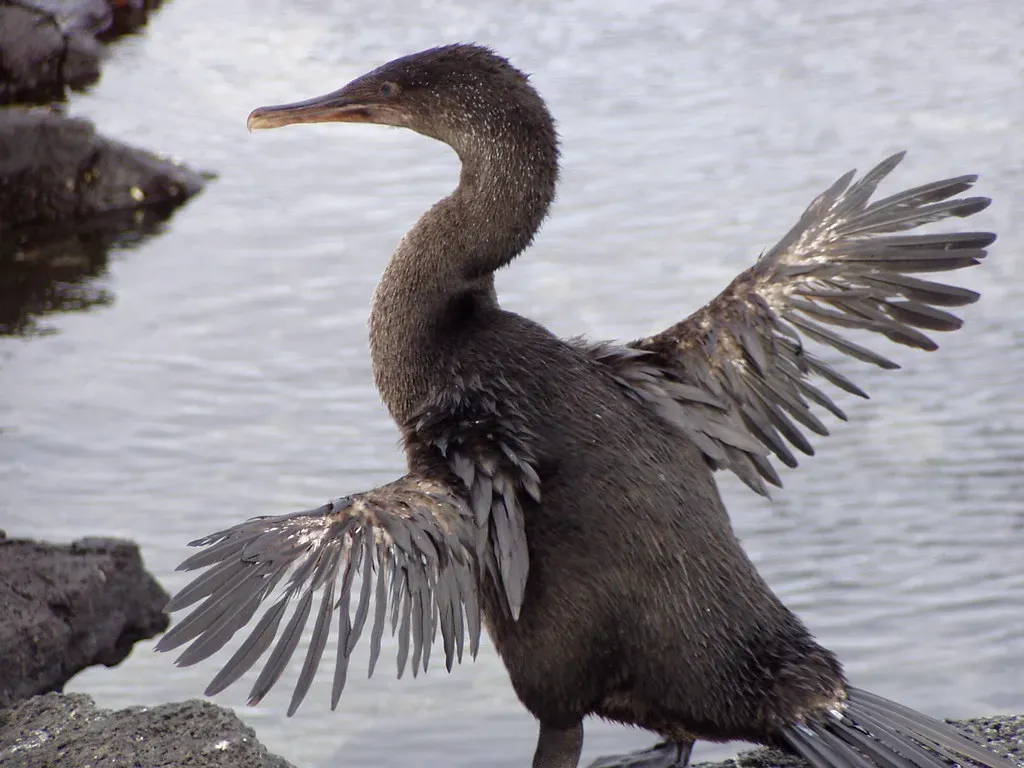
The evolution of flight is, at its core, a story about incremental change accumulating into something almost impossible to imagine in advance. Feathers that started as insulation became tools for display, then gradually became wings. Bodies that ran on the ground shrank over millions of years until the air became accessible. Bones that once anchored muscle for running were reshaped, fused, and hollowed until they could sustain the demands of powered flight.
What makes this story especially striking in 2026 is how much of it is still being written. New fossils, better imaging technology, and advances in genomics are continuing to revise what seemed like settled questions. A tiny wrist bone, a molting pattern preserved in ancient feathers, a brain cavity scanned by CT machine – these are the kinds of clues that keep rewriting the narrative. The lineage that includes every bird alive today survived an asteroid impact, outlasted the creatures it came from, and spread across every continent on Earth. That alone says something remarkable about where a few good adaptations, given enough time, can lead.