For most of the twentieth century, the popular image of a dinosaur was pretty simple: a scaly, dim-witted giant dragging its tail through a swamp. It was never a very flattering picture, and it turns out it was almost entirely wrong. Decades of new fossil discoveries, sophisticated imaging tools, and increasingly creative research methods have pulled the curtain back on a far more complex world than anyone expected.
Dinosaurs may be long extinct, but science has made it abundantly clear that they’re anything but settled. New fossils, reanalyses of famous specimens, and increasingly sophisticated tools have continued to upend what we thought we knew about how these animals lived, moved, fed, and evolved. The theories below sit at the frontier of that ongoing rethink, some confirmed, some actively debated, and all of them genuinely surprising.
1. Many Dinosaurs Were Warm-Blooded, Not Cold-Blooded Reptiles
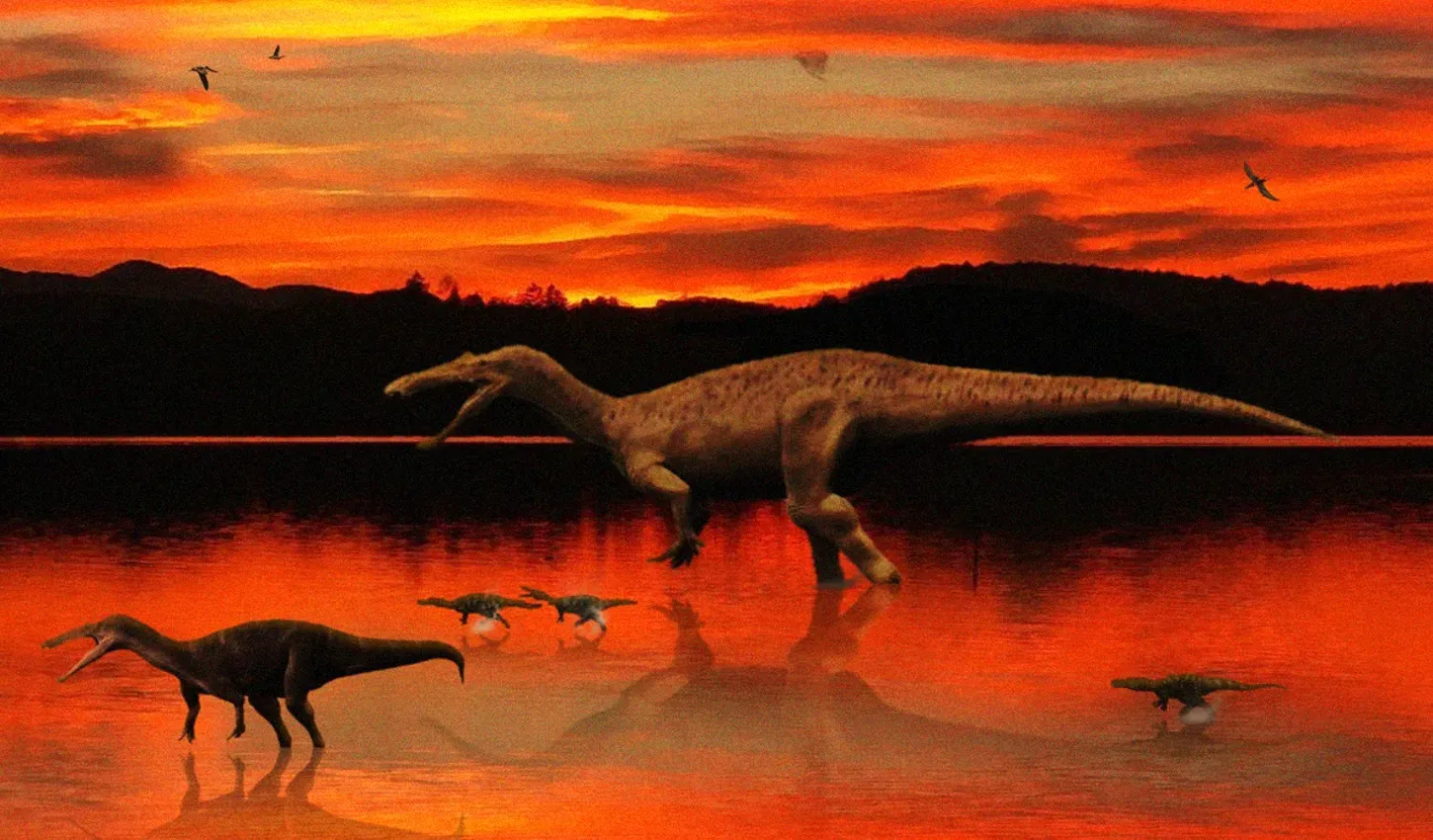
For generations, textbooks classified dinosaurs alongside lizards and crocodiles as cold-blooded creatures entirely dependent on outside heat. That assumption has been systematically dismantled. Examination of dinosaur bones reveals growth patterns more similar to those of warm-blooded mammals and birds than cold-blooded reptiles, and fossil evidence suggests that some dinosaurs, particularly theropods like Tyrannosaurus rex, were active predators capable of sustained high-speed locomotion, which is difficult to achieve with a purely ectothermic physiology.
Dinosaur fossils found in polar regions indicate they could tolerate colder temperatures than typically associated with cold-blooded animals, and some evidence suggests they possessed advanced respiratory systems, similar to those of birds, which are highly efficient and support high metabolic rates. The picture that emerges isn’t of sluggish reptiles but of animals running physiological systems closer to what you’d see in a hawk or a lion today. Evidence now confirms that some dinosaurs were warm-blooded and ancestral to birds.
2. Feathers Weren’t Just for Flying – They Were Social Signals
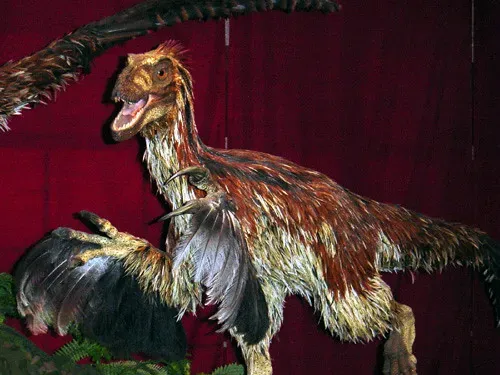
New research into fossil feathers is reshaping how experts understand their role in dinosaur evolution. Instead of serving only as primitive insulation or early flight aids, many feathers now appear to have played a prominent role in visual display, communication, and social signaling. This reframes feathers not as a stepping stone toward the sky, but as a full-blown behavioral toolkit used in everyday life long before flight entered the picture.
In several fossil species, scientists have documented long tail plumes, crest-like arrangements, and fan-shaped feathers that seem poorly suited to flying yet ideal for attracting attention, implying that feather function often centered on courtship, competition, and social interactions. The hypothesis is that the evolution of feathers made dinosaurs more colorful, which in turn had a profoundly positive impact on communication, the selection of mates, and on dinosaurs’ procreation. Think of them less like wings and more like peacock tails rooted in Mesozoic soil.
3. Some Dinosaurs Were Vibrantly Colored
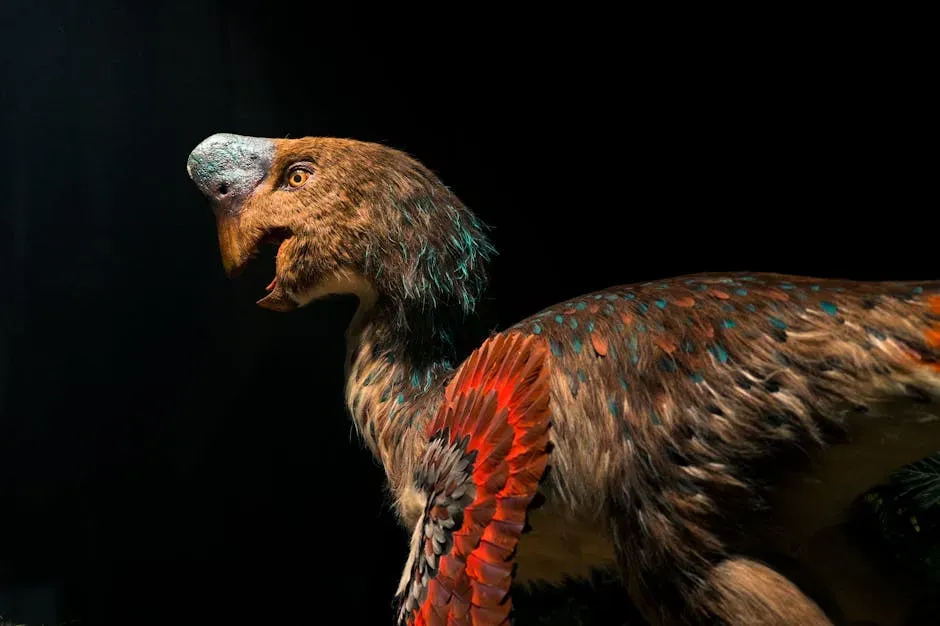
Researchers detected that a juvenile Diplodocus would have had conspicuous patterns across its scales, and the finding suggests sauropod dinosaurs were not uniformly gray or brown, but had complex color patterns like other dinosaurs, birds, and reptiles. That single discovery quietly shattered the muted, monochrome image of sauropods that had dominated museum displays for over a century.
In some fossils, microscopic pigment-bearing structures called melanosomes are preserved in feathers, and by comparing them with those in modern birds, researchers can infer basic color schemes and even signs of iridescence. Certain feathered dinosaurs may have had dark, glossy, or shimmering plumage, similar to crows or iridescent songbirds. When paleontologists researched the color of the feathers of Sinosauropteryx, they found it was rust red with a red and white-striped tail, not unlike today’s red pandas, with the overall color pattern likely helping the dinosaur blend into the undergrowth. The Mesozoic world, it seems, was considerably more vivid than you’ve been imagining.
4. Dinosaurs Lived in Herds and Had Complex Social Lives
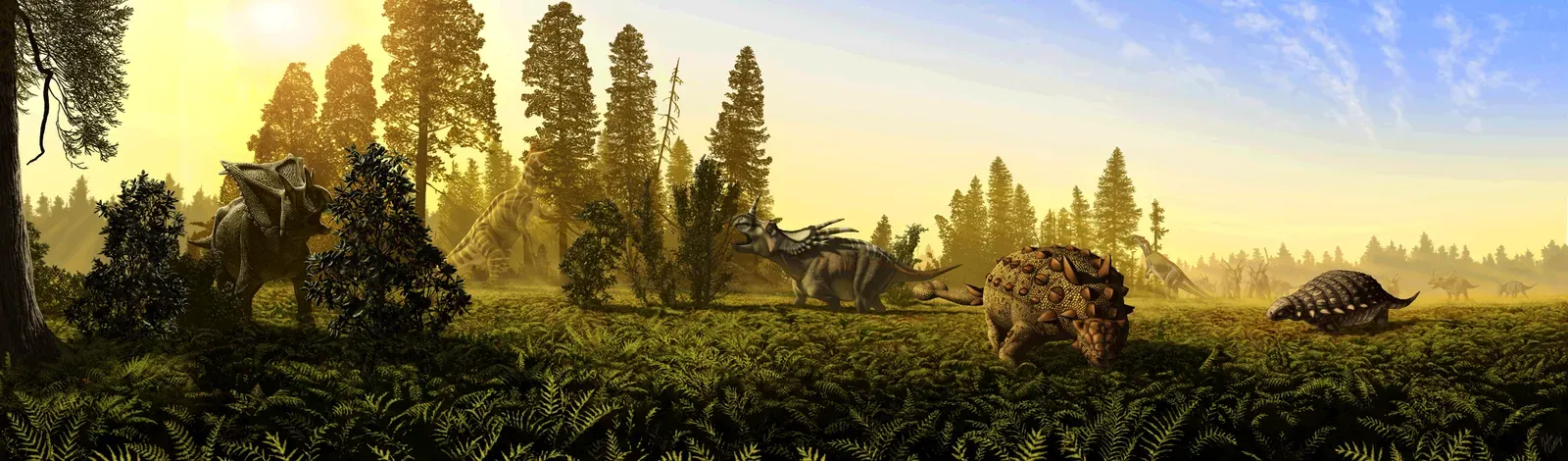
There is significant debate over the social-networking skills of dinosaurs. On one hand, the living descendants of dinosaurs, namely birds, are highly social. On the other hand, social interactions are inherently difficult to preserve in the fossil record, so direct evidence is hard to come by. Even so, the evidence that does exist is compelling.
At an early Jurassic site in Patagonia, Argentina, researchers studied fossils of a dinosaur species called Mussaurus patagonicus, an early relative of later giants such as Brontosaurus and Diplodocus, and identified 80 individual dinosaur skeletons, as well as nests and about 100 eggs. It appears juvenile dinosaurs travelled with the adults, and the whole herd migrated to the nesting site each year, and stayed together, perhaps for mutual protection and even to help the egg-laying mothers and their hatchlings. Social living wasn’t a mammalian invention – it may stretch back nearly 200 million years.
5. Dinosaurs Were Devoted Parents With Nesting Rituals
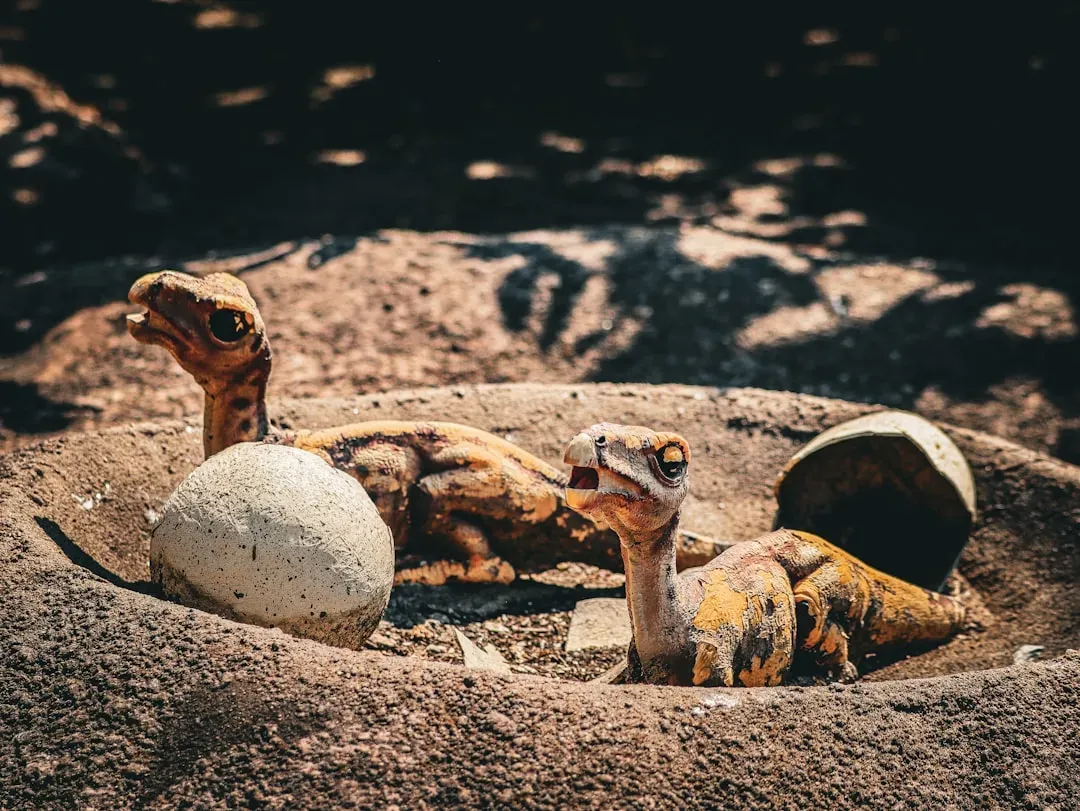
Evidence shows that adult Maiasaura dinosaurs returned to the same nesting spot year after year, showing enough intelligence to remember the place and appreciate its favorable character, whether access to food or safety. Their nests in the ground were spaced about seven meters apart, suggesting that like modern communally nesting birds, they liked to be close, but not so close that they would bite and bicker. This research saw dinosaurs redeemed as loving parents with advanced social behavior, the name Maiasaura literally meaning “good mother reptile.”
Previous studies arguing for parental care in dinosaurs have been primarily based on fossil accumulations of adults and hatchlings in nests and nest areas, and evidence of brooding, while the general body proportions of preserved embryonic skeletons of the Early Jurassic Massospondylus have been used to suggest that hatchlings were unable to forage for themselves. Paleontologists have found expansive nesting grounds, including some sites where dinosaurs laid eggs in areas that were warm with geothermal activity, perhaps to incubate the offspring. Parental strategy, it turns out, varied wildly across species, just as it does in birds today.
6. T. Rex May Have Hunted in Social Groups
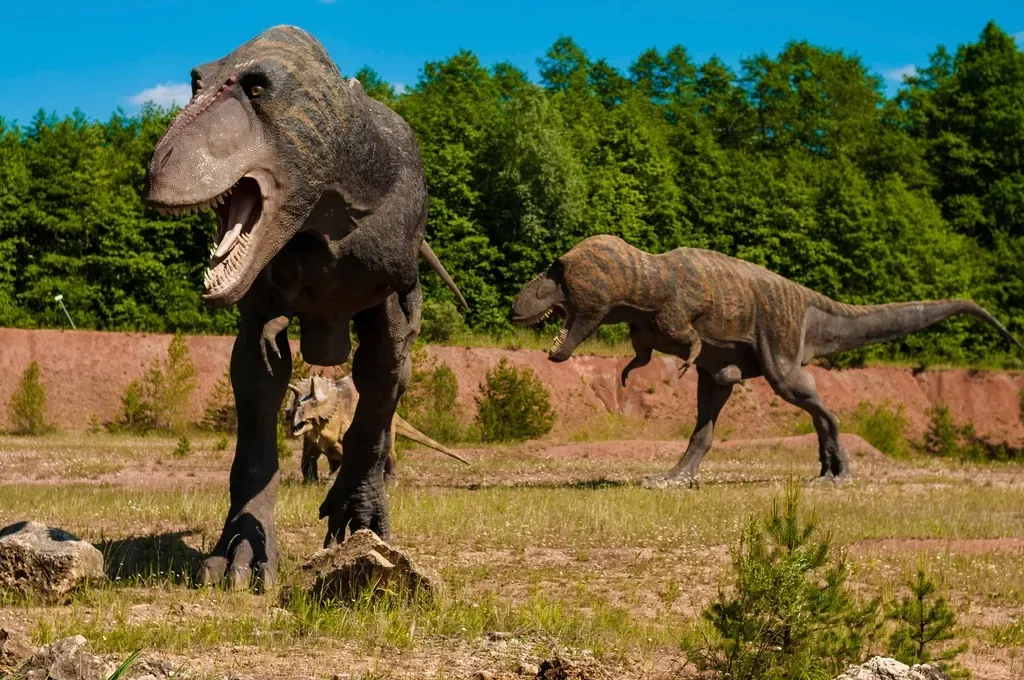
T. rex’s muscular legs could be used for quick bursts of speed and energy, meaning that it could have been either an ambush or pursuit hunter. Furthermore, several Tyrannosaurus rex fossils have been found close to each other at several excavation sites, suggesting the possibility that T. rex hunted in social groups. For an animal long portrayed as the ultimate solitary killer, that’s a significant reframing.
Research based on finds in the Gobi Desert and elsewhere demonstrates that tyrannosaurids had the build and speed for pack hunting, the highly developed senses to be effective predators, and the brain capacity for cooperative behavior. There is now compelling evidence to support the theory that millions of years before mammals evolved to become organized hunters, tyrannosaurids may have been working together and hunting in teams. The debate remains genuinely open, and not every paleontologist is convinced, but the idea is no longer considered fringe science.
7. Some Dinosaurs Were Likely Nocturnal Hunters
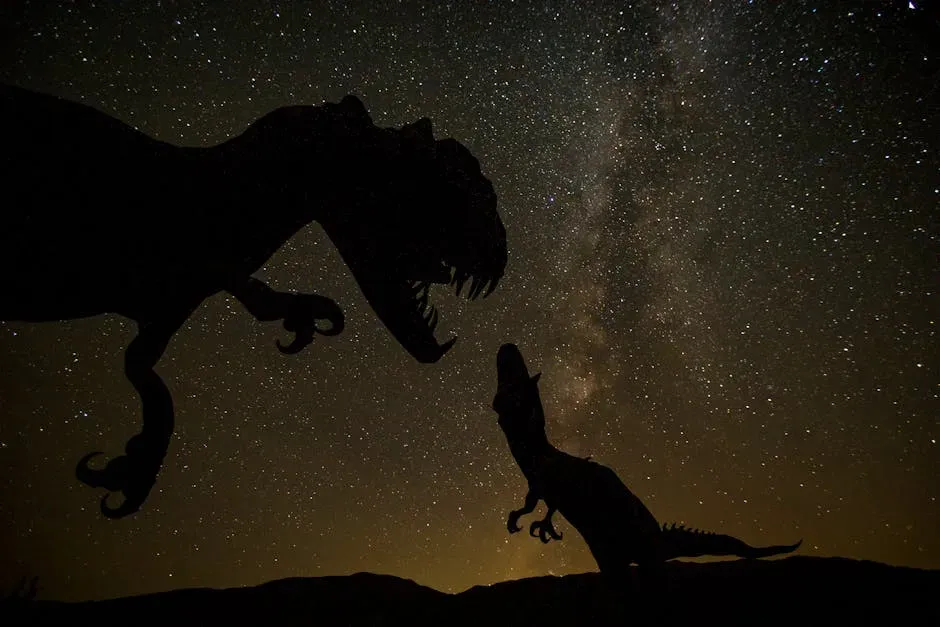
By comparing the eyes of Tyrannosaurus to close relatives like ostriches and alligators, researchers have revealed that Tyrannosaurus could see in the dark with increased precision. This night-vision would have been akin to that of an owl, allowing Tyrannosaurus to spot and track the movement of potential prey despite low amounts of light. If accurate, this shifts the hunting scenario from midday pursuits under the Cretaceous sun to something considerably more shadowy.
In addition to excellent vision, Tyrannosaurus also had a fantastic sense of smell. The olfactory bulbs of Tyrannosaurus were highly developed and were the largest proportionate to body size amongst all dinosaurs. A heightened sense of smell would have assisted Tyrannosaurus in locating potential prey from long distances, making both hunting and scavenging far easier. Two sharp senses calibrated for low-light conditions are, at the very least, a thought-provoking set of clues pointing in the same direction.
8. Sauropods Could Rise Up on Their Hind Legs
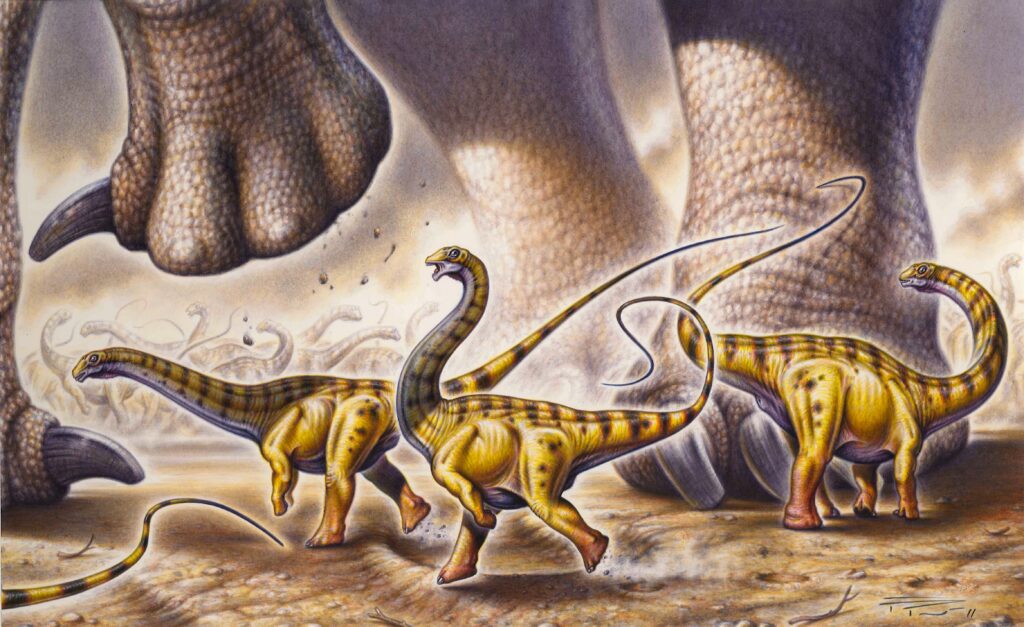
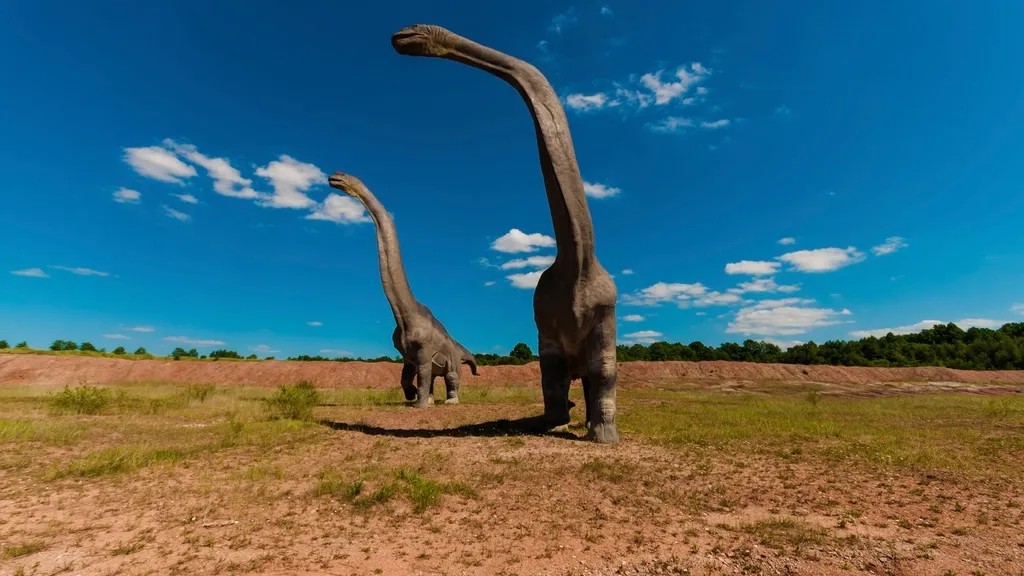
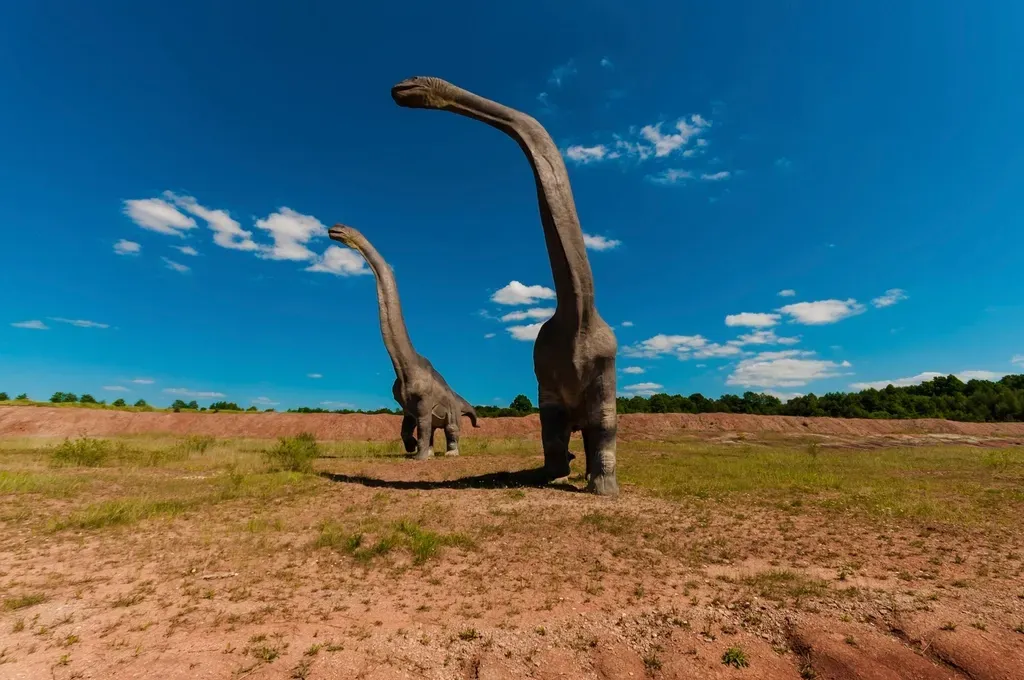
Certain smaller sauropods could stand on their hind legs with surprising ease, giving them access to higher food and a defensive edge. Computer simulations show their bones handled stress better than those of their larger relatives. The image of a four-legged, slow-moving giant suddenly becomes much more dynamic when you picture it rearing up to reach vegetation dozens of feet above the ground.
To understand how these dinosaurs managed this behavior, researchers used a computational approach commonly applied in engineering, with the goal of estimating how much stress gravity and body weight placed on the femur when the animals stood on two legs. Smaller sauropods appear to have managed the posture relatively comfortably, while the largest individuals would have found it stressful but not impossible. It’s a reminder that body size alone doesn’t tell you everything about what an animal could actually do.
9. Feathered Dinosaurs Used Wing-Like Limbs to Run Faster
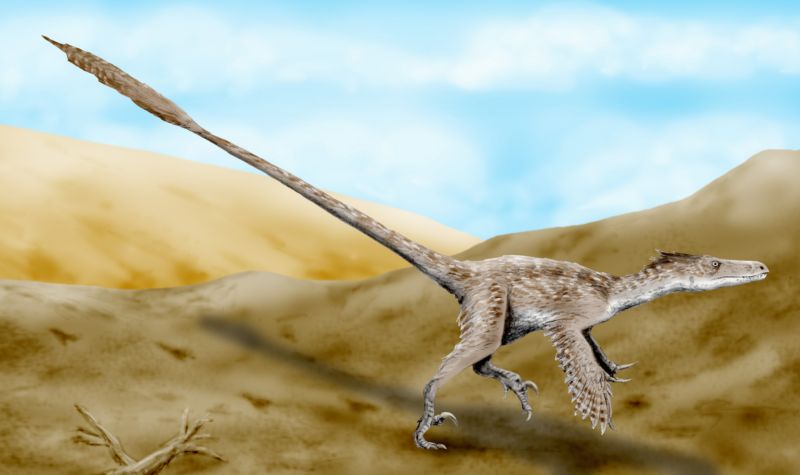
Paleontologists described a trackway made by a dinosaur that was flapping as it ran. The Cretaceous trackway was made by a two-toed dinosaur like Microraptor, and the spacing between the tracks indicates the dinosaur was moving at high speed, seemingly faster than expected if the dinosaur was just propelling itself with its legs alone. What was previously assumed to be an early, clumsy attempt at flight now looks more like a practical speed boost on the ground.
The little raptor was likely flapping as it kicked with its feet, even though experts aren’t sure if the dinosaur was trying to take off, land, run up an incline, or something else. Nevertheless, the tracks indicate that flapping wings could be as important to running as long, strong legs. A key method for evaluating these behaviors is extant phylogenetic bracketing, looking at the behavior of the nearest living relatives of dinosaurs, namely birds, crocodilians, and reptiles more widely, which helps determine how far back in time a certain behavior likely evolved. The line between running and flying, it turns out, was blurrier than anyone imagined.
Conclusion
What’s striking about all of these theories isn’t just the content, it’s the method. Our understanding of dinosaur behavior has long been hampered by the inevitable lack of evidence from animals that went extinct more than sixty-five million years ago, but today, with new specimens and cutting-edge techniques, paleontologists are making major advances in reconstructing how dinosaurs lived and acted.
Dinosaur behavior is the one area where we see the greatest disconnect between what we know and what people think we know. The gap between the two is closing, one fossil, one simulation, one microscopic pigment cell at a time. Every discovery adds texture to a world that was never simple, never static, and certainly never gray. The more carefully scientists look, the stranger and richer that ancient world becomes – and there’s every reason to expect it will keep surprising you.