Picture a world where forests stretched unbroken across shifting continents, the atmosphere hummed with strange creatures, and the ground shook under the weight of animals so large they seem almost impossible by today’s standards. That was the Mesozoic Era, a sprawling chapter of Earth’s history that ran from roughly 252 million years ago to 66 million years ago, and it belonged entirely to the dinosaurs.
The Mesozoic Era is divided into three distinct geological periods: the Triassic, Jurassic, and Cretaceous. Dinosaurs diversified into a dizzying variety of shapes, dietary habits, and sizes, ranging from colossal long-necked sauropods larger than Boeing 737 aircraft to feathered gliders no larger than pigeons. What follows are 11 of the most fascinating creatures that ruled this ancient world, each with a story worth knowing.
1. Tyrannosaurus Rex: The Tyrant Lizard King
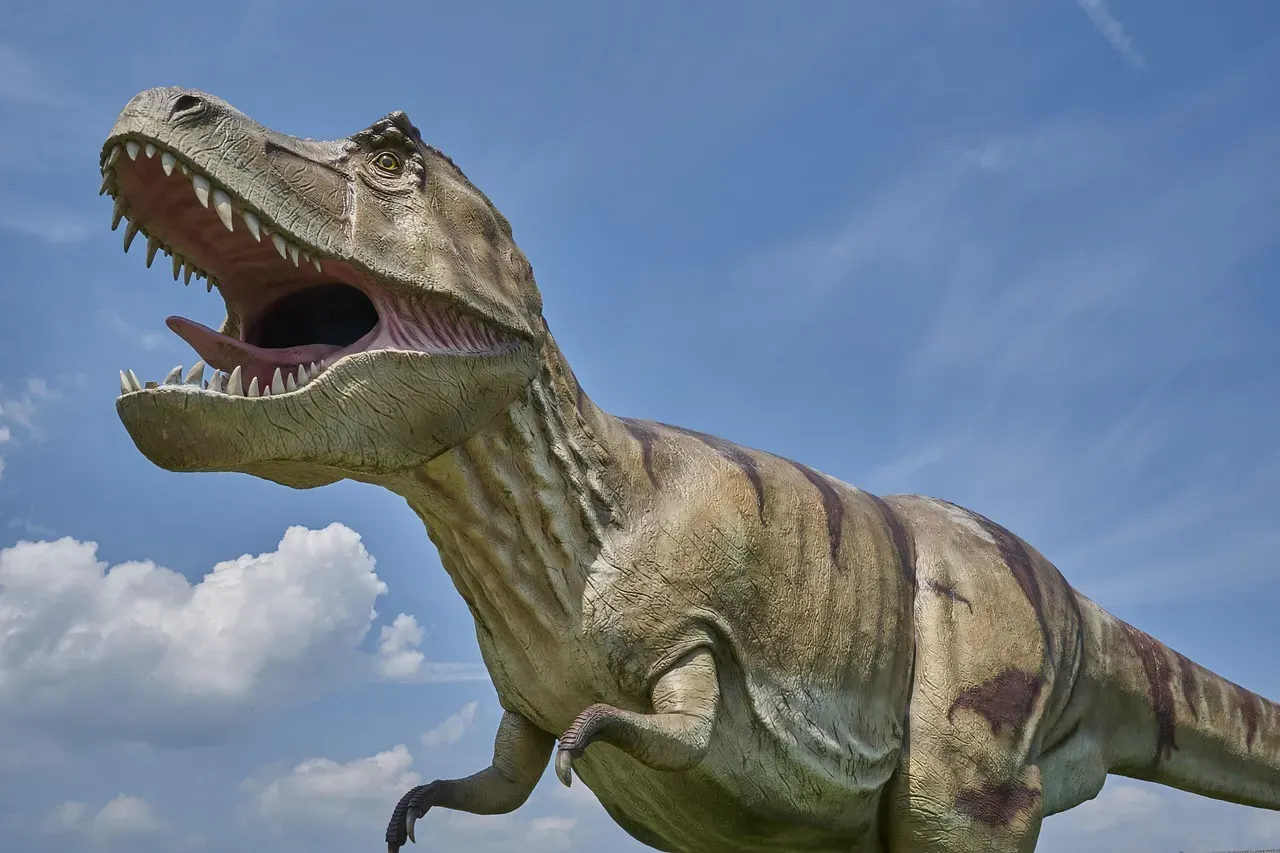
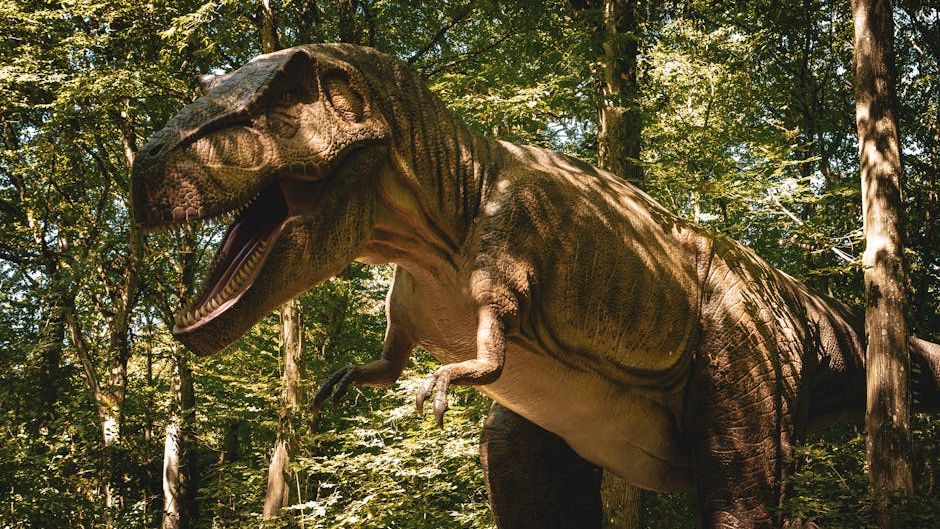
Tyrannosaurus rex, whose name means “king of the tyrant lizards,” was built to rule. This dinosaur’s muscular body stretched as long as 40 feet from its snout to the tip of its powerful tail, and it weighed up to eight tons. It lived throughout what is now western North America, on what was then an island continent known as Laramidia. You’re looking at one of the most recognizable animals to have ever walked this planet.
T. rex had a massive body, a mouth full of 60 eight-inch-long, supersharp teeth, and the strongest bite of any land animal, ever. An extensive study of 17 tyrannosaur specimens, ranging from early juveniles to massive adults, shows the king of carnivores took about 40 years to reach its full-grown size of around eight tons. T. rex was also adept at finding its prey thanks to a keen sense of smell. Scientists have found that it devoted large portions of its brain to processing smell, and studies have revealed that T. rex had almost as many genes encoding its olfactory receptors as a house cat does today.
2. Triceratops: The Three-Horned Face
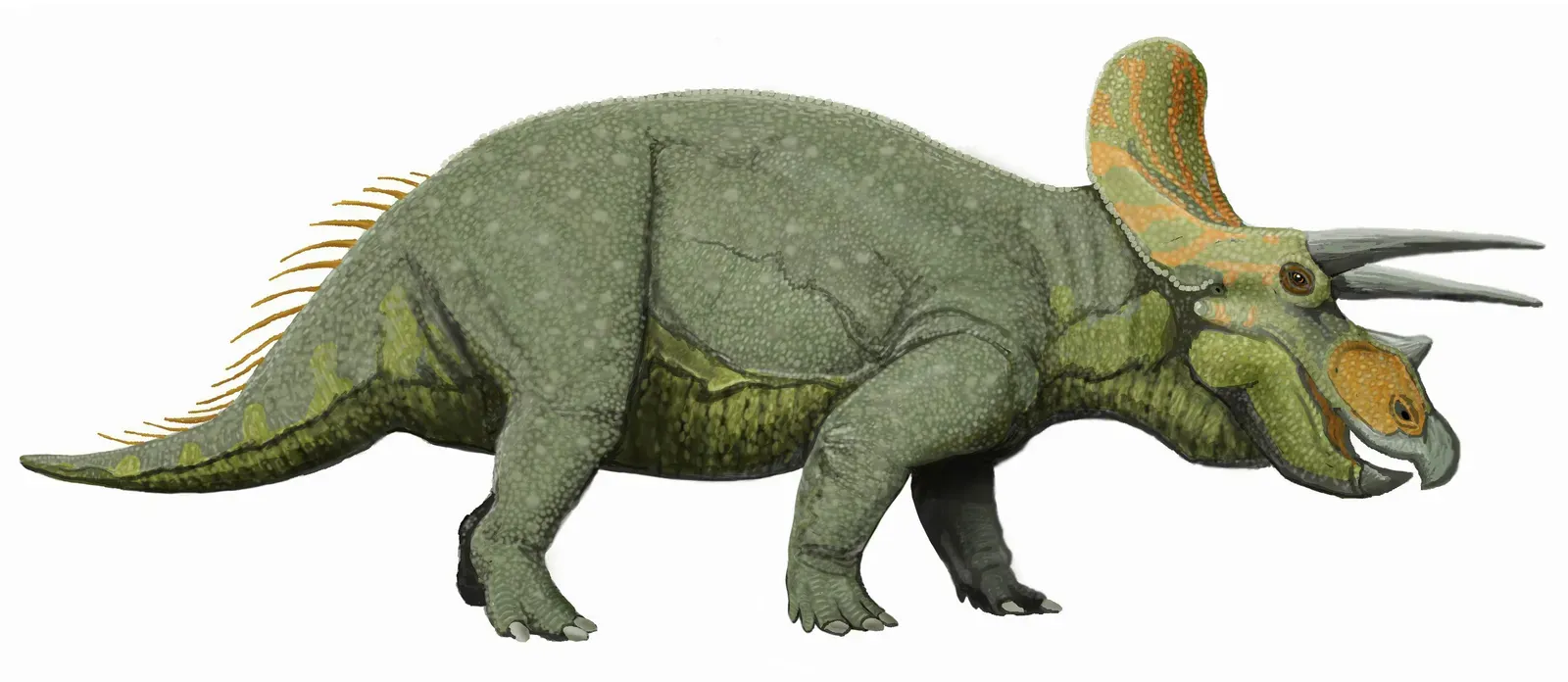
Triceratops was a large quadrupedal plant-eating ceratopsian dinosaur that had a frill of bone at the back of its skull and three prominent horns. Fossils of “three-horned face,” as its Latin name is usually translated, date to the final three million years of the Cretaceous Period, making it one of the last of the non-avian dinosaurs to have evolved. Paleontologists estimate that the body length of Triceratops approached 9 metres, and the largest adults are thought to have weighed between roughly twelve thousand and sixteen thousand pounds.
Triceratops possessed a gigantic skull, and some individuals had skulls nearly 3 metres long. In addition to its three conspicuous horns, placed above each eye and on the snout, it possessed numerous small spikes that bordered the margin of the expanded frill of bone at the back of the skull. A specimen referred to as “Big John” shows a wound caused by what appears to be another Triceratops horn, and the bone shows signs of significant healing, further supporting the hypothesis that this ceratopsian used its horns for intra-specific combat.
3. Stegosaurus: The Plated Puzzle
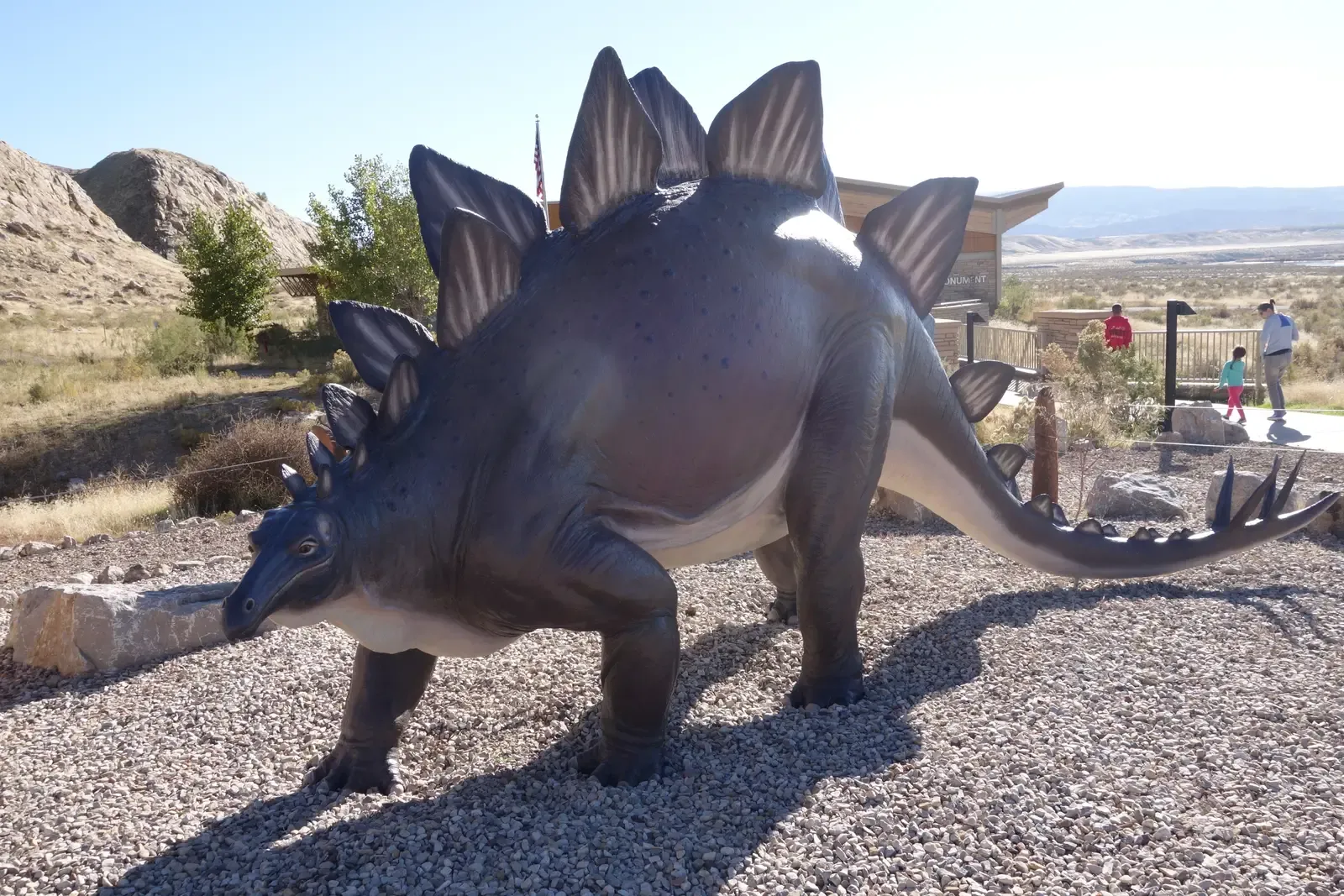
Long-recognized as one of the most bizarre animals of all time, Stegosaurus more than earns that reputation with its dazzling assortment of dense, bony plates and spikes arranged along its backbone. This Jurassic herbivore roamed North America and parts of Europe, and the purpose of those distinctive plates has fueled genuine debate among paleontologists for well over a century. You’d be surprised to learn how many open questions still remain about this famous dinosaur.
Compared with the rest of its body, Stegosaurus had a small head, and its brain was around the size of a plum. The spikes on the tail of a Stegosaurus are called the “thagomizer,” a term that originated in a humorous 1982 Far Side comic by Gary Larson, in which a group of cavemen studied a Stegosaurus tail diagram. Although the comic was intended as a joke, paleontologists began using the term “thagomizer” informally, and over time it gained widespread recognition as a semi-official term in paleontology.
4. Velociraptor: Smaller Than You Think
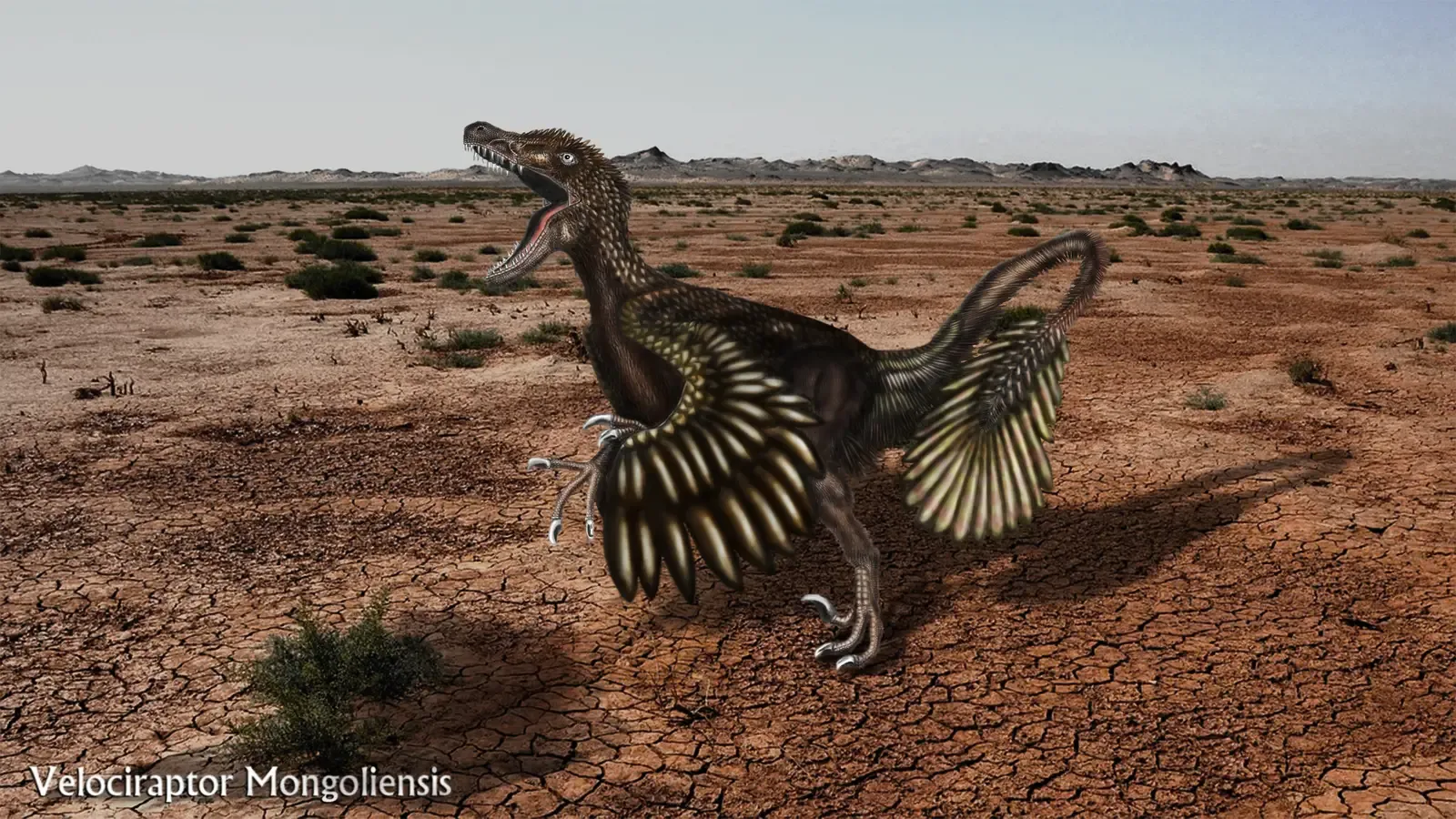
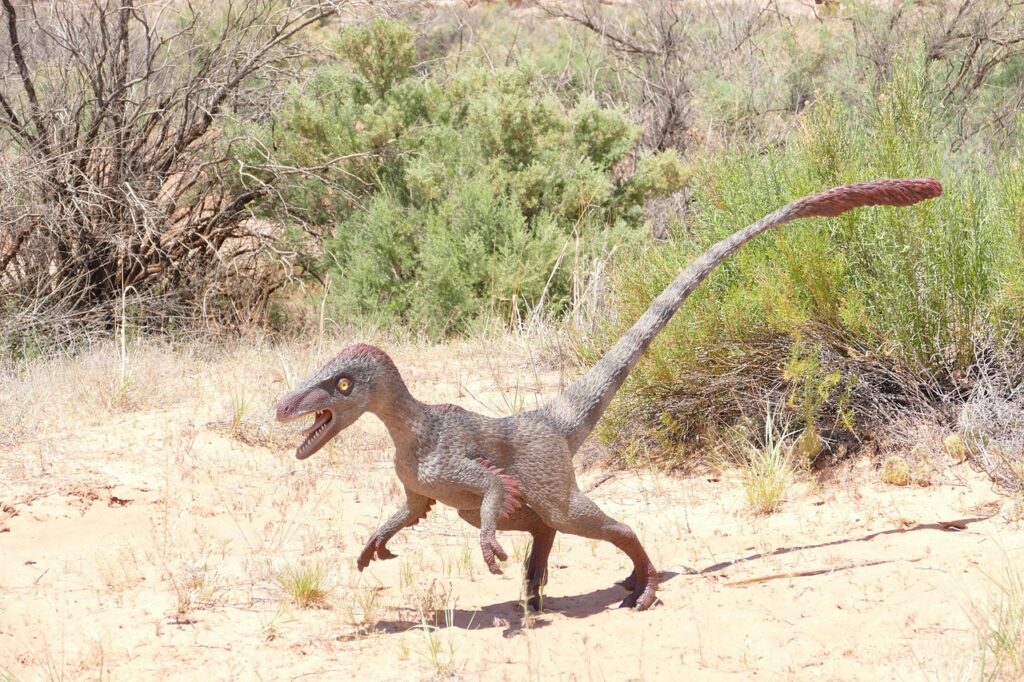
The misconception that Velociraptor was larger than it actually is stems from its depiction in Jurassic Park. In reality, the real animal was far more modest in size. Microraptor and Velociraptor were roughly the size of a chicken. What you think you know about raptors is largely Hollywood’s invention, though the real creature was still a remarkable predator in its own right.
The bipedal carnivore Velociraptor is estimated to have reached between 38 and 60 kilometers per hour. It was a feathered, swift hunter that lived in the deserts of Central Asia during the Late Cretaceous, and fossil evidence confirms it was closely related to modern birds. A remarkable discovery in Sichuan Province, China, unveiled a new species of feathered dinosaur, and this groundbreaking find further strengthens the evolutionary connection between dinosaurs and birds, offering valuable insights into the origins of avian flight.
5. Brachiosaurus: The Giraffe of the Jurassic
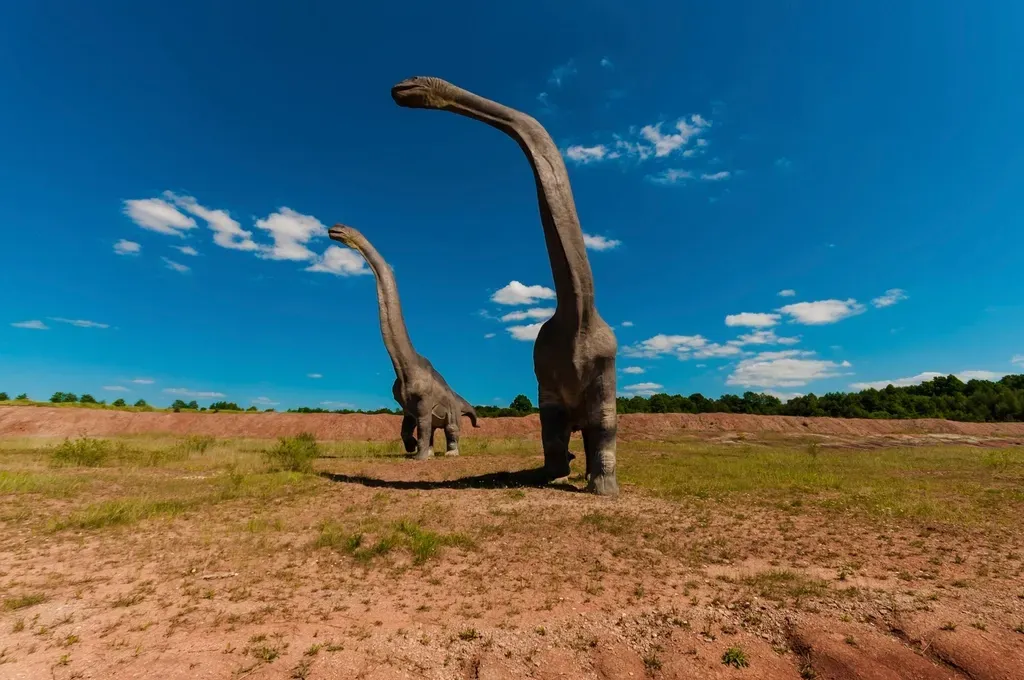
Brachiosaurus was a large sauropod dinosaur with a long neck, small head, and front legs longer than its hind legs, giving it a distinctive, giraffe-like stance. It lived during the Late Jurassic period, around 154 to 150 million years ago, in North America and possibly Africa. That upward-angled neck allowed it to browse vegetation at heights no other land animal of its era could reach, making it a uniquely specialized giant.
Brachiosaurus belongs to the major group of sauropods called Macronaria, animals known for a more upright stature most famously demonstrated by this species. The tallest and heaviest dinosaur known from good skeletons is Giraffatitan brancai, previously classified as a species of Brachiosaurus. Its remains were discovered in Tanzania between 1907 and 1912, and the skeleton now on display at the Museum für Naturkunde in Berlin stands 12 meters tall. Standing beneath something like that would be a genuinely humbling experience.
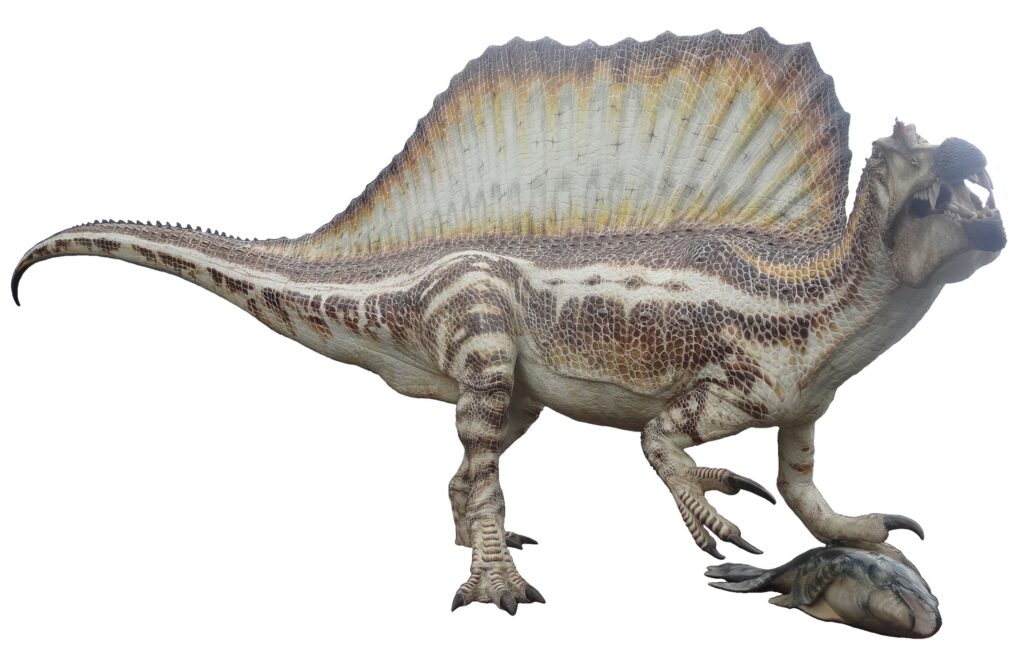
6. Spinosaurus: The River Giant
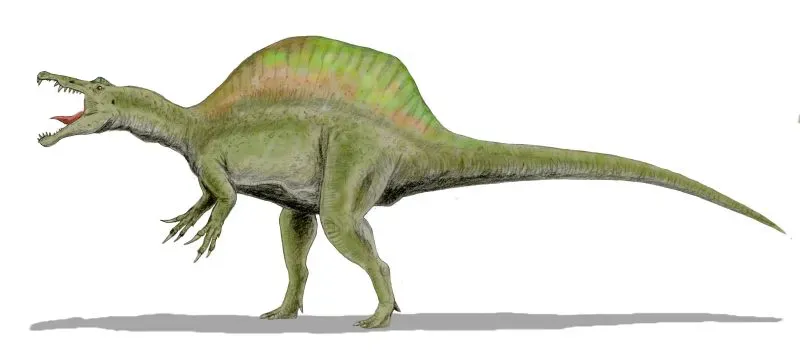
Spinosaurus_BW.jpg: ArthurWeasley, CC BY 2.5)
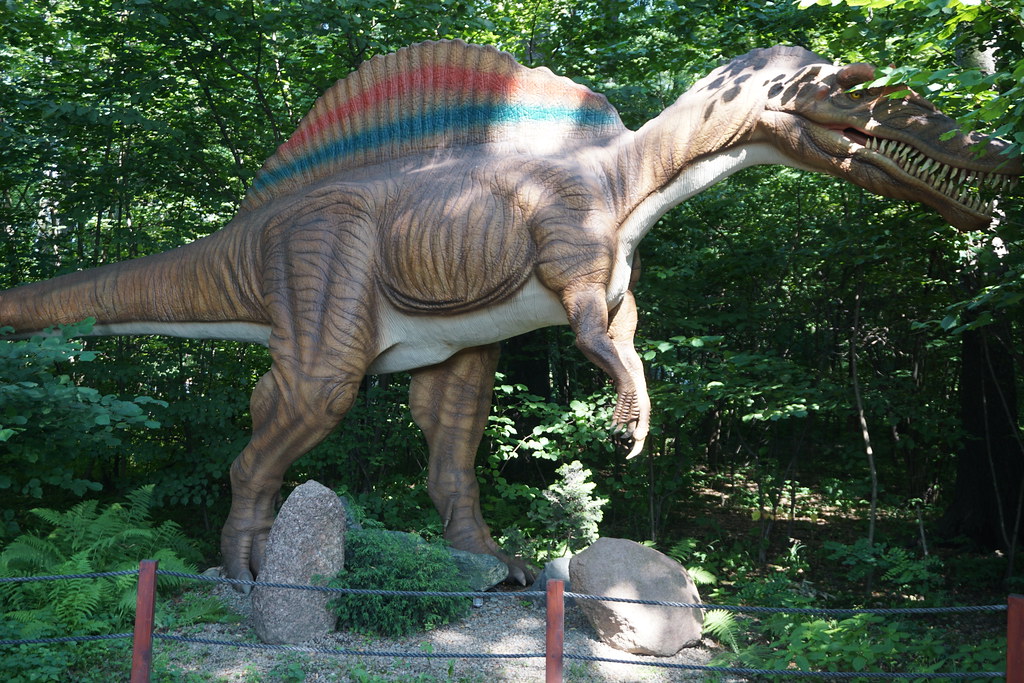
T. rex was the biggest meat-eating dinosaur in terms of sheer bulk and power, but it wasn’t the tallest or longest. Spinosaurus, for instance, was taller and longer, though T. rex remains the heavyweight champion in terms of overall weight. Spinosaurus has become popular because of the huge sail on its back and crocodile-like features. It’s a creature that genuinely doesn’t fit neatly into any tidy category.
A 95 million-year-old Spinosaurus had a scimitar-shaped head crest and waded through the Sahara’s rivers like a ‘hell heron.’ Evidence strongly suggests Spinosaurus spent considerable time in and around water, hunting fish and other aquatic prey. Other species, such as Carcharodontosaurus, Giganotosaurus, and Spinosaurus, were similar in size to T. rex but lived earlier in the Cretaceous Period, and they belonged to different families of predatory dinosaurs.
7. Ankylosaurus: The Living Tank
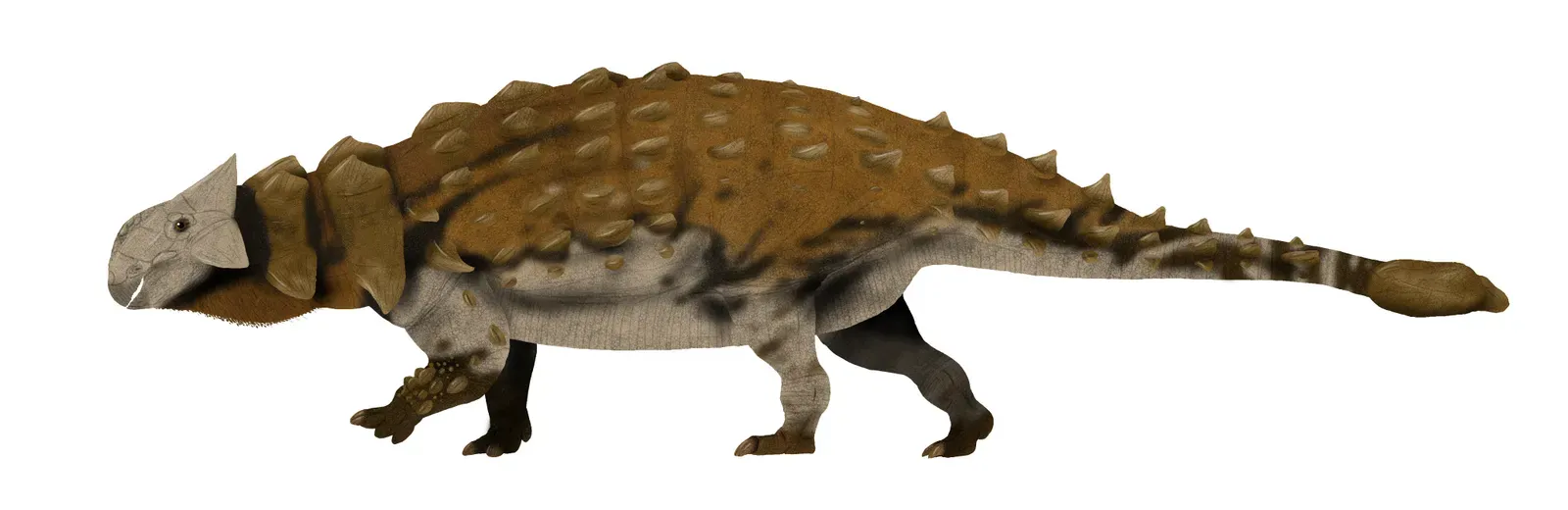
Ankylosaurus existed between 68 and 66 million years ago, in the final, or Maastrichtian, stage of the Late Cretaceous Period. It was among the last dinosaur genera that appeared before the Cretaceous-Paleogene extinction event. Possibly the largest known ankylosaurid, Ankylosaurus is estimated to have been between 6 and 8 meters long and to have weighed between roughly five and nine short tons. You’d have struggled to tip one over.
The Ankylosaurus is known for its unique appearance. This dinosaur is low to the ground and has several rows of spikes on its back, and it also has a defensive tail with a boulder-like feature at the end of it. Ankylosaurus shared its environment with other dinosaurs that included Triceratops, Torosaurus, Pachycephalosaurus, and the theropods Struthiomimus, Ornithomimus, and Tyrannosaurus. It lived in a genuinely crowded and dangerous neighborhood.
8. Allosaurus: The Jurassic Apex Predator
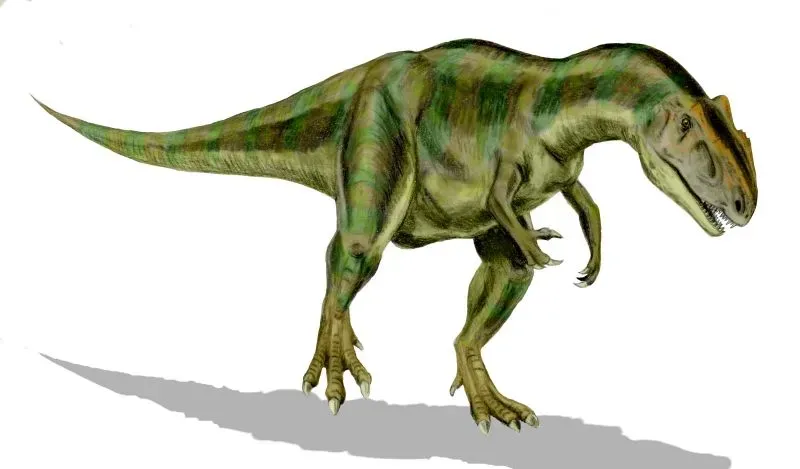
Allosaurus is a genus of theropod dinosaur that lived 155 to 145 million years ago during the Late Jurassic period. The first fossil remains that could definitively be ascribed to this genus were described in 1877 by Othniel C. Marsh, and the name “Allosaurus” means “different lizard.” Allosaurus was the Jurassic equivalent to the Tyrannosaurus dinosaurs of the Cretaceous Period. T. rex may have ruled the Cretaceous, but its counterpart in the earlier Jurassic Period was the equally fearsome Allosaurus.
The Allosaurus was a large carnivore that averaged about 33 feet in length and 16.5 feet tall, and it weighed about two tons. Allosaurus was at the top trophic level of the Morrison food chain. Calcium isotopic values show Allosaurus was an opportunistic predator that ate Camarasaurus, Camptosaurus, and Diplodocus, although it is unclear whether it was hunting or scavenging on the sauropods. The sheer abundance of its fossils makes it one of the best-studied predators of its time.
9. Diplodocus: The Whip-Tailed Wanderer
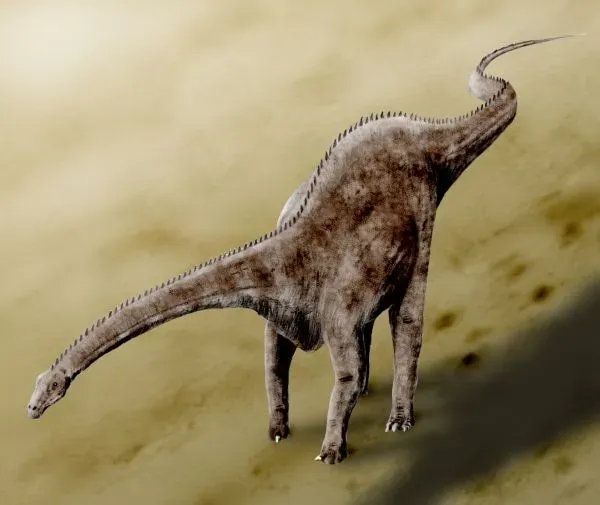
The longest complete dinosaur is the 27-meter-long Diplodocus, which was discovered in Wyoming in the United States and displayed in Pittsburgh’s Carnegie Museum of Natural History in 1907. In Diplodocus, the slender neck and whip-like tail are extremely long, and the skull is slender and low, almost streamlined, even though the snout is broad and blunt. It’s an animal that looks almost too long to be real.
Diplodocus, like all other sauropods, was a giant, four-legged dinosaur with a long neck and tail. It may have used its long tail as a whip for protection against predators. Diplodocus was around 25 metres in length, it weighed between ten and twenty-six metric tonnes, and it lived in North America during the late Jurassic Period. Its tail may have been one of the most effective defensive tools in the Mesozoic world.
10. Archaeopteryx: The Bridge Between Worlds
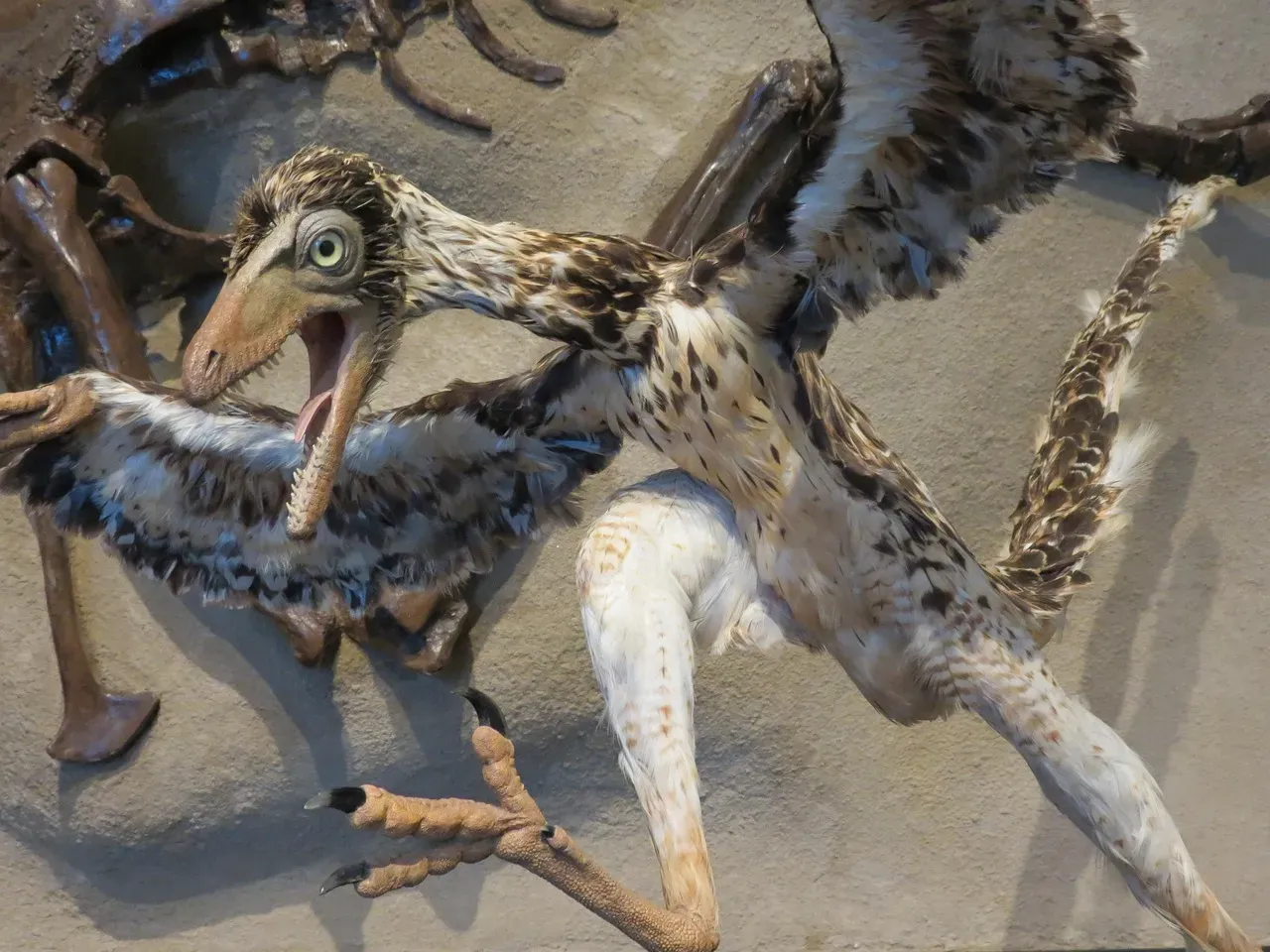
Archaeopteryx was the first fossil found that revealed a potential connection between dinosaurs and birds. It is considered a transitional fossil, in that it displays features of both groups. Brought to light just two years after Charles Darwin’s seminal On the Origin of Species in 1859, its discovery spurred the nascent debate between proponents of evolutionary biology and creationism. Few fossils in history have carried as much scientific weight.
Archaeopteryx was a small, feathered dinosaur that lived during the Late Jurassic period, around 150 million years ago, in what is now Germany. This popular dinosaur was about 1.5 feet in length and weighed around 2 pounds. Archaeopteryx had feathered wings and a long, bony tail, with a blend of avian and reptilian features, including teeth, claws, and a wishbone. Its discovery provided key evidence for the evolution of birds from theropod dinosaurs, and its iconic status as the “first bird” has made it a significant figure in paleontology.
11. Mosasaurus: Ruler of the Cretaceous Seas
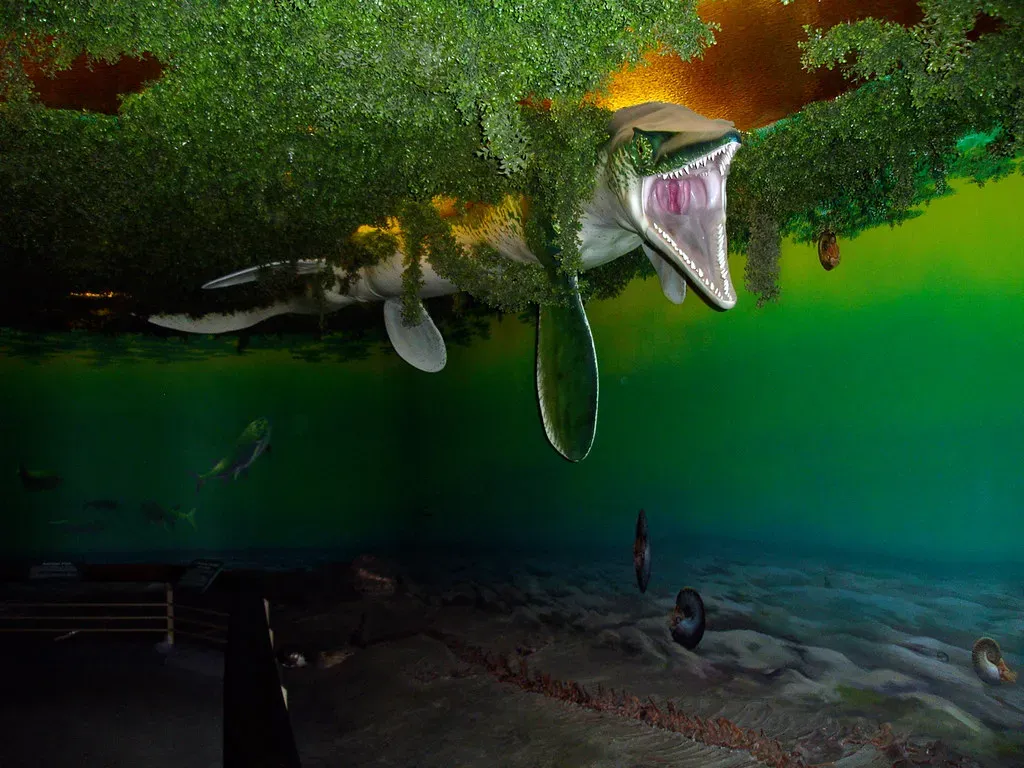
The Mosasaurus could be found in oceans around the globe during the Late Cretaceous Period, and it’s estimated that it lived in the waters around North America and western Europe. Technically a large marine reptile rather than a dinosaur in the strict sense, Mosasaurus was nonetheless a dominant predator during the same era, and its sheer scale demands a place in any honest account of Mesozoic life.
The Mosasaurus was a carnivorous aquatic hunter, and its prey was most likely fish, marine reptiles, birds, pterosaurs, smaller mosasaurs, and possibly even land dinosaurs. Its teeth were shaped like sharp spikes, allowing it to grip and hold onto prey, and its double-hinged jaw would allow it to swallow its prey whole. The Mosasaurus spent most of its time near the ocean surface, much like modern whales do, since it breathed air in a similar fashion, and paleontologists think it had live births rather than laying eggs.
Conclusion: A World Worth Remembering
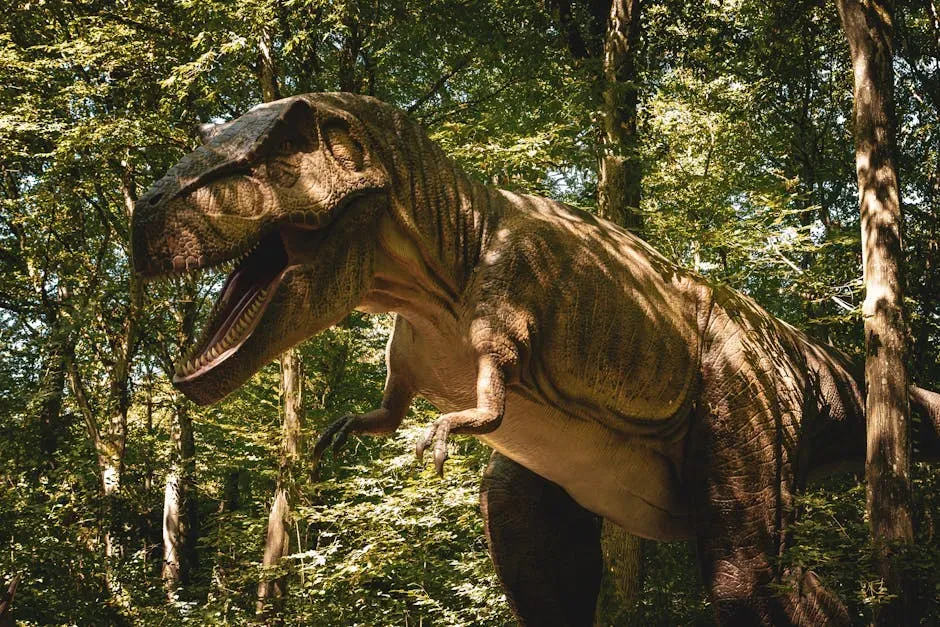
During the Mesozoic, or “Middle Life” era, life diversified rapidly and giant reptiles, dinosaurs, and other monstrous beasts roamed the Earth. The period, which spans from about 252 million years ago to about 66 million years ago, was also known as the age of reptiles or the age of dinosaurs. Each of the 11 creatures profiled here represents a different answer to the question of how life can be shaped by evolution, environment, and time.
These discoveries not only expand our knowledge of dinosaur diversity and behavior but also underscore the dynamic and ever-evolving nature of paleontological research. As new technologies and methodologies emerge, our understanding of these ancient creatures continues to grow, painting an increasingly detailed picture of life in the Mesozoic era. The fossils are still out there. Every year brings new finds that quietly rewrite what we thought we knew, and that’s perhaps the most compelling reason to keep paying attention.