There’s a stretch of South Dakota’s southwestern landscape that stops you cold the moment you see it. Jagged spires rise from the earth. Layered buttes glow in shades of rust, grey, and pale gold. Badlands National Park can seem like a place straight out of a science fiction film, with its Martian-like butte labyrinths and jagged, eroded appearance. What you’re actually looking at, though, is something far more extraordinary than scenery alone.
Beneath those worn ridges and crumbling canyons lies one of the most astonishing fossil archives on the planet. Badlands National Park is home to one of the world’s richest fossil mammal beds from the late Eocene and early Oligocene epochs, and since the mid-1800s, the fossils found here have fascinated not only paleontologists but also countless members of the public. If you’ve ever wondered what it feels like to stand at the edge of deep time, this is the place.
The Ancient World Locked Inside the Rock
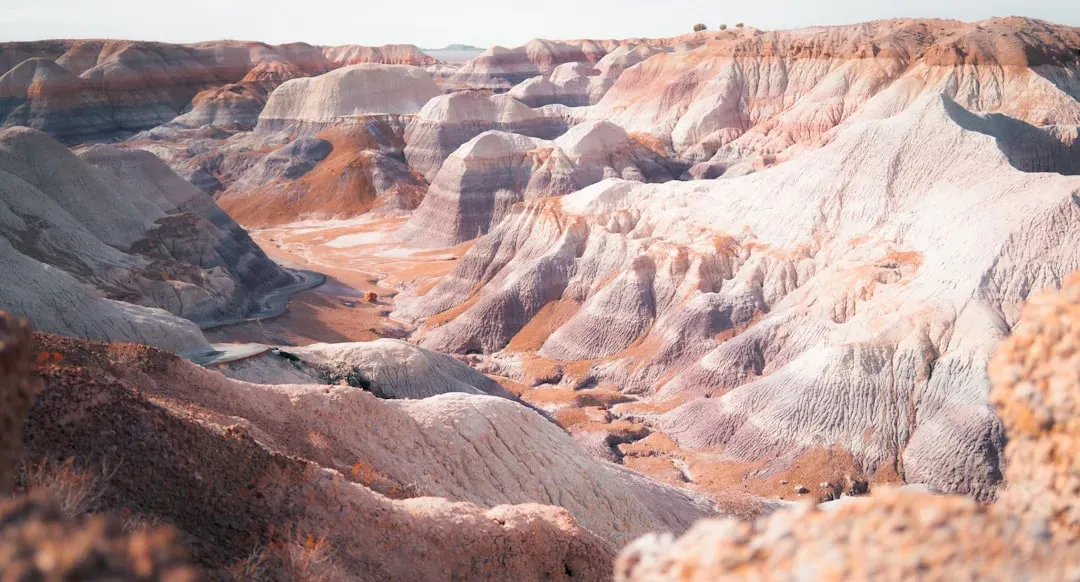
When you walk through the Badlands, you’re crossing what was once a very different world entirely. As you look around the arid Badlands National Park, it may seem hard to believe that the region was once an inland sea and then developed into a tropical rainforest. Over millions of years, the land shifted through distinct environmental phases, each one leaving a biological record sealed in sediment.
The Badlands are composed of layers of sedimentary rock, primarily claystone, sandstone, and shale, and these layers were deposited over millions of years, starting around 75 million years ago during the Late Cretaceous Period. This national park has undergone several environmental changes, from a warm, shallow inland sea to lush forest to sub-tropical open woodlands and grasslands. Each of those environments left behind its own cast of characters, preserved in stone for you to find today.
The Geological Formations That Make It All Possible
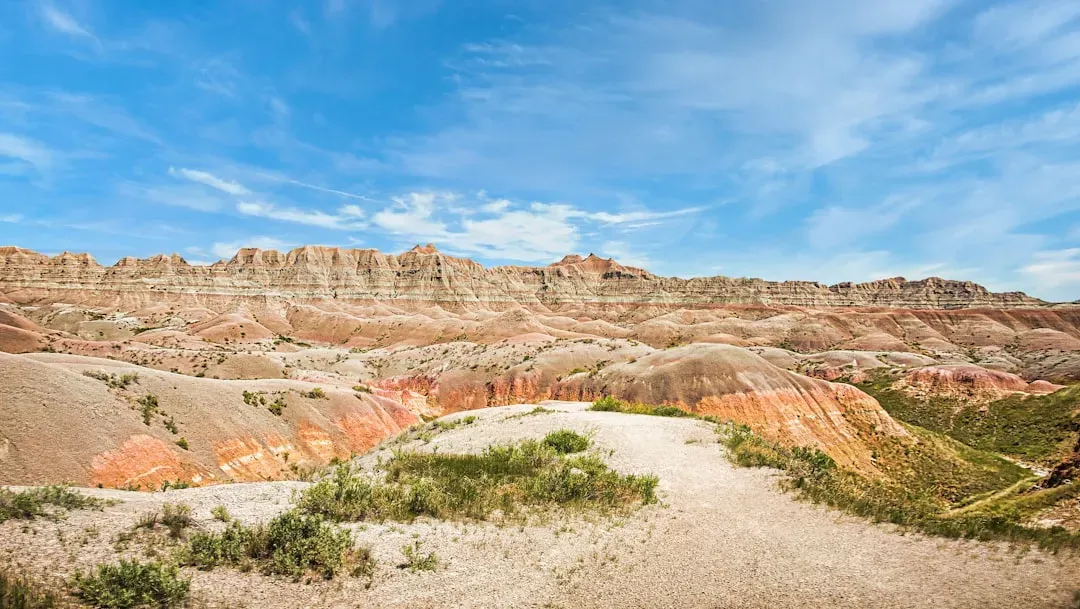
The most famous fossil-bearing formations in the Badlands are the Chadron Formation and the Brule Formation, which contain a wide variety of fossils, including those of rhinoceroses, horses, camels, saber-toothed cats, and early primates. These two formations are stacked on top of each other, and the difference between them tells a fascinating climate story.
The Chadron Formation, consisting largely of light gray claystone beds, was deposited about 37 to 34 million years ago across an ancient floodplain, and its environment would have been hot and wet, much like Everglades National Park is today, home to creatures like ancient alligators and the massive brontothere. The Brule Formation, deposited 34 to 30 million years ago, represents a cooler and drier time in geologic history, where the hot, wet vegetated floodplains transformed into an open savannah where occasional river channels cut through the plains. Reading those two formations side by side is like reading two chapters of the same long story.
The Extraordinary Creatures That Once Roamed Here
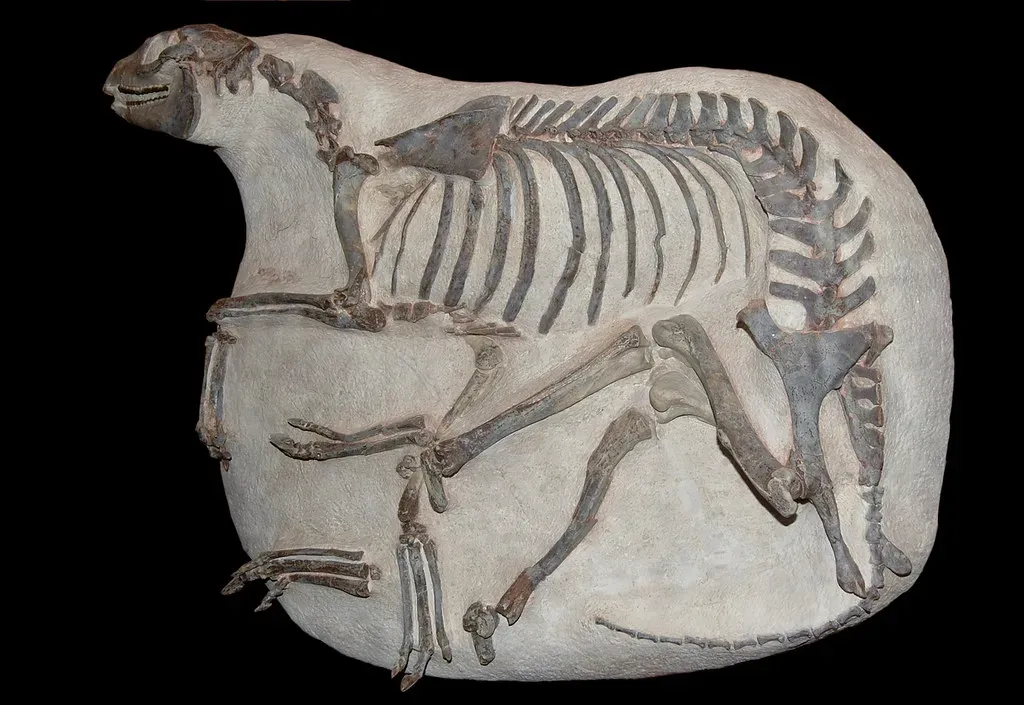
The list of fossil types found here is extensive, including plants, mammals, reptiles, birds, amphibians, and mollusks, with some of the most common being oreodonts, a sheep-like herbivore distantly related to the camel, Mesohippus, a three-toed horse, and Subhyracodon, a hornless rhinoceros, while several more unique fossils such as the Nimravid, a carnivore cat-like in appearance, have also been found.
The park boasts one of the world’s richest fossil beds from the Oligocene epoch, often referred to as the ‘Titanothere Beds’ or ‘Oreodont Beds,’ and scientists have unearthed an incredible variety of fossils here, including ancient rhinoceros-like creatures called brontotheres, saber-toothed cats, ancestral horses, camels, rodents, and the abundant oreodonts. The fossils of early horses found here show the transition from small, multi-toed ancestors to the large, single-toed horses of today, making the Badlands a living textbook on how life evolves under pressure.
The Big Pig Dig: A Discovery That Kept on Giving
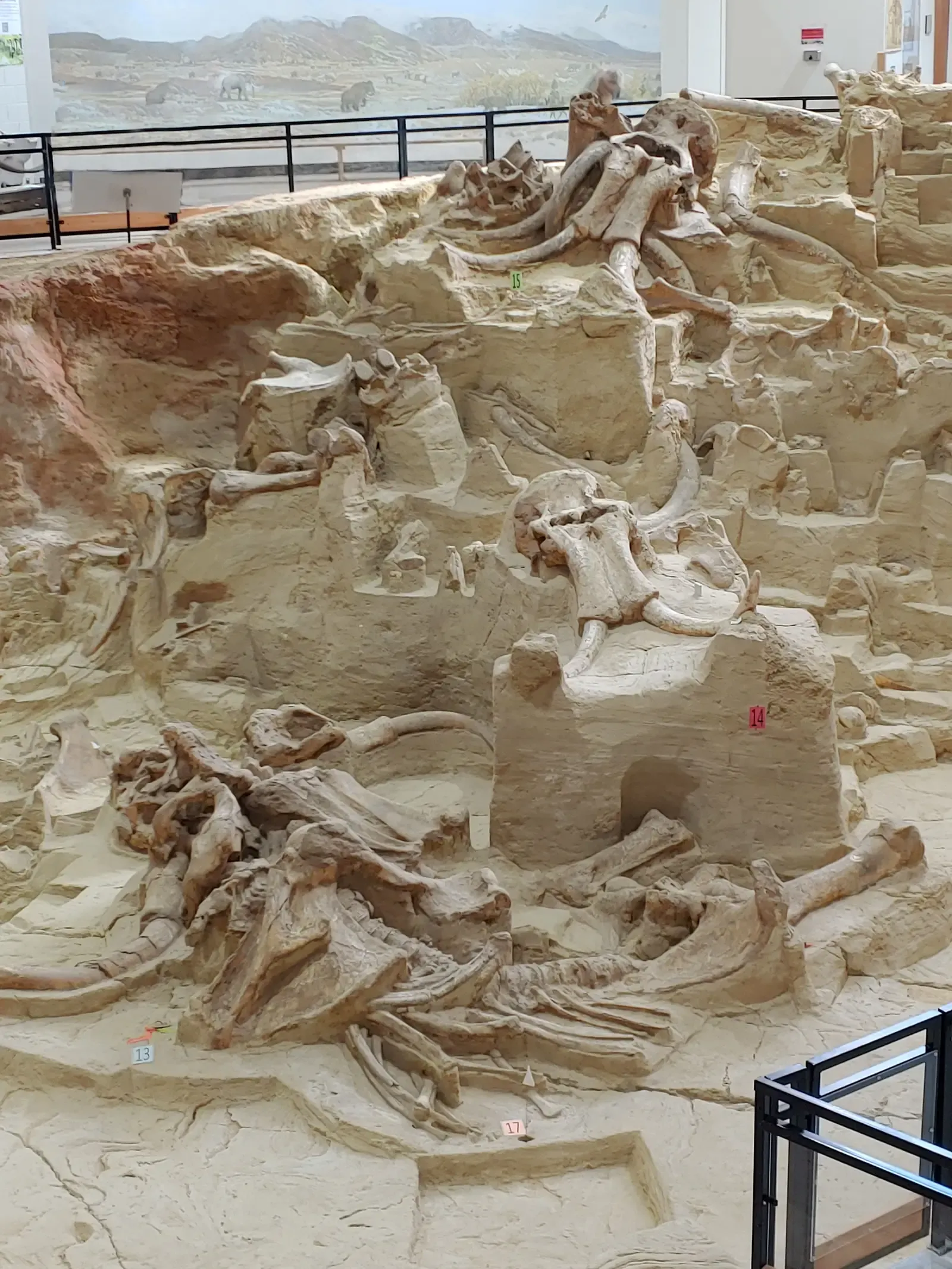
Digging began in 1993 after two park visitors reported seeing a large backbone protruding from the ground. The site became known as the “Pig Dig” because it was believed the exposed fossil was the remains of an ancient pig-like mammal called Archaeotherium, but the fossil was later identified as the bones of a hornless rhinoceros called Subhyracodon, though the nickname stuck. What followed became one of the most significant excavation events in the park’s history.
The Big Pig Dig was one of the longest paleontology digs in Badlands National Park, recovering almost 20,000 fossils. The National Park Service and the South Dakota School of Mines and Technology have already removed more than 13,000 bones from the site for research purposes, and scientists believe that 33 million years ago this was a spring-fed watering hole. That ancient watering hole turned out to be a magnet for prehistoric life, and for science, it was an absolute goldmine.
When Ordinary Visitors Make Extraordinary Finds
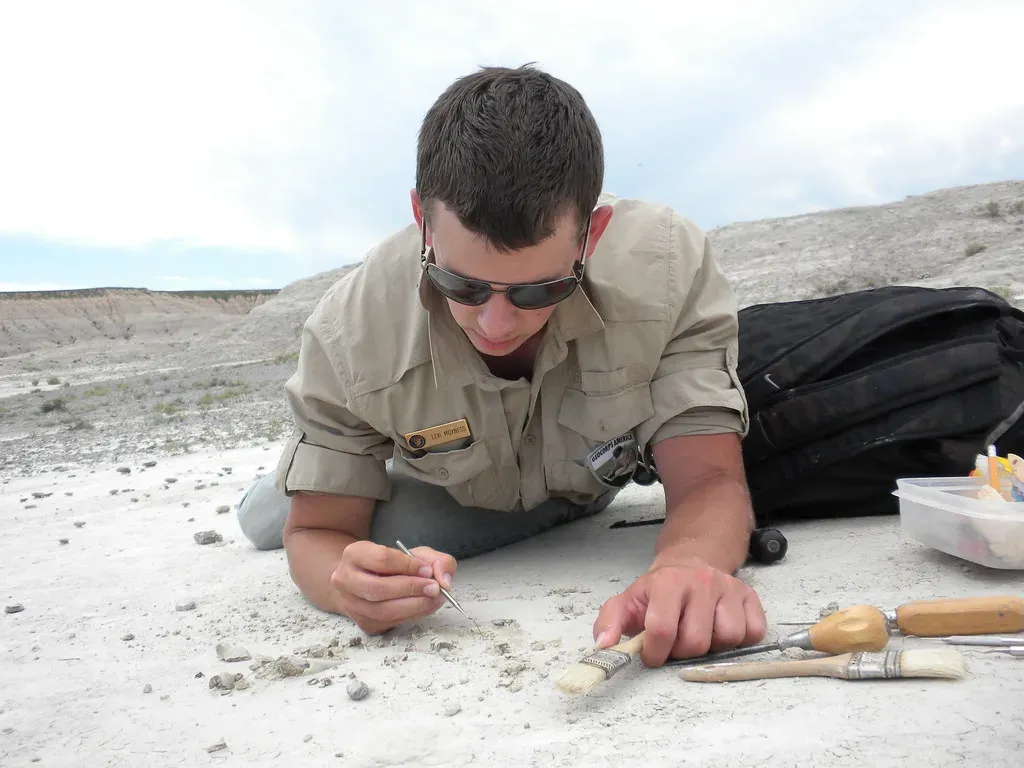
You don’t have to be a scientist to contribute to paleontology at the Badlands. In fact, some of the park’s most significant discoveries have come from everyday visitors keeping a sharp eye on the ground. Nimravids, false saber-tooth cats, would have prowled the Badlands millions of years ago, and one of their skulls was found by a 7-year-old visitor named Kylie Ferguson.
The park staff left the fossil in place and allowed erosion to expose the rest of the find. The park expected to find a sheep-like animal, but what they got was an almost perfect sabretooth cat skull. As a result of learning about fossil preparation and conservation, visitors are able to directly contribute to the protection of fossil resources and the science of paleontology by reporting fossil finds to rangers and lab scientists, and over 375 fossils were reported by visitors in a single year alone. It’s one of those rare places where curiosity can genuinely change science.
The Fossil Preparation Lab: Science in Plain Sight
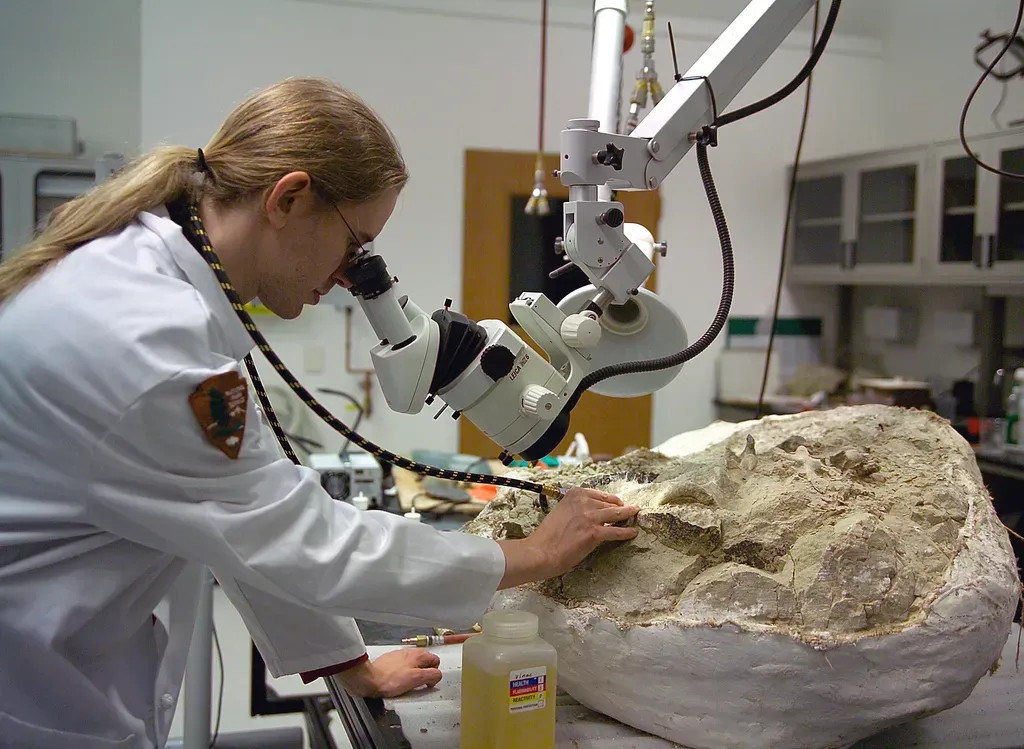
Following the discovery of a significant saber-tooth cat-like skull known as Hoplophoneus primaevus in 2012, the Badlands Fossil Preparation Lab opened to the visiting public to showcase fossil preparation work, and it was so popular with park visitors that the lab has been open every summer since, continuing to grow in popularity. This is not a behind-glass experience. You can actually watch the work happen.
The Badlands National Park Fossil Preparation Lab has developed into a world-class fossil preparation and conservation laboratory equipped with the latest tools and technology for fossil preparation in a public setting, including the use of microscopes for all fossil preparation work within contained chambers and live feeds from camera-mounted microscopes to TV monitors for public viewing. To date, over 220 specimens from at least 75 different species have been prepared in the lab, each one coaxed carefully from the rock that held it for millions of years. If you visit between June and September, this is a stop worth making.
Why the Badlands Still Matter to Science Today
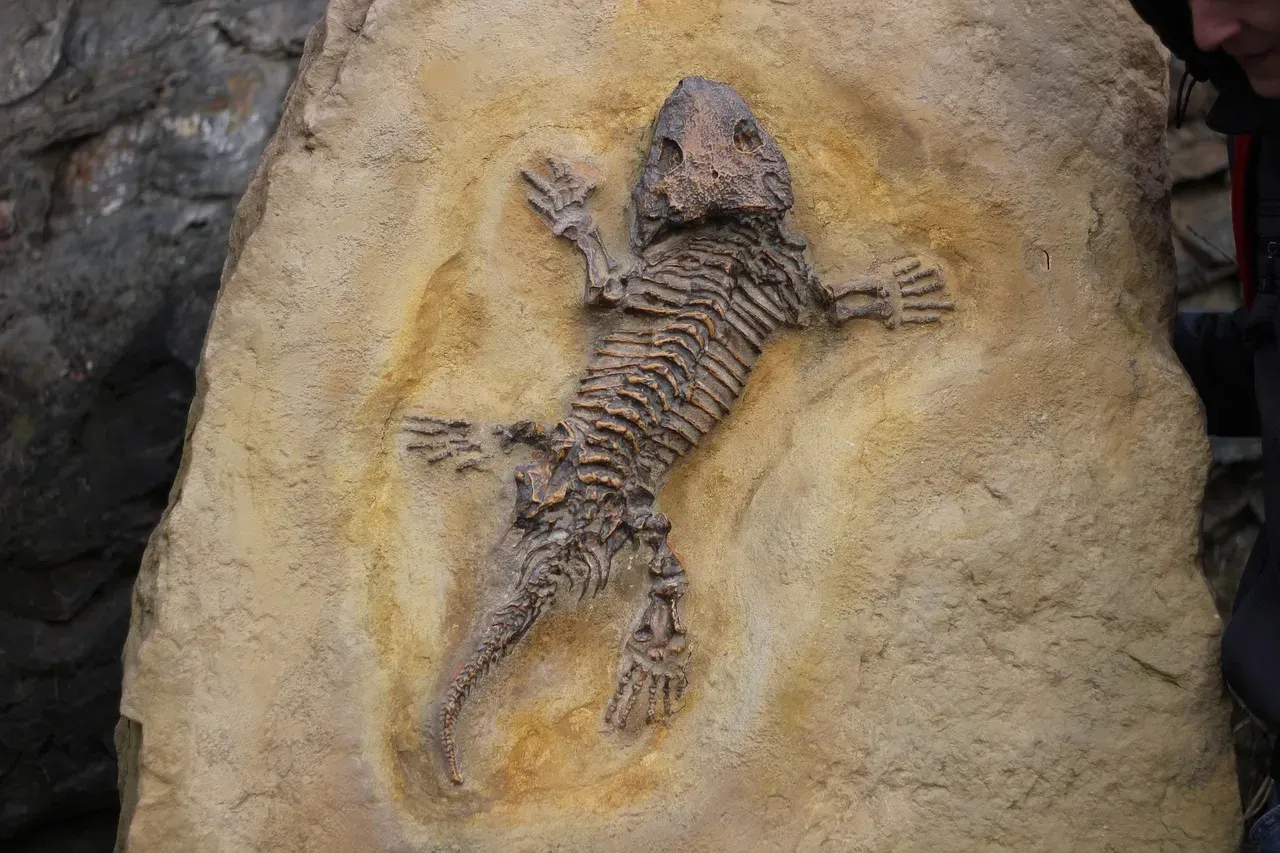
The White River Badlands of South Dakota are considered to be the birthplace of the science of vertebrate paleontology. That’s a remarkable claim, and the evidence supports it. By 1854, when paleontologists counted a total of 84 different species of prehistoric animals that had been found in North America, 77 of them were known from the White River Badlands.
The study of fossils helps us understand the history of life and how different types of animals respond to changes in environment and climate. The ongoing erosion that shapes the landscape also continually exposes new fossils, making the Badlands a crucial site for paleontological research and discovery. Paleontological research is still ongoing in the Badlands, and scientists continue to discover new fossils and learn more about the past life of the region. In a world grappling with rapid environmental change, a place that shows us how life adapted over tens of millions of years carries more relevance than ever.
Conclusion
The Badlands is easy to admire from a distance. The scenery alone is worth the drive. But once you understand what’s embedded in those layered walls of stone, the landscape takes on a completely different weight. You’re not just looking at erosion. You’re looking at time itself, carved open and made visible.
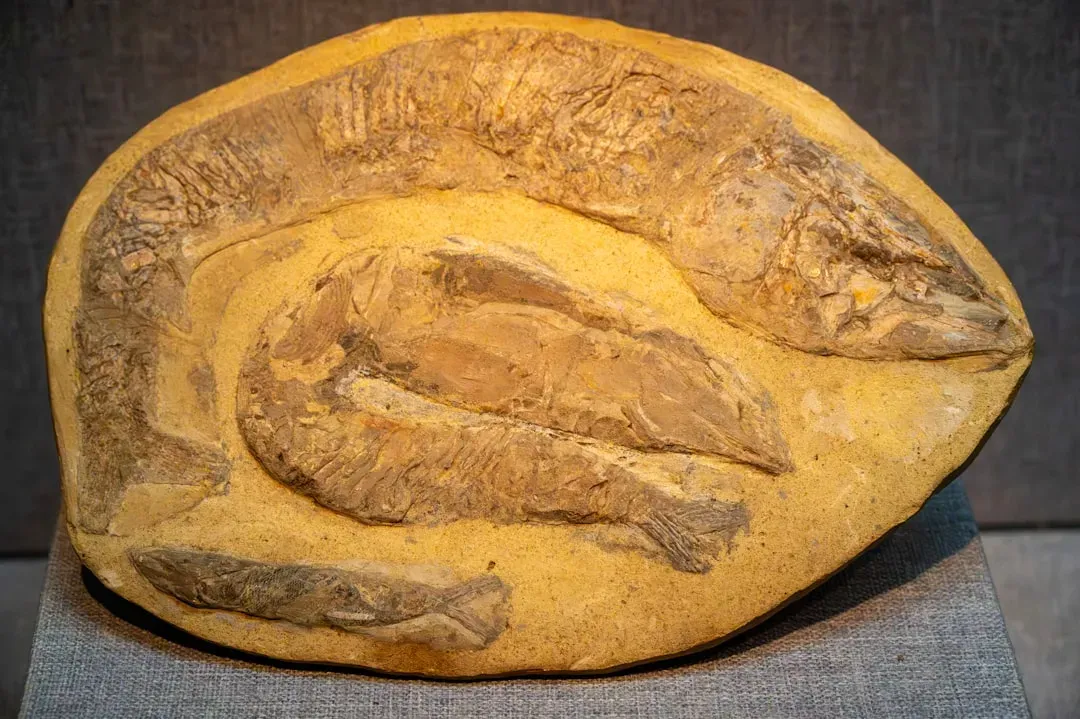
Every crumbling butte and sun-bleached canyon face holds something that was once alive, breathing, moving across a world that no longer exists. When you find a fossil, you are taking a peek into the past, and it is likely that you are the first human being to ever see that specimen, with a good chance that any new fossil discovery could provide new information on the Badlands story. That’s not a small thing. The history of life on this continent is still being written, one fossil at a time, right beneath your feet.