
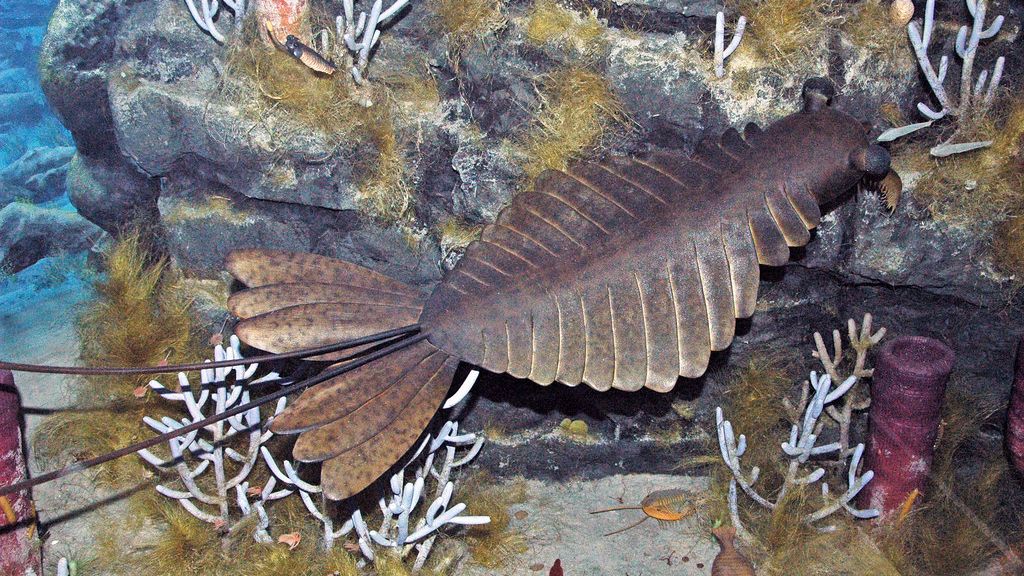
The ocean has always held its secrets close. But the deeper you look into its past, the stranger and more spectacular those secrets turn out to be. Long before whales glided through blue water or coral reefs sparkled in the shallows, entire worlds of creatures rose and fell beneath ancient seas, each one shaped by forces we’re still working to understand.
What you’ll find here isn’t science fiction. These are real animals, real events, and real discoveries that continue to reshape how researchers think about life on Earth. Prepare to look at the ocean with very different eyes.
1. The Cambrian Explosion Changed Everything
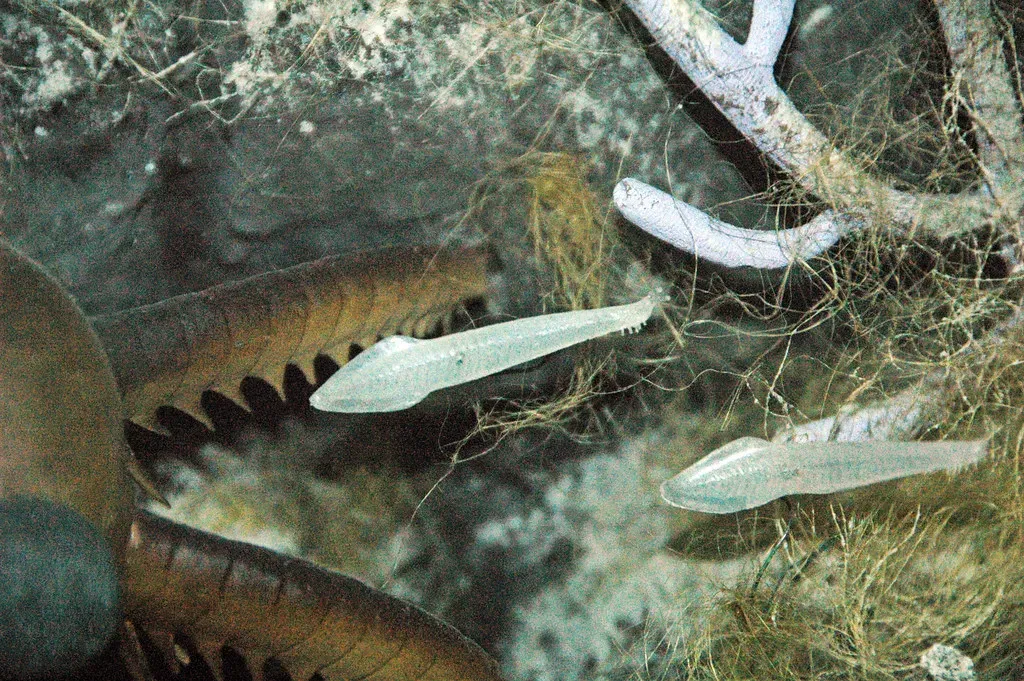
The Cambrian period occurred approximately 542 to 488 million years ago and included the biggest evolutionary explosion in Earth’s history. Before that moment, ocean life was mostly soft-bodied, slow, and simple. Then, in what amounts to an eyeblink in geological time, things got radically more complex.
Some researchers think this happened due to a combination of a warming climate, more oxygen in the ocean, and the creation of extensive shallow-water marine habitats, which created conditions ideal for the proliferation of new types of animals, including those that were larger and more complex in their body shapes and ecologies than their ancestors. You can think of it as a biological big bang, one that set the template for nearly every creature that followed.
2. The Cambrian Seas Were Genuinely Alien
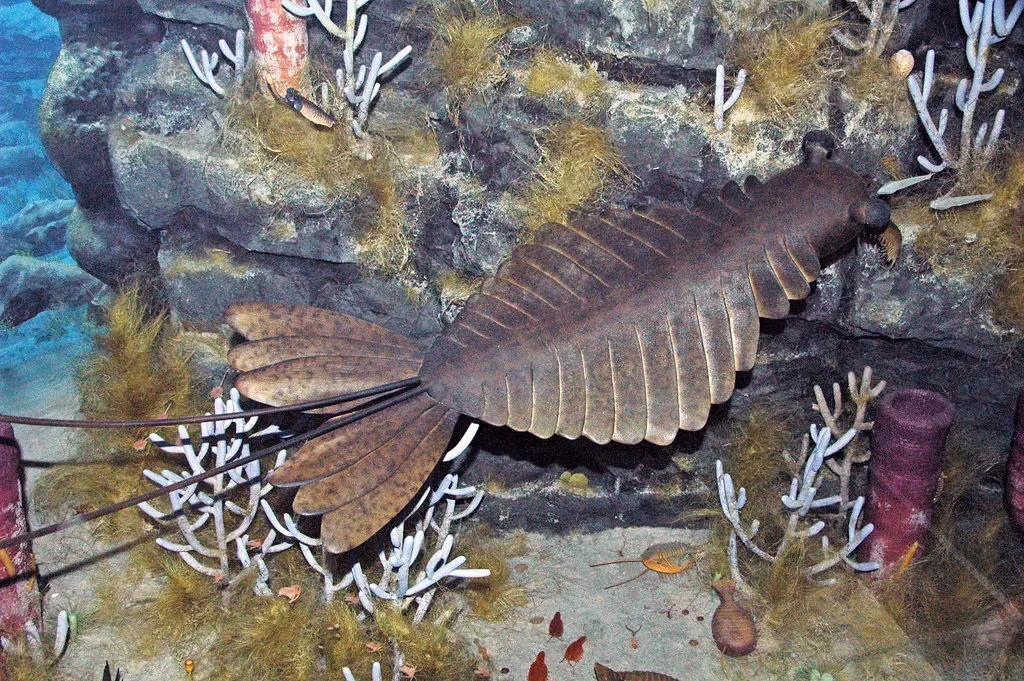
Every strange and wacky creature in those early seas struggled to survive, and competition was fierce. For the first time, some animals became predators. This put immense selection pressure on species, resulting in a rapid evolutionary arms race: prey evolved elaborate defenses, while predators quickly evolved ways to foil those defenses.
As a result, the Cambrian seas were the birthplace of the first mouths, eyes, and legs. Some of the odd critters living in these ancient seas included Opabinia, which had five eyes and an elephant trunk-like appendage, while Hallucigenia looked like a prickly worm with legs. When Opabinia was first presented to a scientific audience in 1972, the crowd reportedly burst out laughing, because nothing about it looked real.
3. Dunkleosteus Had One of the Most Powerful Bites Ever Recorded
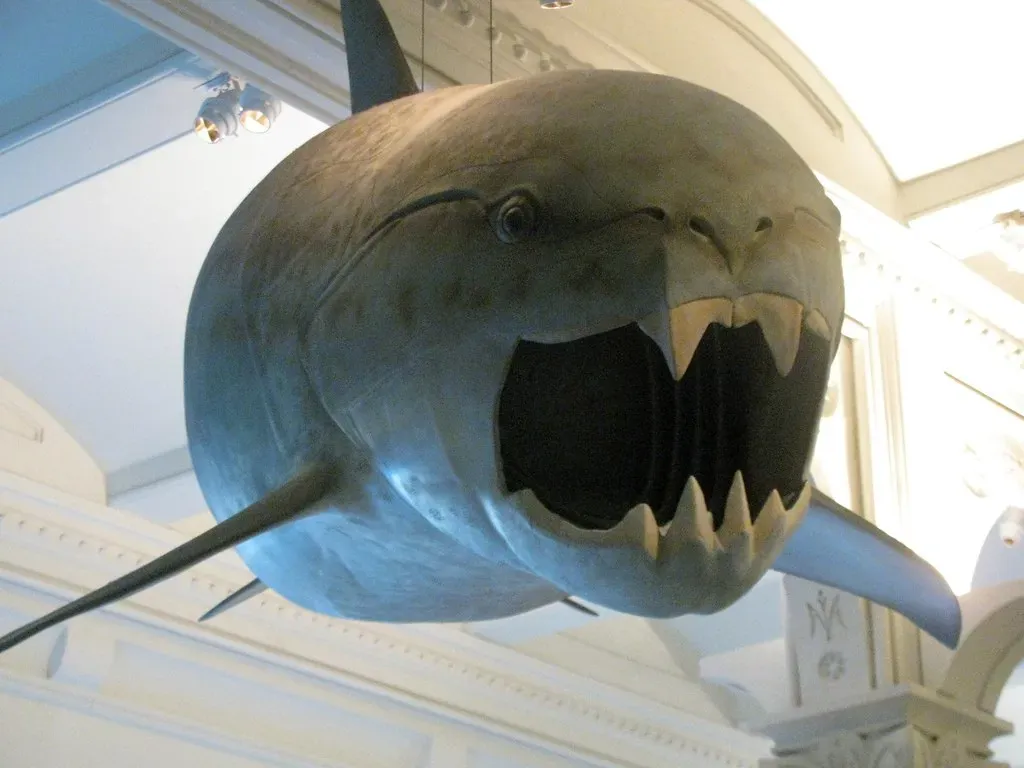
Dunkleosteus was one of the largest and most fearsome prehistoric fish, with a heavily armored head and thorax. Its jaws were equipped with sharp, bony plates that acted like shears, capable of cutting through the toughest prey. This fearsome prehistoric fish is thought to have had one of the strongest bite forces of any known animal. You won’t find teeth in the traditional sense, just bone-edged plates that worked like industrial scissors.
Dunkleosteus lived during the Devonian Period, millions of years before the arrival of the dinosaurs. Likely an apex predator in its marine environment, Dunkleosteus fed on other fish and marine animals. Its powerful bite and massive size would have made it a dominant force in the Devonian seas. This was an era when fish, not reptiles, ruled the water, and Dunkleosteus sat at the very top of that food chain.
4. Megalodon Teeth Were Once Believed to Be Dragon Tongues
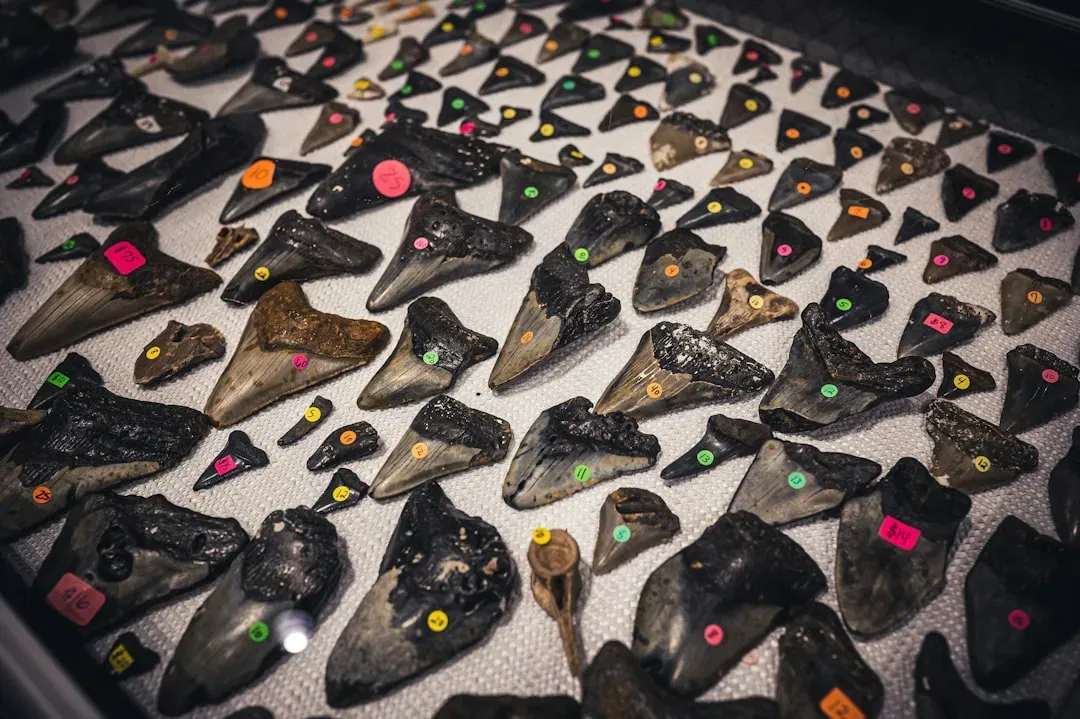
In the Middle Ages, Europeans thought Megalodon teeth were “tongue stones” or petrified tongues of dragons and snakes. Megalodon teeth were worn as pendants and used in medicine. It wasn’t until 1667 that the Danish naturalist Nicolas Steno correctly identified them as shark teeth, which was a genuinely revolutionary moment in the history of fossil science.
While regarded as one of the largest and most powerful predators to have ever lived, Megalodon is only known from fragmentary remains, and its appearance and maximum size are uncertain. Scientists have argued whether its body form was more stocky or elongated than the modern lamniform sharks. Maximum body length estimates between roughly 47 and 80 feet based on various analyses have been proposed. Megalodons had around 276 teeth on average, and like many other shark species, they replaced their teeth continually. Because of this, one Megalodon could produce up to 40,000 teeth in its lifetime.
5. The First Whales Evolved From Land-Dwelling Animals
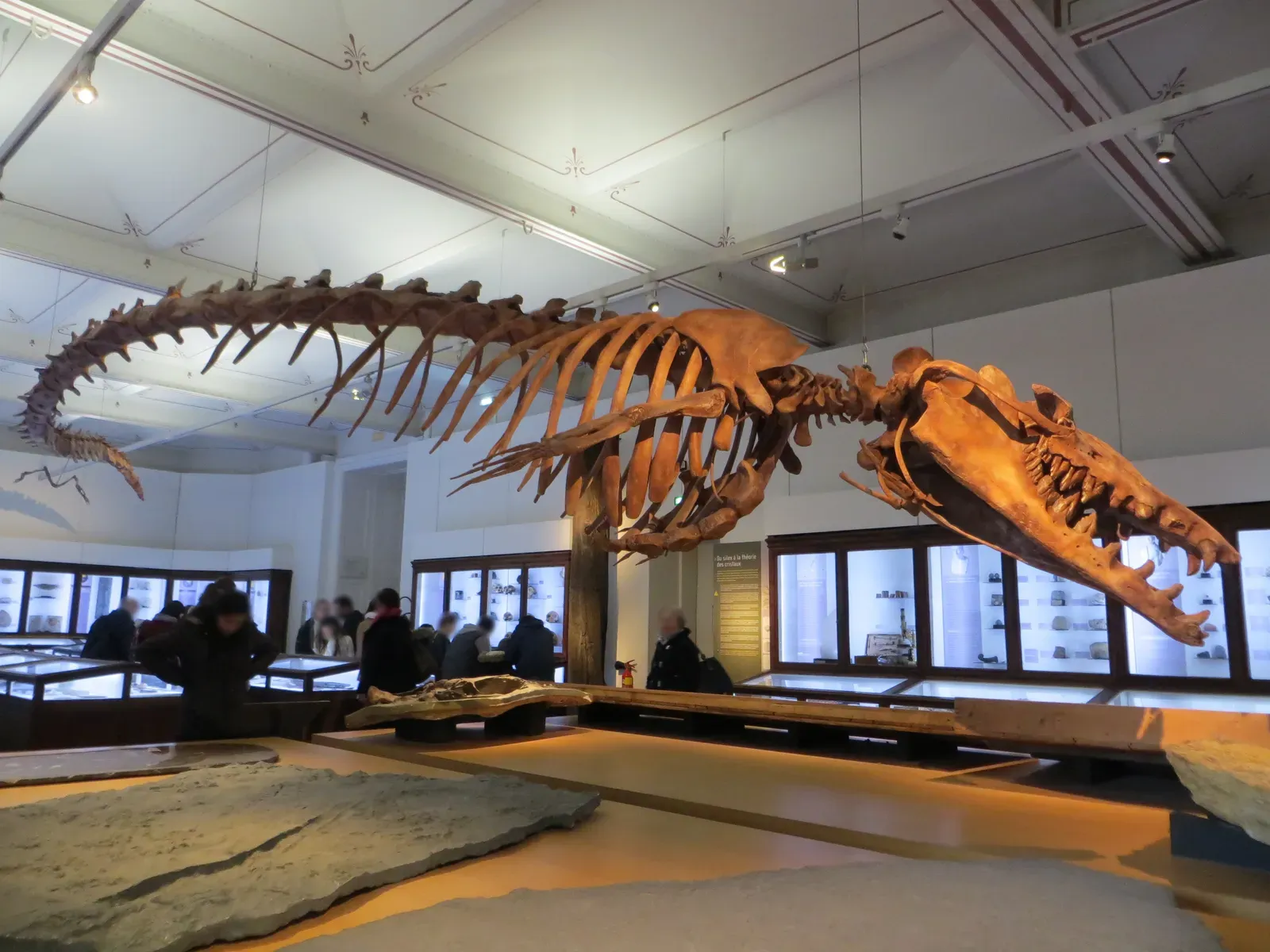
Basilosaurus, meaning “king lizard,” is a genus of large, predatory, prehistoric archaeocete whale from the late Eocene, approximately 41.3 to 33.9 million years ago. First described in 1834, it was the first archaeocete and prehistoric whale known to science. Its misleading name stuck permanently because zoological rules require you to keep the original designation, even when it’s wildly wrong.
Basilosaurus evolved from a land-dwelling animal. These terrestrial roots can be seen on its body, which had tiny hind limbs that would have been of little use in water. Its modern descendants, blue whales, orcas, and dolphins, also possess these evolutionary “leftovers,” though theirs are internalized and truly vestigial. You’re essentially looking at a bridge between the world of land and sea every time you picture a whale.
6. Sea Scorpions Were Larger Than a Human Being
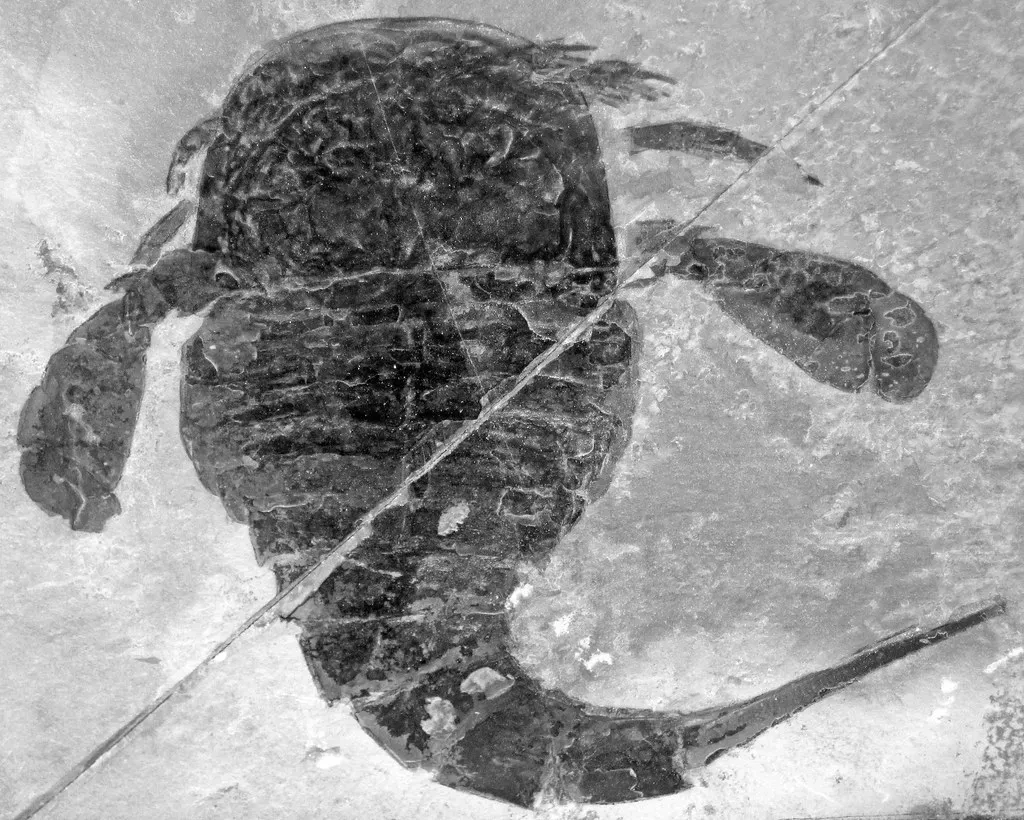
Sea scorpions, or eurypterids, were a group of ocean-dwelling arthropods that resembled modern-day scorpions. What made them strange? Some were enormous compared with scorpions living today. For example, one eurypterid fossil found in New York is estimated to have come from a sea scorpion larger than a human. Members of this group could exceed 8 feet in length, according to the Yale Peabody Museum of Natural History in Connecticut.
Sea scorpions terrorized the seas for more than 200 million years, until they went extinct at the end of the Permian period. That’s an extraordinary run, more than double the time that has passed since the extinction of non-avian dinosaurs. You have to pause and let that number sink in before moving on.
7. The “Great Dying” Nearly Ended Ocean Life Entirely
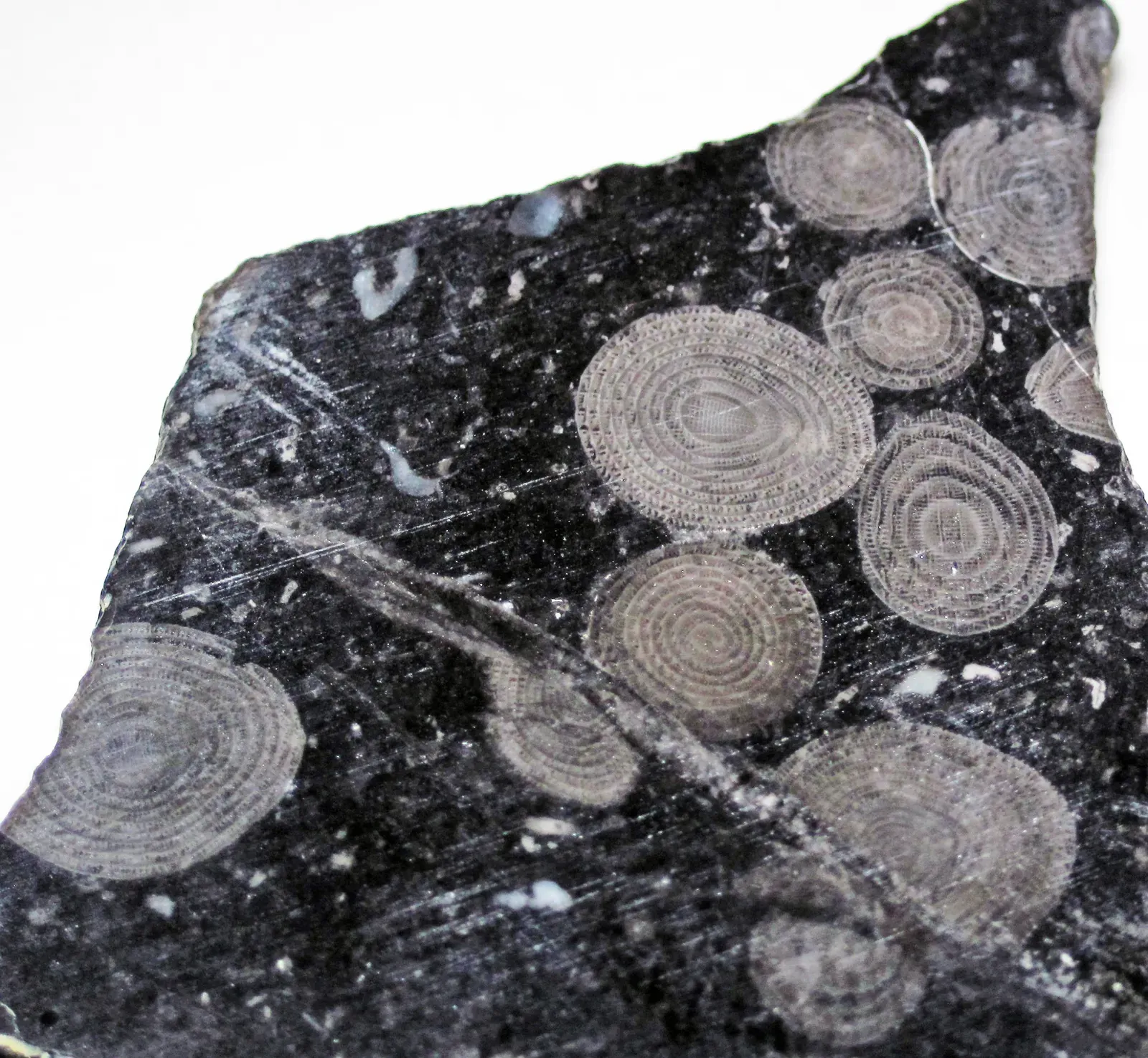
The Permian-Triassic extinction event, colloquially known as the Great Dying, was an extinction event that occurred approximately 251.9 million years ago, at the boundary between the Permian and Triassic geologic periods. It is Earth’s most severe known extinction event, with the extinction of the vast majority of biological families, genera, marine species, and terrestrial vertebrate species. Nothing in the planet’s history has come close to that level of devastation.
Scientists have debated what made Earth’s oceans so inhospitable to life that roughly 96 percent of marine species died off at the end of the Permian period. New research shows the “Great Dying” was caused by global warming that left ocean animals unable to breathe. Life on Earth took about 10 million years to recover fully from the devastation. Ten million years is a timeline difficult to truly imagine, but that’s how deep the reset went.
8. Mosasaurs Were Actually Giant Lizards, Not Sea Dinosaurs
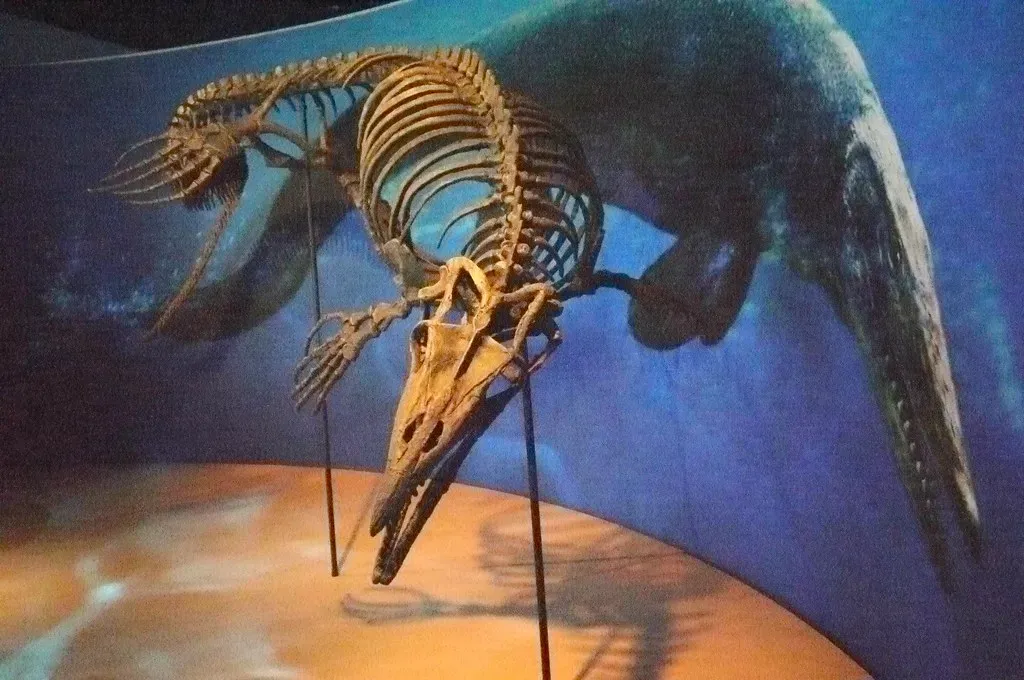
Following the extinction of the ichthyosaurs and pliosaurs, it was the turn of the Mosasaurs to dominate the oceans of the Late Cretaceous. These large, predatory marine reptiles belong to the reptile group Squamata, which is also home to lizards and snakes. They are thought to have evolved from small, coastal lizards, and may be related to monitor lizards. So when you see a Mosasaurus in a film, you’re looking at a cousin of the Komodo dragon, just scaled up to the size of a school bus.
The strong jaws of mosasaurs were lined with sharp teeth, enabling them to hunt a wide variety of prey, including fish, sharks, cephalopods, and even other marine reptiles. Their anatomy suggests they were fast and agile swimmers, capable of ambushing or pursuing their prey. Mosasaurs are considered one of the top marine predators of their time, and their widespread fossil distribution highlights their success and adaptability in ancient marine ecosystems.
9. Horseshoe Crabs Have Been Virtually Unchanged for 450 Million Years
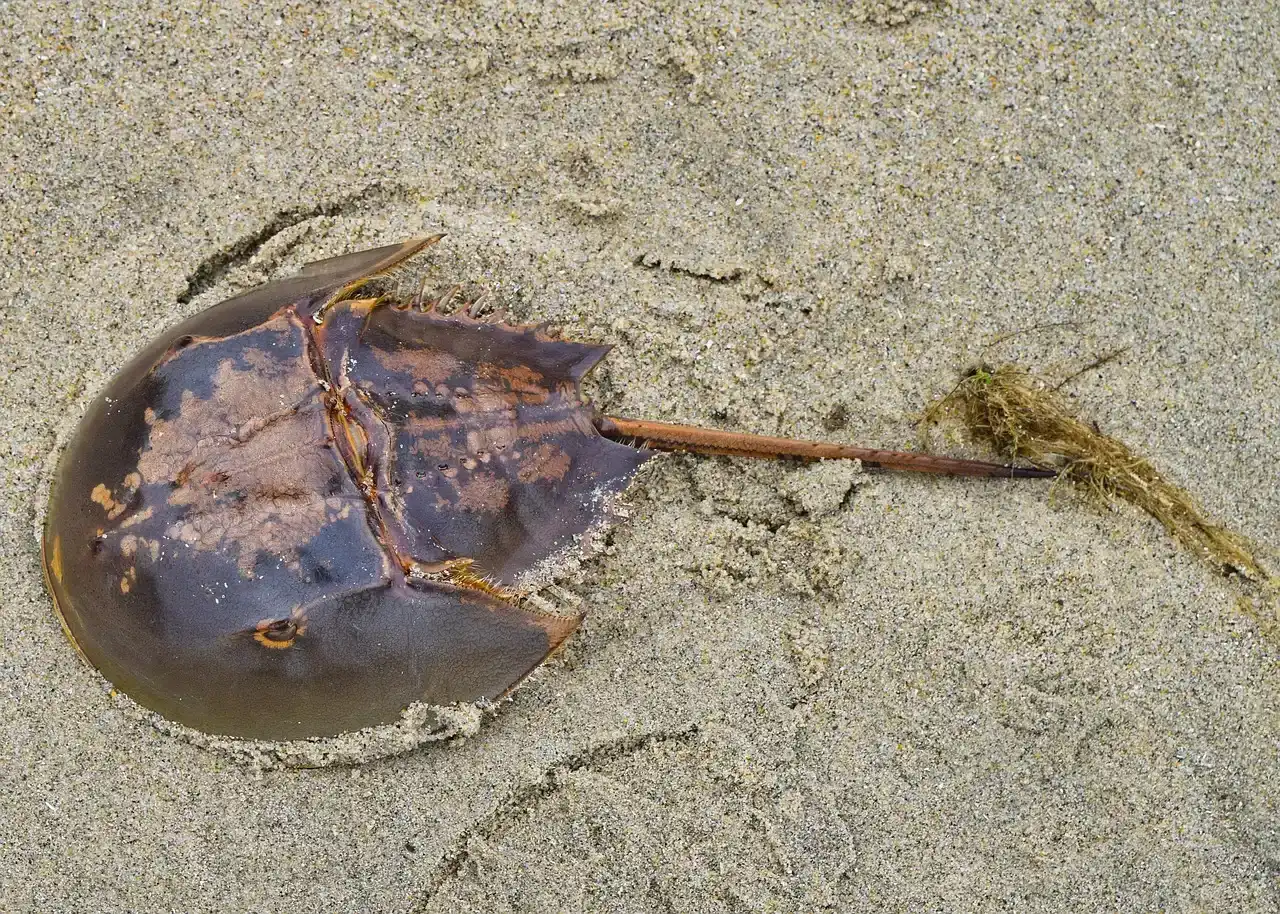
The horseshoe crab stands as a marvel of evolution, having thrived for 450 million years. Often mistaken for crabs, these ancient arthropods are more closely related to spiders and scorpions. With their distinctive three-part body structure and ten eyes, horseshoe crabs play a critical role in coastal ecosystems and the biomedical industry. You’ve likely benefited from this animal without ever realizing it.
Their blue blood, vital for ensuring the safety of medical products, clearly shows their importance beyond the ocean. That blue blood is used to detect bacterial contamination in vaccines, IV fluids, and surgical instruments, making this prehistoric survivor one of the most medically important animals alive today. Dating back over 400 million years, many of these ocean survivors first emerged during prehistoric periods when the Earth was a vastly different place. Despite mass extinctions and shifting ecosystems, they’ve managed to preserve much of their ancient characteristics.
10. Jellyfish Have Been Floating Through the Ocean for Over 500 Million Years
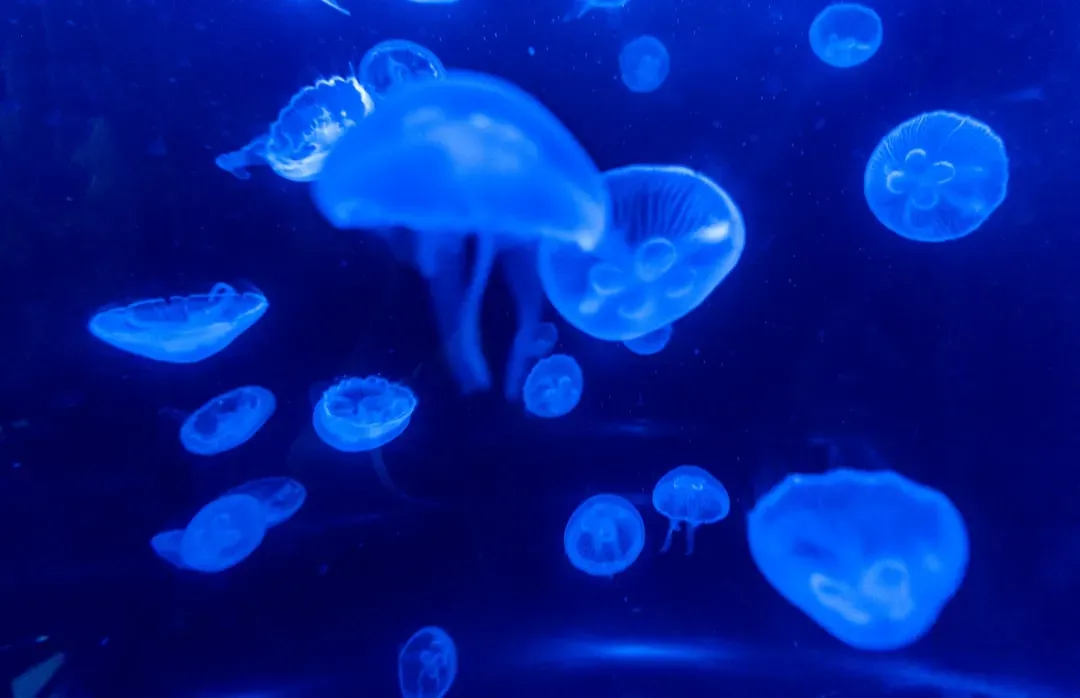
Jellyfish, with their ancient lineage, have floated through the ocean’s history for over 500 million years. These captivating prehistoric sea creatures reveal the mysteries of marine life with their gelatinous bodies and mesmerizing movements. Though their soft structures make fossilization rare, their existence in the ocean is a testament to their adaptability. They survived the Great Dying, the asteroid that finished off the dinosaurs, and every other catastrophe in between.
Some species existed for a geological moment before they went extinct, while others slowly adapted to changing seas. Evolution takes time, and when the ocean changed too rapidly for species to respond, mass extinctions occurred across the globe. This has happened five times and could happen again. Jellyfish, somehow, have navigated all five, a quiet reminder of just how flexible and resilient life can be when given enough time.
Conclusion
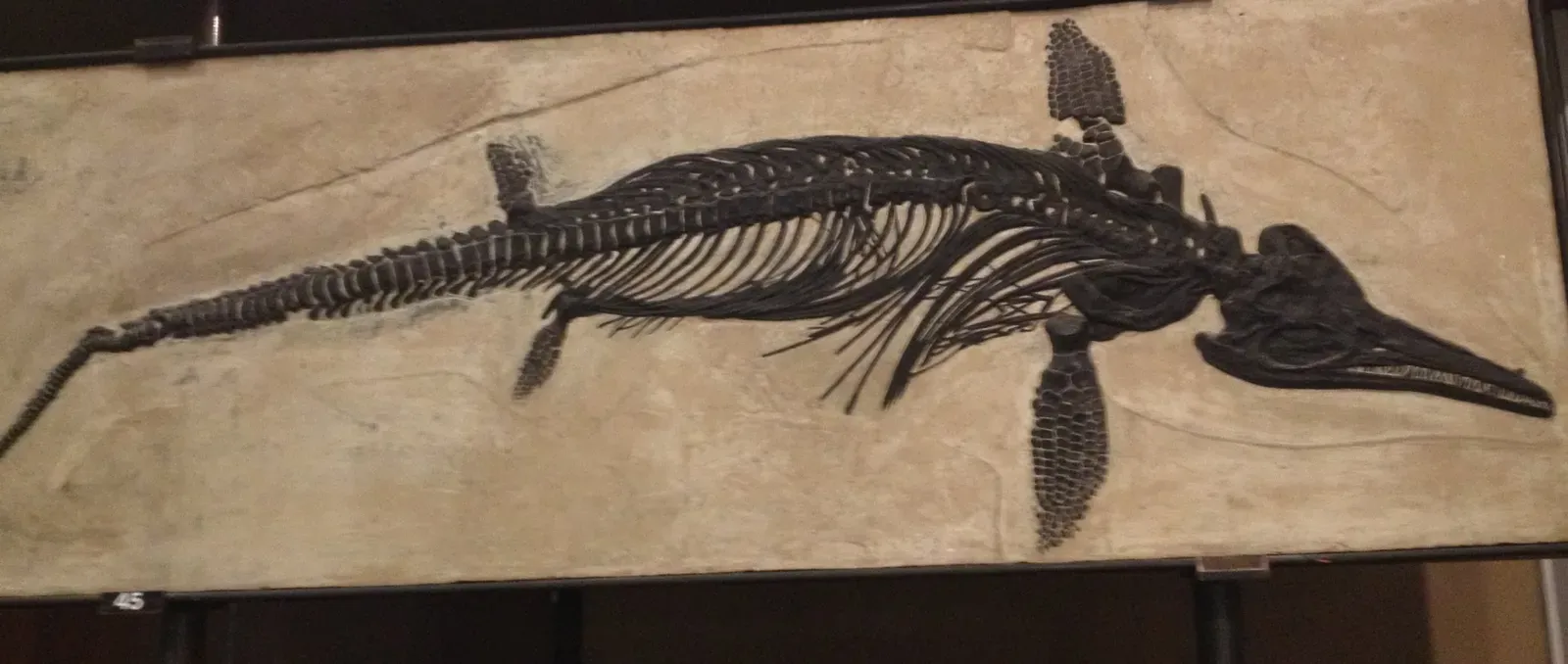
The prehistoric ocean wasn’t simply an older version of the one you know today. It was stranger, fiercer, and shaped by events so dramatic they’re almost hard to picture. Creatures with five eyes, armored fish with bone-blade jaws, ancient whales with legs, and scorpions the size of people, all of these were real, and all of them left a mark on the world you’re living in right now.
What makes these discoveries genuinely extraordinary is that they keep coming. Fossil beds continue to yield new species, new behaviors, and new clues about how life bent and adapted over hundreds of millions of years. The ocean’s history isn’t finished being written, and every find adds another chapter to a story far bigger than any single creature in it.