You probably grew up with the same Jurassic images as everyone else: a lone T. rex roaring on a cliff, a few long‑necked dinosaurs wandering across a dusty plain, and maybe a Stegosaurus thrown in for good measure. But if you focus on the Jurassic chapter of North America, the real story is far stranger, richer, and more crowded than the movies ever show you. Hidden in bands of rock across the western United States is the record of an entire lost world where predators the size of buses stalked herds of long‑necked giants under forests of conifers and giant ferns.
When you look a little closer, you realize you are not just dealing with a handful of famous dinosaurs, but with a whole ecosystem that ran for millions of years. Sauropods with different neck lengths and tooth shapes competed for food; big hunters jostled for top‑predator status; smaller, fast‑moving plant‑eaters darted between the legs of giants. As you explore that world, you start to see how these Jurassic giants reshaped the land, the climate, and even the future of life on Earth in ways that still echo today.
The Morrison Formation: Your Time Machine to the Late Jurassic
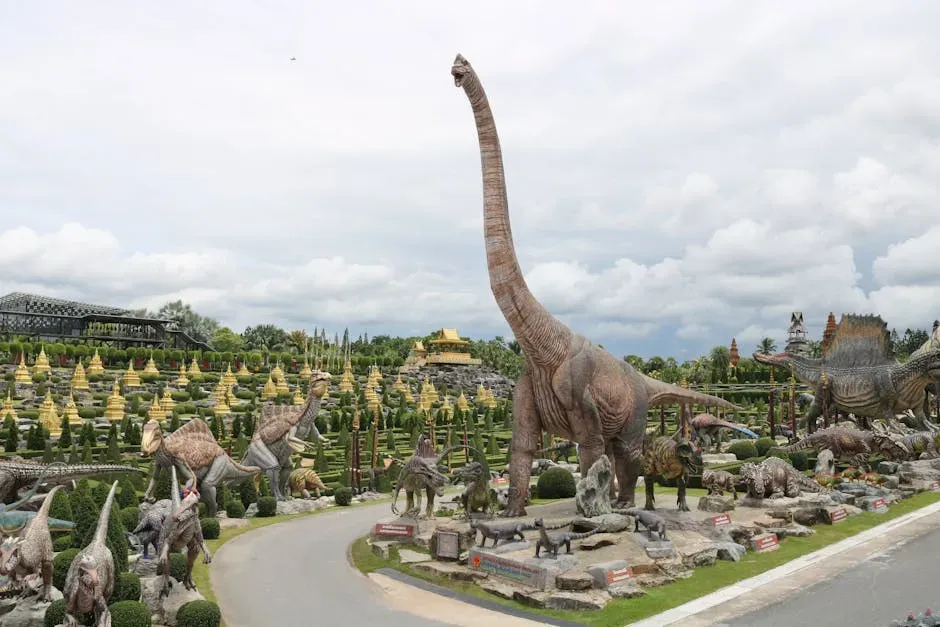
If you want to step into Jurassic North America, you start with one name: the Morrison Formation. You can think of it as a gigantic, natural library of mudstones and sandstones stretching from New Mexico up into Montana, preserving river plains, floodplains, and lakes that were laid down roughly between about one hundred fifty‑six and one hundred forty‑seven million years ago. When you walk the modern landscape there – dry, open country with scattered shrubs – it is hard to picture that you are standing where lush woodlands and wetlands once supported some of the largest land animals that ever lived. Yet this layer has yielded so many bones that it has become the most famous source of Jurassic dinosaurs in North America.
In this single rock formation, you find a lineup of names you already know: Allosaurus, Ceratosaurus, Stegosaurus, Apatosaurus, Brachiosaurus, Camarasaurus, Diplodocus, and many more. You are essentially looking at an entire food web frozen in stone, from giant sauropods to mid‑sized plant‑eaters to small, bird‑like hunters. Most of the fossils come from old river channels and floodplains, where carcasses washed together or dried out in droughts, leaving bone beds that modern crews can spend decades excavating. When you stand in front of a Morrison Formation skeleton in a museum, you are seeing not just a dinosaur but a tiny piece of a sprawling, interconnected Jurassic landscape.
Living Among Giants: Sauropod Superherds of the West
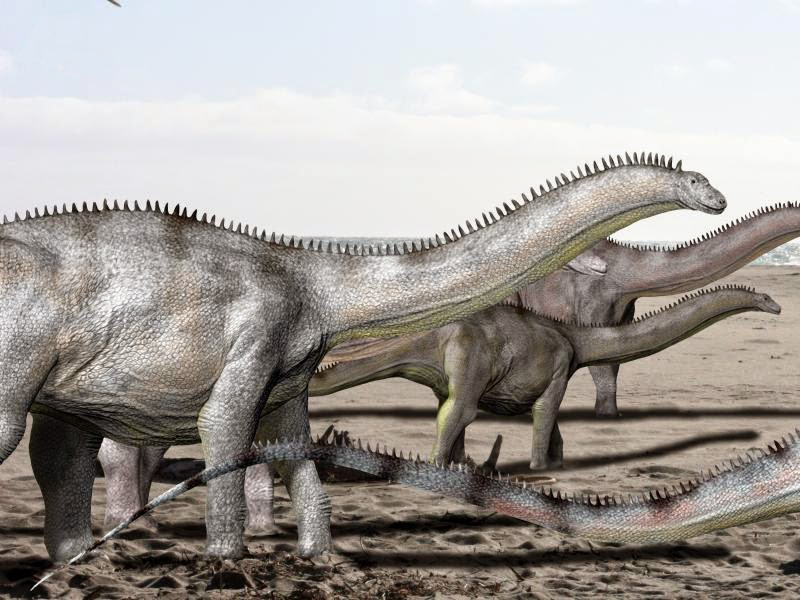
When you picture a long‑necked dinosaur, you are probably imagining a Morrison sauropod without realizing it. In this one region, you meet Apatosaurus with its massive, muscular build; Diplodocus with its whip‑like tail; Camarasaurus with a shorter, sturdier neck and boxy skull; Barosaurus with an extremely elongated neck; and the towering Brachiosaurus with front legs taller than its hind legs. You are not just looking at a few oddities; you are seeing a whole guild of giant plant‑eaters, each with its own way of feeding, moving, and surviving. It is like walking into a modern savanna and finding elephants, giraffes, rhinos, and hippos all sharing the same river system but using it differently.
You might wonder how such enormous animals all found enough food without stripping the land bare. The answer lies in how they partitioned their world. Some of these sauropods seem adapted to browse higher in the canopy, others lower; some had teeth better for tough, fibrous plants, while others probably grazed softer vegetation. Forests of conifers, ginkgos, cycads, and ferns spread across the floodplains, and these animals likely kept moving, traveling in herds between wetter and drier patches as seasons shifted. When you see their trackways and bone beds, you are catching glimpses of ancient migration routes and social groups that must have reshaped forests the way modern elephants do today.
Allosaurus and Other Apex Predators You Would Not Want to Meet
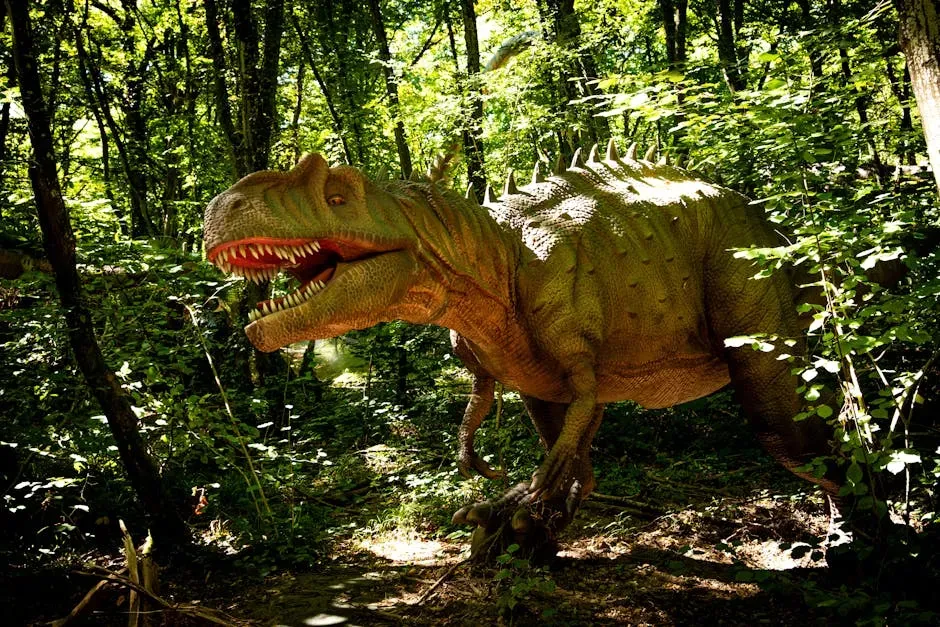
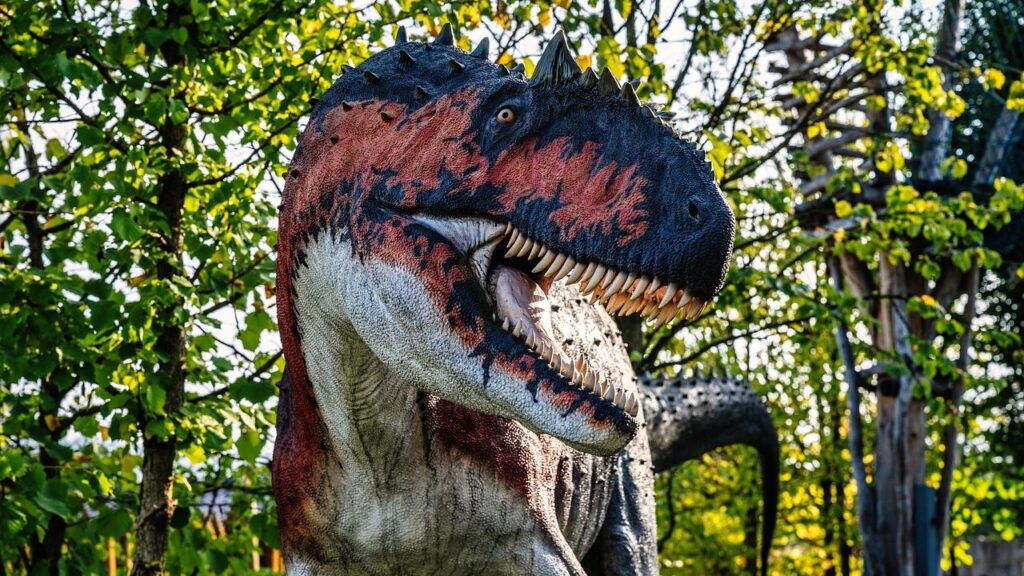
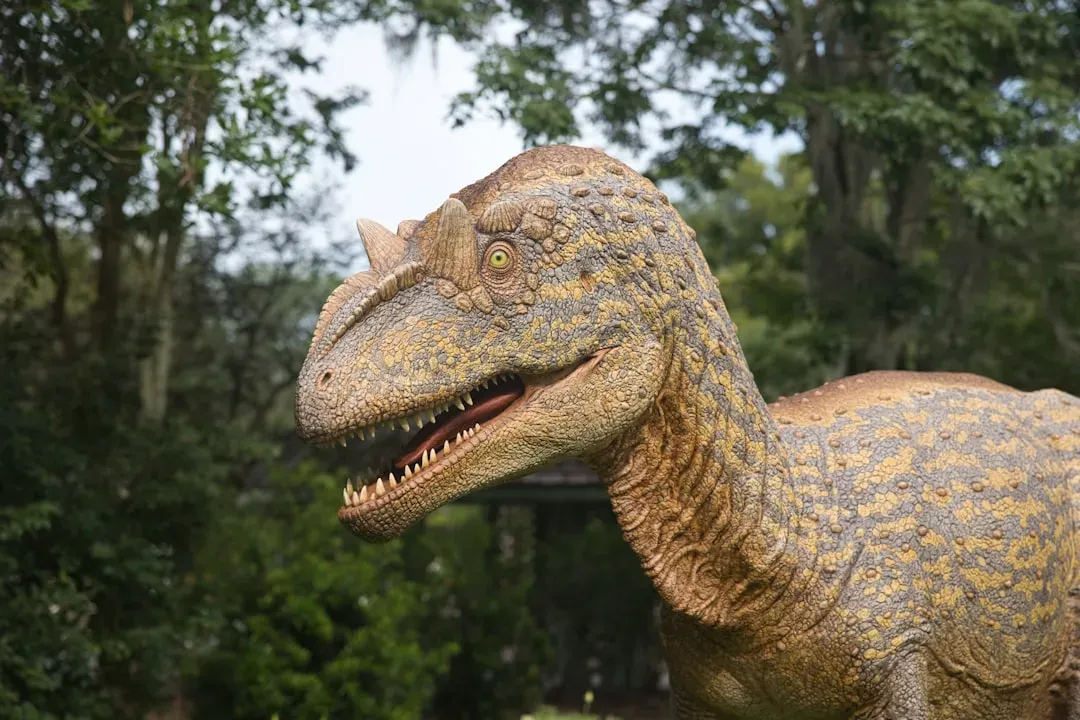
No story about North America’s Jurassic giants is complete until you step into the jaws of Allosaurus. If you were unlucky enough to meet one in life, you would be facing a predator several meters long with a big skull full of serrated teeth and powerful, clawed arms. Allosaurus was not alone at the top of the food chain: Ceratosaurus, with its blade‑like teeth and distinctive horn on its snout, and the even more robust Torvosaurus shared the same landscapes. You are essentially looking at a Jurassic version of modern big‑cat rivalries – lions, leopards, and hyenas overlapping territories and sometimes competing over carcasses.
When you think of how these predators hunted, it helps to imagine a mixed strategy rather than one movie‑style attack. Some researchers propose that Allosaurus might have used its skull almost like a hatchet, striking and pulling to tear flesh from giant sauropods. Others point out that mid‑sized herbivores such as Camptosaurus or Dryosaurus would have been easier, more frequent meals. Bite marks on bones, healed injuries, and bones found together hint that these predators scavenged as well as hunted, and may have squabbled over kills. If you had been there, you would have seen not a single “king of dinosaurs,” but a complex web of carnivores all pushing against each other to survive.
Stegosaurus and the Armored Underdogs of the Jurassic
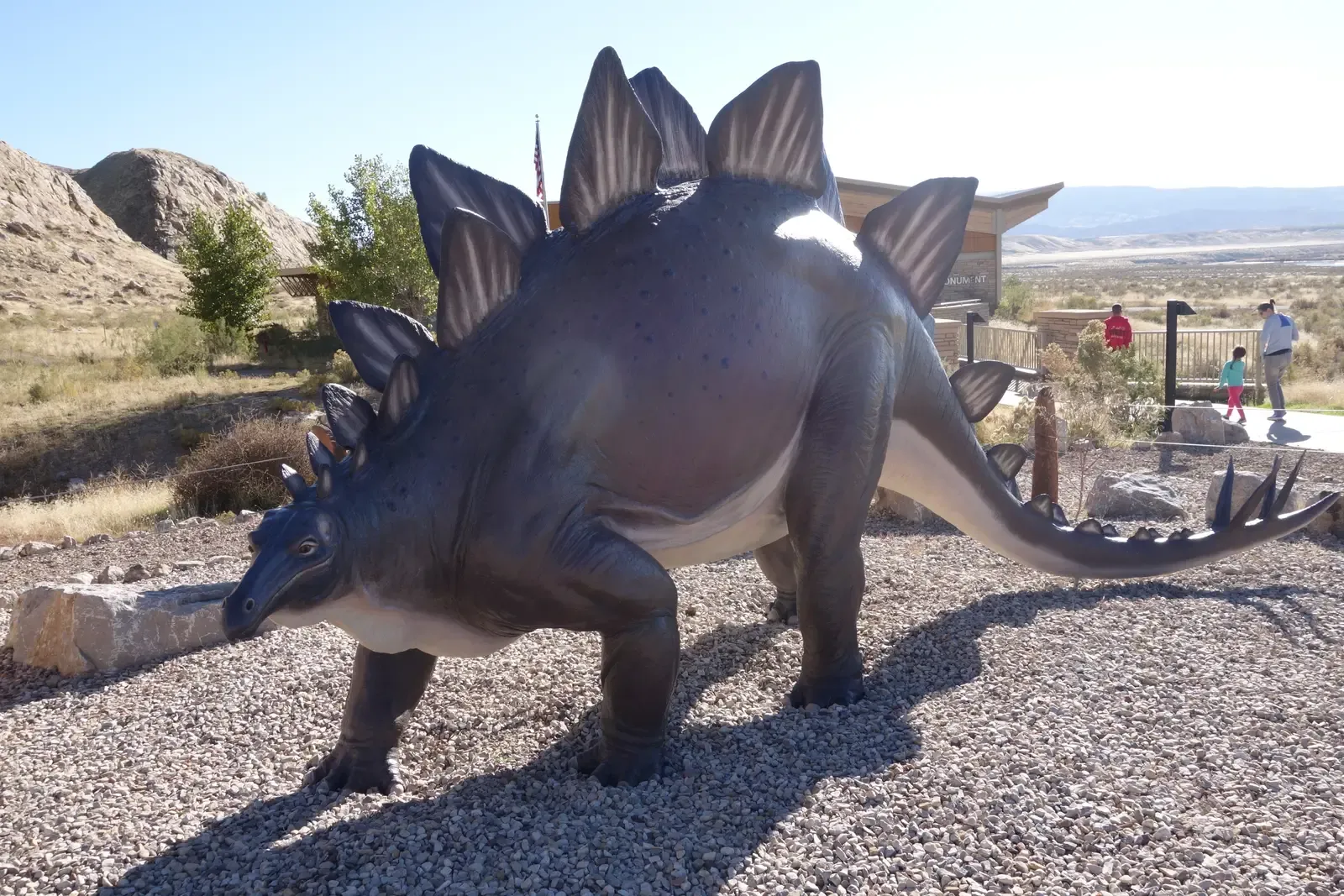
Stegosaurus tends to be treated like background scenery in dinosaur art, but if you had walked into a Morrison floodplain, you would have taken it very seriously. Imagine a bus‑sized animal with a double row of tall plates running down its back and a tail tipped with long, sharp spikes capable of punching deep into flesh and bone. You are looking at a plant‑eater that evolved an entire arsenal just to keep from being eaten. Those famous plates may have helped with display or temperature control, but from your point of view, the real story is the business end of that tail, which could turn an approaching predator into a very sorry pile of meat.
Stegosaurus was not the only armored dinosaur in Jurassic North America, either. Early ankylosaur relatives such as Mymoorapelta and Gargoyleosaurus carried bony armor plates across their backs, hinting at a trend toward heavier, low‑slung tank‑like bodies that would later dominate in the Cretaceous. When you picture the Morrison ecosystem with these animals included, the scene changes: you are not just looking at graceful long‑necks and sprinting hunters, but also at heavily defended, low‑browsing plant‑eaters lurking in the undergrowth. Their presence tells you that predator pressure was intense enough that evolving armor was worth the cost in speed.
The Small, Quick, and Easily Overlooked Jurassic Players
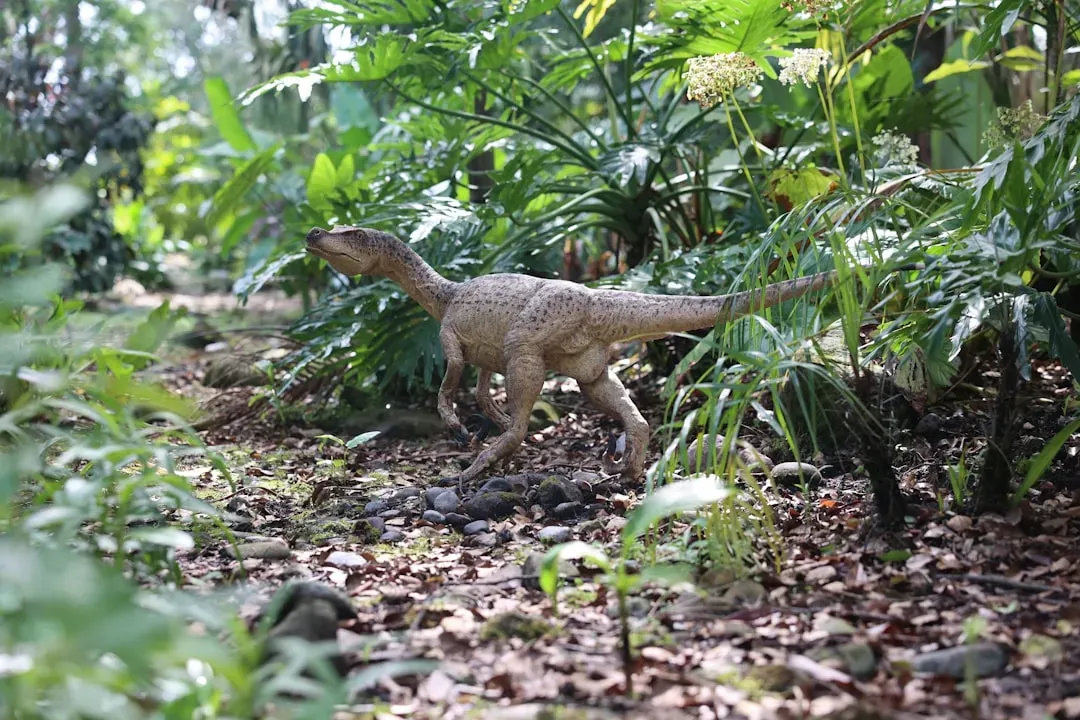
It is tempting to focus on giants, but if you only look up, you miss half the story under your feet. In the same rocks that give you towering sauropods, you also find smaller, fast‑moving dinosaurs like Dryosaurus and Camptosaurus, which likely relied on speed and agility more than bulk. You are also dealing with tiny, sharp‑toothed hunters like Ornitholestes and bird‑like troodontids that hint at the early stages of the line that would eventually produce modern birds. A Morrison landscape in your mind should include flocks and herds of these smaller animals weaving between the legs of giants and dashing for cover at the first hint of danger.
Beyond dinosaurs, you would have shared the Jurassic West with crocodile relatives, turtles, early mammals the size of shrews or rats, and lizards such as Schillerosaurus. These creatures rarely get museum‑hall treatment, but they tell you crucial things about how the ecosystem worked from the ground up. Insects, small vertebrates, and plant seeds would have circulated energy through the system long before it reached the sauropods and big predators. When you step back, you realize that the Morrison Formation preserves not just giants, but an entire layered community, where each small actor played a role in keeping the whole machine running.
Forests, Floodplains, and Climate: The World You Would Have Walked Through
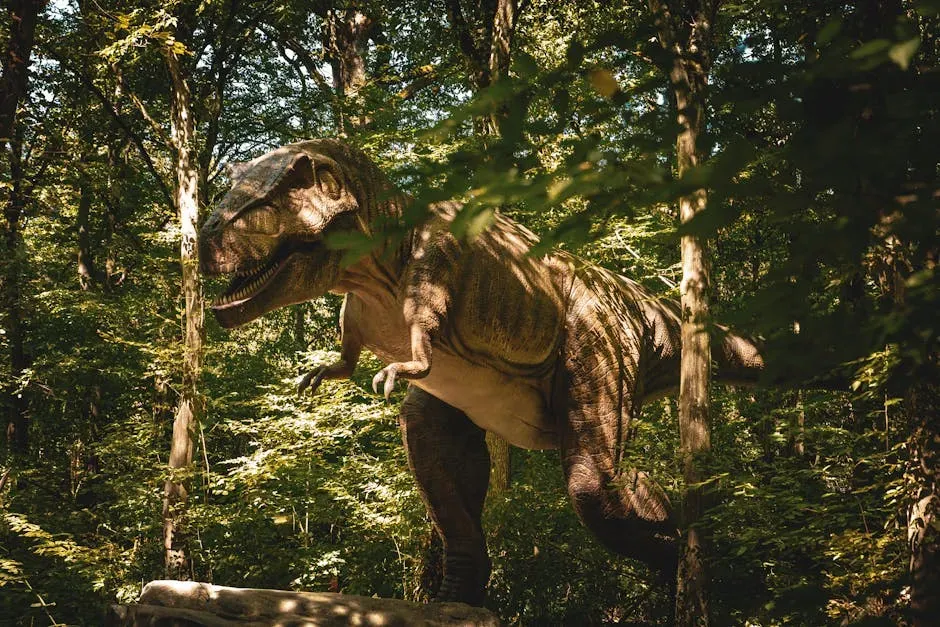
To really feel this Jurassic world, you need to picture the environment under your feet and over your head, not just the animals. Instead of flowering plants and grasses, you would walk through forests dominated by conifers like redwood‑style trees, along with ginkgos, cycads, tree ferns, and thickets of horsetails around waterlogged areas. Much of the Morrison region appears to have been a mosaic: some zones drier and more open, others wetter and more wooded, with big rivers weaving across broad floodplains. You would find mud, shallow lakes, and stream channels that shifted over time, burying bones in the process.
For years, artists tended to show this world as a dry, dusty desert with a few scattered trees, but newer research points you toward a wetter, more varied picture in many areas. Groundwater and local climate patterns likely supported substantial vegetation, enough to feed sauropods the size of small buildings. Seasonal changes probably brought cycles of drought and flood, just as large river systems do today. When you imagine herds of sauropods moving between wetter and drier regions, and predators tracking them, you start to see a dynamic landscape rather than a static backdrop – one that shaped dinosaur evolution as much as the dinosaurs shaped it.
How You Actually Know Any of This: From Bone Wars to Modern Tech
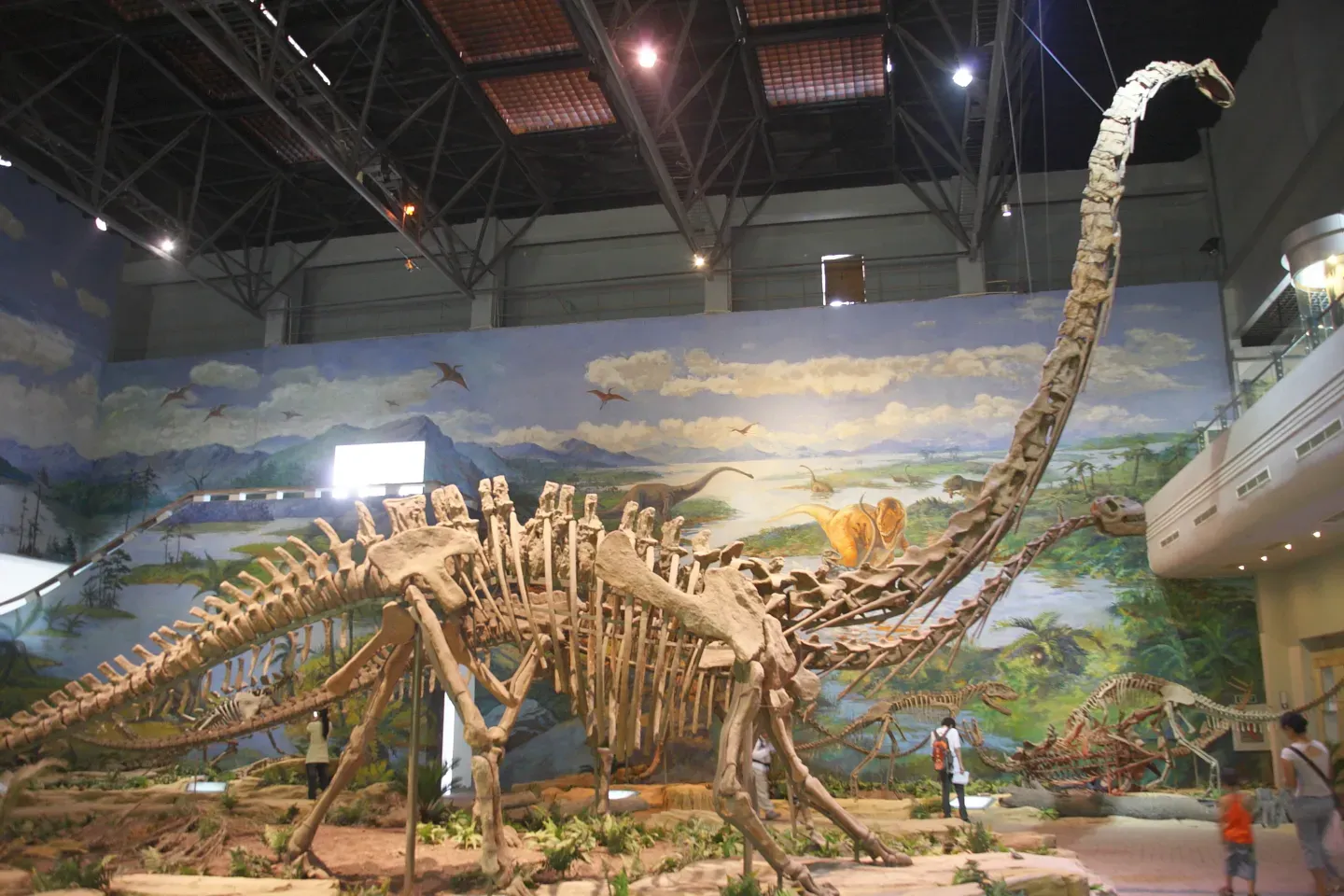
Uploaded by FunkMonk, CC BY-SA 2.0)
The untold part of the story is how you came to know these giants in the first place. In the late nineteenth century, rival paleontologists in the so‑called Bone Wars raced across the American West, blasting hillsides and shipping crates of fossils east in a fierce competition to name new species. Their work was messy and sometimes reckless, but it also brought Apatosaurus, Diplodocus, Stegosaurus, and many others into public view. If you have ever stared up at a long‑necked skeleton in a grand museum hall, you are partly seeing the outcome of that rivalry, for better or worse.
Today, your picture of Jurassic North America is getting sharper thanks to tools those early collectors could not have imagined. CT scanning lets you peer inside skulls and bones without breaking them, revealing brain shapes, inner ears, and growth patterns. Computer modeling helps you test how a Diplodocus tail might have moved or how an Allosaurus bite force compares to a modern predator. Detailed sediment studies and isotope analyses allow you to reconstruct diets, migration, and climate. Every time a new quarry is opened or an old specimen is re‑examined with new techniques, your view of these giants shifts a little closer to reality.
What These Jurassic Giants Can Teach You About Life Today
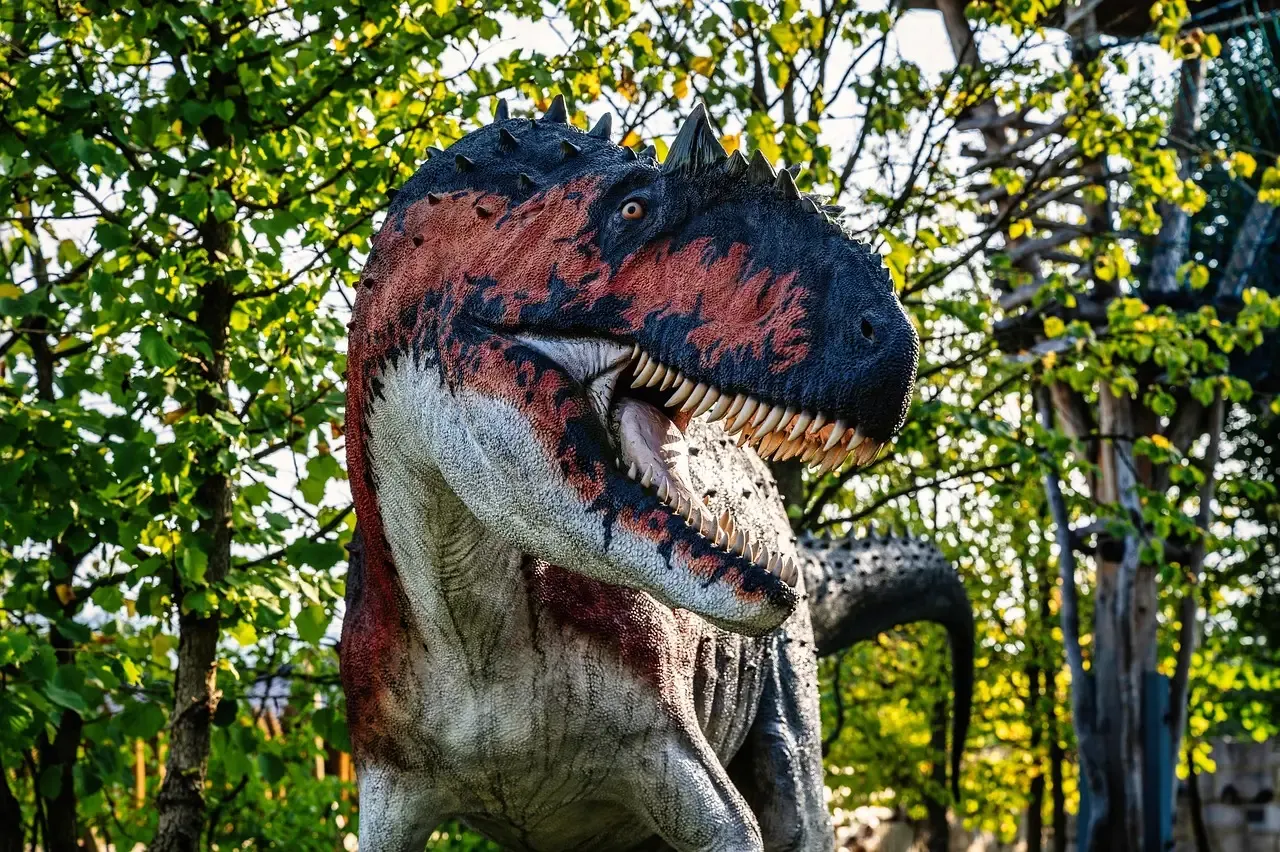
It might feel like this is all just ancient history, but the Jurassic giants of North America still have a lot to say about your world. When you watch how multiple huge herbivores coexisted, you gain clues about how ecosystems handle very large animals, and what happens when climate or vegetation changes. The rise and eventual disappearance of these sauropods show you that even the most successful, massive creatures are deeply tied to the environments that support them. If those environments shift too far or too fast, size and strength stop being an advantage.
At the same time, the persistence of small mammals, lizards, and early bird‑like dinosaurs through all this upheaval reminds you that resilience often hides in unassuming forms. The giants seize your imagination, but the tiny survivors carry the story forward. When you look at modern biodiversity crises and climate change, the Jurassic record gives you a long, sobering view: ecosystems can reorganize, but they do not always keep their biggest and most spectacular members. In that sense, every time you stand beneath a mounted sauropod skeleton, you are getting a quiet warning about how fragile grandeur can be.
Conclusion: Stepping Back from the Bones
When you put all of these threads together – sauropod superherds, competing apex predators, armored underdogs, quick little runners, and lush, shifting floodplains – you realize that North America’s Jurassic giants were not isolated marvels but parts of an intricate, living puzzle. You are not just learning names and lengths; you are seeing how energy flowed from ancient forests into massive bodies, how competition and cooperation shaped evolution, and how entire landscapes rose and fell around these animals. The “untold” part of the story is not that the dinosaurs were bigger or fiercer than you thought, but that their world was more complex, more crowded, and more familiar in its ecological rhythms.
The next time you walk into a museum gallery and look up at an Allosaurus skull or a Diplodocus neck stretching overhead, try to imagine the forest scents, the muddy riverbanks, and the distant rumble of sauropod herds that went with those bones. You are peeking through a very narrow window into a world that thrived for millions of years before vanishing completely, leaving only rock and questions. That lingering mystery is part of what keeps you coming back to these fossils, searching for new clues in old bones. When you picture that lost world now, does it look anything like what you once imagined?