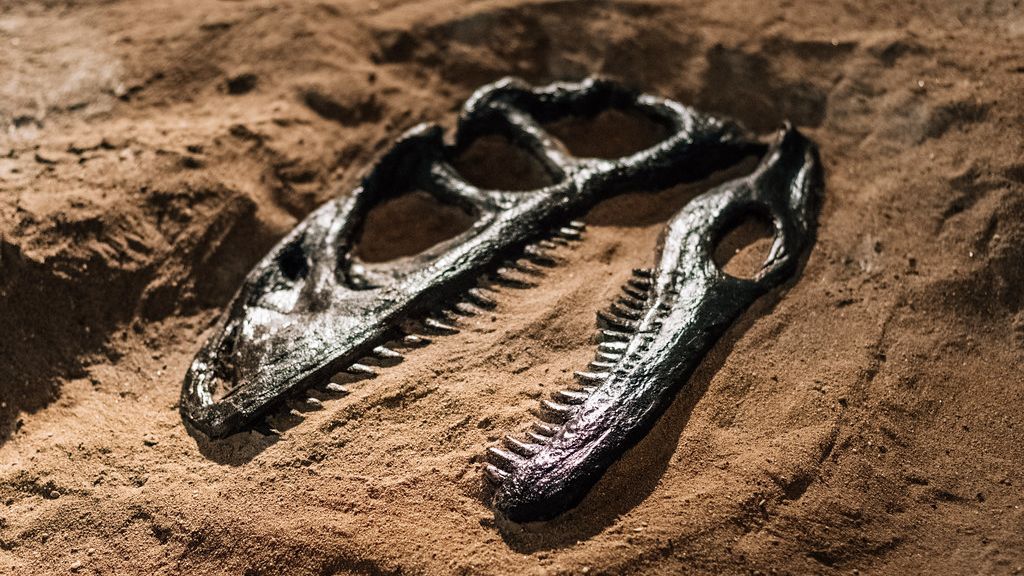
The Mesozoic Era, spanning from approximately 252 to 66 million years ago, was a dynamic period of Earth’s history dominated by dinosaurs. Beyond the fascinating creatures that roamed the planet, this era was characterized by tremendous geological activity that shaped continents, transformed ecosystems, and ultimately contributed to one of the most significant mass extinctions in Earth’s history. The dinosaurs lived through periods of intense tectonic movement, volcanic eruptions of unprecedented scale, and finally faced a catastrophic extinction event that would forever change the course of life on our planet. This geological backdrop provides crucial context for understanding how dinosaurs evolved, thrived, and ultimately disappeared, revealing the complex interplay between Earth’s internal processes and the development of life.
The Tectonic Landscape of the Mesozoic

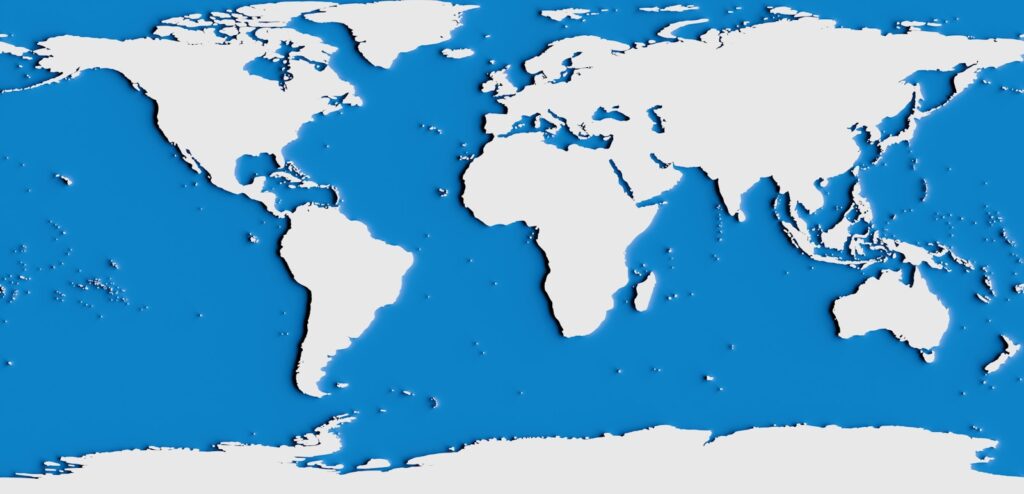
The Mesozoic Era began with all continents fused together in the supercontinent Pangaea, creating a dramatically different world from the one we know today. Throughout the Triassic, Jurassic, and Cretaceous periods, tectonic forces gradually pulled these landmasses apart, forming new oceans and reshaping coastlines. This continental drift profoundly influenced dinosaur evolution, creating geographical barriers that led to the development of distinct species on different landmasses. The breakup accelerated during the Jurassic, with Pangaea splitting into Laurasia in the north and Gondwana in the south, creating new ecological niches and environmental pressures that drove adaptive radiation among dinosaur species. By the Late Cretaceous, the continents were approaching their modern positions, though still notably different from today’s configuration, with higher sea levels creating extensive shallow seas across continental interiors.
Major Fault Systems and Earthquake Activity
The Mesozoic Era featured extensive fault systems that generated significant seismic activity as tectonic plates separated. Rift valleys formed as continental crust stretched and thinned, creating fault-bounded troughs that became sites of intense earthquake activity. Paleoseismology—the study of prehistoric earthquakes—suggests the Mesozoic experienced frequent and powerful seismic events along these active fault zones. Evidence for these ancient earthquakes includes preserved fault scarps, sedimentary disruptions, and liquefaction features found in Mesozoic rock layers. While dinosaurs undoubtedly experienced earthquakes throughout their 165-million-year reign, these events, though potentially locally devastating, typically represented regional rather than global threats to dinosaur populations. The ongoing seismic activity contributed to the dynamic landscape evolution that characterized the age of dinosaurs, creating new habitats and ecological opportunities.
The Siberian Traps: A Volcanic Catastrophe
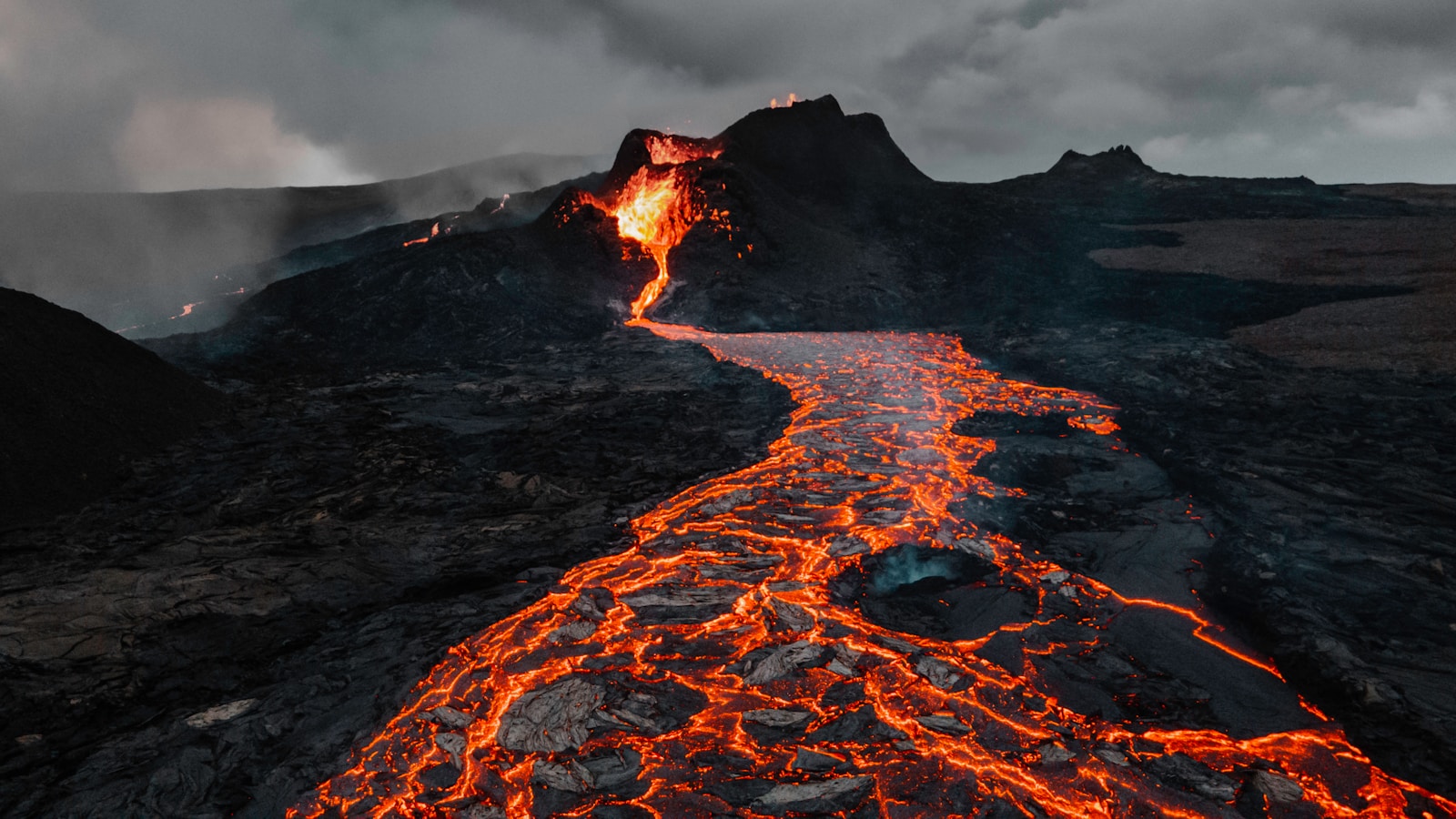
Although occurring just before dinosaurs rose to dominance, the Siberian Traps eruptions set the stage for the Mesozoic Era by triggering the end-Permian extinction that cleared ecological space for dinosaur evolution. These flood basalt eruptions, beginning around 252 million years ago, covered an area of over 2 million square kilometers in northwestern Siberia with layer upon layer of basaltic lava. The scale was truly catastrophic—releasing enough lava to cover the entire United States to a depth of several hundred feet. More devastating than the lava itself were the gases released, with enormous quantities of carbon dioxide, sulfur dioxide, and methane entering the atmosphere, leading to severe global warming, ocean acidification, and widespread environmental deterioration. This volcanic cataclysm killed approximately 95% of marine species and 70% of terrestrial vertebrate species, creating the evolutionary opportunity that dinosaurs would eventually exploit in the early Triassic.
The Central Atlantic Magmatic Province
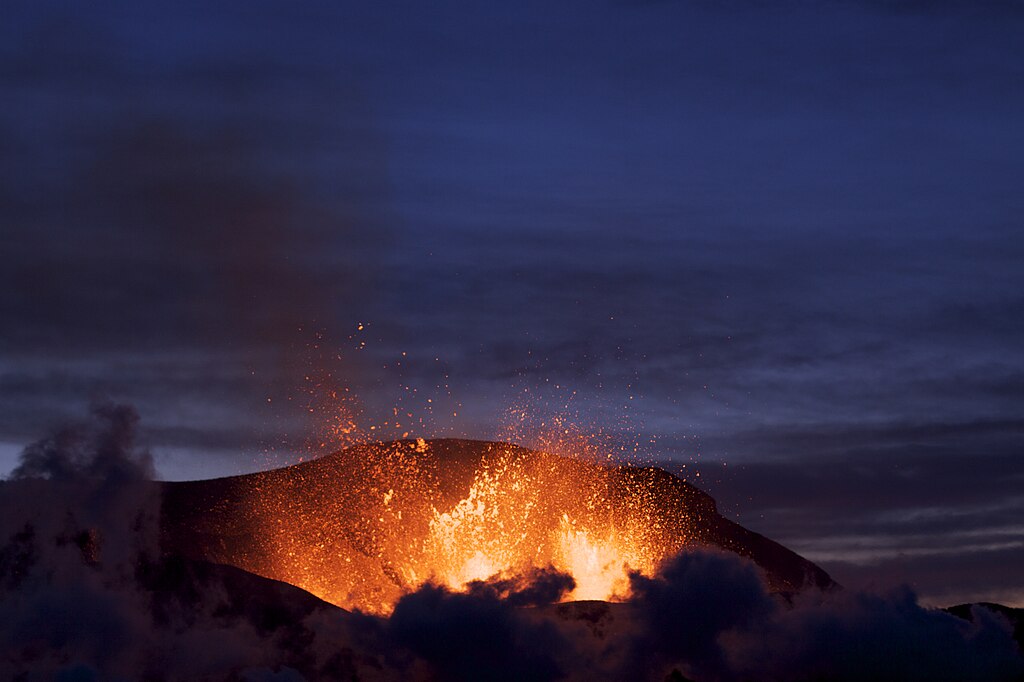
The breakup of Pangaea triggered another massive volcanic episode known as the Central Atlantic Magmatic Province (CAMP), occurring around 201 million years ago at the Triassic-Jurassic boundary. This enormous igneous province produced flood basalts across four continents, with remnants found today in North America, South America, Africa, and Europe, covering an estimated area of at least 7 million square kilometers. The CAMP eruptions coincided with another major mass extinction that eliminated many terrestrial vertebrates and marine organisms, including many early dinosaur competitors. These eruptions lasted less than one million years but released enormous volumes of climate-altering gases that caused rapid global warming and likely created lethal conditions for many species through acid rain, reduced sunlight, and toxic atmospheric compounds. Intriguingly, while the extinction eliminated many reptile groups, dinosaurs not only survived but thrived in the aftermath, suggesting they possessed adaptations that allowed them to weather this environmental catastrophe.
The Deccan Traps and the Late Cretaceous
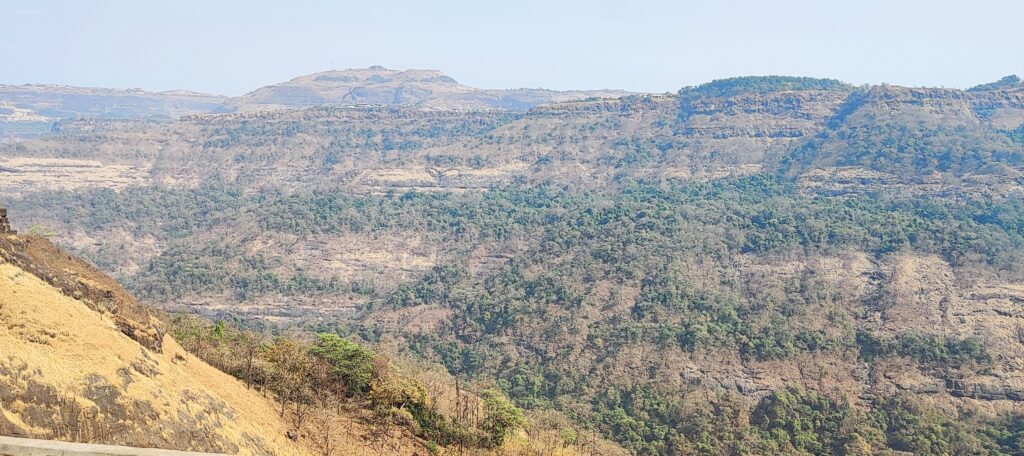
As the age of dinosaurs approached its end, another massive volcanic province began forming in what is now west-central India. The Deccan Traps represent one of Earth’s largest volcanic features, with eruptions beginning before the end-Cretaceous asteroid impact and continuing afterward. At their maximum extent, these flood basalts covered an area of 1.5 million square kilometers, with lava flows reaching thicknesses of more than 2 kilometers in some locations. The timing of these eruptions has been a subject of intense scientific debate regarding their contribution to dinosaur extinction. Modern radiometric dating indicates the main phase of Deccan volcanism began approximately 66.3 million years ago, intensifying shortly before the asteroid impact that occurred 66 million years ago. These eruptions released enormous quantities of sulfur dioxide and carbon dioxide, causing significant climate perturbations, including periods of global cooling followed by warming, creating environmental stress for dinosaur populations worldwide in the lead-up to the final extinction event.
Other Significant Mesozoic Volcanic Events
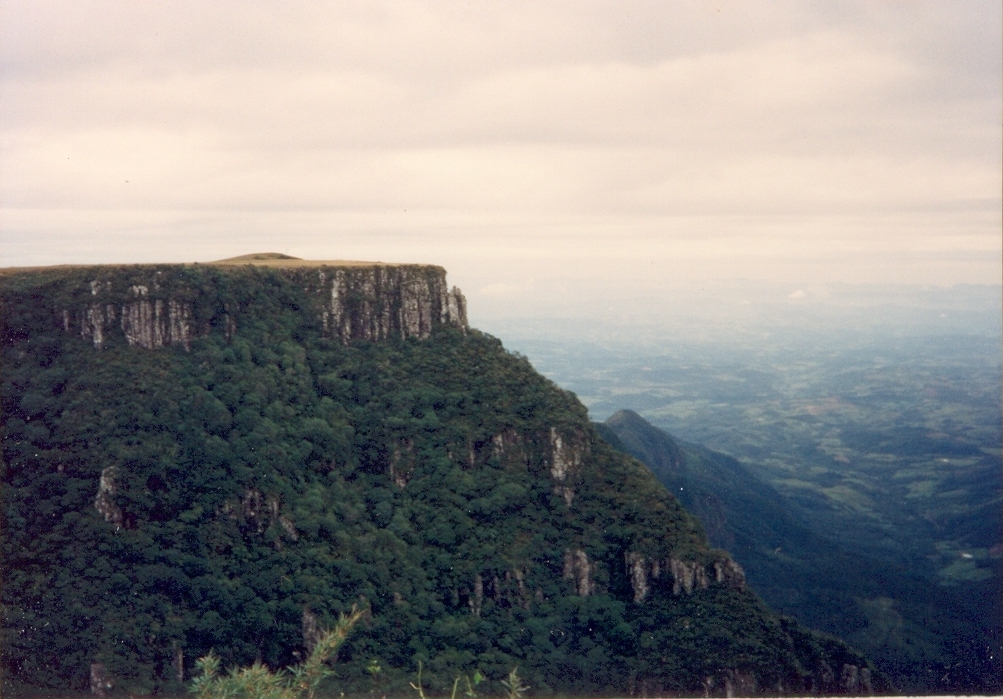
Beyond the most catastrophic eruptions, the Mesozoic witnessed numerous other significant volcanic episodes that influenced dinosaur habitats and evolution. The Karoo-Ferrar large igneous province, formed during the Early Jurassic around 183 million years ago, produced extensive basalt flows across southern Africa, Antarctica, and Australia as Gondwana began breaking apart. The Paraná and Etendeka traps, erupting around 135 million years ago, covered parts of present-day Brazil and Namibia, coinciding with the separation of South America and Africa. The Ontong Java Plateau, forming during the mid-Cretaceous around 120 million years ago, represents Earth’s largest oceanic plateau, created through massive submarine eruptions in the Pacific. Each of these events released significant quantities of volcanic gases that temporarily altered global climate patterns, creating environmental challenges and evolutionary pressures for dinosaur species. These “lesser” volcanic episodes, while not causing mass extinctions, nonetheless played crucial roles in shaping the ecological theater in which dinosaur evolution played out.
Effects of Volcanic Activity on Dinosaur Ecosystems
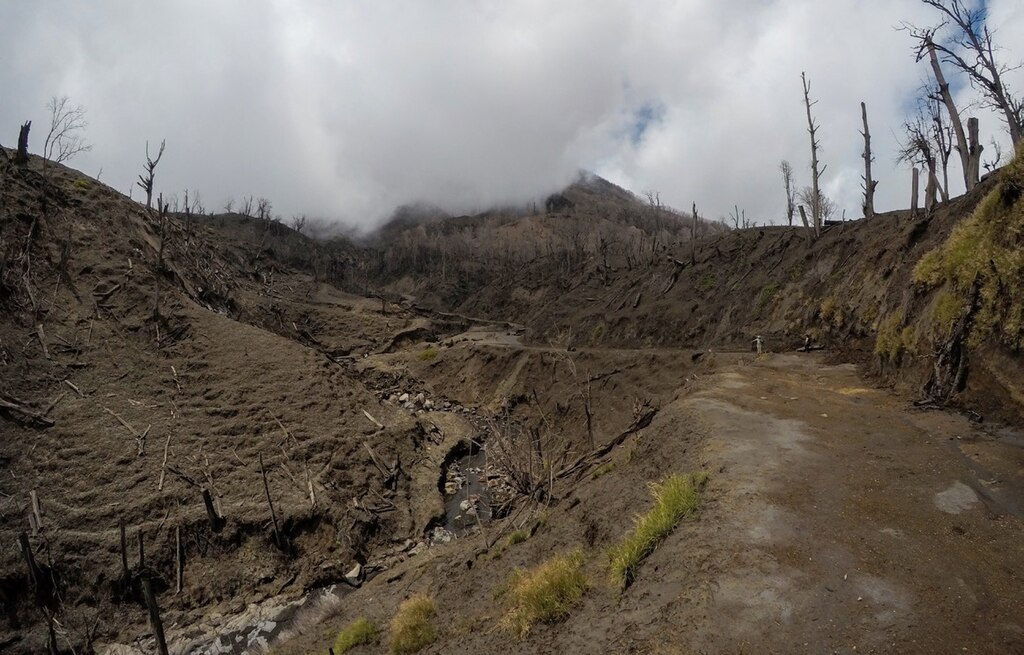
The effects of large-scale volcanism cascaded through Mesozoic ecosystems in complex ways that significantly impacted dinosaur populations. Immediate effects included direct mortality in regions close to eruptions, where pyroclastic flows, lava, and toxic gases would have been immediately lethal. More widespread and significant were the secondary effects that transformed environments across continents and even globally. Volcanic winter phenomena, caused by sulfur aerosols reflecting sunlight, could drop temperatures by several degrees Celsius for years following major eruptions, disrupting plant growth and food chains. Conversely, the massive carbon dioxide releases from sustained eruptions drove periods of intense global warming, altering precipitation patterns and potentially creating drought conditions that stressed dinosaur populations. Acid rain resulting from sulfur dioxide emissions would have damaged vegetation and acidified freshwater systems, further degrading habitat quality. These volcanic perturbations did not merely threaten dinosaurs directly but undermined the stability of the ecosystems upon which they depended, creating boom-and-bust cycles of environmental stress and recovery.
The End-Cretaceous Asteroid Impact
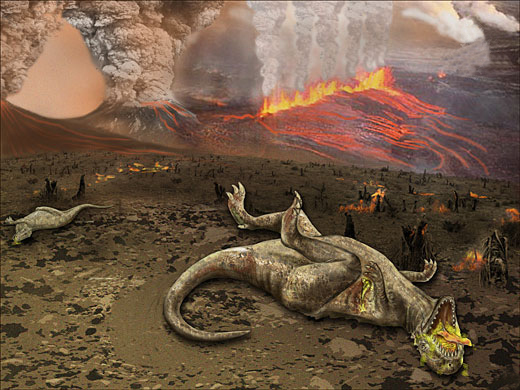
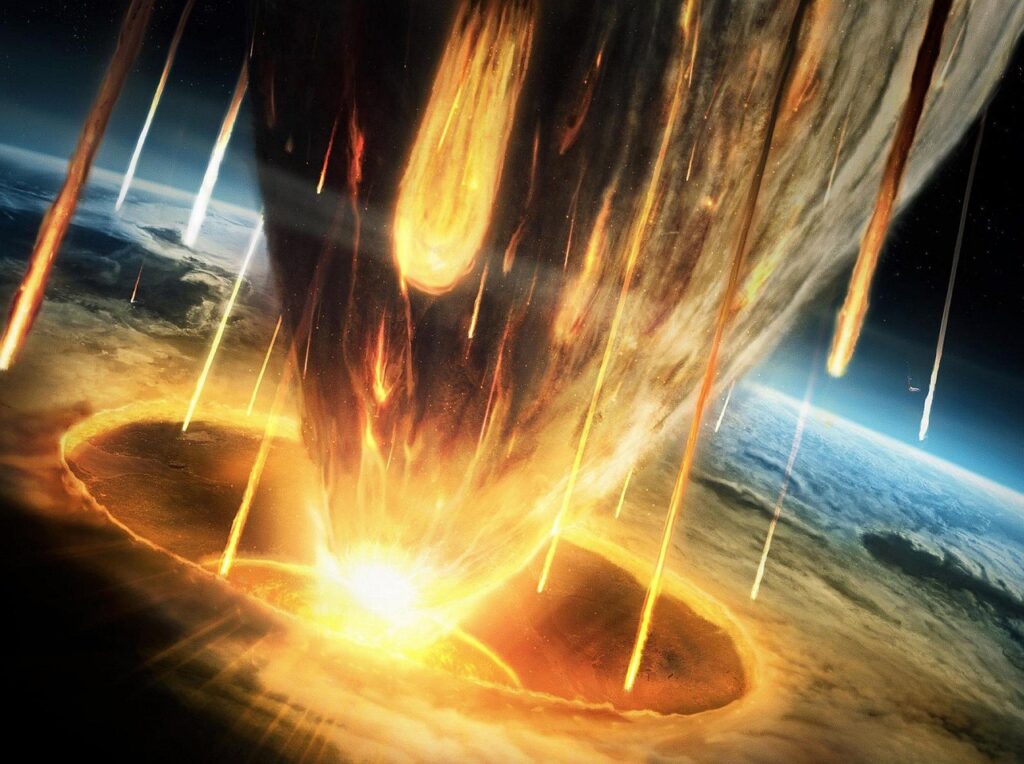
The most dramatic geological event of the dinosaur era occurred 66 million years ago when an asteroid approximately 10-15 kilometers in diameter struck Earth near the present-day Yucatán Peninsula in Mexico, creating the Chicxulub crater. This impact released energy equivalent to billions of nuclear bombs, triggering immediate catastrophic effects including massive tsunamis, widespread wildfires ignited by the heat pulse, and an earthquake estimated at magnitude 10 or greater. The impact vaporized sulfur-rich rocks, injecting massive quantities of sulfur aerosols into the atmosphere that blocked sunlight for years, creating a prolonged “impact winter” that collapsed terrestrial and marine food webs. The asteroid struck with such force that it ejected material out of the atmosphere, which then rained back down globally as superheated particles, potentially igniting worldwide wildfires. Geological evidence for this event includes a distinctive iridium-rich clay layer found worldwide at the Cretaceous-Paleogene boundary, along with shocked quartz grains and tektites (small glass spherules formed from molten rock ejected during impacts) that provide unmistakable signatures of this catastrophic collision.
Competing Theories: Volcanoes vs. Asteroid

The relative contributions of Deccan volcanism and the Chicxulub impact to the end-Cretaceous mass extinction have been vigorously debated among scientists for decades. The “impact hypothesis,” championed by Luis and Walter Alvarez since their discovery of anomalous iridium at the K-Pg boundary in 1980, attributes the extinction primarily to the asteroid’s devastating effects. The competing “volcanic hypothesis” suggests the Deccan Traps eruptions had already placed dinosaur ecosystems under severe stress before the impact delivered the final blow. Modern scientific consensus generally supports a “one-two punch” scenario where both events played significant roles. High-precision dating has revealed that Deccan volcanism actually intensified shortly after the impact, suggesting the asteroid’s seismic effects may have triggered increased eruption rates. Rather than viewing these as competing explanations, paleontologists increasingly recognize that dinosaurs faced multiple, overlapping environmental challenges at the end of the Cretaceous, with volcanism creating background stress conditions that compromised ecosystem resilience before the sudden, catastrophic impact delivered the final blow.
Patterns of Extinction and Survival

The end-Cretaceous extinction exhibited striking patterns that provide clues about the nature of the environmental catastrophe that ended the dinosaur era. Non-avian dinosaurs were completely eradicated regardless of size, diet, or geographical distribution, suggesting a truly global environmental collapse rather than a regional disaster. In contrast, many other terrestrial vertebrates showed differential survival patterns—for instance, small-bodied mammals, birds, crocodilians, and turtles suffered significant losses but did not experience complete extinction. These patterns suggest that specific survival traits became advantageous during the extinction event, including small body size (requiring less food), the ability to shelter underground or in water, dietary flexibility, and enhanced ability to survive periods of food scarcity. The survival of some birds—technically dinosaurs themselves—while all their non-avian dinosaur relatives perished represents an evolutionary puzzle; current evidence suggests their small size, specialized beaks that allowed dietary versatility, and potentially superior thermoregulation may have provided crucial advantages during the post-impact environmental collapse.
Geological Evidence of Mass Extinctions
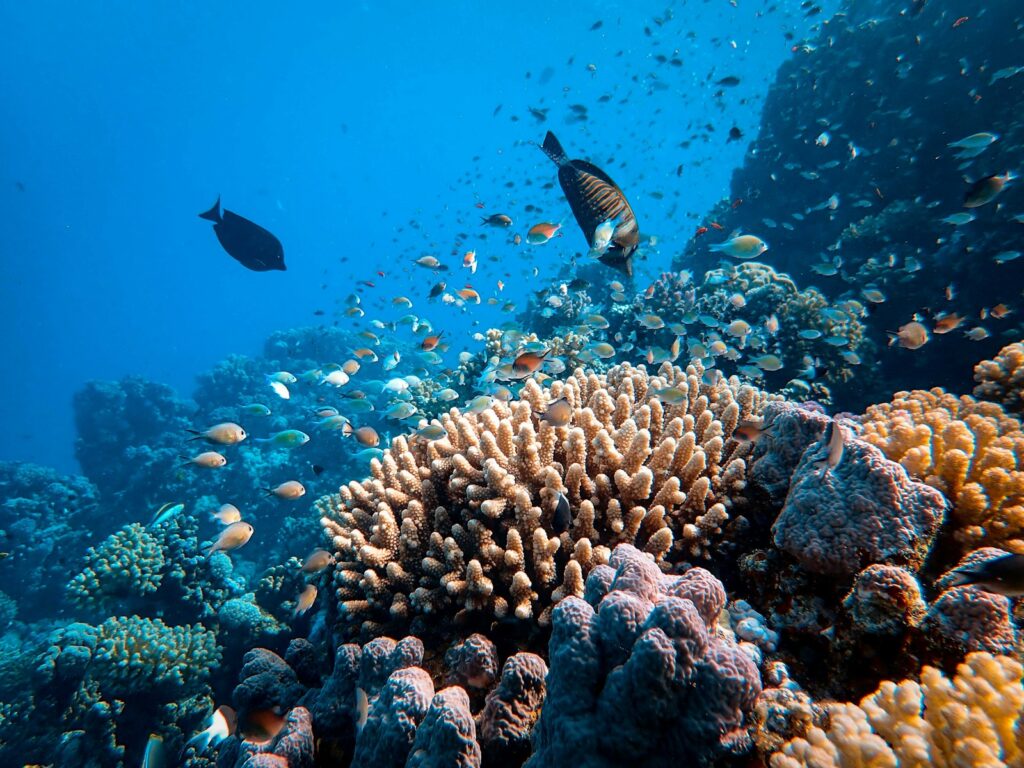
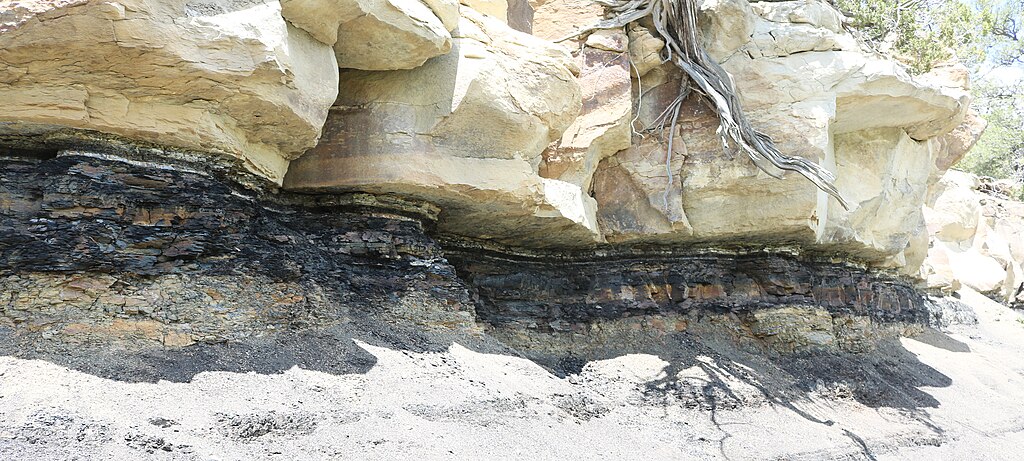
The geological record preserves compelling evidence of the catastrophic events that punctuated the Mesozoic Era. The end-Permian extinction that preceded the dinosaur age is marked by a distinctive boundary showing a dramatic shift in fossil assemblages and geochemical signatures, with evidence of ocean anoxia, carbon isotope excursions indicating massive greenhouse gas releases, and terrestrial red beds suggesting severely eroded landscapes. The end-Triassic extinction coinciding with the CAMP eruptions shows similar signatures, with a carbon isotope excursion indicating massive carbon dioxide release, along with evidence of ocean acidification in marine sediments. Most famously, the Cretaceous-Paleogene (K-Pg) boundary preserves unmistakable evidence of asteroid impact, including the global iridium anomaly, shocked mineral grains, impact spherules, and a dramatic turnover in fossil species. The power of these geological markers lies in their global nature—these signatures can be found in rocks worldwide, demonstrating that these were truly planet-wide catastrophes rather than regional events, and providing crucial chronological markers that allow scientists to correlate extinction patterns across different environments and continents.
How Dinosaurs Responded to Environmental Change

Throughout their long evolutionary history, dinosaurs demonstrated remarkable adaptability to environmental changes induced by geological activity. Following the end-Triassic extinction, dinosaurs rapidly diversified to fill ecological niches vacated by other reptile groups, suggesting they possessed adaptations that allowed them to thrive in the post-extinction world. Evidence from bone histology indicates most dinosaurs had high metabolic rates compared to other reptiles, potentially allowing them to better cope with climate fluctuations resulting from volcanic episodes. Geological boundaries within the Mesozoic often show changes in dinosaur communities, with certain groups declining while others radiated, demonstrating evolutionary responses to changing conditions. Some dinosaur groups developed specialized adaptations that may have helped them weather environmental challenges, such as the highly efficient bird-like respiratory systems in theropods that could have provided advantages during periods of reduced atmospheric oxygen. Despite this adaptability throughout most of the Mesozoic, the combined stresses of Deccan volcanism and the Chicxulub impact ultimately created environmental challenges that exceeded even the dinosaurs’ considerable capacity for adaptation.
Modern Insights from Ancient Disasters
The study of Mesozoic geological catastrophes provides valuable perspectives on Earth’s current and future environmental challenges. The ancient volcanic episodes like the Deccan Traps serve as natural experiments in rapid greenhouse gas emissions, offering insights into potential climate tipping points and carbon cycle feedbacks relevant to modern climate change discussions. Research into the end-Cretaceous mass extinction highlights the vulnerability of ecosystems to rapid environmental change, showing how even dominant, well-established species groups can collapse when change exceeds certain thresholds. Paleontological studies of survival patterns across the K-Pg boundary suggest that generalist species with dietary flexibility and smaller resource requirements tend to weather environmental crises better than specialists—a pattern also observed in modern conservation biology. Perhaps most importantly, understanding the interplay between volcanic eruptions and asteroid impact at the end of the Cretaceous highlights how multiple environmental stressors can interact synergistically, creating ecological challenges greater than the sum of individual factors—a crucial lesson as modern ecosystems face simultaneous pressures from climate change, habitat loss, pollution, and other anthropogenic factors.
Conclusion

The age of dinosaurs was shaped by geological forces of staggering power—from the grinding of tectonic plates that reconfigured continents to volcanic eruptions that darkened skies across the planet, and finally to the asteroid impact that brought the Mesozoic chapter of Earth’s history to a dramatic close. These geological events were not merely a backdrop to the dinosaur saga but active forces that drove evolution, created opportunities, and ultimately set limits on even the most successful terrestrial vertebrates ever to walk the Earth. The extinction of non-avian dinosaurs, while catastrophic, cleared ecological space for the rise of mammals and eventually our own species. As we face modern environmental challenges, the study of these ancient disasters provides both cautionary tales about ecosystem fragility and inspiring evidence of life’s resilience in the face of planetary change. The geological history of the Mesozoic reminds us that Earth has always been a dynamic planet, where the very forces that create opportunities for life can also fundamentally reshape the biosphere in the geological equivalent of an instant.