If you picture dinosaurs, you probably imagine lush jungles, roaring predators, and endless green plains. But a lot of dinosaurs actually lived in places that were anything but comfortable: scorching deserts, icy polar regions, floodplains that swung between drought and swamp, even landscapes blasted by volcanoes. To survive there, they had to become masters of adaptation in ways that still surprise scientists today.
As you explore these twelve adaptations, you’ll see dinosaurs less like movie monsters and more like tough, inventive survivors dealing with real-world problems: staying warm, staying cool, finding food, and not becoming food themselves. And along the way, you can quietly compare their strategies to your own life: how you adjust when your world shifts, the way you use tools, or how your community helps you through rough seasons. The prehistoric past ends up feeling a lot closer than you’d expect.
1. Turning Feathers into All‑Weather Gear
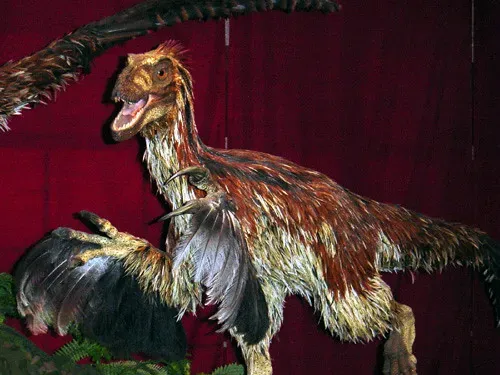
When you think of feathers, you probably jump straight to birds, but a lot of dinosaurs wore feathers long before birds evolved. If you were a small, warm‑blooded dinosaur living in a chilly or highly variable climate, a feathery coat would have been your thermal jacket, trapping warm air close to your skin and helping you keep a steady body temperature. Some species likely had simple, hair‑like filaments, while others developed more complex, branching feathers that did an even better job at insulation.
In hotter, drier environments, that same feather covering might have helped you in a different way: by shielding your skin from harsh sunlight and allowing more efficient heat exchange with moving air, a bit like breathable performance clothing. Feathers could also change with age or season, giving you the prehistoric equivalent of swapping to a thicker winter coat when temperatures dropped. You can think of them as a Swiss Army knife of adaptations: warmth, shade, maybe even waterproofing in heavy rain. Long before humans invented parkas and umbrellas, dinosaurs had already solved the all‑weather clothing problem on their own backs.
2. Growing Built‑In Radiators for Desert Heat
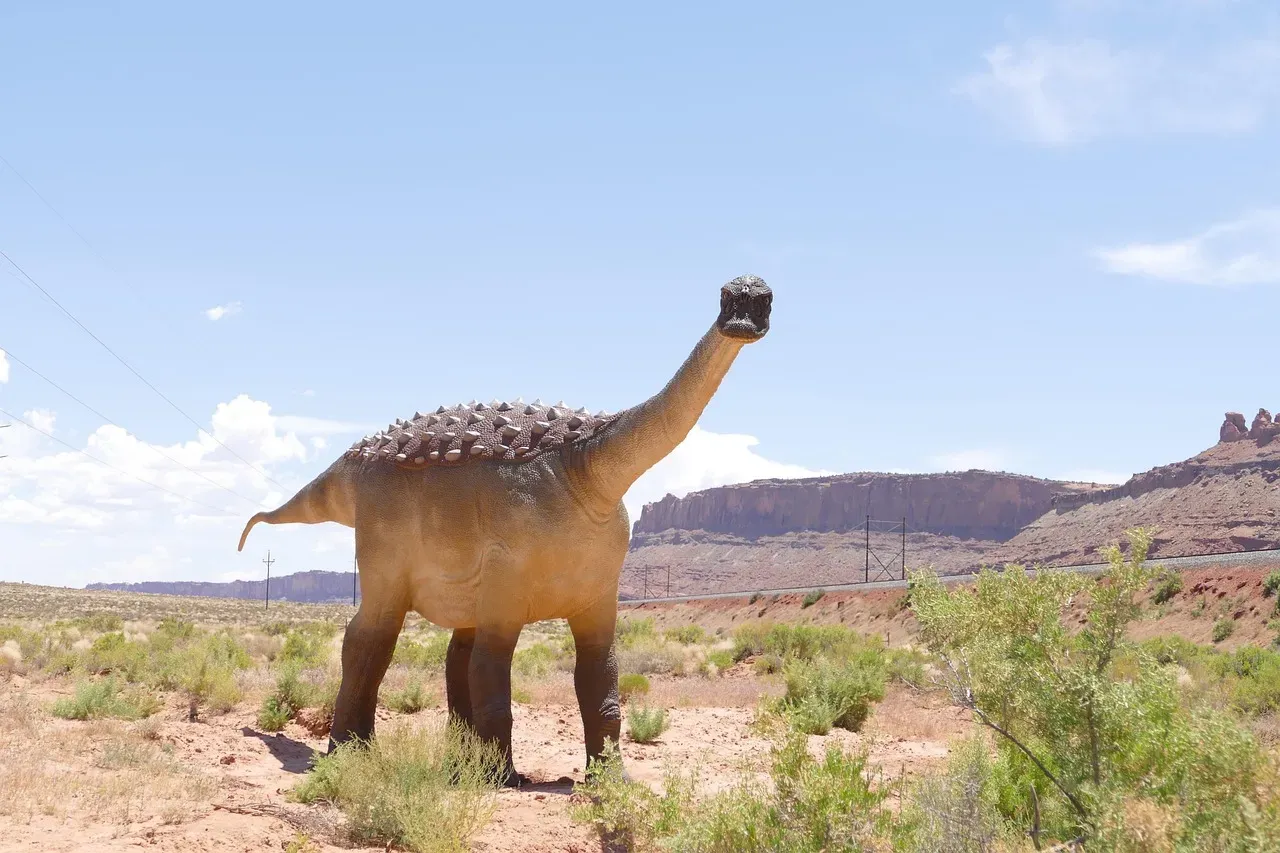
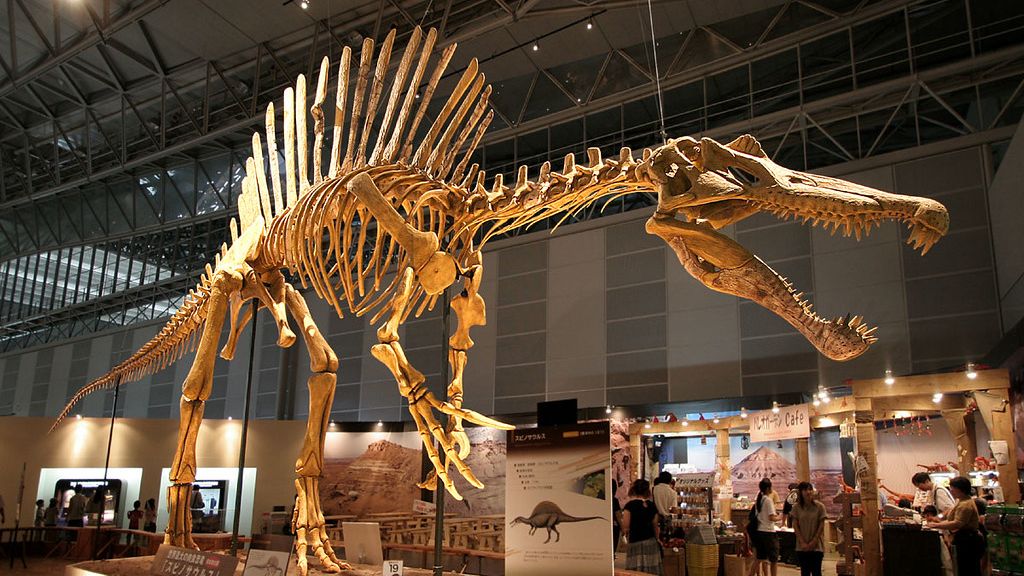
If you suddenly found yourself in a dinosaur‑age desert, the heat would probably scare you more than any predator. For many dinosaurs, the real daily battle was avoiding overheating while still moving, hunting, and migrating. Some species evolved huge plates, frills, or crests loaded with blood vessels that likely acted like built‑in radiators. When blood flowed through those structures, excess heat could be released into the air, especially if a breeze was blowing over that wide surface.
Imagine walking around with a giant, thin panel on your back or a fan‑like crest on your head, flushing red as your body dumped heat, then cooling as the air carried that warmth away. You see smaller versions of this today when you watch elephants flap their ears or jackrabbits cool off using their long ears in desert heat. If you were a dinosaur in a sun‑blasted landscape, your bizarre ornaments weren’t just for show; they were survival gear, helping you stay active while the world around you baked.
3. Using Gigantic Size as a Climate Shield
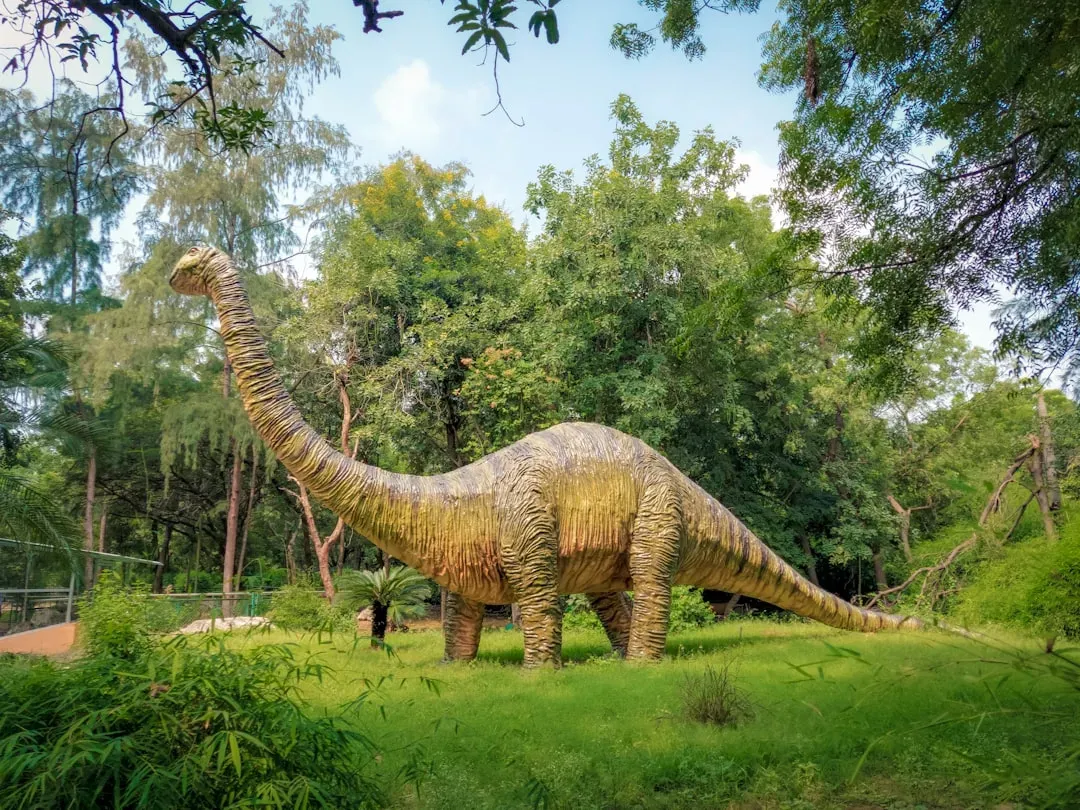
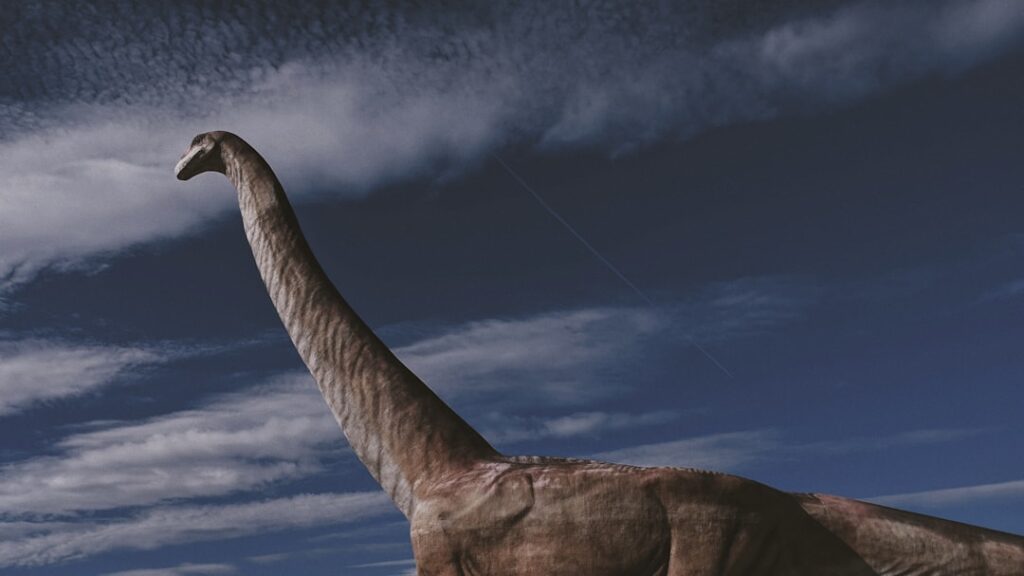
You might think being huge would make heat or cold more dangerous, but in many cases, it did the opposite. If you were a massive sauropod, your sheer bulk would have helped smooth out temperature swings, a bit like how a large body of water changes temperature more slowly than a puddle. Your internal temperature would stay more stable, giving you an advantage in environments that flipped from hot days to chilly nights or from one season to another.
Of course, being enormous came with its own headaches. You’d need a lot of food and water, and in extreme environments those resources weren’t always easy to find. So the payoff was that once you reached a certain size, your body worked like a thermal buffer, but you had to move across huge territories to keep your massive engine fueled. In a way, you can compare that to modern large animals like whales, elephants, or hippos, who rely on size to ride out environmental change but must constantly search for enough to eat and drink.
4. Shifting Teeth and Beaks to Handle Tough, Seasonal Food
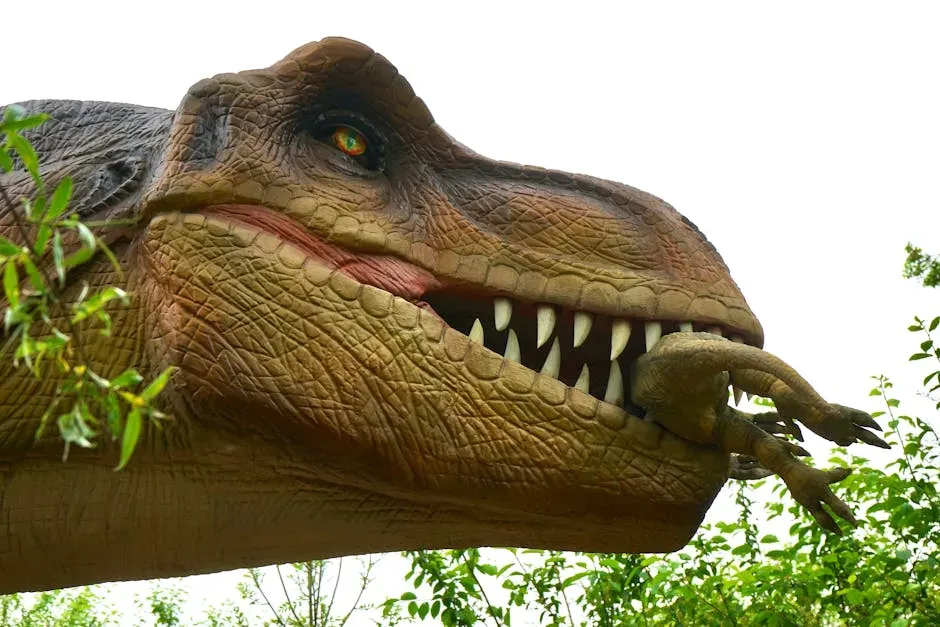
In harsh or highly seasonal climates, you probably wouldn’t get a steady, soft salad bar of fresh leaves all year. Instead, you’d be stuck with tough, fibrous plants, woody stems, and whatever remained green after drought or frost. Dinosaurs adapted to that problem by evolving specialized teeth, jaws, and sometimes beaks that turned them into living grinding machines. If you had tightly packed, battery‑like rows of teeth, you could chew through abrasive plants the way a modern lawnmower chews through dry grass.
Some species likely replaced their teeth throughout life, constantly renewing worn surfaces in the same way you might sharpen a blade or swap out sandpaper. Others used broad beaks to crop low vegetation close to the ground, letting them exploit food that more selective feeders ignored. If you lived in an environment where good times came and went with the rain, being flexible with what you could digest was a powerful survival trick. It’s a lot like how you adjust your diet during shortages: you stop being picky and start being practical.
5. Migrating Long Distances to Escape the Worst Seasons
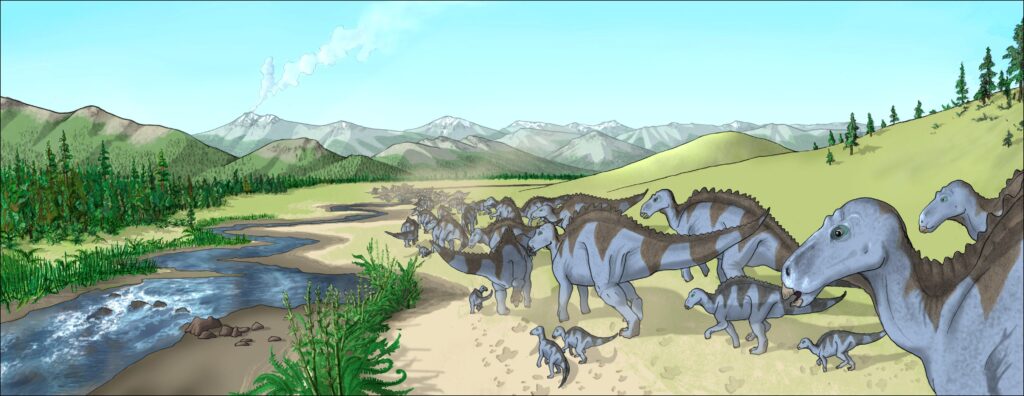
When your environment turns brutal, one of the smartest moves is simple: leave. There’s growing evidence that at least some dinosaurs undertook seasonal migrations, tracking food and milder conditions across vast landscapes, especially in extreme latitudes. If you were part of a herd living near ancient polar regions, you may not have spent year‑round in darkness or freezing temperatures. Instead, you’d follow vegetation and daylight the way modern caribou and wildebeest follow fresh growth.
Migration is costly – you spend energy, face predators, and risk getting stuck when rivers flood or droughts deepen – but the payoff is huge if it keeps you away from the harshest months. You can picture yourself as a juvenile dinosaur, moving in step with a massive herd, learning routes that your species refined over countless generations. Just like birds and mammals today, your survival would hang on reading seasonal cues, remembering paths, and sticking together when the environment turned hostile.
6. Developing Polar Survival Tactics for Long, Dark Winters
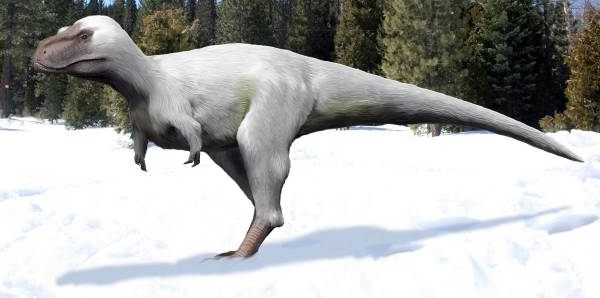
It might surprise you to learn that some dinosaurs lived in polar regions where winters brought long stretches of low light and cold conditions. In those environments, you could not simply migrate away every year; some species appear to have stayed put, toughing out the dark months. To pull that off, you would have needed excellent insulation – likely feathers or dense body coverings – plus a metabolism that kept your body active and warm even when the temperature dropped.
Living through polar winters would also demand behavioral strategies. You can imagine smaller dinosaurs sheltering in dense forests, using the limited daylight efficiently and relying on whatever food sources persisted: evergreen plants, stored fat, or perhaps small animals. Your senses might shift emphasis, favoring hearing and smell over sight during dim periods. It’s not that you were hibernating in the way some modern animals do, but you would have lived at a different pace, conserving energy and moving carefully through a world of cold shadows.
7. Evolving Heavy Armor to Survive Predator‑Rich Landscapes
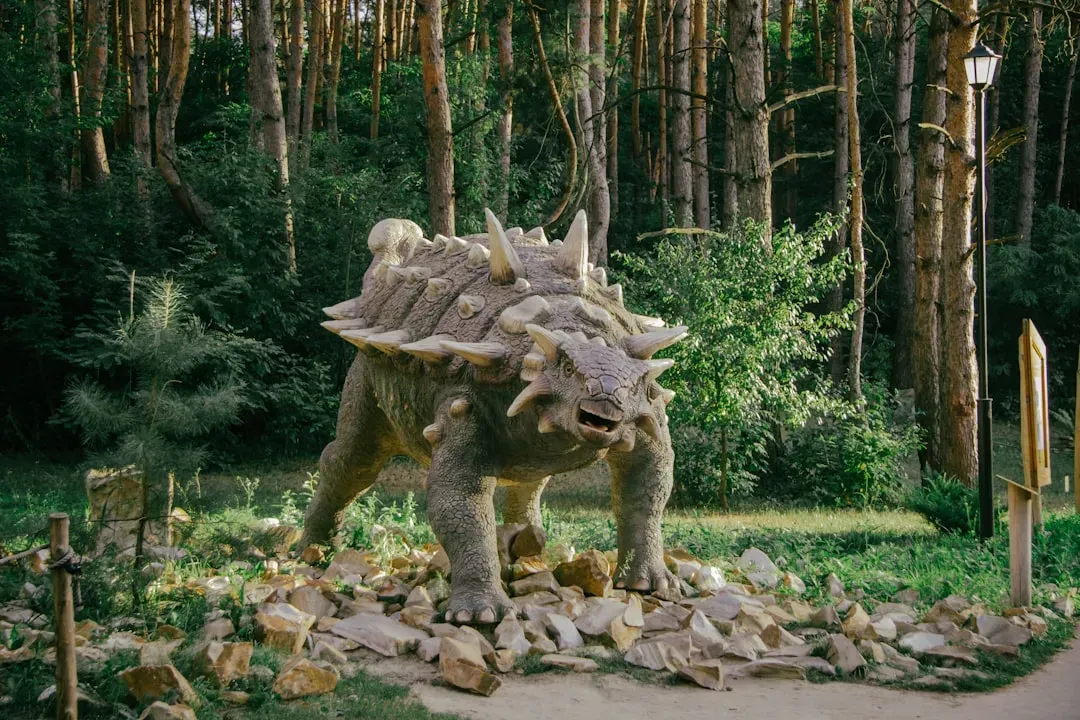
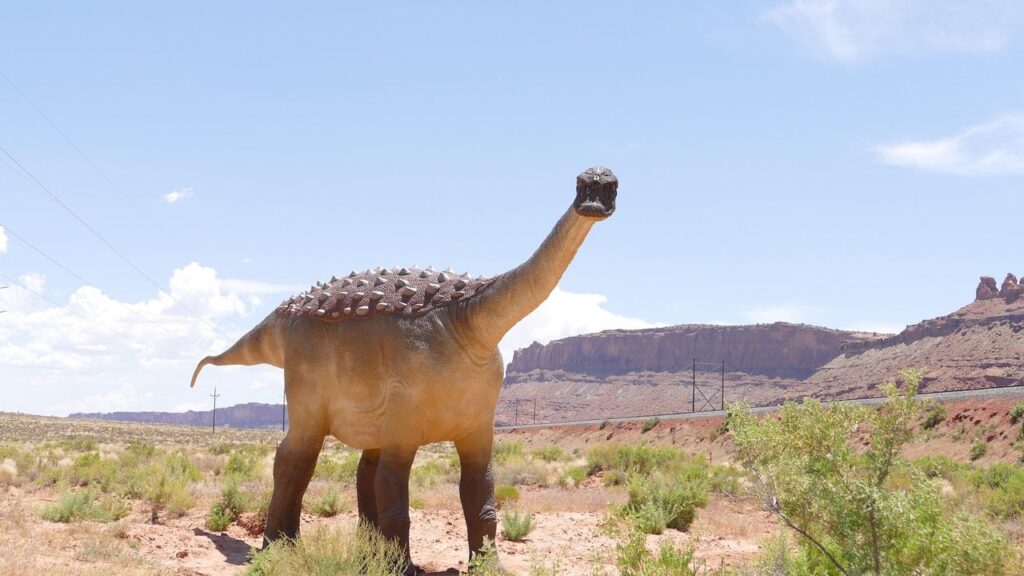
In ecosystems where predators were everywhere and cover was limited – open floodplains, sparsely vegetated areas, or environments disrupted by fires or volcanic activity – your safest option might not be speed but armor. Some dinosaurs went all‑in on this strategy, evolving thick bony plates, spikes, and tail clubs that turned them into walking fortresses. If you were one of these animals, your back would be lined with solid shields, and your flanks might bristle with spikes that made you a painful target.
This heavy armor did more than just protect you from bites; it allowed you to live and feed in exposed areas where others might not dare to linger. In a landscape where vegetation came in scattered patches and dangers could approach from any direction, your built‑in shields bought you precious time. You can compare it to wearing full protective gear in a dangerous job: your movement might be slower, but your confidence in risky terrain goes up. These armored dinosaurs turned extreme predator pressure into an opportunity to exploit spaces others avoided.
8. Building Nesting Strategies for Unpredictable Climates
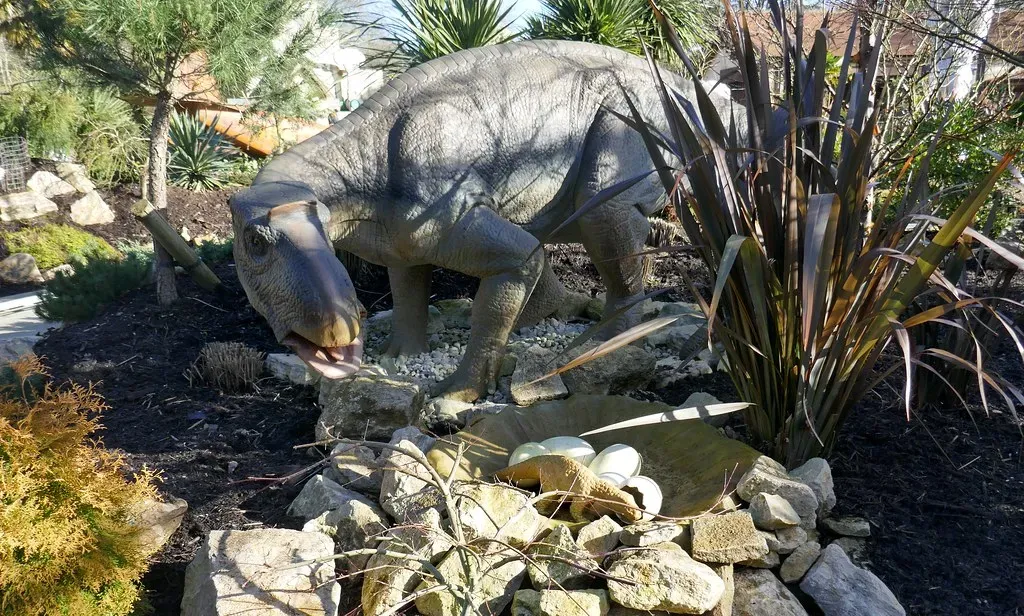
Raising young in an extreme environment is another challenge entirely. If you laid eggs, you had to keep them warm, protected, and safe from both weather and predators. Dinosaurs responded by experimenting with different nesting strategies: some buried their eggs in soil or sand where natural heat could incubate them, while others built mounded nests out of vegetation that generated warmth as it decomposed. If you were a parent in such a world, you might carefully choose elevated ground to avoid flooding or seek geothermal hotspots near volcanic areas to keep your clutch warm.
There is also evidence that some species nested in colonies, creating vast nesting grounds where many parents laid eggs close together. In a harsh climate, that kind of crowd strategy could help dilute predation risk and allow group defense, much like seabirds nesting in cliffs today. As a dinosaur parent, you were not just dropping eggs and walking away; in many cases, you were investing energy in nest building, site choice, and sometimes guarding. Your environment forced you to be strategic: too exposed, and the weather destroyed your eggs; too sheltered, and predators found an easy buffet.
9. Mastering Water Management in Drought‑Prone Regions
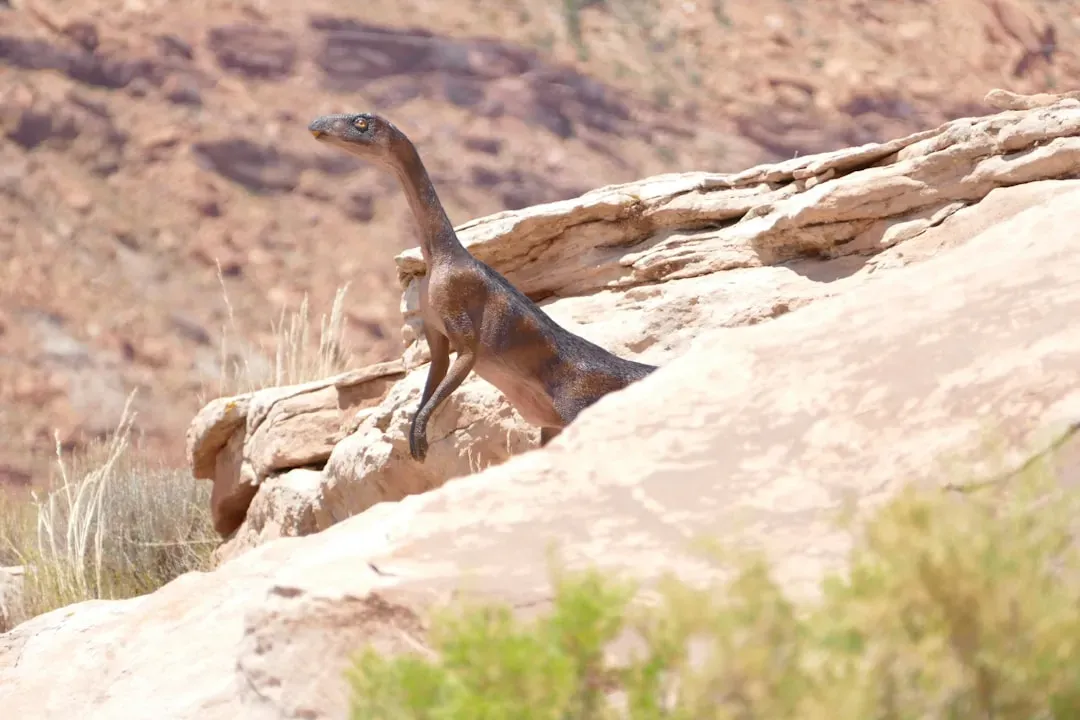
If you lived in a region that swung between heavy rains and long dry spells, figuring out how to deal with water was a matter of life or death. Many dinosaurs inhabited floodplain environments where rivers regularly shifted course, leaving behind isolated ponds and muddy low spots. To survive there, you likely learned where water lingered longest and how to move between those pockets when drought hit. Your herd may have followed ancient paths to reliable water sources, passed down generation after generation.
Some dinosaurs show skeletal features that hint at a semi‑aquatic lifestyle, allowing them to swim or wade more effectively and exploit rivers, lakes, or coastal zones. If you were one of those animals, being able to feed in water gave you a huge advantage when land vegetation dried up. You can picture yourself standing chest‑deep in a shallow lake, feeding on aquatic plants or hunting fish while other species struggled on parched ground. In a sense, you turned the blue parts of the map into your emergency pantry when the rest of the world cracked and baked.
10. Adapting Senses and Communication to Harsh Landscapes
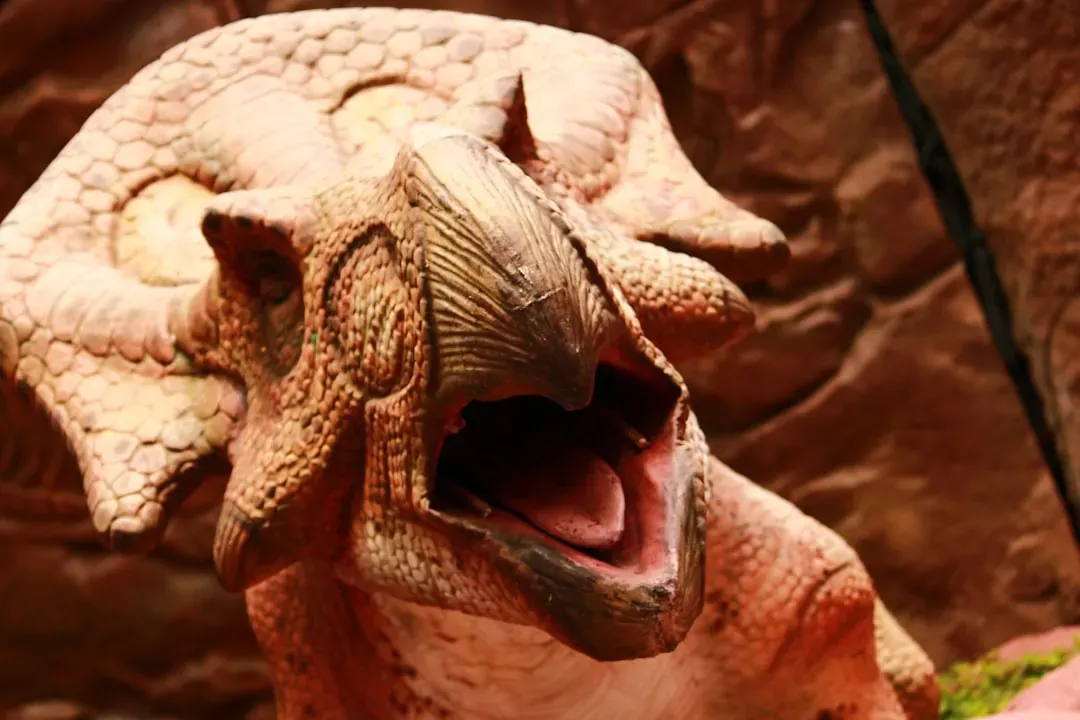
In extreme environments, how you sense your world can be just as important as how your body looks. Dinosaurs that lived in dense forests, volcanic regions, or dusty plains likely refined their hearing, smell, and vision to handle low visibility and constant hazards. If you lived among frequent dust storms or dim polar light, you might rely less on sharp eyesight and more on the ability to hear distant footsteps or smell incoming danger or food.
Many species also developed elaborate crests, horns, and vocal structures that probably played roles in communication – especially important when life was risky and you needed to stay in touch with your group. You can imagine using low‑frequency calls that carried over long distances, helping you find your herd in dense vegetation or noisy, wind‑whipped environments. In that way, your voice and body signals became tools for survival, not just decoration. When conditions were unforgiving, staying connected to others was as vital as any claw or tooth.
11. Exploiting Ecological Niches That Others Ignored
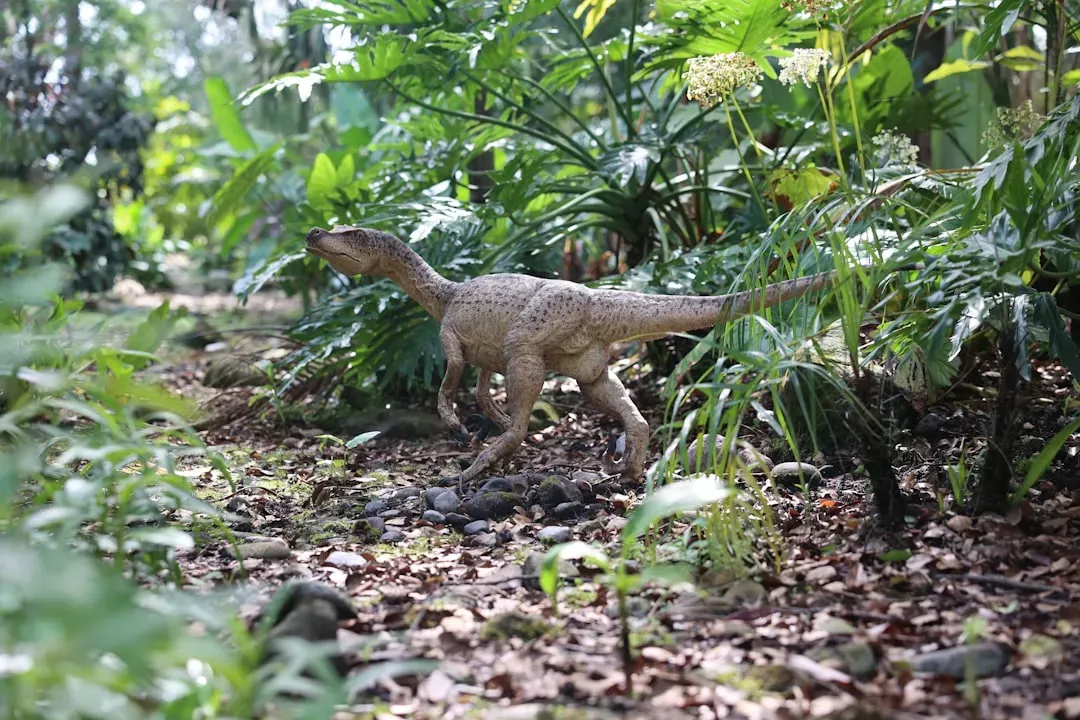
One of the most underrated dinosaur survival tricks was simple opportunism. In harsh or unstable environments, not every patch of land or type of food looked attractive at first glance, but some dinosaurs specialized in exactly those overlooked niches. If you were a small, nimble species, you might dart into dense underbrush, feed on insects, or scavenge leftovers while larger animals focused on big plants or prey. You survived by being flexible and by seeing opportunity where others saw wasteland.
In areas reshaped by floods, fires, or volcanic eruptions, new plant communities would spring up quickly, and you could move in to use them before other species adjusted. It is similar to how some modern animals thrive in burnt forests or newly formed islands: they find ways to use what is temporarily abundant, even if it looks ruined at first. If you were that kind of dinosaur, you turned environmental chaos into a ladder, climbing into spaces that were too risky, too patchy, or too strange for your competitors.
12. Recovering and Persisting After Catastrophic Events
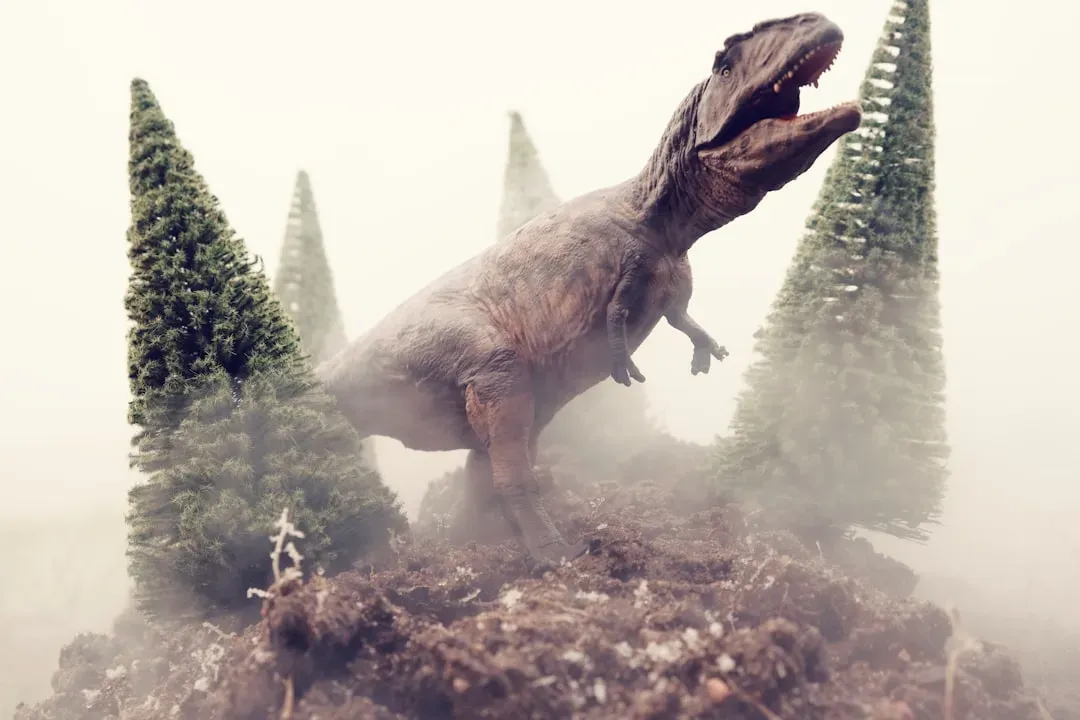
Even before the final asteroid impact, dinosaurs lived through smaller‑scale disasters: volcanic eruptions, sudden climate swings, regional extinctions. The fact that they remained successful for so many tens of millions of years tells you something powerful about their ability to rebound. If you were part of a surviving population after a regional catastrophe, your world would look empty and unfamiliar, but that emptiness also meant less competition and fresh opportunities to expand into new territories.
Species that could reproduce quickly, disperse widely, or tolerate a broad range of conditions were the ones that bounced back first. You can see echoes of this pattern in how modern animals recolonize damaged landscapes after wildfires or storms. For you as a dinosaur, resilience meant more than just toughness in the moment; it meant the capacity to adapt, shift your diet, change your range, and exploit whatever new normal emerged. In the long run, that ability to bend without breaking was one of the most critical extreme‑environment adaptations of all.
When you step back and look at these twelve strategies together – feathers as insulation, radiators for heat, huge bodies as temperature buffers, clever diets, migrations, polar endurance, armor, complex nesting, water management, tuned‑up senses, niche specialization, and post‑disaster recovery – you start to see dinosaurs in a very different light. They were not just victims waiting for an asteroid; they were resourceful survivors constantly negotiating with demanding, often brutal worlds. If they could adjust that creatively to their extremes, it naturally raises a question for you: in the face of your own everyday “extreme environments,” how will you adapt?