
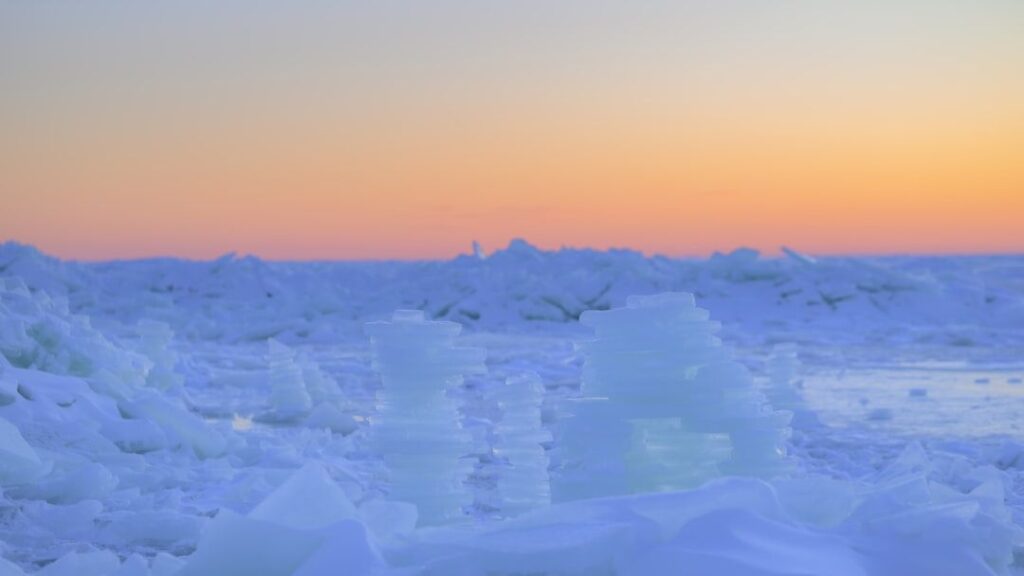
If you could step outside your door about twenty thousand years ago in many parts of North America or Europe, you might find yourself staring at a wall of ice taller than a skyscraper. It is almost unbelievable to think that the places where you now drive to work, order coffee, or scroll your phone were once buried under massive ice sheets kilometers thick. Yet this frozen world was real, and it reshaped the land beneath your feet in ways you can still see today.
When you ask what caused that Ice Age, you are really pulling on a knot of connected forces: the way Earth moves around the Sun, the air you breathe, the continents you stand on, even the volcanoes and oceans you rarely think about. There was no single simple switch that turned the planet into a refrigerator. Instead, you are looking at a complex orchestra of slow, powerful changes that nudged the climate, one small step at a time, until vast ice sheets could grow and take over much of the planet’s surface.
How Earth’s Wobbly Orbit Sets the Stage for Ice Ages
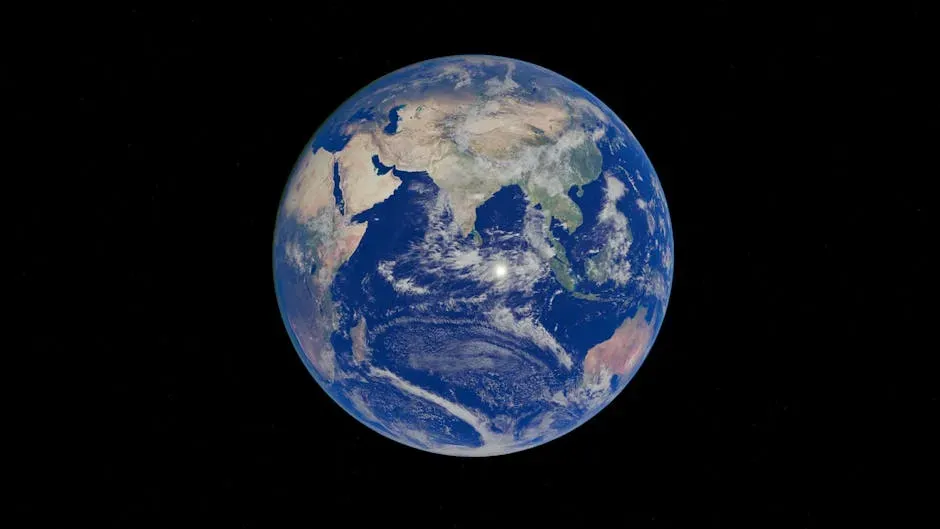
You might not feel it, but the ground under you is part of a planet that is constantly wobbling, tilting, and shifting its path around the Sun. Over tens of thousands of years, Earth’s orbit slowly stretches and relaxes, its axis tilts a bit more or less, and the direction that axis points traces a slow circle in space. These long-term changes, often called orbital cycles, quietly adjust how much sunlight different parts of the planet get and in which season they get it.
For you, that means that summer in the Northern Hemisphere is not always equally strong through deep time. When summers become slightly cooler at high latitudes because of orbital shifts, snow that falls in winter has a better chance of surviving the summer melt. Year after year, this leftover snow can build into ice, and once enough ice piles up, it starts to influence the climate even more. So you can think of Earth’s orbital wobbles as the timing device that opens the door for ice ages to begin and end.
Snow That Sticks: How Small Cooling Turns Into Massive Ice Sheets
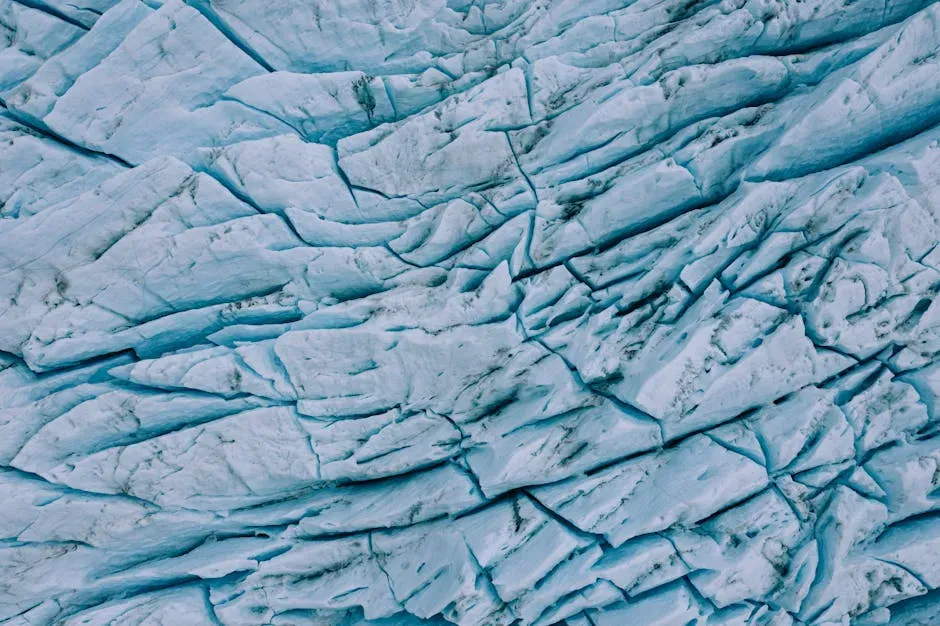
If you have ever watched snow linger in a shady spot long after the rest of the yard has melted, you already understand the basic logic of ice sheet growth. When summers cool just a little, especially in northern regions, more snow survives the melt season. As you carry that forward over thousands of years, the small leftovers stack up and compact into glacier ice, much the way layers of pressed clothes get heavier and harder to move in a cramped closet.
Once glaciers grow large enough, they start to create their own microclimate. You are dealing with huge bright surfaces that reflect a lot of sunlight back into space instead of letting the ground absorb it. That reflection helps keep things cooler, which means more snow can stick around, which helps ice spread even further. In your mind, picture a feedback loop: a bit of cooling helps ice form, the ice causes more cooling, and over long stretches of time the system locks into a full Ice Age with ice sheets sprawling across continents.
The Hidden Role of Greenhouse Gases in Deep Freezes
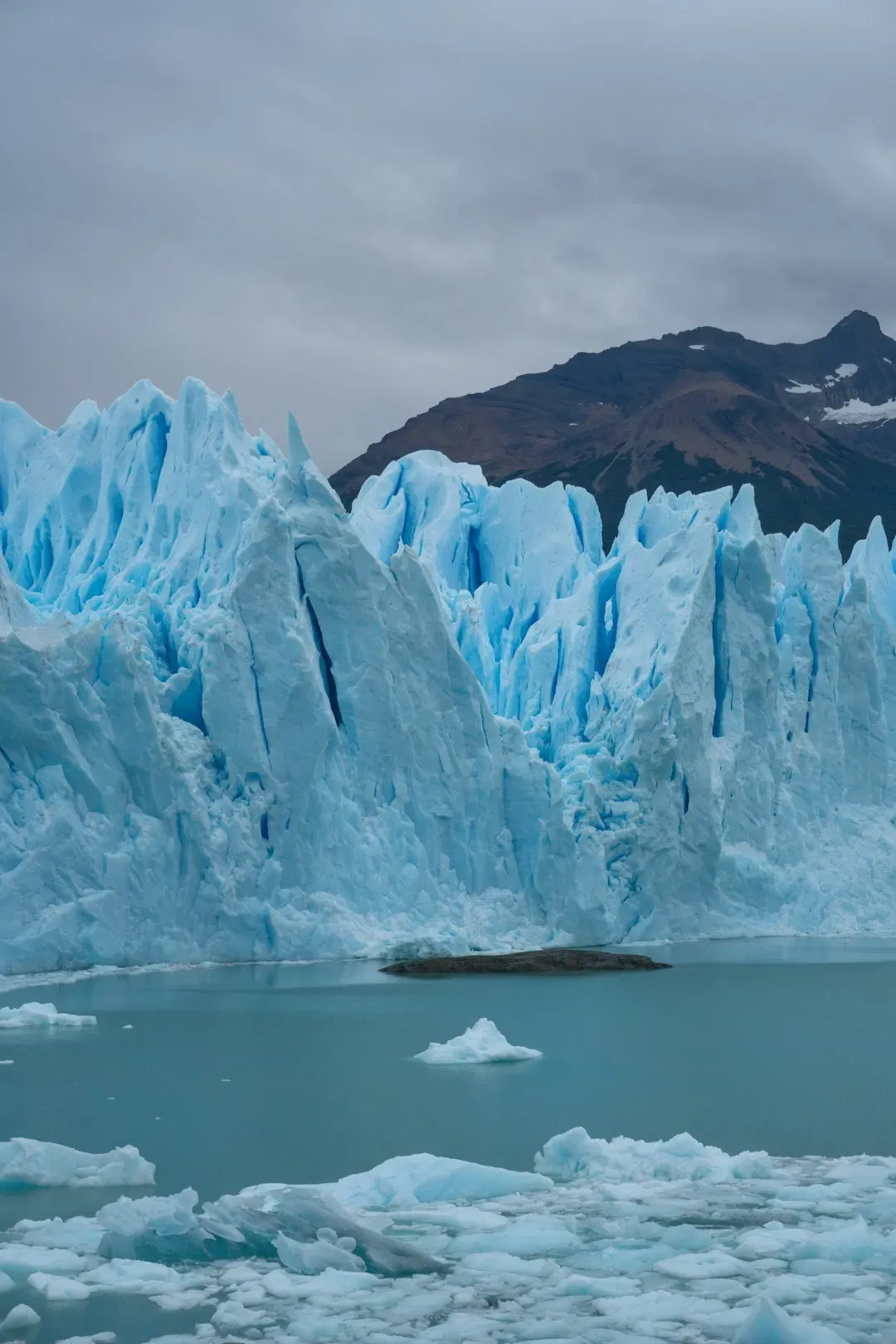
You often hear about greenhouse gases like carbon dioxide and methane in the context of modern warming, but they also played a crucial role in the deep cold of the last Ice Age. When the planet cooled slightly because of orbital changes, the oceans absorbed a bit more carbon dioxide from the air, and vegetation patterns shifted. Over thousands of years, those small shifts added up, lowering the concentration of greenhouse gases in the atmosphere and letting more of Earth’s heat leak out into space.
For you, that means greenhouse gases acted like a volume knob on the climate system. Orbital changes started the cooling, but reduced greenhouse gases turned that gentle nudge into a strong push. As the air lost some of its ability to trap heat, ice sheets found it easier to grow and survive. Later, when greenhouse gas levels slowly rose again, they helped pull the planet back out of the deep freeze, showing you how powerfully the composition of the atmosphere can steer the long-term climate.
Continents, Mountains, and the Ocean Conveyor Beneath Your Feet
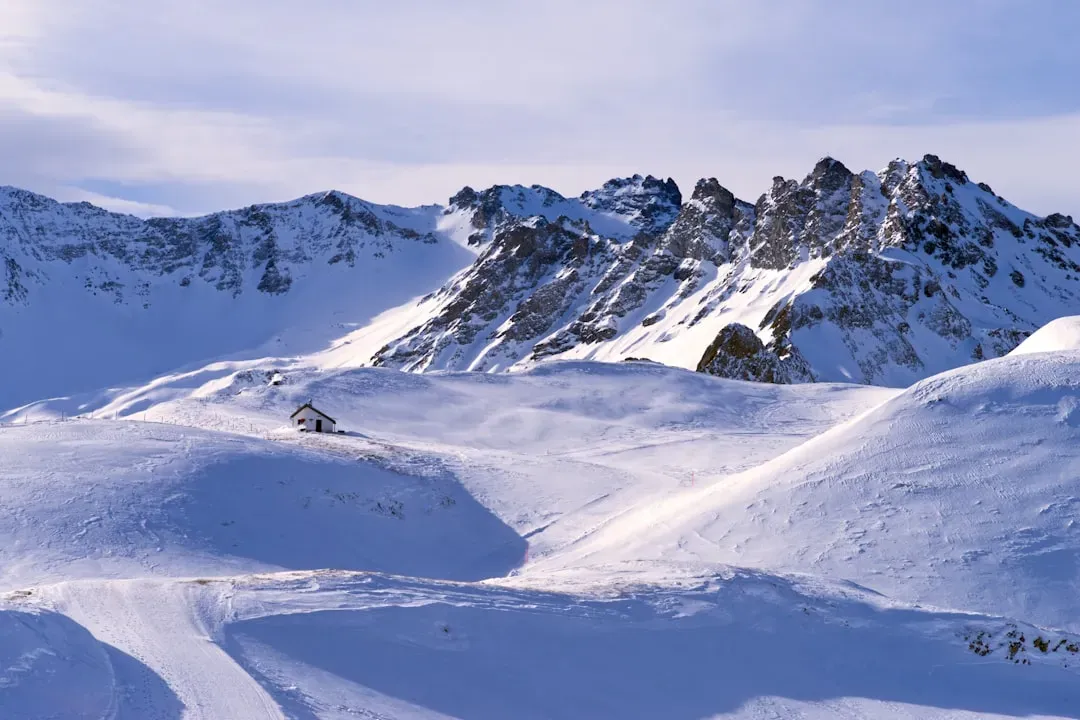
If you look at a world map, you might see just shapes of land and sea, but for Ice Age climate, the arrangement of continents is a big deal. When land masses sit near the poles, as they do today with North America and Eurasia, you get broad platforms where snow can fall and accumulate. If you shift those continents toward the equator, you remove the natural “landing zones” for giant ice sheets. So the way tectonic plates drift over millions of years sets up whether your planet is even capable of hosting big ice ages.
You also have to think about mountains and ocean currents. High mountain ranges help snow linger and build into glaciers, while narrow ocean gateways and ridges can redirect currents like a giant plumbing system. Those currents move heat around the globe; when they shift, they can cool some regions and warm others. For you, that means the solid ground and the moving ocean beneath you are quietly steering how easily ice can form and survive, long before any human ever wondered why there was a glacier in their backyard.
Volcanoes, Dust, and the Fine-Tuned Balance of Sunlight
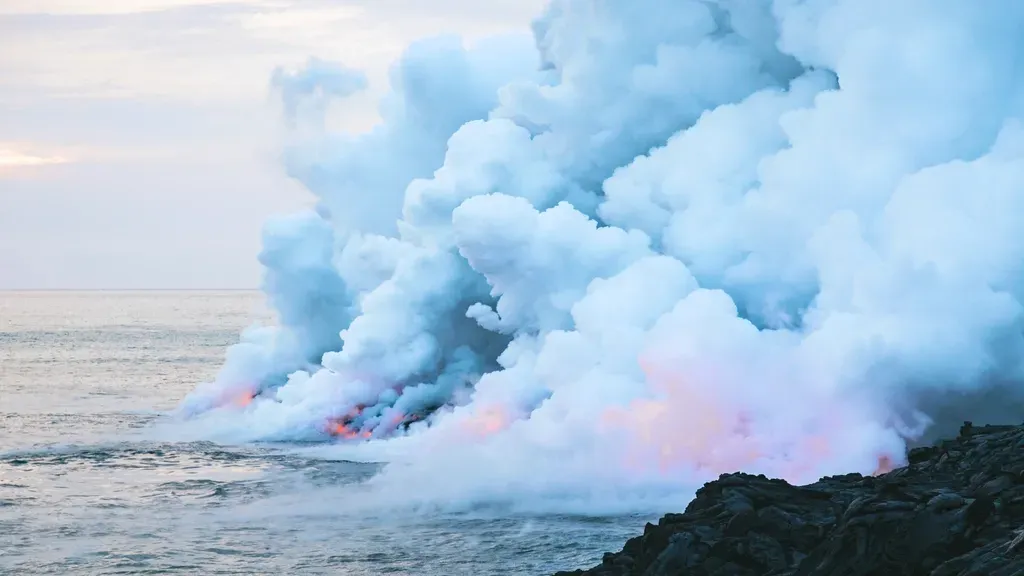
You might picture volcanoes only as short bursts of drama, but over long periods they are steady players in the climate story. Big eruptions can throw ash and tiny particles high into the atmosphere, where they reflect some sunlight and cause brief cooling. Over thousands of years, the balance between volcanic gases that warm the climate and particles that cool it helps set the backdrop against which ice sheets advance or retreat. You can think of volcanoes as slowly turning the dials on both greenhouse gases and the amount of sunlight that reaches the surface.
Wind-blown dust is the quieter sidekick that you might not notice at first. During icy times, dry, cold conditions allowed more dust to be lifted into the atmosphere and spread across ice sheets and oceans. That dust could change how much sunlight the surface absorbed and even fertilize the oceans, altering how much carbon dioxide they pulled from the air. When you step back, you see that even tiny particles, almost invisible to you individually, helped tip the energy balance that encouraged the Earth to stay cold and icy.
Life’s Surprising Influence: Plants, Oceans, and Tiny Creatures
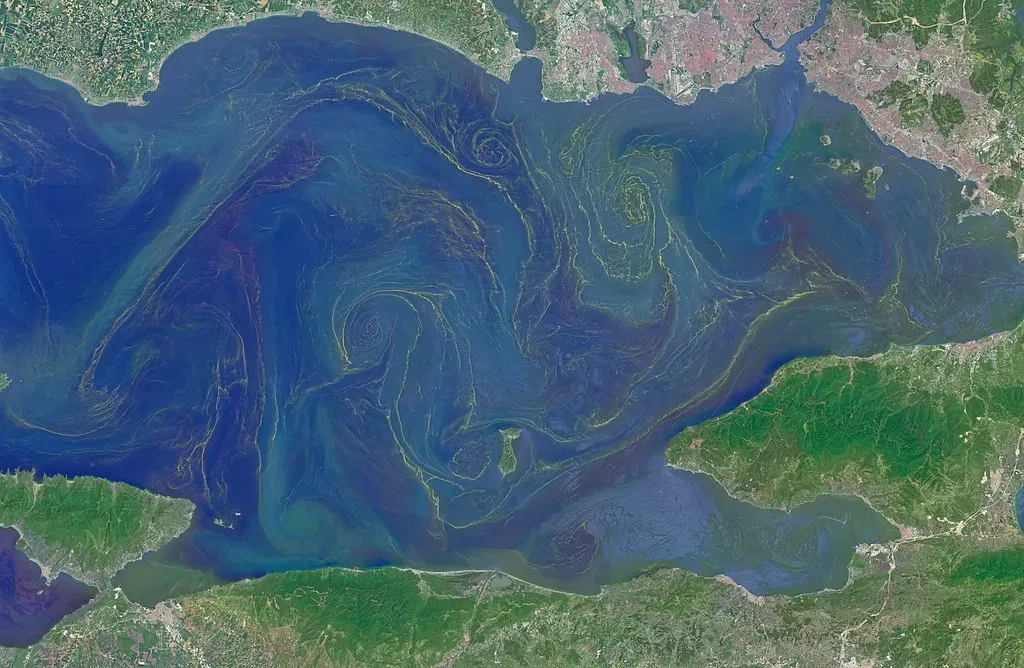
You do not usually think of forests, plankton, and soil bacteria as climate engineers, but during Ice Age cycles, they were deeply involved. As the climate cooled, vegetation shifted, with forests retreating in some regions and grasslands or tundra spreading. That changed how much carbon was stored in plants and soils and how much was left in the atmosphere. When you track these patterns across long stretches of time, you see life and climate constantly dancing with each other, each one shaping the other’s moves.
In the oceans, tiny floating organisms captured carbon as they grew, then carried some of it into the deep sea when they died and sank. During glacial times, changes in ocean circulation and nutrients altered how much carbon the oceans stored, which in turn changed the amount of greenhouse gases in the air above you. So if you zoom in on a handful of seawater, you are looking at a miniature engine that helped push the planet further into or out of an Ice Age, even though it operated at a scale you would never notice in your daily life.
Why the Ice Age Ended and What It Means For You Today
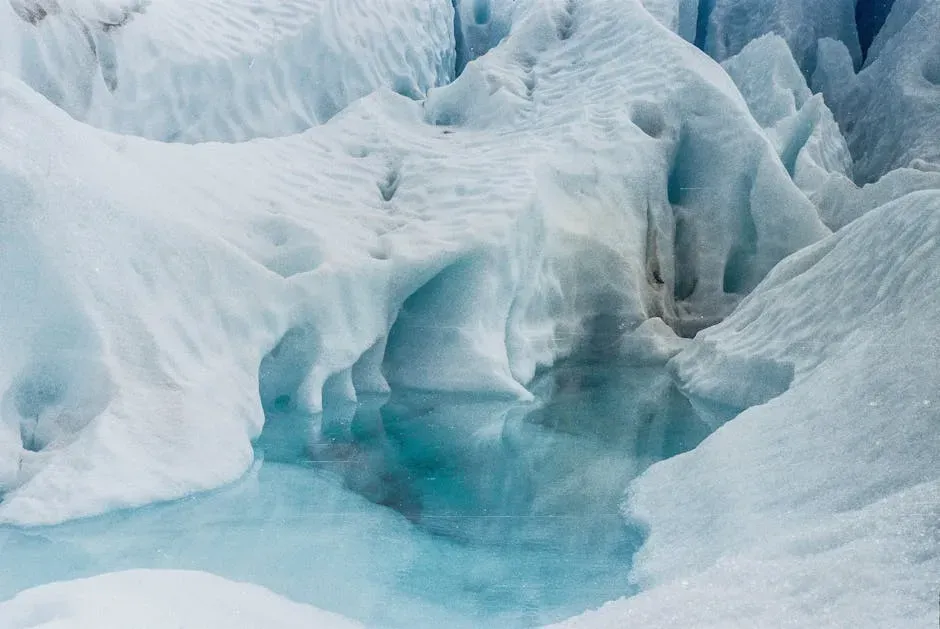
Eventually, the same slow orbital cycles that helped start the Ice Age turned in the opposite direction, increasing summer sunlight in key regions and nudging the planet toward warming. As summers grew a little stronger, ice sheets began to melt more than they grew, shrinking back from their maximum extent. The melting ice changed sea levels and regional climates, which altered vegetation, dust, ocean circulation, and greenhouse gases yet again. You can see this as the climate system slowly shifting into a new balance, leaving behind the extreme cold world of the last glacial maximum.
For you today, the end of the Ice Age is not just ancient history; it is the foundation of the modern world you live in. The retreating ice carved valleys, left behind fertile soils, and shaped coastlines where your cities now sit. At the same time, human activities are now increasing greenhouse gases much faster than the natural swings of the past, pushing the climate in a direction very different from the slow orbital-driven ice cycles. When you compare those long, gentle natural changes to the rapid shifts happening now, you are reminded that the same powerful climate system that once covered much of the Earth in ice is still very much active – and you are now part of what drives it.
Conclusion: Living on a Planet That Remembers Its Ice
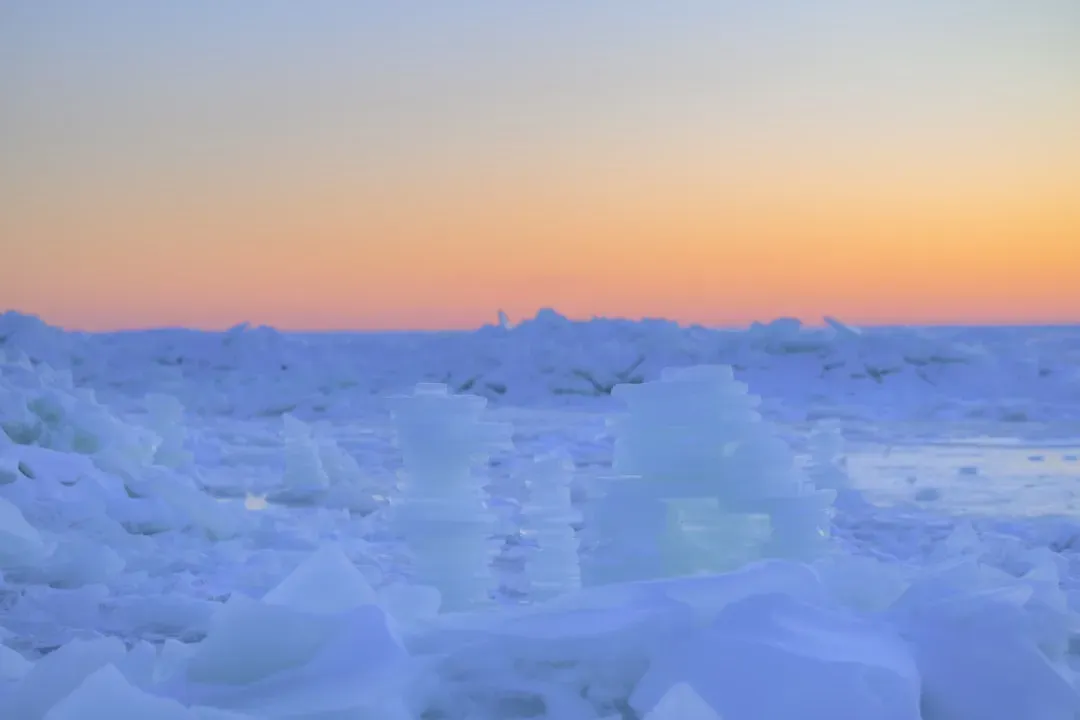
When you look around your landscape – at smoothed hills, scattered boulders, and long, narrow lakes – you are often seeing the fingerprints of the last Ice Age. The frozen world that once covered much of the Earth was not an accident or a single event; it was the result of orbital rhythms, shifting greenhouse gases, drifting continents, restless volcanoes, and even tiny forms of life all working together over immense spans of time. You live in the aftermath of that story, on a planet that still carries the scars and gifts of its icy past.
Understanding what caused that Ice Age does more than satisfy your curiosity about ancient Earth; it gives you a kind of x-ray vision for the climate system you depend on today. You can see how small shifts, repeated over long periods, can transform an entire planet, and how sensitive the climate is to changes in sunlight, gases, and circulation. As you think about your own role in that system now, with modern changes happening far faster than any ancient orbital wobble, you might find yourself asking: if slow natural nudges could build ice sheets kilometers thick, what do today’s rapid human choices have the power to do?