
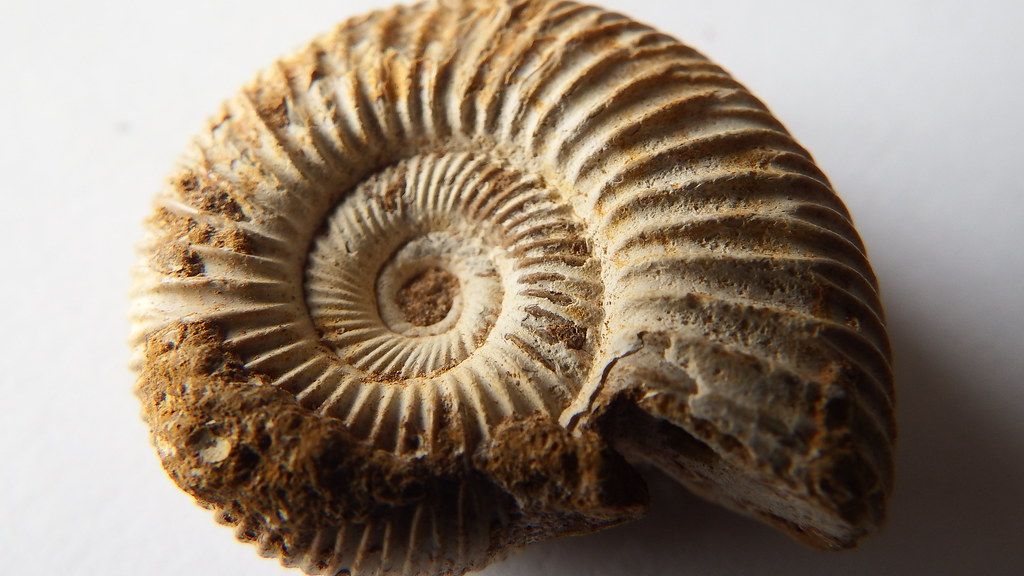
You pick up a seashell on a windswept mountain ridge, miles from any shoreline, and for a second it feels almost unsettling. What is a piece of ancient seafloor doing above the clouds, higher than birds usually fly? That little fossil in your hand is more than a pretty souvenir. It is hard proof that the ground under your feet has lived an entirely different life, in an entirely different world.
Once you realise that, the landscape around you changes. Every cliff starts to look like a page in a history book, every fossil like a sentence written in stone. You are not just hiking over rock; you are walking across the ghost of an ancient ocean. To understand why seashells end up on the highest mountains, you have to zoom out in time, slow everything down, and watch continents move, collide, and drown under seas you will never see.
The Shocking Truth: Mountain Tops Were Once Seafloors
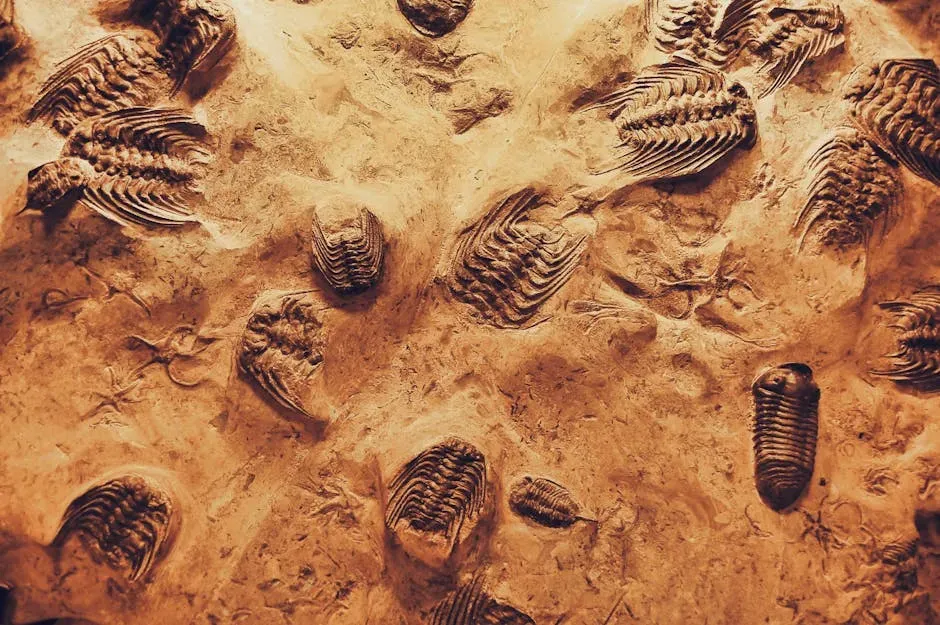
It sounds like something out of a fantasy novel, but you really are standing on what used to be the bottom of the sea. Many of the world’s highest mountain chains, including the Himalayas and the Alps, are built from rocks that formed under ancient oceans. When you see layers of limestone packed with fossil shells, corals, and other marine life thousands of meters above sea level, you are literally looking at former seabeds that have been crumpled and lifted skyward.
If you could rewind Earth’s history like a movie, you would watch entire shallow seas cover regions that are now landlocked and mountainous. Over millions of years, mud, sand, and the hard parts of marine creatures piled up, hardened, and turned into rock. Later, those same rocks were folded, broken, and pushed upward as continents collided. That is why a seashell on a summit is not a mystery at all; it is a perfectly logical outcome of a restless planet.
Plate Tectonics: The Giant Conveyor Belts Beneath Your Feet
![Plate Tectonics: The Giant Conveyor Belts Beneath Your Feet ([4], Public domain)](https://nvmwebsites-budwg5g9avh3epea.z03.azurefd.net/dinoworld/2bfea5a195efcea7e1d86149dc76be82.webp)
The real engine behind mountain-top seashells lies deep below your boots: plate tectonics. Earth’s outer shell is broken into huge slabs, or plates, that slowly move around on the softer layer beneath. Where these plates slide past, dive under, or crash into one another, you get earthquakes, volcanoes, and towering mountain belts. You might feel like the ground is solid and permanent, but geologically speaking, it is more like a slow, grinding conveyor belt.
When an oceanic plate meets a continental plate, the denser oceanic plate usually dives down into the mantle in a process called subduction. But the sediments and rocks that built up on the old sea floor can get scraped off and plastered onto the edge of the continent. With enough time and pressure, these piles of seafloor debris are squeezed, stacked, and shoved upward into mountain ranges. The shells you see at high altitude rode along for the journey, from seabed to skyline.
How Seashells Turn Into Fossils in the First Place
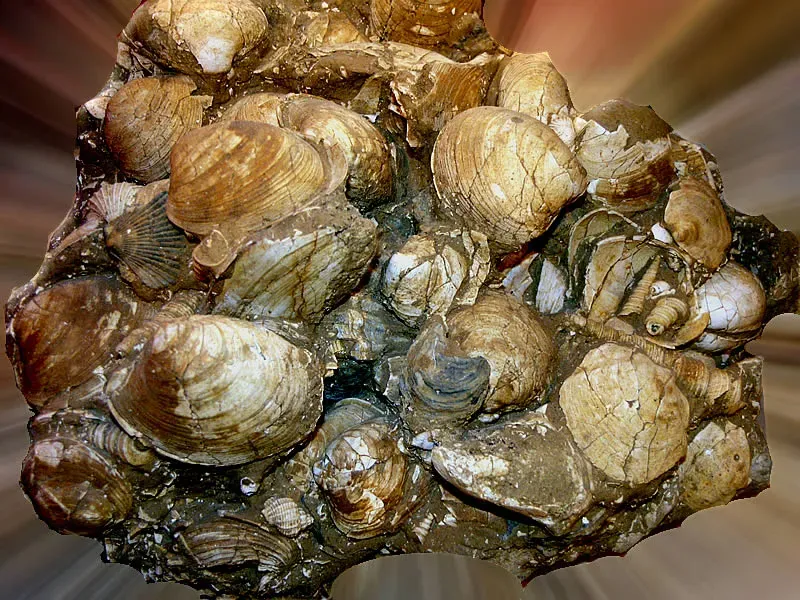
Before a shell can end up on a mountaintop, it has to survive long enough to become a fossil. When a marine creature dies, its soft parts usually decay quickly, but its hard shell can sink into the seafloor mud. If that shell gets buried fast enough by more sediment, it is shielded from being dissolved or broken up. Over time, layers of mud and sand build up above it, and the pressure begins to transform both the sediment and the shell.
As the sediments are compacted, minerals in groundwater slowly seep in and can replace the shell’s original material grain by grain, turning it into stone. Sometimes the shell itself dissolves but leaves behind a perfect mold or cast in the surrounding rock. What you eventually get is not just a random rock, but a detailed stone snapshot of a once-living animal. When you find a fossil shell at altitude, you are holding both an ancient life form and a record of the environment it lived in.
From Ocean Basins to Sky-High Peaks: Uplift and Mountain Building
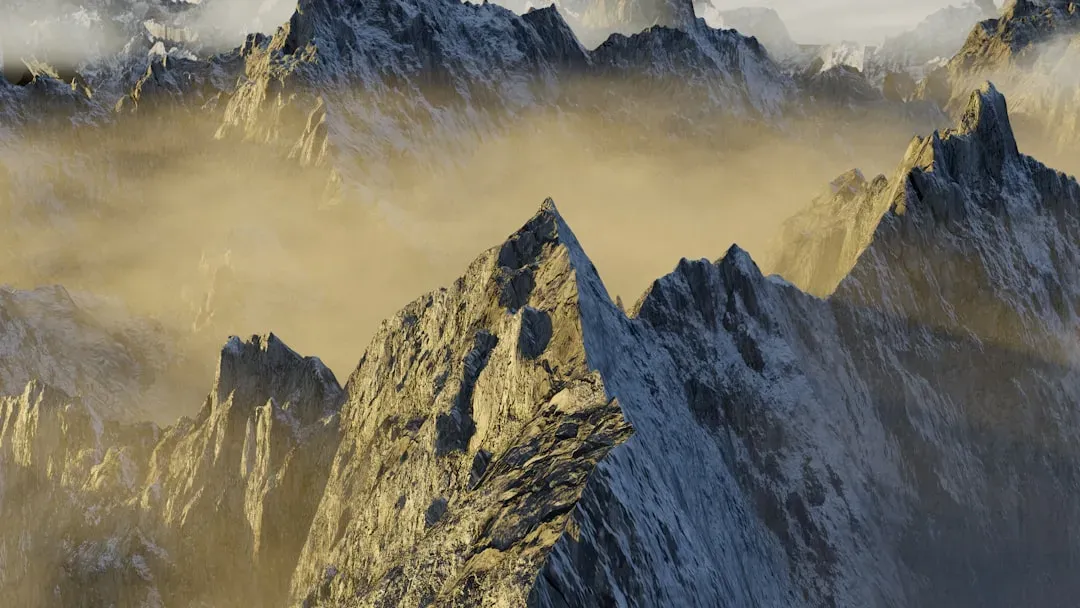
The jump from seafloor to summit happens through uplift, where huge sections of Earth’s crust are pushed upward. Imagine crumpling a carpet by pushing it from both ends; the wrinkles that form are like mountain ranges. When two continental plates converge, neither one dives easily, so the crust thickens and is forced upward. Marine rocks that were quietly sitting at the bottom of a shallow sea suddenly become part of a rising mountain belt.
In places like the Himalayas, you can trace a story of an entire ocean being squeezed shut as India slammed into Asia. Marine sediments and fossils that once lay beneath that lost ocean now form some of the highest rocks on Earth. You might think mountains are just big piles of granite, but in many ranges you are actually looking at twisted, tilted slices of ancient seabed. The shells you find there did not climb the mountain; the mountain rose up beneath them.
Clues Hidden in the Rocks: Reading Ancient Environments
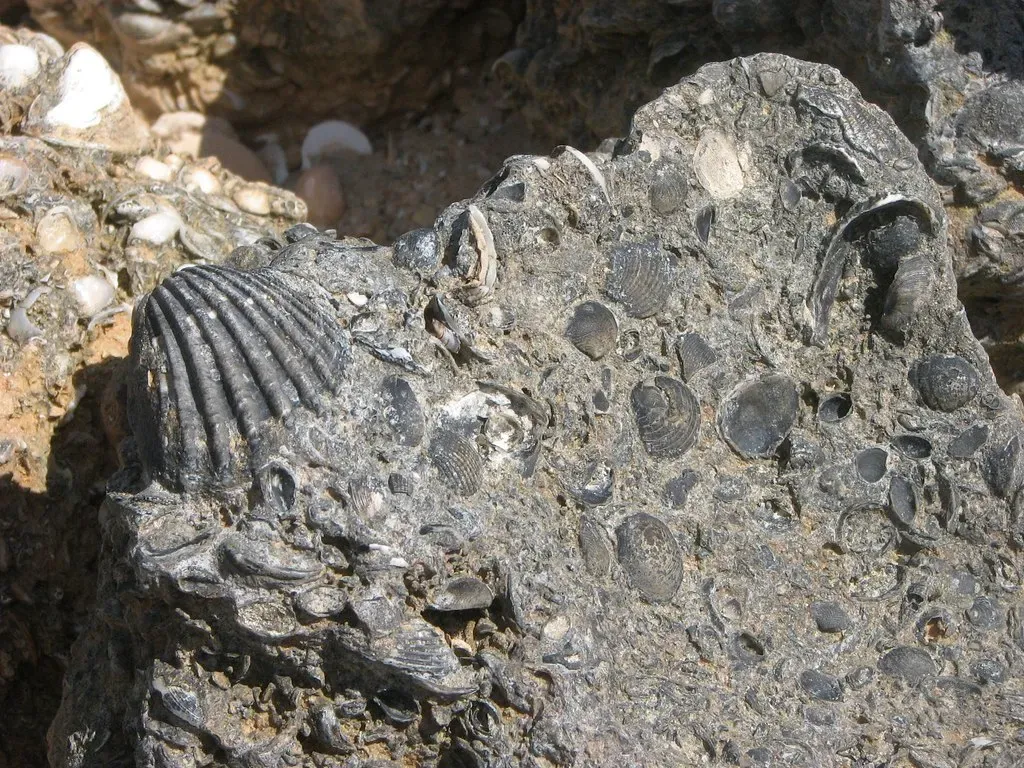
When you pick up a fossil shell at high altitude, you are not just finding proof that there was once water; you are finding clues about what kind of water it was. Different species of shell-forming creatures prefer different depths, temperatures, and levels of saltiness. By identifying the types of shells and the rocks they are in, you can work out whether you are looking at a former warm tropical lagoon, a deeper offshore shelf, or a reef system bursting with life.
The rock itself also helps you decode the setting. Fine, even layers of limestone full of shells might tell you about a calm, shallow sea, while coarser, mixed sediments might point to stormier conditions or a shoreline environment. As you learn to read these signs, a mountainside becomes more than just stone. It turns into a long-lost landscape map, with every fossil shell helping you reconstruct a world that disappeared millions of years before humans existed.
Why You Can Rule Out Flood Myths and Simple Explanations
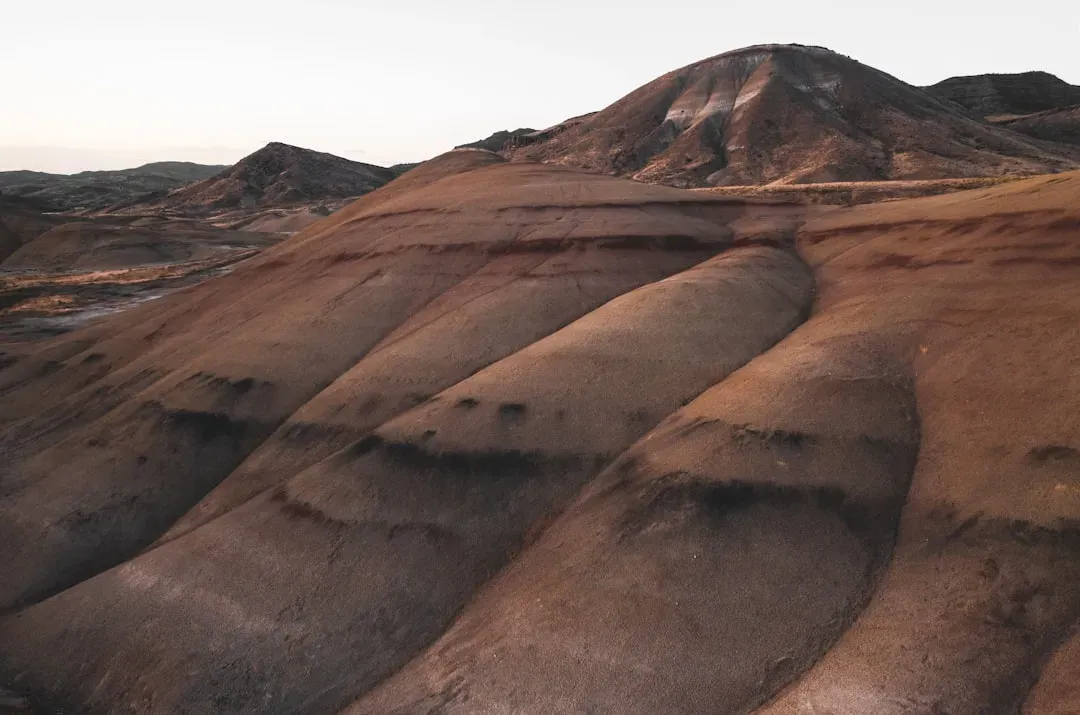
When people first noticed seashells high in the mountains centuries ago, many turned to dramatic flood stories as an explanation. It felt intuitive to think of one huge, planet-wide flood dumping sea creatures onto hills and ridges. But once you look closely at the rocks, the fossils, and the ages involved, that kind of simple, sudden explanation falls apart. You see layer upon layer of orderly marine sediments, stacked over immense time, not a random chaotic dump.
Radiometric dating, fossil succession, and the structure of folded and faulted rocks all point to a slow, stepwise story. Seas came and went repeatedly, sediments accumulated gradually, and mountain belts rose over tens of millions of years. If a single giant flood had simply washed shells uphill, you would not see them neatly embedded in ancient marine rock layers that can be traced for hundreds of kilometers. Instead, everything you can measure tells you that the seashells and the mountains share a long, intertwined history.
What Seashells on Mountains Reveal About Earth’s Past Climate
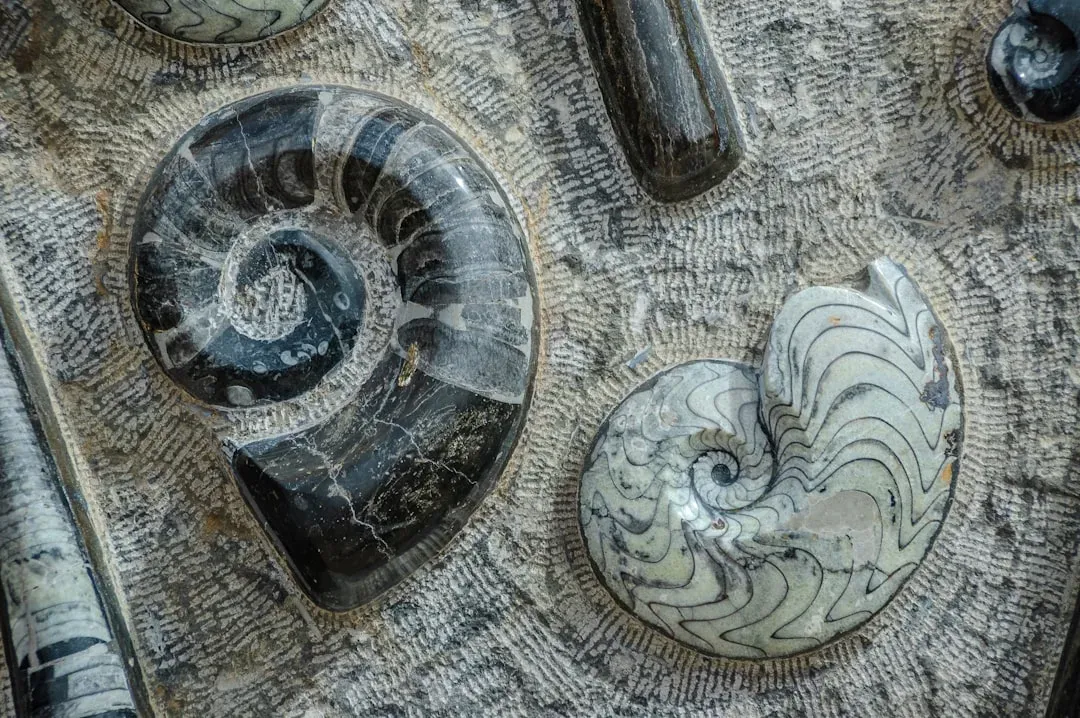
Those mountain-top shells are not just markers of old oceans; they also whisper secrets about past climates. The types of marine fossils you find can hint at the water temperature, chemistry, and even how much carbon dioxide was in the atmosphere back then. Warm-water shell species in rocks now sitting in cool, high-altitude regions show you that the climate in that area was once completely different, possibly much warmer and more tropical.
Chemistry locked inside shells can also record the composition of the seawater they grew in. By analysing these tiny chemical fingerprints, scientists can piece together long-term trends in climate change, sea-level shifts, and even the rhythm of ice ages. When you see a seashell on a peak, you are not just glimpsing a lost shoreline; you are looking at a tiny, durable data logger from a vanished world. It reminds you that Earth’s climate has swung wildly over time, long before humans began keeping records.
How Finding Seashells Changes the Way You See the World
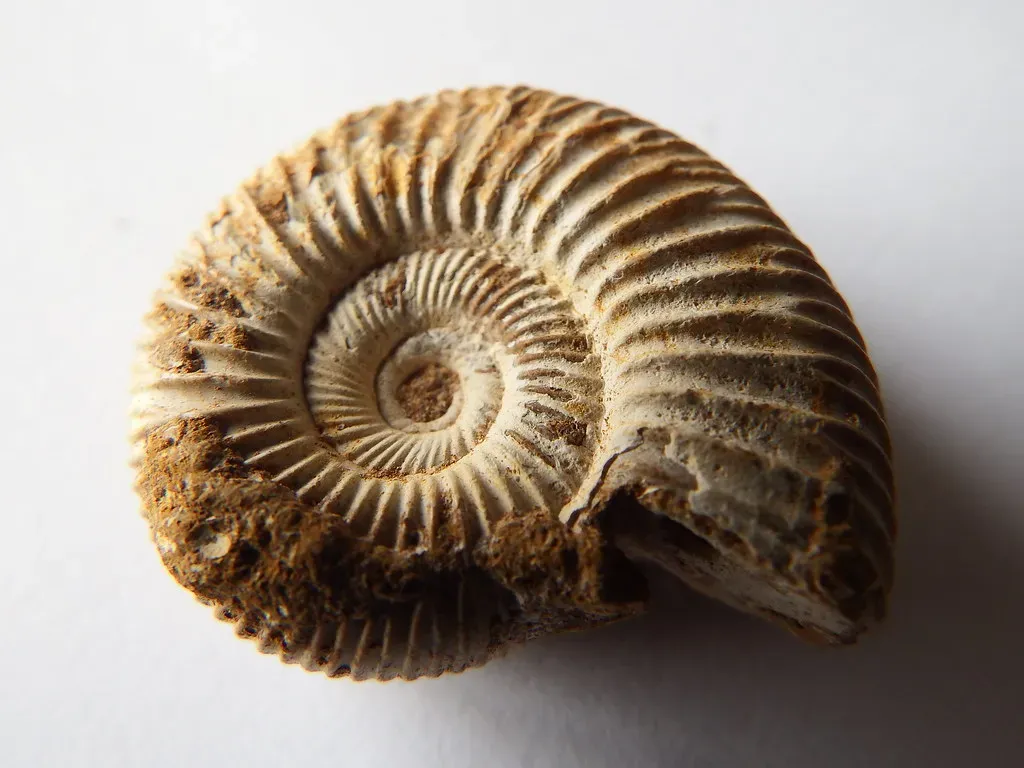
Once you really absorb the idea that mountaintop shells are ancient seafloor relics, it becomes impossible to see landscapes the same way. A calm valley suddenly looks like a collapsed fold in a gigantic rock rug. A cliff face becomes a cross-section of deep time, showing you layers that were once horizontal and underwater. Even a simple rock in your hand might hold fossils that outlast entire species, continents, and climates.
There is also something humbling and strangely comforting about realising that what feels permanent under your feet is actually just a moment in a long, restless journey. The mountain you climb today will be worn down; the lowlands you live in might someday rise. Seashells on summits are like postcards from Earth’s earlier chapters, reminding you that change is the rule, not the exception. When you look at the world through that lens, every hike turns into an expedition through both space and time.
In the end, seashells on the highest mountains tell you a simple, powerful story: the Earth you know is not the Earth that always was. Ocean floors can rise up to become rooflines of the world, and quiet shallow seas can be reborn as savage peaks. Those fossils are your evidence that plates move, climates swing, and landscapes reinvent themselves again and again. The next time you see a shell far above the shoreline, will you still think of it as just a pretty stone, or as proof that the ground beneath you has sailed oceans you will never see?