You tend to meet dinosaurs as museum skeletons or movie monsters, but if you step back and look at their whole history, you’re really looking at one of the greatest innovation stories on Earth. Over more than 160 million years, dinosaurs kept changing their bodies, their behaviors, and their strategies for survival, constantly reinventing themselves as the world shifted around them. Far from being slow, doomed reptiles, they were problem-solvers in claws and scales, tinkering with new designs in a living laboratory that ran for ages.
When you trace their story from small, quick-footed beginnings to towering giants and finally to birds streaking through the sky today, you see a pattern that feels surprisingly familiar: adapt or vanish. Climate swung wildly, continents ripped apart, forests rose and fell, and still dinosaurs kept finding new ways to eat, move, fight, and raise their young. If you think about it, the fossil record is like a series of snapshots showing you how life responds to crises, opportunity, and competition. And the message from dinosaurs is clear: standing still is not an option.
From Small Shadows to Global Success
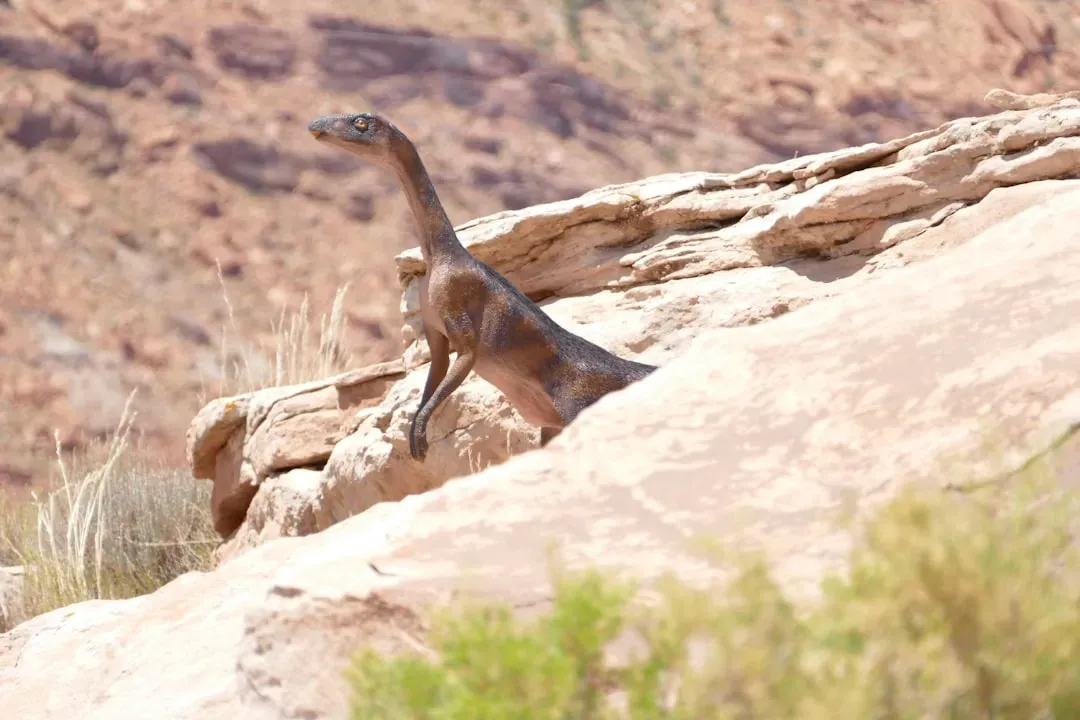
If you could time-travel to the very beginning of the dinosaur story in the Late Triassic, you probably wouldn’t notice them at first. Early dinosaurs were generally small, lightweight animals darting through a world dominated by other reptiles, like giant relatives of crocodiles. You’d see creatures with long legs, slender bodies, and nimble movements, more like fast-running birds and lizards than the lumbering giants you’re used to picturing. At that stage, dinosaurs were the scrappy underdogs rather than automatic rulers of the planet.
What set them apart, though, was a package of traits that gave them an edge when the world turned harsh. Their hips and limbs were built for upright, efficient walking, and their lungs and metabolism likely leaned more toward active, high-energy lifestyles than many rivals. When a major extinction event wiped out a lot of their competitors toward the end of the Triassic, those advantages suddenly mattered. You can think of it like a rough economic crash that only the most flexible startups survived, and dinosaurs were among the ones still standing, ready to spread into the vacant spaces.
The Power of New Body Plans
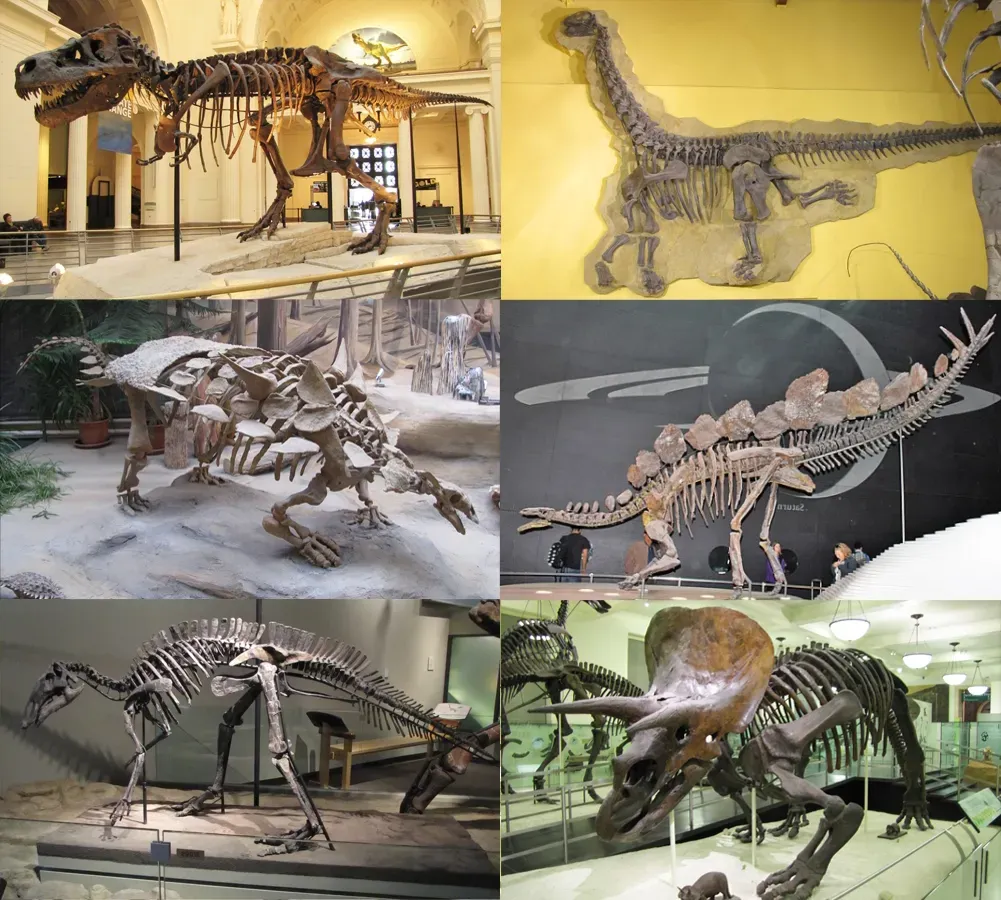
As dinosaurs spread through the Jurassic and Cretaceous, you can watch their bodies branch into wildly different designs, almost like one experimental product line after another. Some lineages stretched into long-necked giants that could sweep an entire treetop buffet without taking many steps. Others shrank and specialized in speed, agility, or powerful jaws. Instead of one “typical” dinosaur, you’re really looking at a whole toolkit of shapes and sizes, each fine-tuned to a slightly different lifestyle. That variety is a sign that natural selection was pushing them to occupy every imaginable niche.
Think of it the way you’d think of vehicles: you have bicycles, pickup trucks, sports cars, and heavy-duty excavators, all built on the same basic idea of wheels and engines but customized for different jobs. Dinosaurs did something similar using bones, muscles, and teeth as their engineering materials. Ankylosaurs effectively became armored tanks, stegosaurs turned their tails into spiked clubs, and small, fast predators honed sharp claws for grabbing quick-moving prey. You’re seeing innovation at the level of skeletons, where every ridge, plate, and joint is a design decision tested over thousands of generations.
Feathers, Warmth, and the Rise of Active Dinosaurs
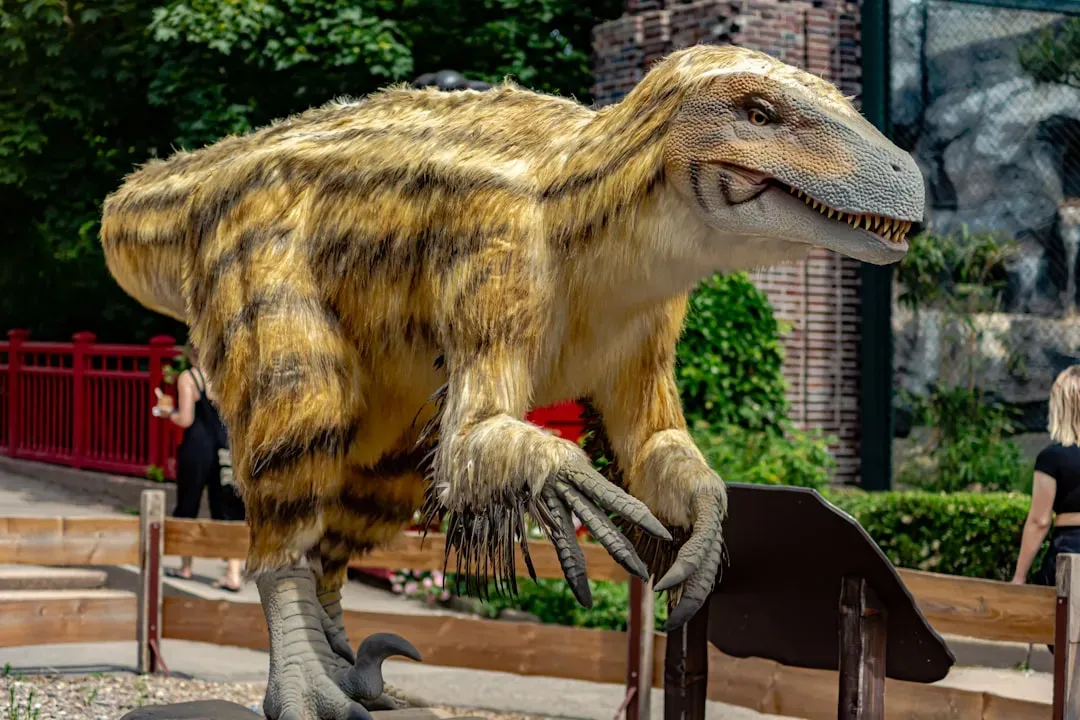
When you picture feathers, you probably jump straight to birds, but in dinosaur evolution, feathers show up earlier as a kind of multi-purpose invention. Many theropod dinosaurs, especially closer relatives of birds, carried simple filaments or more complex, branching feathers on their bodies. At first, those structures likely helped with insulation, letting these animals maintain steadier body temperatures in cool nights or seasonal climates. Feathers also opened the door to display, letting individuals stand out with color and pattern in ways that scales alone never could.
As some lineages refined those feathers, they gradually turned into aerodynamic surfaces, setting the stage for gliding and eventually powered flight. At the same time, features like air-filled bones and specialized lungs helped many dinosaurs become more efficient at breathing, especially during intense activity. You’re not looking at sluggish swamp reptiles; you’re looking at creatures edging toward the high-energy, warm-blooded lifestyle you associate with modern birds and mammals. Feathers, in that sense, were not just ornaments; they were part of a broader shift toward speed, endurance, and versatility.
Arms Races: Predators, Prey, and Constant Escalation
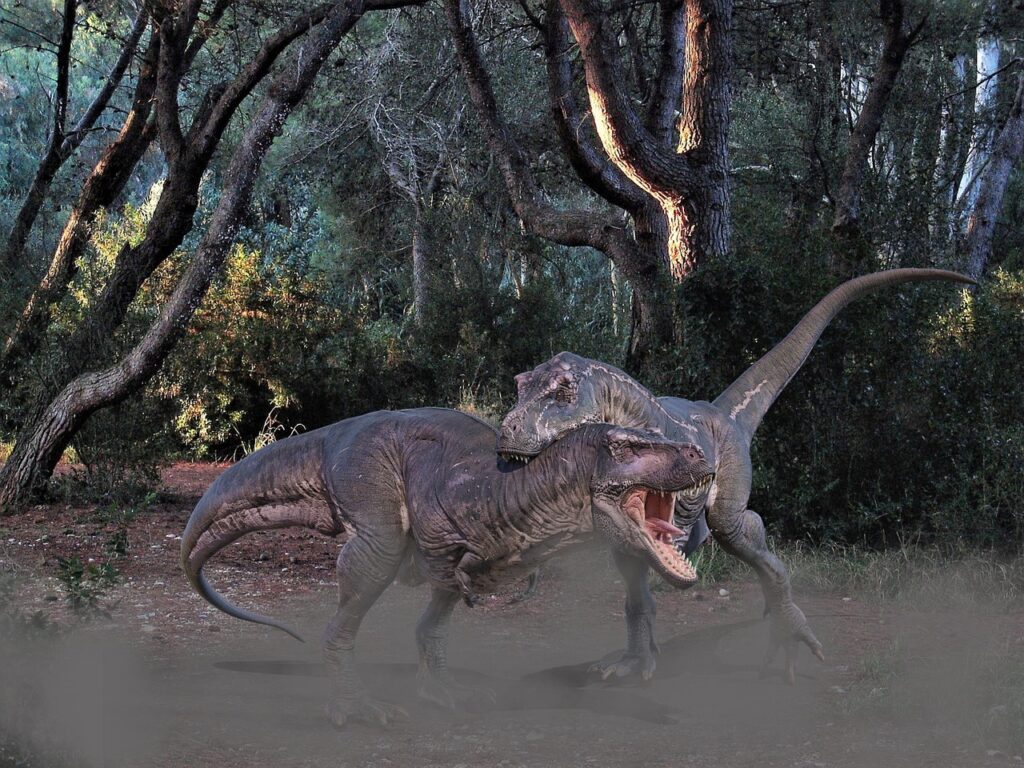
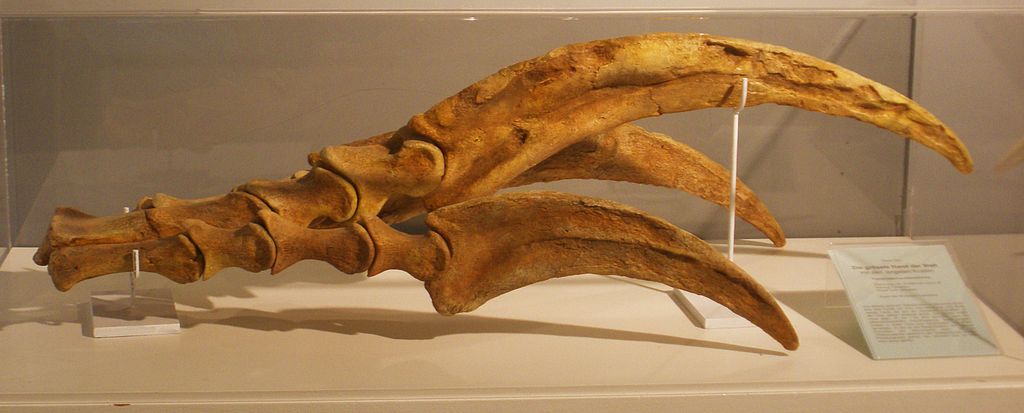
Once dinosaurs became established predators and prey, the stage was set for evolutionary arms races that pushed both sides to keep innovating. On the predator side, you see jaws becoming deeper and stronger, teeth turning into serrated blades, and senses like vision and smell sharpening. Large theropods developed massive skulls supported by strong necks, trading some speed for sheer bite power. Smaller predators evolved grasping hands, sickle-shaped claws, and agile builds tailored to chasing and ambushing nimble targets. Each new upgrade in hunting put pressure on prey species to respond.
On the herbivore side, you see matching bursts of creativity. Horns, frills, plates, spikes, armored backs, and heavy tails all show up as ways to deflect or deter attacks. Even behavior likely shifted, with many plant-eaters probably moving in groups, using size, numbers, or warning calls to stay safer. It’s like watching a constant back-and-forth between offense and defense, where no design stays unchallenged for long. When you look at those bizarre, extravagant dinosaur shapes, you’re really seeing the scars and shields of millions of years of evolutionary competition.
Dining Innovations: Teeth, Guts, and New Ways to Eat Plants
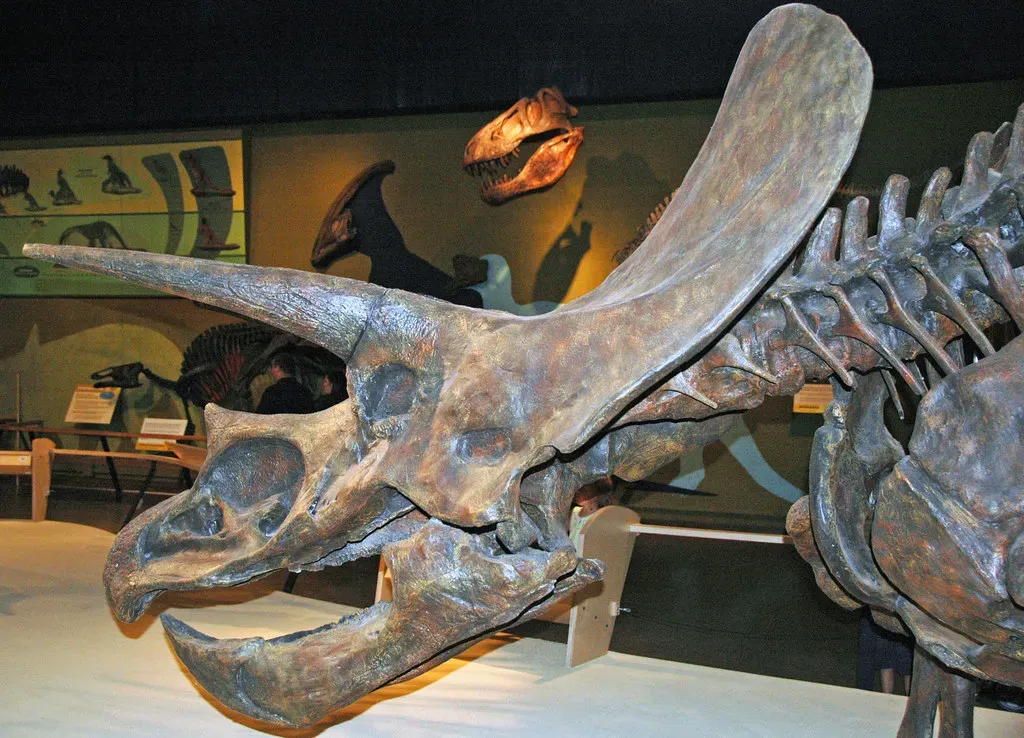
A big part of dinosaur success lies in how creatively they approached food, especially plants. Early plant-eaters mostly relied on simple teeth and big guts, swallowing relatively unprocessed vegetation and letting stomach chemistry do the heavy lifting. Over time, though, some herbivorous dinosaurs developed sophisticated dental batteries: closely packed rows of teeth that could grind plant material much like a set of rotating millstones. That allowed them to tap into tougher leaves and fibers that wouldn’t have been worth the effort before. You can think of it as upgrading from a basic knife to a full food processor.
Jaw muscles grew stronger, skulls reshaped to support repetitive chewing, and body sizes soared as these animals extracted more energy from their meals. In different groups, you see alternative strategies: some used beaks to crop plants efficiently, others evolved long necks to reach high or low without moving much, and some may have swallowed stones to help grind food in their stomachs. Every one of those tweaks let dinosaurs exploit new plant communities as forests, ferns, and flowering plants expanded and shifted through the Mesozoic. You’re watching a feedback loop, where changing vegetation drives new dinosaur designs, which in turn change the pressures on plant life.
Parenting, Growth, and Social Life
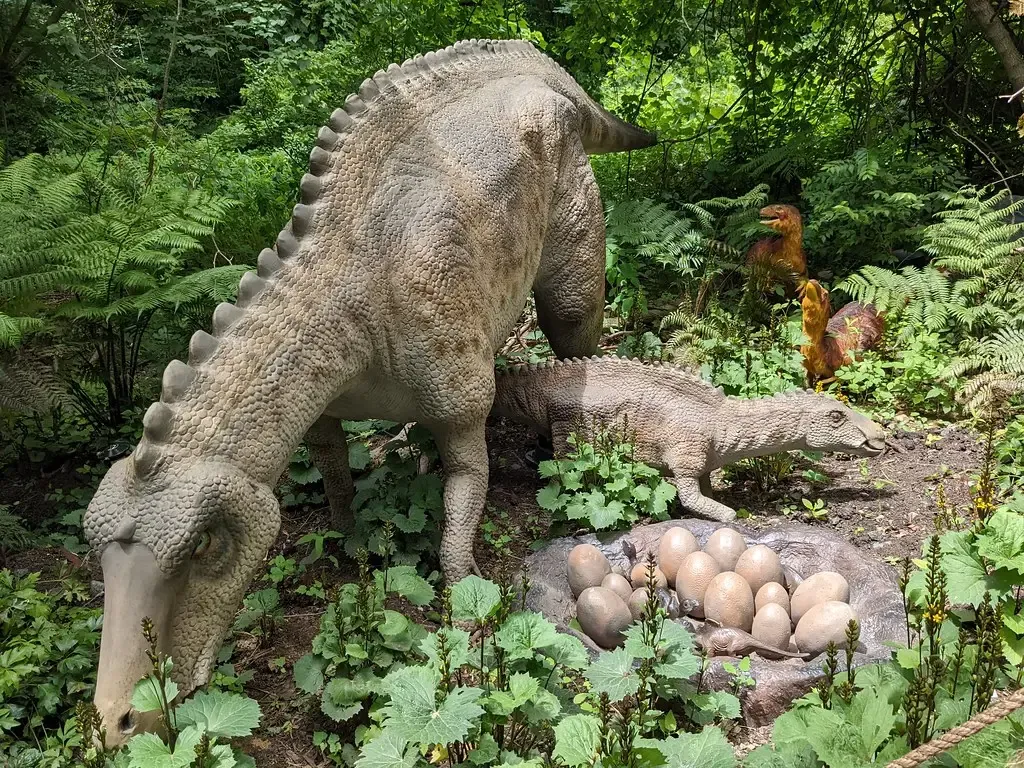
You might assume dinosaurs just laid eggs and walked away, but evidence paints a more nuanced picture that shows innovation in how they raised the next generation. Fossil nests, eggs arranged in organized patterns, and sometimes even preserved embryos suggest that several species invested time and effort in nesting strategies. Some appear to have returned to the same nesting grounds year after year, much like modern seabirds. In a few remarkable cases, you find juvenile skeletons clustered together, hinting that young dinosaurs stayed in groups or near adults for at least part of their early lives.
Bone studies also tell you that many dinosaurs grew rapidly, reaching large sizes much faster than modern reptiles typically do. That kind of growth requires efficient metabolism and probably strong access to food and protection during vulnerable stages. Social behavior, whether in loose herds or more complex groupings, would have helped with spotting predators and navigating migrations. While you still have a lot to learn about dinosaur societies, the evidence you do have points away from lonely, slow-growing creatures and toward more dynamic, sometimes cooperative lifestyles. In their own way, they were experimenting with different family and group strategies long before mammals took center stage.
Surviving Change: Climate, Continents, and Crises
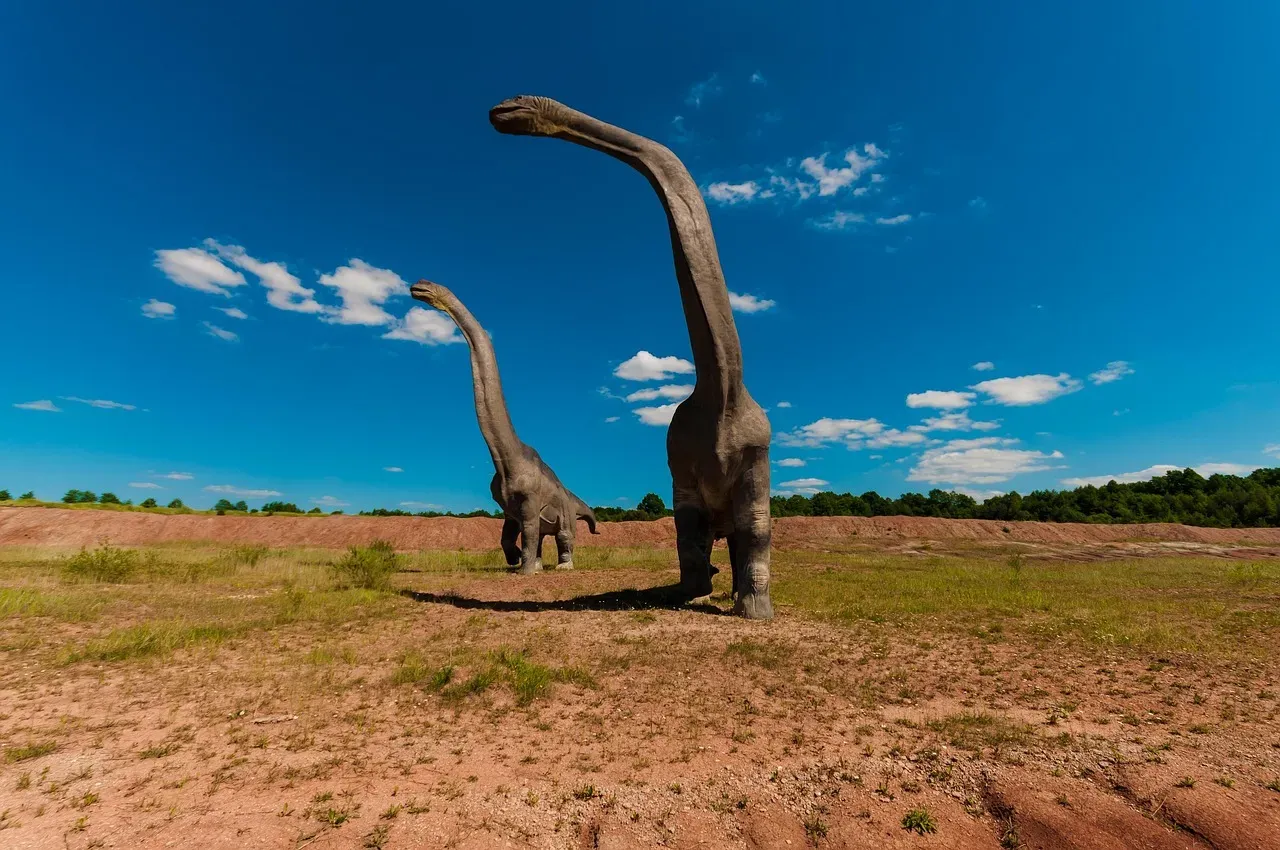
Throughout dinosaur history, the planet never stayed still. Continents drifted apart, opening new oceans and mountain ranges, while climate swung from warm, humid greenhouse phases to cooler, more seasonal conditions. Every shift meant that habitats appeared, merged, or disappeared, and dinosaurs had to respond or be left behind. Some lineages expanded across entire supercontinents, then later split into distinct species as landmasses separated. Others became specialists locked into narrow environments that vanished when conditions flipped. You can think of it as a constantly rearranging board game where the rules kept changing.
Long before the final asteroid impact at the end of the Cretaceous, dinosaurs had already survived earlier extinctions and regional die-offs. Their track record shows you that adaptation is not about avoiding change but about riding wave after wave without losing your balance entirely. Some groups, like the non-bird giant plant-eaters and apex predators, eventually reached limits they could not cross when environments shifted too abruptly. Yet others, especially smaller, feathered dinosaurs, carried the torch through the end-Cretaceous disaster and beyond. The story is not that dinosaurs were fragile, but that even a remarkably innovative lineage faces hard boundaries when the planet is hit hard enough.
From Dinosaurs to Birds: Innovation That Never Stopped
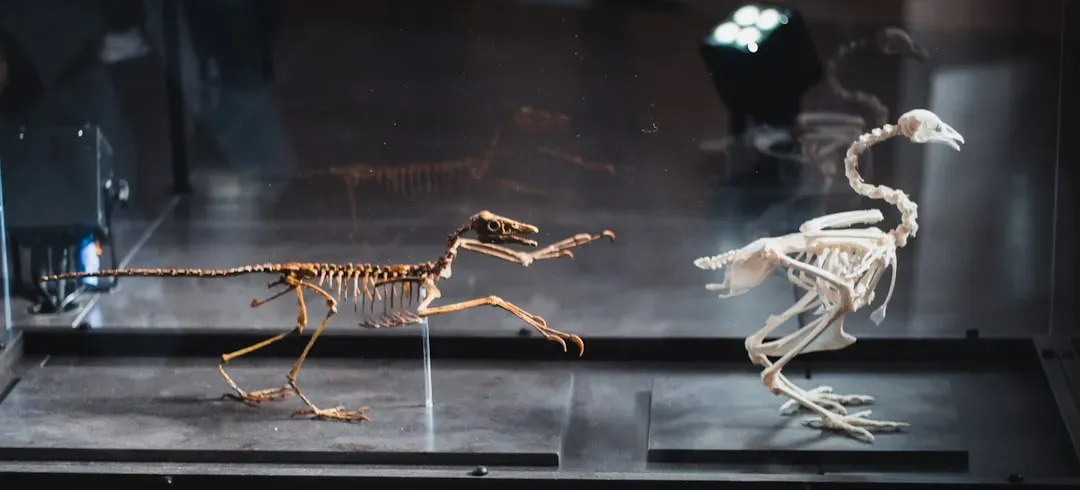
When you watch a bird land on a railing, cock its head, and take off again, you are looking at the final chapter of dinosaur evolution, not something separate. Over millions of years, certain small theropod dinosaurs kept refining feathers, wings, balance, and brain structures that made complex movement and fast reactions possible. Gradually, arms became wings, jaws with teeth gave way to beaks, and tails shrank into compact structures that aided flight control. The end result was a creature built to exploit the sky, with a lightweight skeleton and turbocharged metabolism. That did not happen in one jump; it was the sum of countless small innovations layered on top of each other.
When most non-bird dinosaurs disappeared after the massive impact roughly sixty-six million years ago, these bird-like dinosaurs survived and diversified into the thousands of species you see today. They continued to adapt, turning flight into everything from hovering to soaring, and even sometimes giving it up again in favor of running or swimming. In a very literal sense, you still live in a dinosaur world; it just looks feathery instead of scaly. If you follow the thread from Triassic ground-runners to modern sparrows, hawks, and penguins, you see that the story of dinosaur innovation never really ended. It simply changed form.
When you pull all of this together, the evolution of dinosaurs stops looking like a straight line toward inevitable extinction and starts to resemble a long-running workshop in problem-solving. Over deep time, they reinvented how to move, how to eat, how to protect themselves, how to raise their young, and even how to leave the ground entirely. Some of their experiments failed, others thrived for tens of millions of years, and one branch is still waking you up with birdsong today. If anything, their story suggests that lasting success comes from constant adjustment rather than sticking with one winning formula forever. So when you hear the word “dinosaur,” will you still think of something outdated – or will you picture one of history’s most relentless innovators?