When you step into Petrified Forest National Park, you are not just visiting another desert landscape; you are walking straight into deep time. The logs at your feet began as living trees more than two hundred million years ago, long before the Grand Canyon even existed and long before dinosaurs like Tyrannosaurus ever walked the Earth. It feels almost unreal that what looks like stone used to be wood, part of an ancient forest that thrived when this land was a steamy, river‑laced floodplain near the equator.
What makes this place so gripping is how much it forces you to rethink time and change. In a single day, you can go from glittering, crystal‑filled tree trunks to vast painted badlands and subtle traces of vanished cultures. You start to see that everything, including the ground under your shoes, is part of a much longer story than your own lifetime. If you let it, the Petrified Forest can feel less like a park and more like a conversation with the planet itself.
A Landscape Frozen in Time
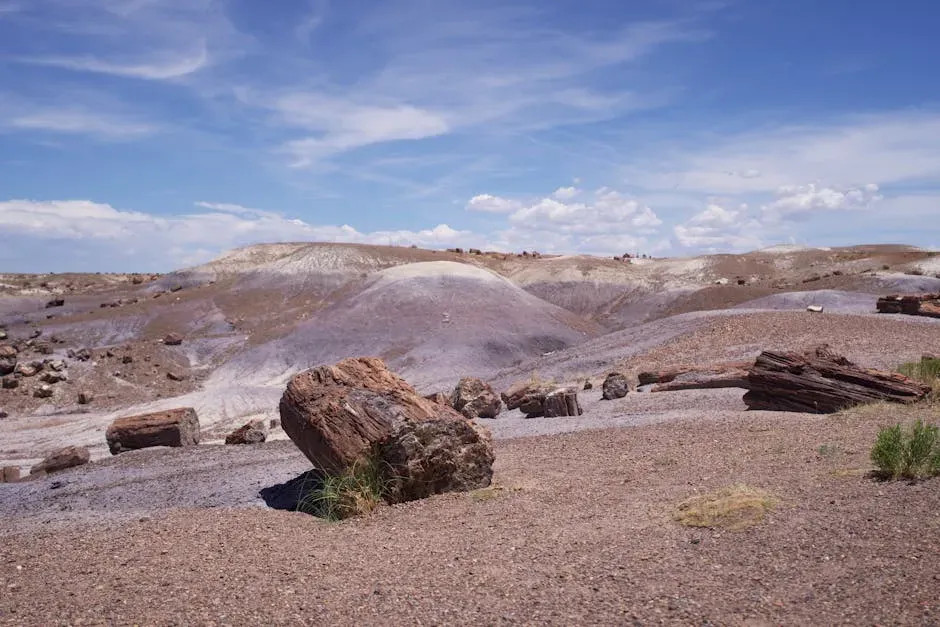
The first shock you feel at Petrified Forest is how normal the logs look… until you touch them. You see bark textures, growth rings, and broken stumps scattered across the desert floor, but instead of soft wood, your hand meets cold stone. You are essentially looking at trees that died in the Late Triassic Period, when the supercontinent Pangaea was still holding the world’s landmasses together and early dinosaurs were just beginning to appear. That sense of deep age hits you in a way no textbook ever can.
As you wander the trails, it becomes clear that this is not some staged exhibit; this is an entire ancient forest knocked down, buried, and turned to stone by natural processes. Some logs lie intact for dozens of feet, as if a storm just toppled them last year. Others have snapped into neat segments that look almost like someone sliced them with a giant saw. The desert wind whistles over them, and it’s hard not to imagine lush canopies and swampy air where today you only see sagebrush and sand.
How Wood Becomes Stone: The Science of Petrification
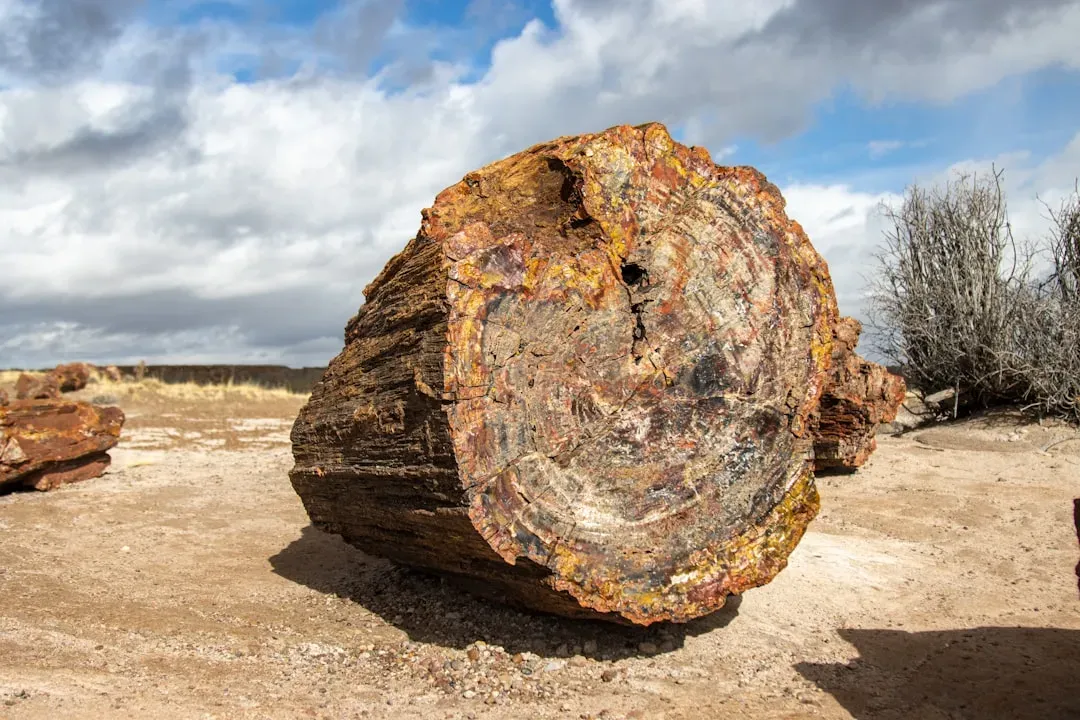
To really appreciate what you are seeing, you need to picture the forest as it was when it fell. Millions of years ago, huge conifer‑like trees collapsed into rivers and floodplains, quickly buried by layers of sediment and volcanic ash. That fast burial cut them off from oxygen, slowing decay to a crawl. Groundwater, rich in dissolved minerals like silica, seeped slowly through the logs, filling tiny spaces in the wood that were once cells and fibers.
Over time so long it is almost impossible to grasp, the original organic material broke down while minerals crystallized in its place. The shape of the tree stayed, but its substance transformed, cell by cell, into stone. When you see flashes of red, yellow, and purple inside the logs, you are looking at impurities like iron, manganese, and other elements that tinted the quartz forming inside. In a way, you are holding a fossil both incredibly delicate in its structure and almost indestructible in its new form.
The Painted Desert: Color Written in Rock
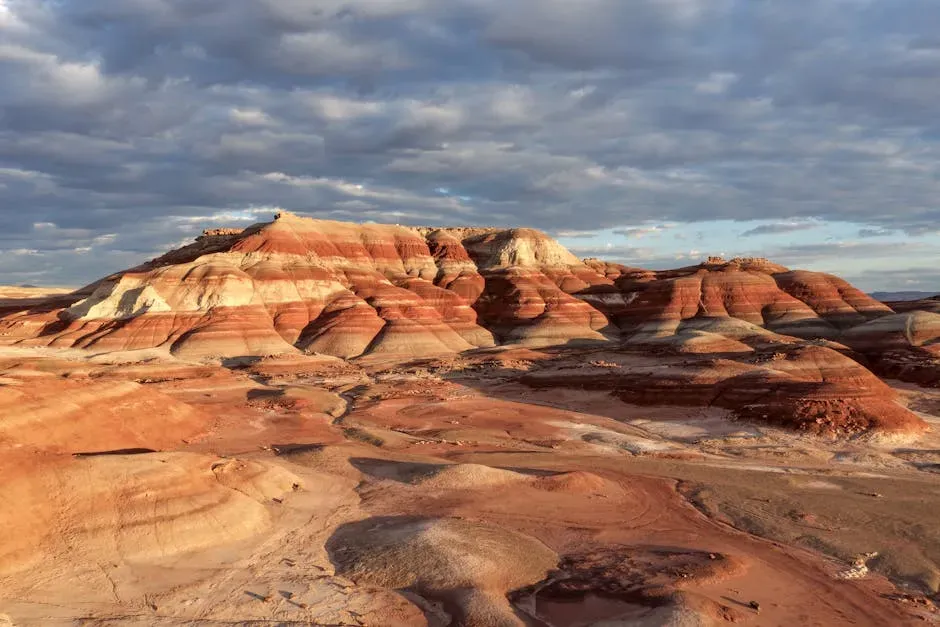
Even before you see the petrified logs, the Painted Desert stretches out like an abstract painting at your feet. Bands of soft gray, lavender, rust red, and pale blue wrap around the badland hills, layer upon layer. Each color tells you something about ancient environments: some layers formed in slow, quiet lakes; others during floods or under volcanic ash falls. You are basically looking at a stacked timeline of climates and ecosystems, exposed by erosion like pages of a torn book.
When the light shifts at sunrise or sunset, the colors deepen and shift, almost like the landscape is breathing. You might stand at an overlook and watch shadows crawl slowly across the hills, revealing new shapes and textures you missed a moment before. It is surprisingly emotional to realize that those gentle bands of color record hundreds of thousands of years at a time. You are not just looking at scenery; you are looking at time itself, given a palette and brushed across the land.
Walking Among Prehistoric Giants: Fossils and Deep Time
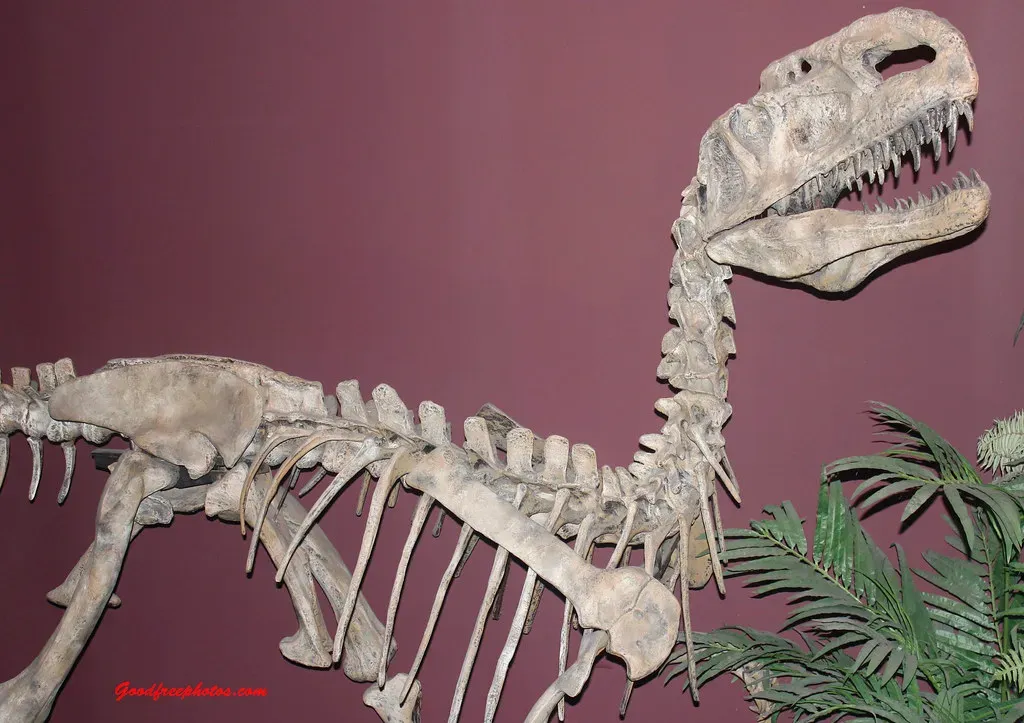
The forest’s stone logs are only one part of its prehistoric story; the rocks here have also preserved fossils from a strange cast of ancient creatures. In your mind, you might jump straight to giant meat‑eating dinosaurs, but the Triassic world was weirder and more experimental. You are in the home turf of armored reptiles, early crocodile relatives, and small, nimble dinosaur ancestors sharing swampy floodplains with enormous amphibians. Even if you never see the bones themselves, just knowing they came from this ground reshapes the way you look at every hill and ravine.
Museums and visitor centers around the park display fossils found in these rocks, from toothy skulls to delicate plant impressions. When you stand in front of those bones, it hits you that this land has carried life, death, and evolution through unimaginably long chapters. You start to feel your own timeline shrink down to almost nothing by comparison. For some people, that feeling is unsettling; for others, it is oddly freeing, like realizing you are a single note in a very long song.
Ancient Peoples and Painted Stories on Stone
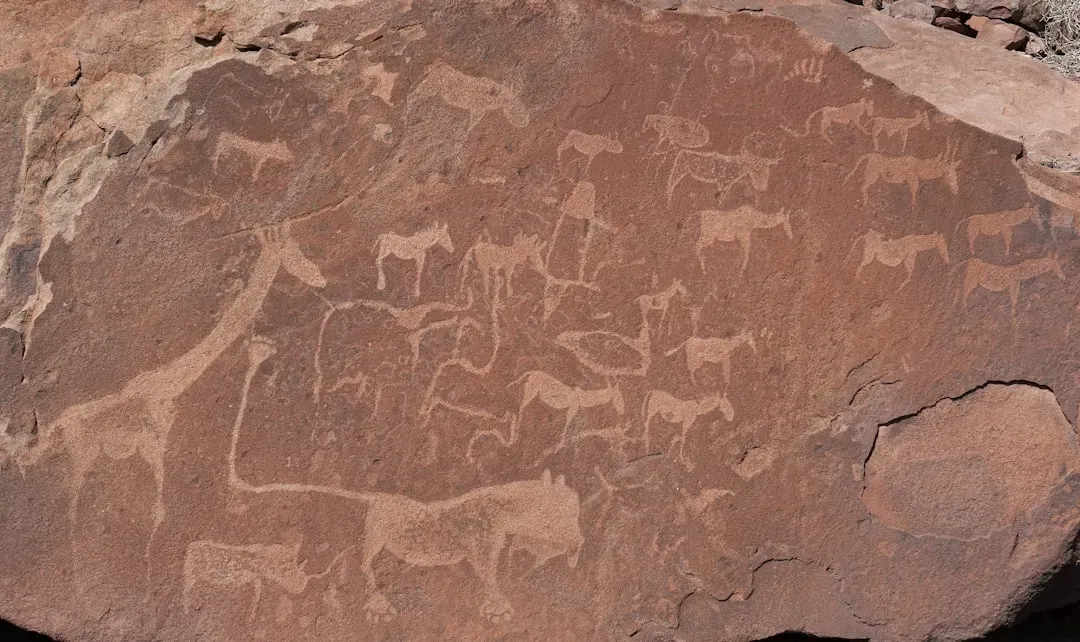
Petrified Forest is not only about prehistoric forests and reptiles; it is also about human history etched into rock. Long after the petrification of the trees, Indigenous peoples lived in and moved through this landscape, leaving behind petroglyphs, pottery fragments, and the remains of homes. When you spot a spiral or an animal carved into a dark desert varnish on a boulder, you get this prickly sensation that you are seeing someone’s message from centuries ago. You will never know exactly what they meant, but you know they cared enough to record it.
As you walk near sites with petroglyphs and ancestral ruins, it becomes obvious that this was not an empty desert to the people who lived here. It was a place of stories, trade routes, and sacred meaning, tied to seasons and survival. That realization adds another layer of depth; you are not just an outsider gawking at geology, you are a guest moving through lands that still hold cultural significance today. When you step lightly and stay on marked paths, you are quietly acknowledging that continuity of presence.
Exploring the Park: Trails, Drives, and Vistas You Should Not Miss
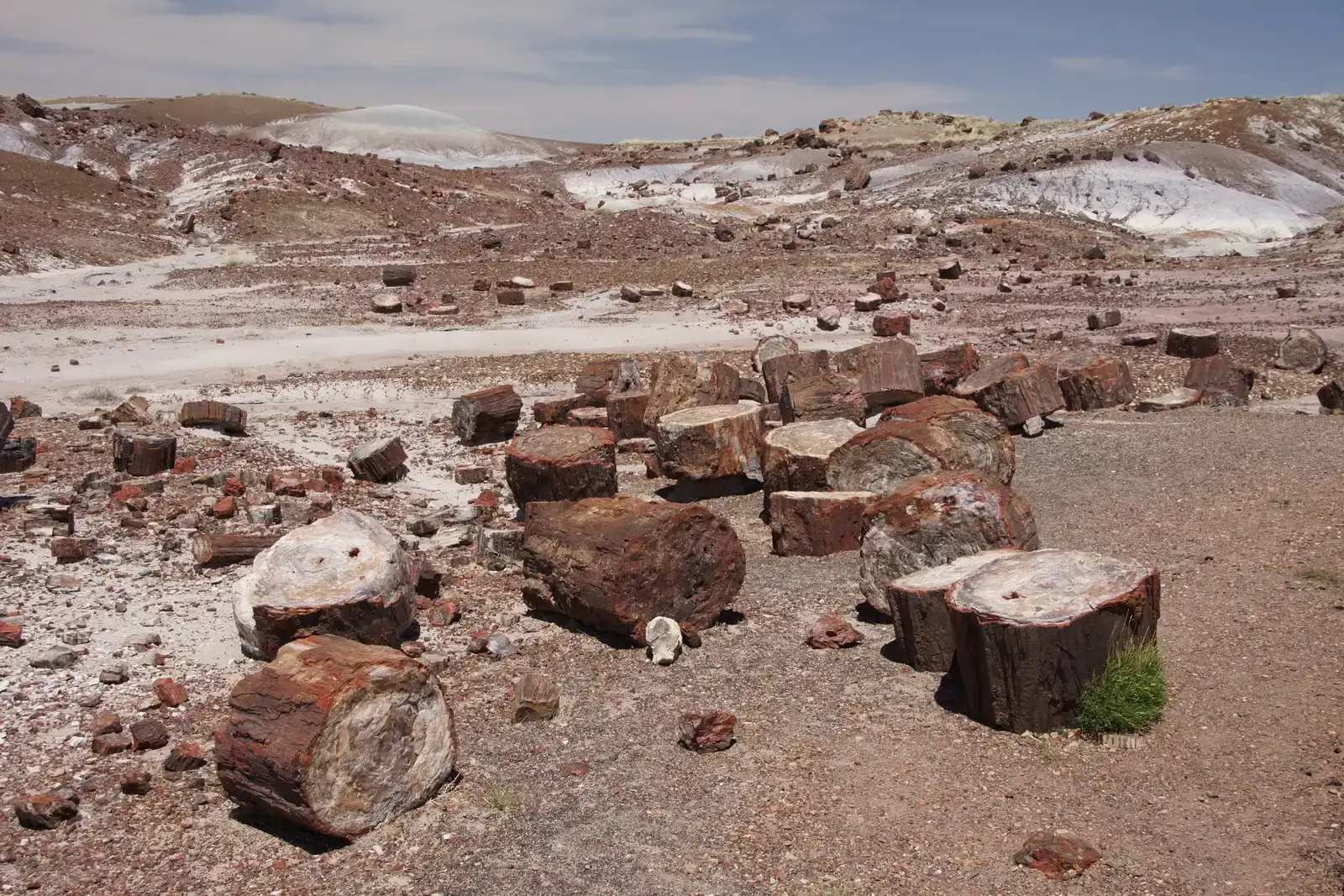
From your first mile on the main park road, it is clear that this is the kind of place best taken slowly. Short paved trails like the Crystal Forest, Giant Logs, and Blue Mesa loops let you weave right among the petrified logs and badland ridges without needing to be a hardcore hiker. You might find yourself stopping every few steps, bent over another log to admire swirling crystals or a perfect ring pattern frozen in stone. There is a childlike joy in realizing that every broken piece on the ground tells a tiny, unique part of the story.
Pullouts along the road offer big, sweeping views over the Painted Desert and eroded hills of the Chinle Formation. If you have more time and a sense of adventure, backcountry hiking routes let you wander into quieter corners where you might not see another person for hours. You learn to pay attention to distance, heat, and your water supply, because the openness that makes the views so thrilling can turn harsh in a hurry. That balance between wonder and respect is part of what makes exploring this park feel so alive.
Respecting a Fragile Treasure: Rules, Ethics, and Tough Lessons
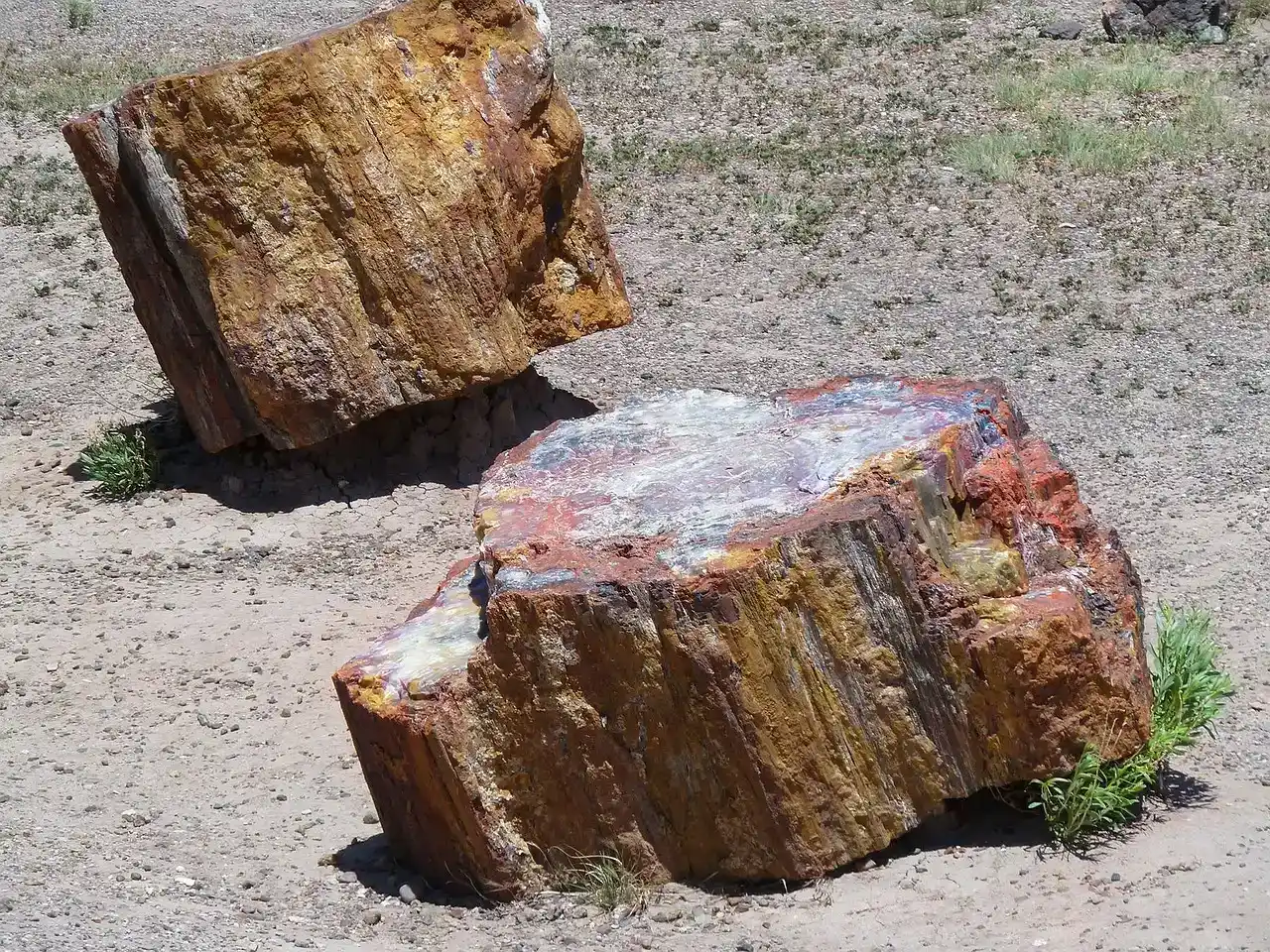
It is tempting, when you see a palm‑sized piece of polished petrified wood glittering at your feet, to think one souvenir would not hurt. But when you add up what that impulse would do across hundreds of thousands of visitors, the park’s policies suddenly make a lot of sense. Every piece you leave in place stays part of the story, part of the view that future visitors will get to experience. Taking wood or artifacts is not just against the rules; it steals a tiny slice of deep time from everyone else.
Over the years, park rangers have dealt with everything from quiet pocketing of small fragments to large‑scale theft. Some people later mail back pieces with guilty notes, admitting they felt strange luck afterward, whether or not that is really connected. When you choose to admire and photograph instead of pocket, you are putting yourself on the right side of that history. You become someone who helped keep a rare, non‑renewable landscape intact instead of chipping away at it one “harmless” piece at a time.
Changing Climate, Changing Desert: What the Future May Hold
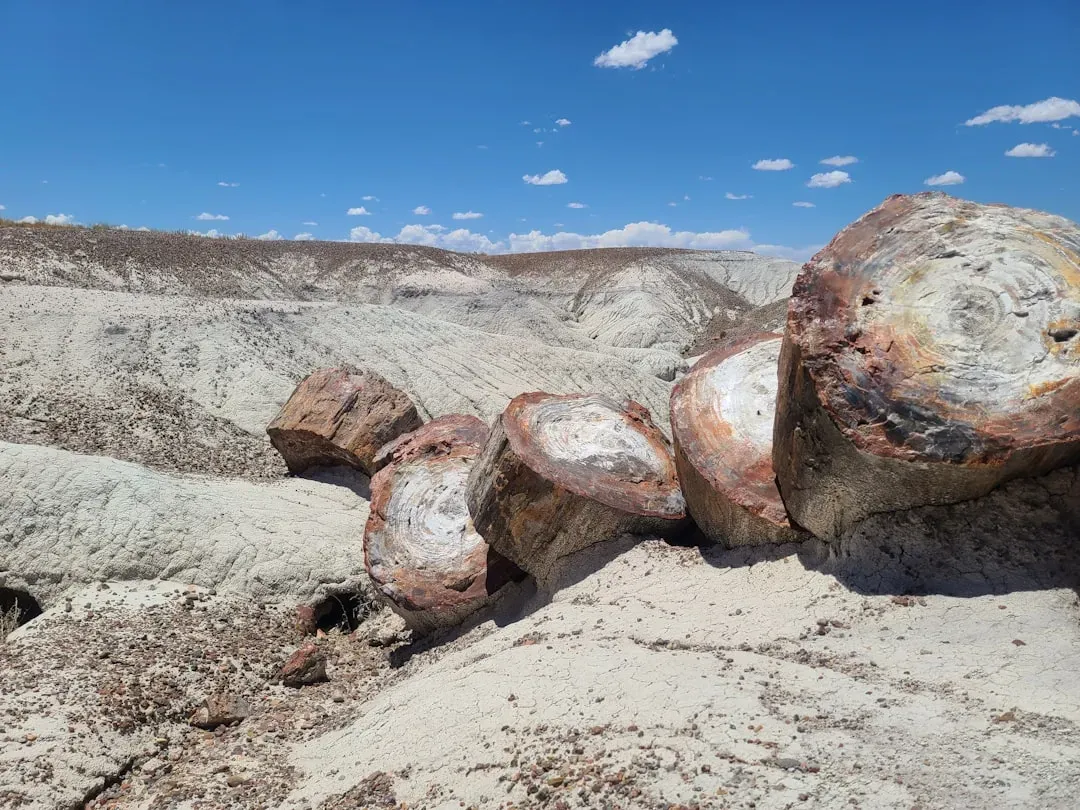
Standing under the huge desert sky, it can be hard to imagine anything ever truly changing here again. The logs have already lasted for tens of millions of years, after all. But the park, like the rest of the Southwest, is feeling the effects of a warming, drying climate. Hotter temperatures, shifting rainfall patterns, and more intense storms can reshape soil, stress plants, and affect wildlife that has adapted to very specific conditions. When you walk the trails, you are watching a new chapter of environmental change begin, whether you notice it or not.
You might see evidence in small details: a wash that has cut a little deeper, a slope more heavily eroded after a downpour, or plant communities shifting over time. On the positive side, national park protection gives this landscape a fighting chance to adapt without added pressure from development. Your own choices – how you travel, how you use water and energy, how seriously you take conservation – are part of that bigger picture. In a strange way, a place that shows you ancient climate shifts also becomes a mirror for your own era’s decisions.
Planning Your Visit: When to Go and How to Make It Count
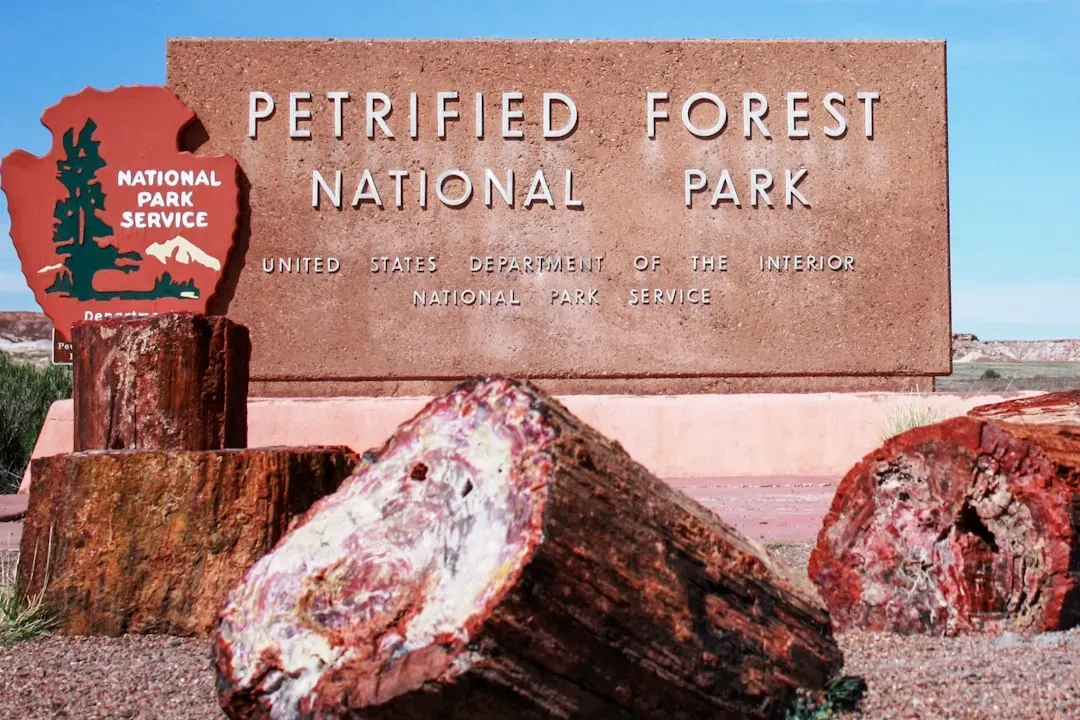
If you want the park to really get under your skin in the best way, timing and preparation matter more than you might expect. Spring and fall generally offer milder temperatures and clearer air, making it easier to walk the trails without roasting. Summer can bring intense heat and sudden thunderstorms; winter can be surprisingly cold, with occasional dustings of snow that transform the badlands into something otherworldly. Whatever season you choose, you will appreciate having water, sun protection, and realistic expectations about distances more than any gadget you bring.
It also pays to slow your pace instead of trying to “collect” every viewpoint. Spend a little extra time at one trail, or return to a favorite log in different light and see how much more you notice. Stop in at the visitor centers to learn how geologists, paleontologists, and Indigenous communities understand this place, and let that knowledge shape what you look for outside. When you head home, the memories that stick with you will not be how many overlooks you checked off, but the one moment when the land suddenly felt alive with stories.
Conclusion: Listening to a Stone Forest
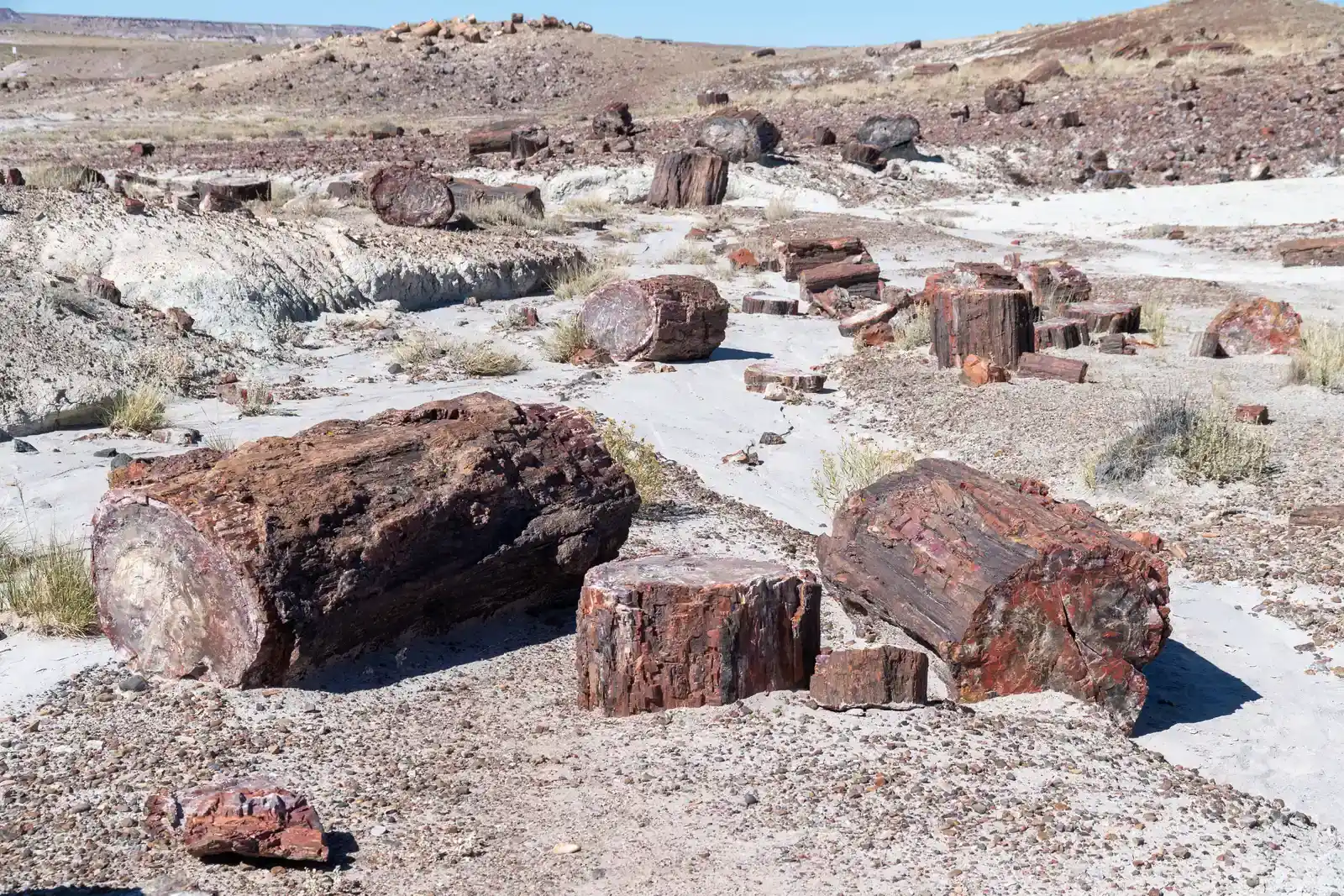
By the time you leave Petrified Forest National Park, you may find that your sense of time feels stretched and rearranged. You have walked among trees that died before the first birds took flight, traced color bands painted by vanished rivers, and stood where ancestors carved images into stone. You have seen how wood can become quartz, how deserts can hold the memory of swamps, and how a seemingly empty horizon can be crowded with invisible histories. In a quiet way, the park pulls you out of your daily rush and drops you into a much wider frame.
What stays with you most is the feeling that you were given a rare chance to listen in on Earth’s long conversation with itself. Every log, every eroded hill, every shard of pottery is like a sentence in a language you are just beginning to recognize. When you choose to visit thoughtfully, leave things in place, and share what you have learned, you help keep that conversation going. The next time you pick up a plain rock or look at a distant ridge, you might find yourself wondering what stories it is holding just out of sight – what do you think it might be trying to say to you?