If you grew up imagining dinosaurs as lonely, roaring monsters fighting everything that moved, you’re about to have your mind blown. Over the last few decades, paleontologists have quietly pieced together a very different picture: one where many dinosaurs may have cared for their young, traveled in herds, and even formed lifelong social bonds. You are not just looking at bones anymore; you’re looking at the frozen traces of relationships, routines, and maybe even emotions.
What makes this so thrilling is that almost everything you learn about dinosaur social life comes from tiny clues: a jumble of eggs here, parallel trackways there, bone beds with animals of different ages all together. When you put those clues in your hands and imagine them in motion, you start to see entire worlds of behavior reappear. As you read these eight theories, you’ll find yourself not only learning facts, but also instinctively asking: if you had been there, what would you have actually seen and heard?
You Might Be Looking at Dinosaurs That Nested in Colonies
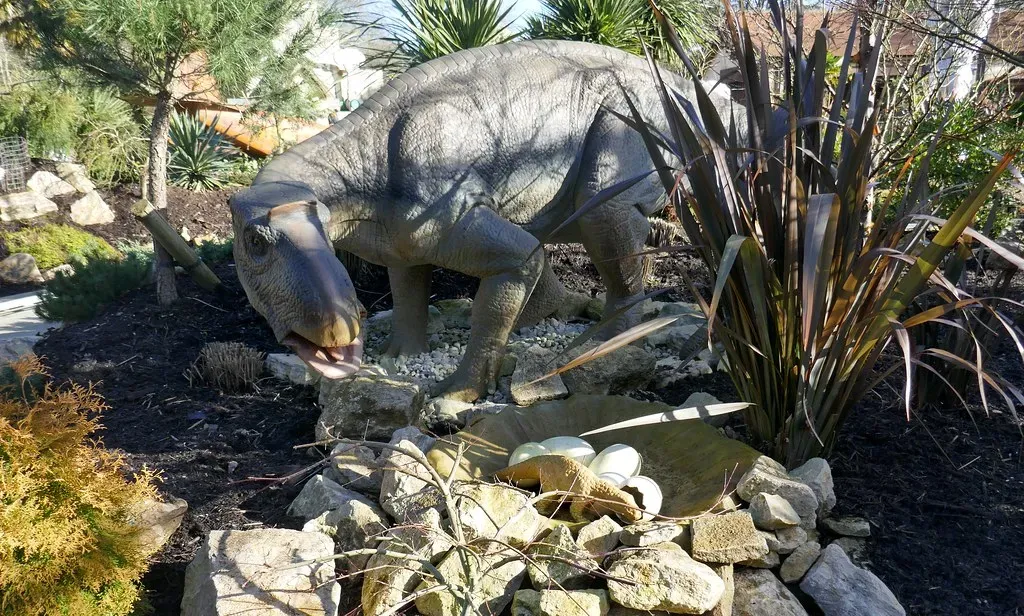
One of the most striking ideas is that some dinosaurs may have nested in large colonies, a bit like seabirds or penguins do today. When you picture a nesting ground, you probably imagine one or two nests, but in some fossil sites you see dozens or even hundreds of nests clustered close together, each holding multiple eggs. That kind of pattern suggests you are not looking at a few isolated animals but an entire breeding community coming back to the same safe spot, year after year.
When you think about it from the dinosaurs’ point of view, nesting in a colony makes a lot of sense. If you were a herbivorous dinosaur facing big predators, you’d have better odds if many adults were around to defend the site or at least confuse attackers by sheer numbers. You might also benefit from copying other successful parents: if everyone is nesting on a particular riverbank or floodplain, you would read that as a sign the place works. In that way, you can see dinosaur nesting colonies as early versions of neighborhood parenting – no houses, just eggs, dirt, and a whole lot of watchful eyes.
You Could Be Seeing Parents That Actively Guarded and Nurtured Their Young
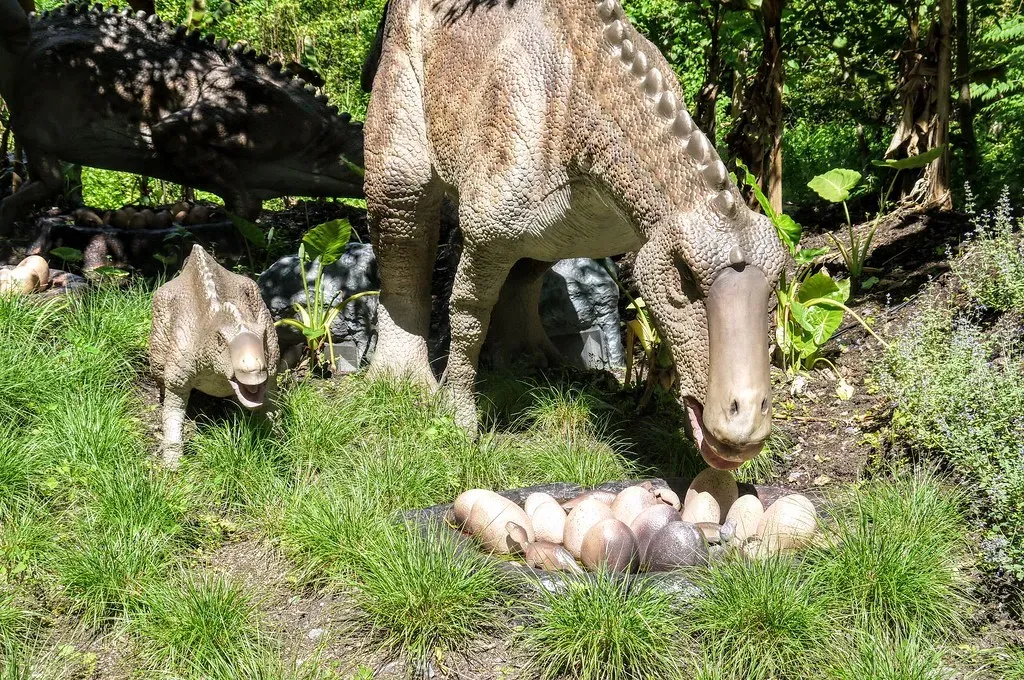
Another powerful theory is that some dinosaurs did not simply lay their eggs and walk away; they may have actively guarded and even nurtured their hatchlings. In certain fossils, you find adult dinosaurs preserved crouched over nests, as if covering eggs or shielding babies, and this poses a stark question for you: why would an adult be in that position if parenting stopped at egg-laying? The most straightforward explanation is that they stayed to protect their clutch, much like birds do today.
Some nesting sites also show different growth stages – eggs, tiny hatchlings, and slightly older juveniles – suggesting that the young might have hung around the nest for a while. If you imagine yourself standing in such a colony, you would not just see eggs; you would see fuzzy or scaly hatchlings huddling near a parent, calling, following, and learning. That picture forces you to rethink the emotional distance you may have assumed between dinosaur parents and their young; instead of cold indifference, you might see at least a basic level of care, vigilance, and investment in the next generation.
You May Be Witnessing Herds With Complex Age Structures
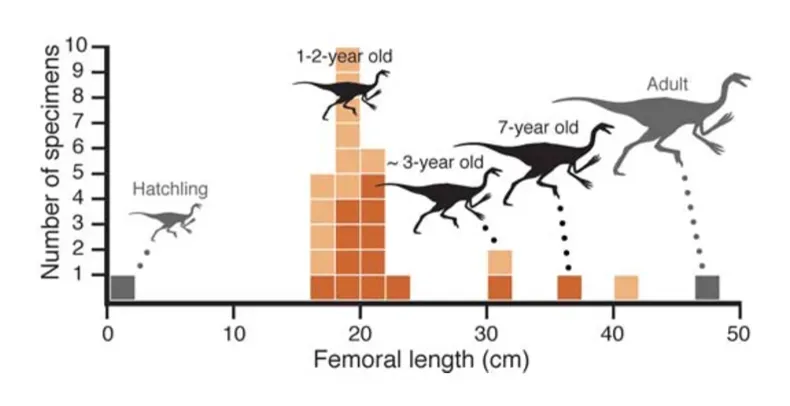
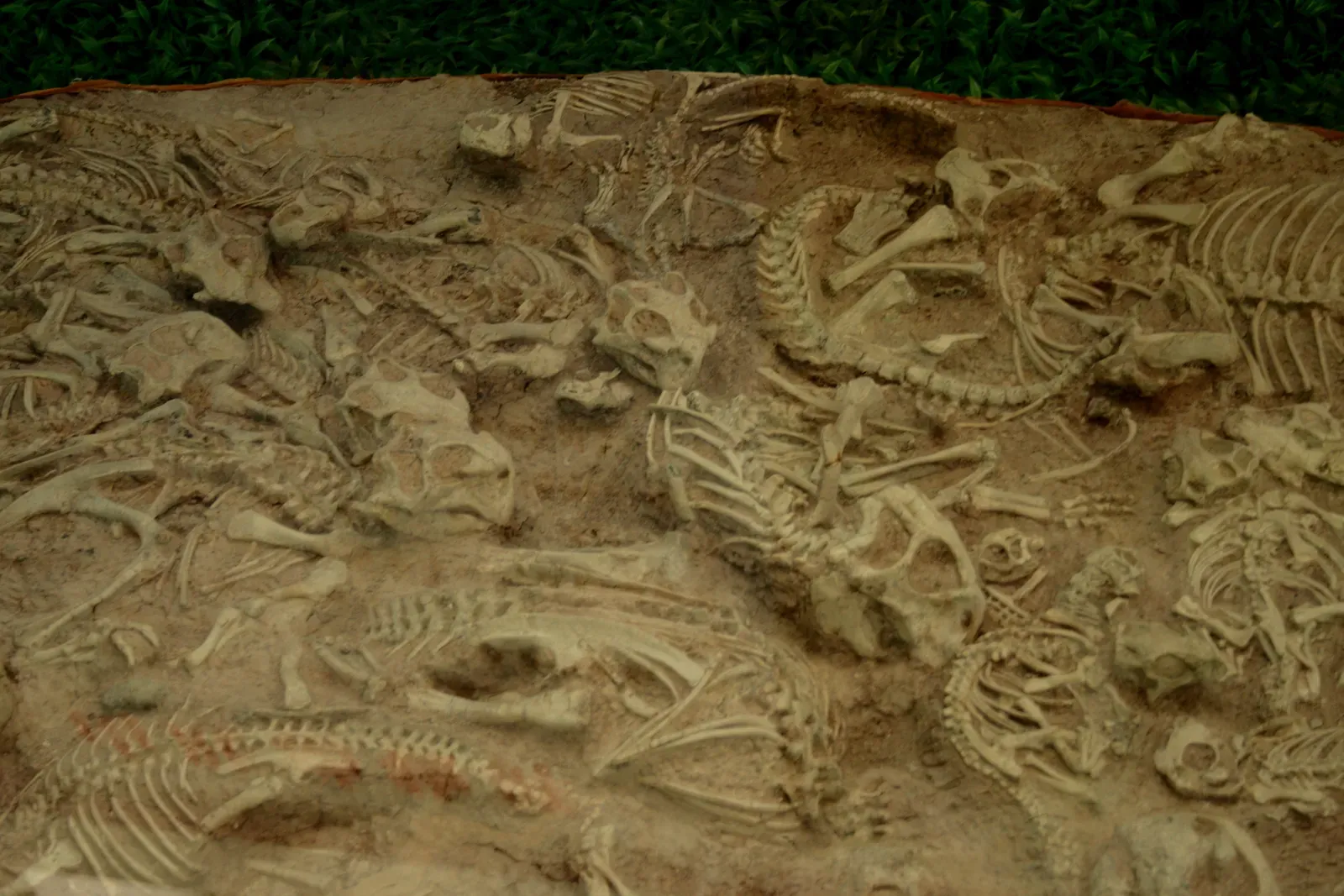
Fossil bone beds sometimes preserve dinosaurs of many different ages all together: small juveniles, lanky subadults, and massive adults in a single deposit. When you encounter that kind of age mix, you are not simply looking at random deaths; you are probably seeing evidence of a group that lived and traveled together. That suggests herds with layered social structures, where each age group may have had its own role or place in the formation.
If you imagine yourself walking alongside such a herd, you might see larger adults pushing to the outside, taking the first risk when crossing rivers or open areas, while younger individuals stay nearer the center. You might see subadults trailing behind, still learning routes but no longer as vulnerable as babies. This pattern is eerily similar to how you see elephants, bison, or wildebeest organize themselves today. The more you stare at those mixed-age bone beds, the harder it is to dismiss the idea that some dinosaurs had real, structured societies rather than just loose crowds.
You Could Be Looking at Cooperative Care and “Extended Families”
Some theories go even further and suggest you might be seeing early versions of cooperative care – where more than just the biological parents help raise the young. In certain sites, there are clusters of juveniles without obvious adults in the exact same spot, raising questions about what was happening. One interpretation is that older siblings or non-breeding group members may have helped look after the younger ones, a bit like you see in some bird and mammal species today.
When you think about cooperative care from your own experience, it feels strangely familiar. You know what it’s like when grandparents, cousins, or older siblings help with younger kids; the load is spread, and the group becomes more resilient. If some dinosaurs lived in stable groups where individuals stayed together for long periods, it would be natural for them to share responsibilities. You can picture a nesting area where not every adult is a direct parent but still defends the site, watches for danger, or escorts wandering hatchlings back to safety – an ancient version of an extended dinosaur family.
You May Be Seeing Social Hierarchies and Dominance Structures
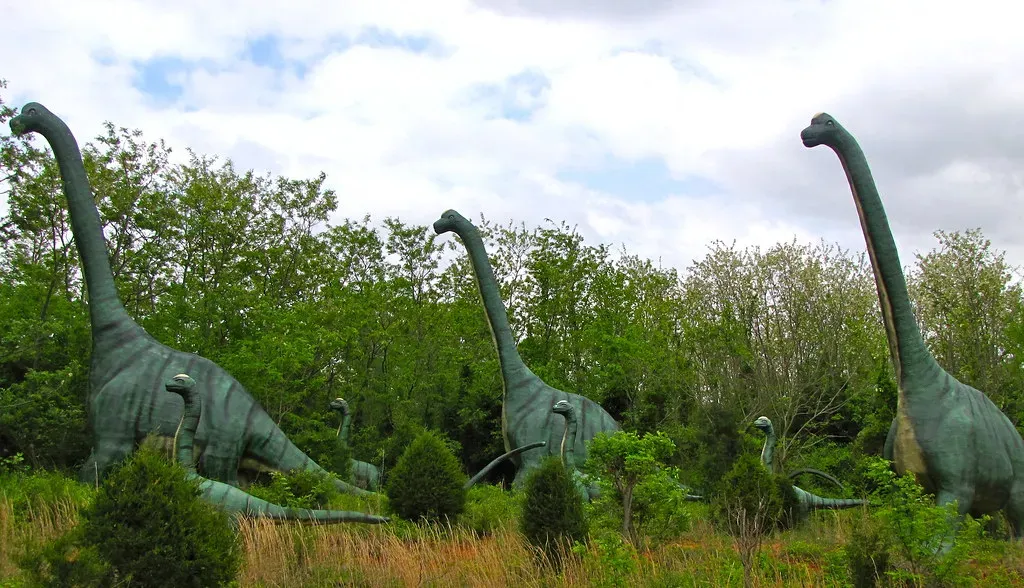
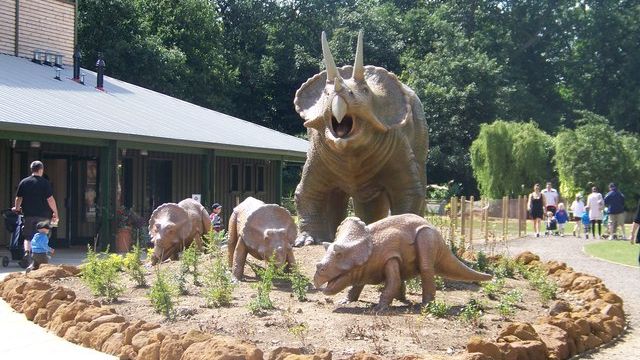
When you study certain dinosaur species with elaborate crests, horns, or frills, you may be tempted to think they were just for display to predators. But there is a strong theory that many of these features were actually aimed at other members of the same species, helping establish rank, attract mates, and maintain order within the group. If that’s true, then you are not just looking at decorations; you are looking at badges of status, like uniforms or medals in a modern human group.
If you were to stand near a herd of horned dinosaurs, you might see posturing, head movements, and careful spacing that all reflect who is dominant and who is not. Some individuals might be allowed closer to the center of the herd or to the best feeding spots, while others keep their distance. Even within family groups, you could imagine subtle hierarchies: older siblings pushing younger ones aside, or powerful adults tolerating only certain rivals nearby. Once you start viewing horns and frills as social tools instead of just weapons, you begin to see dinosaur life as full of negotiations and unspoken rules.
You Might Be Watching Coordinated Group Movement and Migration
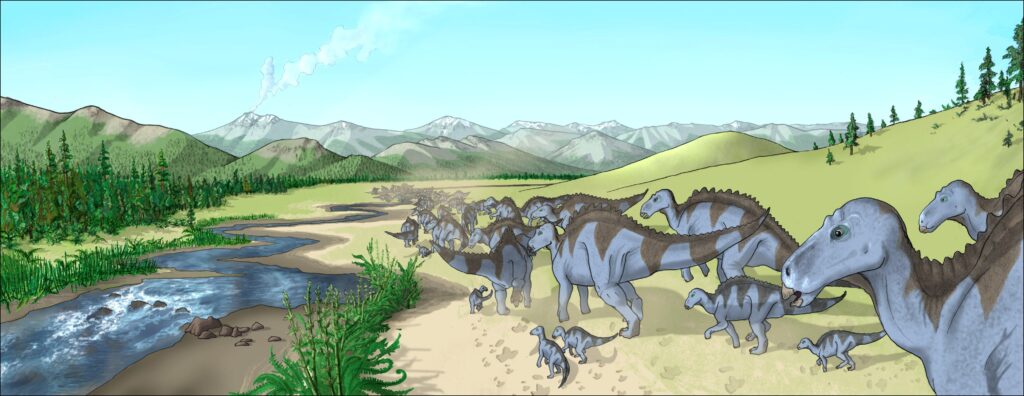
Dinosaur trackways – those long lines of fossilized footprints – sometimes show multiple individuals walking in the same direction, at roughly the same pace, with consistent spacing between them. When you read these tracks like a story, you see a strong hint of coordinated movement, maybe even migration. You are not just seeing random wandering; you are likely watching a group traveling together across ancient landscapes, perhaps seeking food, nesting grounds, or better climate conditions.
If you could follow one of those trackways in person, step after step, you might feel the rhythm of the group: the larger strides of adults, the shorter, quicker steps of juveniles keeping up, all heading toward some shared destination. This idea changes how you think about dinosaur survival. Instead of relying solely on individual strength, these animals may have leaned on the group – using many eyes to spot danger, many bodies to break snow or mud, and shared memory to remember safe routes. In that sense, you would be watching not just animals on the move, but a traveling social network stretching over miles.
You Could Be Seeing Evidence of Site Fidelity and Generational Traditions
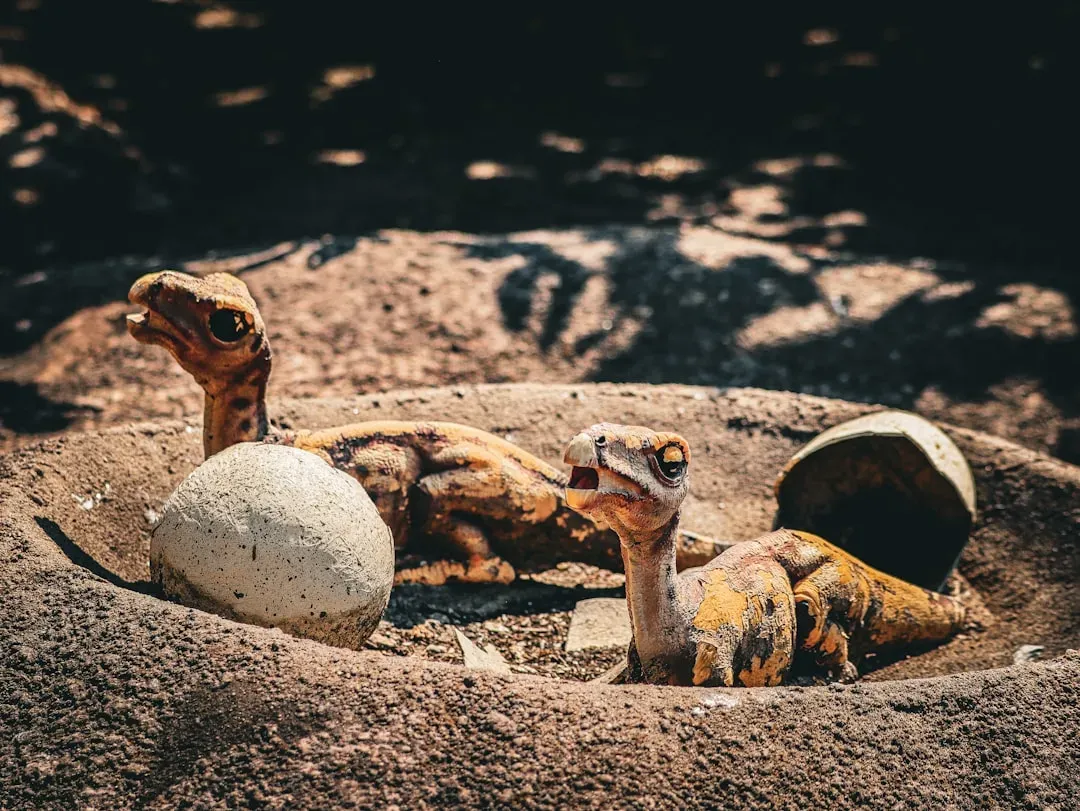
Some nesting sites and track-rich areas show repeated use over long spans of time, hinting that dinosaurs might have returned to the same locations generation after generation. When you see multiple layers of nests stacked in roughly the same area, you are effectively watching a tradition in the making. That suggests that information – about where to breed, where to feed, or where to safely cross rivers – may have been passed down, not genetically, but socially.
As you picture this, you can imagine young dinosaurs following adults along a familiar route, learning landmarks the way you might learn the streets of your hometown. Later in life, those same individuals could lead their own young back to those spots, reinforcing a cycle that might last for many thousands of years. When you look at it that way, you are not just dealing with isolated behaviors; you are looking at something close to culture, in the sense of shared habits and knowledge that survive beyond a single lifetime.
You May Be Glimpsing Emotional Bonds and Long-Term Relationships
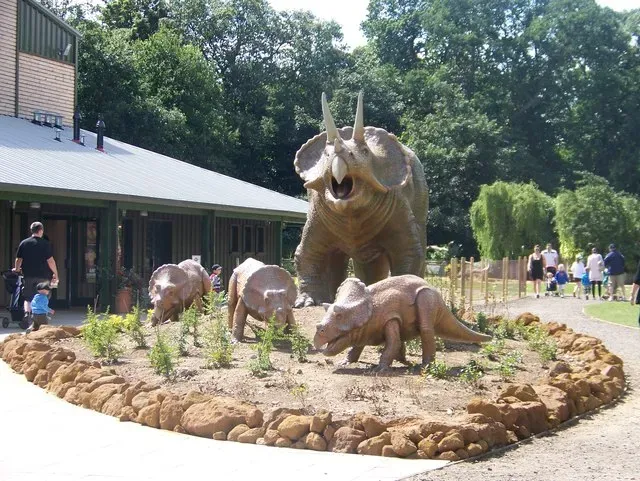
Emotion is always the trickiest part because fossils cannot tell you directly how an animal felt. Still, when you see repeated hints of parental care, herding, and cooperation, it becomes reasonable to wonder if some dinosaurs formed genuine emotional bonds. If you accept that many modern birds and mammals show attachment, grief, and affection, and you remember that birds are living dinosaurs, then the jump to emotional dinosaur families does not feel so far. You are not claiming they felt exactly what you feel, but you are leaving space for something more than instinct alone.
Imagine a young dinosaur that has grown up in a stable group for several years, recognizing certain individuals by sight, sound, or smell. If one of those key adults dies, that loss would not just alter the group’s structure; it might alter behavior in ways that look like distress: searching, calling, or staying near the body. There is no direct fossil of that moment, but when you combine all the evidence for long-term associations, repeated site use, and careful care of young, it becomes hard to deny that at least some dinosaurs lived lives filled with more than just hunger and fear. You find yourself picturing bonds and loyalties written not in words, but in fossil footprints and nesting grounds.
You Could Be Seeing Differences Between Lone Hunters and Social Predators
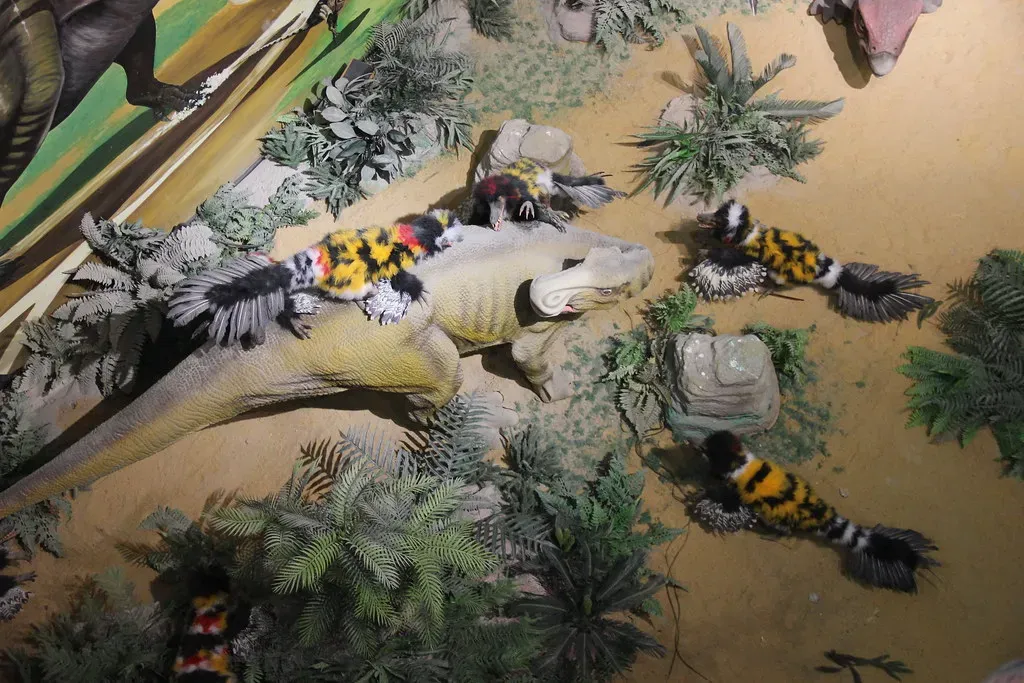
Not all dinosaurs lived the same way, and one of the most intriguing theories is that some carnivores behaved more like social hunters, while others were solitary. In certain sites, you find multiple predator skeletons together with potential prey, or trackways where several large carnivores appear to move in the same direction. That raises the possibility that you are seeing coordinated hunting or at least shared scavenging, suggesting that some predators might have worked together or tolerated one another more than you’d expect.
At the same time, other fossils hint at fierce intraspecific conflict – bite marks on the bones of the same species, injuries that healed, and individuals that may have died in combat with their own kind. When you weigh these clues, you end up with a spectrum: on one end, more social predators capable of teaming up, and on the other, loners that only came together to mate or compete. As you look at those bones, you are really asking yourself whether you are looking at a pack, a tense truce, or a showdown – and that question pulls you deeper into the idea that dinosaur social life was varied, complex, and as full of drama as any modern ecosystem.
Conclusion: You Are Closer to Dinosaur Families Than You Think
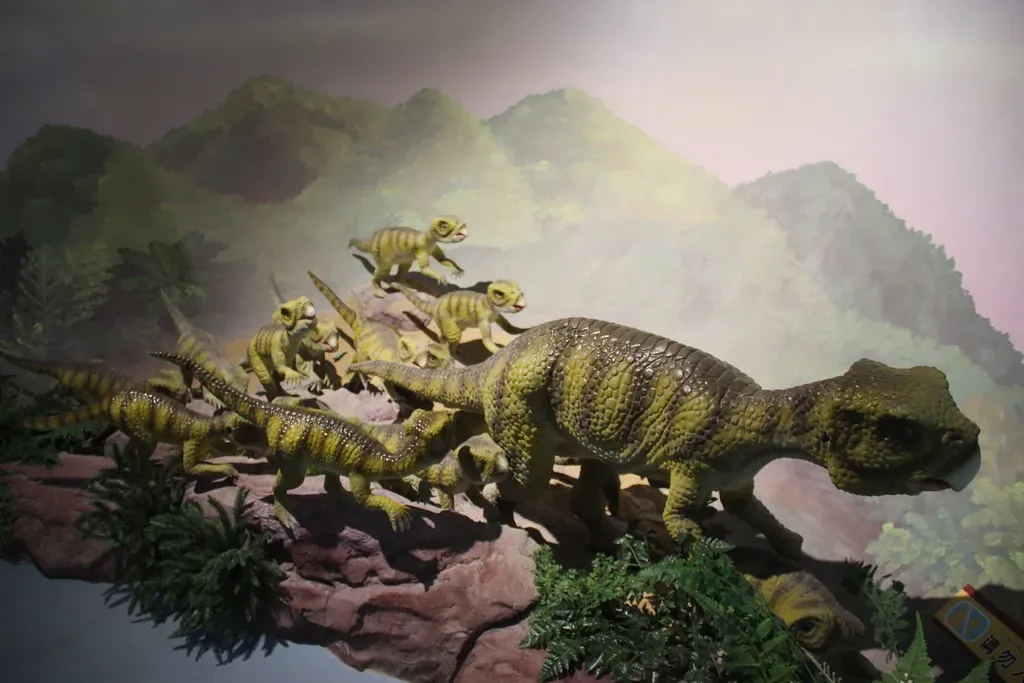
When you pull all these theories together – nesting colonies, parental care, herds, hierarchies, traditions, and possible emotional bonds – you end up with a picture of dinosaurs that feels surprisingly familiar. You are no longer just imagining giant reptiles stomping across empty plains; you are imagining parents making decisions, youngsters learning the rules, and groups navigating the trade-offs between safety and risk. Even with all the gaps and uncertainties, the evidence keeps nudging you toward one central idea: many dinosaurs were not just surviving alone, they were living together.
The most exciting part is that new discoveries could twist or deepen these theories at any time, forcing you to redraw the social lives of these animals once again. As you think about this, you start to see that the real story of dinosaurs is not just about extinction, but about connection – between individuals, between generations, and strangely, between them and you. Because once you recognize family bonds, social rules, and shared traditions in their world, you realize you are peering into a very old mirror, one that reflects your own need for community right back at you. When you look at a dinosaur fossil now, can you still see it as just a skeleton, or do you see a life that once unfolded inside a family and a society?