
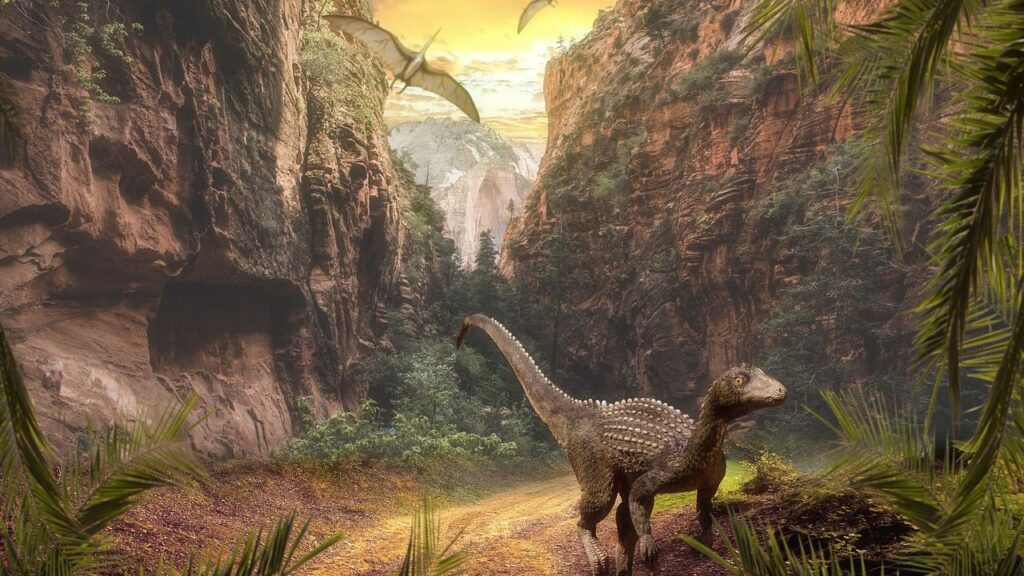
If you could time-travel back into the age of dinosaurs, the first thing that might shock you is not their size but their world. Sweltering greenhouse heat, icy polar darkness, choking volcanic winters, and wildly fluctuating sea levels were all part of the background. Dinosaurs did not simply endure those extremes by luck; they survived for well over one hundred million years because their bodies and behaviors were incredibly adaptable.
When you look closely at what scientists have uncovered, you start to see dinosaurs less as slow, doomed giants and more as climate survivors. Their bones, teeth, footprints, and even fossilized skin and feathers tell you a story of creatures constantly adjusting to new challenges. As you explore these twelve adaptation strategies, you can also spot echoes in today’s animals, and even in how you think about surviving a changing climate yourself.
1. Regulating Body Temperature Like Living Thermostats
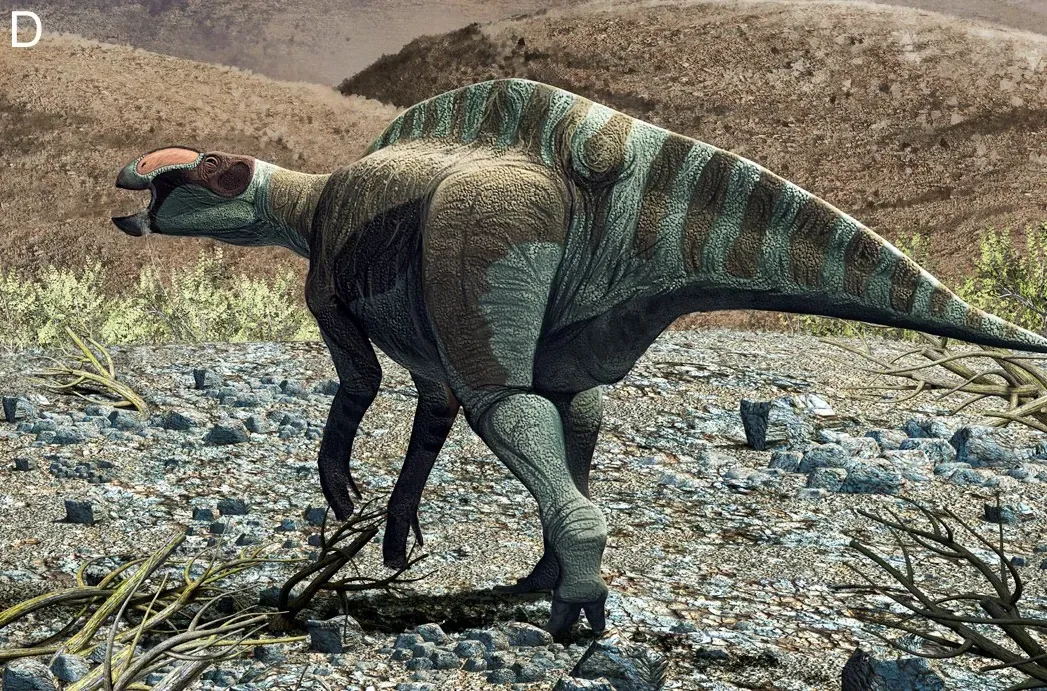
Imagine living in a world where daytime heat could bake the ground and night-time temperatures dropped sharply, yet you had no air conditioning or warm clothes. Many dinosaurs seem to have evolved internal ways to manage this, somewhere between the cold-blooded style of modern reptiles and the warm-blooded efficiency of birds and mammals. When you see evidence of fast growth and active lifestyles in their bones, it points you toward a metabolism that helped them keep moving even when the air chilled.
You can picture certain dinosaurs as walking thermostats, burning energy to keep their muscles ready, their brains alert, and their bodies more stable than the swings in the environment. This kind of metabolic control would have helped them expand into cooler regions and higher latitudes, not just stay near the tropics. For you, it is like having a naturally good ability to stay comfortable in both summer heat and winter cold, while others shiver or overheat in the same conditions. Dinosaurs that could better regulate their internal temperature likely had an edge in extreme, unpredictable climates.
2. Growing Feathers and Insulating Body Coverings
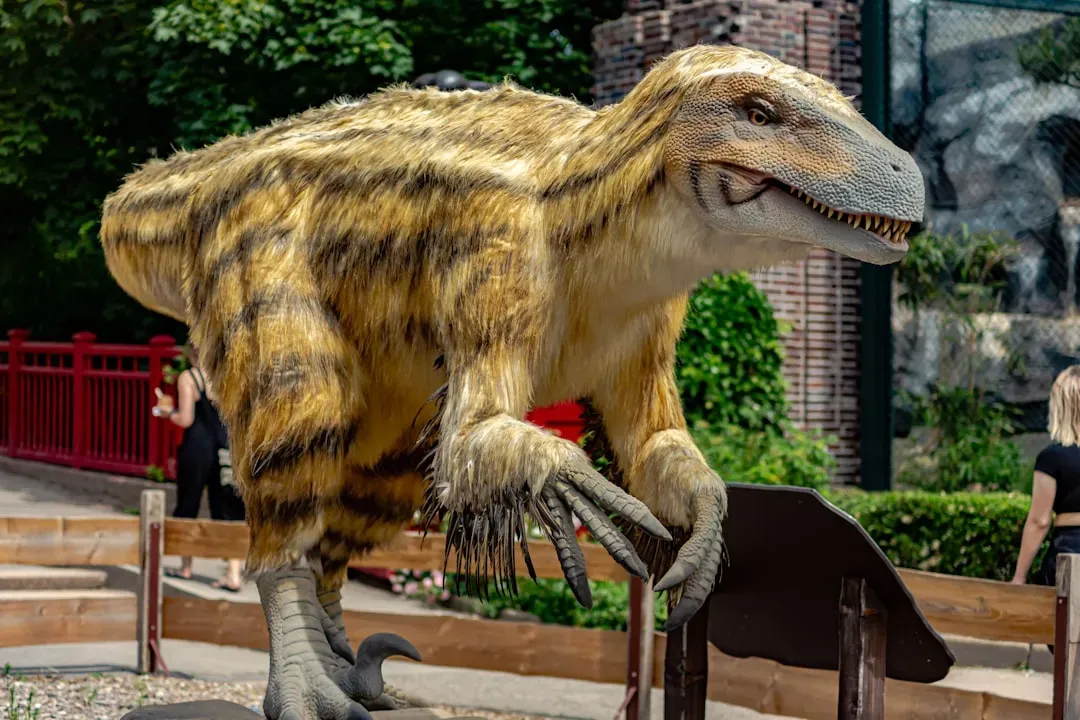
When you picture dinosaurs, you may still imagine scaly skin and little else, but fossils keep telling you a different story. Many species, especially among the theropods (the group that includes the ancestors of birds), carried filament-like coverings and true feathers. These were not just for show; they would have trapped air close to the skin, creating a layer of insulation that protected them from cold snaps and the chill of high latitudes.
If you have ever pulled on a puffy jacket on a windy day, you have used the same basic principle. A feathered or fuzz-covered dinosaur could be active in cooler dawn hours, during seasonal cold, or even in polar environments where the sun vanished for long stretches. Some feathers later became useful for display or even gliding and flight, but their climate value likely came first. You can think of this as a survival trick that let dinosaurs push into places that would have been off-limits to bare-skinned reptiles.
3. Changing Size and Shape to Handle Heat and Cold
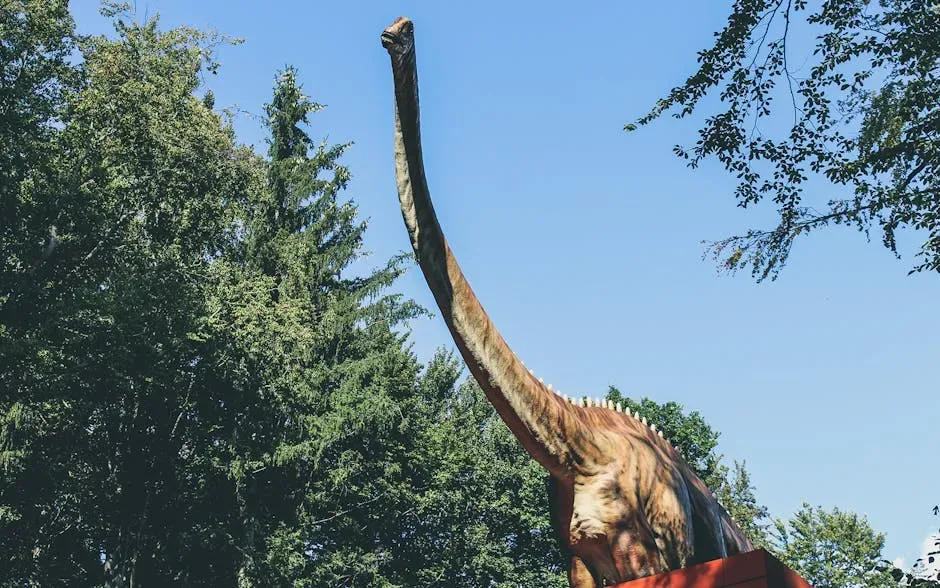
Your own comfort in heat or cold is partly about size and body build, and dinosaurs played this game on a grand scale. Large dinosaurs, such as long-necked sauropods, had massive bodies that warmed and cooled slowly, a bit like living heat batteries. In hot but stable climates, that bulk helped smooth out short-term temperature swings, making their internal conditions more steady than the air around them.
At the same time, smaller dinosaurs and those living in harsh or variable climates often show different proportions: shorter limbs, more compact bodies, or changes in skull shape that affected how they lost or held onto heat. You see this pattern in modern animals that live in polar versus desert regions, and dinosaurs followed similar rules. When climates shifted toward colder or more seasonal conditions, smaller and more compact forms could survive by staying nimble and reducing unnecessary heat loss. In a way, each dinosaur species represented a specific solution to the physics of staying alive in its particular patch of deep-time weather.
4. Migrating and Expanding into New Regions
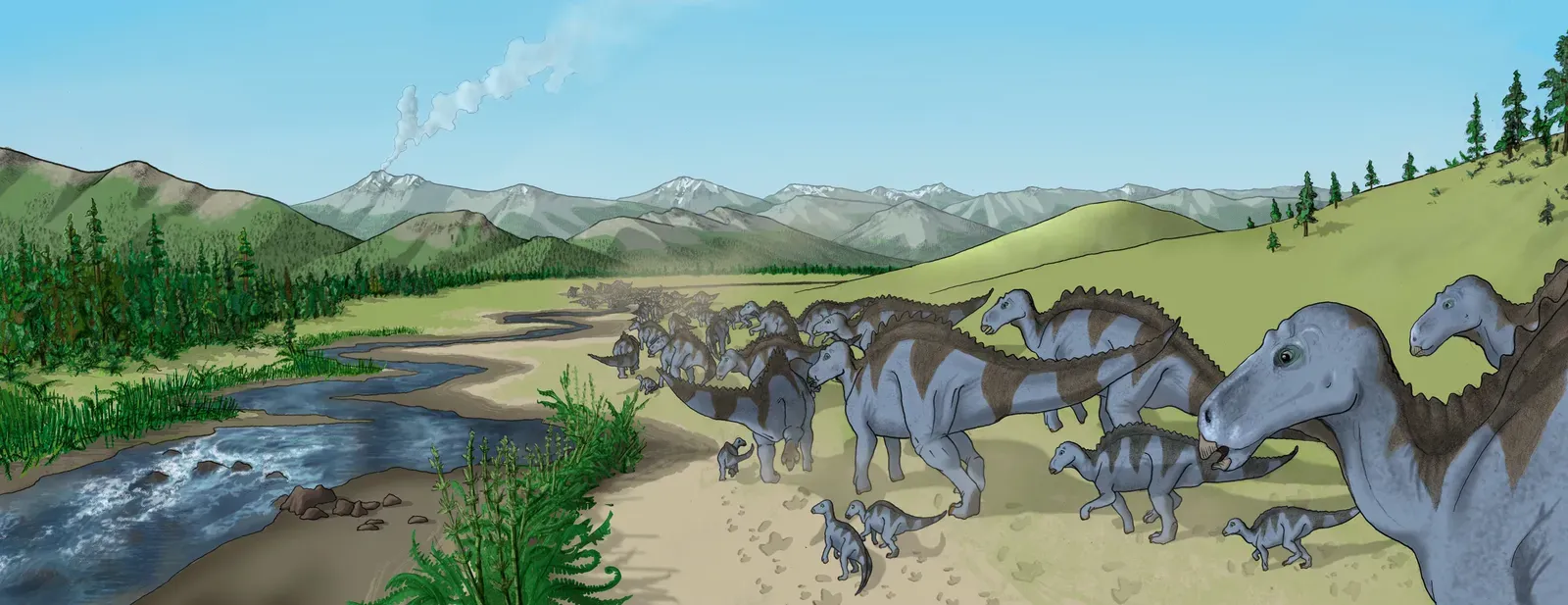
When the climate in your area becomes uncomfortable, you may dream of moving somewhere else, and dinosaurs did something similar on a continental scale. Fossil finds show you that some dinosaur groups spread from one landmass to another as sea levels fell, continents drifted, and climate zones shifted. By tracking the same or closely related species across wide regions, you can see that they did not just stay put and endure; they followed the conditions that suited them.
Changes in temperature, rainfall, and plant communities created new opportunities and new dead ends. Dinosaurs that could roam widely, or that produced young capable of thriving in slightly different environments, were more likely to persist as the world changed. You might think of them as long-distance climate chasers, exploiting corridors of suitable habitat as they opened and withdrawing when conditions turned too harsh. This ability to move, spread, and colonize new landscapes turned climate change from a pure threat into a shifting mosaic of chances to survive.
5. Evolving Specialized Teeth and Guts for Tough Plants
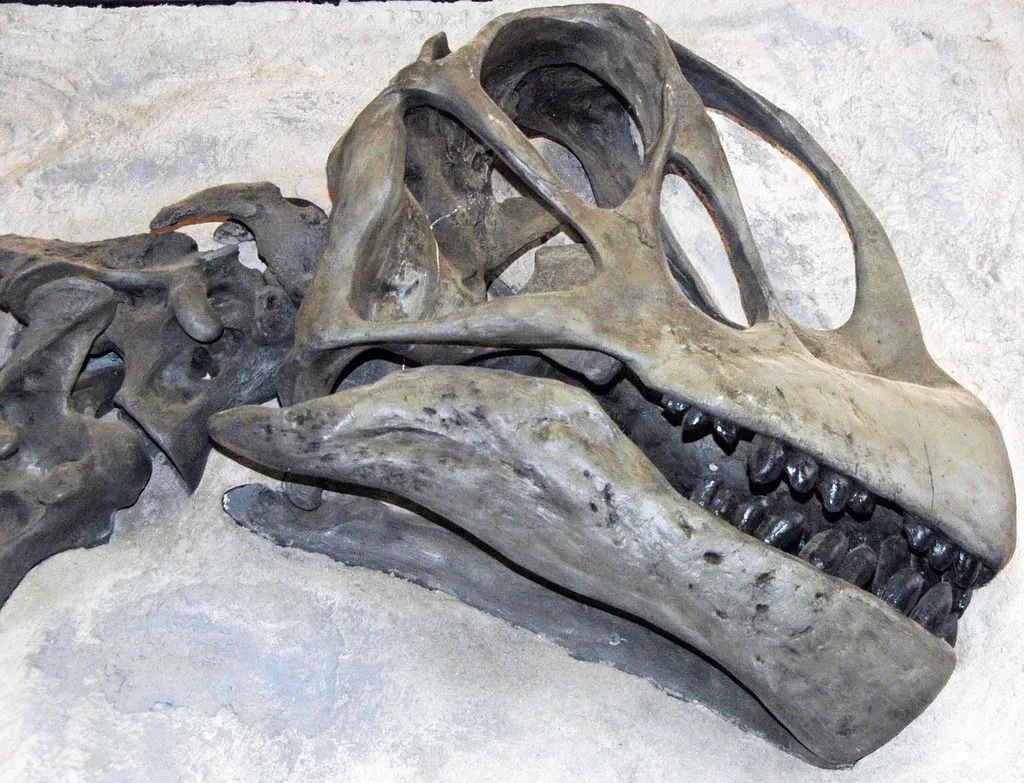
If you have ever tried to eat raw, fibrous vegetables without cooking them, you know how hard it is on your jaws and stomach. Many herbivorous dinosaurs solved this problem spectacularly, evolving rows of tightly packed teeth that acted almost like grinding machines. In climates where droughts, fires, or seasonal extremes left mostly tough, dry, or woody vegetation, these specialized jaws let them squeeze more nutrition out of harsh food.
Behind those teeth, you can imagine equally specialized guts, with long digestive tracts and fermentation chambers full of microbes that broke down plant material. When the climate shifted and soft, lush plants became scarcer, dinosaurs with efficient chewing and digestion had a better shot at survival. By adapting their mouths and stomachs, they turned poor-quality vegetation into viable fuel. In a sense, their dental and digestive evolution was a climate survival strategy disguised as lunch.
6. Using Herd Behavior and Social Strategies
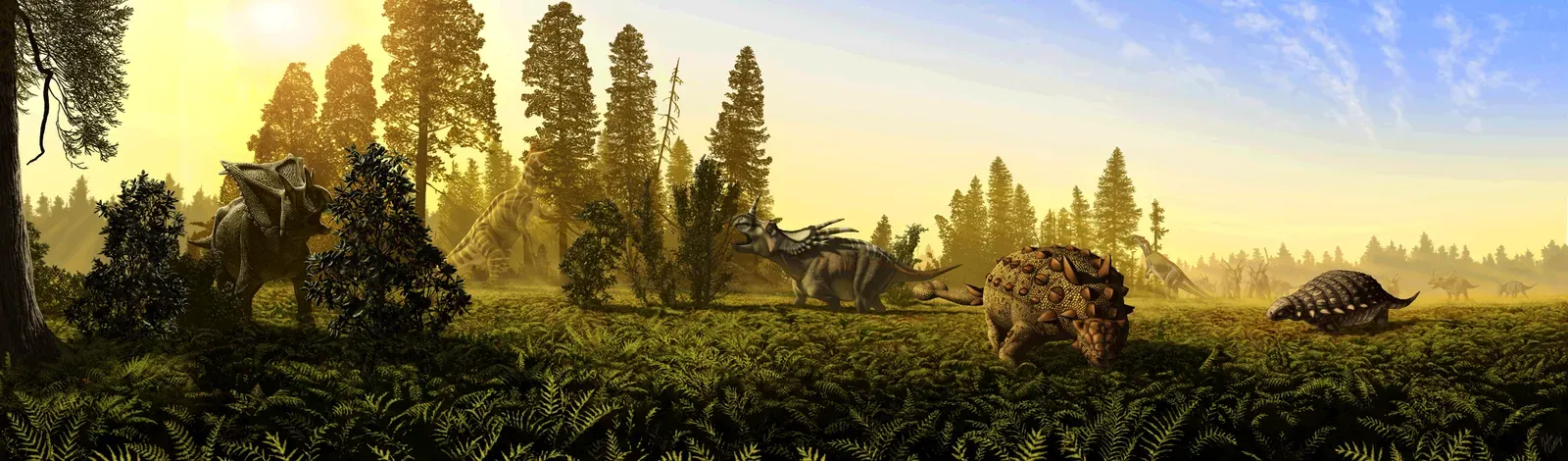
You know how humans sometimes survive disasters better when they act together, share information, or move as a group. Fossil evidence suggests that many dinosaurs did something similar, traveling in herds, nesting in colonies, and perhaps coordinating movements in response to changing seasons. Trackways showing many individuals of different ages walking in the same direction hint that social life was not just a bonus; it could be a survival tool.
In extreme climates, herding behavior may have helped dinosaurs find food and water, protect vulnerable young, and remember migration routes that led to more suitable conditions. A group could also buffer individuals against sudden changes, such as a short-term cold spell or drought, by pooling knowledge and effort. When you think about a herd of large herbivores moving across a drying landscape, you can see social adaptation working hand in hand with environmental stress. The climate did not just shape their bodies; it pushed their societies to become more complex.
7. Adjusting Growth Rates and Life Cycles
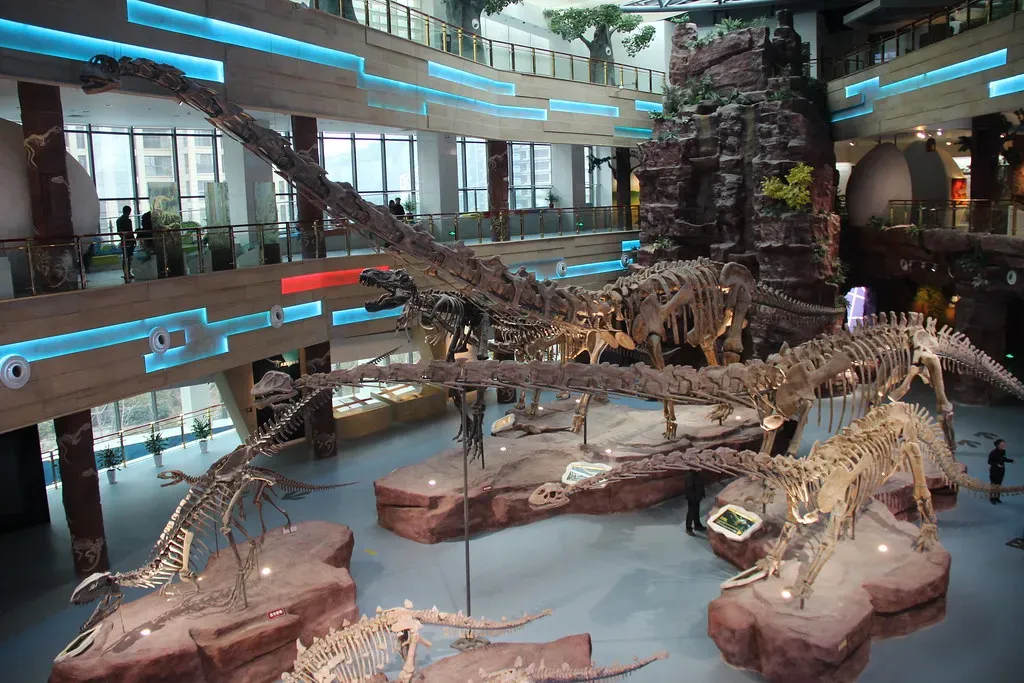
One of the most powerful survival tools you have, even if you rarely think about it, is your timing: when you grow, reproduce, and slow down. Dinosaurs also used timing as a climate strategy, and you can see it in their bones. Growth rings and bone structure show you that some species grew quickly during favorable periods and slowed or paused growth when conditions turned poor, a bit like trees in a seasonal forest.
By speeding up growth, certain dinosaurs could reach a safer size before a harsh season or period of scarcity arrived. Others may have timed their reproduction to match periods of greater food availability, so that young hatched when conditions offered the best chance of survival. Climate extremes favored species that were flexible in how fast they developed, not just how big they eventually became. In your own life, you might compare this to choosing when to take on new responsibilities depending on the economic weather around you.
8. Nesting Strategies for Harsh Environments
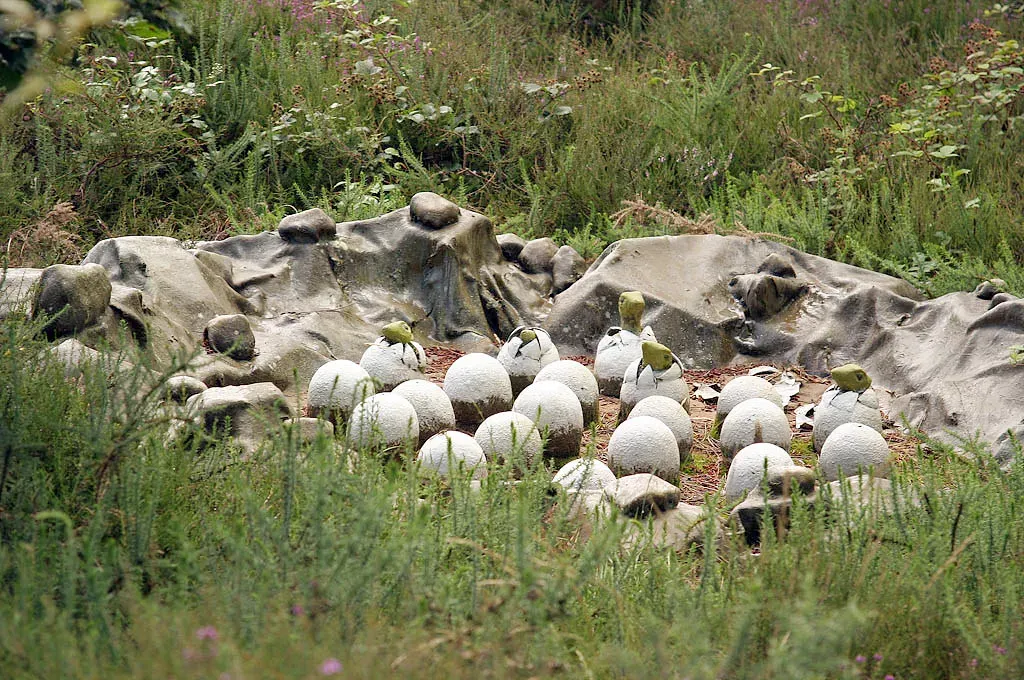
Raising young in a stable environment is hard enough; doing it in extreme and changeable climates is far more demanding. Dinosaurs did not simply lay eggs and abandon them to chance. Fossil nests, eggs, and even embryos tell you that many species invested effort in where and how they nested. They built mounds, chose sheltered areas, and likely used soil, vegetation, and even body heat to stabilize temperatures around their developing offspring.
In places with strong seasonal changes or risk of cold snaps, careful nest placement could mean the difference between a thriving clutch and total failure. Some dinosaurs nested in colonies, which might have created a local microclimate and offered shared protection from predators and environmental stress. If you think about how birds today select nest sites with shade, shelter, and drainage in mind, you are glimpsing strategies that probably began with their dinosaur ancestors. Climate survival, in this case, started right in the nursery.
9. Developing Beaks, Horns, and Crests with Climate Side Benefits
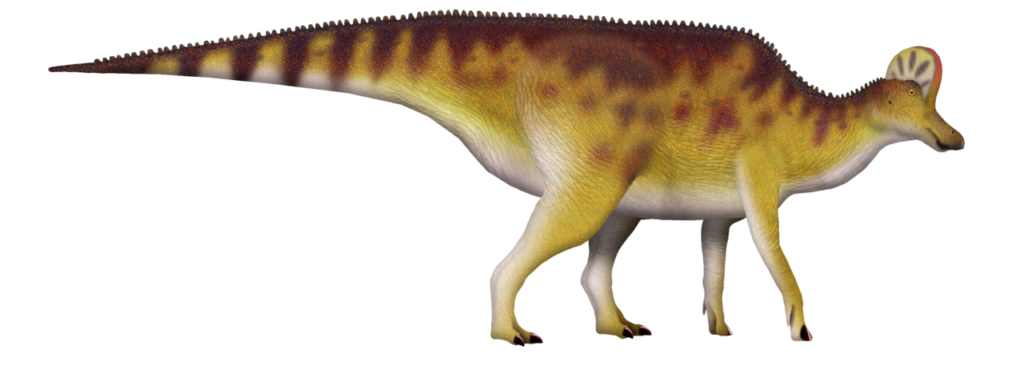
When you see a dinosaur with a big beak, elaborate crest, or sweeping horns, you may first think of defense or display. Those roles are important, but some of these features likely offered hidden climate advantages. A strong beak let herbivores clip a wide range of plants, including tough, dry, or woody types that became more common as climates shifted. That meant they were less tied to any single food source and more resilient when ecosystems changed.
Large crests and ornamented skulls may also have helped some dinosaurs manage heat, much like the large ears of modern desert animals that radiate warmth. Blood flowing through thin, expanded bony structures could dump excess heat on sweltering days or retain it in cooler times, depending on behavior. For you, it is like having built-in climate hardware that doubles as social advertisement. These flashy features remind you that evolution often turns tools for survival into signals, and sometimes the climate benefits stick around even when the signaling takes center stage.
10. Adapting to Polar Darkness and Seasonal Extremes
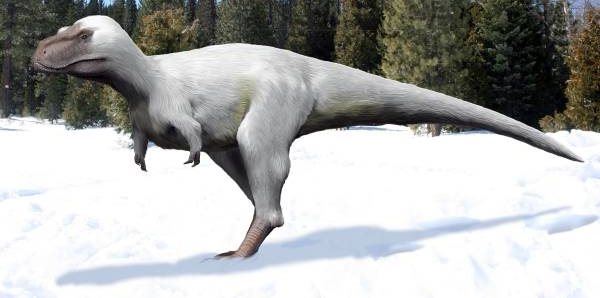
It might surprise you to learn that some dinosaurs lived well within what are now polar circles, facing long stretches of darkness and extreme seasonality. Fossils from these regions show that they were not just visitors but long-term residents, suggesting powerful adaptations. You can imagine them coping with months of low light and scarce plant growth, relying on insulation, flexible diets, and perhaps seasonal changes in behavior or activity levels.
Living at high latitudes demands a different rhythm of life, and dinosaurs in these regions may have grown more slowly, stored energy differently, or organized their movements to track the brief bursts of productivity each year. Some researchers think they may have stayed active through cold seasons rather than hibernating, which would have required efficient metabolisms and good thermal protection. When you realize they handled conditions that challenge even modern mammals and birds, you start to see them as far tougher and more adaptable than old stereotypes suggest.
11. Rapid Evolution After Environmental Shocks
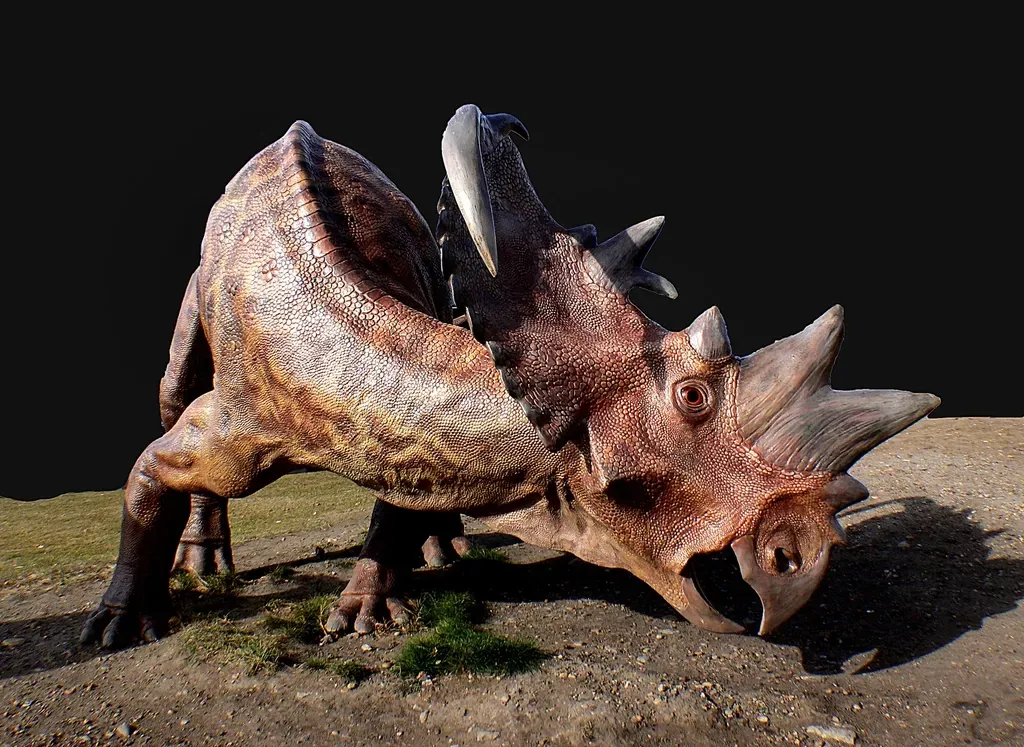
If you have ever faced a sudden life change, you know how quickly you have to adjust just to keep going. Dinosaurs went through repeated environmental shocks: volcanic eruptions, shifting sea levels, regional extinctions, and changing greenhouse conditions. After these crises, you often see bursts of evolutionary change, as surviving lineages diversified into new forms that fit the altered world. This pattern tells you that dinosaurs were not just stable and successful; they were capable of reinventing themselves when forced.
Climates that swung between extremes rewarded species that could evolve new body sizes, diets, and behaviors in relatively short geological time. In the fossil record, you can watch certain groups radiate into fresh ecological niches after competitors disappeared or habitats transformed. This rapid adaptation did not save every species, but it kept the broader dinosaur story going through wave after wave of environmental upheaval. For you, it is a reminder that resilience is not only about hanging on; it is also about changing fast enough when your world no longer works the way it used to.
12. The Ultimate Adaptation: Evolving into Birds
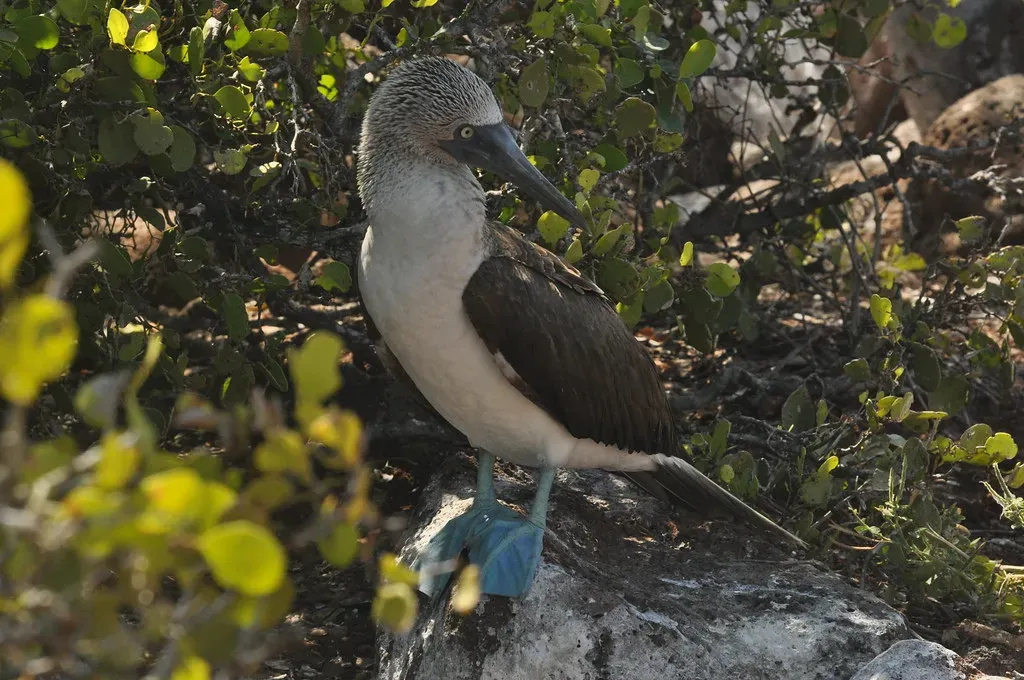
When you look out your window and spot a bird on a wire or a branch, you are actually seeing the only dinosaurs that made it through the mass extinction at the end of the Cretaceous. Their ancestors had already been experimenting with feathers, lightweight skeletons, and high-powered metabolisms that supported active, agile lifestyles. Those traits, shaped over millions of years of living in varied and sometimes brutal climates, helped at least some of them survive when an asteroid strike triggered global catastrophe.
Birds today occupy icy poles, blistering deserts, stormy oceans, and dense tropical forests, carrying forward a deep legacy of climatic resilience that began with their dinosaur forebears. When you listen to a songbird or watch a gull ride storm winds, you are witnessing the long, improbable success of one tiny branch of the dinosaur family tree. In a sense, the ultimate climate adaptation for dinosaurs was not a single feature but a path that led to new possibilities entirely. You live in a world still shaped by that ancient flexibility, whether you notice it or not.
Conclusion: What Dinosaur Survival Teaches You About Change
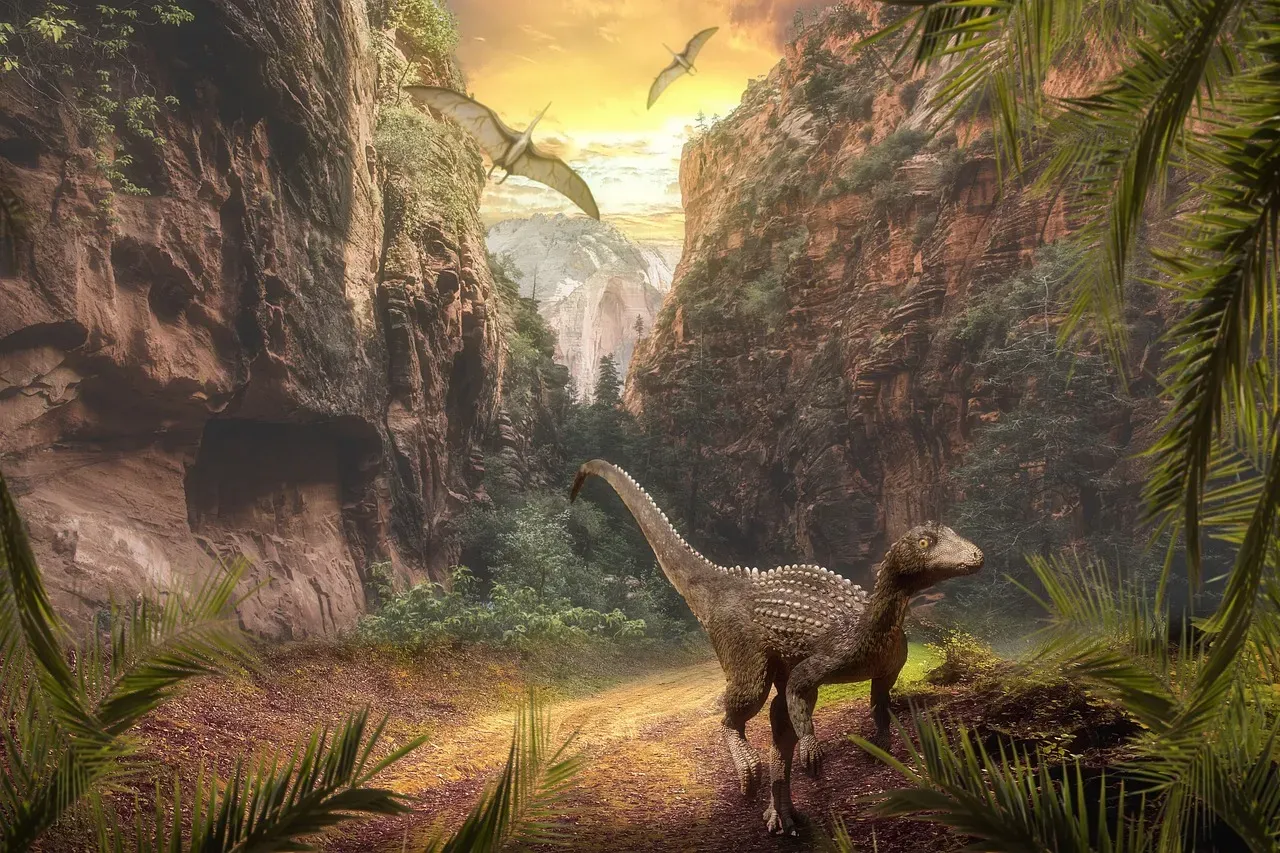
When you piece together all these adaptations, you do not see dinosaurs as clumsy victims of fate. Instead, you see a vast cast of creatures constantly adjusting to extreme heat, sudden cold, shifting coastlines, and catastrophic events. They used body temperature control, insulation, size, movement, diet, social life, and timing to stretch their survival across an astonishing sweep of time. Even their eventual transformation into birds feels less like an ending and more like a pivot into a new chapter.
For you, their story offers a sobering and inspiring lesson about living on a planet that never stops changing. Adaptation is not a luxury; it is an ongoing requirement, whether you are a giant sauropod in a greenhouse world or a human facing modern climate shifts. The dinosaurs remind you that flexibility, diversity, and the willingness to explore new ways of living can keep a lineage going far longer than any single trick. When you watch the next bird fly overhead, will you see just a familiar animal, or will you recognize a surviving echo of the most seasoned climate survivors Earth has ever known?