

If you feel like the world is spinning faster than you can keep up with, you are not alone. Rising temperatures, disappearing species, poisoned rivers – it can all feel overwhelming, and strangely distant at the same time, like background noise you have learned to ignore. Yet long before climate reports and carbon footprints, many Indigenous and tribal societies developed ways of living that kept them in balance with the land for hundreds or even thousands of years.
When you look more closely at how those communities understood forests, rivers, animals and even the sky, you start to see something uncomfortable: they treated what you now call “resources” as relatives, not objects. That simple shift in attitude changes everything. It shapes how much you take, how fast you take it, and what you give back. If you are willing to sit with that idea for a bit, you might find some surprisingly practical clues for navigating today’s environmental mess.
You Are Not Separate From Nature – You Are Part Of It
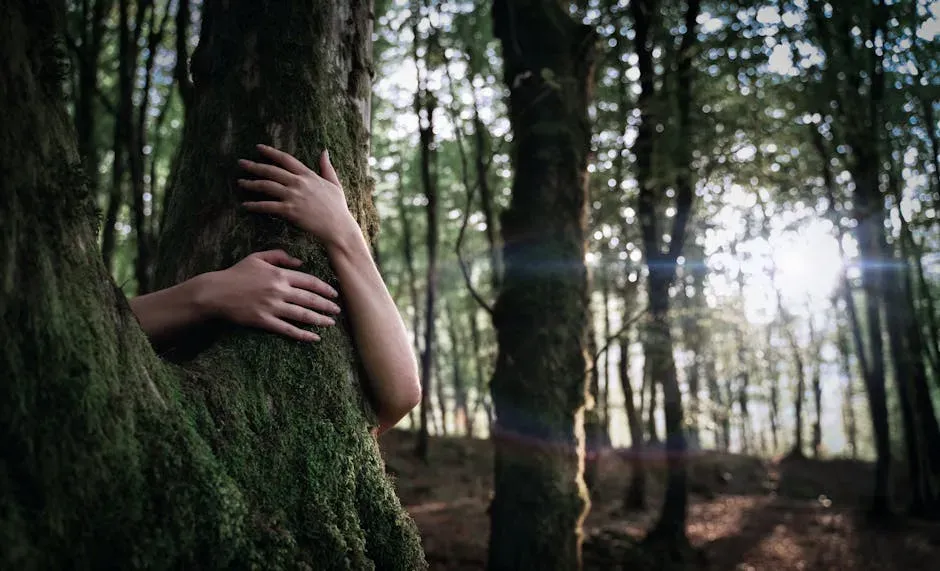
One of the most powerful ideas you can borrow from many tribal worldviews is blunt and a little humbling: you are not above nature, you are of it. In a lot of Indigenous cosmologies, people see themselves as just one thread in a much larger web that includes animals, plants, rocks, rivers and even winds. When you see yourself that way, clear-cutting a forest is not just “using timber” – it is more like ripping out your own nervous system.
Modern culture often trains you to think of nature as a backdrop for human life, a place you visit on weekends or exploit for growth targets and quarterly reports. Tribal perspectives flip that script. You are born into a living system that feeds you, shelters you and eventually takes you back. Practically speaking, this mindset nudges you toward limits: you harvest slower, waste less, and plan for distant generations because harming the land feels like harming your extended family. That is a radical contrast to treating the Earth as a bottomless warehouse.
Taking Only What You Need – The Old Idea That Modern Life Forgot

If you have ever left a supermarket with far more than you planned to buy, you already know how deeply consumer culture pushes you toward “more.” Many tribal societies, by contrast, developed tight social norms around taking only what you need and leaving enough for others – including animals and future generations. Hunters in different parts of the world have long practiced things like using every part of an animal, avoiding waste and avoiding hunting during breeding seasons so populations can recover.
When you translate that principle into modern life, it becomes quietly revolutionary. It asks you to look at how much energy you burn, how many clothes you buy, how much food you throw away, and to ask a simple, uncomfortable question: do you actually need this? Scaling that up, it pushes communities and governments toward policies that limit overfishing, cap emissions, and protect key habitats before they are pushed to collapse. Living by “enough” instead of “always more” is not about going backwards; it is about remembering that endless growth on a finite planet is a mathematical impossibility.
Seeing Land As A Living Relative, Not Real Estate

In many tribal traditions, you are not an owner of land; you are more like a caretaker, a guest, or a younger sibling. The land is not a product that you buy, flip, and subdivide – it is a living presence that sustains you and asks for respect in return. Even the way you speak about land matters. When you call a river “it,” you unconsciously shrink its importance. When you treat that same river as a “who,” as a being with rights of its own, your behavior changes.
This idea is slowly making its way into modern law. Some countries and regions have started recognizing certain rivers, forests, or ecosystems as having legal rights, with human guardians appointed to protect them. You can see this as a modern echo of much older Indigenous philosophies that insisted you do not just have rights to the land; you have responsibilities to it. If you begin thinking this way in your own life – seeing a local park, coastline, or wetland as a relative rather than a spare plot of land – you will quickly find yourself asking tougher questions about development, pollution, and exploitation.
Traditional Ecological Knowledge: Science With A Longer Memory
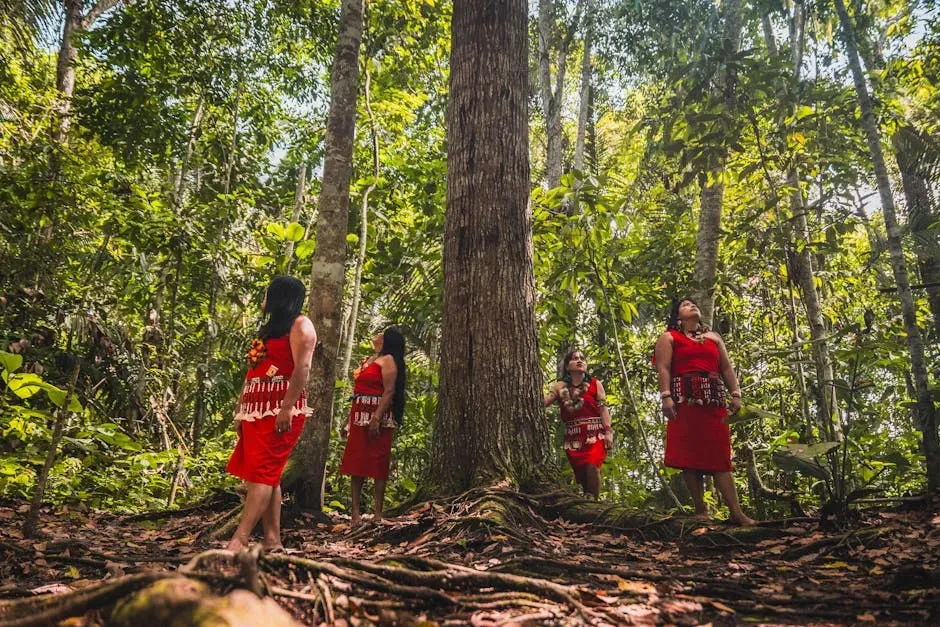
Modern science is powerful, but it is also young. Satellite records, for example, only cover a few decades. Many tribal communities have been observing the same landscapes, shorelines and seasons for centuries, passing down what they notice through stories, ceremonies, and everyday practice. When you piece those observations together, you get what researchers call traditional ecological knowledge – a kind of long-term, place-specific science that tracks patterns over generations instead of just years.
If you care about the climate crisis, this long memory is incredibly valuable. Local fishers can tell you how spawning grounds have shifted over time. Pastoral communities can describe how grasses respond to different grazing pressures and rainfall patterns. Forest dwellers know which species tend to disappear first when things start going wrong. When you combine this grounded knowledge with modern tools like satellites, modeling and sensors, you get a much fuller picture of what is actually changing and which solutions are likely to work on the ground instead of only on paper.
Fire, Forests, And The Danger Of Forgetting How To Steward
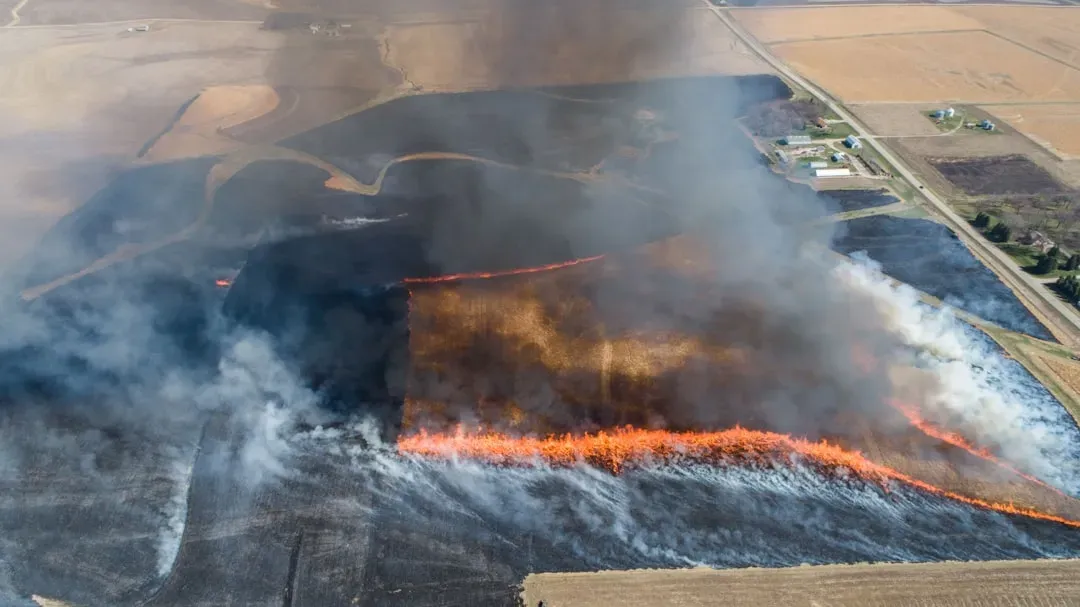
One of the clearest examples of lost tribal wisdom sits in the middle of many of today’s wildfire disasters. For generations, Indigenous communities on several continents used small, controlled burns to clear underbrush, recycle nutrients, and keep forests open and resilient. These low, cool fires reduced fuel loads so that when lightning struck, it did not instantly turn into a catastrophic mega-fire. When colonial governments banned these traditional practices, forests grew denser, drier and more flammable, setting the stage for the kind of devastating fires you now see more and more often.
Today, fire scientists and land managers are slowly circling back to what traditional fire keepers already knew: fire can be a tool, not just a threat, if you use it with skill, patience and respect. You may hear terms like cultural burning or prescribed fire as agencies try to reintroduce these methods in partnership with Indigenous experts. For you, the lesson is bigger than fire alone. It is about recognizing that when you remove people entirely from an ecosystem or try to manage it with one blunt rule, you can make things much worse. Thoughtful, place-based stewardship – the kind that many tribal communities practiced – is not outdated; it is urgently needed.
Community Over Individualism: Why Belonging Is An Environmental Strategy
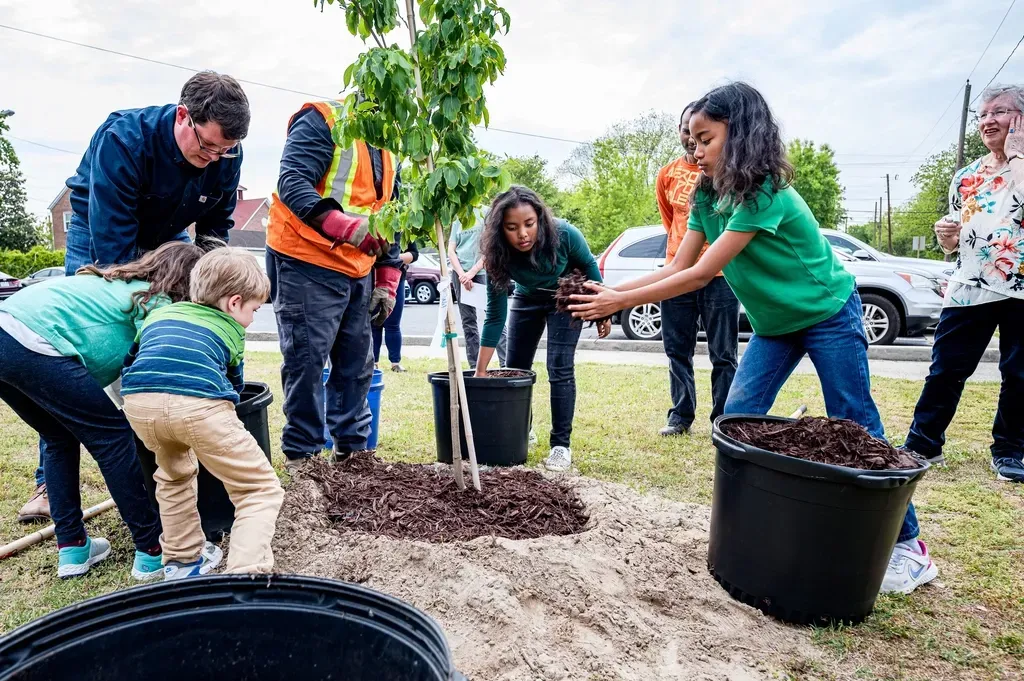
Environmental problems are often framed as a series of personal lifestyle choices: your shopping bag, your car, your thermostat. Tribal societies remind you of something modern culture tends to forget: your choices are shaped, limited, and amplified by the community around you. In many Indigenous cultures, decisions about hunting grounds, planting, or water use are made collectively, with elders, families and sometimes even spiritual leaders weighing in. The point is not to control you; it is to keep you connected to the impacts of what you do.
When you feel that you belong to a group that depends on a specific place, it becomes much harder to shrug off damage as someone else’s problem. That sense of shared responsibility can show up in community-managed forests, locally controlled fisheries, or neighborhood efforts to restore wetlands and urban green spaces. If you want to tackle the environmental crisis in your own life, you might actually need less lonely guilt and more collective action. Building or joining communities that care for a place – a watershed group, a local food cooperative, a tribal-led conservation project – can pull you out of isolation and into shared purpose.
Humility And Listening: The Hardest Lessons For A Technological Age

Maybe the toughest wisdom to absorb from ancient tribal perspectives is also the simplest: you do not have everything figured out. Many Indigenous traditions emphasize humility, patience, and deep listening – not just to other people, but to animals, weather, soil, and the slow changes of a landscape. Instead of assuming there is always a quick technological fix, this mindset pushes you to pause and ask what the land is already telling you. Is the river running lower than usual? Are certain birds no longer nesting where they used to? Those are not just background details; they are feedback from a living system.
In a world obsessed with speed, productivity and disruption, this attitude can feel almost rebellious. Yet without it, you risk throwing powerful new tools – from geoengineering schemes to genetically modified crops – at symptoms while ignoring the deeper imbalances underneath. Humility does not mean giving up on innovation; it means testing ideas gently, learning from mistakes, and respecting the knowledge held by communities that have stayed in one place for a very long time. When you practice that kind of listening, you open the door to solutions that are not just clever on paper, but genuinely healing for the places you call home.
In the end, ancient tribal wisdom is not a nostalgic escape from modern reality; it is a sharp mirror that reflects your current habits back at you. You see how far you have drifted from seeing yourself as part of a living world, and how urgently you need to rebuild that relationship. You do not have to copy every tradition or romanticize the past to learn from it. You can take core principles – kinship with nature, restraint, stewardship, community and humility – and weave them into climate policies, local projects and daily choices.
Maybe the most important shift starts inside you, in how you talk about the Earth and your place on it. Are you a consumer of a planet, or a relative in a vast and fragile family of life? The environmental crisis forces you to answer that question, whether you want to or not. The good news is that many tribal cultures have been wrestling with it for centuries and have left you a kind of roadmap. The real challenge now is whether you are willing to follow it, even when it asks you to change.