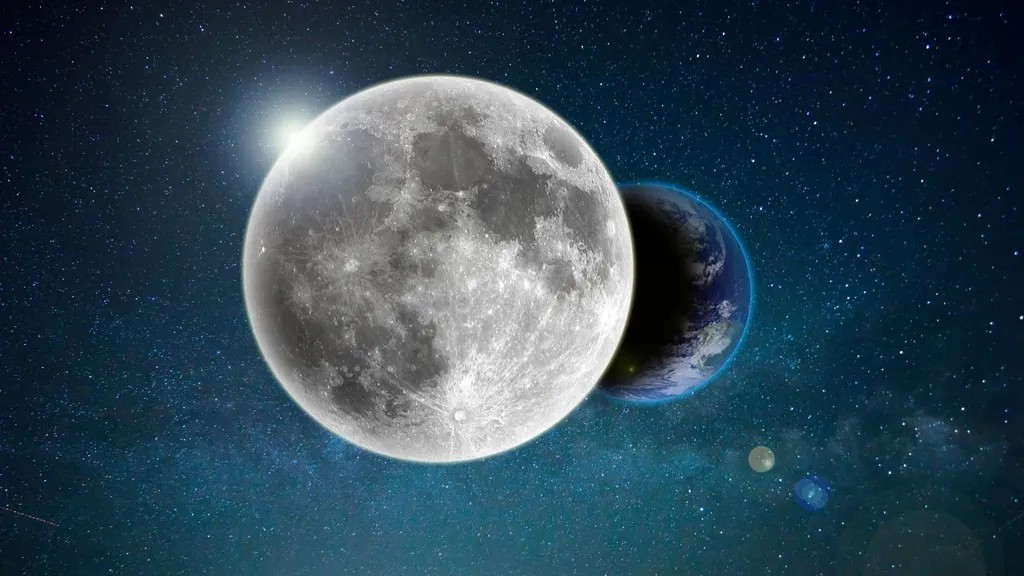
If you could rewind time four and a half billion years, you wouldn’t recognize your planet. Earth was young, violent, and still under construction, wrapped in a haze of rock vapor and magma. Then something truly catastrophic happened: a Mars‑sized body slammed into the early Earth, and out of that chaos your Moon was born. That single event did not just give you a pretty object in the night sky; it rewired the entire future of the planet beneath your feet.
When you look up at the Moon now, it is easy to see it as calm and eternal, but its origin story is more like a cosmic car crash in slow motion. The violent birth of the Moon shaped how long your days are, how stable your seasons feel, and even how life – including you – could emerge and survive. Once you see how deeply the Moon has been entangled with Earth’s history, it stops being a background decoration and starts looking more like a silent architect of your world.
A Giant Impact Turned Early Earth Into a Cosmic Wreckage Zone
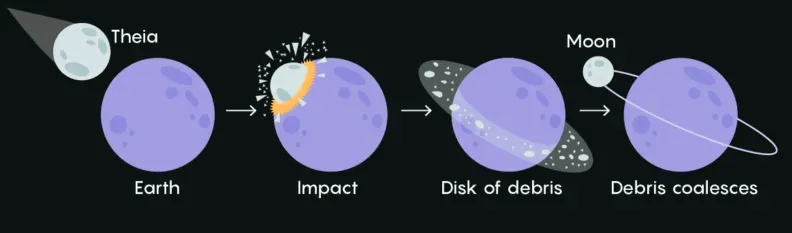
You live on a planet that was literally reshaped by a single, world‑shattering collision. According to the leading idea, often called the giant impact hypothesis, a protoplanet roughly the size of Mars – nicknamed Theia – smashed into the young Earth at a staggering speed of many kilometers per second. The impact was so energetic that enormous amounts of rock from both bodies were melted or vaporized, spraying into orbit as a disk of incandescent debris.
From your current calm perspective, it is hard to imagine the sky filled not with stars, but with a ring of glowing rock encircling the ruined Earth. That debris began to clump together under its own gravity, merging into the Moon over a relatively short geological timescale. You are essentially living on what is left of that battered proto‑Earth, while the Moon is a frozen record of the violence that finished building your planet. In a very real sense, both Earth and Moon are two survivors from the same catastrophic accident.
Why The Giant Impact Hypothesis Makes Sense To You
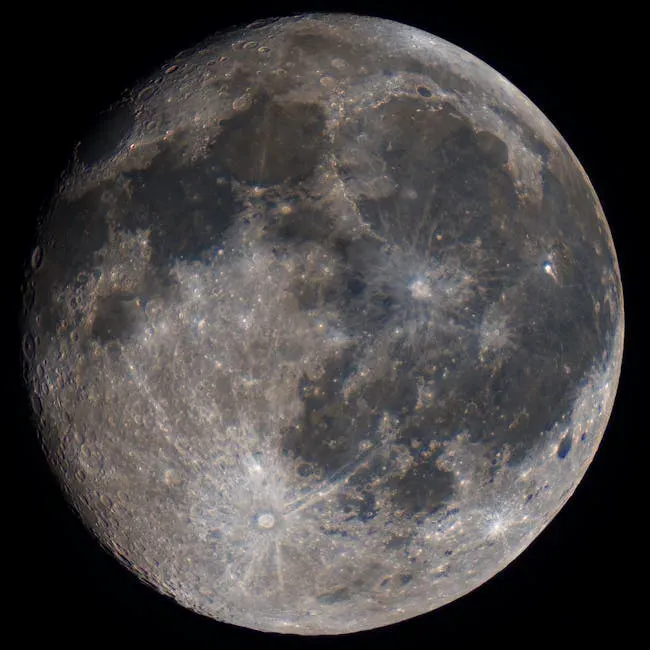
If you could hold Moon rocks in your hands next to Earth rocks, you would notice something curious: chemically, they are extraordinarily similar. Measurements of elements and their isotopes show that lunar material matches Earth’s outer layers far more closely than you would expect if the Moon had simply been captured from elsewhere in the solar system. That kind of close family resemblance points strongly toward a shared, mixed origin, just like you would suspect two siblings share parents when their features line up.
At the same time, the Moon is missing almost all of the volatile materials that easily boil away, and it has a lower portion of iron than Earth. That fits with an origin in an unimaginably hot collision that blasted off mantle rock rather than dense metal from Earth’s core. When you add in the Moon’s orbit, the angle of Earth’s spin, and computer simulations of what happens when two planetary bodies collide, the giant impact scenario hangs together as the most coherent explanation. You are watching the end result every time you see the Moon rise.
The Moon Locked Your Planet’s Tilt And Calmed Its Wild Swings
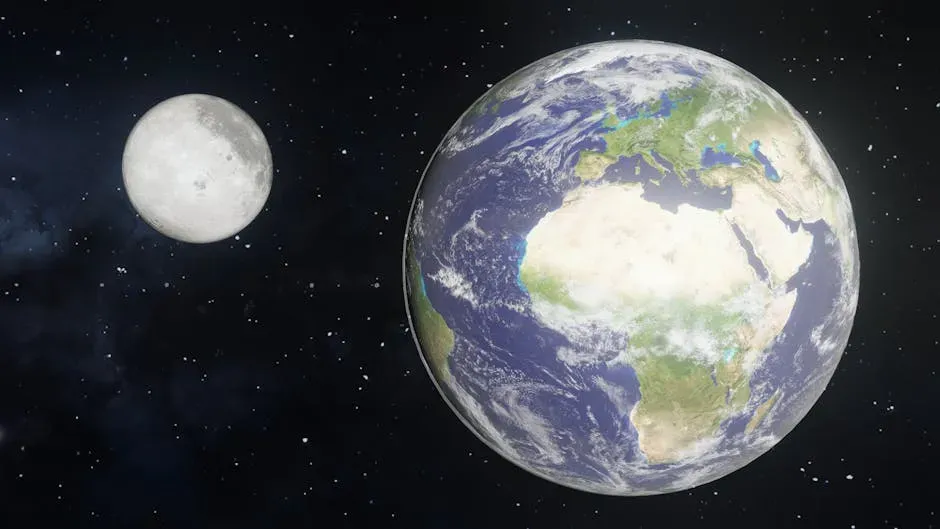
If you removed the Moon from the picture, your planet would be a far more unstable place to live. Earth is tilted relative to its orbit, and that tilt is what gives you seasons. The trick is that this tilt is not guaranteed to stay gentle and steady on its own; over long periods, gravitational nudges from other planets can make a planet’s axis wobble dramatically. Without a large moon, a world a lot like Earth could tip back and forth by extreme amounts, swinging between chaotic climate regimes that would make long‑term life much harder.
The Moon acts like a stabilizing weight on a spinning top, helping keep Earth’s axial tilt from going too wild. Your tilt still changes over time, but it does so in relatively modest and predictable ways. That stability has been crucial for keeping your climate within limits where complex ecosystems can adapt instead of constantly being reset. Every time you enjoy the regular rhythm of spring, summer, autumn, and winter, you are quietly benefiting from the Moon’s steadying gravitational hand.
How The Moon Stretched Your Day And Changed Your Sense Of Time
You probably take the length of a day for granted, but thanks to the Moon, it has not always been twenty‑four hours. Right after the giant impact, Earth was spinning much faster, so a day might have lasted only a fraction of what you experience now. Over billions of years, tidal interactions between Earth and the Moon have transferred rotational energy away from Earth, slowing your planet’s spin while gradually pushing the Moon farther away.
This process, called tidal locking and tidal braking, is why the same side of the Moon always faces you and why your days have stretched out over time. Long ago, life evolved under shorter days and more frequent sunrises; as Earth’s rotation slowed, biological rhythms adapted. The day length you are used to is not some eternal cosmic constant – it is the negotiated outcome of a tug‑of‑war between your planet and its satellite. Without that interaction, your daily cycle, your weather patterns, and even the way organisms time their behavior might look very different to you.
Tides: The Moon’s Constant Pull On Your Oceans And Your Coasts
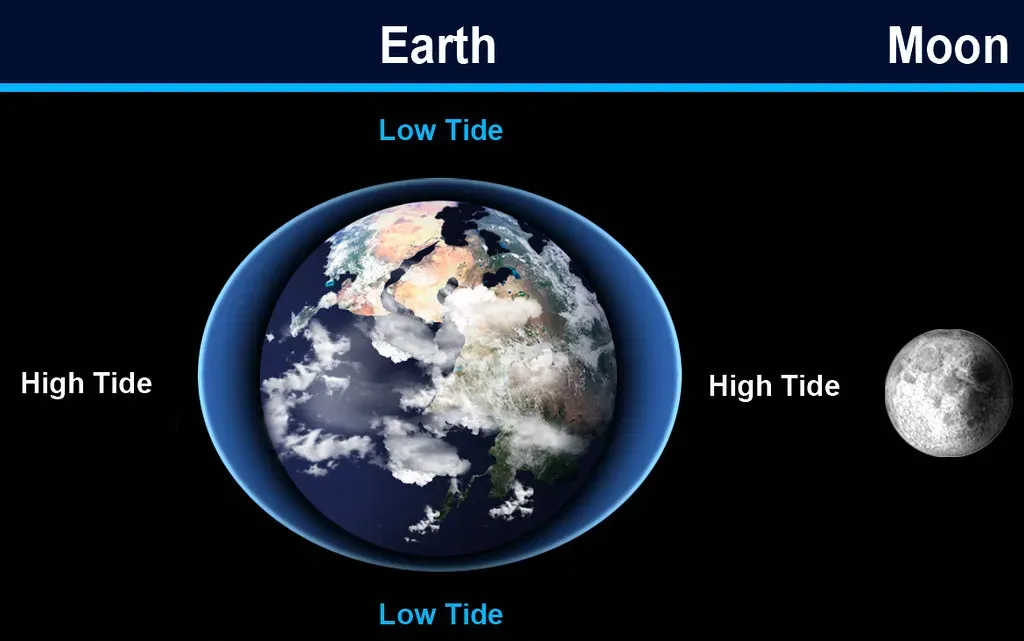
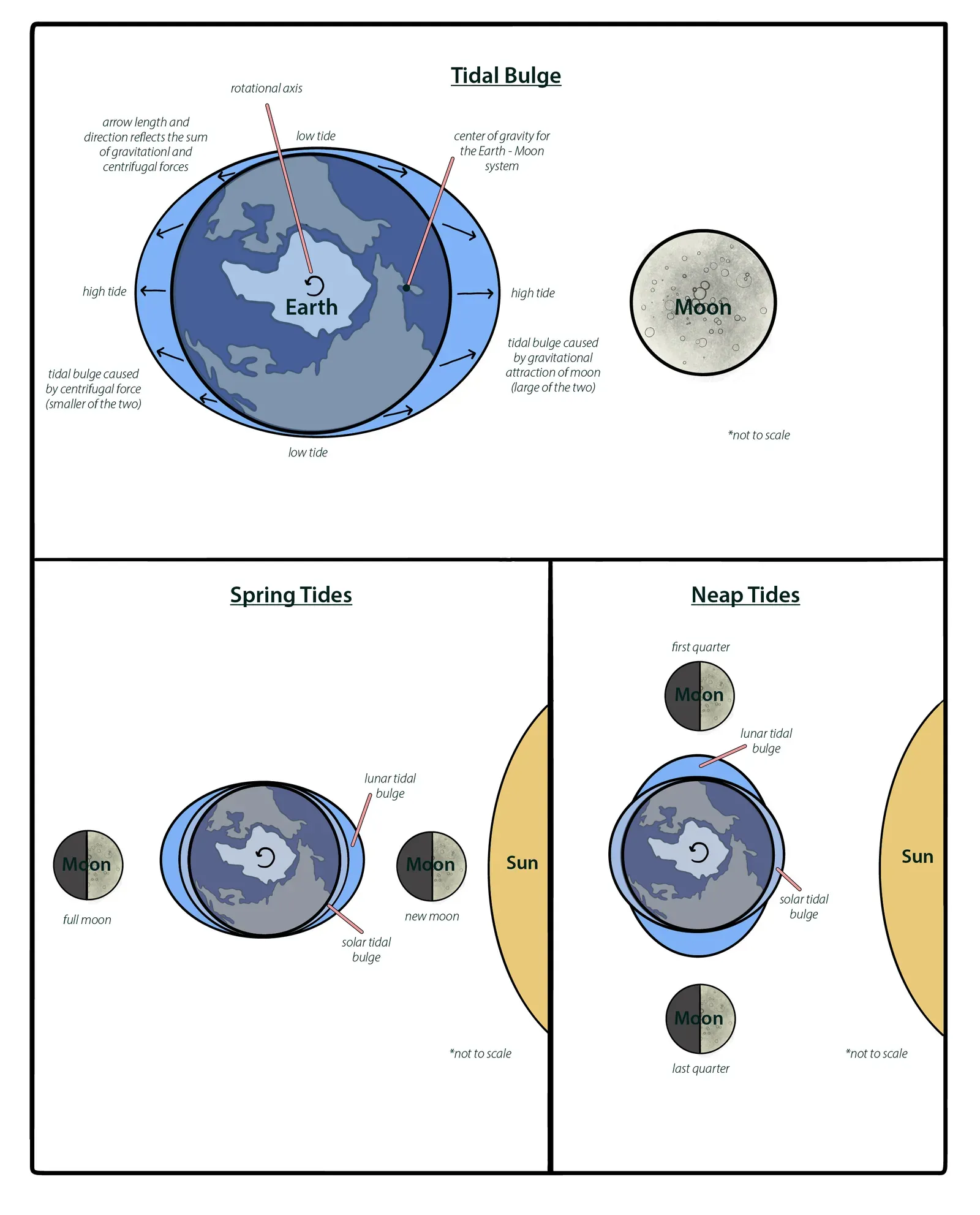
If you have ever watched the sea creep up a beach and then retreat again, you have seen the Moon’s influence made visible. The Moon’s gravity pulls on Earth’s oceans, creating bulges in the water that you experience as high and low tides. The Sun also plays a role, but the Moon is close enough and massive enough that it dominates the rhythm of the tides you see along coastlines around the world.
Those tides do much more for you than decorate the shore. Over geological time, tidal zones have acted as dynamic, ever‑changing environments where life could experiment with moving from water to land. The constant wet‑dry cycles, shifting salinity, and nutrient mixing provided evolutionary pressure and opportunity. Even now, tides help stir the oceans, move sediments, and shape estuaries and wetlands that support rich ecosystems and human livelihoods. When you listen to waves rolling in and out, you are hearing the faint echo of the Moon’s steady, silent pull.
The Moon’s Role In Making Earth Hospitable To Life Like You
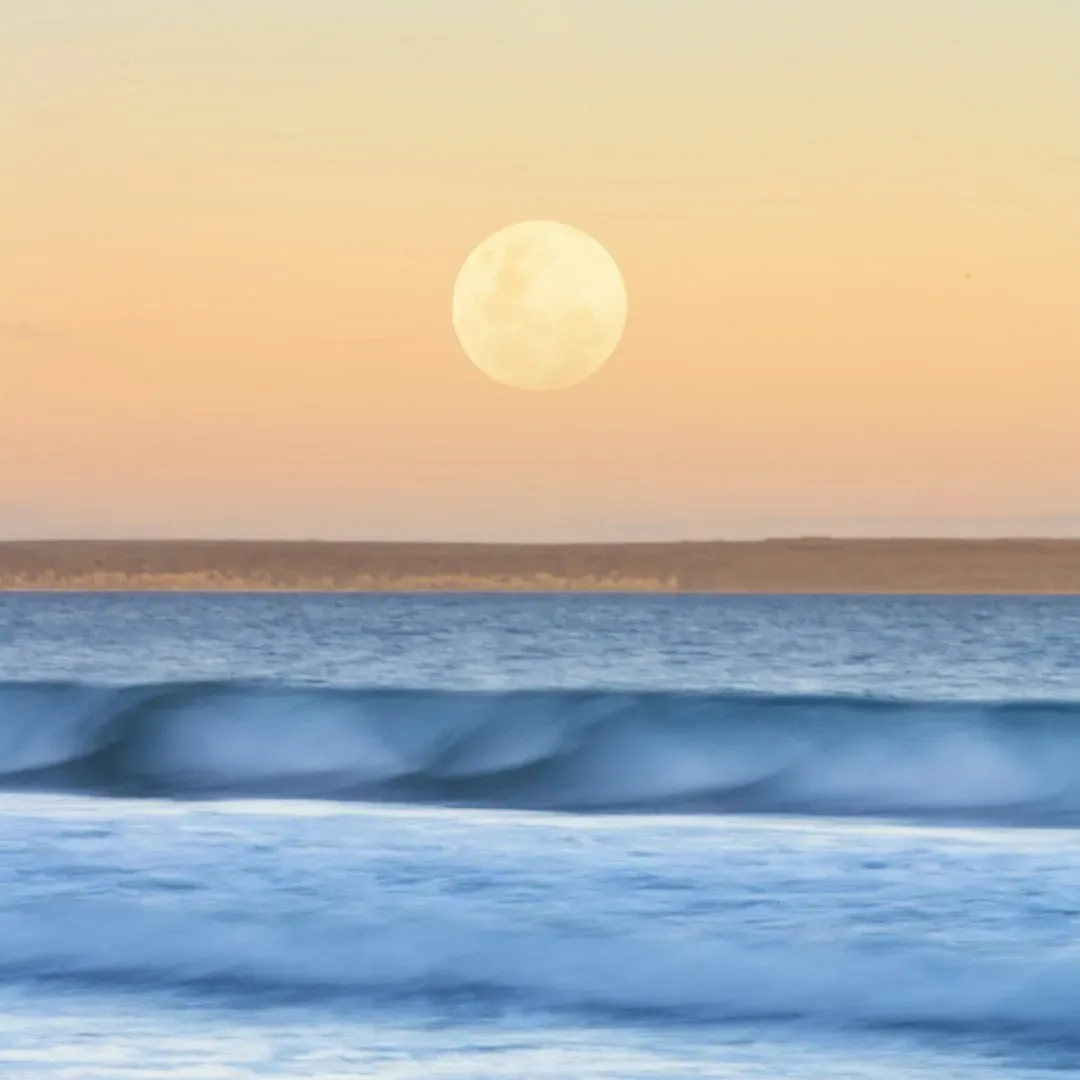
You are here because Earth stayed within a narrow band of conditions where liquid water, stable climates, and complex chemistry could persist for billions of years. The Moon did not do that alone, but it played an important supporting role. By stabilizing Earth’s tilt, stretching out the day length, and stirring the oceans through tides, the Moon helped create a relatively predictable environment where life could slowly grow more intricate instead of constantly being knocked back to the beginning.
Imagine trying to build a civilization on a planet where the axis randomly tips, seasons become extreme without warning, and the oceans barely move. The Moon’s presence helped avoid that scenario for you. It contributed to cycles – of light and dark, of tides, of seasons – that life could learn to anticipate, encode in genes, and build entire ecosystems around. When you think about the chain of events that led from simple microbes to a conscious brain able to wonder about the Moon, you are looking at a story where your satellite is a quiet but crucial supporting character.
What The Moon Still Reveals About Your Planet’s Deep Past
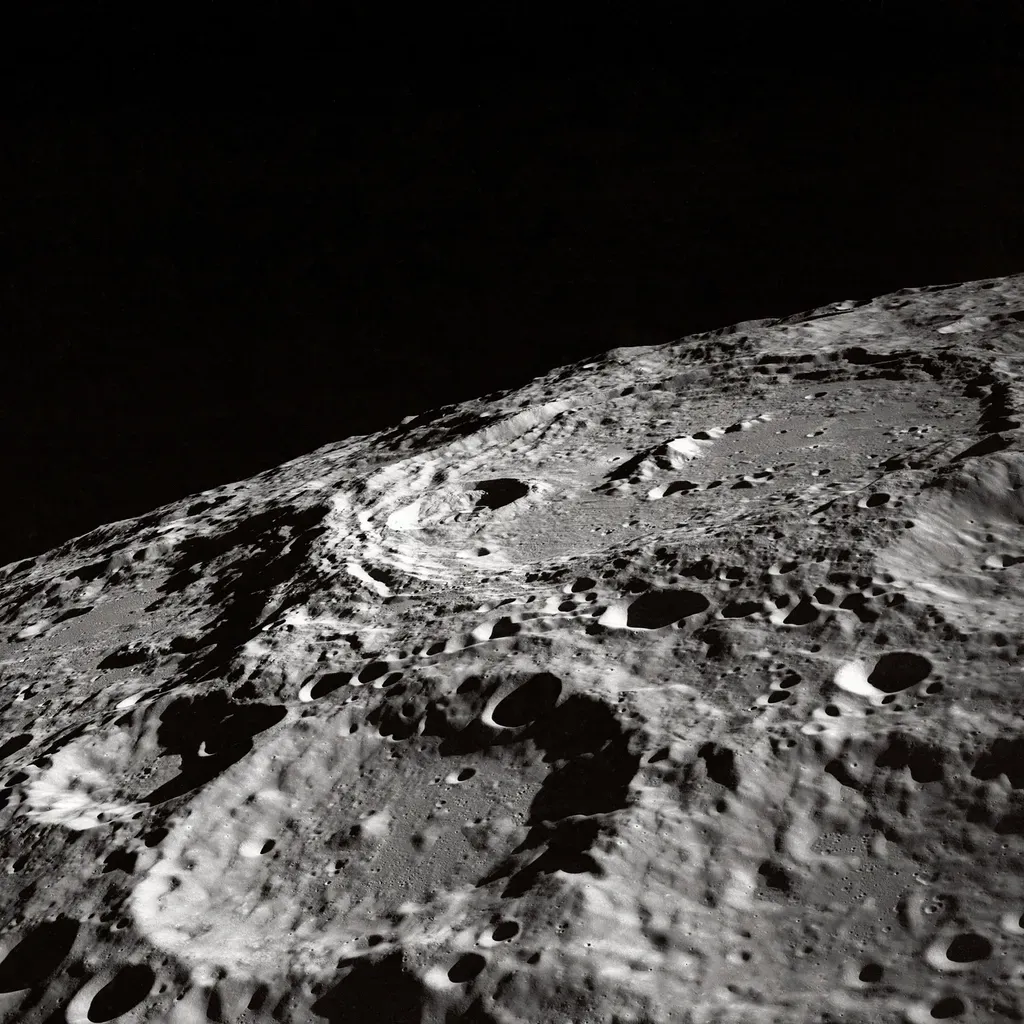
Because the Moon has no atmosphere, no liquid water, and far less internal activity, its surface preserves scars that on Earth would have been erased long ago. When you study lunar craters, basins, and rocks, you are effectively digging into a geological archive that stretches back almost to the birth of the solar system. Missions to the Moon have shown you not just what the Moon is made of, but when its crust formed and how often it was bombarded by asteroids and comets.
That information loops back to your own planet, helping you reconstruct chapters of Earth’s history that direct evidence on the ground can no longer provide. By comparing ages and compositions, you can better understand the timing of the giant impact, the rate at which the young solar system calmed down, and the conditions under which your early oceans and atmosphere emerged. In a very literal sense, the Moon lets you time‑travel: by exploring it, you are learning who you are and where you came from.
Looking Ahead: Your Shared Future With The Moon
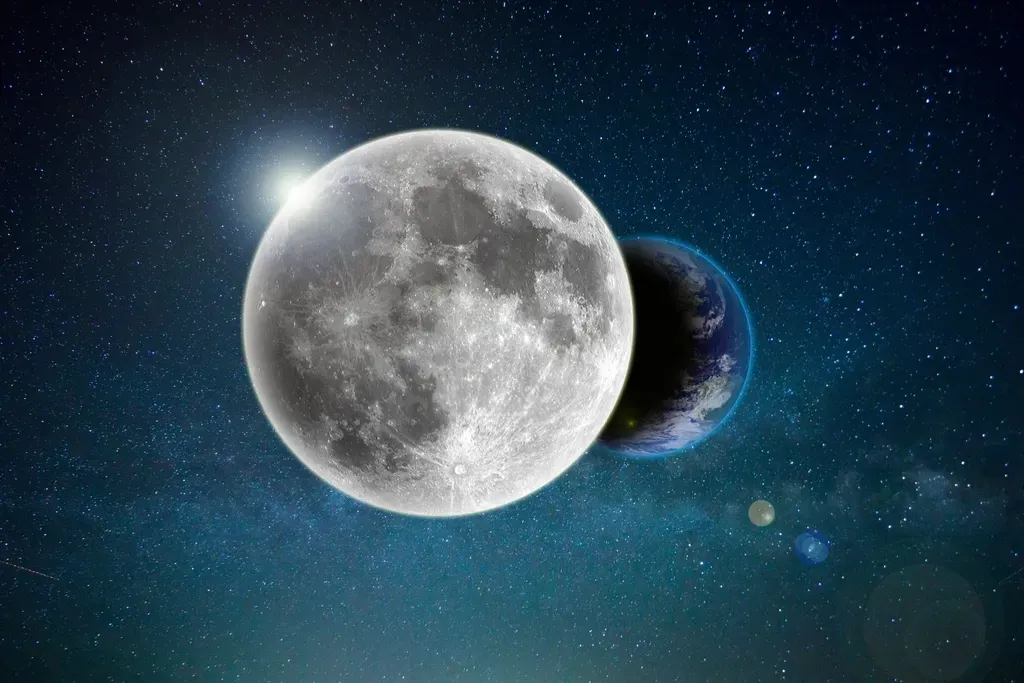
Even now, your relationship with the Moon is still evolving. The Moon is slowly drifting away from Earth by tiny amounts each year, and Earth’s rotation continues to slow. These changes are so gradual that you will never notice them within a human lifetime, but over immense spans of time they will reshape the dance between planet and satellite. Someday, far in the future, eclipses will look different to any distant descendants of yours because the Moon will appear smaller in the sky.
At the same time, you are beginning to treat the Moon not just as a subject of scientific curiosity, but as a destination and potential stepping‑stone into the wider solar system. Future bases, telescopes, or resource operations on the lunar surface could turn that ancient impact relic into a key partner in your expansion beyond Earth. When you think about it that way, the cataclysm that once nearly destroyed the young Earth may become the very reason your species can someday leave it more safely.
When you put it all together, the Moon’s formation was not just a dramatic explosion of rock and fire – it was a turning point that quietly guided almost everything you now recognize as Earth. Your climate, your oceans, your day and night, and the conditions that allowed you to exist all carry fingerprints of that ancient catastrophe. The next time you look up at the Moon, you are not just seeing a bright disk; you are seeing the echo of a collision that set your planet’s destiny on a life‑friendly path. What else in your everyday sky hides a story that big?