
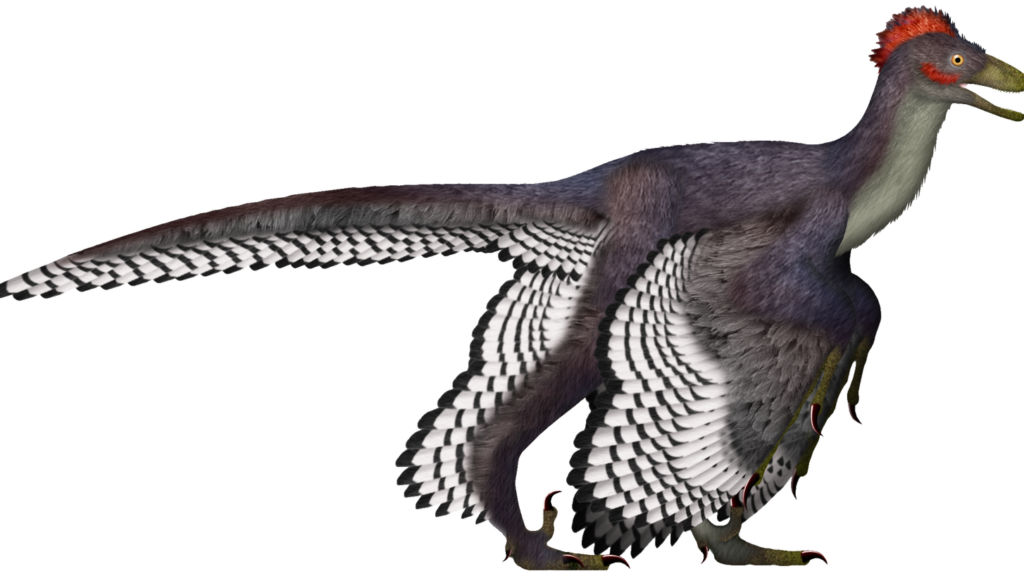
If you picture a dinosaur, you probably see rough, scaly skin and maybe a T. rex roaring in the rain. But over the past few decades, fossils have quietly rewritten that mental image. When you look closely at the evidence, you start to realize that some dinosaurs were not just warm, scaly tanks, but surprisingly showy animals with extravagant feathers that were less about staying alive and more about showing off.
Once you let that idea sink in, dinosaurs suddenly feel a lot more familiar. You are not just dealing with monsters from a museum, you are seeing the same kind of flashy displays that birds, deer, and even peacocks use today. Feathers stop being just insulation and become a language of color, shape, and attitude. And once you see it that way, you can never look at a fossil the same again.
The Discovery That Dinosaurs Were Sometimes Fluffy, Not Just Scaly
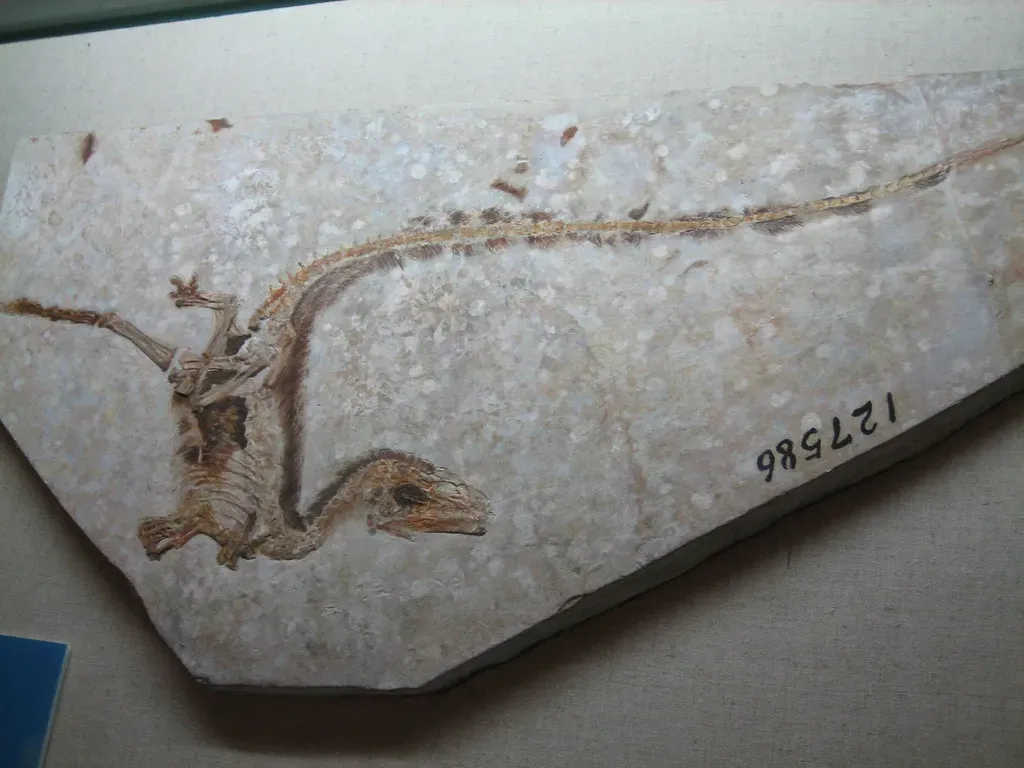
You grew up with the picture-book version of dinosaurs: giant lizards stomping through swamps, covered in scales from head to tail. Then scientists started uncovering fossils in places like northeastern China that stopped that story in its tracks. These fossils preserved delicate impressions of filaments and branched structures around dinosaur bones, revealing that many small and medium-sized species actually carried coats of feathers.
When you zoom in on those fossils, you see more than a simple fuzzy layer for warmth. Some species show multiple feather types across their bodies: short, down-like filaments mixed with longer, more structured feathers on the arms, tail, or head. That kind of variety starts to look a lot less like a basic winter jacket and more like a toolkit for different jobs, including staying visible to other members of their species in a very busy Mesozoic landscape.
Why Insulation Alone Cannot Explain Dinosaur Feathers
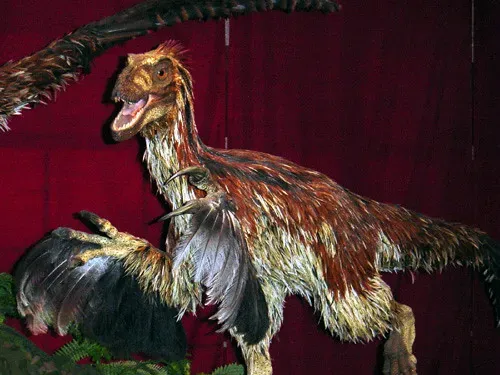
It makes sense to assume that if you have feathers, you are trying to stay warm, especially if you lived in cooler climates or were active and needed to regulate your body temperature. You can see that logic in small, early feathered dinosaurs whose simple, hair-like filaments would have trapped air close to the skin. But as you move through the fossil record, the story gets more complicated, and that simple insulation explanation starts to fall apart for some animals.
In certain species, you find feathers that are long, broad, and placed in awkward, exposed areas, like the tips of the tail or the arms, where they do very little to keep the core body warm. Some of these structures would have been a nuisance in a fight or while running through dense vegetation. When you see long, showy feathers concentrated in spots that are easy to see but not great for thermoregulation, you are clearly looking at something built for visibility, not just survival comfort.
Display Structures: From Crests and Horns to Feathers
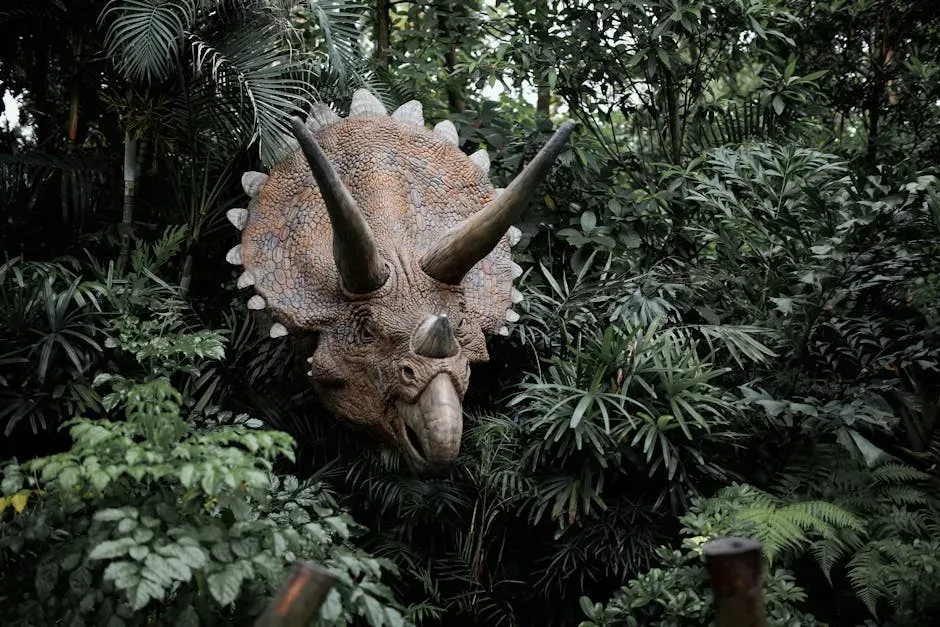
You already accept that some dinosaurs used bones for display. Think about ceratopsians with huge frills or hadrosaurs with tall head crests that probably helped them stand out to mates or members of their herd. Once you accept that idea, it becomes much easier to see feathers as the next step in that same storytelling system, just made from a different material. Instead of relying only on bone shapes, some species seem to have added soft, colorful structures to the mix.
Feathers have a huge advantage over bone for display: they are lighter, they can grow back if damaged, and they can change shape or angle with a simple movement of muscles. You can imagine a dinosaur raising its arm or tail, suddenly fanning out a spray of feathers the way a peacock does today. Those feathers might not leave obvious three-dimensional structures like horns do, but the fossil impressions tell you they were there, ready to turn a normal body into a moving billboard of identity, fitness, or dominance.
Evidence for Showy Tails, Arm Fans, and Head Plumes
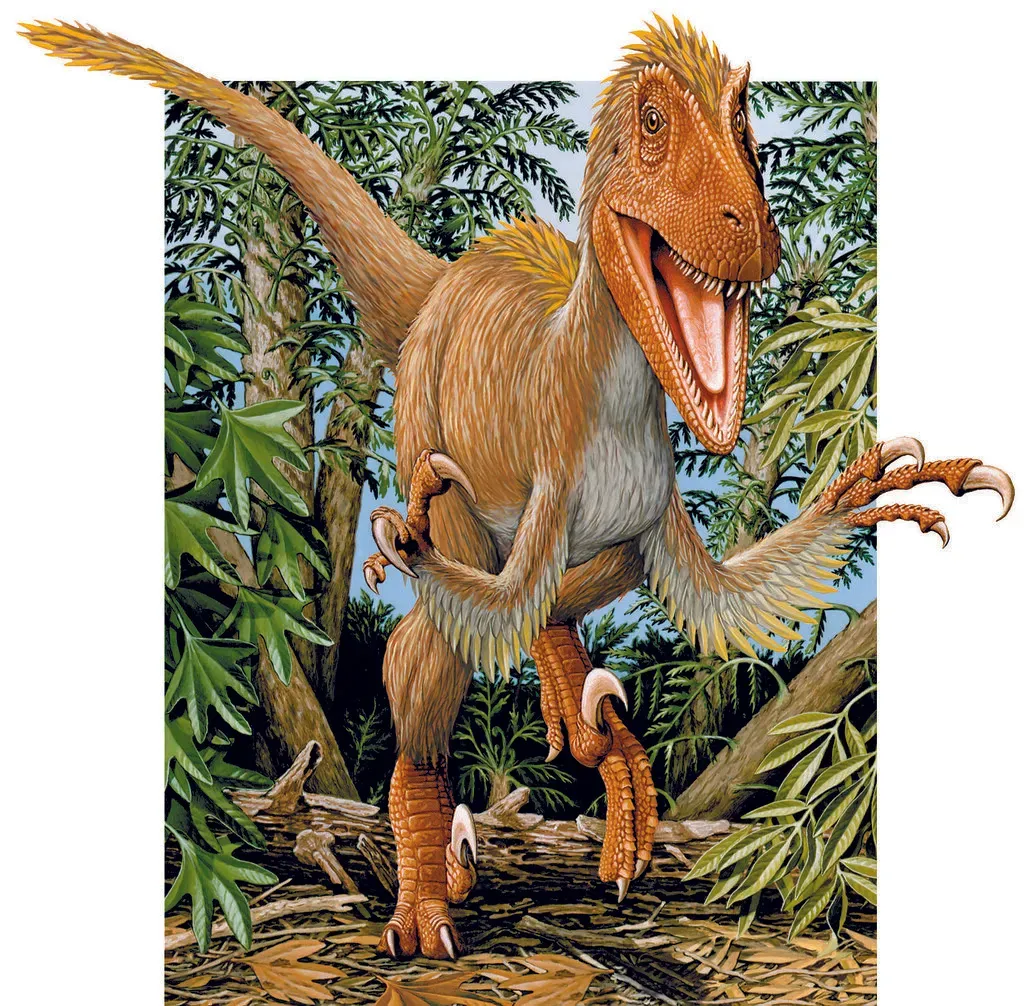
When you look at the detailed fossils of some feathered dinosaurs, you find patterns that practically shout display. Certain species show long, ribbon-like feathers attached only at the tip of the tail, where they would be useless for warmth or serious flight. Others have fan-shaped clusters of feathers along the arms that look more like banners than wings, especially in animals that were too heavy or too poorly built to fly.
Picture a small predator trotting through its environment, its tail trailing behind with a spray of long, decorative feathers that shimmered with pattern and possibly even color. Or imagine a dinosaur raising its arms in a threat posture, revealing bold feather fans to intimidate a rival or impress a mate. These structures might have been fragile and a bit cumbersome, but in the world of display, inconvenience is often part of the package. If it makes you more noticeable, it can still be worth the cost.
Sexual Selection: When Looking Good Matters More Than Being Practical
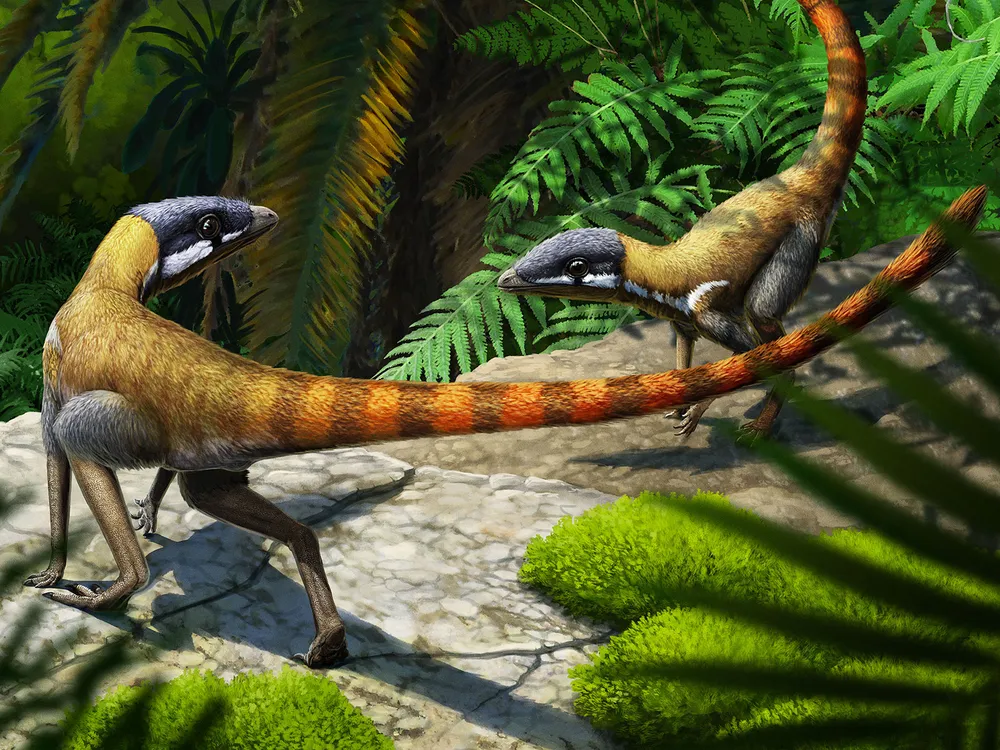
You see this every time you watch a nature documentary: sometimes animals evolve traits that are extravagant, inefficient, and even risky, simply because those traits help them win mates. Peacocks drag around huge tails, birds of paradise grow odd plumes, and some deer carry oversized antlers that are a nightmare to haul through a forest. The logic is always the same. If members of the opposite sex prefer a certain look, that look spreads, even if it is not very sensible from a purely survival perspective.
Feathered dinosaurs likely followed the same script. If a male with slightly longer and brighter feathers attracted more partners, his genes for dramatic plumage had a better chance of spreading. Over many generations, you end up with dinosaurs whose display feathers outgrow their practical function. You may never know every detail of how they danced or posed, but when you see long, delicate feathers in risky places on the body, it is reasonable to suspect that sexual selection was at work, pushing fashion as hard as function.
Color, Pattern, and the Possibility of Dinosaur “Fashion”
One of the wildest shifts for you as a reader is realizing that some dinosaur colors are not just guesswork anymore. Microscopic structures in fossil feathers, similar to those in modern birds, give clues about whether those feathers were dark, light, or even patterned. While the full color palette is still being pieced together, the emerging picture includes contrast, shading, and in some cases striking patterns that would have stood out strongly against the surrounding environment.
Once you accept pattern and possible bright coloration, you are stepping into the world of style and visual communication. Different species might have had signature looks, like striped tails or dark head crests, that helped individuals identify each other in mixed environments. Some markings could have signaled age, sex, or status, just as plumage does in birds today. You might not know exactly how every feather looked, but the growing evidence tells you that dull, uniform dinosaurs are probably the exception, not the rule.
From Dinosaurs to Birds: How Display Feathers Survived Extinction
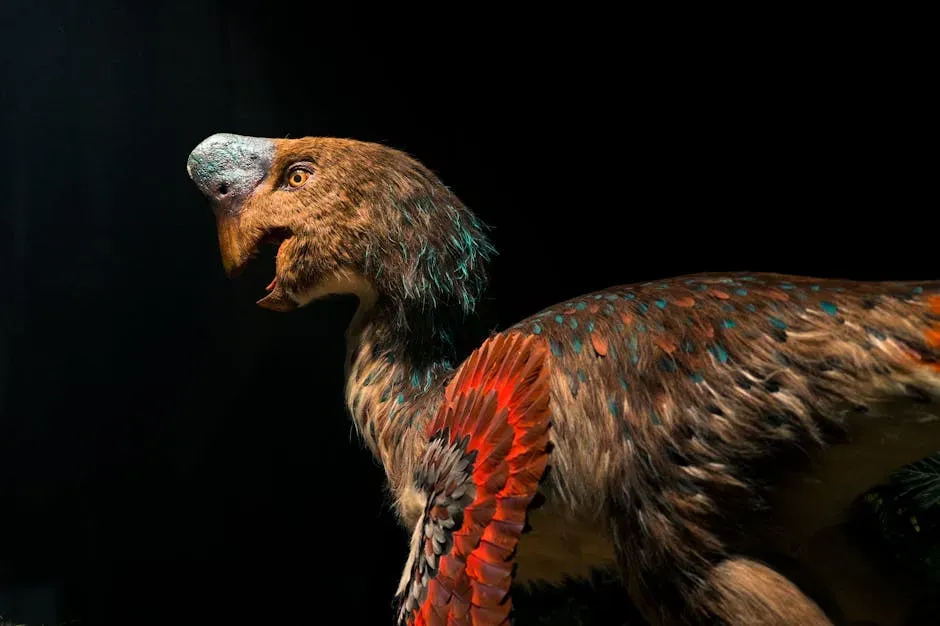
When you watch birds in your backyard, you are really looking at the last surviving group of feathered dinosaurs, still playing out an ancient game of display and attraction. Courtship dances, territorial posturing, and elaborate breeding plumage are not brand-new inventions; they are likely modern expressions of strategies that have been evolving since long before the non-avian dinosaurs disappeared. You are seeing the tail end of a story that started with small, feathered predators running through prehistoric forests.
The fact that birds still rely so heavily on display feathers suggests that these traits were more than passing experiments in the dinosaur era. They were successful enough to be preserved and refined across deep time. When you watch a bird puff up its body, spread its wings, or fan its tail in a courtship ritual, it is not hard to imagine a feathered dinosaur doing something similar, surrounded by ancient plants and very different skies, showing off in ways that would still look strangely familiar to you today.
What This Means for How You Imagine Dinosaurs Now
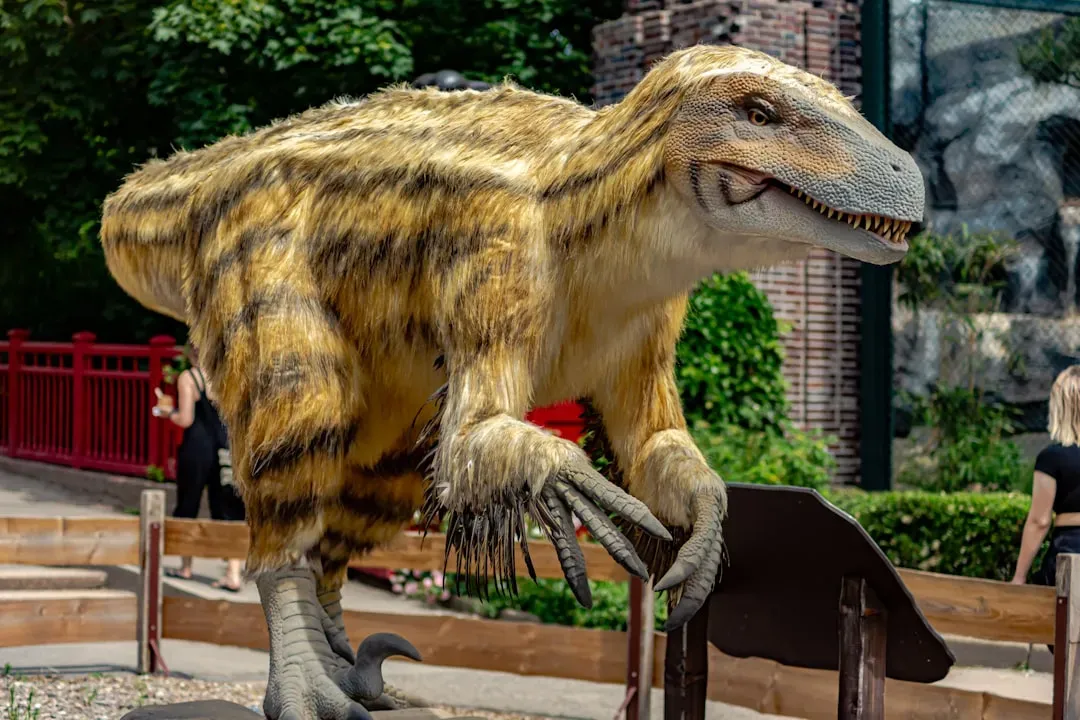
Once you understand that some dinosaur feathers were used mainly for display, your mental image of these animals becomes richer and more personal. They stop being just background monsters and start to feel like complex creatures with social lives, preferences, and even something close to style. You are no longer imagining a uniform green or brown giant but a dynamic animal capable of dramatic visual signals and subtle body language.
This shift also changes how you experience museums, books, and movies. The next time you see a completely scaly dinosaur reconstruction, you might catch yourself wondering what is missing. Where would the feather fans go? Did that species have a flashy tail or a crest of display feathers on its head? When you ask yourself those questions, you are quietly aligning your imagination with modern science, letting evidence and possibility replace the old, flat picture you grew up with.
In the end, the idea that some dinosaurs wore feathers mainly to show off reminds you that evolution does not just build survivors, it also builds performers. These animals were not just trying to avoid becoming someone else’s lunch; they were trying to be seen, chosen, and remembered by their own kind. That image of a dinosaur lifting its tail or arms to flash a burst of feathers ties the distant past to the living world around you in a way that feels surprisingly intimate. When you picture that scene now, does it really feel so different from watching a bird put on a show in your own backyard?