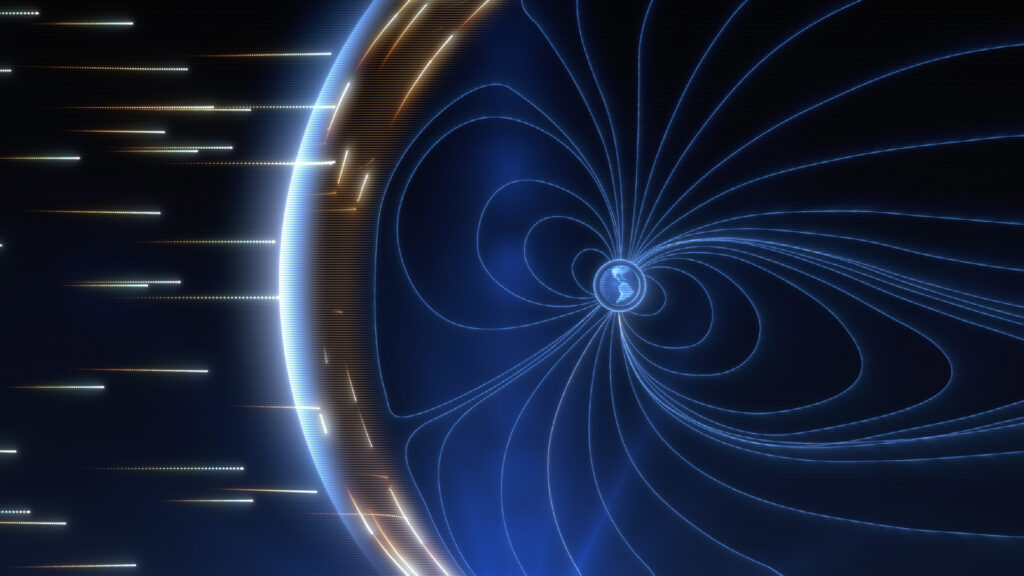
If you could rewind the last billion years like a cosmic time‑lapse, the magnetic field around Earth would look anything but stable. North and South would flip, the poles would drift across continents, and your compass would point in wildly different directions than it does today. The field that quietly guides birds, protects your skin from radiation, and keeps your technology running has a surprisingly dramatic past.
When you learn how restless Earth’s magnetic field really is, you start to see our planet as something alive rather than static. You realize that the calm needle on a compass is sitting on top of a storm of molten metal deep below your feet. Once you understand that story, worries about small modern shifts feel different: they stop sounding like the end of the world and start looking like a familiar chapter in a very long, very strange history.
The Invisible Shield You Live Inside Every Day
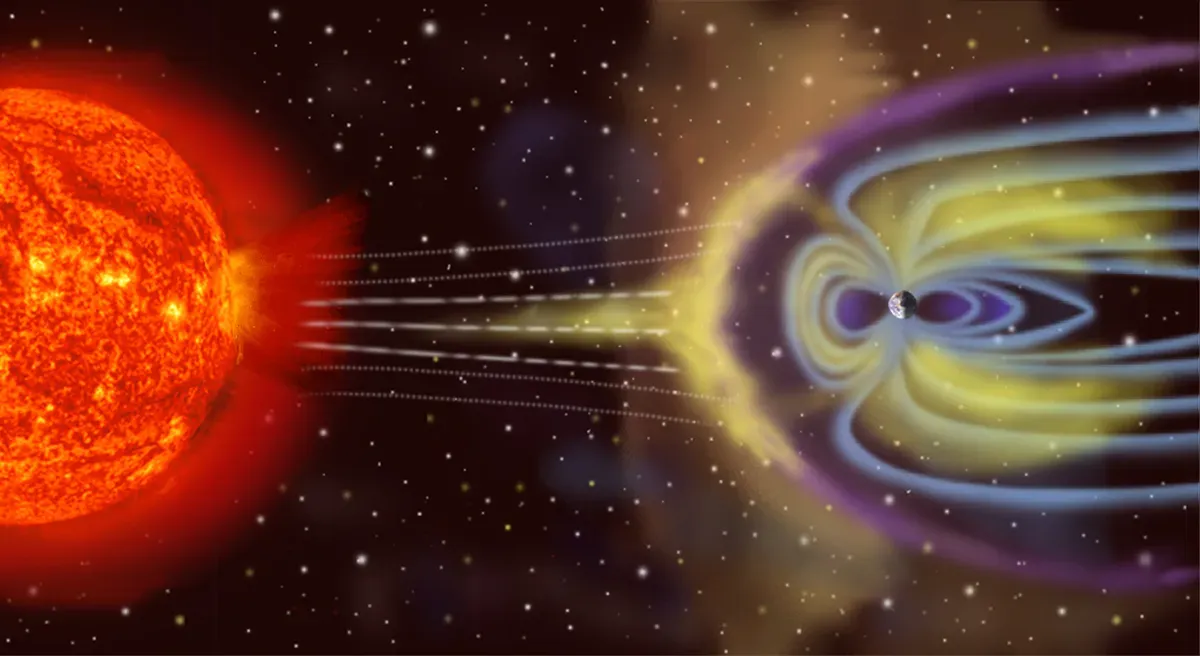
Even if you never think about it, you live inside a vast, invisible magnetic bubble called the magnetosphere. It stretches out tens of thousands of kilometers into space and deflects most of the charged particles streaming from the Sun. Without this shield, your atmosphere would be stripped away far faster, your sky would be far harsher, and life at the surface would face a constant barrage of radiation. If you have ever seen an image comparing Earth and Mars, the difference in their magnetic protection is one of the most important details.
On a more familiar level, you feel the field through simple tools: a compass needle lining up roughly north–south, phone apps that show direction, or drilling operations that use magnetic readings to know where they are underground. You might not feel those magnetic lines with your skin, but migrating birds, sea turtles, and even some bacteria sense and respond to them instinctively. You are surrounded by something you cannot see, but many forms of life quietly navigate by it like a built‑in GPS.
How a Churning Metal Core Creates a Wandering Field
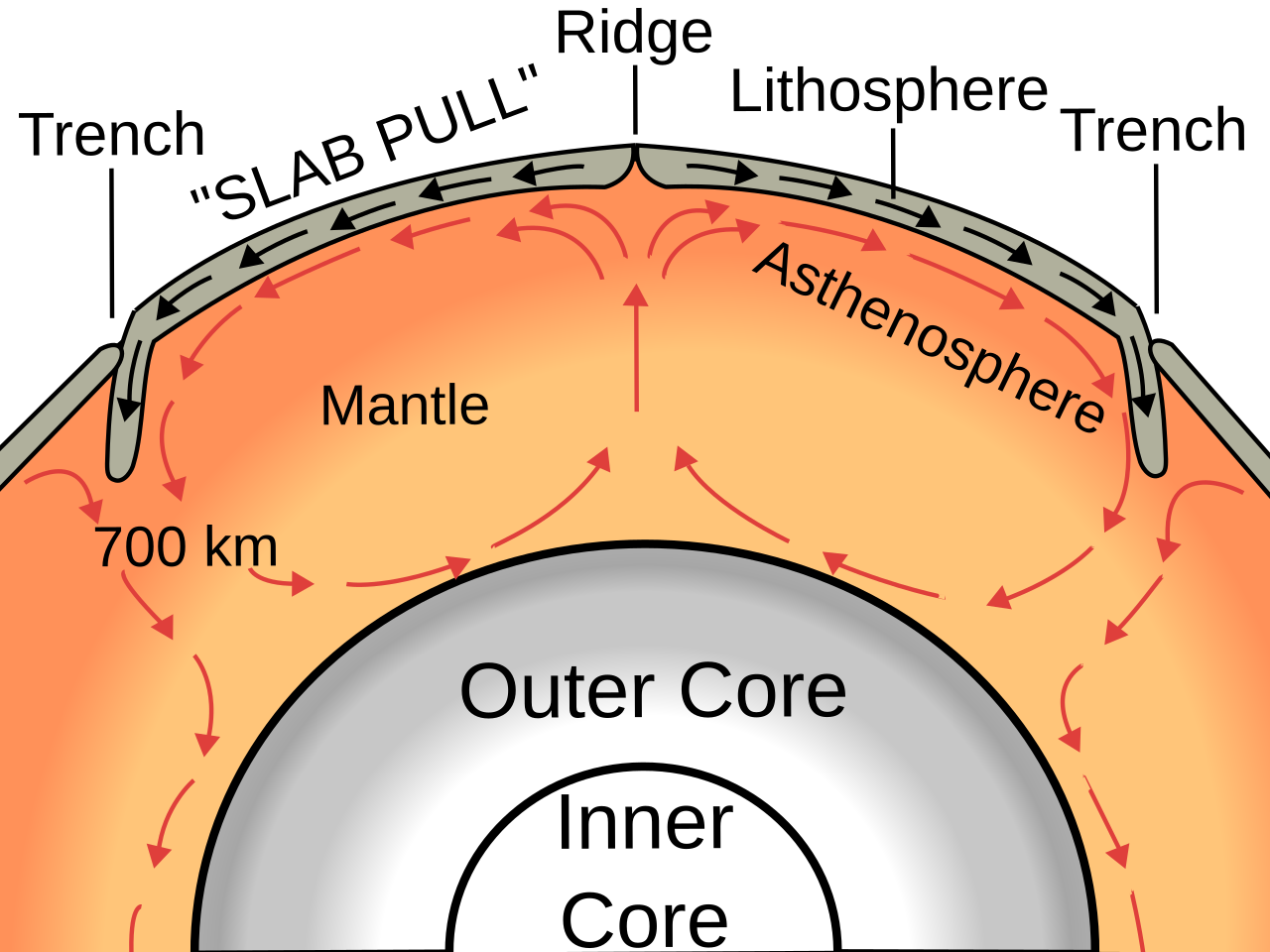
To understand why Earth’s magnetic field wanders, you have to look beneath your feet, far deeper than the crust and mantle you stand on. At the planet’s center sits a solid inner core made mostly of iron and nickel, wrapped in a layer of molten, electrically conducting metal called the outer core. That liquid metal is in constant motion, driven by heat escaping from the deep interior and by the slow cooling and growth of the inner core. When conducting fluid moves, it generates electric currents, and those currents in turn create a magnetic field.
This whole process is called the geodynamo, and it does not run like a precision‑built machine, it behaves more like a pot of boiling soup. Flow patterns twist, merge, break apart, and reorganize on many timescales. As those flows change, the magnetic field they produce also shifts, weakens, strengthens, and sometimes reverses. So when you hear that Earth’s field is wandering, you are really hearing that the liquid metal miles below you is stirring itself into new patterns all the time.
Magnetic North Has Never Sat Still
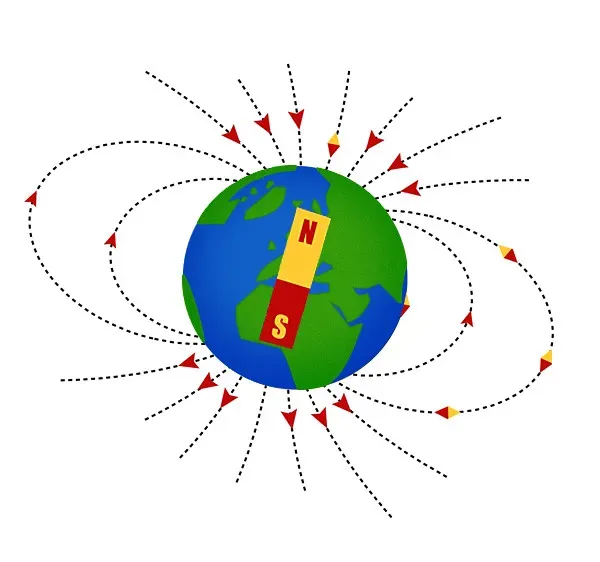
If you used a compass during the age of dinosaurs, it would not have pointed where your compass points today, even if you stood on the same spot on Earth’s surface. Magnetic north is not anchored to the geographic pole; instead, it drifts as the field changes shape. Over centuries, this wandering trace can be reconstructed from old navigation logs, archaeological artifacts, and, more recently, precise satellite measurements. You can think of magnetic north as a restless traveler that rarely pauses for more than a geologic moment.
In your lifetime, the motion of magnetic north has been fast enough that mapmakers and navigation systems regularly update their models. That does not mean the field is collapsing or that disaster is imminent; it simply reflects the natural variability of the geodynamo. If you work in aviation, shipping, or any job relying on precise headings, these changes show up as periodic corrections to runway numbers, charts, or guidance software. To everyone else, the wandering remains mostly invisible unless you go looking for it.
Geomagnetic Reversals: When North and South Trade Places
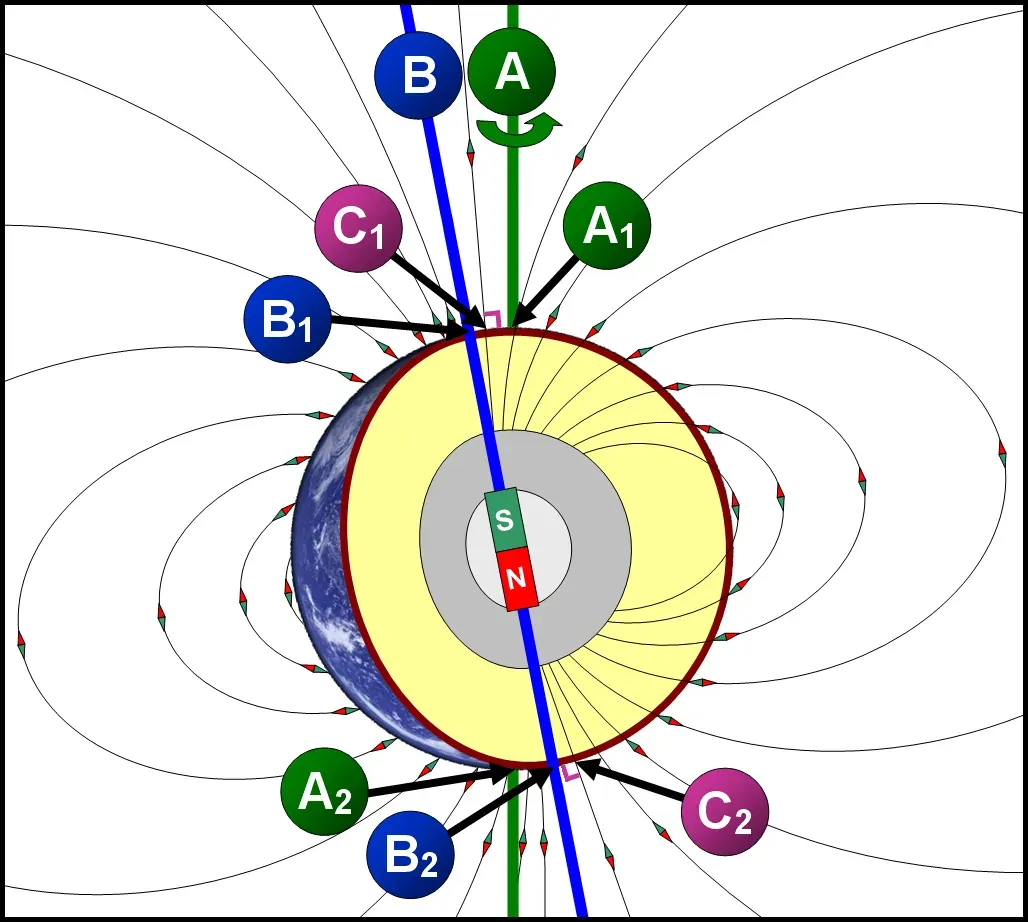
The most dramatic episodes in Earth’s magnetic story are full reversals, when north and south magnetic poles swap. This has happened many times in the last tens of millions of years, and you can see the evidence locked in volcanic rocks and ocean floor crust. When molten rock cools, magnetic minerals inside it align with the field like tiny frozen compasses. Later, when you measure those rocks, you find long stripes of seafloor where the polarity is normal, alternating with stripes where it is flipped, laying out a barcode‑like record of past reversals.
From your point of view as a human, a reversal is unimaginably slow. It unfolds over thousands to tens of thousands of years, not overnight. During that time, the field can become weaker and more complex, with multiple north‑like and south‑like regions scattered around the globe. Life on Earth, including earlier humans and countless other species, has lived through many of these reversals. The fossil record does not show mass extinctions tied to them, which strongly suggests that while a reversal might be inconvenient for technology, it is not an automatic biological catastrophe.
Excursions and Sudden Lurches in Earth’s Magnetic Past
Not every magnetic drama ends in a full reversal; sometimes the field only staggers. These shorter, incomplete events are called excursions. During an excursion, the field can weaken sharply and the poles can wander far from their usual positions before the system snaps back to its previous orientation. You can imagine a spinning toy top that wobbles badly but then regains its balance without flipping over. Geological records in lava flows, cave deposits, and sediments reveal several such episodes sprinkled through the last few hundred thousand years.
For you, the interesting part is that these excursions can happen more quickly than full reversals, at least in geological terms. They show that the geodynamo is capable of rapid reorganizations, where the field changes a lot in a relatively short time. Even so, “rapid” still means many lifetimes placed end to end. When you hear dramatic claims that the field is about to flip tomorrow, excursions offer a more realistic lesson: the system can lurch and wobble, but it tends to do so on timescales that your species has ridden out many times before.
How Scientists Read the Magnetic Record Written in Rocks
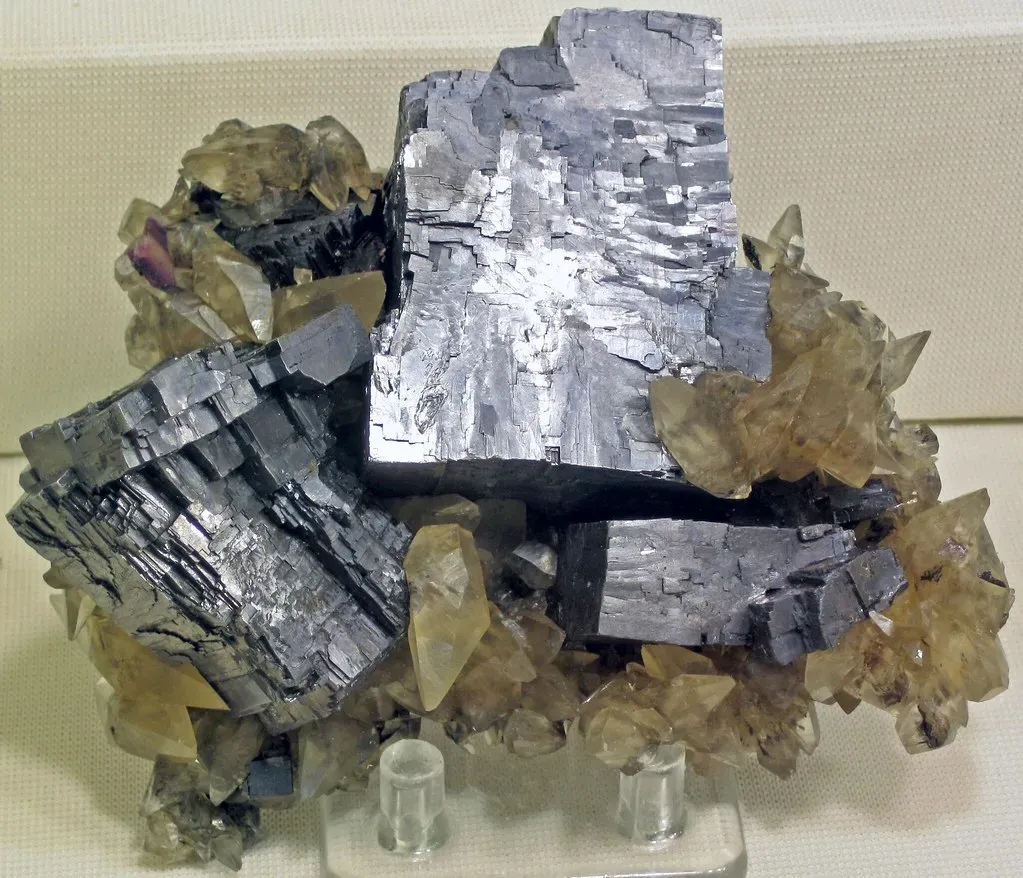
You might be wondering how anyone can say what Earth’s magnetic field looked like hundreds of thousands or even hundreds of millions of years ago. The answer is that the planet has been keeping a quiet diary in rocks, sediments, and even baked archaeological artifacts. Tiny magnetic grains in lava, volcanic ash, or slowly settling mud align themselves with the field as they form or cool. Once locked in place, they preserve a snapshot of direction and strength that you can measure with sensitive instruments in a lab.
By stacking many of these snapshots from around the world and from different ages, scientists build a timeline of past magnetic behavior, a field history known as paleomagnetism. You indirectly rely on this record even if you never study it, because it helped confirm plate tectonics by revealing symmetrical strips of reversed and normal polarity on each side of mid‑ocean ridges. When you look at a map of seafloor spreading, you are looking at ancient compasses frozen into stone, each one telling you which way north pointed when that patch of crust was born.
What This Wandering Field Means for Your Future
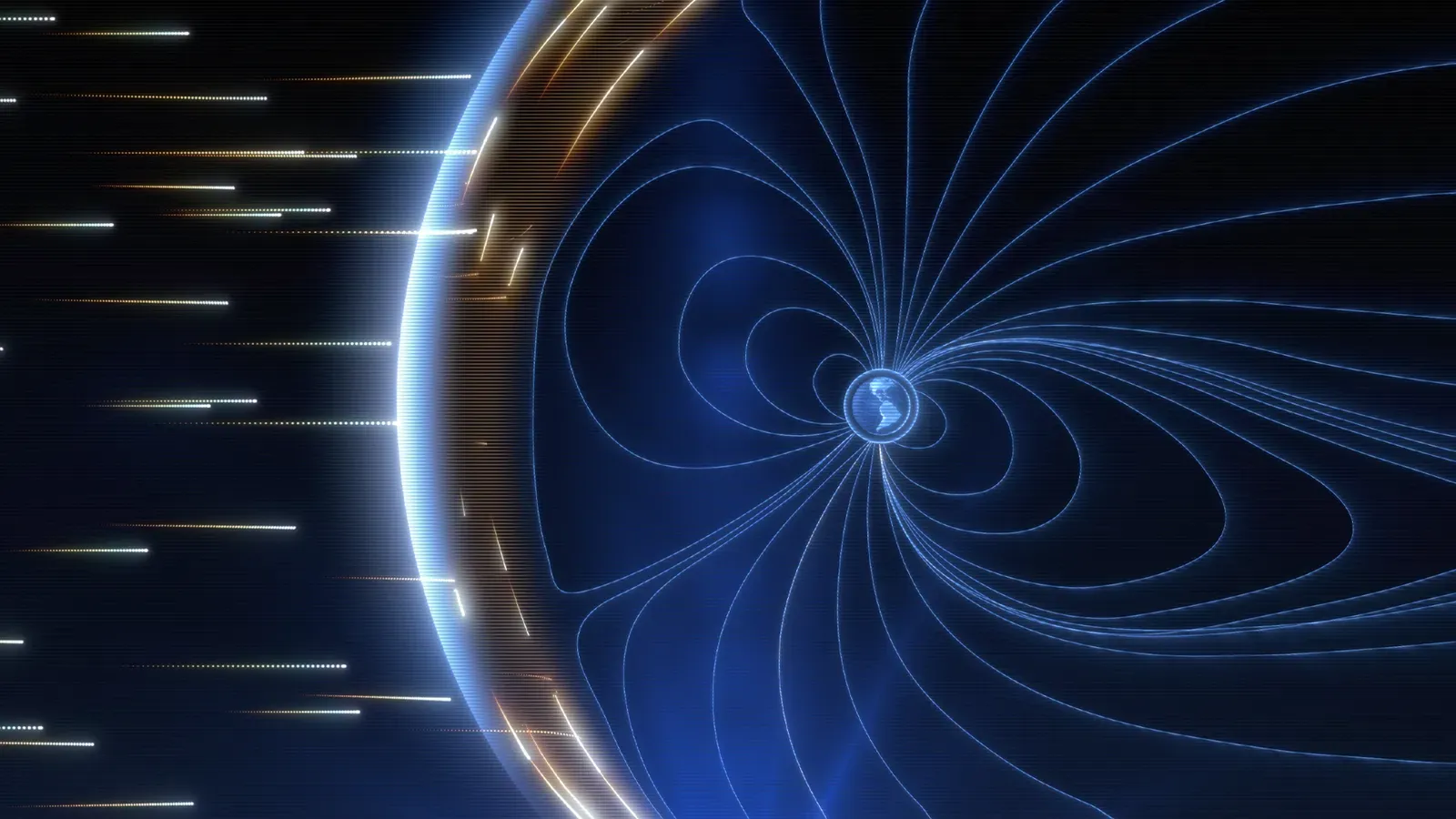
Once you accept that Earth’s magnetic field has always been restless, you can approach modern changes with a more balanced mindset. The field today is indeed evolving: some regions are weakening, others are strengthening, and the poles continue to drift. For your daily life, the practical effects mostly show up in areas where precise knowledge of the field matters, like satellite operations, long‑distance power grids, and navigation systems. Engineers already factor this variability into designs, update models regularly, and build in safety margins for strong solar storms.
For you personally, the best way to think about a wandering field is not as a looming catastrophe but as a reminder that the planet under your feet is dynamic at every level. The same processes that shift continents, build mountains, and trigger earthquakes also drive slow changes in the invisible shield above you. Staying informed, supporting good observational programs, and understanding the difference between long‑term geophysical trends and sudden threats helps you separate hype from reality. Instead of fearing every magnetic headline, you can see it as another page in the story of a planet that has always been in motion.
When you zoom out across deep time, Earth’s magnetic field stops looking like a fragile line about to snap and starts looking like a flexible, self‑adjusting system that has weathered every twist and reversal so far. You are lucky enough to be living through one tiny chapter of that story, watching the needle wander while the core continues its ancient dance below. Knowing that this invisible shield has flipped, wobbled, and recovered countless times can be oddly comforting: it has a long track record of adapting. The real question is, now that you know how dramatic its past has been, how differently will you look at a simple compass the next time you hold one?